Private Half Day Trip to Genocidal Museum & Killing Field
Active
3h - 4h
For a full refund, cancel at least 24 hours before the scheduled departure time.
Instant confirmation
Mobile or paper ticket accepted
About this experience
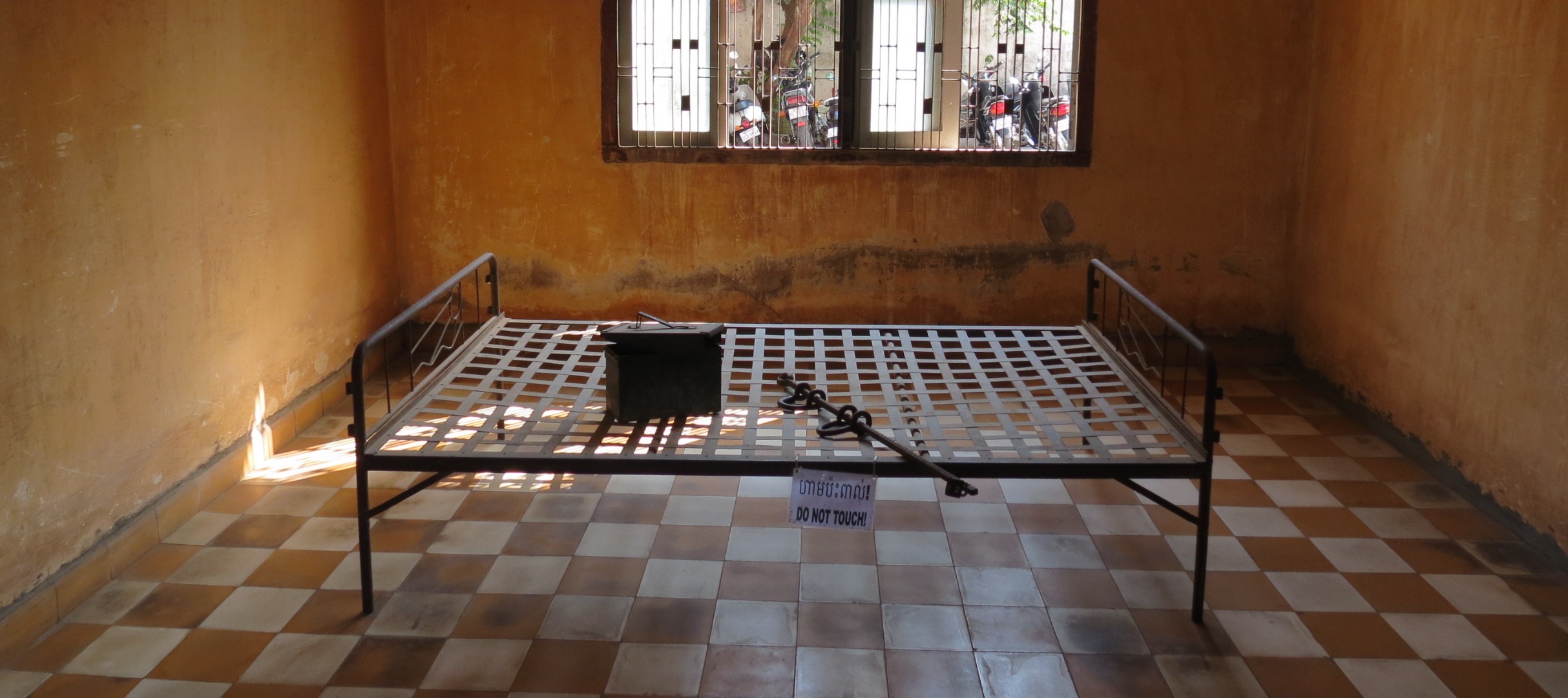
Join a confronting yet essential tour in Phnom Penh to The Killing Fields of Choeung Ek and Tuol Sleng Genocide Museum. This tour will help you reflect on the devastating impact of the Khmer Rouge regime on modern Cambodia. We come face to face with the horrific crimes of the Khmer Rouge. Tuol Sleng was a former high school that the Khmer Rouge turned into a centre for interrogation, torture and death. 17,000 people passed through the gates of this prison and only seven lived to tell the tale.
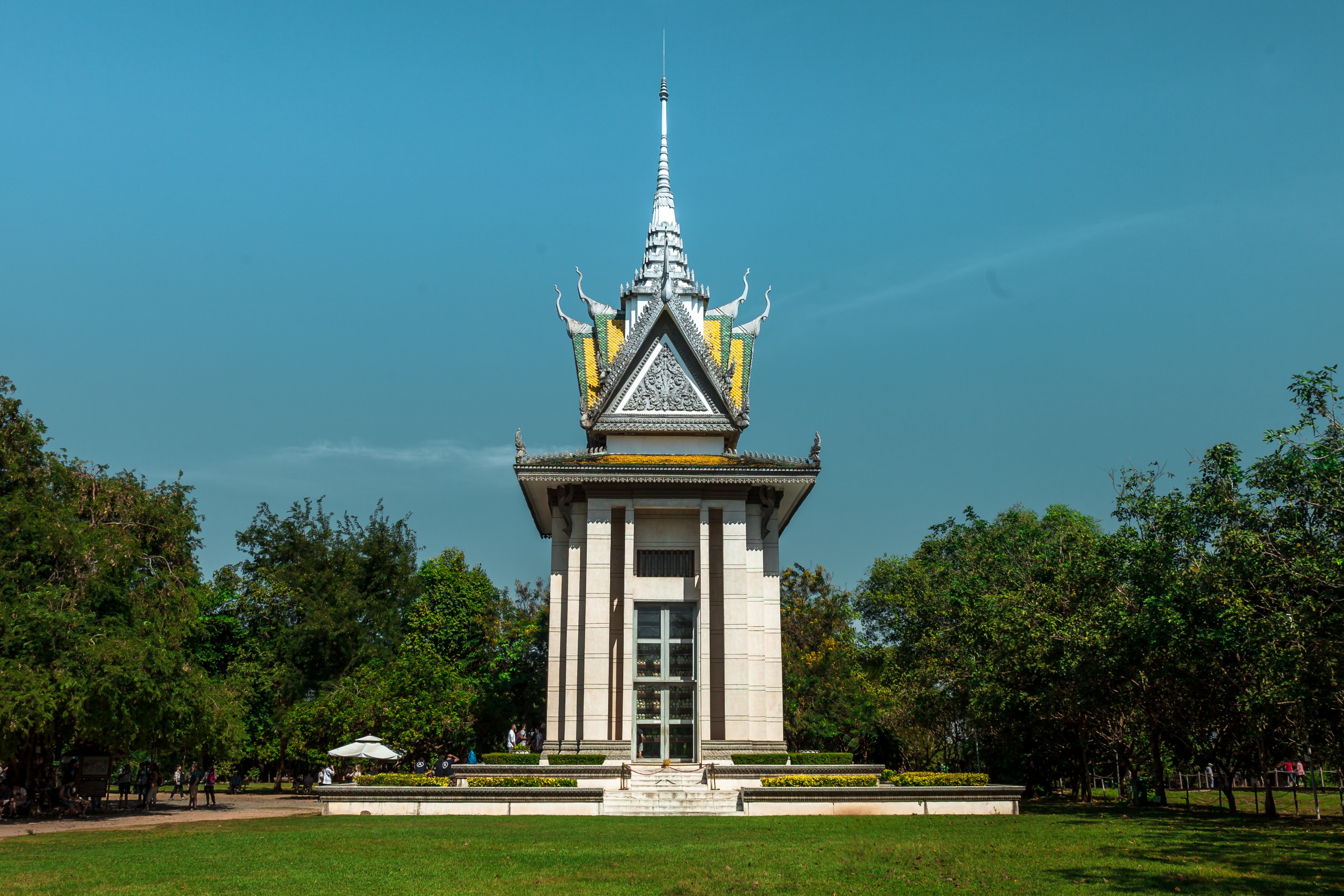
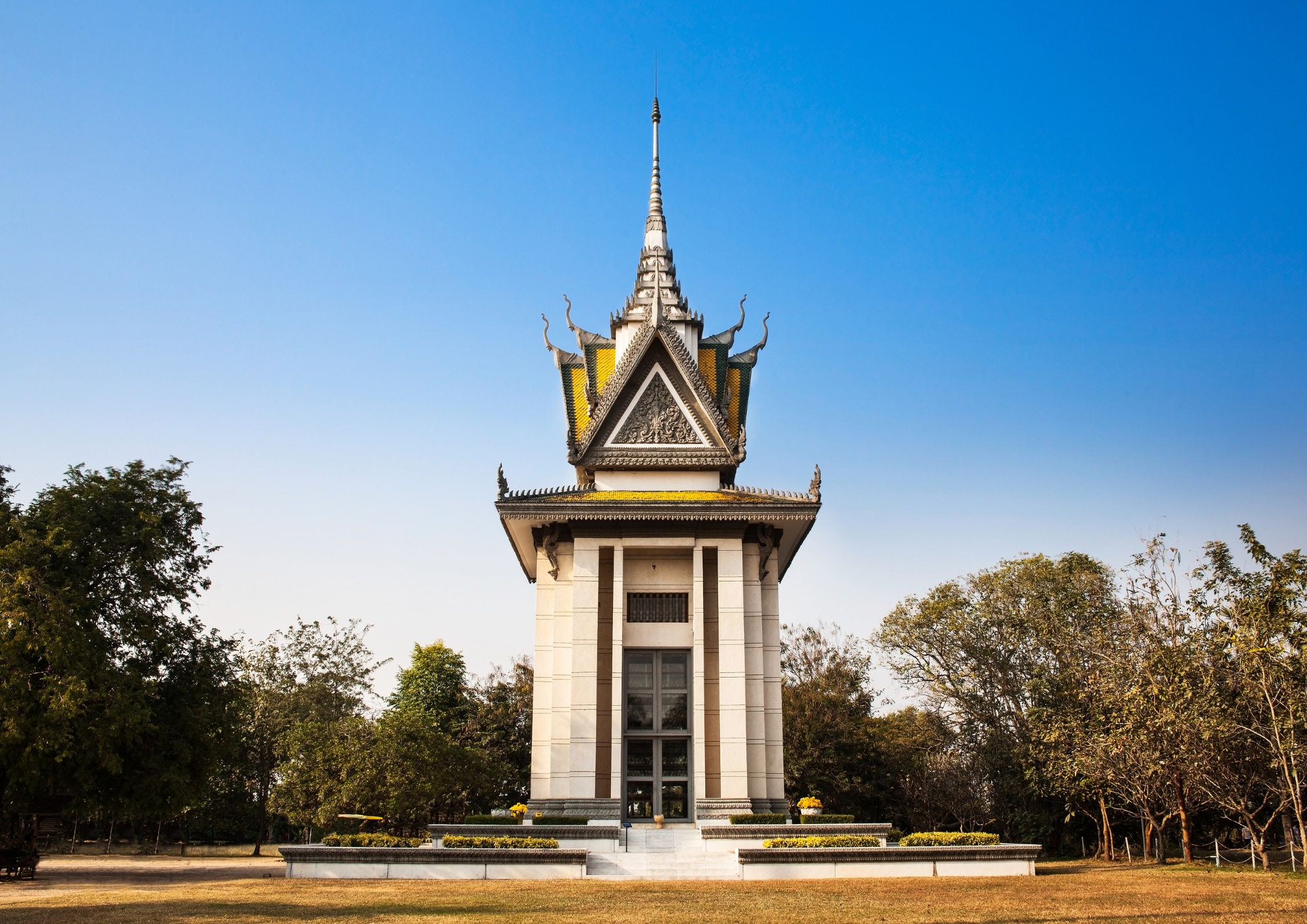
We then travel out of town to the Killing Fields of ChoengEk. Prisoners from Tuol Sleng followed this same route to their fate. An old Chinese cemetery, ChoengEk was turned into an extermination camp for political prisoners. The remains of 8985 people were exhumed from mass graves and are kept in a memorial stupa here. Despite the horrors of the past, it is a peaceful place to go and a tranquil spot to reflect on the tragic events that engulfed Cambodia and its people.
Available options
Private Half Day Trip to Genocidal Museum & Killing Field
Pickup included
What's included
Private Tour Guide
Private Transportation with A/C
hotel pick up & drop off
Pure Drinking Water
Travel Insurance
Detailed itinerary
1
Stop 1
Our professional tour guide and driver are going to pick up you at the lobby of your hotel and transfer to visit Tuol Sleng S21 where it was the main political prison, and was where suspected enemies of Angkar were sent. As Pol Pot and the top commanders’ paranoia spiraled, so did the number of Cambodians detained here. Once inside, prisoners were either tortured to death or sent to nearby Choeung Ek for re-education – meaning execution. An estimated 12,273 were detained at S-21, with only seven known survivors.
2
Stop 2
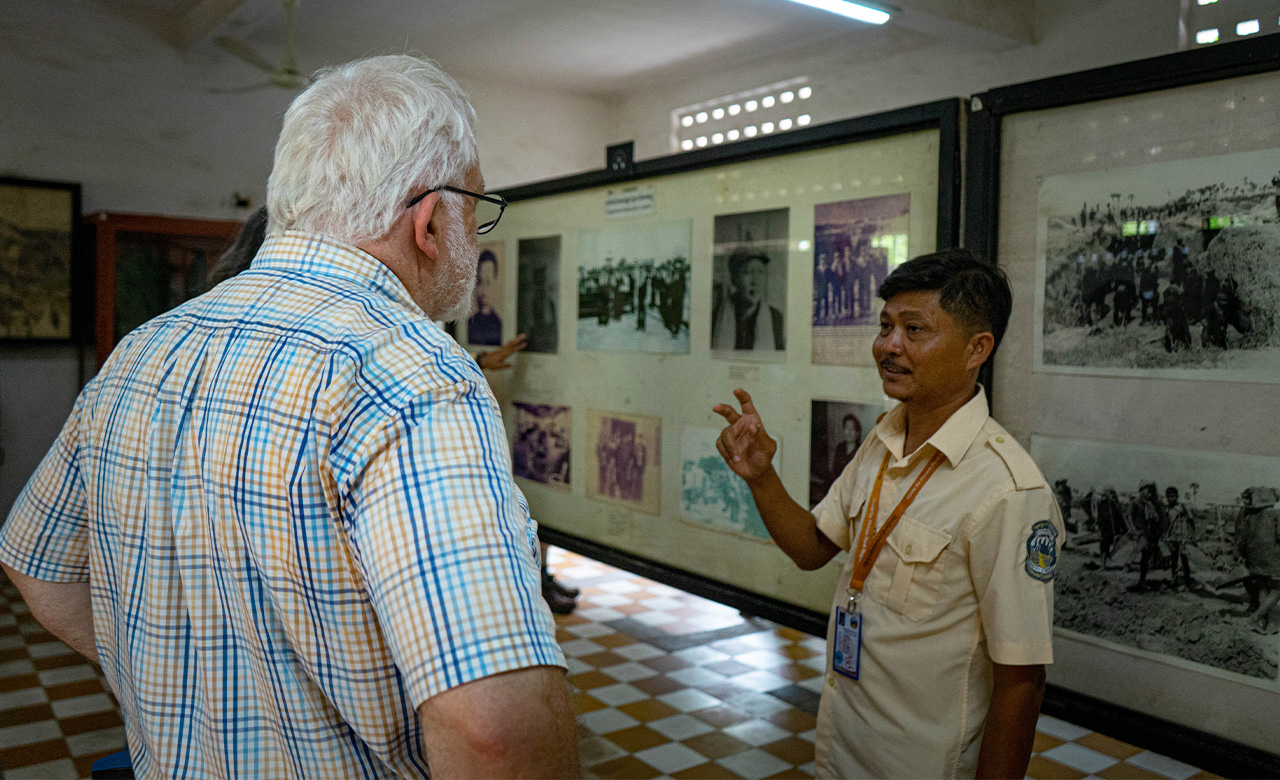
Then, we travel out of town to the Killing Fields of Choeng Ek. Between 1975 and 1978, some 20,000 people held at S-21 were taken to the Killing Fields of Choeung Ek. Like the Nazis, the Khmer Rouge leaders were meticulous in keeping records of their barbarism. Each prisoner who passed through S-21 was photographed, sometimes before and after torture. The museum displays include room after room of harrowing B&W photographs; virtually all of the men, women and children pictured were later killed. You can tell which year a picture was taken by the style of number-board that appears on the prisoner’s chest. Several foreigners from Australia, New Zealand and the USA were also held at S-21 before being murdered. Return to your hotel and drop off.
What's not included
Food & Drink
Choeung Ek Genocidal Center
Tuol Sleng Genocide Museum
Available languages
Guide guide
EN
Reviews breakdown
Viator
5.0
1 reviews
5★
1
4★
0
3★
0
2★
0
1★
0
Tripadvisor
5.0
8 reviews
5★
8
4★
0
3★
0
2★
0
1★
0
Important information
Wheelchair accessible
Infants and small children can ride in a pram or stroller
Public transportation options are available nearby
Specialized infant seats are available
Transportation options are wheelchair accessible
All areas and surfaces are wheelchair accessible
Suitable for all physical fitness levels
About Phnom Penh
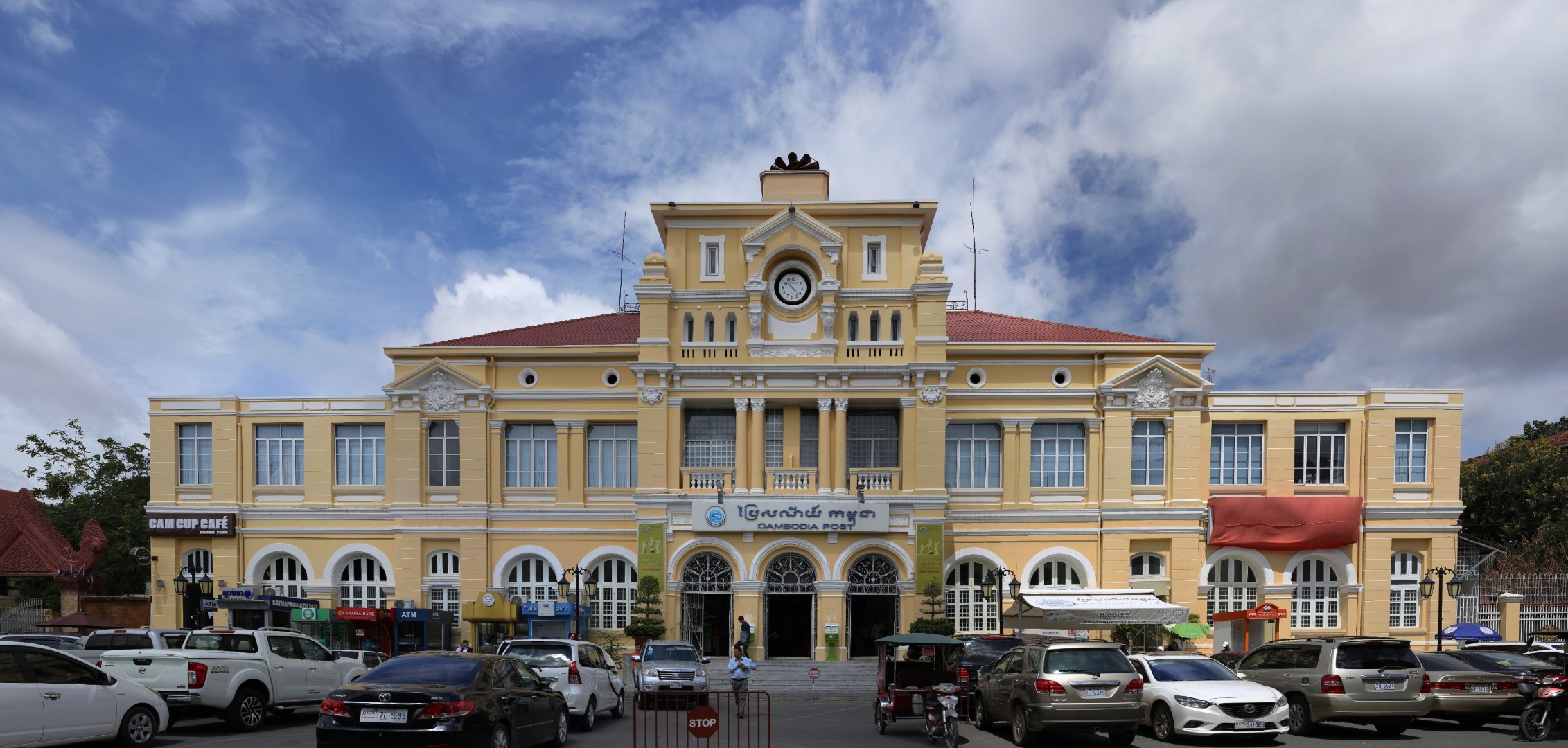
Phnom Penh, the vibrant capital of Cambodia, is a city rich in history, culture, and bustling markets. Known for its French colonial architecture, the Royal Palace, and the Tuol Sleng Genocide Museum, it offers a unique blend of the old and the new, making it a compelling destination for travelers.
Top Attractions
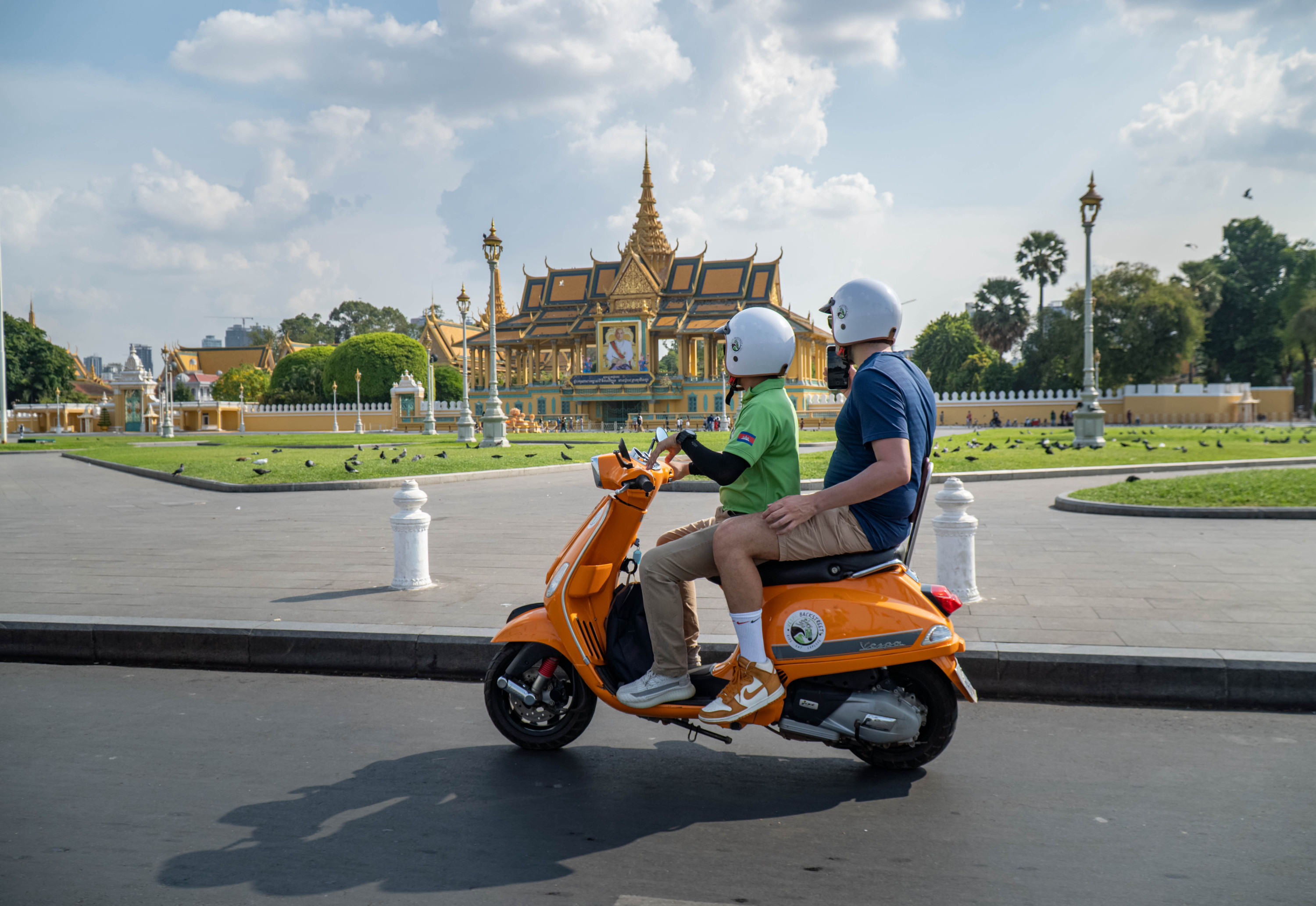
Royal Palace
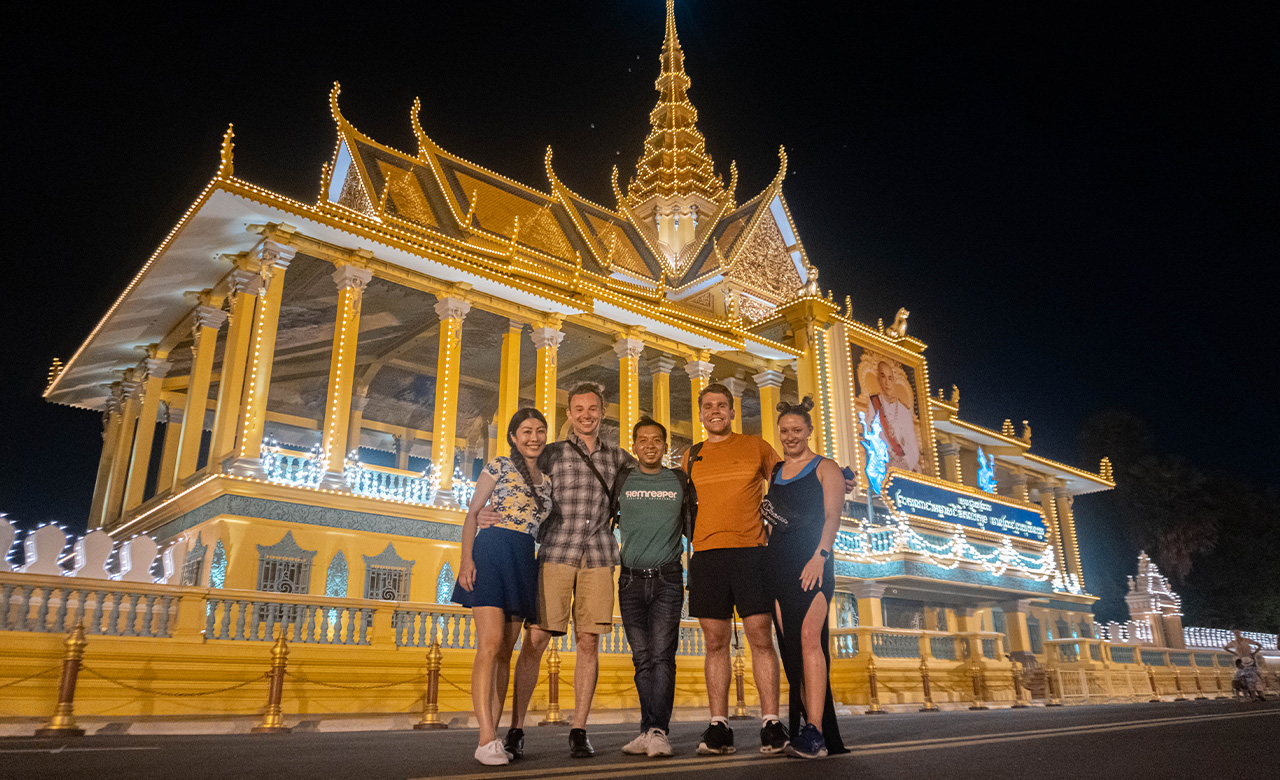
The Royal Palace is the official residence of the King of Cambodia. It features beautiful Khmer architecture and is a must-visit for its historical significance and stunning design.
Historical/Architecture
1-2 hours
10 USD
Tuol Sleng Genocide Museum
Also known as S-21, this museum is a former school turned into a prison and torture center by the Khmer Rouge. It serves as a stark reminder of Cambodia's dark past.
Historical
1-2 hours
5 USD
Central Market
Also known as Phsar Thmei, this market is a great place to shop for souvenirs, clothes, and local food. The Art Deco building is an architectural gem.
Market
1-2 hours
Free to enter, prices vary
Wat Phnom
This Buddhist temple is the namesake and heart of the city. It is believed to be the site where the first pagoda was built in Phnom Penh.
Religious
30 minutes
1 USD
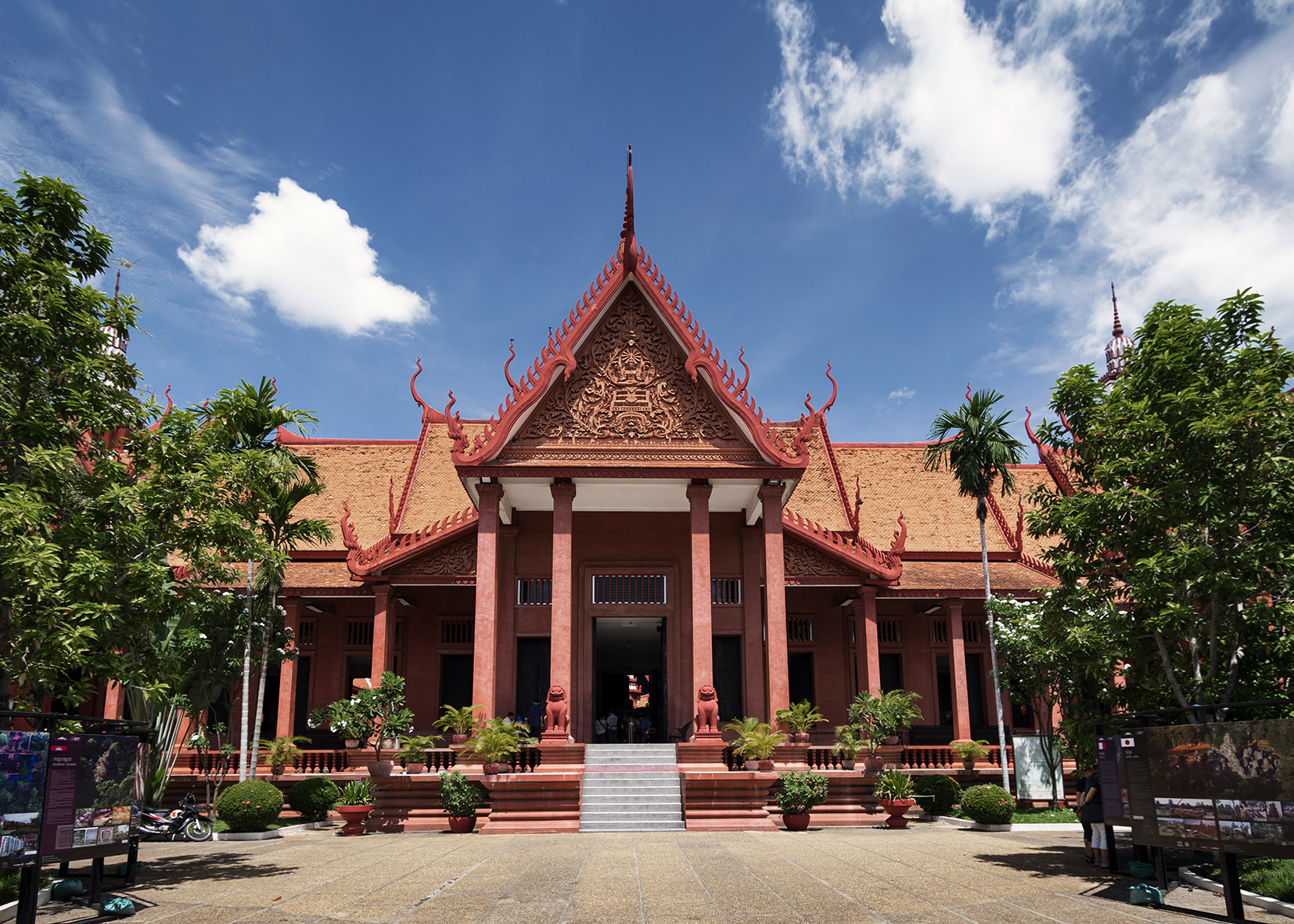
National Museum of Cambodia
This museum houses a vast collection of Khmer artifacts, providing a deep dive into Cambodia's rich history and culture.
Museum
1-2 hours
10 USD
Must-Try Local Dishes
Amok
A creamy coconut curry with fish or chicken, steamed in banana leaves.
Main Dish
Can be made with fish or chicken, vegetarian options available.
Lok Lak
Stir-fried beef with onions and a tangy lime-pepper dipping sauce.
Main Dish
Typically made with beef, but can be made with other meats.
Nom Banh Chok
Rice noodles topped with a fish-based gravy and fresh herbs.
Breakfast
Vegetarian options available with tofu.
Bai Sach Chrouk
Grilled pork with broken rice and pickled vegetables.
Breakfast
Contains pork.
Popular Activities
Boat Tours
Biking
Hiking
Spa Treatments
Riverfront Promenade
Coffee Shops
Temple Visits
Museum Tours
Best Time to Visit
November to February
This is the dry season with pleasant weather, making it ideal for sightseeing and outdoor activities.
22°C - 32°C
72°F - 90°F
Practical Information
Language
- Official: Khmer
- Widely spoken: English, French
- English: Moderately spoken
Currency
Cambodian Riel (KHR)
Time Zone
GMT+7
Electricity
230VV, 50HzHz
Safety Information
Overall Safety Rating: Generally safe with common sense
Phnom Penh is generally safe for tourists, but petty crime and scams can occur. Be cautious, especially at night and in crowded areas.
Important Precautions:
- • Be cautious of tuk-tuk drivers offering tours or services, as they may overcharge or take you to overpriced shops
- • Use reputable tour operators and agree on prices beforehand
- • Keep valuables secure and be cautious of pickpockets in crowded areas
Getting there
By air
- Phnom Penh International Airport • 10 km from city center
By train
Phnom Penh Railway Station
By bus
Central Market Bus Station, Siem Reap Bus Station
Getting around
Public transport
Public buses are affordable but can be crowded and slow. Routes cover major areas of the city.
Taxis
Available • Apps: PassApp, Grab
Rentals
Car, Bike, Scooter
Neighborhoods
Riverside
BKK1
Russian Market (Psar Tuol Tom Poung)
Day trips
Tonlé Sap Lake
150 km from Phnom Penh • Full day
A large freshwater lake known for its floating villages and unique ecosystem.
Kampong Cham
120 km from Phnom Penh • Full day
A riverside town with a mix of French colonial architecture and traditional Khmer temples.
Koh Dach Island
15 km from Phnom Penh • Half day
A peaceful island known for its silk weaving and rural landscapes.
Festivals
Khmer New Year (Choul Chnam Thmey) • April 14-16
Water Festival (Bon Om Touk) • November (dates vary)
Pchum Ben • September/October (dates vary)
Pro tips
- Visit the Royal Palace and Silver Pagoda early in the morning to avoid crowds and heat
- Try local street food at the Central Market or Russian Market for an authentic experience
- Take a tuk-tuk tour of the city to see the major attractions in a short amount of time
- Visit the Tuol Sleng Genocide Museum for a sobering but important historical perspective
- Explore the riverside area for great dining and nightlife options
From $25
per person
Price varies by option
Secure booking
Free cancellation available
Instant confirmation