UNESCO Watchtowers World Heritage Ancient Villages Private Tour
Active
5h - 11h
All sales are final. No refund is available for cancellations.
Manual confirmation
Mobile or paper ticket accepted
About this experience
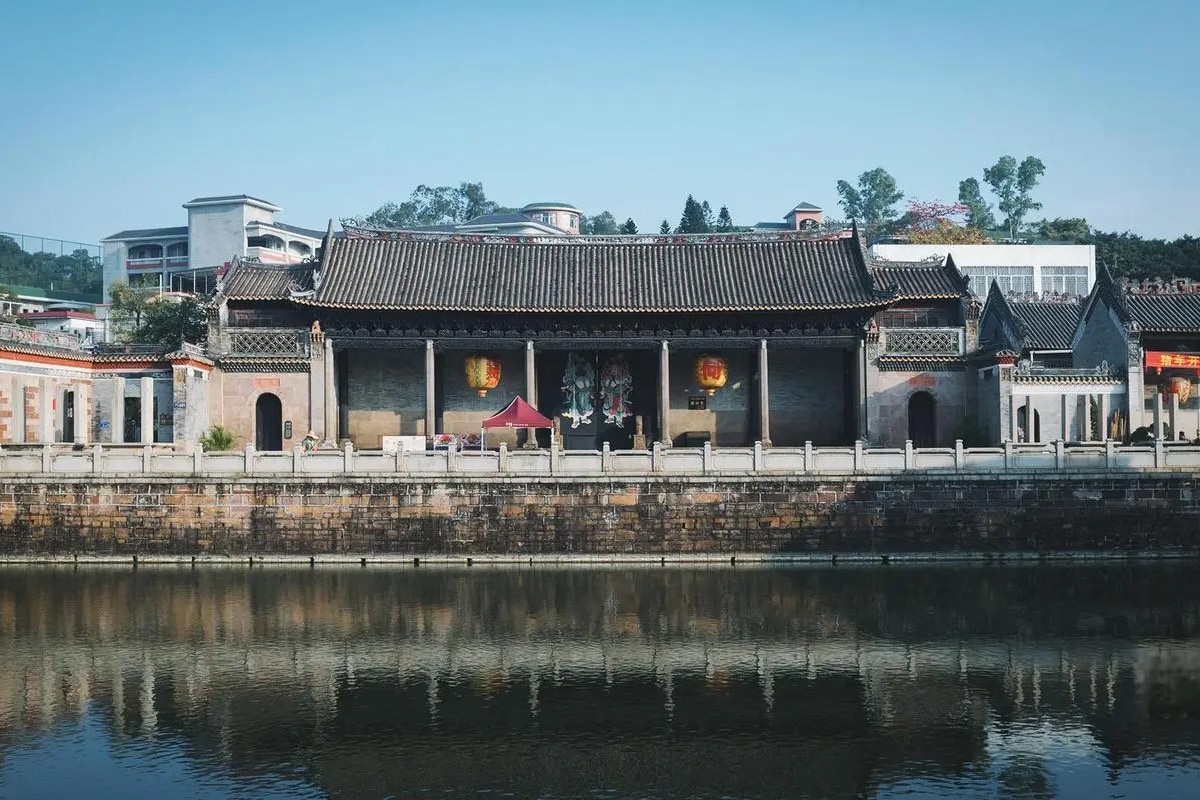
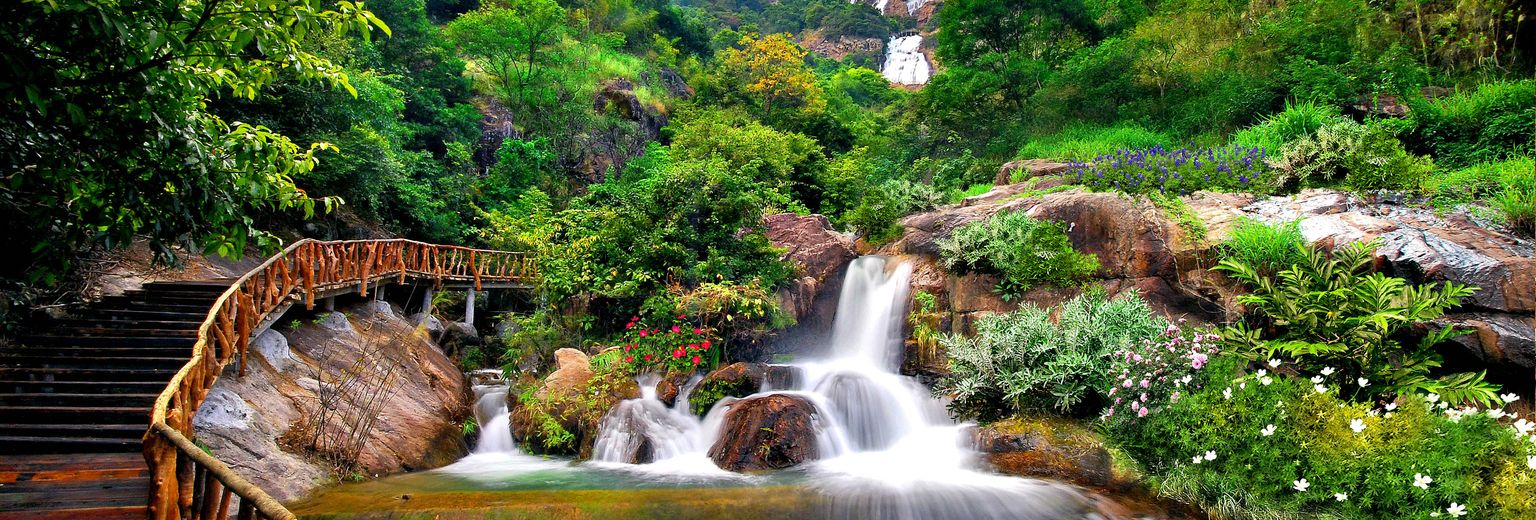
This exclusive day trip will let you explore Kaiping area(around 2 hours driving from Guangzhou), which is famous for its world class architectural and cultural heritage-Watch Tower (the house buildings look like fortress built in 1900s by overseas Chinese migrant workers) and villages. We would be travelling in a private car to visit a few UNESCO sites(like Li Garden, Zili Village) in the countryside area with many farmland, livestock shed and fishpond along the way.
Kaiping/Taishan is also the hometown city for many overseas Chinese, if you are coming back to visit and looking for your ancestor's house, we can assist and arrange such a tour for you. We will follow up with you to firm up the itinerary after you book this tour on Tripadvisor.^_^.
Available options
Basic Package Private Tour
Duration: 5 hours: For 5 hours tour to visit Zili Village UNESCO Diaolou/Watchtowers only<br/>Pickup included
Medium Package Private Tour
Duration: 8 hours: For 8 hours tour to visit Zili Village UNESCO watchtowers and one more site nearby(Li Garden or Chikan Old Town Film City).<br/>Pickup included
Premium Package Private Tour
Duration: 11 hours: For 11 hours tour to visit all 3 sites for watchtowers in Kaiping area(Zili Village, Chikan Old Town Film City and Li Garden)<br/>Pickup included
What's included
Hotel pick up and drop off in downtown Guangzhou
Local English speaking tour guide with full escort
Private car with air-con
Professional driver
Detailed itinerary
1
The Diaolou Cluster in Zili Village and the Diaolou Cluster in Majianglong Village in Guangdong’s first World Cultural Heritage Site, and Li Garden, which is known as “a masterpiece of gardens built by overseas Chinese”. It’s a comprehensive tourist attraction integrating many elements, such as overseas Chinese culture, garden art, Chinese and Western architecture, cultural relics, five-country customs. Kaiping Diaolou is a special type of native architecture in China. It is a kind of multi-story tower building integrating defense, residence, Chinese and Western architectural art. It is also the fruit of Chinese rural people’s active acceptance of Western architectural art and its integration with the local architectural art, embodying the typical open, inclusive, conflicting and integrated development between overseas Chinese culture and Western culture with unique artistic charm, becoming a masterpiece of overseas Chinese culture and a unique world architectural art landscape.
2
Founded in the 17th year of Daoguang’s reign in the Qing Dynasty(1837), it is comprised of Anheli, He’anli, and Yong’anli unincorporated villages all with the surname of Fang. In the early days after the founding of new People’s Republic of China, all three villages were combined into Zili Village, implying “self-reliance”. The entire village has 92 houses in total, including 77 “three-room-and-two-corridor” traditional dwellings, 9 watchtowers, and 6 cottage-style villas. Apart from the finest building Mingshi Building, there are another characteristic buildings named Yesheng Mansion, Lansheng Mansion and Guansheng Mansion. The traditional dwellings and watchtowers in the village are well distributed and proportioned. Dotted with the lotus ponds, its unique country lifestyle and the stories behind the watchtowers have attracted visitors from all over the world.
3
Jinjiangli Village Diaolou Cluster, surrounded by mountains, with crisscross paths on the farmland and river flowing through away before it, lies in the Xian Gang Township, Kaiping City. Water buffaloes and geese appearing on the riverside from time to time, the granite-paved road leading from the pier to the village, and women carrying water coming and going, that is a pastoral life painting of Jinjiangli Village. 3 diaolou stand among traditional old houses, which gives you a sense of beauty of harmony in combination of western and Chinese traditional style. Ruishilou and Shengfenglou are 2 out of the 3 diaolou that forms the most beautiful diaolou cluster in Kaiping.
4
Built in the early 20th century by Mr. Xie Weili, a US-based Chinese, the Li Garden is based on the Grand View Garden depicted in the Dream of the Red Chamber and skillfully combines the classical garden features with popular villa architectures in Europe and America, which presents a unique form of architectural art and boasts a breathtaking man-made garden landscape.
Known as the “Small View Garden”, the Li Garden focuses on the conception of “bridge, brook, and household”. Divided into grand garden, small garden, and villa clusters, the garden layout forms a style of its own: separation with the artificial river or walls, connection with pavilions and bridges or corridors, contributing to the pattern of gardens within gardens and landscapes within landscapes. With profound culture represented by the couplets by famous calligraphers and substantial romantic and legendary sculptures and murals, it will turn back the clock to make you feel like being in the early 20th century.
5
Situated at the flatland on the eastern coast of Tanjiang River, the Majianglong Village is under the administration of Baihe Township. It is composed of 5 villages: Yong’an and Nan’an Village of the Huang family and Qinglin, Hedong and Longjiang Villages of the Guan family. Yong’an Village was established during the Qianlong period(1736-1795). In the early years, it was known as “Fengsuilang” which bears the symbolic meaning of “good harvest every year”. They renamed the place “Majianglong” after 1949. There are seven Diaolou buildings and eight Western-style villas in Majianglong Village, which are all unique in design and well preserved, hidden in the dense ancient woods and bamboo groves, perfectly blending into the surrounding natural environment and folk houses. Standing among them, surrounded by luxuriant and well-spaced green bamboo, dense fruit trees, chirping birds and fragrant flowers, you will wonder if you are stepping into a fairyland.
6
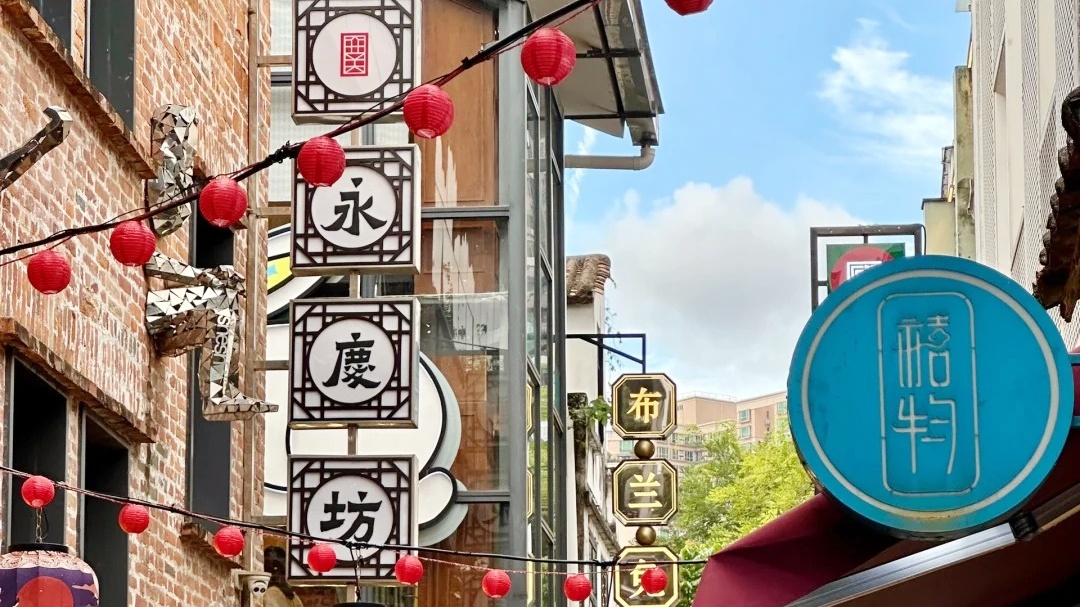
Established in early Qing Dynasty, next to Tan River with convenient transportation for surrounding rural villages, Chikan Old Town is famous for its many Cantonese style Qilou street buildings as well as western villas. It is also an ideal and popular place for film makers and photographers for wedding celebration who'd like to take advantage of its traditional architectural background and atmosphere. Delicious local food and snacks are a plus to this site.
What's not included
Admission fee and lunch(for you and the guide)
Gratuities
Available languages
Guide guide
CMN
YUE
EN
ZH-CN
Reviews breakdown
Viator
5.0
1 reviews
5★
1
4★
0
3★
0
2★
0
1★
0
Tripadvisor
5.0
16 reviews
5★
16
4★
0
3★
0
2★
0
1★
0
Important information
Infants and small children can ride in a pram or stroller
Suitable for all physical fitness levels
About Guangzhou
Guangzhou, known as Canton, is a vibrant metropolis in southern China, renowned for its rich history, bustling markets, and iconic Cantonese cuisine. As a major commercial and cultural hub, it offers a unique blend of modern skyscrapers and traditional temples, making it a fascinating destination for travelers.
Top Attractions
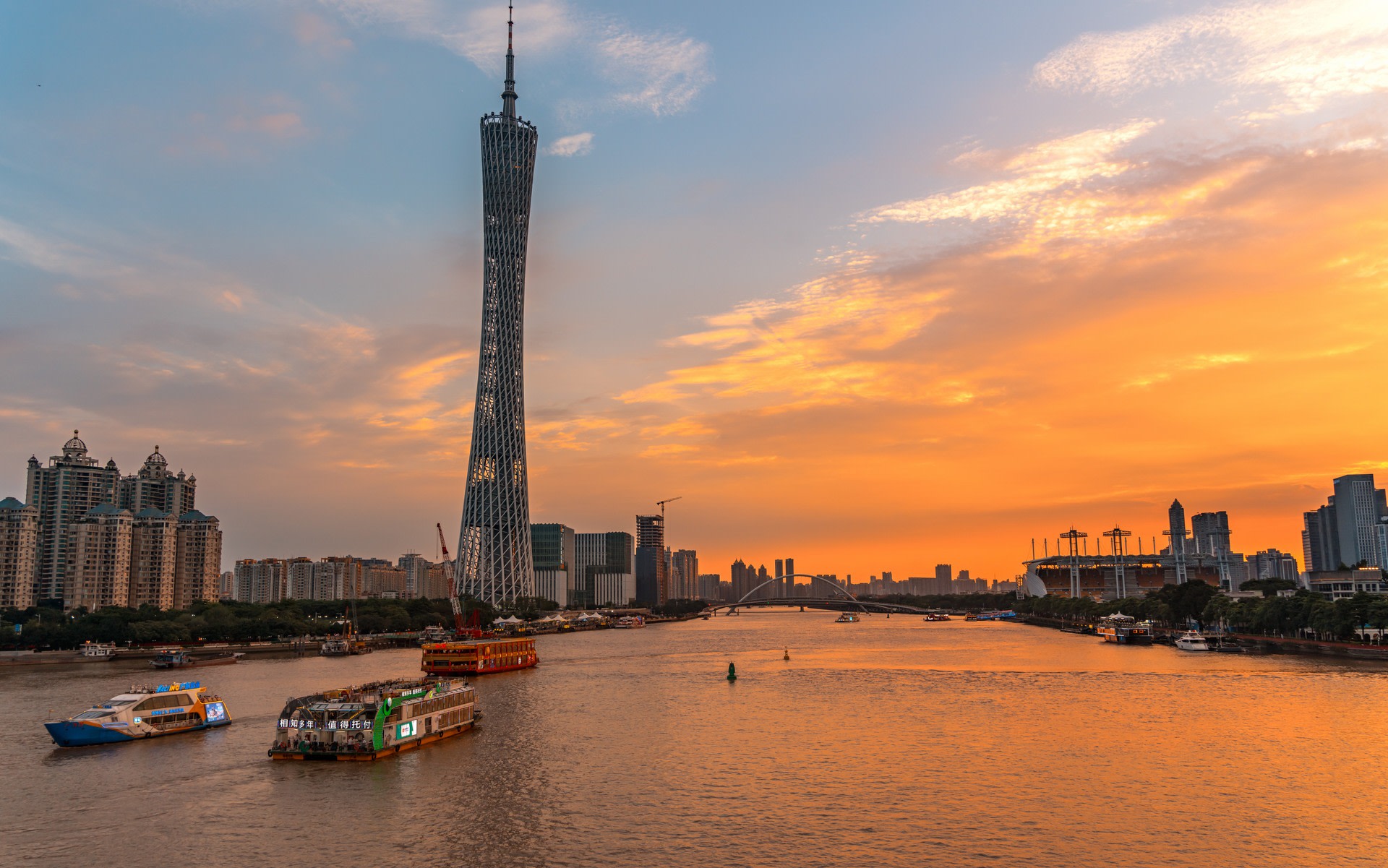
Canton Tower
The Canton Tower is an iconic landmark and one of the tallest towers in the world. It offers breathtaking views of the city and has a variety of entertainment options, including a revolving restaurant and an observation deck.
Architecture
2-3 hours
¥150-200
Shamian Island
Shamian Island is a historic area known for its colonial-era buildings and serene environment. It's a great place to learn about Guangzhou's past and enjoy a peaceful walk along the Pearl River.
Historical
1-2 hours
Free
Chen Clan Ancestral Hall
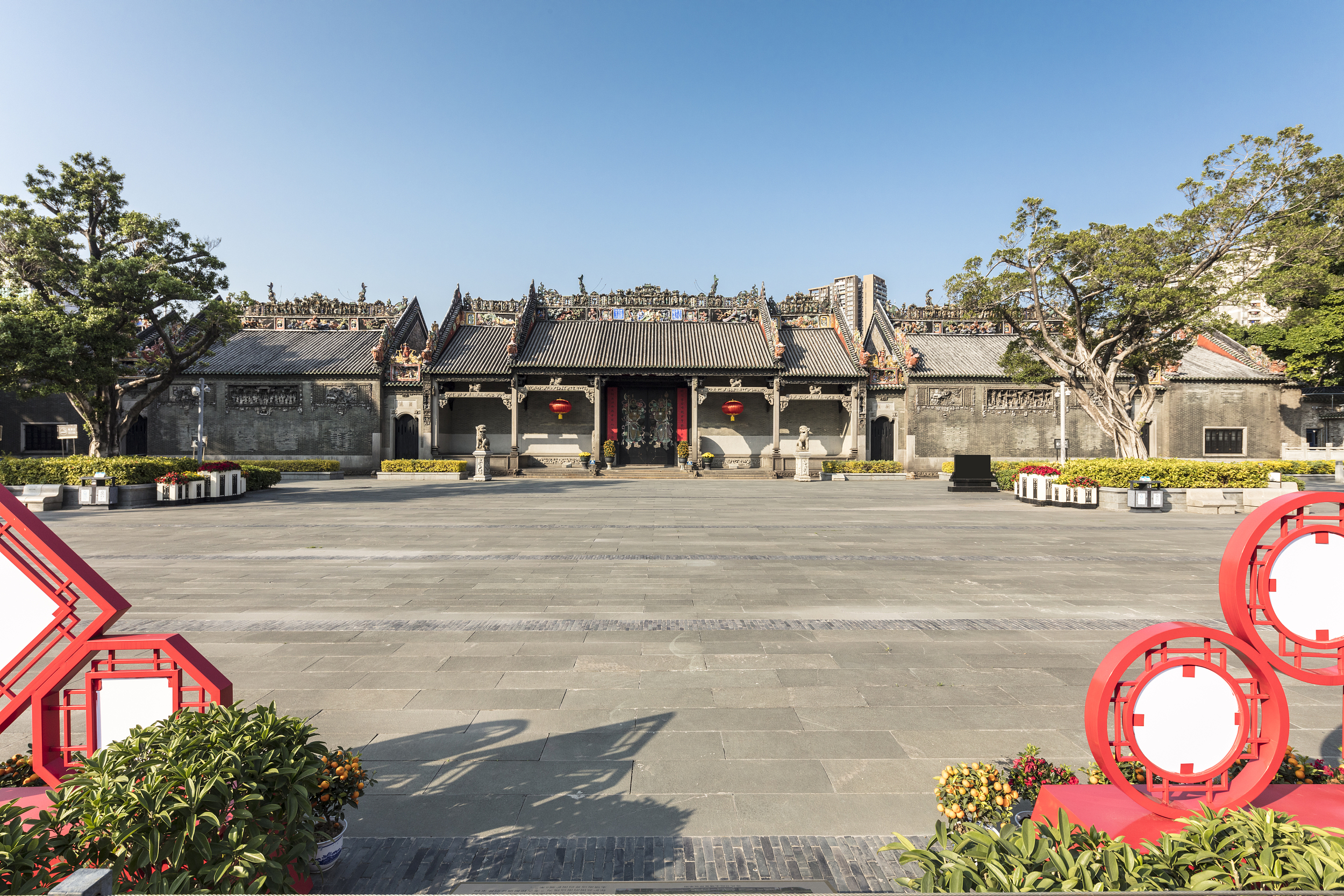
The Chen Clan Ancestral Hall is a beautifully preserved example of traditional Lingnan architecture. It houses a museum showcasing the history and culture of the Chen Clan, one of the most influential clans in Guangdong.
Historical
1-2 hours
¥10
Baiyun Mountain
Baiyun Mountain is a scenic area known for its lush greenery and panoramic views of Guangzhou. It's a popular spot for hiking, picnicking, and enjoying the natural beauty just outside the city.
Nature
Half-day
Free (cable car costs ¥25)
Shanghai Street
Shanghai Street is a bustling commercial area known for its vibrant atmosphere, historic buildings, and a variety of shops and restaurants. It's a great place to experience the local culture and enjoy some shopping.
Cultural
2-3 hours
Varies by shop
Must-Try Local Dishes
Dim Sum
A variety of small dishes served in bamboo steamers, including dumplings, buns, and rolls. Dim sum is a must-try for any visitor to Guangzhou.
Breakfast/Lunch
Vegetarian and vegan options available
Roast Duck
Cantonese-style roast duck is known for its crispy skin and tender meat, often served with a sweet and savory sauce.
Lunch/Dinner
Contains meat
Wonton Noodle Soup
A comforting bowl of noodles with wontons, typically served in a clear broth made from pork or chicken.
Lunch/Dinner
Vegetarian options available
Chai Ming
A traditional Cantonese dessert made from sticky rice, sugar, and various fillings, such as lotus paste or sesame paste.
Dessert
Vegetarian
Popular Activities
Hiking in Baiyun Mountain
Cycling around Shamian Island
Tea tasting at a traditional teahouse
Beach relaxation in Zhuhai
Exploring the Chen Clan Ancestral Hall
Watching a Cantonese opera performance
Boat cruise on the Pearl River
Visiting the Canton Tower for panoramic city views
Best Time to Visit
October to December
This period offers pleasant weather with cooler temperatures and lower humidity, making it ideal for sightseeing and outdoor activities.
18°C to 25°C
64°F to 77°F
Practical Information
Language
- Official: Chinese (Mandarin)
- Widely spoken: Cantonese, English (in tourist areas)
- English: Moderately spoken in tourist areas, limited elsewhere
Currency
Chinese Yuan (CNY)
Time Zone
GMT+8
Electricity
220VV, 50HzHz
Safety Information
Overall Safety Rating: Generally safe
Guangzhou is generally safe for travelers, with low crime rates and a strong police presence. However, as with any major city, it's important to be aware of your surroundings and take precautions to protect yourself and your belongings.
Important Precautions:
- • Keep valuables secure and be cautious of your surroundings in crowded areas
- • Use reputable taxi services or ride-hailing apps like DiDi to avoid overcharging
- • Be cautious of street vendors and markets, as prices may be inflated for tourists
Getting there
By air
- Guangzhou Baiyun International Airport • 28 km from city center
By train
Guangzhou Railway Station, Guangzhou East Railway Station
By bus
Guangzhou Bus Station, Tianhe Bus Station
Getting around
Public transport
The Guangzhou Metro is efficient, clean, and affordable. It consists of multiple lines that connect major attractions and neighborhoods.
Taxis
Available • Apps: DiDi
Rentals
Car, Bike, Scooter
Neighborhoods
Tianhe
Liwan
Zhengjia
Haizhu
Day trips
Shenzhen
120 km from Guangzhou • Full day
Shenzhen is a modern metropolis known for its futuristic architecture, vibrant shopping scene, and as the gateway to Hong Kong.
Zhuhai
140 km from Guangzhou • Full day
Zhuhai is a beautiful coastal city known for its stunning beaches, scenic islands, and the famous Zhuhai Fisher Girl Statue.
Foshan
30 km from Guangzhou • Half day
Foshan is a historic city known for its rich cultural heritage, traditional Cantonese opera, and the famous Ancestral Temple.
Festivals
Canton Fair • April and October (two sessions per year)
Guangzhou International Light Festival • December
Lunar New Year • January or February (based on the lunar calendar)
Pro tips
- Learn a few basic Chinese phrases to enhance your experience and connect with locals.
- Use the Guangzhou Metro and public transportation system to get around the city efficiently and affordably.
- Try local Cantonese dishes and street food for an authentic culinary experience.
- Visit popular attractions during the early morning or late afternoon to avoid crowds and long lines.
- Carry small denominations of cash for street vendors and markets, as they may not accept large bills or credit cards.
From $25
per person
Price varies by option
Secure booking
Free cancellation available