Guatemala city Walking Tour and public bus
Active
2h - 2h
For a full refund, cancel at least 24 hours before the scheduled departure time.
Instant confirmation
Mobile or paper ticket accepted
About this experience
This is the only walking tour on Guatemala city, that shows the real heart of the city.
Walk and goes inside of some important houses.
Available options
Guatemala city Walking Tour and public bus
What's included
Public transportation
Detailed itinerary
1
Here we will see all the buildings around such as: City Hall, Banco de Guatemala, Banco Credito Hipotecario Nacional, Social Security Offices.
2
Recinos Engineer was solely responsible for the monitoring, construction and creative development of what we know today as the Guatemalan Cultural Center "Miguel Ángel Asturias"
3
The first National Typography building was located from 1894 to 1918 on the avenue known as Hospital Street, exactly on the 2nd. South Avenue and 10th. Street, but in 1935, the then president Jorge Ubico decided to start a new construction for the operation of the National Typography.
4
The Church of Our Lady of Remedies or El Calvario is one of the most visited secular Catholic parishes in Guatemala City. Originally it was on the top of "Cerro del Cielito" at the end of the sixth avenue of the Historic Center of Guatemala City. In 1936 it was converted into the National Museum of History and later it was demolished to extend one of the main roads of Guatemala City.
5
The Rectory of San Francisco is part of the territory of the Parish of Our Lady of Remedies of Guatemala City. It is a Catholic temple that belongs to the conventual Franciscan friars and is located in the Historic Center of Guatemala City.
6
The Guatemalan Post and Telegraph Building, formerly called Palacio de Comunicaciones, was designed by Rafael Pérez de León and Enrique Riera and was built at the time of Jorge Ubico's government.
The construction of the building began in 1938 and two years later, as part of the president's birthday celebration, the first phase was inaugurated. Two other subsequent phases were completed in the next five years.
7
The Ibargüen House in zone 1 of the historic center was the old Beltranena palace, built in 1778. It is now the headquarters of the Foundation of the Historic Capital Center.
8
The Constitution Plaza, also commonly called Central Park, is the largest square in Guatemala, surrounded to the north by the National Palace, former seat of the Government, to the east by the Metropolitan Cathedral, to the south by the Portal of Commerce, and to the west for the Centennial Park and the National Library of Guatemala. It is located on the Sixth Avenue of Zone 1, in Guatemala City.
In the Plaza, some of the most important events in the country are held, such as the celebrations and parades of the Independence Day of Guatemala, concerts, speeches, among others. It has also been the scene of the comparsas and strong criticisms of the government of the Huelga de todos los Dolores a parade of the students of the University of San Carlos and of demonstrations and protests against the Guatemalan government.
The main entrance of the National Palace is kilometer zero of all roads in the Republic of Guatemala.
9
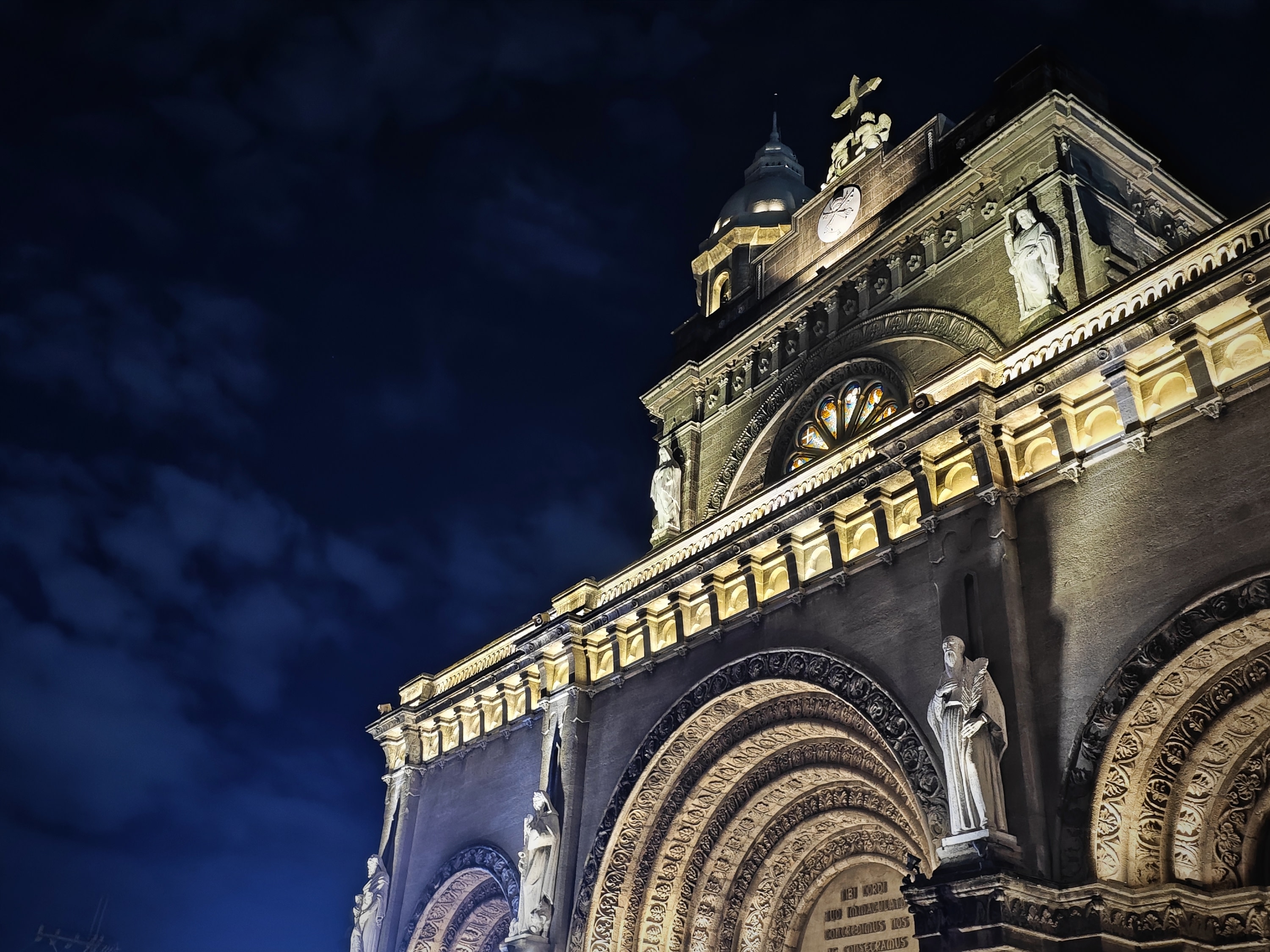
The History of the Metropolitan Cathedral of Guatemala City. The Metropolitan Cathedral has gone through countless events for over 200 years, including two major earthquakes, independence and a revolution. ... On July 23, 1860, the new Carrara marble altar was placed in the Cathedral.
10
Shortly before the Independence of the Kingdom of Guatemala, there was a fairly large plot to the east of the Cathedral, as an abandoned square - old Plazuela de El Sagrario - and a semi-destroyed temple, which served as a chapel of the Sagrario itself, then in building. There was also a cemetery, closed for excess burials, made since the transfer of the Capital to the La Ermita Valley.
Dr. Mariano Gálvez conceived the idea of converting that unhygienic square into a market that met public requirements, and for that, as a first providence, he arranged to move the cemetery to the large land called San Juan de Dios. The premature exhumation of newly buried corpses was attributed to the appearance of morbid cholera, so the work had to be paralyzed. In addition, the stubborn opposition of the ecclesiastical authorities had to be overcome, since it was a sacred place and belonged to the Church.
11
A moment to finish with a Guatemala coffee cup on San Martin
the old Pavón House, located on the Paseo de la Sexta and 10 street of the Historic Center, was revitalized to accommodate a new guest: the bakery and the most cozy restaurant of the San Martín chain.
What's not included
Coffee and/or Tea
Lunch
Available languages
Guide guide
EN
ES
Reviews breakdown
Viator
4.7
7 reviews
5★
6
4★
0
3★
1
2★
0
1★
0
Tripadvisor
4.8
56 reviews
5★
49
4★
6
3★
0
2★
0
1★
1
Important information
Wheelchair accessible
Infants and small children can ride in a pram or stroller
Public transportation options are available nearby
Infants are required to sit on an adult’s lap
Transportation options are wheelchair accessible
All areas and surfaces are wheelchair accessible
Suitable for all physical fitness levels
Meeting point
Our guide will be at front door (outside) meet everyone to start the tour. Always look for our logo in front and back on its shirt it´s say "Tour Guide & Travel Services"
About Guatemala City
Guatemala City, the vibrant capital of Guatemala, is a fascinating blend of modern urban life and ancient Mayan heritage. Nestled in the highlands, it offers a mild climate, rich cultural experiences, and a bustling city atmosphere with colonial architecture and contemporary amenities.
Top Attractions
Palacio Nacional de la Cultura
The National Palace of Culture is a stunning example of neoclassical architecture and a symbol of Guatemala's history. It houses government offices and a museum showcasing the country's cultural heritage.
Historical
1-2 hours
Free
Museo Nacional de Arqueología y Etnología
This museum offers a comprehensive overview of Guatemala's rich Mayan heritage and archaeological finds. It is a must-visit for history and culture enthusiasts.
Museum
1-2 hours
Moderate (around $5 USD)
Cerro del Carmen
A small hill located in the heart of the city, offering panoramic views of Guatemala City. It is a popular spot for locals and tourists alike.
Nature
1-2 hours
Free
La Recolección Cultural Center
A vibrant cultural center that hosts art exhibitions, concerts, and cultural events. It is a hub for local artists and a great place to experience Guatemala's contemporary culture.
Cultural
1-2 hours
Free to enter, event prices vary
Parque Central
The main square of Guatemala City, surrounded by historic buildings, including the Metropolitan Cathedral and the National Palace of Culture. It is a bustling hub of activity and a great place to people-watch.
Historical
1 hour
Free
Must-Try Local Dishes
Pepián
A rich and flavorful stew made with meat (usually chicken or pork), vegetables, and a thick sauce made from seeds, spices, and chocolate. It is often served with rice and tortillas.
Dinner
Contains meat and gluten (from tortillas).
Rellenitos
Sweet fried dumplings made from sweetened black beans and mashed plantains, rolled in flour and fried until golden. They are often served with a side of cream or syrup.
Dessert
Vegetarian-friendly, contains gluten.
Chuchitos
Small tamales made with corn dough and filled with meat or cheese, wrapped in banana leaves and steamed. They are a popular street food and snack.
Snack
Contains meat or cheese, gluten-free.
Atol de Elote
A warm and comforting drink made from sweet corn, milk, and cinnamon. It is often sweetened with sugar or honey and served as a breakfast or snack.
Drink
Vegetarian-friendly, contains dairy.
Popular Activities
Hiking
Volcano boarding
Zip-lining
Coffee tours
Spa treatments
Boat tours
Museum visits
Guided tours
Best Time to Visit
November to April (Dry Season)
The dry season offers the best weather for sightseeing, with sunny days and cool evenings. This is the peak tourist season, with many festivals and cultural events taking place.
20°C to 28°C (68°F to 82°F)
68°F to 82°F
Practical Information
Language
- Official: Spanish
- Widely spoken: English (in tourist areas and business)
- English: Moderately spoken in tourist areas and business, limited elsewhere
Currency
Guatemalan Quetzal (GTQ)
Time Zone
GMT-6 (Central Standard Time)
Electricity
120VV, 60HzHz
Safety Information
Overall Safety Rating: Exercise caution
Guatemala City has a reputation for high crime rates, including petty theft, pickpocketing, and violent crime. However, many areas are safe for tourists, especially during the day and in tourist-friendly zones. Exercise caution and stay informed about the safety of the areas you visit.
Important Precautions:
- • Stay aware of your surroundings and keep valuables secure and out of sight.
- • Avoid walking alone at night, especially in isolated or unfamiliar areas.
- • Use official taxis or ride-hailing apps like Uber for safer and more reliable service.
Getting there
By air
- La Aurora International Airport • 6.5 km (4 miles) from city center
By bus
Terminal de Buses del Sur, Terminal de Buses del Norte
Getting around
Public transport
The Transmetro is a bus rapid transit system that offers affordable and efficient transportation within the city. It operates on dedicated lanes and has numerous stops.
Taxis
Available • Apps: Uber, InDriver
Rentals
Car, Bike, Scooter
Neighborhoods
Zona 1 (Historic Center)
Zona 10 (Commercial and Residential)
Zona 4 (Business and Government)
Zona 13 (Upscale Residential and Shopping)
Zona 7 (Tourist and Nightlife)
Day trips
Antigua Guatemala
45 km (28 miles) from Guatemala City • Full day recommended
A UNESCO World Heritage Site, Antigua Guatemala is a charming colonial town with cobblestone streets, historic churches, and stunning views of the surrounding volcanoes.
Lake Atitlán
90 km (56 miles) from Guatemala City • Full day or overnight recommended
A stunning lake surrounded by volcanoes and traditional Mayan villages, offering a variety of outdoor activities and cultural experiences.
Pacaya Volcano
50 km (31 miles) from Guatemala City • Half day to full day
An active volcano offering hiking and adventure activities, with stunning views of the surrounding landscape.
Festivals
Semana Santa (Holy Week) • March or April (dates vary)
Festival de la Asunción • August 15
Fiestas Patrias • September 15-16
Pro tips
- Learn some basic Spanish phrases to enhance your travel experience and connect with locals.
- Stay informed about the safety of the areas you visit, and exercise caution and common sense to avoid potential risks.
- Use official taxis or ride-hailing apps like Uber for safer and more reliable service.
- Research and book tours and accommodations with reputable companies and establishments to ensure a high-quality and enjoyable experience.
- Be respectful of local customs and traditions, and be mindful of your cultural and environmental impact as a traveler.
From $25
per person
Price varies by option
Secure booking
Free cancellation available
Instant confirmation