Koprivshtitsa - private day tour from Plovdiv
Active
6h
For a full refund, cancel at least 24 hours before the scheduled departure time.
Manual confirmation
Mobile or paper ticket accepted
About this experience
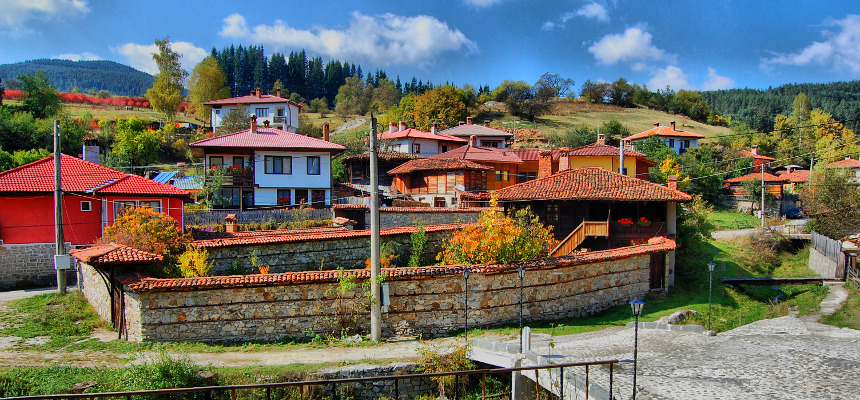
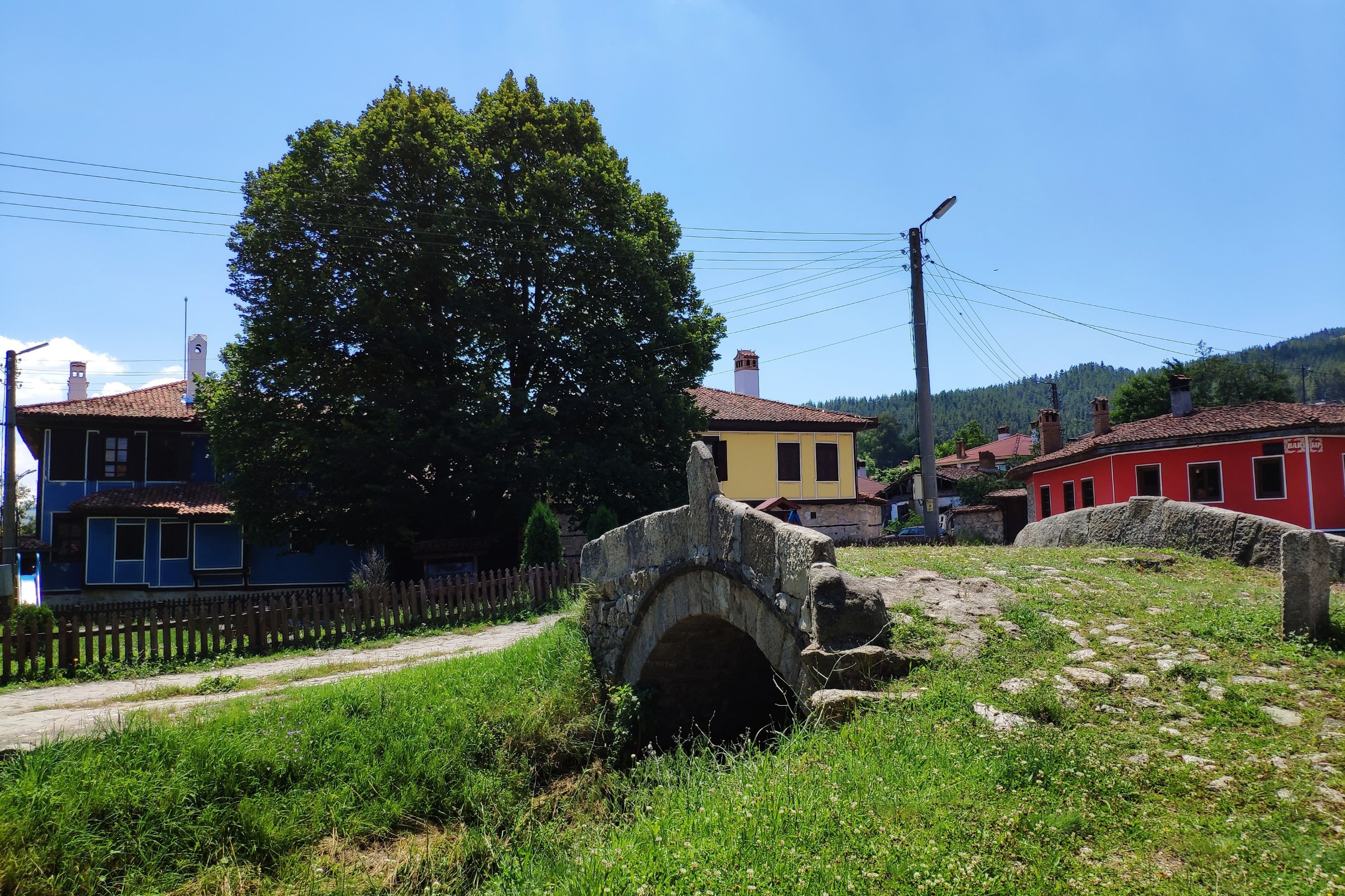
Walk along the narrow cobbled streets of Koprivshtitsa - a charming historic town, one of the main centres of the heroic April Uprising against the Turks in 1876. Koprivshtitsa is also known for its authentic architecture from the Bulgarian National Revival period of the 19-th century.
Available options
Koprivshtitsa
Koprivshtitsa - Private Day Tour from Plovdiv<br/>Pickup included
What's included
Hotel pickup and drop-off
Local guide
Private tour
Professional guide
Driver/guide
Live commentary on board
Local taxes
Fuel surcharge
What you'll see
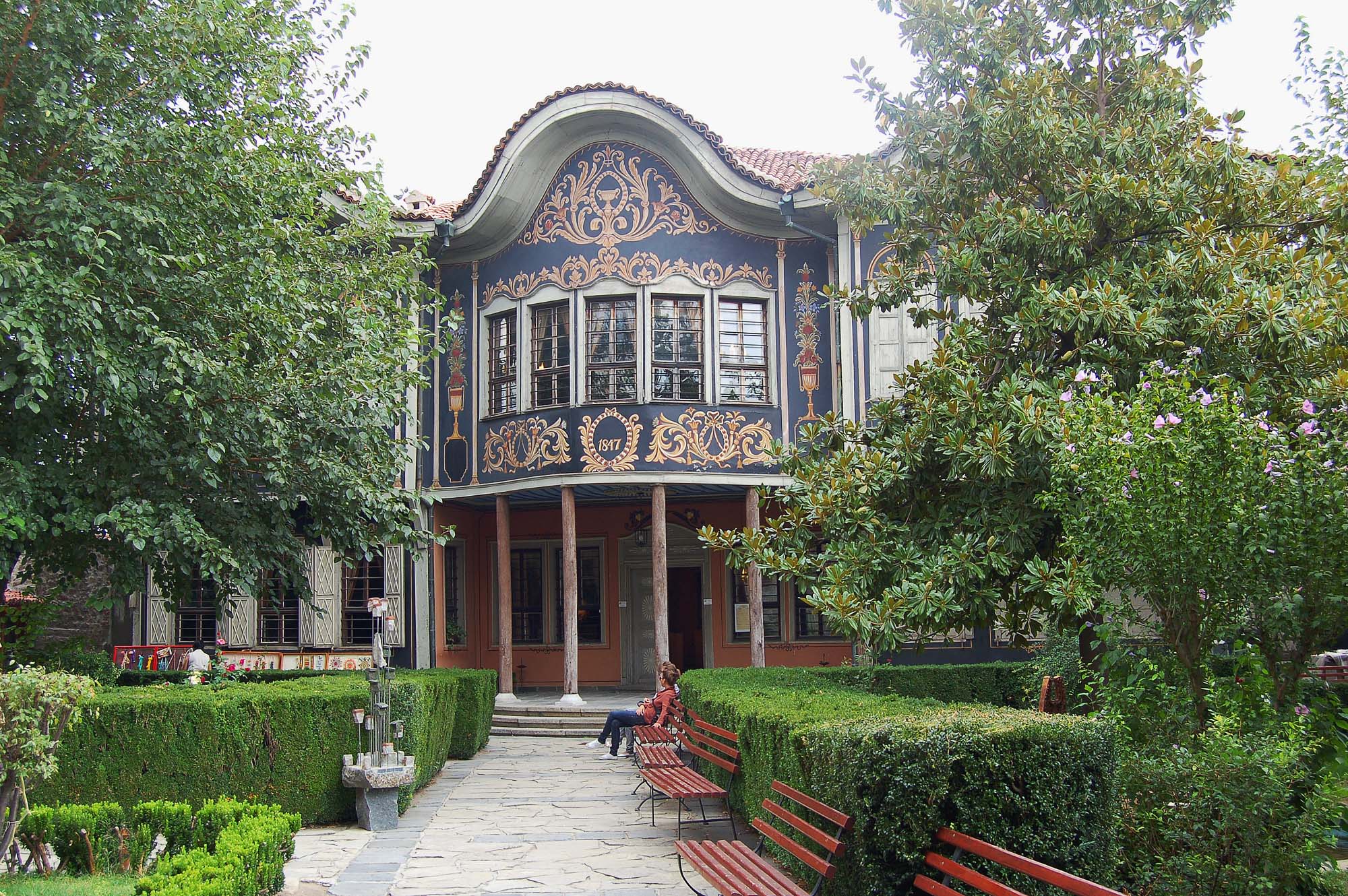
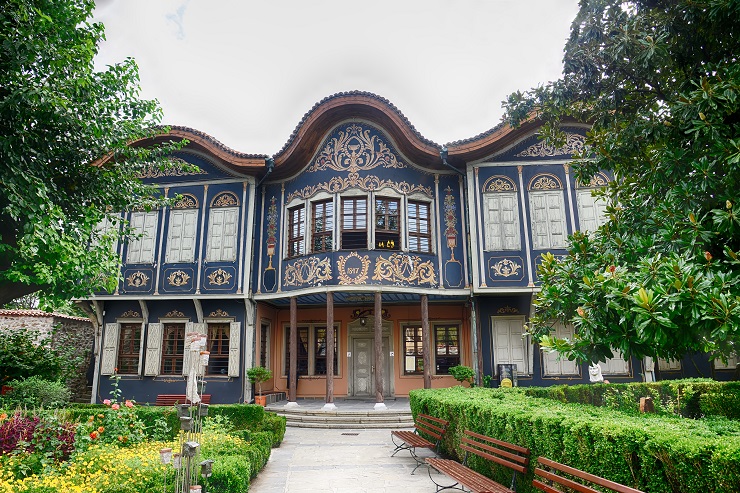
Koprivshtitsa (population: 2400 people) is a charming historic town in central Bulgaria, situated at 1030 m. a. s. l. and lying on the Topolnitsa River among the Sredna Gora mountains. It was one of the centres of the heroic April Uprising against the Turks in 1876 and is known for its authentic Bulgarian architecture and for its folk music festivals, making it a very popular tourist destination. Koprivshtitsa is one of the characteristic Bulgarian towns, still preserving the atmosphere of the Bulgarian National Revival period of the 18-th and 19-th century. The town boasts a large number of architectural monuments from that period - 383 in all, most of which have been restored to their original appearance. Collections of ethnographic treasures, old weapons, National Revival works of art, fine fretwork, household weaves and embroidery, national costumes and typical Bulgarian jewelry has also been preserved. It was here that the first shot of the April Uprising against the Ottoman domination was fired in 1876.
Since 1965 the National Festival of Bulgarian Folklore takes place approximately every 5 years in Koprivshtitsa, gathering musicians, artists and craftsmen from all over Bulgaria. Featuring thousands of performing artists in a pastoral setting in the hills above the town, the Koprivshtitsa festival is the only significant Bulgarian music event focusing on amateur performances.
In Koprivshtitsa walk along the cobbled stone streets, weaving through an authentic atmosphere from the 19-th century. Visit several impressive house-museums from the Bulgarian National Revival period where one can feel the spirit of the heroic past of this remarkable town. Have lunch in a tarditional restaurant by the peaceful waters of Topolnitsa River in the centre of Koprivshtitsa, followed by a transfer back to Plovdiv.
Trip duration: 5.5-6 hours
What's not included
Entrance fees: House-museums ticket (3 EURO)
Drinks
Food and drinks
Lunch
Gratuities
Available languages
Guide guide
EN
Reviews breakdown
Viator
5.0
1 reviews
5★
1
4★
0
3★
0
2★
0
1★
0
Tripadvisor
4.7
3 reviews
5★
2
4★
1
3★
0
2★
0
1★
0
Important information
Specialized infant seats are available
Infants and small children can ride in a pram or stroller
Travelers should have at least a moderate level of physical fitness
About Plovdiv
Plovdiv is one of the oldest continuously inhabited cities in Europe, known for its rich history, vibrant arts scene, and Roman ruins. Nestled in the Thracian Plain, it offers a unique blend of ancient heritage and modern culture.
Top Attractions
Ancient Theatre of Philippopolis
A remarkably preserved Roman theatre from the 2nd century AD, still used for performances today.
Historical
1-2 hours
5 EUR
Old Town
A charming district with well-preserved houses from the 19th century, museums, and art galleries.
Historical
Half day
Free to explore (museums have entry fees)
Kapana Creative District
A vibrant arts and crafts district with galleries, workshops, and trendy cafes.
Cultural
2-3 hours
Free to explore (shops and cafes vary)
Nebet Tepe
One of the seven hills of Plovdiv, offering panoramic views of the city and historical ruins.
Historical
1-2 hours
Free
Must-Try Local Dishes
Banitsa
A traditional pastry filled with cheese, often served for breakfast.
Breakfast
Vegetarian
Shopska Salad
A refreshing salad made with tomatoes, cucumbers, onions, and sirene cheese.
Lunch/Dinner
Vegetarian
Kebapche
Grilled minced meat sausages, a popular street food.
Lunch/Dinner
Contains meat
Popular Activities
Hiking in the Rhodope Mountains
Rock climbing
Spa treatments
Cafes in Kapana District
Visiting museums and galleries
Attending local festivals
Boating on the Maritsa River
Skiing in nearby resorts
Best Time to Visit
May to September
This is the warmest and sunniest time of the year, perfect for outdoor activities and festivals.
20°C to 35°C
68°F to 95°F
Practical Information
Language
- Official: Bulgarian
- Widely spoken: English, Russian
- English: Moderately spoken in tourist areas
Currency
Bulgarian Lev (BGN)
Time Zone
EET (GMT+2)
Electricity
220VV, 50HzHz
Safety Information
Overall Safety Rating: Generally safe
Plovdiv is generally safe for tourists, with low crime rates and a welcoming atmosphere.
Important Precautions:
- • Keep valuables secure in crowded areas.
- • Use licensed taxis and insist on the meter.
- • Be cautious when using ATMs, especially at night.
Getting there
By air
- Plovdiv International Airport • 10 km from city center
By train
Plovdiv Central Railway Station
By bus
South Bus Station, Central Bus Station
Getting around
Public transport
A network of buses covers the entire city, with frequent and reliable service.
Taxis
Available • Apps: Yellow Taxi, OK Taxi
Rentals
Car, Bike, Scooter
Neighborhoods
Old Town
Kapana District
City Center
Day trips
Bachkovo Monastery
30 km • Half day
One of the largest and most important monasteries in Bulgaria, known for its beautiful architecture and religious artifacts.
Asen's Fortress
25 km • Half day
A medieval fortress with stunning views of the Rhodope Mountains and the Asenitsa River.
Festivals
Kapana Fest • June
Plovdiv International Fair • September
Pro tips
- Visit the Roman Theatre for a performance to experience its incredible acoustics.
- Explore the Kapana District for unique souvenirs and local crafts.
- Try traditional Bulgarian dishes like banitsa and shopska salad.
- Take a day trip to Bachkovo Monastery for a glimpse into Bulgaria's religious history.
- Walk up to Nebet Tepe for stunning panoramic views of the city.
From $25
per person
Price varies by option
Secure booking
Free cancellation available