Kathmandu Half-Day Tour (Pashupatinath Temple and Boudhanath Stupa)
Active
4h
For a full refund, cancel at least 24 hours before the scheduled departure time.
Instant confirmation
Mobile or paper ticket accepted
About this experience
Boudhanath and Pashupatinath are two UNESCO World Heritage Sites. The former is the largest Buddhist Stupa (3rd largest in the world) while Pashupati is the most sacred Hindu site in Nepal. The Kathmandu half day tour (4 Hrs) is a quick and enjoyable way to see these two World Heritage Sites.
The tour begins with a private car in Kathmandu and a quick, luxurious ride to Pashupati to explore the many temples along the banks of the Bagmati River.
Next stop the tour now enters the immense Boudhanath Stupa. This is home to the largest Tibetan community outside of Tibet. A small-group tour includes a private guide. The tour starts either at 9 am or 2 pm as per your confirmation.
Available options
Kathmandu Half-Day Tour (Pashupatinath Temple and Boudhanath Stupa)
Pickup included
What's included
Professional guide
Hotel pickup and drop-off (Inside Ring Road including Bouddha area)
Transport by private vehicle
Detailed itinerary
1
Stop 1
To understand the people of the Kathmandu Valley as well as Nepal requires a look at the religious backgrounds of the people of Nepal. Two of the most important religious sites are the UNESCO World Heritage Sites of Pashupati and Boudhanath.
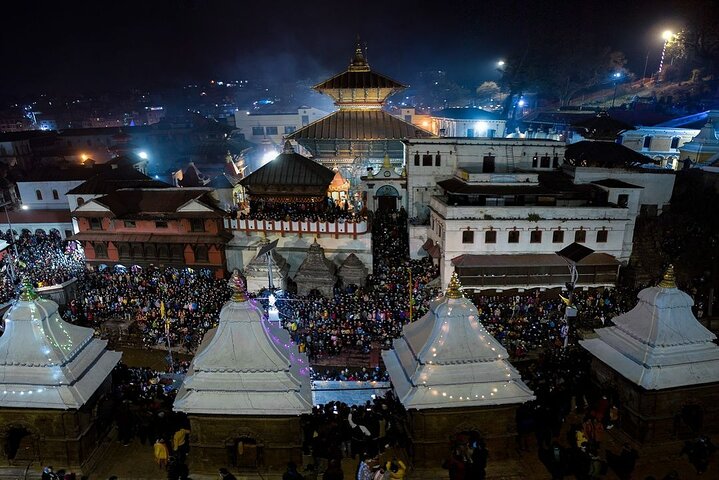
The tour begins with a private car coming to the hotel in Kathmandu. The drive to Pashupati is quick and relaxing in the private car. The first stop is Pashupatinath, which is the holiest place in Nepal and one of the holiest places in all of Hinduism.
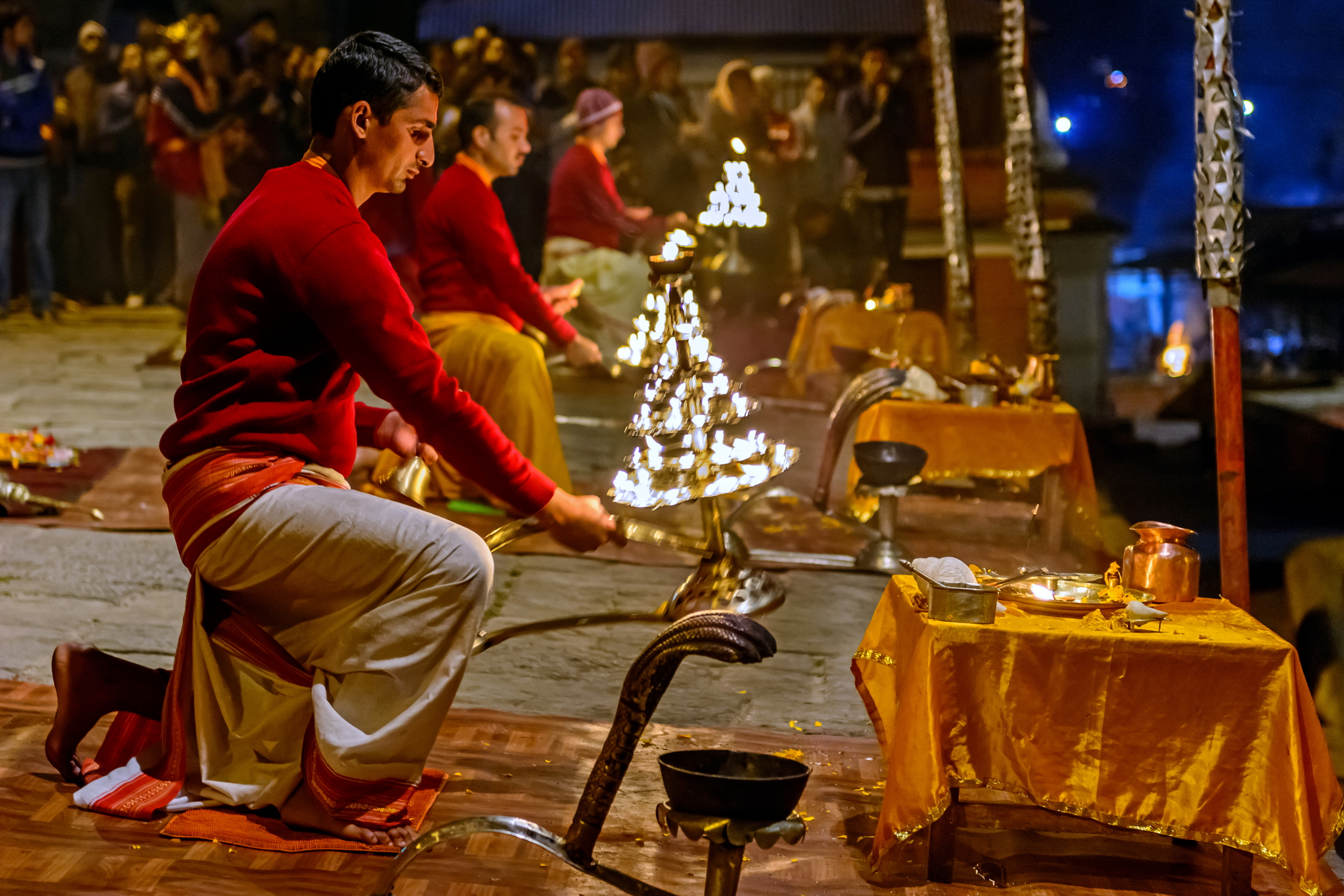
The place is located on the bank of the Bagmati River where numerous cremation ghats send the dead's ashes onto the next world. There are many temples on both sides of the river, along with colorful Sandhu priests who serve the needs of the faithful. A private guide takes visitors on a tour to explain the significance of the temples and religious symbolism of this holy place.
2
Stop 2
Pass by
Prepare for a profound cultural and spiritual immersion at Pashupatinath Temple, Nepal's national deity and a sprawling UNESCO World Heritage Site. As one of the most sacred Hindu pilgrimage sites in the world, this complex, dedicated to Lord Shiva, is a "must-see" on any Kathmandu tour.
Your guide will lead you through the vast temple grounds, a vibrant center of faith. While entry into the main gilded pagoda temple is reserved exclusively for Hindu and Indian devotees, all visitors can fully explore the fascinating surrounding areas.
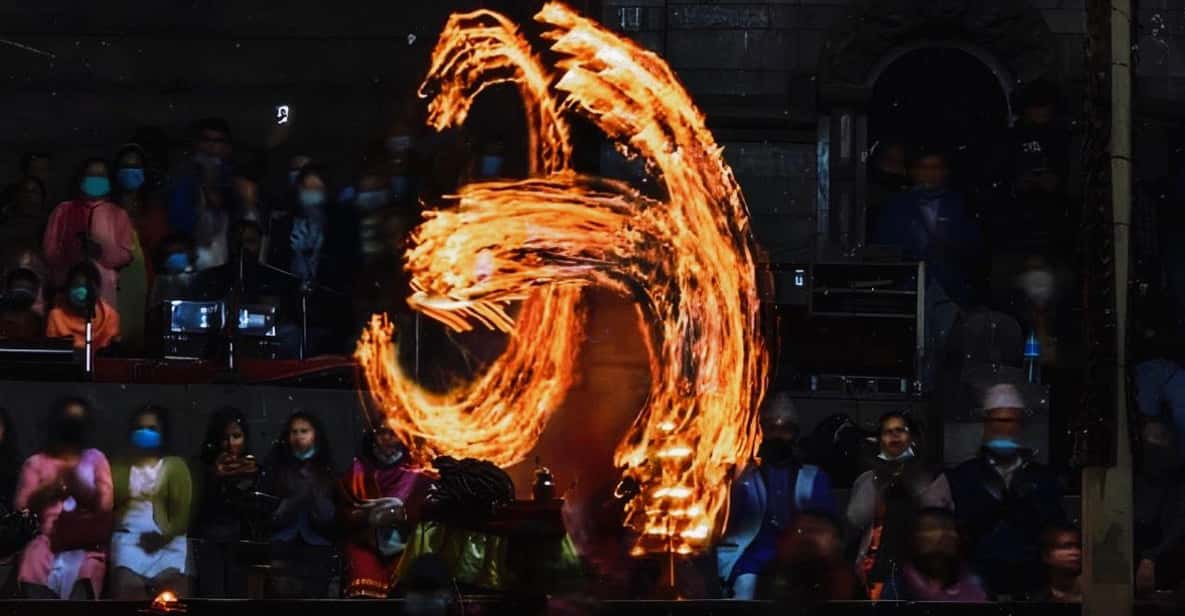
From a viewing terrace, you will witness the ancient, open-air Hindu cremation rituals on the stone ghats lining the sacred Bagmati River. You can also explore hundreds of smaller shrines, encounter saffron-robed Sadhus (holy men), and soak in the powerful atmosphere of devotion that defines this holy place.
3
This is one of the most profound and unforgettable cultural experiences in all of Nepal. This guided visit takes you to the sacred cremation ghats (steps) on the banks of the holy Bagmati River, located directly within the Pashupatinath UNESCO World Heritage complex.
Your guide will provide sensitive, quiet explanations of the traditions and their deep significance. This is not just an "interesting part" of the tour; it is a deep, authentic insight into the most sacred spiritual practices of Kathmandu.
4
From a respectful viewing terrace, you will be able to observe the ancient, public Hindu cremation ceremonies here. This open-air ritual is a powerful, moving, and central part of the Hindu faith, symbolizing the cycle of life, death, and rebirth.
5
Discover the enchanting, tranquil forest on the upper banks of the Pashupatinath complex. This is Mrigasthali, the legendary "Deer Park," and it's far more than just an animal enclosure—it's a place steeped in Hindu mythology.
According to sacred texts, this is the very forest where Lord Shiva and Goddess Parvati once roamed disguised as golden deer, giving the park its name and sacred status. It is the mythical birthplace of Pashupatinath, the "Lord of the Animals."
Your guide will lead you through this peaceful, wooded sanctuary, a "must-see" for nature lovers and spiritual seekers alike. Here, you will have the chance to observe herds of spotted and barking deer living within the sacred grove. As you walk, you'll also discover hidden shrines, see playful monkeys, and enjoy a serene escape from the crowds.
6
Stop 6
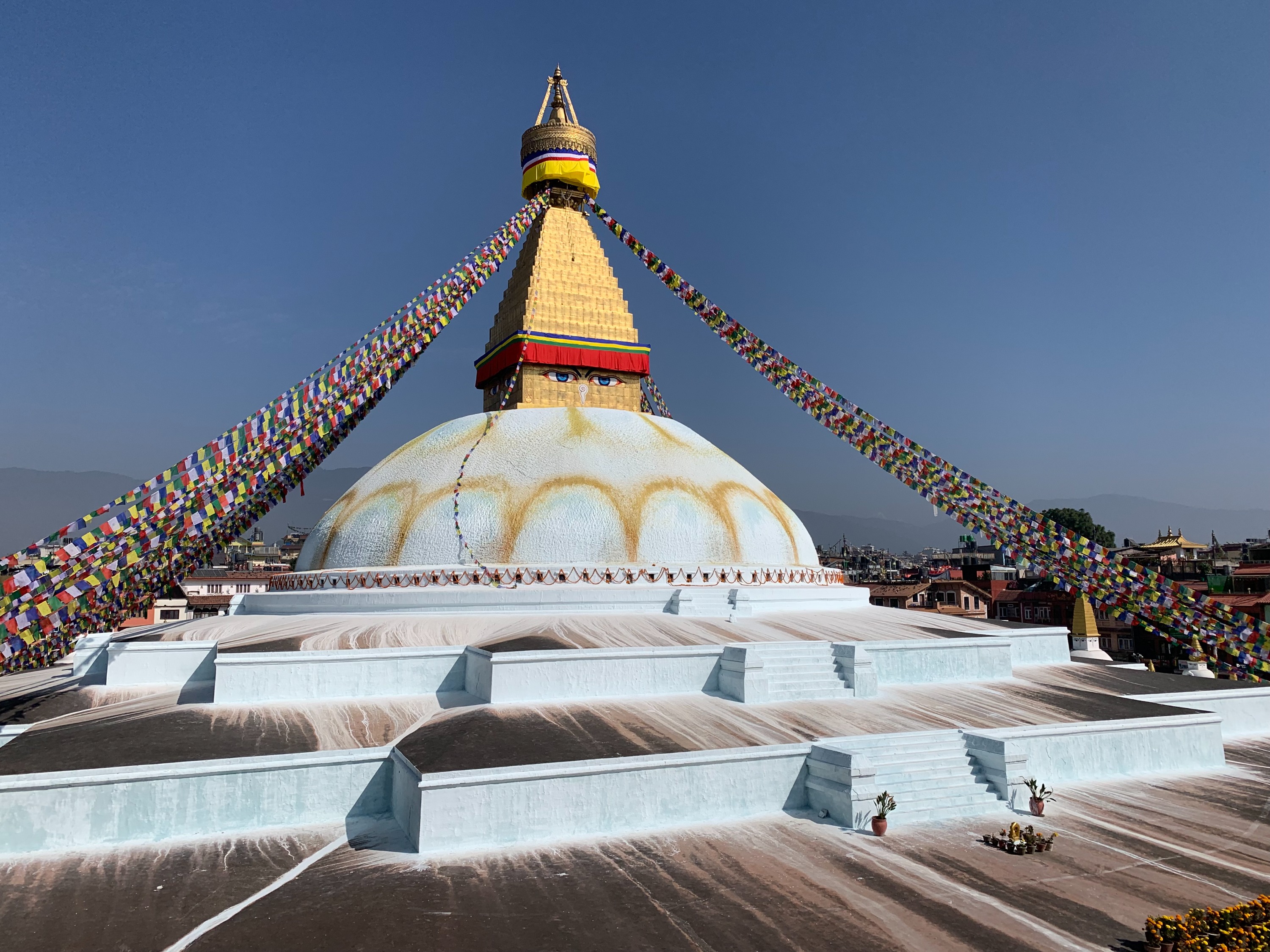
From Pashupati, it is a quick trip to Boudhanath. This is the largest Buddhist Stupa in Nepal and the third-largest in the world. It is hard to appreciate the immense size of the Boudhanath Stupa until it is seen in person.
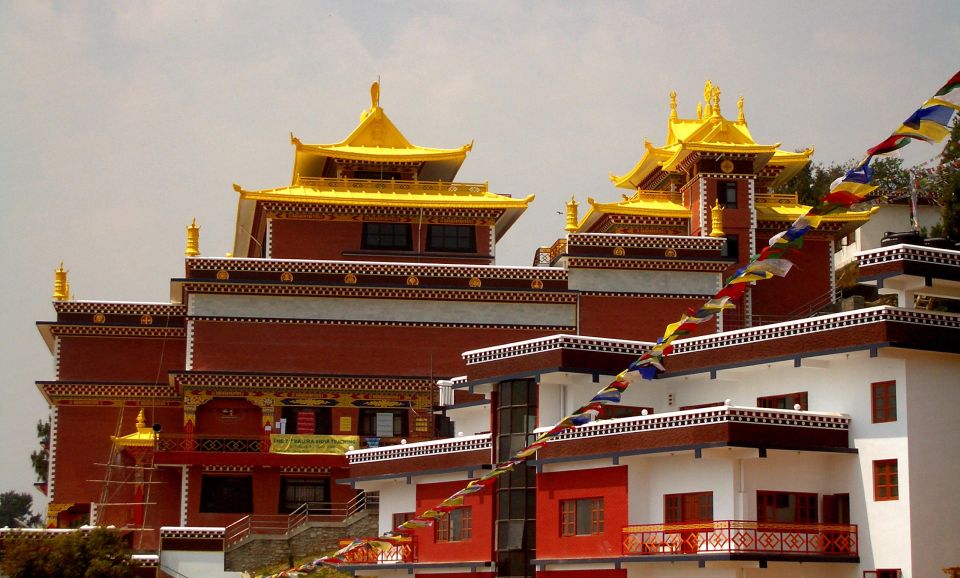
Boudhanath is home to the largest Tibetan community outside of Tibet. The stupa is surrounded by numerous Buddhist monasteries.
7
While you visit Bouddhanath Stupa, you can visit Bouddha Stupa Thanka center if you like to see how the Thanka is painting. It is an amazing art of Buddhist literature.
What's not included
Food and drinks
Gratuities
Entry Fee (~USD 10-12 PP)
Available languages
Guide guide
EN
Reviews breakdown
Tripadvisor
5.0
1 reviews
5★
1
4★
0
3★
0
2★
0
1★
0
Important information
Infants are required to sit on an adult’s lap
Suitable for all physical fitness levels
Private Guide and private tour
Full tour of Pashupati Temple area
Meet Sandhu Priests
Boudhanath Stupa Tour
Largest Tibetan Community outside of Tibet
Important notes
Whats App: +9779851104438
Hotel pickups commence prior to this time, you must contact the local service provider to verify your exact pickup time.
About Kathmandu
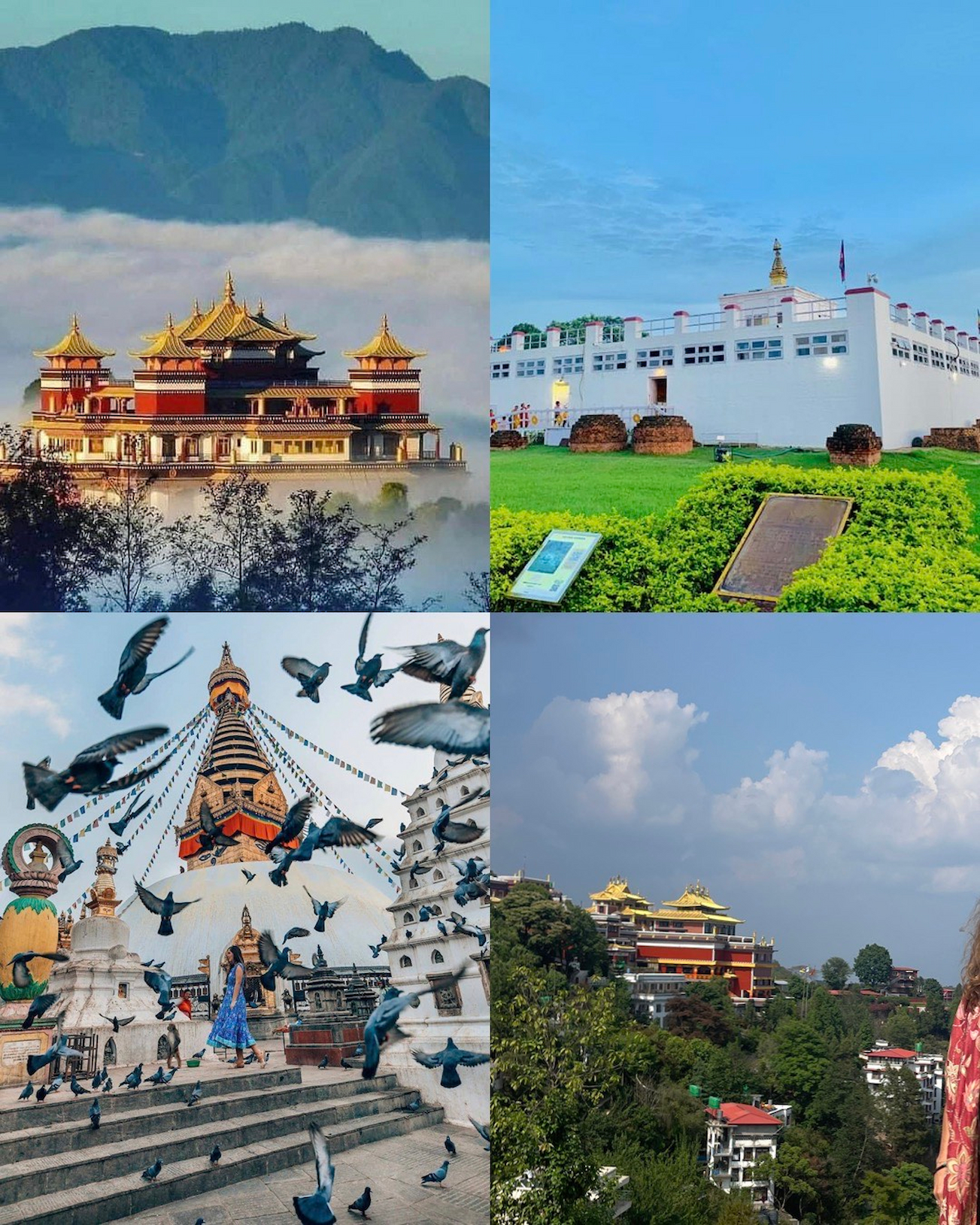
Kathmandu, the capital of Nepal, is a vibrant blend of ancient history, rich culture, and stunning Himalayan scenery. Known as the 'City of Temples,' it's home to seven UNESCO World Heritage Sites, including the iconic Swayambhunath Stupa and Pashupatinath Temple. The city offers a unique mix of traditional Newari architecture, bustling markets, and modern urban life.
Top Attractions
Swayambhunath Stupa (Monkey Temple)
One of the most iconic landmarks in Kathmandu, this UNESCO World Heritage Site is a Buddhist stupa perched on a hilltop, offering panoramic views of the city and surrounding mountains. It's also home to many monkeys, hence the nickname.
Religious/Historical
1-2 hours
Free (donations welcome)
Pashupatinath Temple
One of the most sacred Hindu temples in the world, dedicated to Lord Shiva. Located on the banks of the Bagmati River, it's a major pilgrimage site with a lively atmosphere, especially during festivals.
Religious
2-3 hours
Free for Hindus, NPR 1000 (USD 8) for non-Hindus
Boudhanath Stupa
One of the largest stupas in the world and a UNESCO World Heritage Site, Boudhanath is a major center for Tibetan Buddhism. The surrounding area is filled with monasteries, shops, and cafes, creating a vibrant cultural hub.
Religious/Historical
2-3 hours
Free (donations welcome)
Kathmandu Durbar Square
A UNESCO World Heritage Site, this historic square is the heart of the old city and features ancient palaces, temples, and courtyards. It's a living museum showcasing the city's rich history and Newari architecture.
Historical/Architectural
1-2 hours
NPR 1000 (USD 8) for foreigners
Bhaktapur Durbar Square
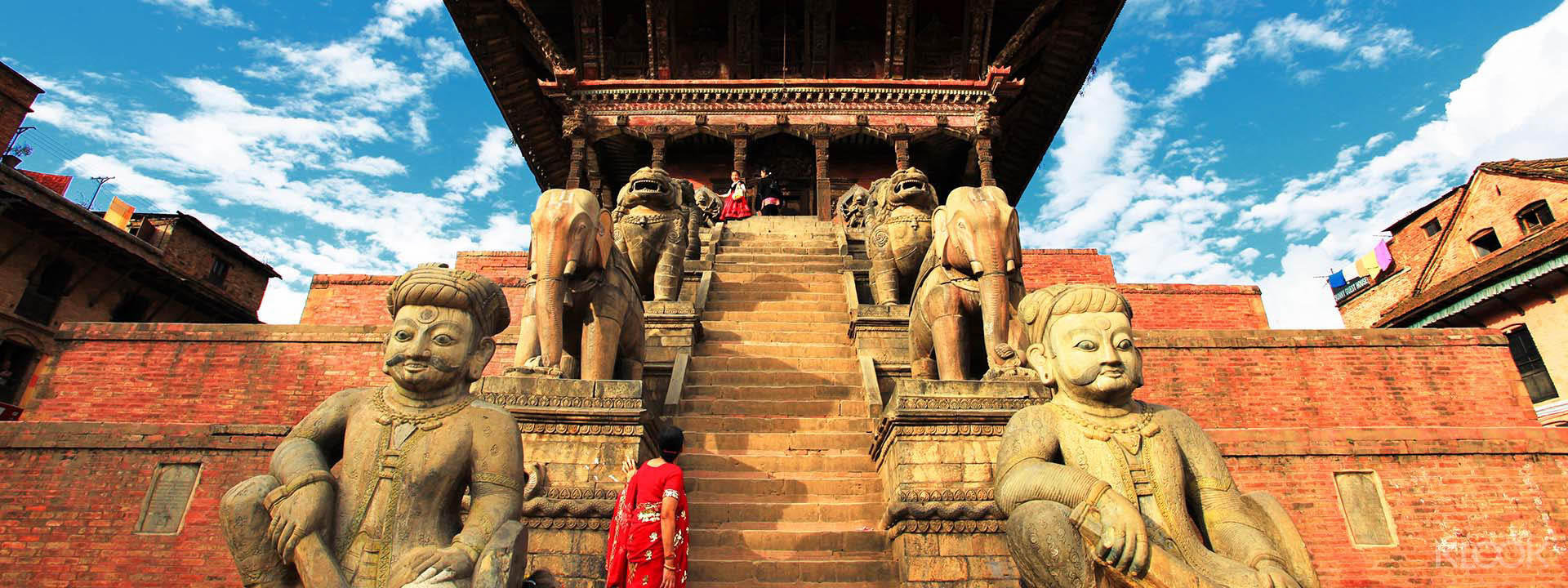
Located in the ancient city of Bhaktapur, this UNESCO World Heritage Site is a well-preserved example of Newari architecture. It features beautiful temples, palaces, and courtyards, offering a glimpse into Nepal's royal history.
Historical/Architectural
Half-day trip
NPR 1500 (USD 12) for foreigners
Must-Try Local Dishes
Dal Bhat
A staple meal consisting of lentil soup (dal), rice (bhat), and vegetable curry (tarkari). Often served with pickles, salad, and sometimes meat.
Lunch/Dinner
Vegetarian (can be made vegan by omitting ghee)
Momo
Steamed or fried dumplings filled with meat (buffalo, chicken, or pork) or vegetables, served with a spicy tomato-based sauce.
Snack/Appetizer
Vegetarian options available, can be made vegan
Sel Roti
A sweet, ring-shaped fried bread made from rice flour, sugar, and water, often served during festivals and celebrations.
Snack/Dessert
Vegetarian (may contain eggs in some recipes)
Gundruk
A fermented leafy green vegetable, often cooked with spices and served as a side dish or added to soups and stews.
Side Dish
Vegetarian, vegan, and gluten-free
Popular Activities
Trekking
Mountain biking
Paragliding
Rafting
Yoga and meditation retreats
Spa treatments
Café hopping
Gardening
Best Time to Visit
October to November and March to April
These months offer pleasant weather, clear skies, and excellent visibility for trekking and sightseeing. The city is lively with festivals and cultural events.
20-30°C (68-86°F)
68-86°F
Practical Information
Language
- Official: Nepali
- Widely spoken: English, Hindi, Newari, Maithili, Bhojpuri
- English: Moderately spoken in tourist areas, limited in rural areas
Currency
Nepalese Rupee (NPR)
Time Zone
Nepal Standard Time (NPT, UTC+5:45)
Electricity
230VV, 50HzHz
Safety Information
Overall Safety Rating: Exercise caution
Kathmandu is generally safe for travelers, but petty crime, scams, and pickpocketing can occur, especially in tourist areas and crowded markets. Be cautious of your surroundings, keep valuables secure, and avoid walking alone at night in poorly lit areas.
Important Precautions:
- • Use reputable tour operators and trekking agencies
- • Insist on using the meter when taking taxis
- • Keep valuables secure and out of sight
Getting there
By air
- Tribhuvan International Airport • 5 km (3 miles) from city center
By bus
Galkopul, Kalanki
Getting around
Public transport
Buses are the most common form of public transport, but they can be crowded and slow. Microbuses are smaller and more frequent.
Taxis
Available • Apps: Pathao, InDriver
Rentals
Car, Bike, Scooter
Neighborhoods
Thamel
Boudha
Patan (Lalitpur)
Bhaktapur
Day trips
Nagarkot
32 km (20 miles) from Kathmandu • Half-day to full-day trip
A picturesque hill station known for its stunning views of the Himalayas, including Mount Everest on clear days. Nagarkot is also famous for its sunrise and sunset views.
Dhulikhel
30 km (19 miles) from Kathmandu • Half-day to full-day trip
A charming Newari town offering beautiful views of the Himalayas and historic temples. Dhulikhel is less touristy than Nagarkot but equally scenic.
Changunarayan
18 km (11 miles) from Kathmandu • Half-day trip
A UNESCO World Heritage Site featuring an ancient temple dedicated to Lord Vishnu. Changunarayan is one of the oldest Hindu temples in the Kathmandu Valley and is known for its intricate stone and wood carvings.
Festivals
Dashain • September/October (dates vary each year)
Tihar • October/November (dates vary each year)
Indra Jatra • September (dates vary each year)
Pro tips
- Learn a few basic Nepali phrases to enhance your experience and connect with locals
- Hire a local guide or join a group tour for a more immersive and informative experience, especially when visiting temples and historical sites
- Carry small denominations of Nepalese Rupees for small purchases and tips, as change may be limited
- Be prepared for power outages and slow internet, especially during peak hours and in rural areas
- Stay hydrated and protect yourself from the sun, as the high altitude and intense sunlight can cause dehydration and sunburn
From $25
per person
Price varies by option
Secure booking
Free cancellation available
Instant confirmation