Everest Base Camp Trekking- 16 days
Active
3d
For a full refund, cancel at least 24 hours before the scheduled departure time.
Instant confirmation
Mobile or paper ticket accepted
About this experience
Mt. Everest
Culture and History
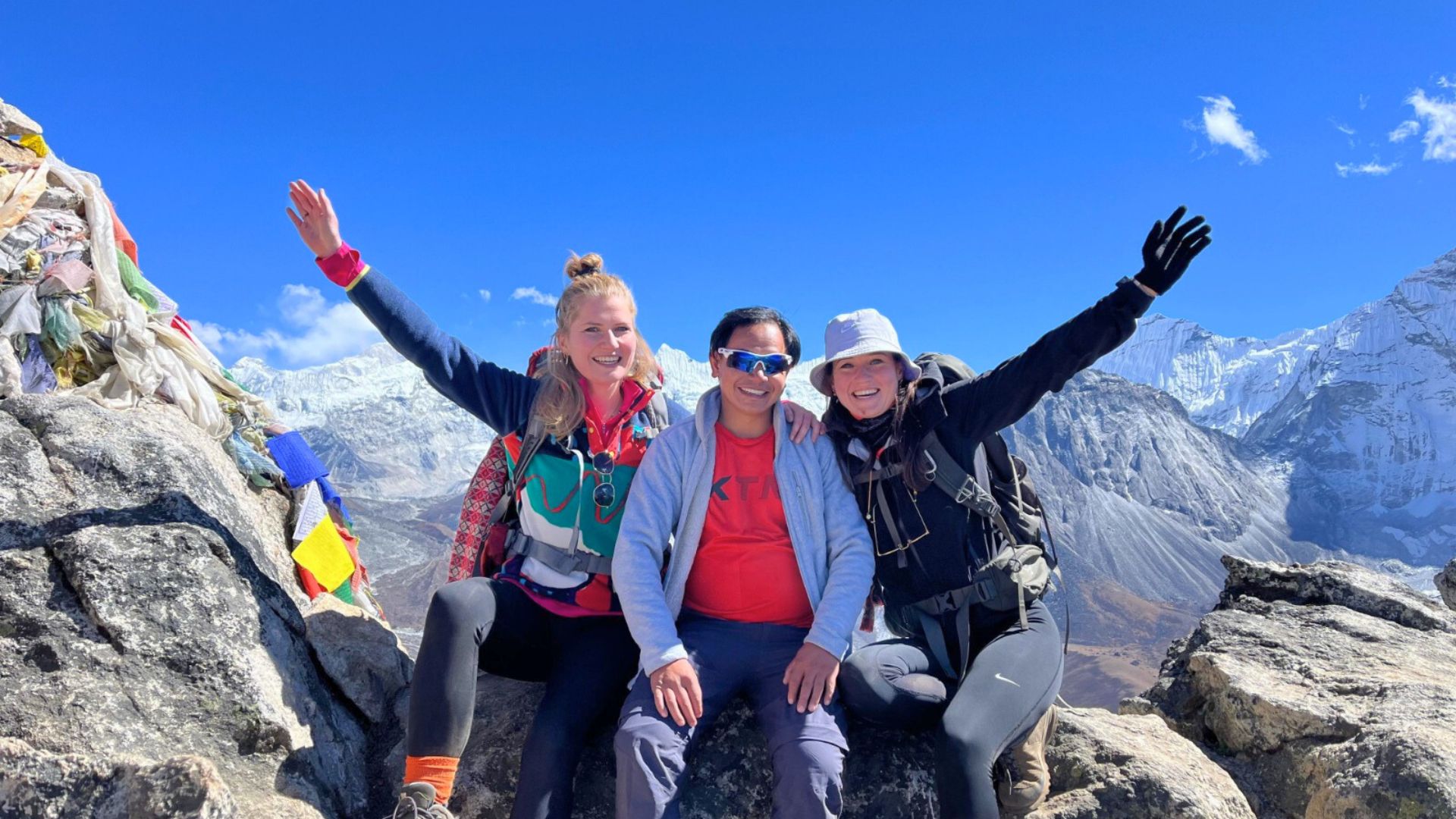
Local People and Guide
Panoramic Views
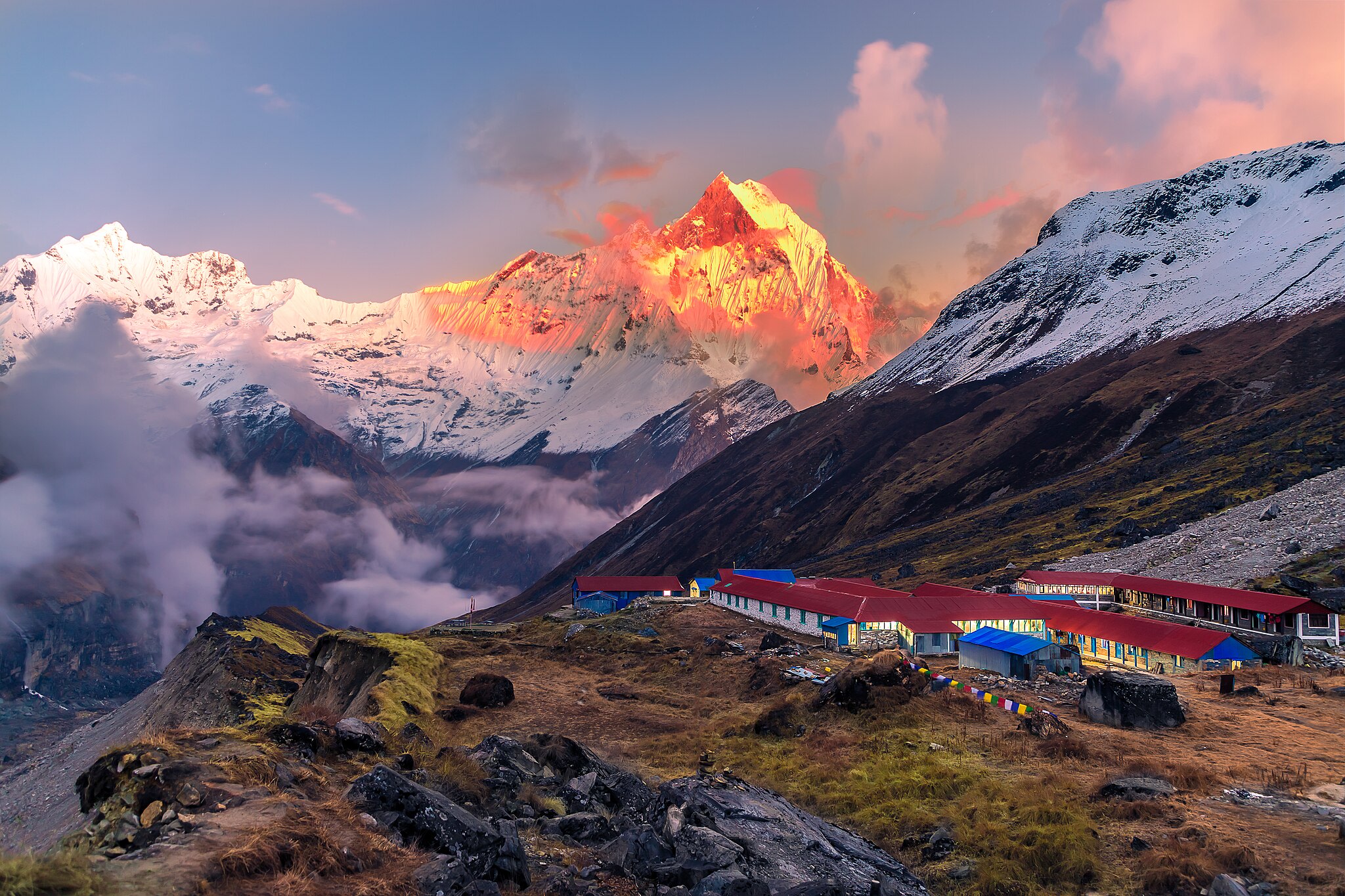
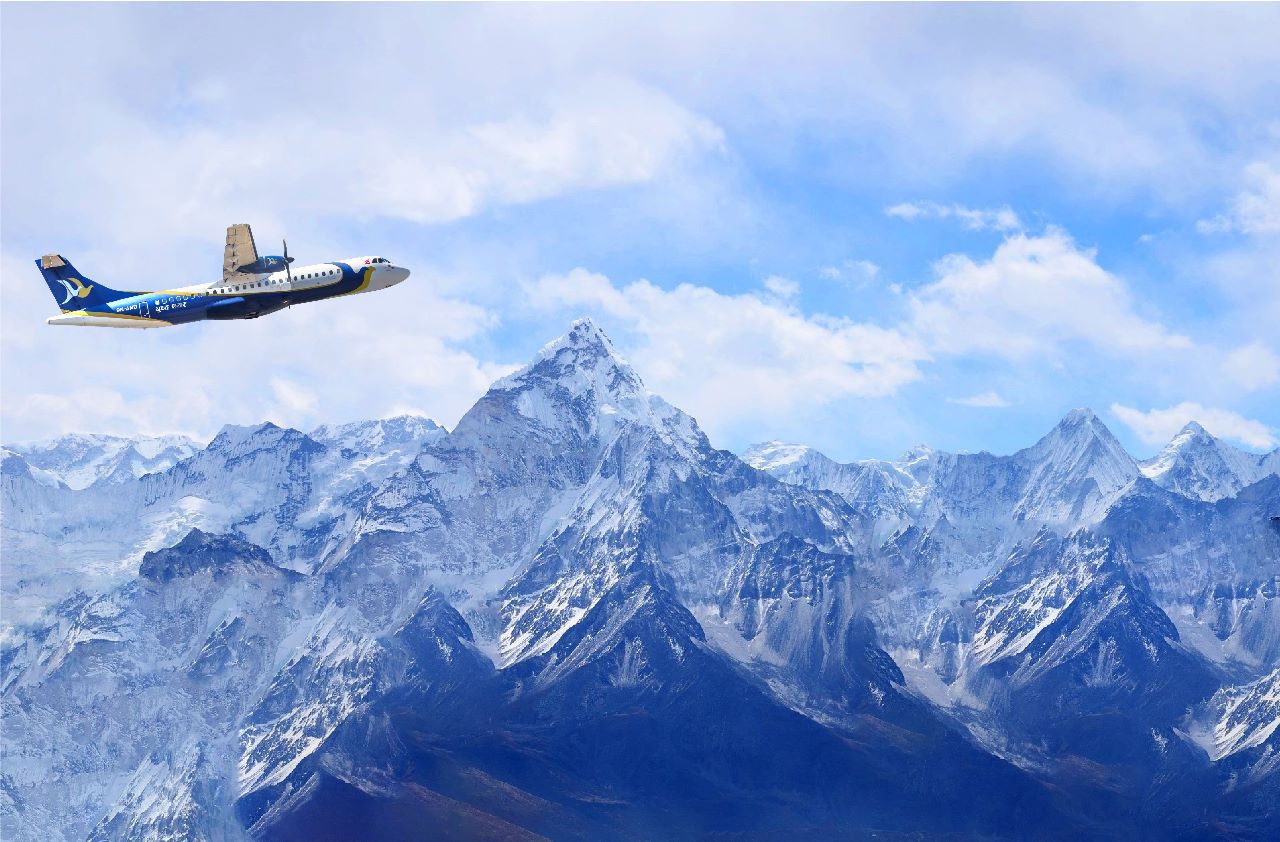
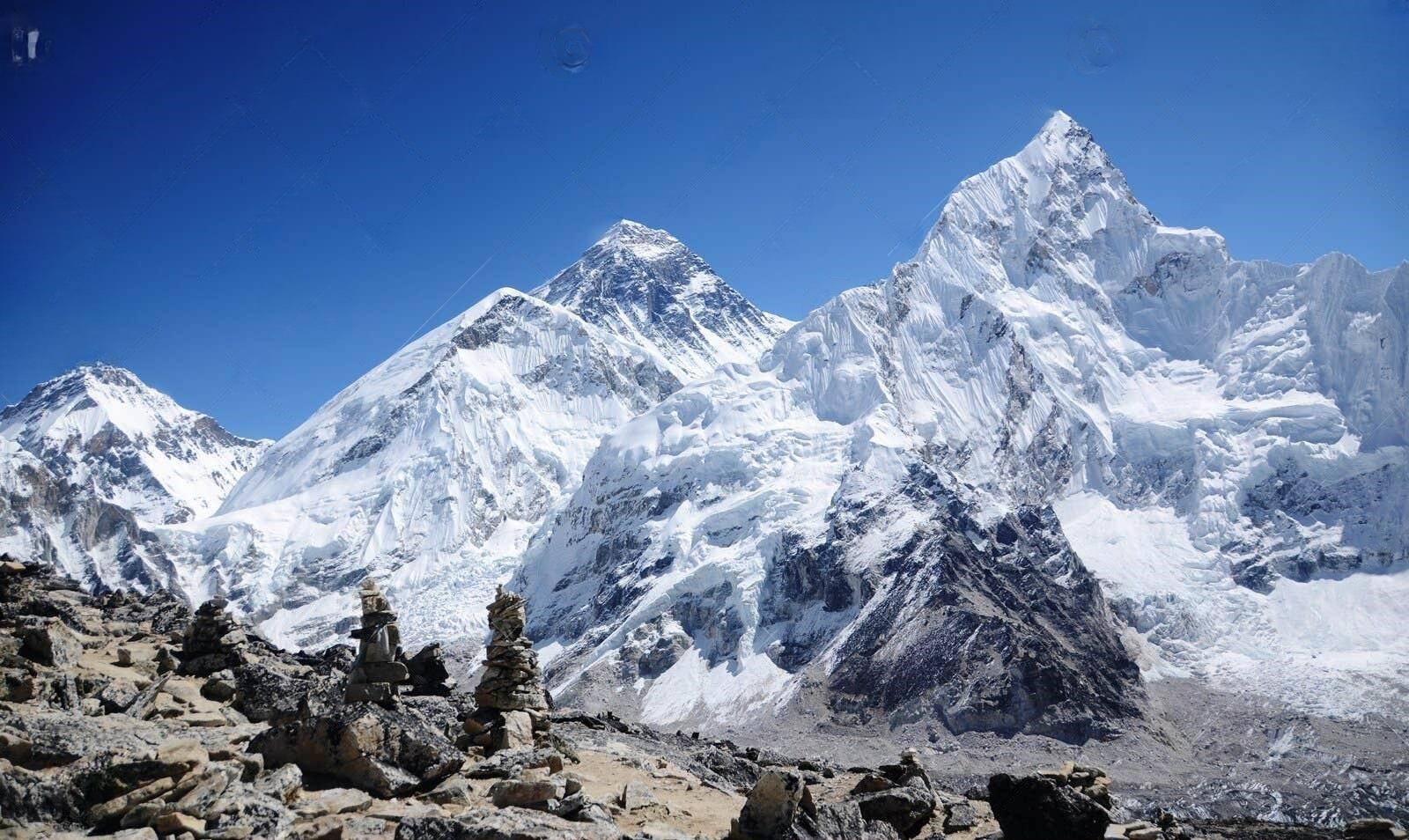
The Trek to Everest Base Camp (5340m/17521ft) will be a memory that you will cherish for the lifetime. There can be no trek as rewarding as one to the Everest viewpoint, Kala Patthar (5545m/18193ft) since the world’s highest peak is barely 10km/6 miles from there. The trek in itself is not particularly strenuous as this leisurely trek is designed keeping in mind the slow pace of the first time trekkers. The Everest Base Camp is usually two weeks trek that starts and ends at Lukla Airport (30 minutes flight from Kathmandu International Airport). There is more to the Everest trek than just Everest. While on this exciting trip, we will pass through several of tiny Sherpa villages and through remote valleys, monasteries, roaring rivers, frozen pools of melt water, glaciers and astonishing views of dazzling peaks all on the way before we finally date with the Everest.
Available options
Everest Base Camp Trekking- 16 days
Pickup included
What's included
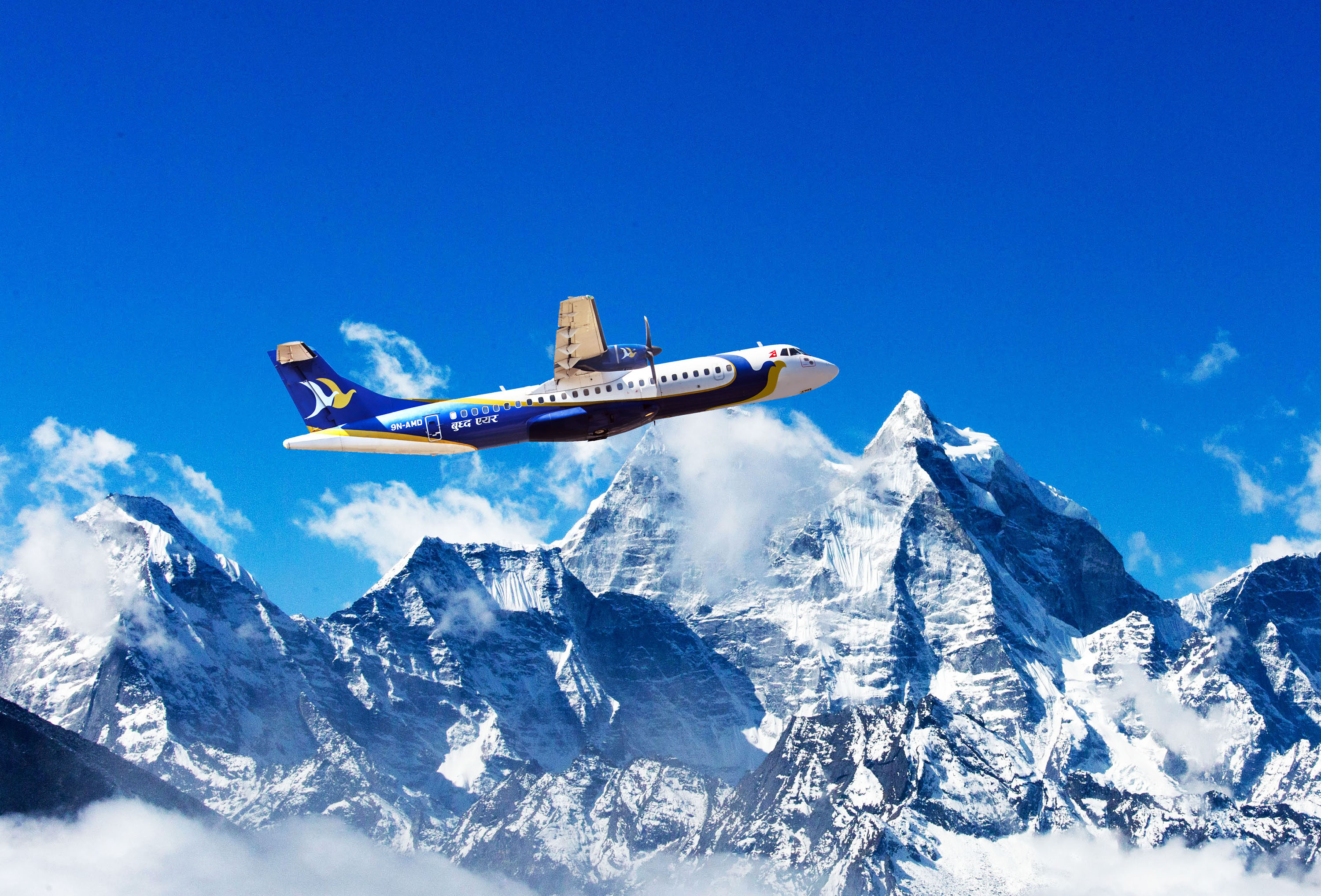
Round-trip flights between Kathmandu and Lukla.
3 nights in a 3-star hotel with breakfast (twin-sharing basis).
Guided sightseeing of major heritage sites in Kathmandu Valley.
One special cultural welcome or farewell dinner in Kathmandu.
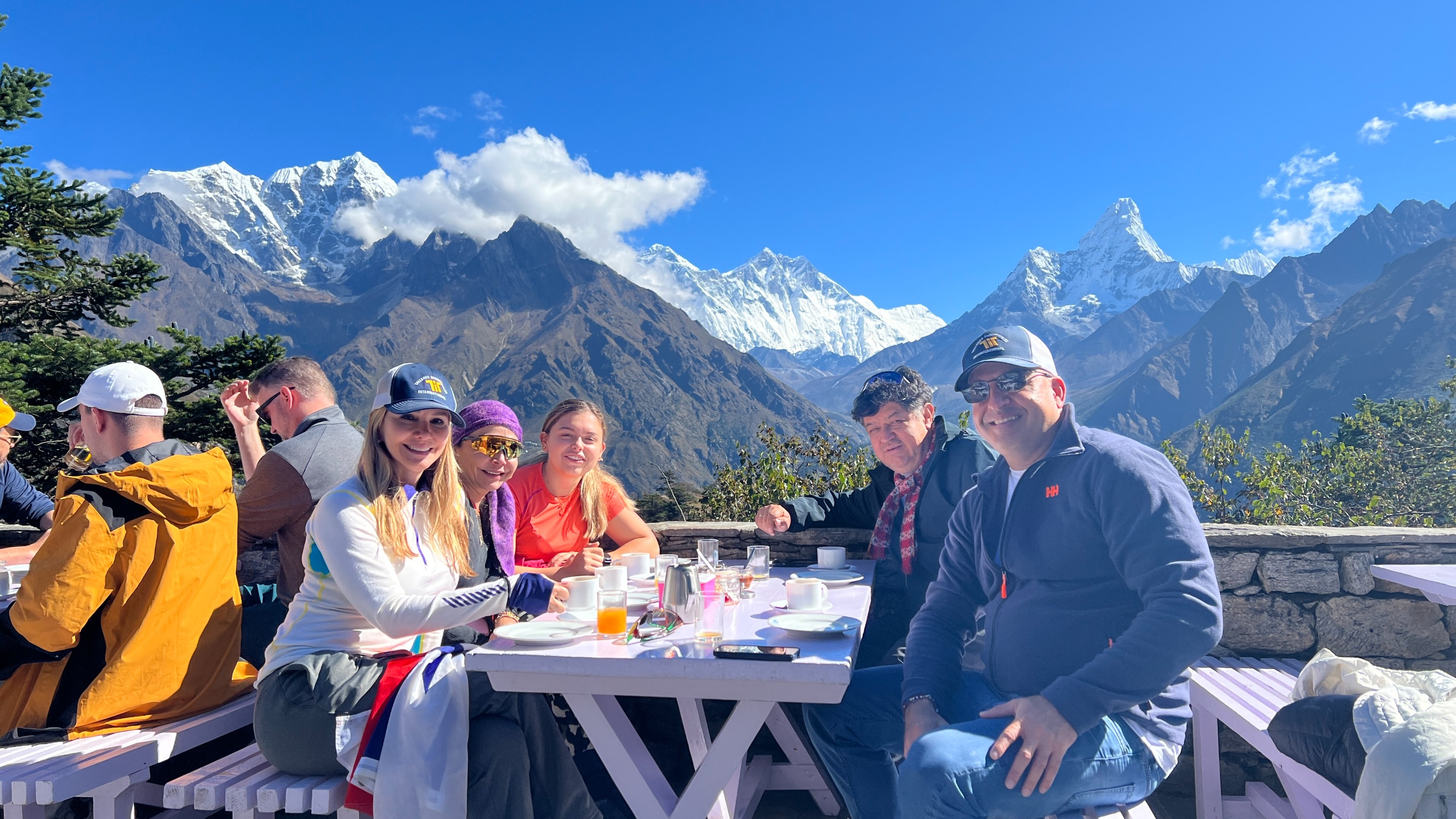
13 nights in teahouse lodges on a twin-sharing basis.
Private vehicle for all airport pickups and drops.
Licensed guide and porter (1:2 ratio) with insurance, gear, and wages.
All necessary trekking permits (Sagarmatha National Park, TIMS).
All local meals (breakfast, lunch, dinner) with tea/coffee included.
Detailed itinerary
1
Day 1 Arrival KATHMANDU (1300m/4265ft)
Arrive at Kathmandu International Airport where you will be warmly welcomed by our representative and check in to the hotel. The rest of the day is free to explore this historic and vibrant city. Meals: NO
2
Day 2 Acclimatize KATHMANDU
After breakfast we depart the hotel for a full-day sightseeing tour of Kathmandu, the “city of glory.” We visit Durbar (Palace) Square, the epicenter of religious and cultural life, an area filled with old temples and historical significance with old glorious Newari architecture. Some of the sights include Kal Bhairav, Hanuman Dhoka, Taleju Temple, Kasthamandap and Kumari Ghar; home to the Living Goddess. Afterwards we visit Swoyambhunath Stupa, said to be one of the oldest Buddhist stupas in the world. We proceed towards Pashupatinath Temple, a Hindu temple dedicated to Lord Shiva. . Later we visit Boudhanath, a Buddhist Stupa said to be one of the largest in the world. This massive structure stands tall with four pairs of eyes each facing the four cardinal directions, watching for righteous behavior of mankind and for human prosperity. Welcome dinner in the evening. Meals: Breakfast
3
Day 3 Fly to LUKLA (2800m/9187ft); trek to PHAKDING (2610m/8563 ft) 2-3 hours trek; 200m descent, 50m ascent
Early morning flight from Kathmandu International Airport to Lukla Airport and trek to Phakding. Descending above farmlands we pass through Sherpa villages of Chheplung, Ghat and Sano and Thulo Gumela and shrines and monasteries of Drangdrak Gompa and Pema Choling Gompa with breathtaking views of sacred mountain Kumbila and sister summits Kusum Kanguru peaks. Meals: Breakfast, Lunch, Dinner
4
Stop 4
Day 4 Trek to NAMCHE (3420m/11221ft) 5-6 hours/1000m ascent, 100m descent
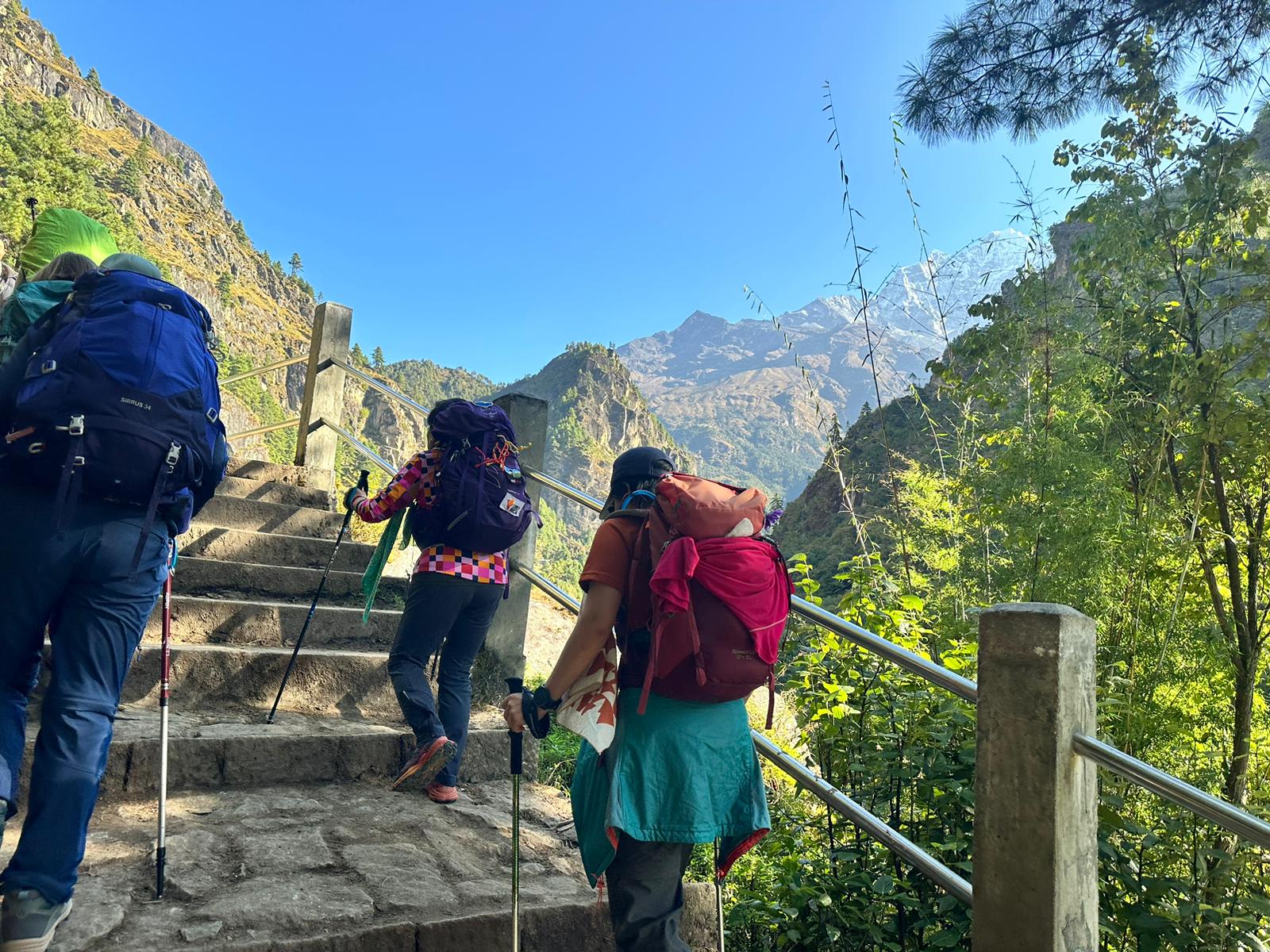
Heading for the Namche Bazar, we cross through the hamlet of Zamphute and Tok Tok to see dazzling Thamserku glistening in the sun that stays all the way with us in most of our trek. Passing through the scenic Sherpa villages of Benkar, Chumoa and Monjo, we reach Utche Choling Gompa on a bluff abutting the Dudhkoshi river and further we make our way between the bluff to the entrance of Sagarmatha National Park, a UNESCO declared world heritage site. Completing halfway to Namche Bazar, we head for the second half of the march that would likely to take more time due to steep climb at the end. Crossing through the last village of Jorsale, a steep stepped path leads us to an amazing high bridge over the Dudhkoshi River gorge and just before this bridge, the Dudhkoshi is met by its tributary, the BhoteKoshi. Meals: Breakfast, Lunch, Dinner
5
Stop 5
Pass by
Day 5 Acclimatize at NAMCHE
We have an acclimatization day at Namche Bazar. To help our body better adapt to the high altitude, we can take short walks or climb few hundred feet during the day to have a look in the villages, houses, terraced fields and snowy mountains of Kwangde, Khumbu peak, Thamserku, Kusum Kanguru and the village’s big weekly event, the Saturday market to have fun mingling with the crowds and watching men and women in traditional attire. Meals: Breakfast, Lunch, Dinner
6
Day 6 Trek PANGBOCHE (3860m/12665ft)
The trail between Phortse and Pangboche is not a main trail and so is quite narrow in spots with literally a 300-400m sheer drop to the Imja Khola below. Pangboche is a large village having a population of 600 and is the last major settlement inhabited all year round. Pangboche is actually two villages together –upper and lower Pangboche. Lodges are mostly in lower Pangboche with its riverside stone walled agricultural fields. The oldest monastery of Khumbu region, the Riwa Gompa is located at upper Pangboche. Most trekkers pass through lower Pangboche on the way up and visit upper Pangboche while returning from Kala Patthar. Meals: Breakfast, Lunch, Dinner
7
Day 7 Trek DINGBOCHE (4360m/14305ft)
Following the Imja Khola the trial climbs towards the village of Shomare and crossing the treeline beyond this village we are walking up rolling arid stretch, an alpine terrain with patches of scrub and isolated pastures and fields and the yak grazing. Crossing through the yak pasture and herdsmen’s stone huts at Orsho and Tsuro Wog, we turn right where the trail descends to a point near the confluence of Imja Khola and Khumbu Khola. Finally climbing a low ridge we reach the sprawling settlement of Dingboche which is a cold and windy place with sub-zero night temperatures even in summer. Meals: Breakfast, Lunch, Dinner
8
Day 8 Acclimatize DINGBOCHE
We have an acclimatization day again in Dingboche. This day we hike to the Chukhung valley making our way up the Imja Khola valley to a land riven by glacial moraines amidst towering formidable mountains and climb Chukhung Ri, a rocky hill behind the village and return to Dingboche. Meals: Breakfast, Lunch, Dinner
9
Day 9 Trek LOBUCHE (4930m/16175ft)
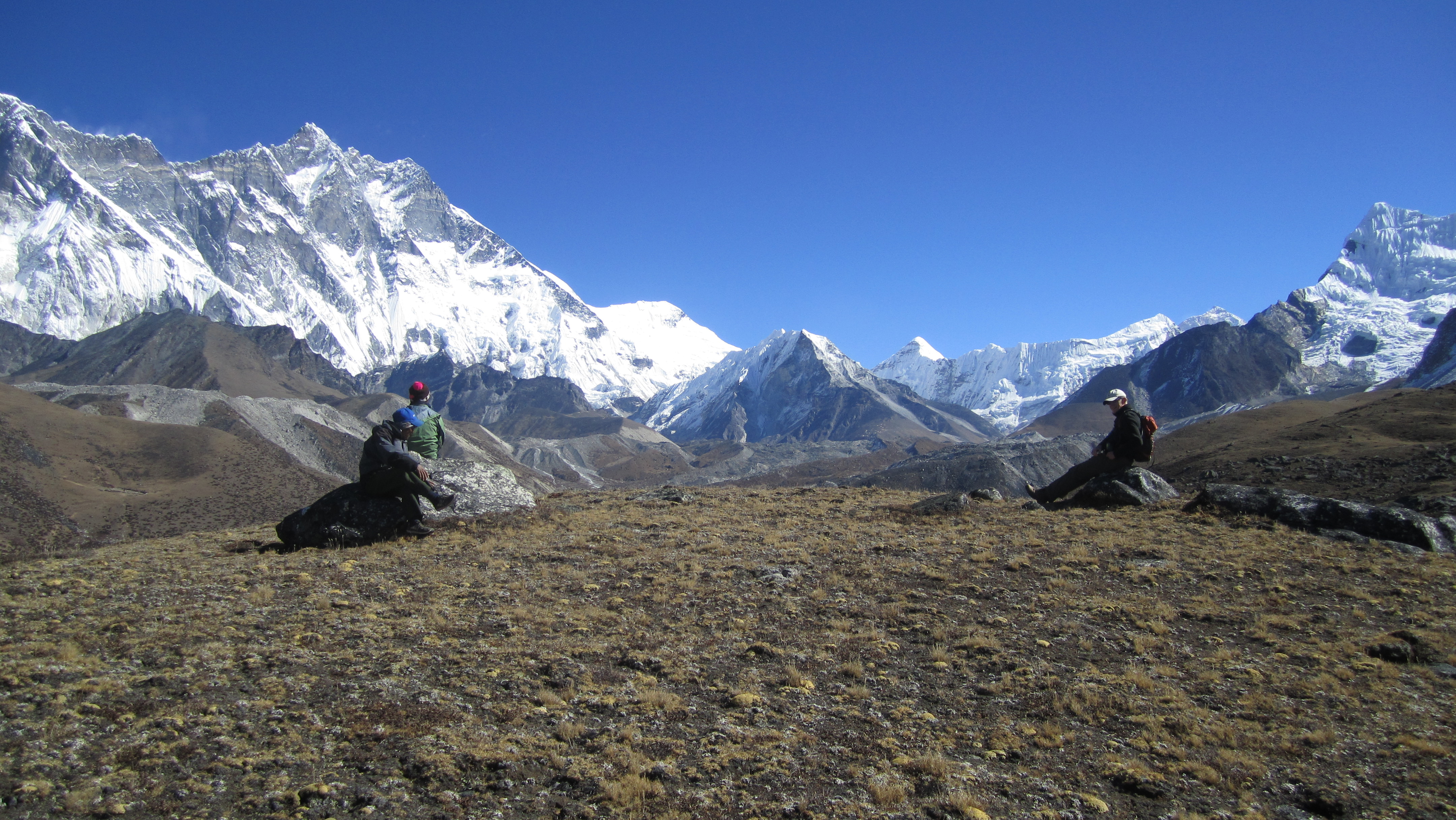
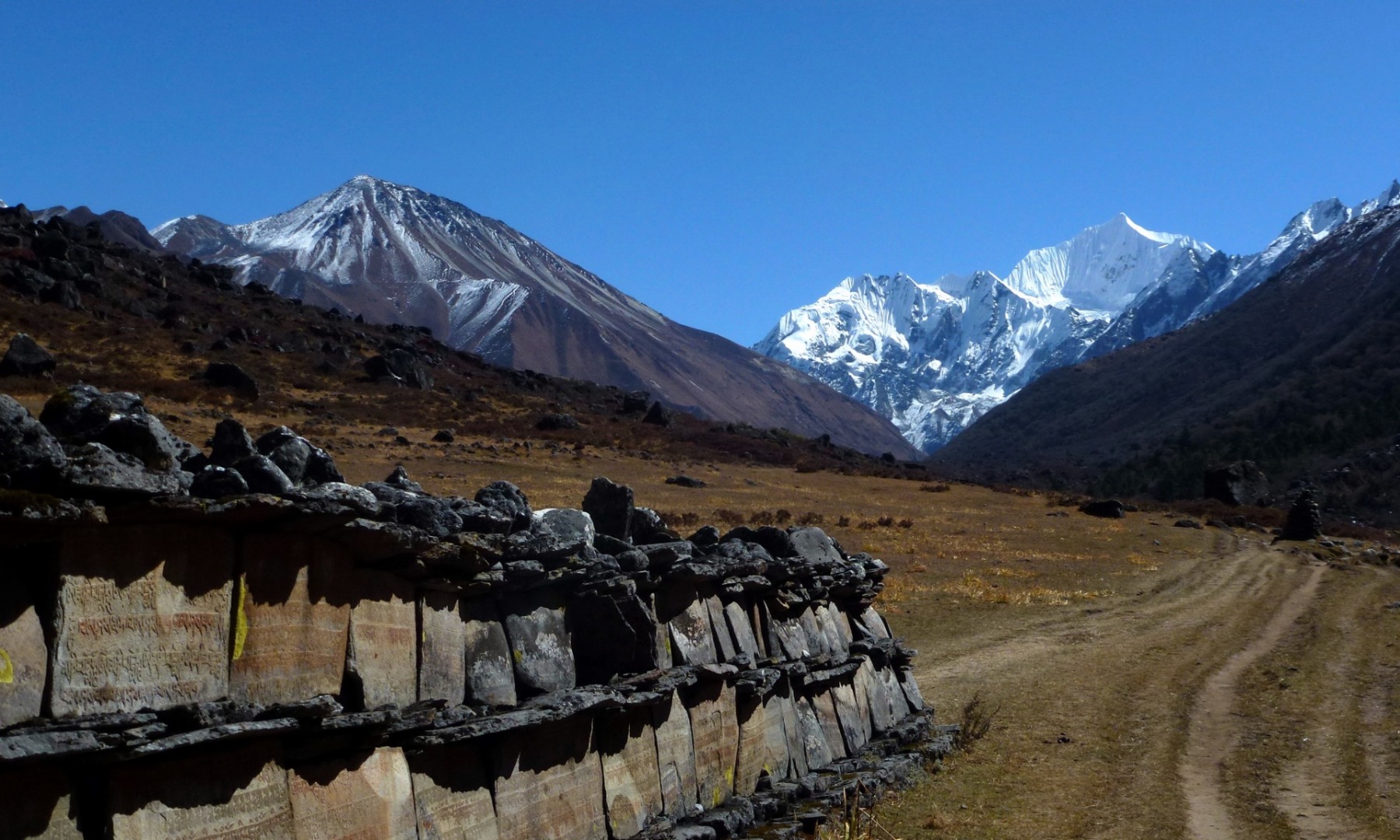
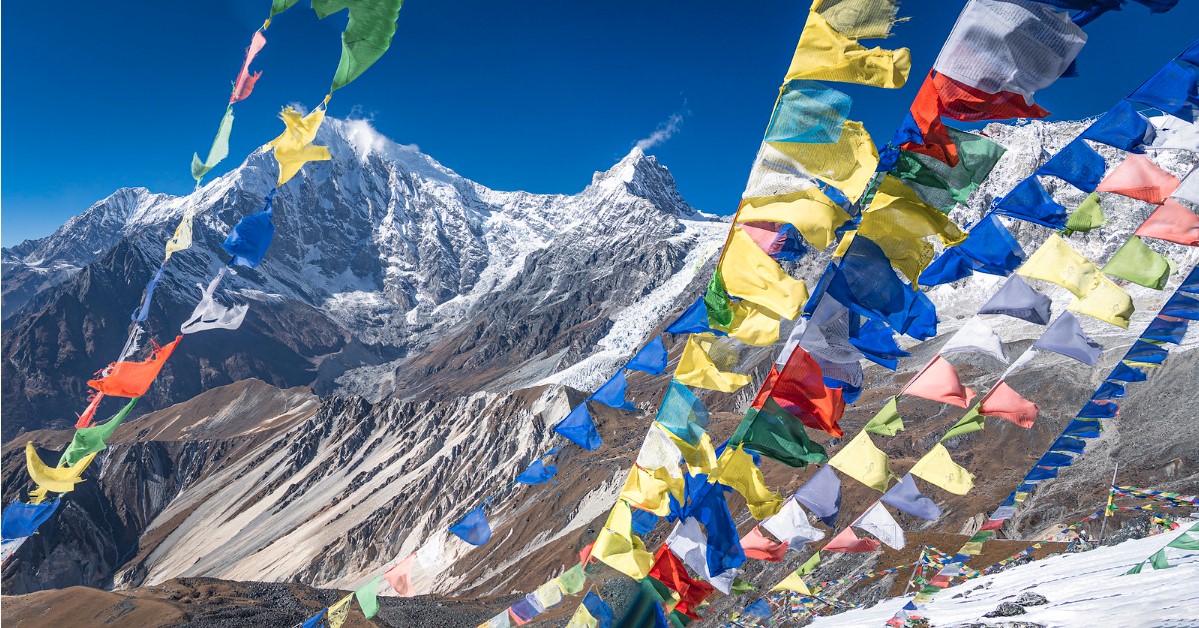
On the trail to Lobuche, we find ourselves truly in the lap of Himalayas with awesome mountains on all sides. Passing by a place called Dusa where we see some herdsmen’s uninhabited stone huts, we reach Dughla and then to Chupki Lhara where we see large heaps of stones with prayer flags remembering the mountaineers who perished on mission to climb Mt.Everest. At the top of the valley is the Chola Lake where we get a glimpse of blue waters from high trails. From Chupki Lhara, the trail drops to the Khumbu glacier moraine after which we see three great peaks-Khumbutse, Lingtren and Pumori straight in front. Now walking the final steps along a murmuring stream we reach Lobuche. Meals: Breakfast, Lunch, Dinner
10
Day 10 Trek GORAK SHEP (5160m/16930ft) and EBC (5340m/17521ft) and back to GORAK SHEP
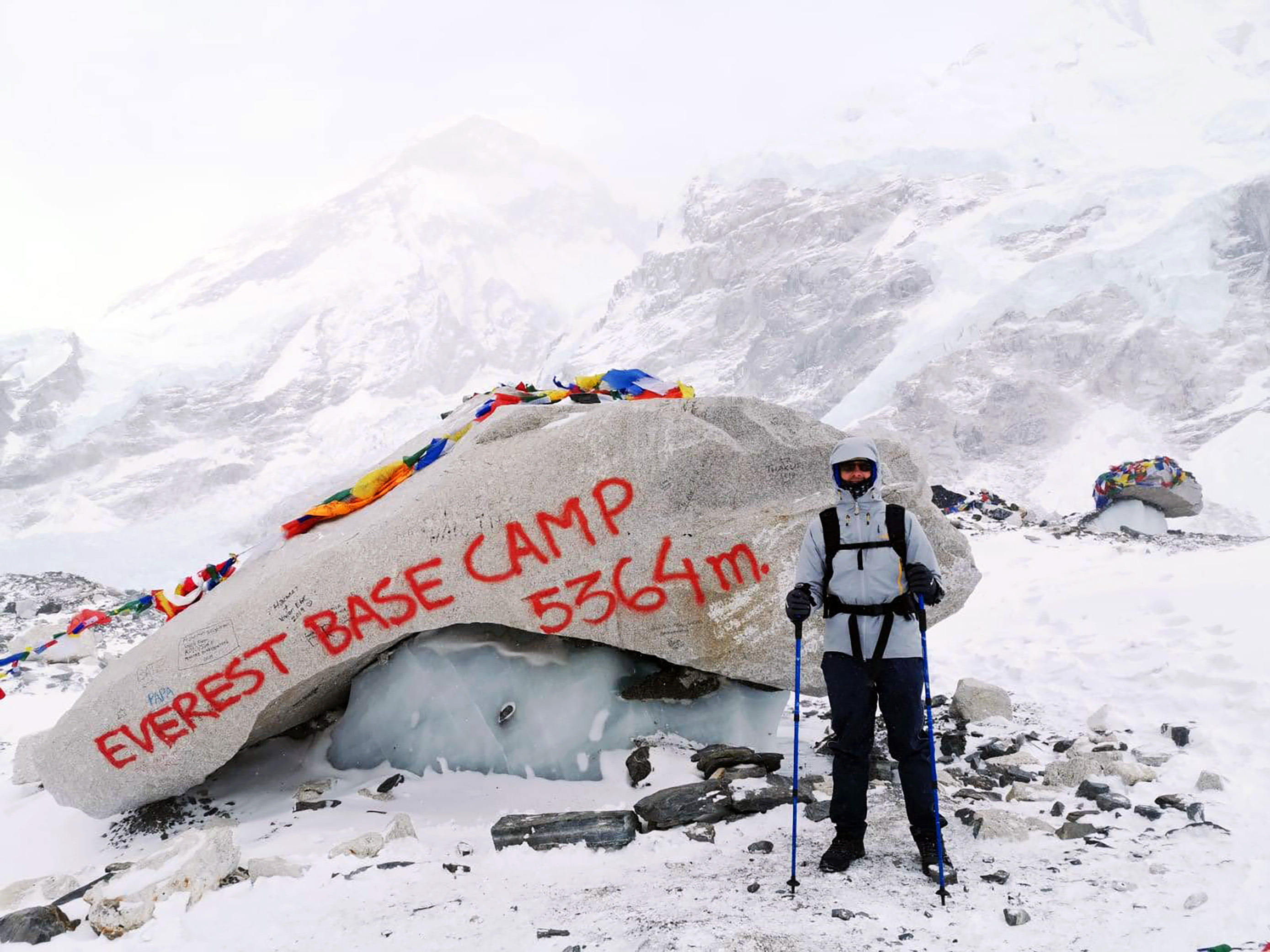
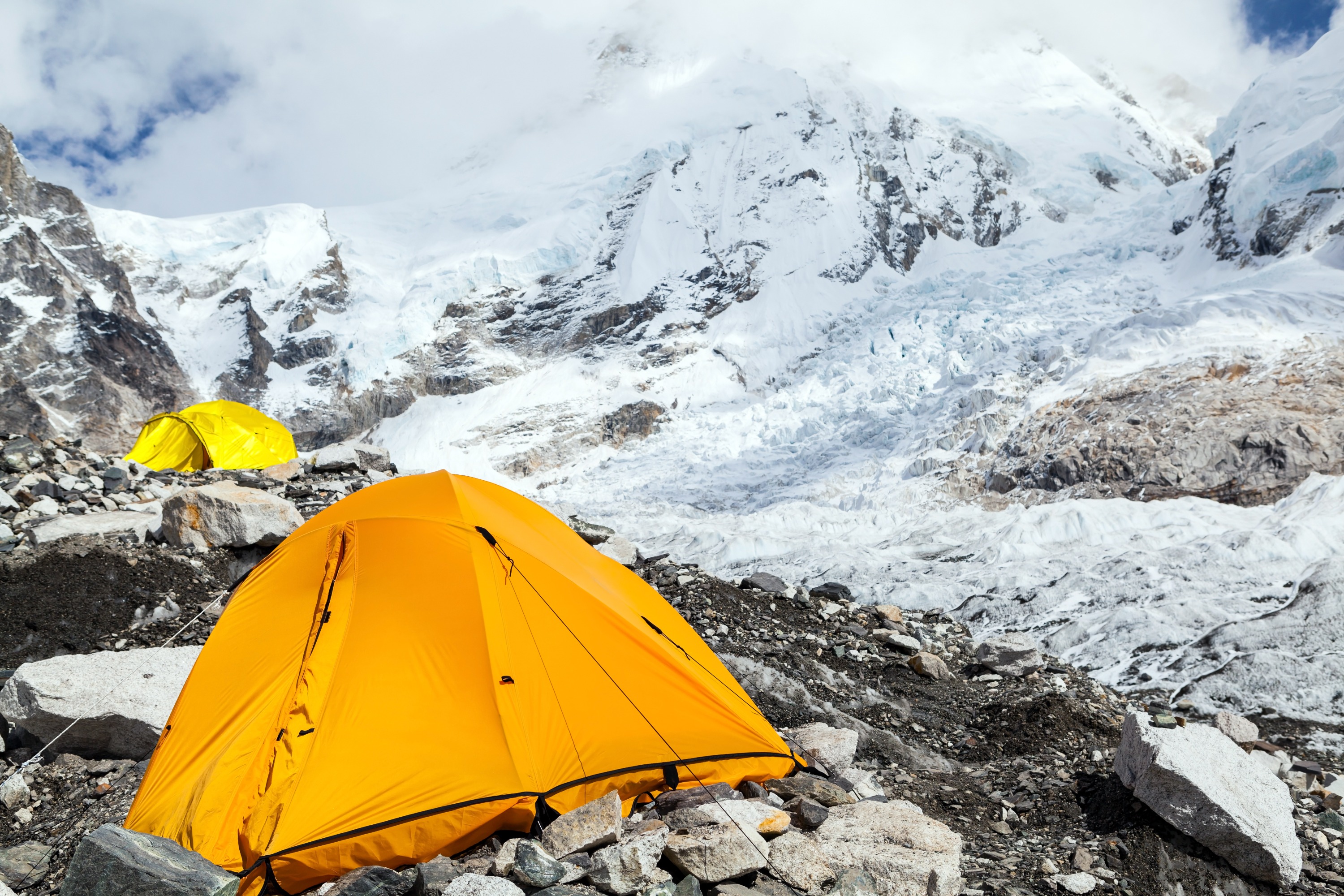
This day will be a long hard day for us. The trail now crosses the moraine of the Changri glacier which joins the Khumbu glacier from the west and climbing steeply up a stony slope we reach Gorak Shep from where we catch our first glimpse of Kala Patthar. From Gorak Shep we move towards EBC, to be amidst of mountains, not to see them from afar as EBC is not a viewpoint. Walking by the shallow blue waters of Gorak Shep lake, the Changtse peak in Tibet and the Lho La depression can be seen straight ahead. Crossing through several of the glaciers, icefalls, frozen pools of melt water, exposed icy walls and large boulders we finally reach EBC from where trekking ends and mountaineering begins. We descend back to Gorak Shep for the night stay. Meals: Breakfast, Lunch, Dinner
11
Day 11 Trek KALA PATTHAR (5545m/18193ft); return trek PHERICHE (4240m/13911ft)
Finally, this is our date with Everest, the climax of the trek. We start after an early breakfast without hurry. Crossing through the wide sandy bed of the dried up lake and steep zigzags we ascend about 100m to have the great view of Lingtren, Khumbutse and Changtse. As the climb begins again, we get a grand view of Khumbu glacier and Nuptse massif and finally we climb to the rocky viewpoint of Kala Patthar. It’s a slow tough climb but every meter ascended is rewarded by a bit more of Everest and finally we find ourselves sitting on the Kala Patthar rocks in middle of unbelievable Himalayan Panorama. Now we return downhill which takes much less time. Retracing the way we came up we pass through Gorak Shep, Lobuche and from Dughla, instead of moving towards Dingboche we descend to Pheriche making our way along Khumbu Khola, for the night stay while being back. Meals: Breakfast, Lunch, Dinner
12
Day 12 Trek back TENGBOCHE (3870m/12697ft)
From Pheriche the trail descends to Tsuro Wog after crossing the bridge across Khumbu Khola and great mountain views. From Tsuro Wog we again start the descending path retracing the way we came up proceeding through Orsho, Shomare and upper Pangboche and finally to a most beautiful place of Tengboche. The Tengboche monastery is Khumbu’s largest gompa. Meals: Breakfast, Lunch, Dinner
13
Stop 13
Day 13 Trek back NAMCHE BAZAR
From Tengboche we move towards Phunki Tenga and now descend to Sanasa and Kyangjuma and then finally to Namche Bazar. Meals: Breakfast, Lunch, Dinner
14
Day 14 Trek back LUKLA
Our final day’s trekking follows the Dudh Kosi down to Lukla retracing the way we came up. Meals: Breakfast, Lunch, Dinner
15
Day 15 Fly back KATHMANDU
Fly back from Lukla to Kathmandu and drop to the hotel. This is a leisure day which can be utilized buying gifts and souvenirs for your friends and family. In the evening you will be invited to join FAREWELL reviewing great photos and share experiences of the trip. Meals: Breakfast, Farewell Dinner
16
Day 16 Fly back HOME or extend your HOLIDAYS
If you prefer to stay longer, you can consult us for short tours such as game drive at National parks, rafting, mountain biking, Tibet, India or Bhutan tours etc. Meals: Breakfast
What's not included
Nepalese visa fee
Excess baggage charge(s)
Extra night accommodation in Kathmandu
Lunch and evening meals in Kathmandu
International flights
Travel and rescue insurance
Personal expenses(phone calls/laundry/bar bills/battery recharge/extra porters/water/shower, etc
Tips for guide(s), porter(s) and driver(s)
Available languages
Guide guide
EN
Reviews breakdown
Tripadvisor
5.0
82 reviews
5★
82
4★
0
3★
0
2★
0
1★
0
Important information
Public transportation options are available nearby
Specialized infant seats are available
Not recommended for travelers with poor cardiovascular health
Travelers should have at least a moderate level of physical fitness
Minimum age is 15 years
Meeting point
we also can pick from Devo Boutique Thamel.
Important notes
All flight times are approximate and subject to change due to weather conditions and weight restrictions.
Times are subject to change due to local traffic conditions.
About Kathmandu
Kathmandu, the capital of Nepal, is a vibrant blend of ancient history, rich culture, and stunning Himalayan scenery. Known as the 'City of Temples,' it's home to seven UNESCO World Heritage Sites, including the iconic Swayambhunath Stupa and Pashupatinath Temple. The city offers a unique mix of traditional Newari architecture, bustling markets, and modern urban life.
Top Attractions
Swayambhunath Stupa (Monkey Temple)
One of the most iconic landmarks in Kathmandu, this UNESCO World Heritage Site is a Buddhist stupa perched on a hilltop, offering panoramic views of the city and surrounding mountains. It's also home to many monkeys, hence the nickname.
Religious/Historical
1-2 hours
Free (donations welcome)
Pashupatinath Temple
One of the most sacred Hindu temples in the world, dedicated to Lord Shiva. Located on the banks of the Bagmati River, it's a major pilgrimage site with a lively atmosphere, especially during festivals.
Religious
2-3 hours
Free for Hindus, NPR 1000 (USD 8) for non-Hindus
Boudhanath Stupa
One of the largest stupas in the world and a UNESCO World Heritage Site, Boudhanath is a major center for Tibetan Buddhism. The surrounding area is filled with monasteries, shops, and cafes, creating a vibrant cultural hub.
Religious/Historical
2-3 hours
Free (donations welcome)
Kathmandu Durbar Square
A UNESCO World Heritage Site, this historic square is the heart of the old city and features ancient palaces, temples, and courtyards. It's a living museum showcasing the city's rich history and Newari architecture.
Historical/Architectural
1-2 hours
NPR 1000 (USD 8) for foreigners
Bhaktapur Durbar Square
Located in the ancient city of Bhaktapur, this UNESCO World Heritage Site is a well-preserved example of Newari architecture. It features beautiful temples, palaces, and courtyards, offering a glimpse into Nepal's royal history.
Historical/Architectural
Half-day trip
NPR 1500 (USD 12) for foreigners
Must-Try Local Dishes
Dal Bhat
A staple meal consisting of lentil soup (dal), rice (bhat), and vegetable curry (tarkari). Often served with pickles, salad, and sometimes meat.
Lunch/Dinner
Vegetarian (can be made vegan by omitting ghee)
Momo
Steamed or fried dumplings filled with meat (buffalo, chicken, or pork) or vegetables, served with a spicy tomato-based sauce.
Snack/Appetizer
Vegetarian options available, can be made vegan
Sel Roti
A sweet, ring-shaped fried bread made from rice flour, sugar, and water, often served during festivals and celebrations.
Snack/Dessert
Vegetarian (may contain eggs in some recipes)
Gundruk
A fermented leafy green vegetable, often cooked with spices and served as a side dish or added to soups and stews.
Side Dish
Vegetarian, vegan, and gluten-free
Popular Activities
Trekking
Mountain biking
Paragliding
Rafting
Yoga and meditation retreats
Spa treatments
Café hopping
Gardening
Best Time to Visit
October to November and March to April
These months offer pleasant weather, clear skies, and excellent visibility for trekking and sightseeing. The city is lively with festivals and cultural events.
20-30°C (68-86°F)
68-86°F
Practical Information
Language
- Official: Nepali
- Widely spoken: English, Hindi, Newari, Maithili, Bhojpuri
- English: Moderately spoken in tourist areas, limited in rural areas
Currency
Nepalese Rupee (NPR)
Time Zone
Nepal Standard Time (NPT, UTC+5:45)
Electricity
230VV, 50HzHz
Safety Information
Overall Safety Rating: Exercise caution
Kathmandu is generally safe for travelers, but petty crime, scams, and pickpocketing can occur, especially in tourist areas and crowded markets. Be cautious of your surroundings, keep valuables secure, and avoid walking alone at night in poorly lit areas.
Important Precautions:
- • Use reputable tour operators and trekking agencies
- • Insist on using the meter when taking taxis
- • Keep valuables secure and out of sight
Getting there
By air
- Tribhuvan International Airport • 5 km (3 miles) from city center
By bus
Galkopul, Kalanki
Getting around
Public transport
Buses are the most common form of public transport, but they can be crowded and slow. Microbuses are smaller and more frequent.
Taxis
Available • Apps: Pathao, InDriver
Rentals
Car, Bike, Scooter
Neighborhoods
Thamel
Boudha
Patan (Lalitpur)
Bhaktapur
Day trips
Nagarkot
32 km (20 miles) from Kathmandu • Half-day to full-day trip
A picturesque hill station known for its stunning views of the Himalayas, including Mount Everest on clear days. Nagarkot is also famous for its sunrise and sunset views.
Dhulikhel
30 km (19 miles) from Kathmandu • Half-day to full-day trip
A charming Newari town offering beautiful views of the Himalayas and historic temples. Dhulikhel is less touristy than Nagarkot but equally scenic.
Changunarayan
18 km (11 miles) from Kathmandu • Half-day trip
A UNESCO World Heritage Site featuring an ancient temple dedicated to Lord Vishnu. Changunarayan is one of the oldest Hindu temples in the Kathmandu Valley and is known for its intricate stone and wood carvings.
Festivals
Dashain • September/October (dates vary each year)
Tihar • October/November (dates vary each year)
Indra Jatra • September (dates vary each year)
Pro tips
- Learn a few basic Nepali phrases to enhance your experience and connect with locals
- Hire a local guide or join a group tour for a more immersive and informative experience, especially when visiting temples and historical sites
- Carry small denominations of Nepalese Rupees for small purchases and tips, as change may be limited
- Be prepared for power outages and slow internet, especially during peak hours and in rural areas
- Stay hydrated and protect yourself from the sun, as the high altitude and intense sunlight can cause dehydration and sunburn
From $25
per person
Price varies by option
Secure booking
Free cancellation available
Instant confirmation