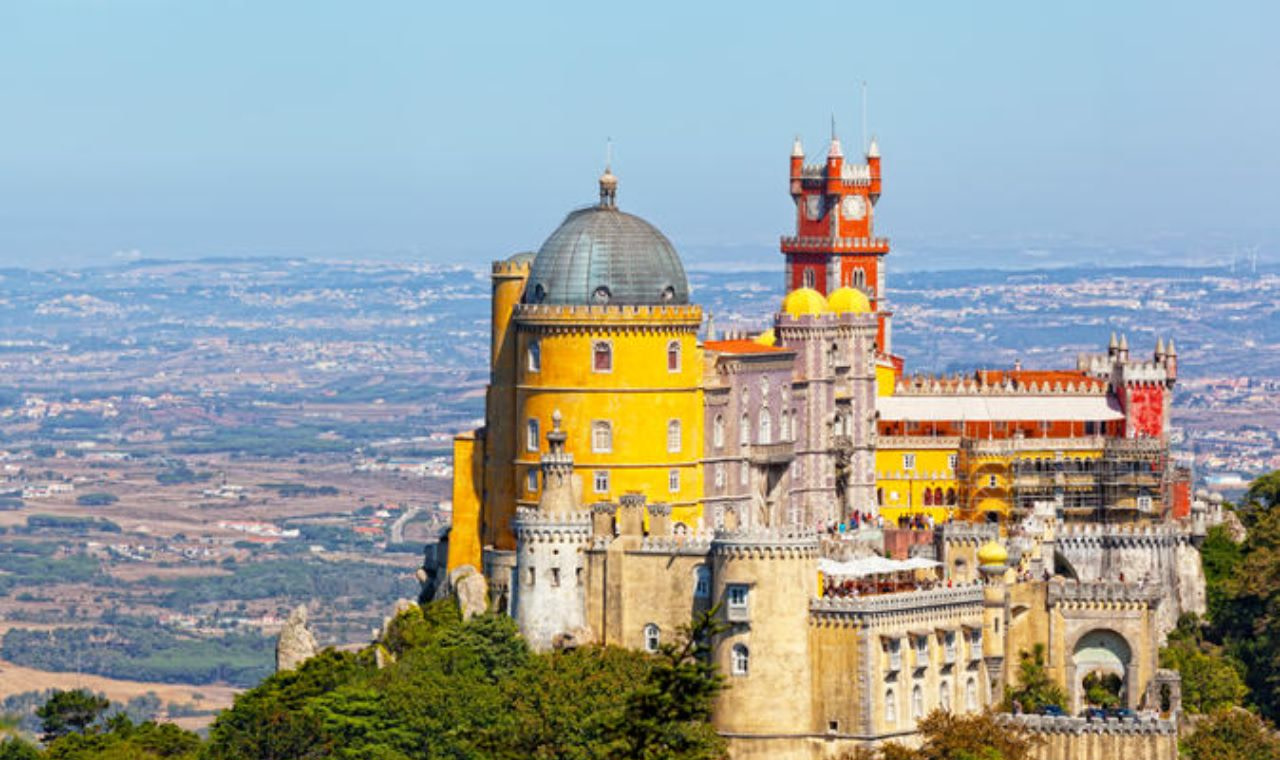
Sintra-Cascais-Pena Palace 8-People Small Group Tour from Lisbon
Active
9h
For a full refund, cancel at least 24 hours before the scheduled departure time.
Instant confirmation
Mobile or paper ticket accepted
About this experience
Explore Sintra and Cascais on a 9-hour group tour from Lisbon, limited to 8 people and only in English. You’ll visit the charming village of Sintra and you’ll have the chance to taste the delicious and famous pastries - travesseiros (pillows) and the Sintra cheesecakes (queijadas). Then you’ll visit the westernmost point of continental Europe - Cabo da Roca - once considered the end of the world. It will take your breath away! On the way to Cascais, you´ll enjoy astonishing sea views. Then you'll stop at Cascais, a lovely beach town where you can stroll around, have lunch, or snack. Your last stop is the unique and surprising Pena Palace, a formers royal palace that looks like a fairytale.
Available options
Ticket Pena Park + Pena Palace
This option offers a complete guided tour of the Pena Palace, including tickets for the park, courtyards, and interior rooms
No Ticket (you buy on the day)
This option does not include the Pena Palace guided visit and tickets. But tickets can be purchased on the day of the tour
Ticket Pena Park & Courtyards
This option includes access to Pena Palace Park and a guided visit to the courtyards. The interior rooms are not included
What's included
Maximum 8 people
Local guide and driver
Air-conditioned vehicle
Central meeting (pick up and drop off) point
Park and/or Palace of Pena entrance fee (if option selected)
The tour will be only in English
Detailed itinerary
1
Stop 1
Pass by
The meeting point, at Avenida da Liberdade 9, in front of the Armani Exchange store
2
Stop 2
Sintra is an ancient village, primarily pedestrian, that was founded thousands of years ago. The Greeks referred to Sintra as the "Mountain of the Moon," and it still resembles a fairy tale village today. It has been designated a UNESCO World Heritage Site since 1995. During your visit, you will have free time to try some famous travesseiros (pillows) from a historic bakery that has been in operation since 1862. These light puff pastries are intricately turned, rolled, and folded seven times, then filled with a delicious almond-and-egg-yolk cream and lightly dusted with sugar. You can also enjoy Sintra cheesecakes.
3
Visit an old bakery that has been in the same family since 1862 to enjoy their famous travesseiros, which are light puff pastries rolled and folded seven times. These delightful pastries are filled with a creamy mixture of almond and egg yolk, then lightly dusted with sugar. Alternatively, you can try the Sintra cheesecakes, which have historical references dating back to the 13th century. At that time, these cheesecakes were often used as a form of rent payment.
4
Colares, known for its famous wine cellars, is located on our way to the Atlantic Ocean. This charming village has a rich history with wine that dates back to the 13th century. The landscape appears to be frozen in time, showcasing old villas, beautiful mansions, and a mix of small and large farms, along with a century-old tram.
5
Stop 5
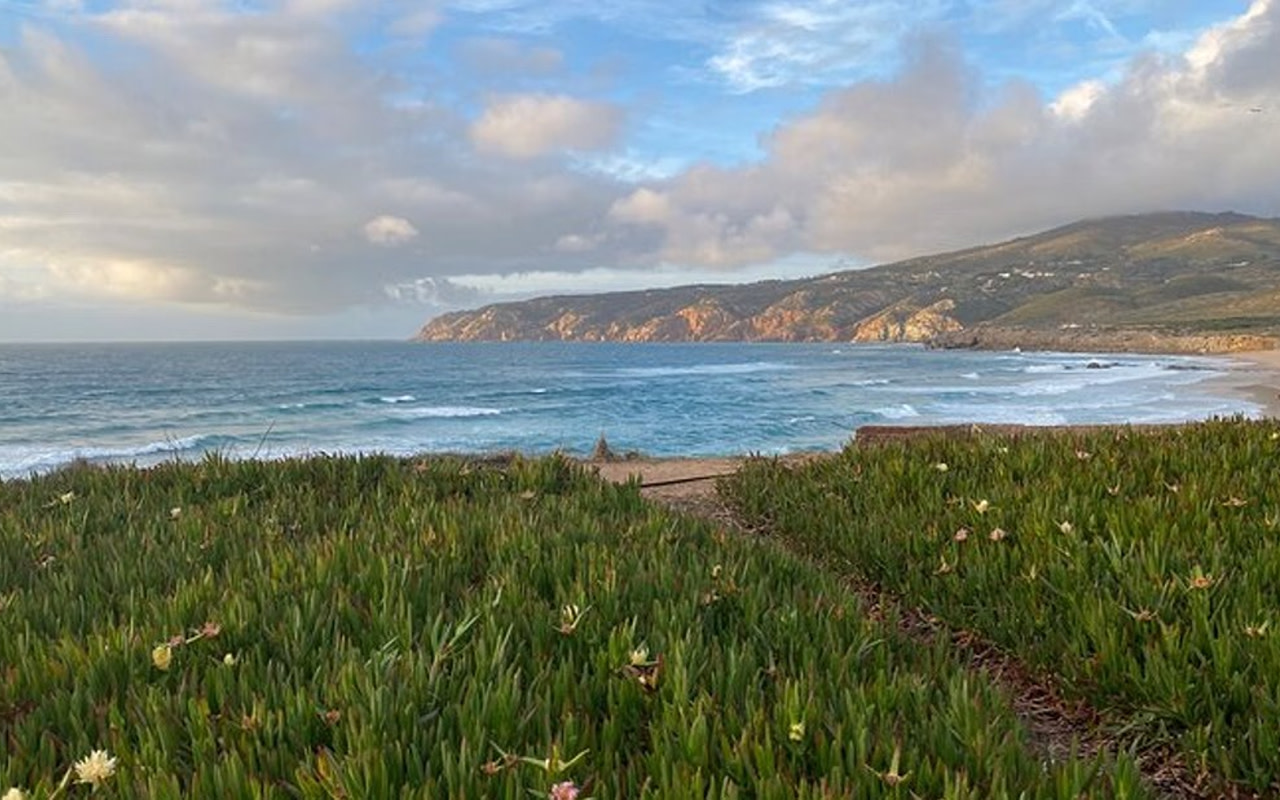
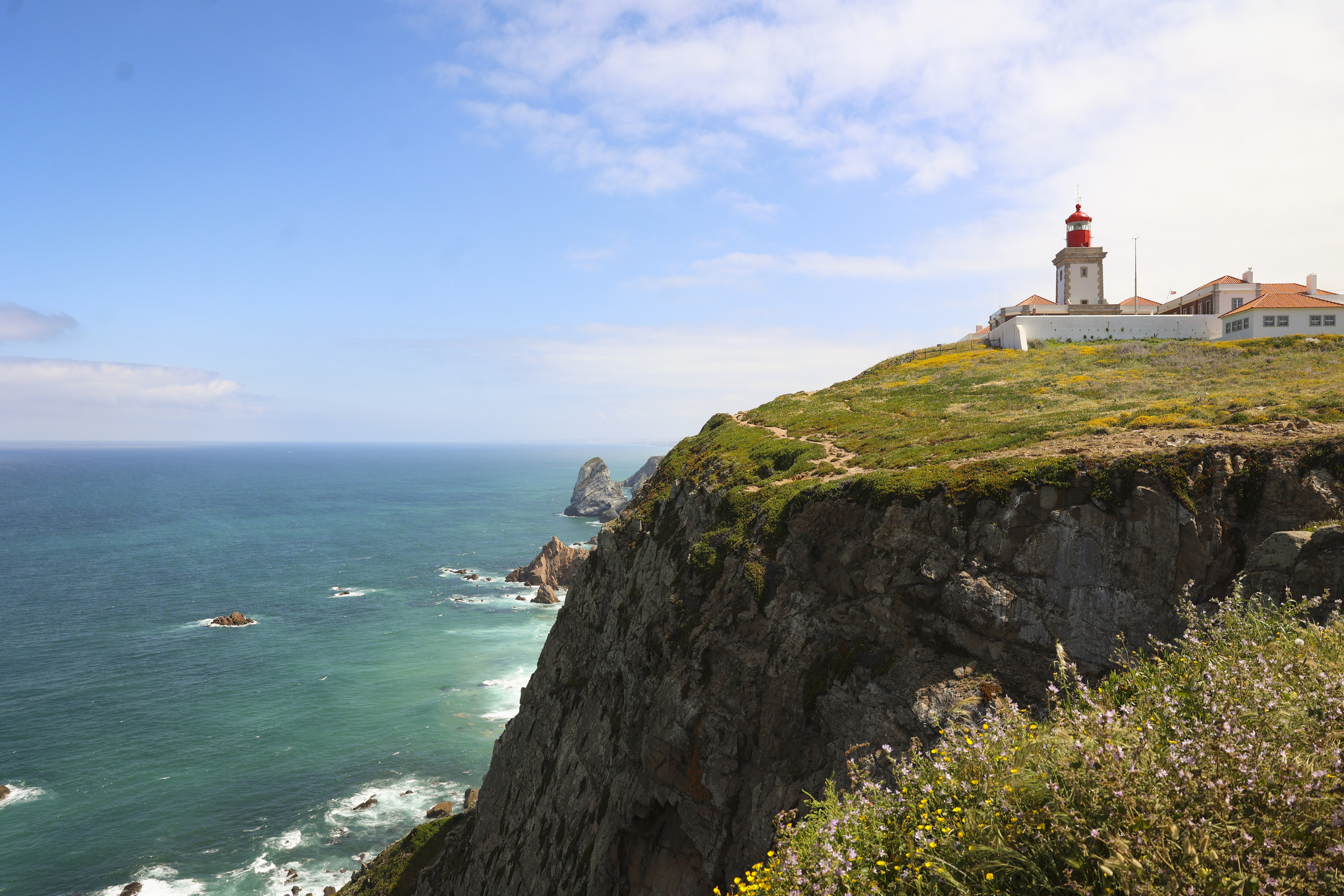
We will stop at Cabo da Roca, a wild location that features a cliff rising 150 meters (500 feet) above the Atlantic Ocean. This is the westernmost point of continental Europe. The area offers a stunning and remote landscape with breathtaking views of the roaring Atlantic.
6
The Cabo da Roca lighthouse is one of Portugal's most famous lighthouses. We cannot go inside, but we can enjoy this beautiful XVIII-century building from the outside.
7
Guincho Beach is a beautiful sandy area located 9 km from Cascais. It features a protected landscape with dunes and endemic flora, making it a popular destination for surfers.
8
Stop 8
Pass by
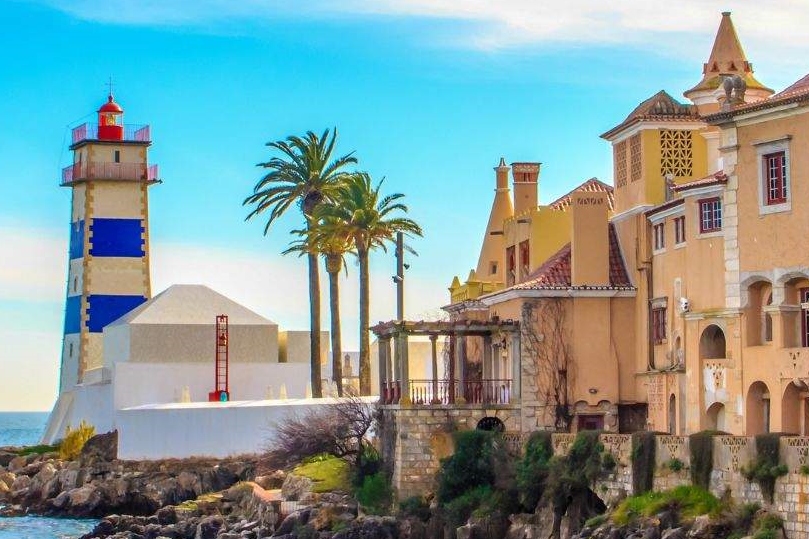
This summer palace was constructed between 1897 and 1900 by an Irish nobleman, Jorge O'Neill. It serves as a classic example of “summer architecture.”
9
The Citadel of Cascais is a series of fortifications built between the 15th century and the 17th century to defend Cascais and Lisbon. Since the 19th century, it has been a former Royal Palace area.
10
Stop 10
Cascais was once a fishing village that gained popularity as a resort for Portugal's royal family in the late 19th and early 20th centuries. Today, it is a favored vacation destination for both Portuguese and international tourists. The village features small museums, picturesque gardens, a beautiful marina, and a pedestrianized old town. We will stop here for lunch or a snack, and we recommend trying the most famous ice cream in Portugal: Santini’s Gelati!
11
Stop 11
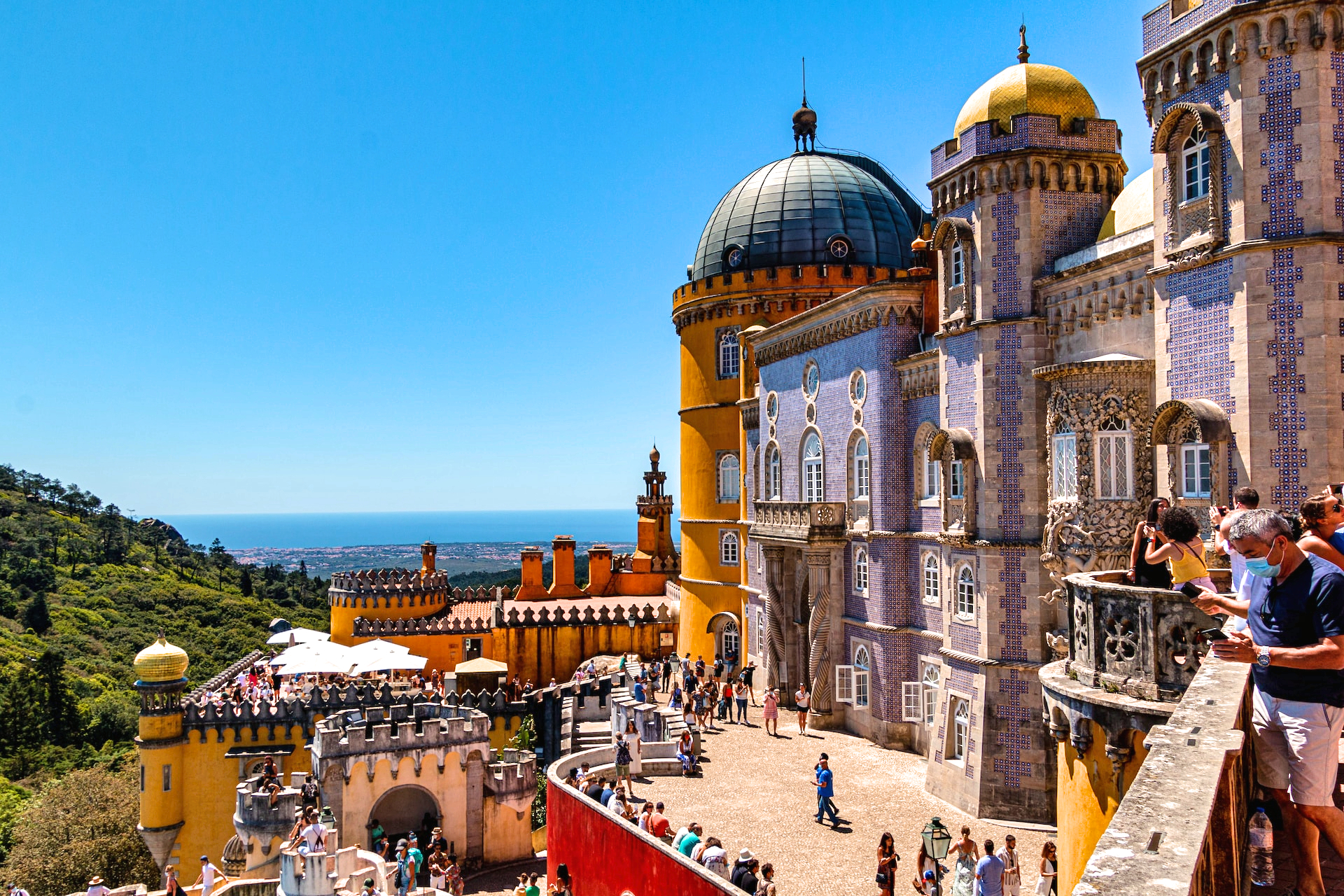
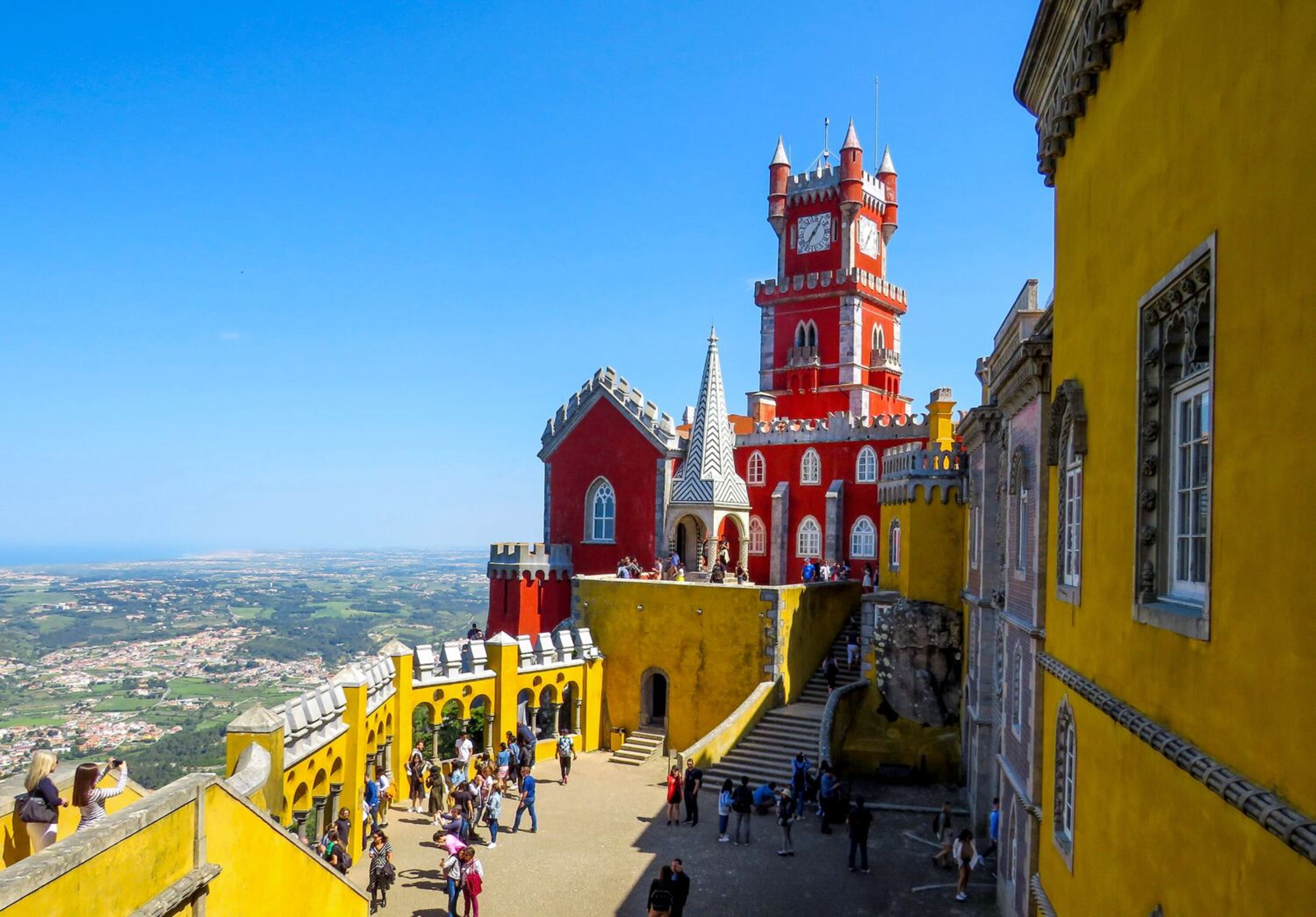
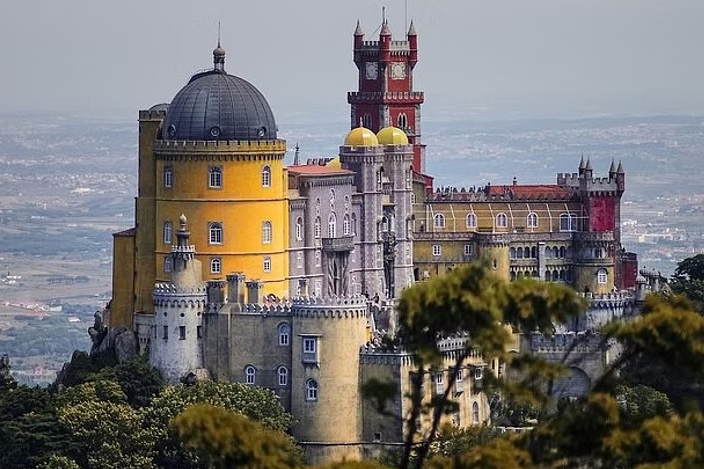
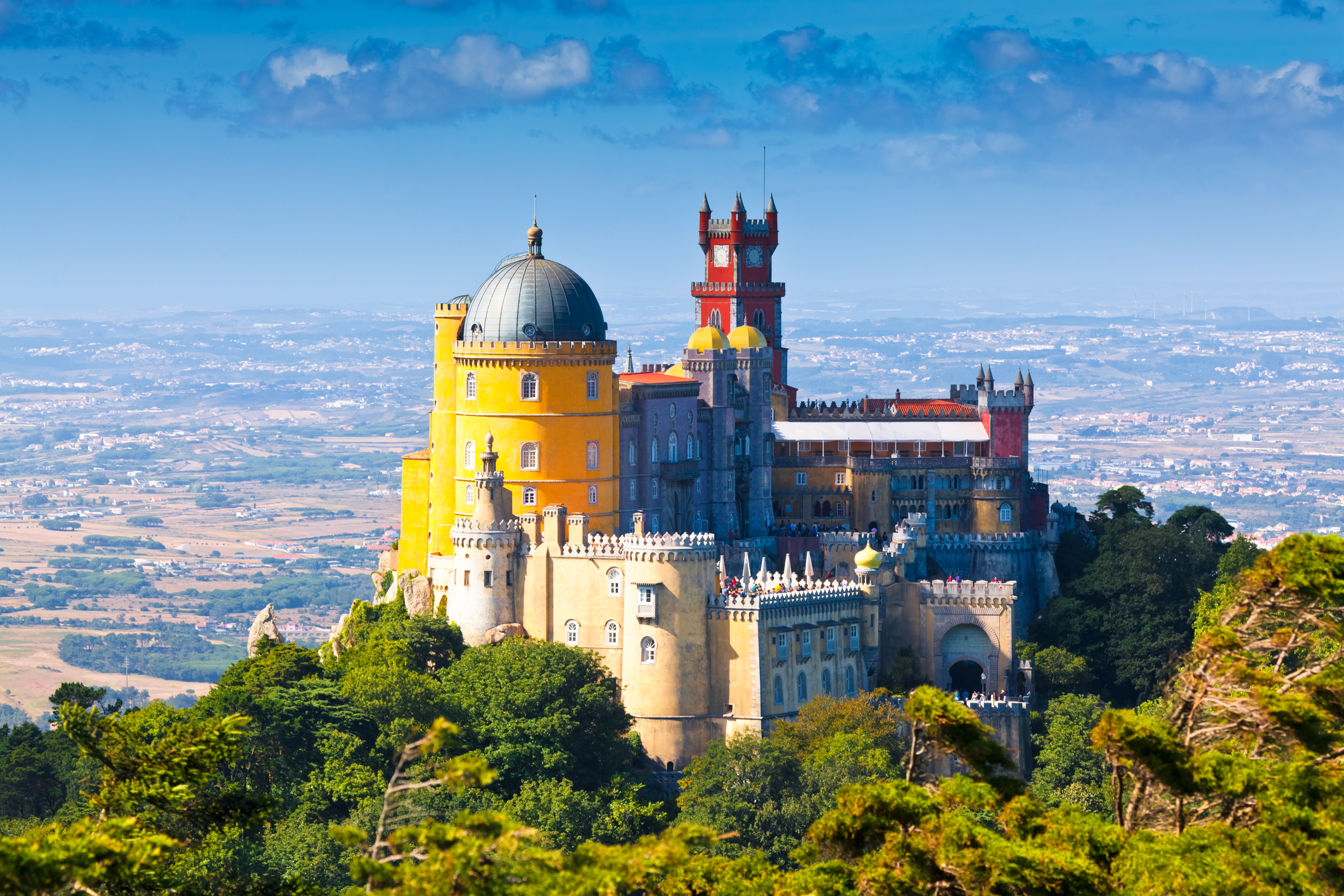
We will visit the remarkable Pena Palace, a key example of 19th-century romanticism in the world. The current palace was established in 1839, when King Ferdinand II purchased the ruins of the Monastery of Our Lady of Pena and began transforming it into a residence that reflected his romantic tastes. You will have access to Pena Palace Park and will enjoy a guided tour of the courtyards. If you choose that option, you will also be able to explore the interior rooms.
12
Stop 12
Pass by
The meeting point, at Avenida da Liberdade 9, in front of the Armani Exchange store
What's not included
Food and drinks
Hotel Pick up and Drop off
Available languages
Guide guide
EN
Reviews breakdown
Viator
4.9
980 reviews
5★
917
4★
55
3★
5
2★
0
1★
3
Tripadvisor
4.9
760 reviews
5★
726
4★
25
3★
8
2★
1
1★
0
Important information
Specialized infant seats are available
Infants and small children can ride in a pram or stroller
Service animals allowed
Public transportation options are available nearby
Not recommended for travelers with poor cardiovascular health
Suitable for all physical fitness levels
The tour will be only in English
Bring at least a light jacket since sometimes the weather is highly variable
Meeting point
8:00 am at Avenida da Liberdade 9, in front of the Armani Exchange store. 1 minute walking from Restauradores metro station (blue line) or Gloria’s Funicular (bottom).
About Lisbon
Lisbon, the capital of Portugal, is a vibrant city known for its rich history, stunning architecture, and warm climate. With its charming streets, historic trams, and breathtaking viewpoints, Lisbon offers a unique blend of old-world charm and modern energy.
Top Attractions
Belém Tower
A UNESCO World Heritage Site, this 16th-century tower is an iconic symbol of Lisbon's Age of Discoveries.
Historical
1-2 hours
€6
Alfama District
Lisbon's oldest district, known for its narrow, winding streets, Fado music, and historic charm.
Historical
Half day
Free to explore, attractions may have entry fees
Sintra
A UNESCO World Heritage Site, Sintra is a romantic town with stunning palaces and castles.
Historical
Full day
Varies by attraction, around €10-€15 per site
Must-Try Local Dishes
Bacalhau à Brás
Shredded codfish with eggs, potatoes, and onions
Main Dish
Contains fish and eggs
Pastel de Nata
Custard tart with a flaky pastry crust
Dessert
Contains dairy and eggs
Francesinha
A sandwich with meat, cheese, and a beer-based sauce
Main Dish
Contains meat, cheese, and gluten
Popular Activities
Hiking in Sintra
Surfing in Ericeira
Parasailing in Cascais
Beach lounging in Costa da Caparica
Spa day in a luxury hotel
Picnic in Jardim da Estrela
Visiting museums and galleries
Attending Fado performances
Best Time to Visit
March to May, September to October
These months offer pleasant weather and fewer crowds, making it ideal for sightseeing and outdoor activities.
15-25°C
59-77°F
Practical Information
Language
- Official: Portuguese
- Widely spoken: English, Spanish, French
- English: Moderately spoken
Currency
Euro (EUR)
Time Zone
GMT+1 (Western European Time, WET)
Electricity
230VV, 50HzHz
Safety Information
Overall Safety Rating: Generally safe
Lisbon is generally safe, but pickpocketing and petty theft can occur in crowded areas.
Important Precautions:
- • Be cautious of pickpockets in crowded areas
- • Use licensed taxis or ride-sharing apps
- • Avoid walking alone at night in less crowded areas
Getting there
By air
- Humberto Delgado Airport • 7 km from city center
By train
Santa Apolónia, Oriente
By bus
Sete Rios, Jardim do Campo Grande, Gare do Oriente
Getting around
Public transport
Efficient and clean, with four lines connecting major attractions.
Taxis
Available • Apps: Bolt, FreeNow
Rentals
Car, Bike, Scooter
Neighborhoods
Alfama
Baixa
Bairro Alto
Day trips
Sintra
25 km from Lisbon • Full day
A romantic town with stunning palaces, castles, and lush gardens.
Cascais
30 km from Lisbon • Half day to full day
A charming coastal town with beautiful beaches, historic sites, and a relaxed atmosphere.
Óbidos
80 km from Lisbon • Full day
A medieval town with a well-preserved castle, narrow streets, and charming shops.
Festivals
Santos Populares • June 13th
Festival dos Oceanos • June to September
Arraial do Alfoz • June to September
Pro tips
- Visit the Time Out Market for a variety of local and international cuisines
- Take a day trip to Sintra and Cascais for a mix of history and beach relaxation
- Explore the LX Factory for a unique shopping and dining experience
- Ride the historic Tram 28 for a scenic tour of the city
- Visit the MAAT museum for a blend of art, architecture, and technology
From $25
per person
Price varies by option
Secure booking
Free cancellation available
Instant confirmation