Day-Trip to the Stone City of Perperikon from Plovdiv
Active
5h - 6h
For a full refund, cancel at least 24 hours before the scheduled departure time.
Instant_then_manual confirmation
Mobile or paper ticket accepted
About this experience
The Stone City of Perperikon is one of the most fascinating archeological complexes in Bulgaria. Our tour gives you a first-hand account of its excavation from one of the archeologists who discovered it.
First inhabited in the 6th millennium BC, it grew into a prolific city under the rulership of the ancient Thracians. It was continuously inhabited by many cultures over the centuries, until its eventual destruction at the hands of the invading Ottoman turks. The stone city was rediscovered and excavated at the turn of the century, and it is now open to the public. Visitors can walk through its very streets and see the remains of tombs, buildinds, forts and sacred structures belonging to multiple time periods.
Available options
Day-Trip to the Stone City of Perperikon from Plovdiv
Pickup included
What's included
Private transportation
Tour guide
Detailed itinerary
1
The ancient Thracian city of Perperikon is the largest megalith ensemble on the Balkan peninsula and known worldwide as the Bulgarian Machu Picchu.
Located atop a tall hill in the Eastern Rhodope mountains and carved into its rocky cliffs, Perperikon is built in a place that was believed to be sacred. Archeological findings show that it was inhabited as early as the 6th millennium BC, during the Neolithic era, and it was likely used as a sanctum.
This archeological complex has been razed to the ground and rebuilt many times over the ages, and as a result it now resembles a patchwork of several eras, its oldest sections being 8000 years old. You’ll have the chance to walk through its streets and see Thracian, Roman, Byzantine and Medieval Bulgarian buildings up close and learn about its long and complicated history.
What's not included
Lunch
All Fees and Taxes
Available languages
Guide guide
EN
IT
FR
ES
Reviews breakdown
Tripadvisor
3.0
2 reviews
5★
1
4★
0
3★
0
2★
0
1★
1
Important information
Service animals allowed
Infants are required to sit on an adult’s lap
Not recommended for pregnant travelers
Not recommended for travelers with poor cardiovascular health
Suitable for all physical fitness levels
Not recommended for travellers with mobility issues
Important notes
Your tour guide will stay in touch with you on the phone on the day of the tour. You can arrange a
pick up location within Plovdiv that is convenient and easily accessible. You can show them your ticket once they pick you up.
About Plovdiv
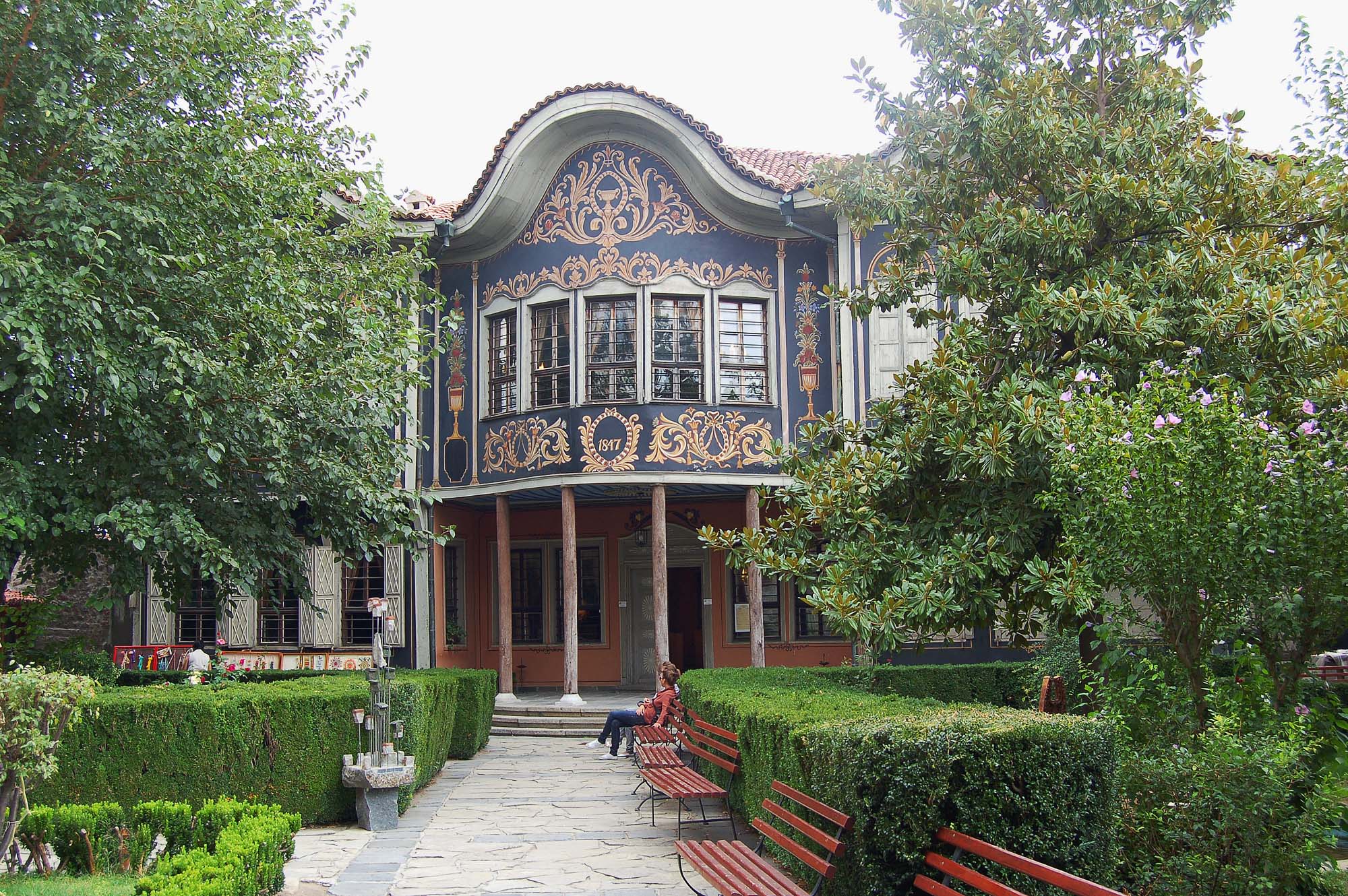
Plovdiv is one of the oldest continuously inhabited cities in Europe, known for its rich history, vibrant arts scene, and Roman ruins. Nestled in the Thracian Plain, it offers a unique blend of ancient heritage and modern culture.
Top Attractions
Ancient Theatre of Philippopolis
A remarkably preserved Roman theatre from the 2nd century AD, still used for performances today.
Historical
1-2 hours
5 EUR
Old Town
A charming district with well-preserved houses from the 19th century, museums, and art galleries.
Historical
Half day
Free to explore (museums have entry fees)
Kapana Creative District
A vibrant arts and crafts district with galleries, workshops, and trendy cafes.
Cultural
2-3 hours
Free to explore (shops and cafes vary)
Nebet Tepe
One of the seven hills of Plovdiv, offering panoramic views of the city and historical ruins.
Historical
1-2 hours
Free
Must-Try Local Dishes
Banitsa
A traditional pastry filled with cheese, often served for breakfast.
Breakfast
Vegetarian
Shopska Salad
A refreshing salad made with tomatoes, cucumbers, onions, and sirene cheese.
Lunch/Dinner
Vegetarian
Kebapche
Grilled minced meat sausages, a popular street food.
Lunch/Dinner
Contains meat
Popular Activities
Hiking in the Rhodope Mountains
Rock climbing
Spa treatments
Cafes in Kapana District
Visiting museums and galleries
Attending local festivals
Boating on the Maritsa River
Skiing in nearby resorts
Best Time to Visit
May to September
This is the warmest and sunniest time of the year, perfect for outdoor activities and festivals.
20°C to 35°C
68°F to 95°F
Practical Information
Language
- Official: Bulgarian
- Widely spoken: English, Russian
- English: Moderately spoken in tourist areas
Currency
Bulgarian Lev (BGN)
Time Zone
EET (GMT+2)
Electricity
220VV, 50HzHz
Safety Information
Overall Safety Rating: Generally safe
Plovdiv is generally safe for tourists, with low crime rates and a welcoming atmosphere.
Important Precautions:
- • Keep valuables secure in crowded areas.
- • Use licensed taxis and insist on the meter.
- • Be cautious when using ATMs, especially at night.
Getting there
By air
- Plovdiv International Airport • 10 km from city center
By train
Plovdiv Central Railway Station
By bus
South Bus Station, Central Bus Station
Getting around
Public transport
A network of buses covers the entire city, with frequent and reliable service.
Taxis
Available • Apps: Yellow Taxi, OK Taxi
Rentals
Car, Bike, Scooter
Neighborhoods
Old Town
Kapana District
City Center
Day trips
Bachkovo Monastery
30 km • Half day
One of the largest and most important monasteries in Bulgaria, known for its beautiful architecture and religious artifacts.
Asen's Fortress
25 km • Half day
A medieval fortress with stunning views of the Rhodope Mountains and the Asenitsa River.
Festivals
Kapana Fest • June
Plovdiv International Fair • September
Pro tips
- Visit the Roman Theatre for a performance to experience its incredible acoustics.
- Explore the Kapana District for unique souvenirs and local crafts.
- Try traditional Bulgarian dishes like banitsa and shopska salad.
- Take a day trip to Bachkovo Monastery for a glimpse into Bulgaria's religious history.
- Walk up to Nebet Tepe for stunning panoramic views of the city.
From $25
per person
Price varies by option
Secure booking
Free cancellation available