2 Hour Vintage Fiat 500 Canals Tour in Milan
Active
2h
For a full refund, cancel at least 24 hours before the scheduled departure time.
Instant confirmation
Mobile or paper ticket accepted
About this experience
This tour is particularly recommended if you want to discover the "city of water".
Your guide will describe the history of the canals and their purpose, why they were built and why they were then partly closed.
It will also suggest many places to visit and activities to do at the end of the tour, during your holiday.
Get ready, Venice, or rather Milan, is waiting for you!
*The itinerary may vary due to traffic, events, accidents or indications from the Municipality.
Available options
Canals Tour hotel pickup 2 hs
Duration: 2 hours<br/>Classic Red Fiat 500<br/>Hotel pick up <br/>Pickup included
Vintage Fiat 500 Canals Tour in Milan (2 Hs)
Duration: 2 hours<br/>Classic Red Fiat 500
What's included
Tour Leader Driver
2 stops (walking alone around)
Classic Red Fiat 500
*Hotel pick up: selected hotels in Zone 1 only.
Detailed itinerary
1
Stop 1
Pass by
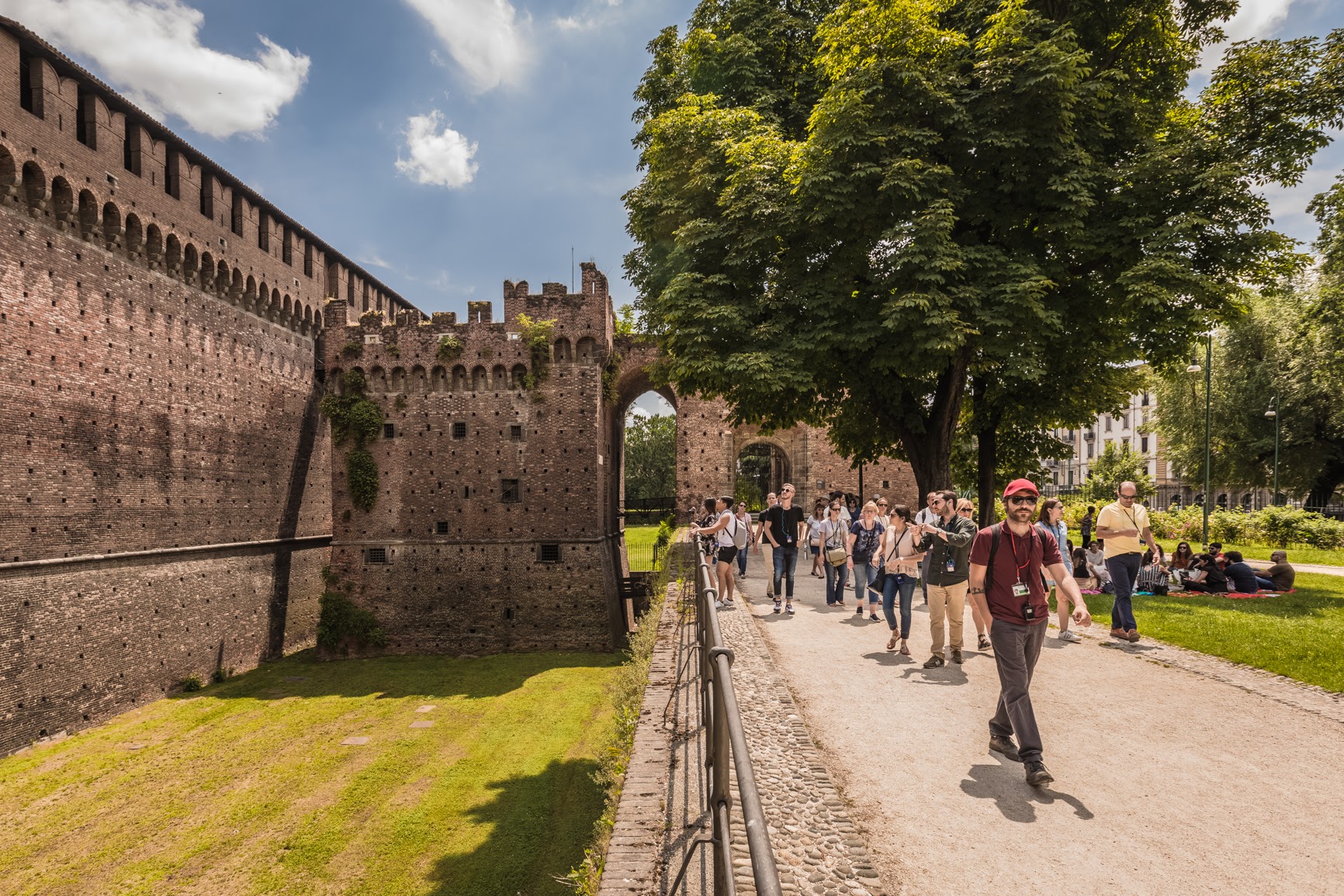
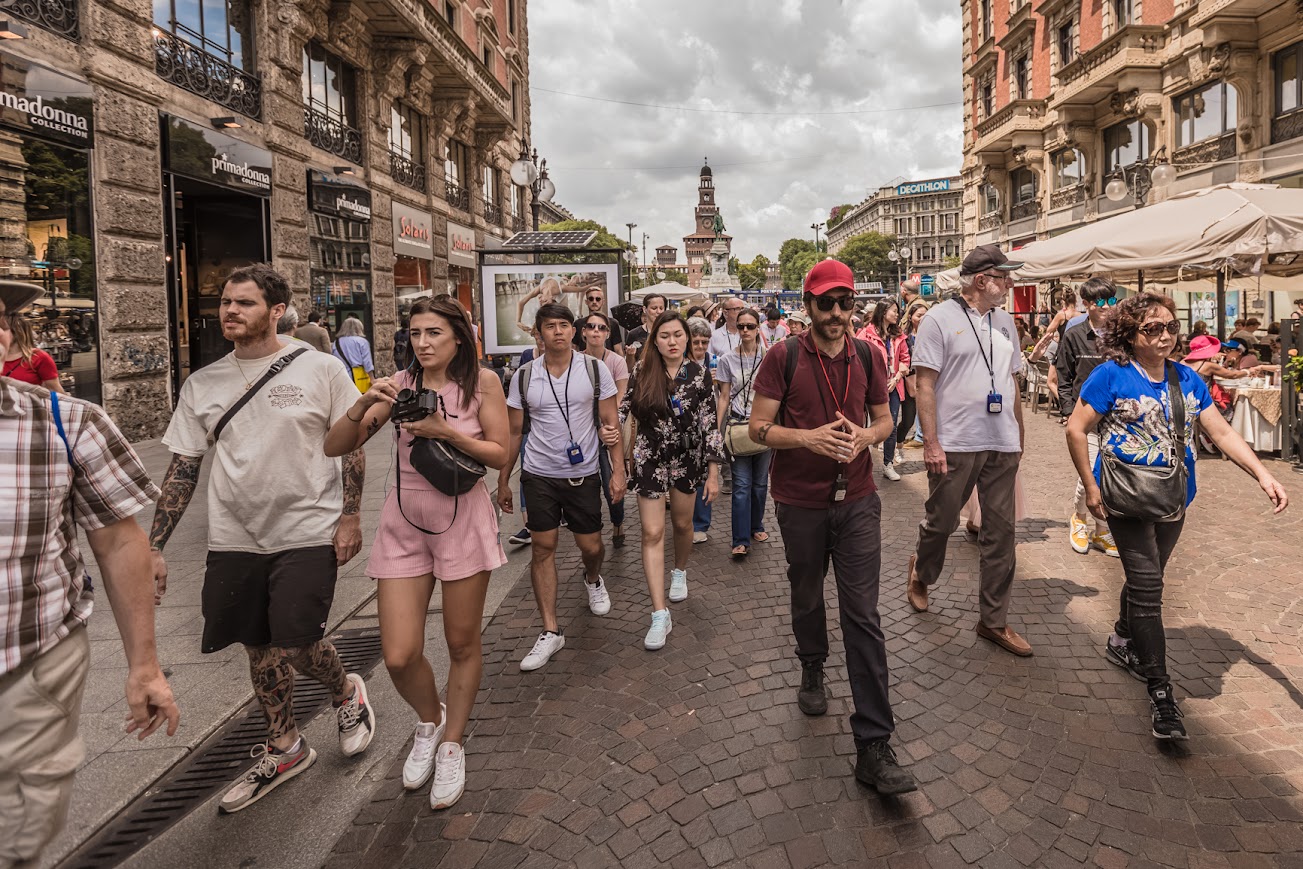
The Sforzesco Castle is a large fortified complex located in Milan just outside the historic center of the city. It was built in the 15th century by Francesco Sforza, who had recently become Duke of Milan, on the remains of a previous 14th century medieval fortification known as Porta Giovia Castle.
2
Stop 2
Pass by
In the elegant Brera district there are, among the many points of interest, the Art Gallery, the Botanical Garden, the Church of Santa Maria del Carmine and then luxury boutiques and elegant bars and restaurants.
At the end of Via San Marco there is still a lock created by the genius of Leonardo.
3
The Royal Villa of Milan, or Villa Belgiojoso Bonaparte located in front of the Montanelli Garden, is a neoclassical villa with a beautiful English-style garden. Built between 1790 and 1796 by the architect Leopoldo Pollack, commissioned by Count Ludovico Barbiano of Belgiojoso. Today it is home to the Modern Art Gallery.
4
Villa Invernizzi is located in Via Cappuccini, in the heart of the "Quadrilatero del Silenzio".
Through the railing of a large black gate you can observe a colony of pink flamingos!
Their importation was desired by Cavalier Invernizzi in the 1970s, who made this the only condition for moving to the city, as his wife desired.
5
A residence surrounded by a silent garden in the center of Milan, guardian of art masterpieces, where you can still feel the cultured and lively atmosphere of the city between the two wars intact.
Villa donated to the FAI (Fondo Ambiente Italiano) by Gigina Necchi Campiglio and Nedda Necchi, in 2001.
6
The small square in front of Palazzo Isimbardi, home to the Metropolitan City, is today "Largo 11 Settembre 2001". Here a work was dedicated to the victims of the attack on the Twin Towers: "Neon Man".
7
Stop 7
Pass by
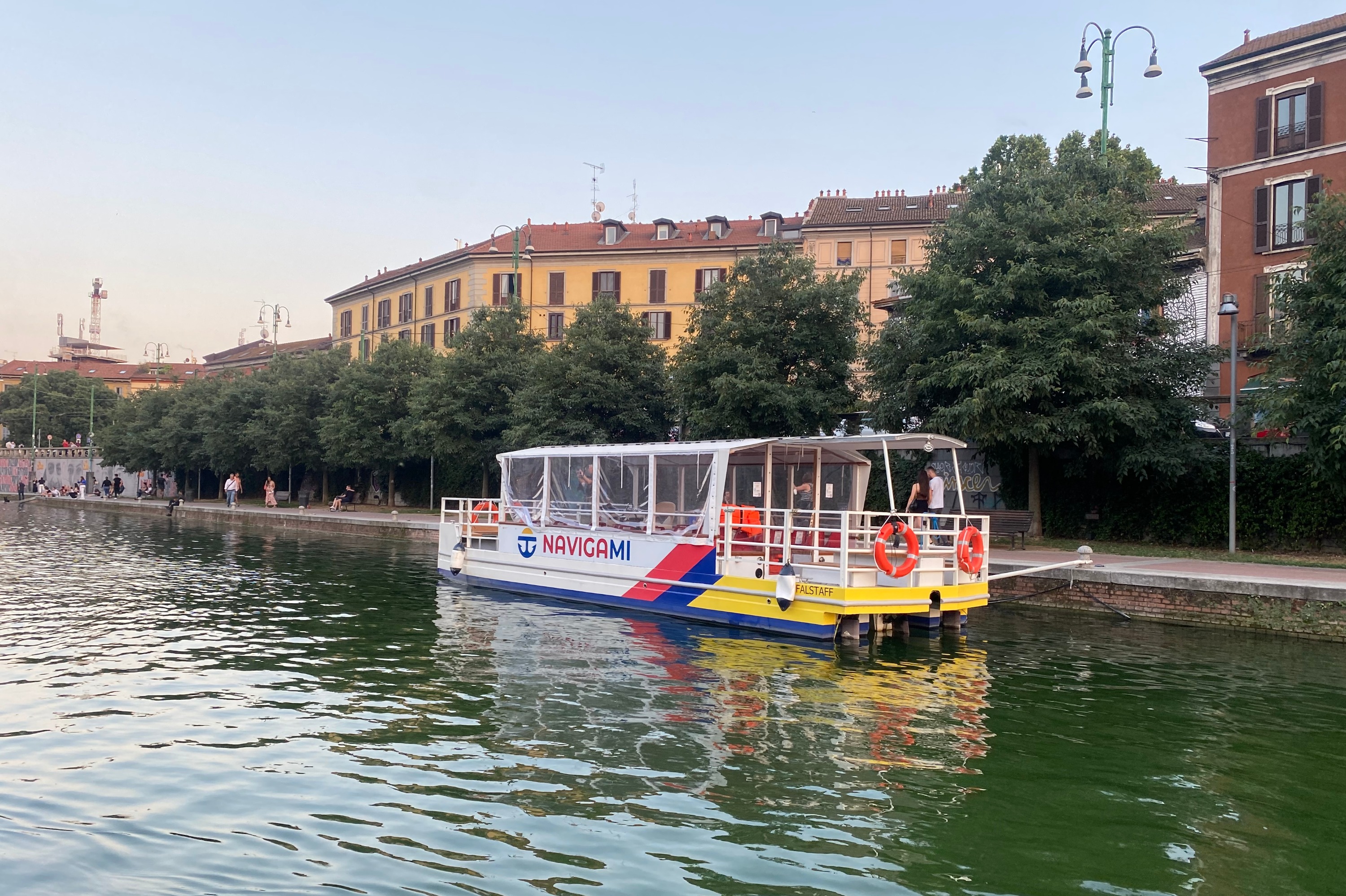
Over the centuries, the Navigli of Milan allowed navigation in an entire area that from the large lakes, crossing the entire plain, extended to the sea.
The water network of the Navigli gradually expanded with the construction of the Naviglio Pavese and from the 14th century it played a leading role in the transit of materials used for the construction of the Milan Cathedral.
Work that continued for the following centuries with important creations such as the Conca della Viarenna and the Naviglio della Martesana.
The projects for the improvements that Leonardo da Vinci made, as a hydraulic engineer, to the system of basins, which regulated the flows of water, date back to the Renaissance.
Today the neighborhood is full of restaurants and cafes.
8
Stop 8
Pass by
In the 4th century San Lorenzo stood outside the city walls, not far from the amphitheater, the imperial palace and the circus, along the Via Ticinensis, which connected Pavia to Milan and was the most important access road to the city. For those arriving in Milan the Basilica presented itself with all its size.
9
Stop 9
Pass by
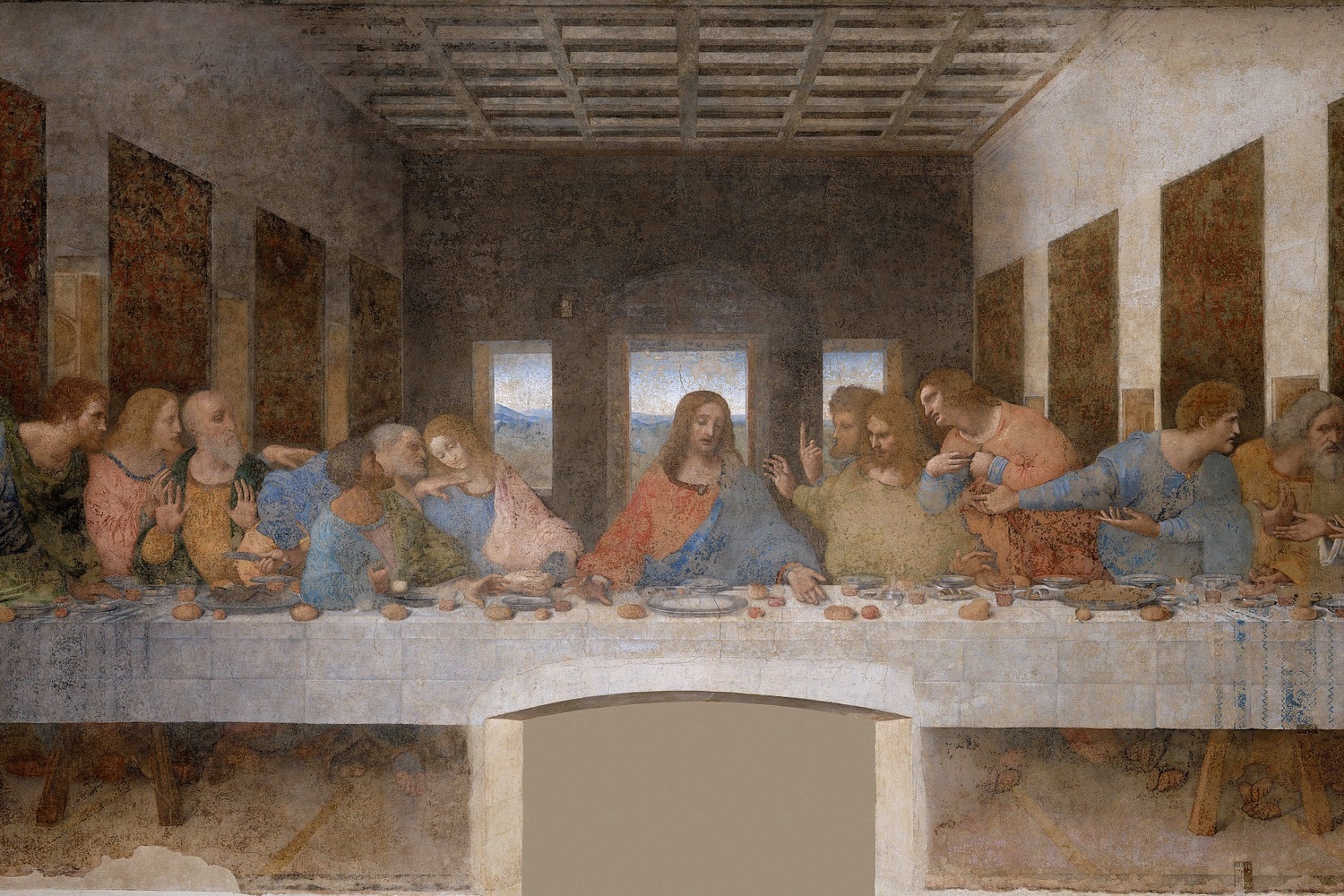
The convent and church of Santa Maria delle Grazie were built in 1463 by order of the Duke of Milan, Francesco Sforza, on what was once a small chapel dedicated to Santa Maria delle Grazie.
It perfectly combines Gothic styles in its interior, in the oldest part, with a dome in the Renaissance style of Lombardy, the region to which Milan belongs.
Leonardo da Vinci came to the city of Milan in search of a fortune, and he left some of the most important paintings and engineering works of his career. Although he was born in Tuscany, it was in this Italian city where he created many of his greatest works.
There are several locations in Milan where you can see works by da Vinci, but if there’s one that stands out above the rest it’s The Last Supper.
What's not included
Air-conditioned vehicle
Air-bags
Seat belts
Restroom on board
WiFi on board
Available languages
Guide guide
EN
IT
Important information
Service animals allowed
Public transportation options are available nearby
Infants are required to sit on an adult’s lap
Not recommended for travelers with spinal injuries
Not recommended for travelers with poor cardiovascular health
Suitable for all physical fitness levels
Meeting point
Point of reference the Belgiojoso Royal Villa, Metro 1 - Red Line - Stop Palestro.
About Milan
Milan, the vibrant capital of Lombardy, is a city where ancient history meets modern luxury. Known for its fashion, art, and design, Milan is a dynamic metropolis that offers a rich cultural experience and a thriving culinary scene.
Top Attractions
Duomo di Milano
The Milan Cathedral is a stunning example of Gothic architecture and the third-largest church in the world. It took nearly six centuries to complete and is a symbol of the city.
Architecture/Religious
1-2 hours
€10-€15
Galleria Vittorio Emanuele II
This historic shopping gallery is one of the world's oldest and most beautiful. It features luxury boutiques, cafes, and the famous mosaic floor of the bull.
Architecture/Shopping
1 hour
Free to enter, shopping varies
Santa Maria delle Grazie
This church and convent house Leonardo da Vinci's famous mural, The Last Supper. The painting is a masterpiece of Renaissance art and a must-see for art lovers.
Historical/Religious
1-2 hours
€10-€15 (advance booking required)
Castello Sforzesco
This medieval castle was built by the Duke of Milan and later renovated by Ludovico Sforza. It houses several museums and art collections, including works by Michelangelo and Leonardo da Vinci.
Historical/Architecture
2-3 hours
€5-€10
Teatro alla Scala
One of the world's most famous opera houses, Teatro alla Scala is a symbol of Milan's rich musical heritage. Guided tours are available to explore the historic theater and museum.
Cultural/Entertainment
1 hour
€10-€15
Must-Try Local Dishes
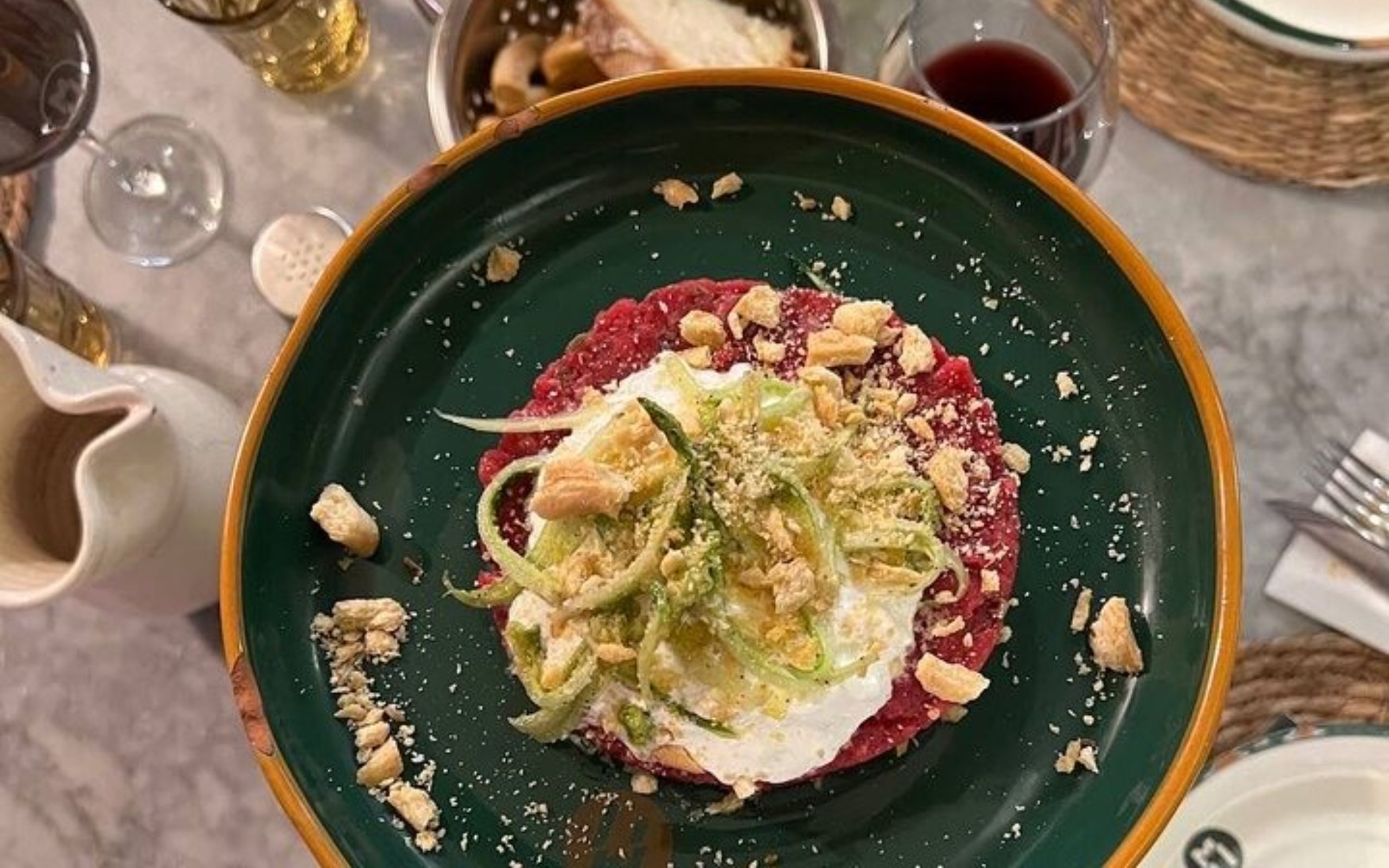
Risotto alla Milanese
A creamy saffron risotto, a staple of Milanese cuisine.
Main Course
Contains dairy, can be made vegetarian.
Ossobuco
Braised veal shanks, traditionally served with gremolata.
Main Course
Contains meat, can be made gluten-free.
Panzerotti
Fried dough pockets filled with tomato sauce, mozzarella, and other ingredients.
Snack
Contains dairy, can be made vegetarian or vegan.
Cotoletta alla Milanese
A breaded and fried veal cutlet, similar to schnitzel.
Main Course
Contains meat, can be made gluten-free.
Popular Activities
Hiking in the nearby Alps
Cycling along the Navigli canals
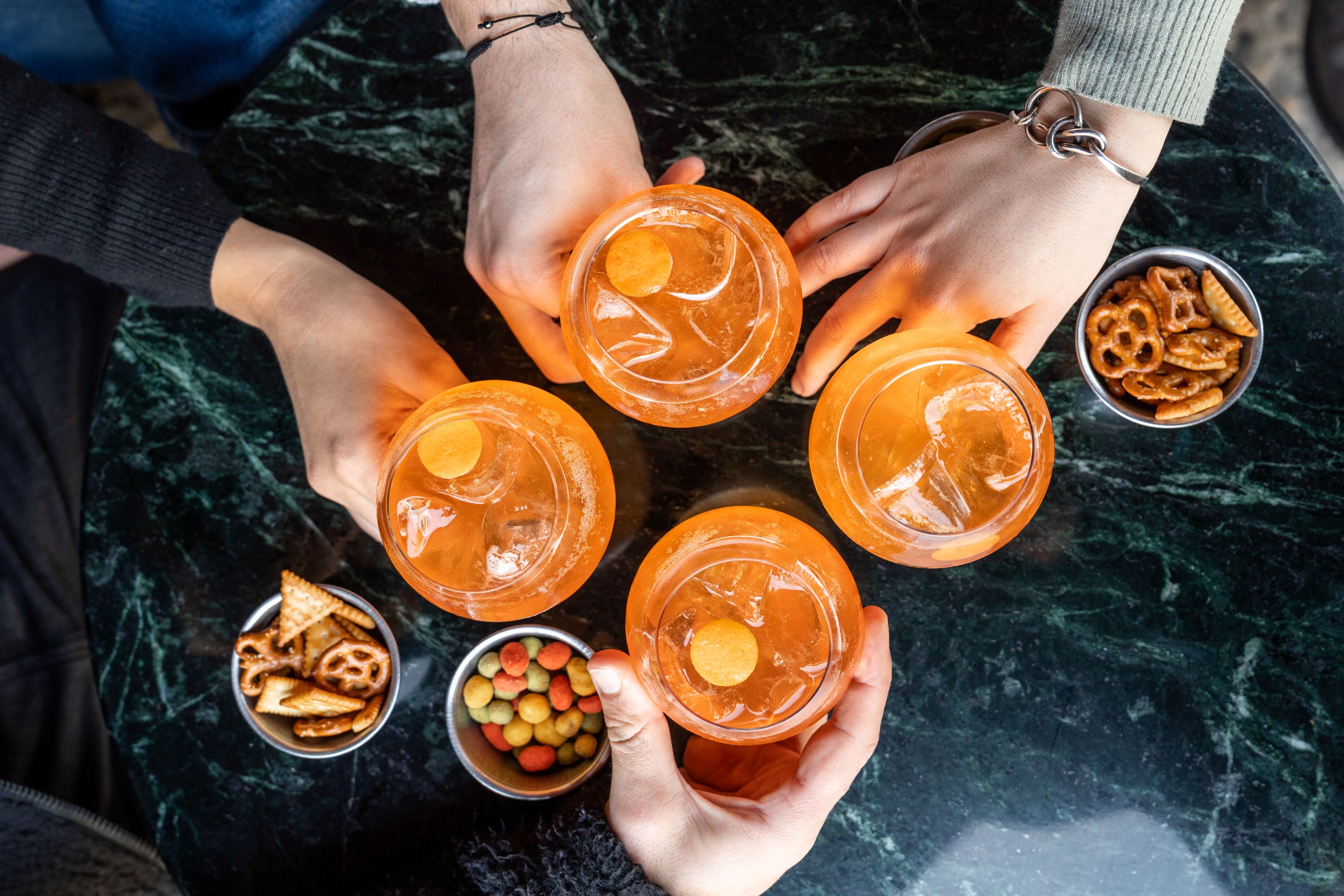
Aperitivo in Navigli
Shopping in Galleria Vittorio Emanuele II
Visiting museums and historic sites
Attending opera or ballet performances
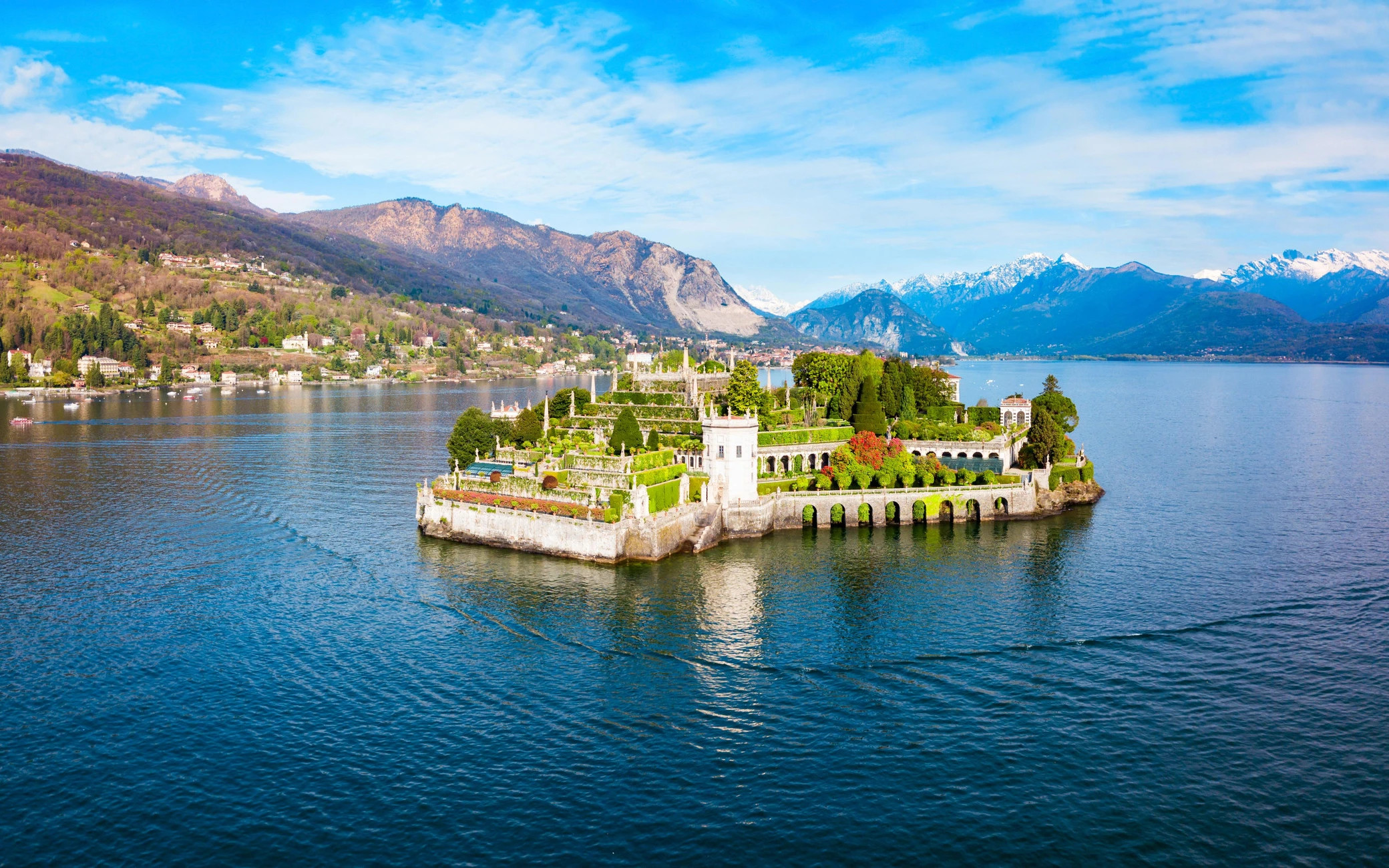
Boat tours on Lake Como
Swimming in Lake Como
Best Time to Visit
April to June, September to October
The best time to visit Milan is during the spring and fall when the weather is pleasant, and the city is less crowded. These months offer ideal conditions for exploring the city's attractions.
15-28°C
59-82°F
Practical Information
Language
- Official: Italian
- Widely spoken: English, French, Spanish
- English: Moderately spoken
Currency
Euro (EUR)
Time Zone
GMT+1 (Central European Time, CET), GMT+2 (Central European Summer Time, CEST)
Electricity
230VV, 50HzHz
Safety Information
Overall Safety Rating: Generally safe
Milan is generally safe for tourists, but pickpocketing and petty theft can occur, especially in crowded areas and on public transportation. Be cautious with your belongings and stay alert.
Important Precautions:
- • Keep valuables secure and out of sight
- • Use official taxis or ride-sharing services
- • Be cautious of distractions and common scams
Getting there
By air
- Milano Malpensa Airport • 50 km from city center
- Milano Linate Airport • 7 km from city center
By train
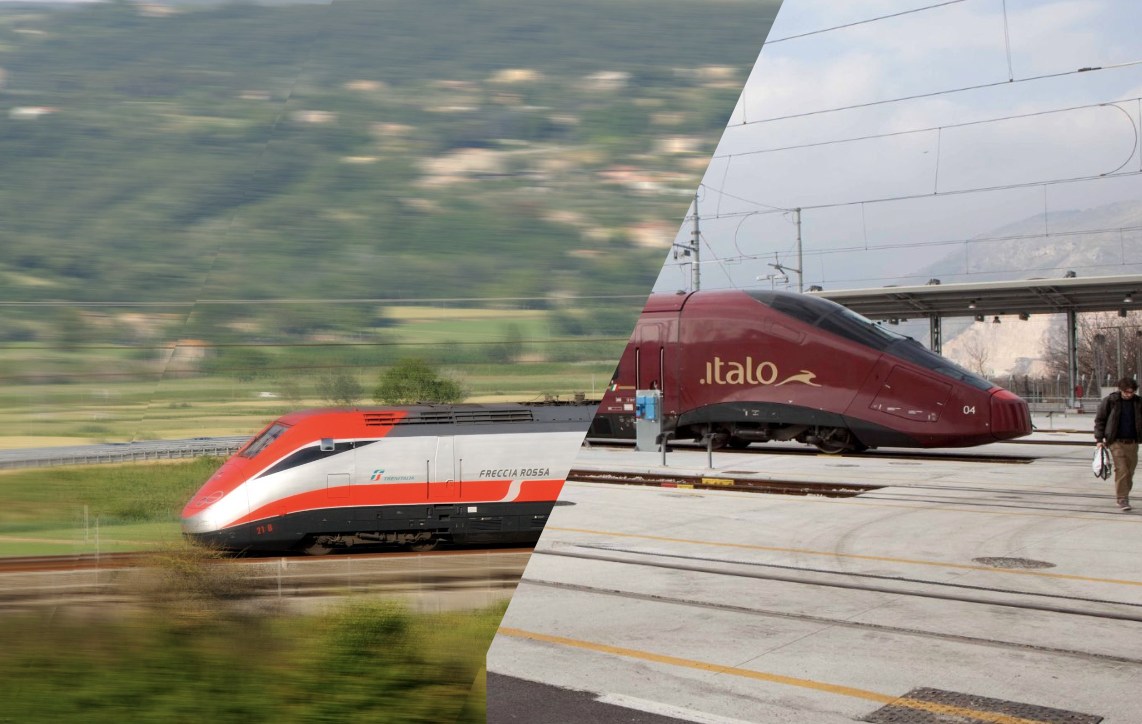
Milano Centrale, Milano Rogoredo
By bus
Lampugnano Bus Station, San Donato Milanese
Getting around
Public transport
The Milano Metro system consists of four lines (M1, M2, M3, M5) and is efficient and easy to use. It is the quickest way to get around the city.
Taxis
Available • Apps: Uber, FreeNow
Rentals
Car, Bike, Scooter
Neighborhoods
Brera
Navigli
Quartiere della Moda
Isola
Day trips
Lake Como
50 km • Full day
Lake Como is a stunning alpine lake known for its beautiful villas, gardens, and scenic views. It is a popular destination for relaxation and outdoor activities.
Bergamo
50 km • Half day
Bergamo is a charming medieval city with a well-preserved old town and a rich history. It offers a mix of historic sites, museums, and local cuisine.
Verona
150 km • Full day
Verona is a romantic city known for its association with Shakespeare's Romeo and Juliet. It offers a mix of historic sites, romantic landmarks, and cultural attractions.
Festivals
Milan Fashion Week • February and September
Milan Design Week • April
Milan Film Festival • September
Pro tips
- Visit the Duomo early in the morning to avoid crowds and long queues
- Explore the Navigli district in the evening for a vibrant aperitivo experience
- Use the ATM Milano app for real-time public transportation schedules and maps
- Consider purchasing a Milan Card for discounts on attractions, transportation, and dining
- Try local specialties like risotto alla Milanese and panzerotti
From $25
per person
Price varies by option
Secure booking
Free cancellation available
Instant confirmation