Good Morning Vietnam Shore Excursion from Saigon or JSC Port
Active
8h
For a full refund, cancel at least 24 hours before the scheduled departure time.
Instant confirmation
Mobile or paper ticket accepted
About this experience
The Cu Chi Tunnel tour in Vietnam uniquely combines history, culture, and education. It showcases the resilience of the Vietnamese people during the Vietnam War through the expansive Cu Chi Tunnels, spanning over 200 kilometers. Visitors explore these tunnels, experiencing the challenging conditions faced by soldiers and villagers. Additionally, the tour offers insights into guerrilla warfare tactics and provides a rich cultural experience with opportunities to interact with locals and learn about Vietnamese customs. This multifaceted tour is a must-visit for history enthusiasts, cultural explorers, and curious travelers alike.
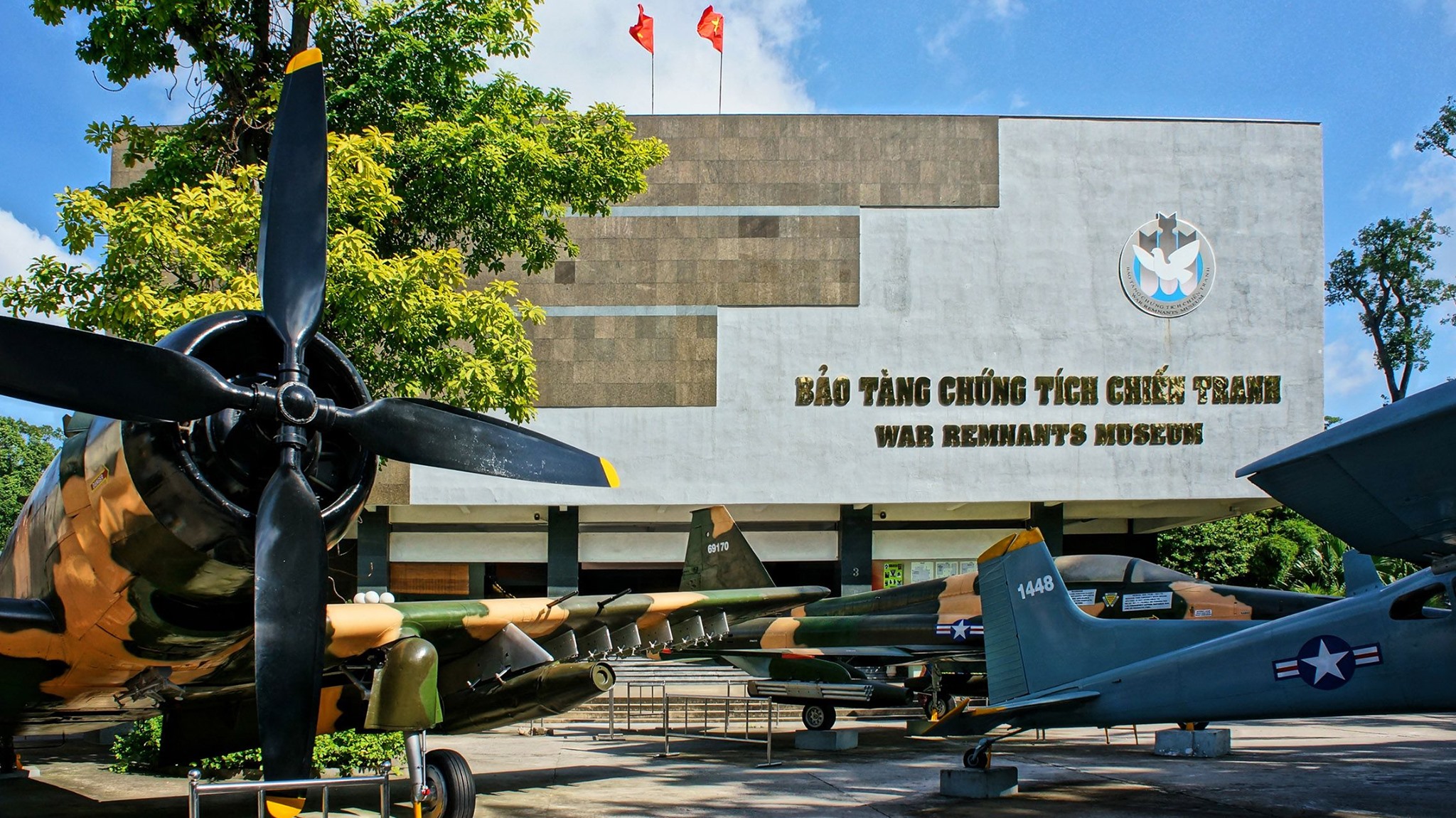
War Remnants Museum is the unique museum in Saigon to systematically study, collect, conserve, and display exhibits on war crimes and consequences inflicted on the Vietnamese people by foreign aggressive forces. Simultaneously, the Museum appeals to everybody to oppose unjust wars, preserve global peace, promote friendship and solidarity among nations.
Available options
Start from Hiep Phuoc JSC Port
Duration: 8 hours<br/>Picking up Hiep Phuoc JSC SPTC: The price of $30 for extra fees need for picking up at Hiep Phuoc JSC/ SPTC Terminal<br/>Pickup included
Shore Excursion from Saigon Port: Good Morning Vietnam
Pickup included
What's included
Entrance fees
Air-conditioned vehicle
Pick up/ Drop off at Saigon Port in district 4
Bottled water
English Speaking Tour Guide
Detailed itinerary
1
Handicap handicrafts factory: The high quality of resin from Vietnamese lacquer trees, notably those of the north, was a crucial factor in the rapid development of this art form.
Decorated lacquer statues, panels, boxes and trays may still be seen at many temples and pagodas.
In centuries the use of lacquerware was extended to larger items such as wooden chairs and tables, decorated with engraved, painted, inlaid mother-of-pearl designs.
By the 18th century important central for lacquerware production in the north and in the south.
As part of their strategy to open up Vietnamese handicrafts to new foreign markets, the French introduced formal training programmed in lacquerware at the School of Indigenous Arts near Saigon from 1901 and in Hanoi from 1930
Since that time lacquerware has continued to develop into one of the mainstays of the Vietnamese handicraft industry, both at home and abroad. Today's most popular items include vases, jewel cases, desk sets, trays and vertical blinds.
2
Your local guide will take you on a fascinating tour of the Cu Chi tunnels tour, where you will learn more about the conditions the people lived in, the hardships they faced, and the amazing ingenuity employed to maintain life in the tunnels. We walk past huge bomb craters - evidence of the heavy bombing campaigns in the region during the Indochina conflict, discover hidden entrances right beneath your feet, wander past tiny little chimneys in the ground that dispersed smoke from the underground kitchens, sample some of the simple cuisine that local fighters would have survived on, and have an opportunity to venture into the tunnels and explore the complex.
You will also have a chance to visit one of lacquer factory which is running by the government to support handicaps who make lacquer handicrafts products to help those who are victim of Vietnam war.
3
Silk is a natural protein fiber produced from the silkworm’s cocoon, and some forms can be woven into textiles. It takes around 3,000 silkworms consuming 104 kilograms of mulberry leaves to produce two pounds (one kilogram) of silk; the process lasts over three days. The result is a material that is light weight, soft and very absorbent, making it an ideal fabric for warmer countries.
Silk was once considered extremely luxurious and thus available only to noble families. Now the fabric is widely used, and beautiful silk products are affordably to anyone. Be weary of buying silk for prices lower than that since they can be of questionable quality.
A professional silk manufacturing enterprise that supplies silk not only to customers but also to designers in the Vietnam fashion market and also overseas. It exports fabric to Korea, Japan, Thailand, Denmark, France, England and the U.S., so you are guaranteed the real thing here.
4
Stop 4
Founded on September 4, 1975, The War Remnants Museum is a member of the International Network of Museums for Peace (INMP) and the International Council of Museums (ICOM).
It is the unique museum in Vietnam to systematically study, collect, conserve and display exhibits on war crimes and consequences inflicted on the Vietnamese people by foreign aggressive forces. Simultaneously, the Museum appeals to everybody to oppose unjust wars, preserve global peace, promote friendship and solidarity among nations.
The Museum is endowed with 9 permanent thematic exhibitions and various special collections. All year round, a wide range of activities are organized, including conferences, meetings with war witnesses, temporary and itinerant exhibitions. With nearly one million domestic and international visitors per year, The War Remnants Museum is one of Ho Chi Minh City's most enticing cultural and tourist sites.
5
From garage to five-star hotel, The Rex has one colourful history. Occupying one of the most important junctions in downtown Ho Chi Minh City, the building was originally designed as an expansive French garage. In the early 20th century, it evolved into a six-story trading centre with three cinemas and one of the most buzzing dance halls in all of Southeast Asia.
Later, the trading centre transformed again, this time into a hotel. When the city entered its most tumultuous years, the Rex’s Rooftop Garden Bar was the scene of the infamous press briefings known as the ‘Five O’clock Follies.’ Today, the hotel’s rooftop still draws patrons, but with live music, well-poured cocktails and sunset views above the city.
What's not included
Tipping/ Gratuities or personal expenses
Extra charge $30 USD/ each will be collected on tour for picking up at Hiep Phuoc JSC/ SPTC Terminal
Available languages
Guide guide
EN
Important information
Infants are required to sit on an adult’s lap
Suitable for all physical fitness levels
The remaining hours are allotted for the travel time
Everyone can join this tour
Important notes
Please provide us your whatsapp number and Phu My Port information so that we can
pick you up at correct address.
About Ho Chi Minh City
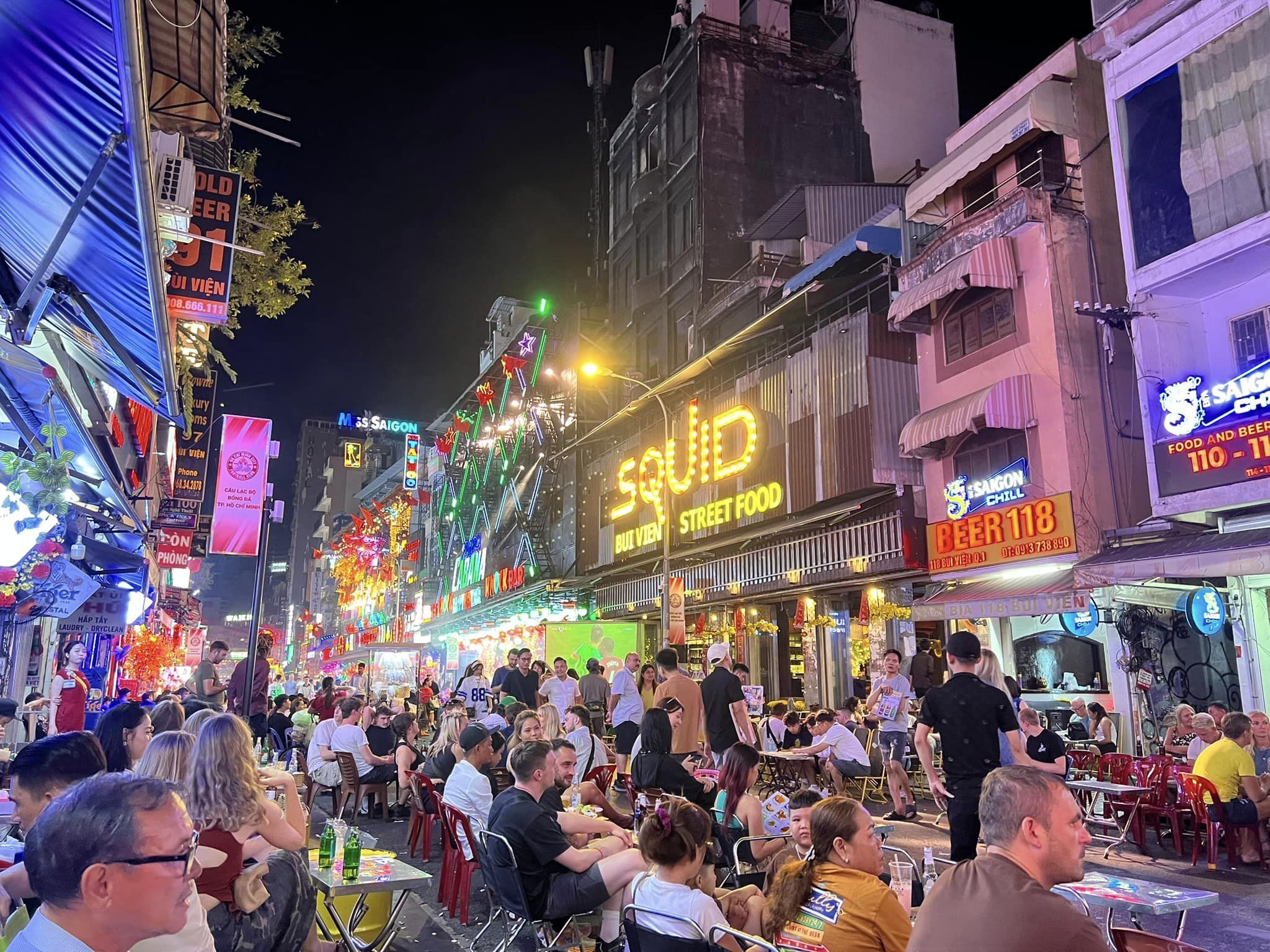
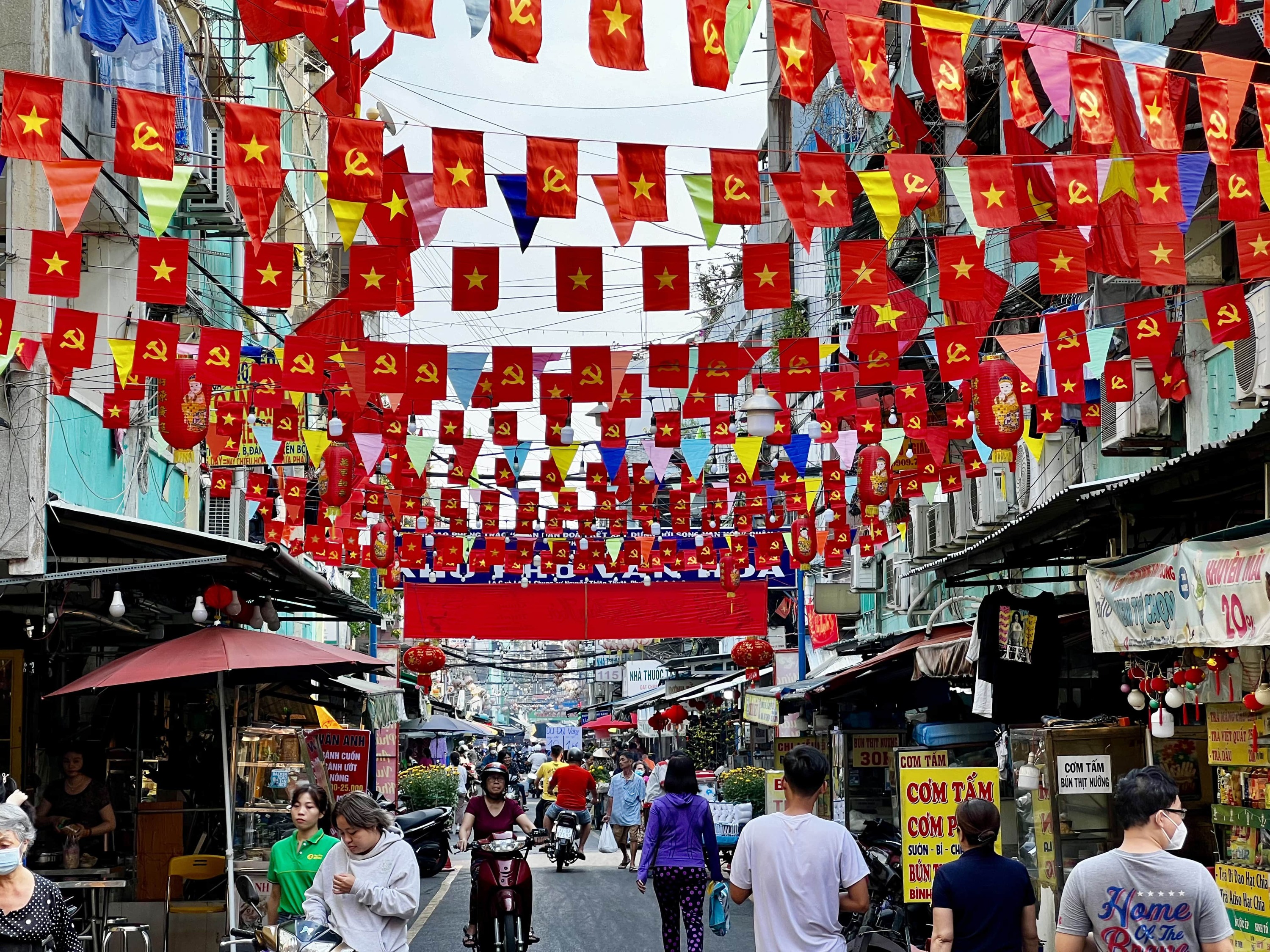
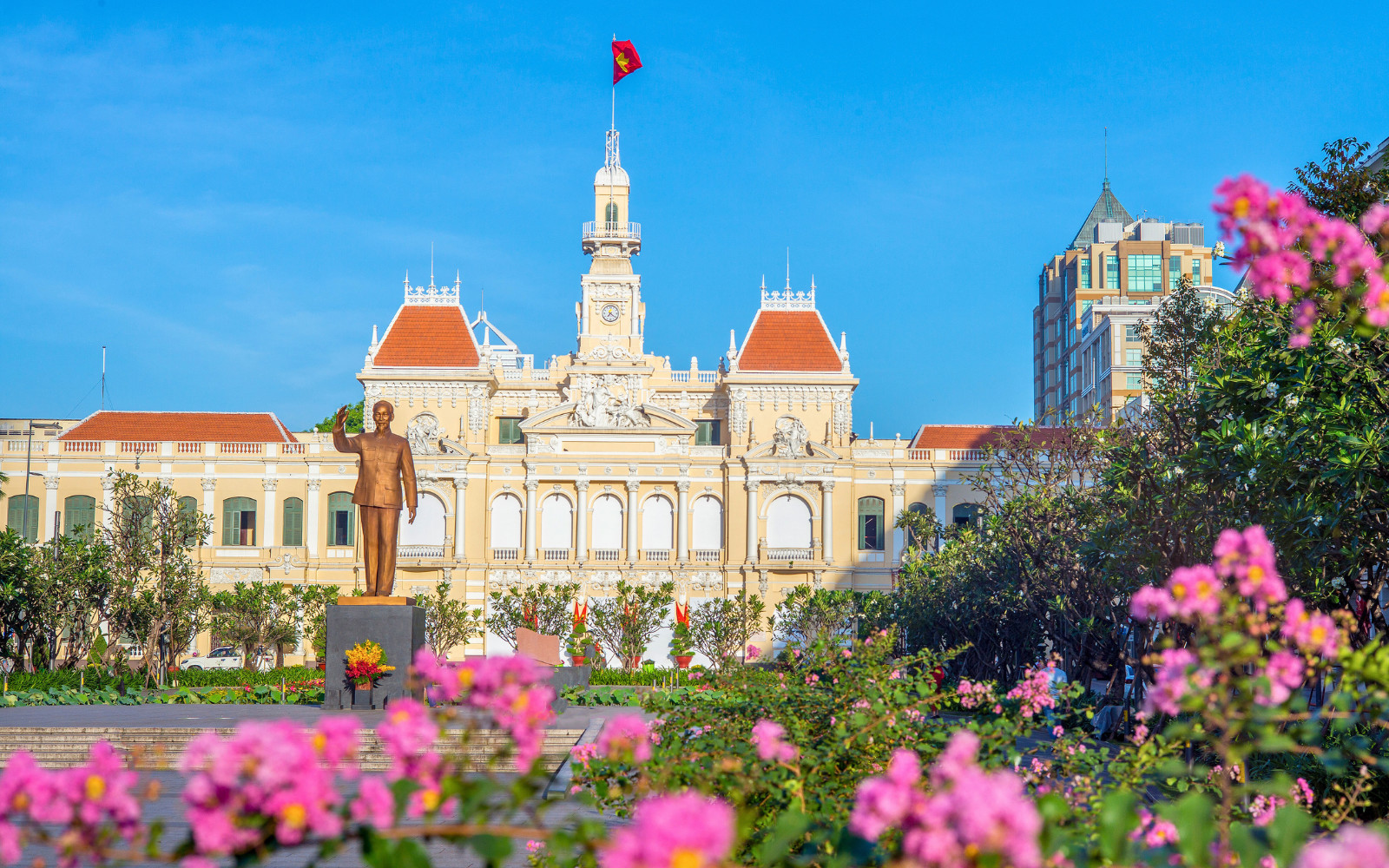
Ho Chi Minh City, Vietnam's largest metropolis, is a vibrant blend of tradition and modernity. Known for its rich history, bustling markets, and French colonial architecture, it offers a dynamic travel experience with its lively street food culture, historical landmarks, and energetic nightlife.
Top Attractions
War Remnants Museum
This museum provides a sobering look at the Vietnam War and its impact on the country. It houses a collection of war machinery, photographs, and artifacts.
Historical
1-2 hours
Free (donations appreciated)
Cu Chi Tunnels
A network of underground tunnels used by Viet Cong soldiers during the Vietnam War. Visitors can explore the tunnels, learn about their history, and see various war relics.
Historical
Half-day tour
Moderate (tour prices vary)
Notre-Dame Cathedral Basilica of Saigon
A beautiful example of French colonial architecture, this cathedral is a prominent landmark in the city. It is a peaceful place to visit and offers a glimpse into the city's religious heritage.
Religious
30 minutes to 1 hour
Free
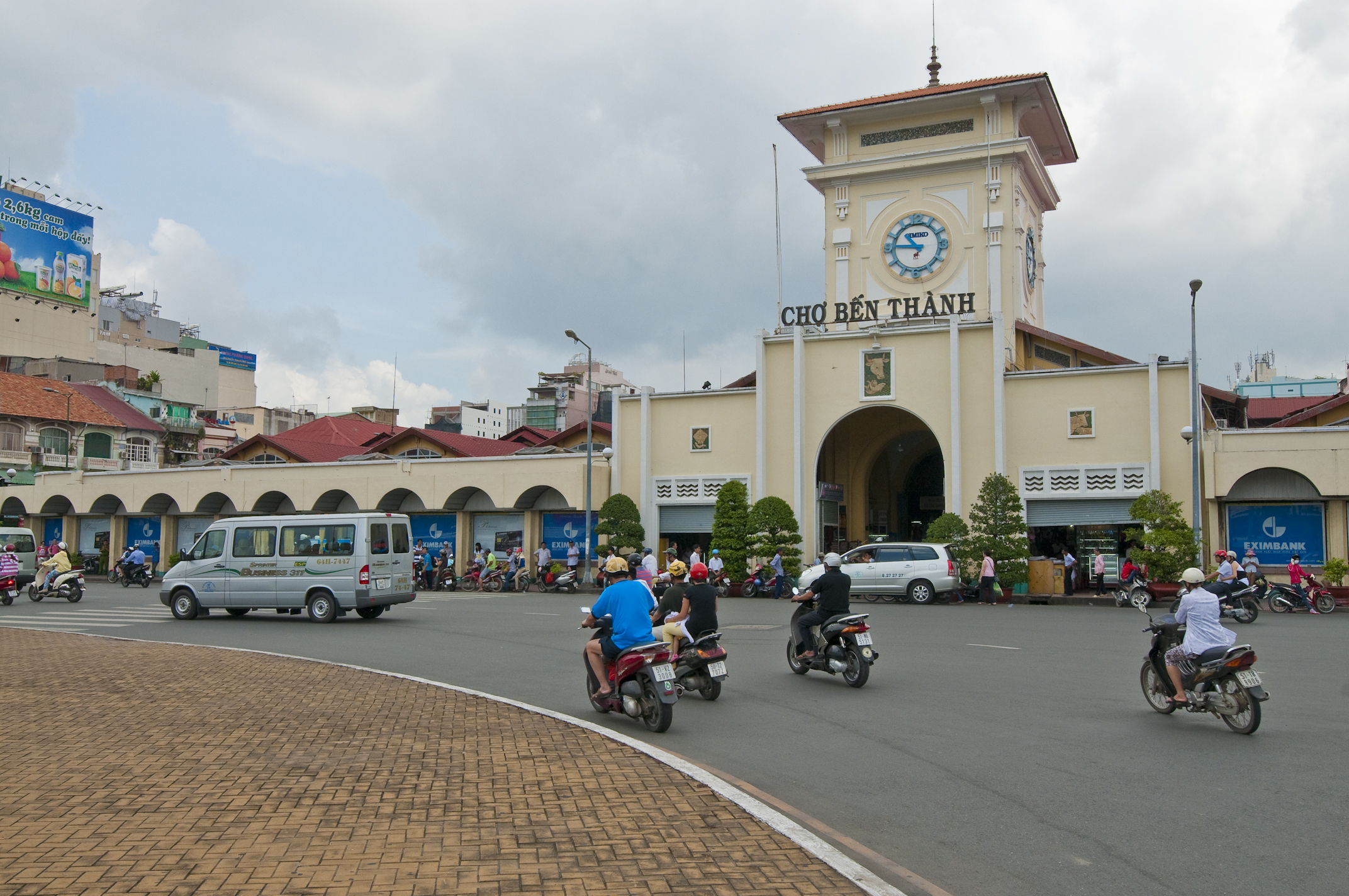
Ben Thanh Market
One of the most famous markets in Ho Chi Minh City, offering a wide variety of goods, including food, clothing, souvenirs, and handicrafts. It's a great place to experience local culture and shop for bargains.
Market
1-2 hours
Budget to Moderate
Bitexco Financial Tower Skydeck
Offers panoramic views of the city from the 49th floor. The Skydeck provides a unique perspective on Ho Chi Minh City's skyline and landmarks.
Observation Deck
1 hour
Moderate
Must-Try Local Dishes
Pho
A traditional Vietnamese noodle soup made with beef or chicken broth, rice noodles, and various toppings such as meat, herbs, and bean sprouts.
Dinner
Vegetarian options available
Banh Mi
A Vietnamese sandwich made with a baguette, filled with various ingredients such as grilled meat, pâté, pickled vegetables, and fresh herbs.
Lunch
Vegetarian options available
Com Tam
Broken rice served with grilled pork, a fried egg, and various accompaniments like pickled vegetables and fish sauce.
Lunch
Vegetarian options available
Goi Cuon
Fresh spring rolls filled with shrimp, pork, herbs, and rice vermicelli, served with a peanut or fish sauce dipping sauce.
Appetizer
Vegetarian options available
Popular Activities
Golfing at Long Thanh Golf Resort
Exploring the Cu Chi Tunnels
Boat tours in the Mekong Delta
Beach relaxation in Vung Tau
Nature walks in Cần Giờ Mangrove Forest
Spa and wellness treatments
Visiting historical sites like the War Remnants Museum
Exploring local markets and temples
Best Time to Visit
December to April
This is the dry season with lower humidity and less rain, making it ideal for outdoor activities and sightseeing. The weather is generally pleasant, though it can be quite hot.
25-35°C
77-95°F
Practical Information
Language
- Official: Vietnamese
- Widely spoken: English
- English: Moderately spoken in tourist areas, limited in other areas
Currency
Vietnamese Dong (VND)
Time Zone
GMT+7
Electricity
220VV, 50HzHz
Safety Information
Overall Safety Rating: Generally safe, but exercise caution in crowded areas and at night
Ho Chi Minh City is generally safe for travelers, but petty crime and scams can occur, especially in crowded areas and at night. Exercise caution and be aware of your surroundings.
Important Precautions:
- • Use licensed taxis or ride-hailing apps
- • Keep valuables secure and out of sight
- • Bargain for better prices at markets
Getting there
By air
- Tan Son Nhat International Airport • 7 km from city center
By train
Saigon Railway Station
By bus
Mien Dong Bus Station, Mien Tay Bus Station
Getting around
Public transport
Buses are an affordable way to get around, but they can be crowded and slow due to traffic. Routes are numerous and well-marked.
Taxis
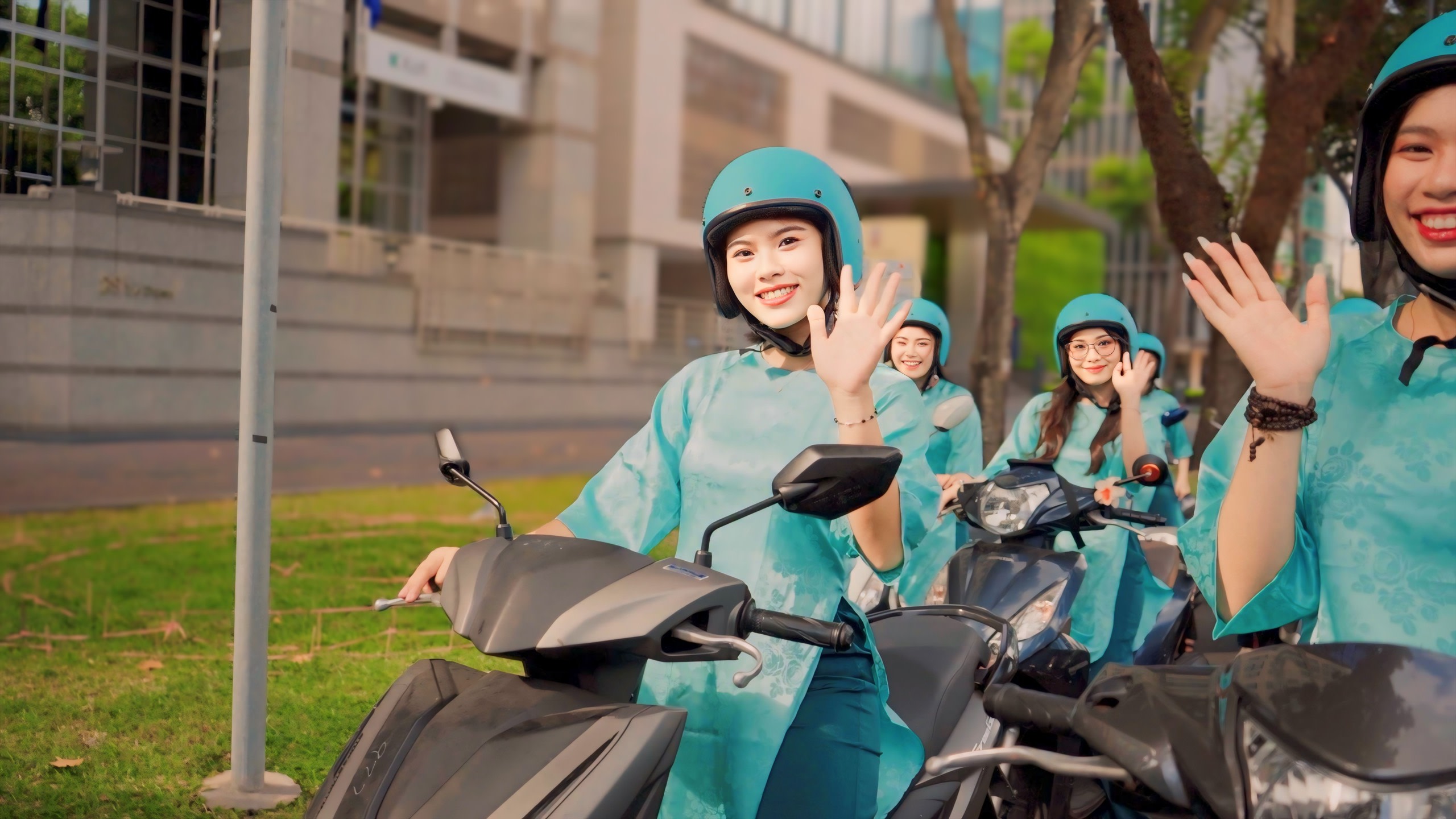
Available • Apps: Grab, Gojek
Rentals
Car, Bike, Scooter
Neighborhoods
District 1
District 3
District 5 (Chinatown)
District 7
Phu Nhuan District
Day trips
Mekong Delta
130 km from Ho Chi Minh City • Full day
The Mekong Delta is a vast network of rivers, canals, and islands known for its lush landscapes, floating markets, and traditional villages. It offers a unique glimpse into rural Vietnamese life.
Cu Chi Tunnels
60 km from Ho Chi Minh City • Half day
A network of underground tunnels used by Viet Cong soldiers during the Vietnam War. Visitors can explore the tunnels, learn about their history, and see various war relics.
Vung Tau
120 km from Ho Chi Minh City • Full day
A coastal city known for its beautiful beaches, seafood, and relaxed atmosphere. It's a popular destination for a day trip from Ho Chi Minh City.
Festivals
Tet Holiday (Vietnamese New Year) • January or February (varies each year)
Ho Chi Minh City International Film Festival • December (varies each year)
Mid-Autumn Festival • September or October (varies each year)
Pro tips
- Learn a few basic Vietnamese phrases to enhance your experience and interact with locals
- Use ride-hailing apps like Grab or Gojek for convenient and affordable transportation
- Bargain for better prices at markets and street vendors, but do so politely and with a smile
- Try street food and local eateries for an authentic and delicious culinary experience
- Visit popular attractions early in the morning or late in the afternoon to avoid crowds and the midday heat
From $25
per person
Price varies by option
Secure booking
Free cancellation available
Instant confirmation