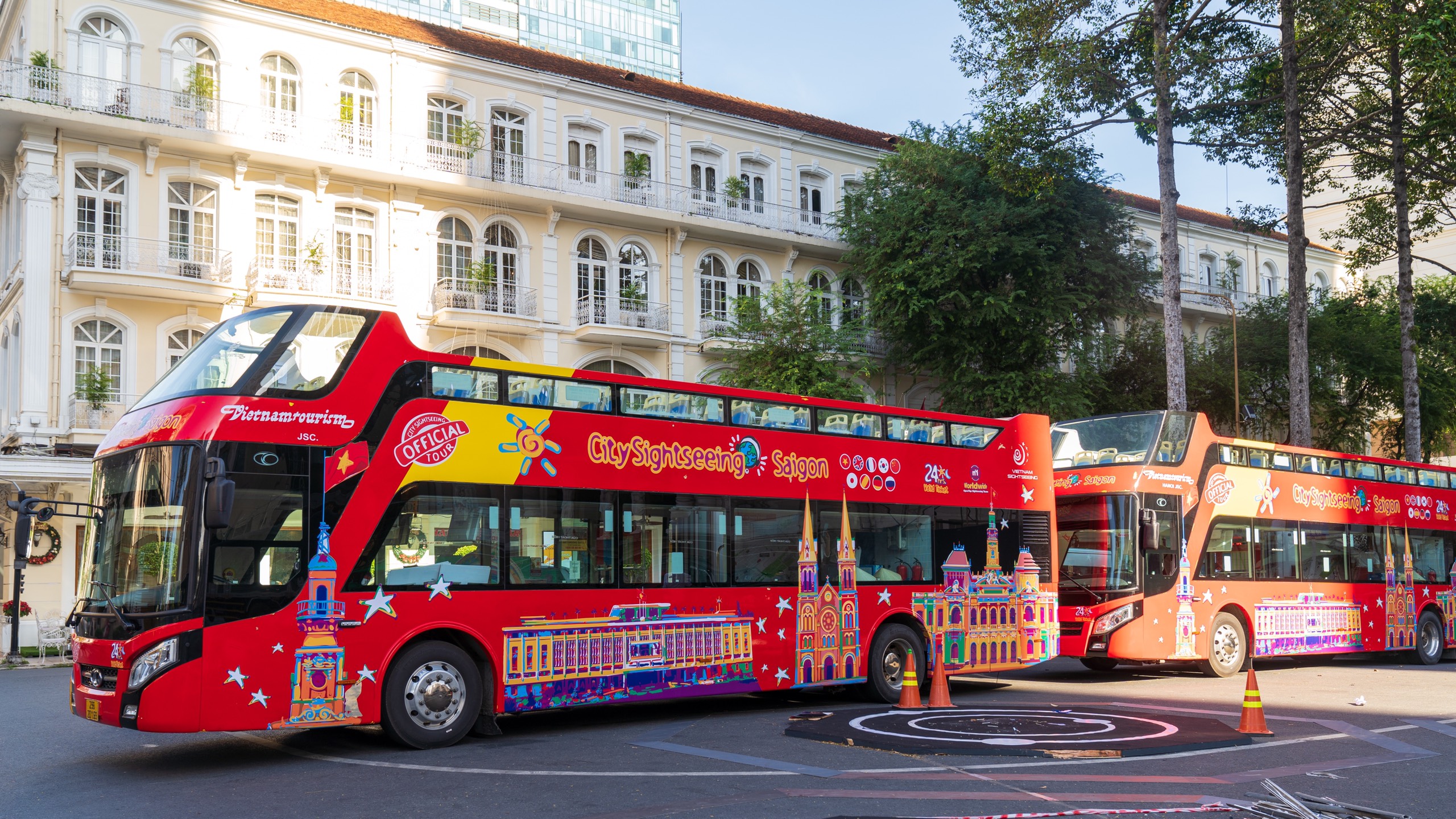
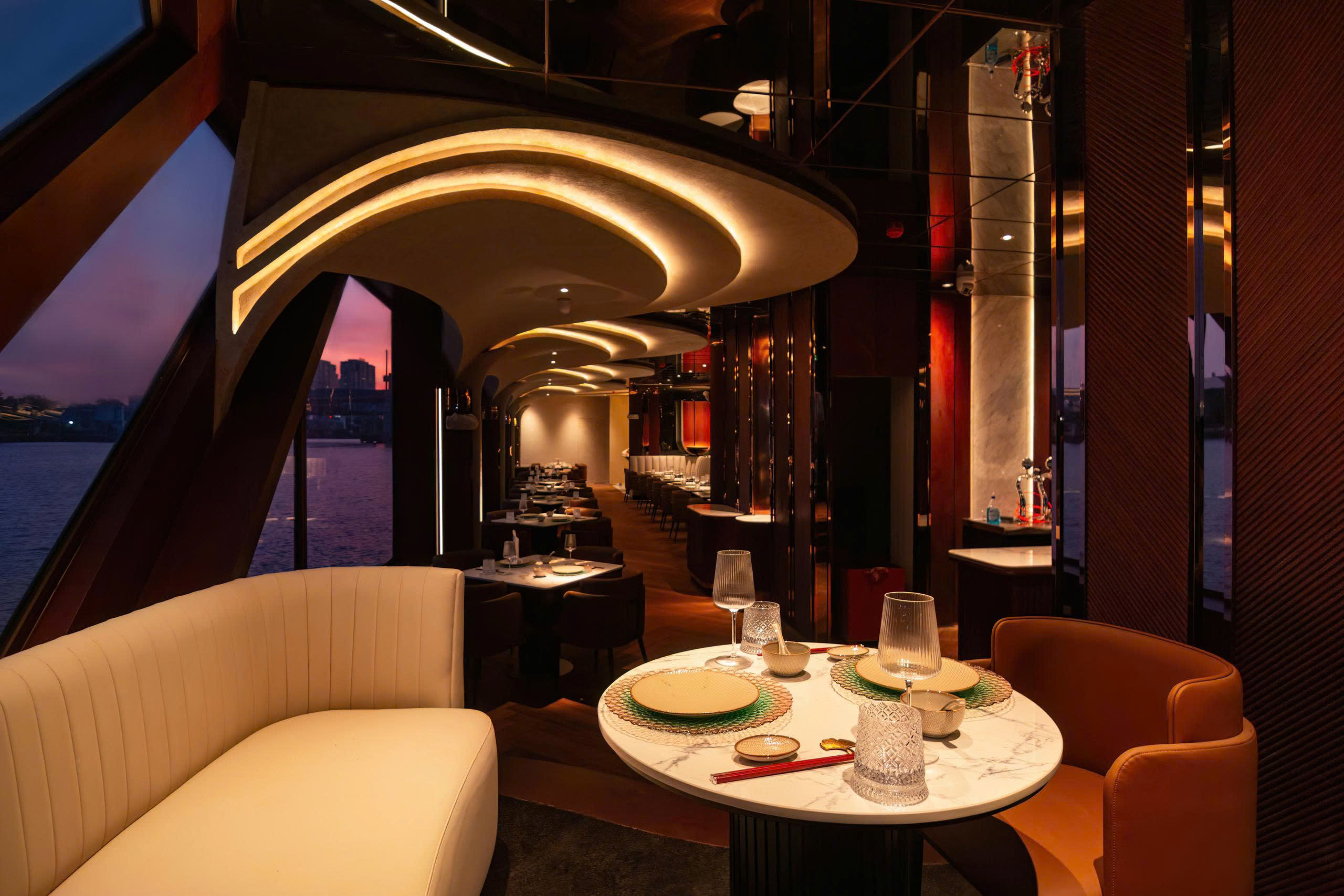
Saigon Sight & Food Tour By Night (Private Tour)
Active
4h
For a full refund, cancel at least 24 hours before the scheduled departure time.
Instant confirmation
Mobile or paper ticket accepted
About this experience
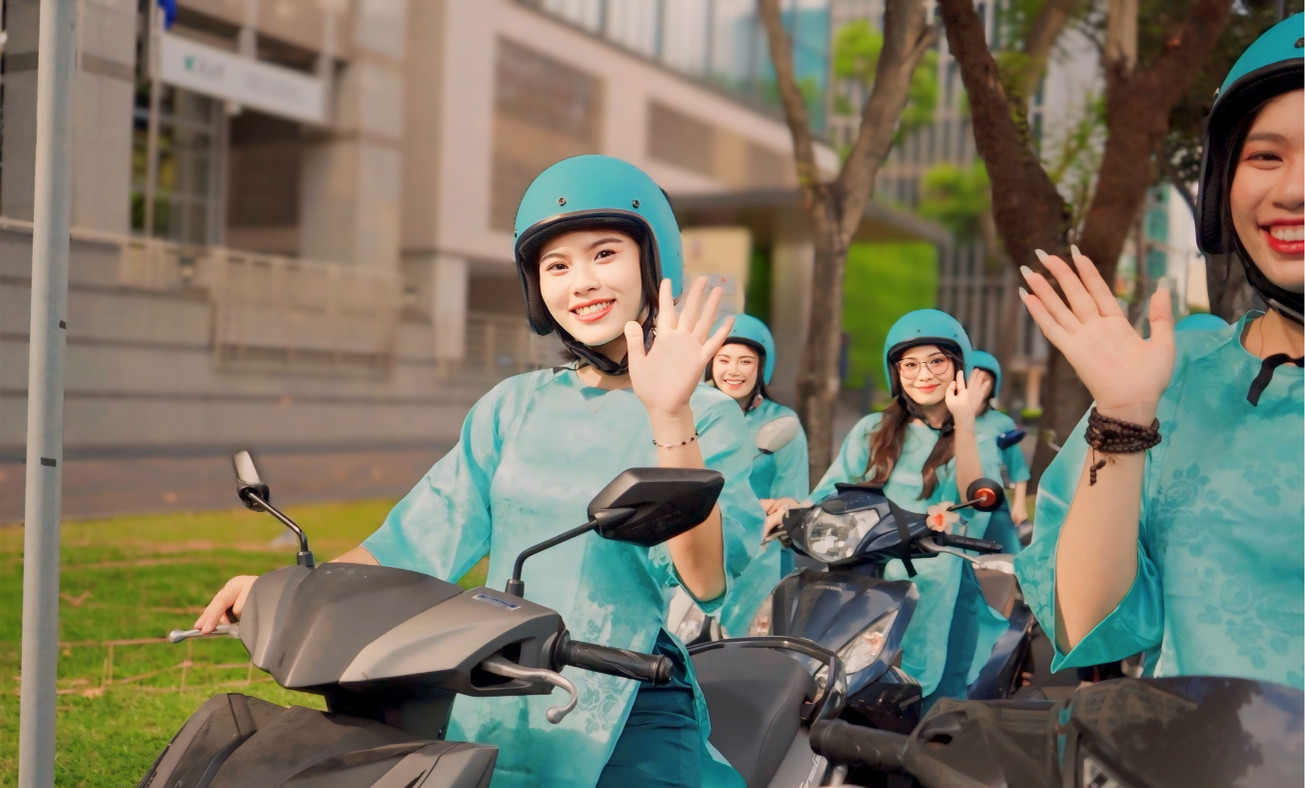
Joining a Street Food Tour is a fantastic way to immerse yourself in the vibrant, mouthwatering world of Saigon's street food scene. Here are a few compelling reasons why you should consider booking our tour.
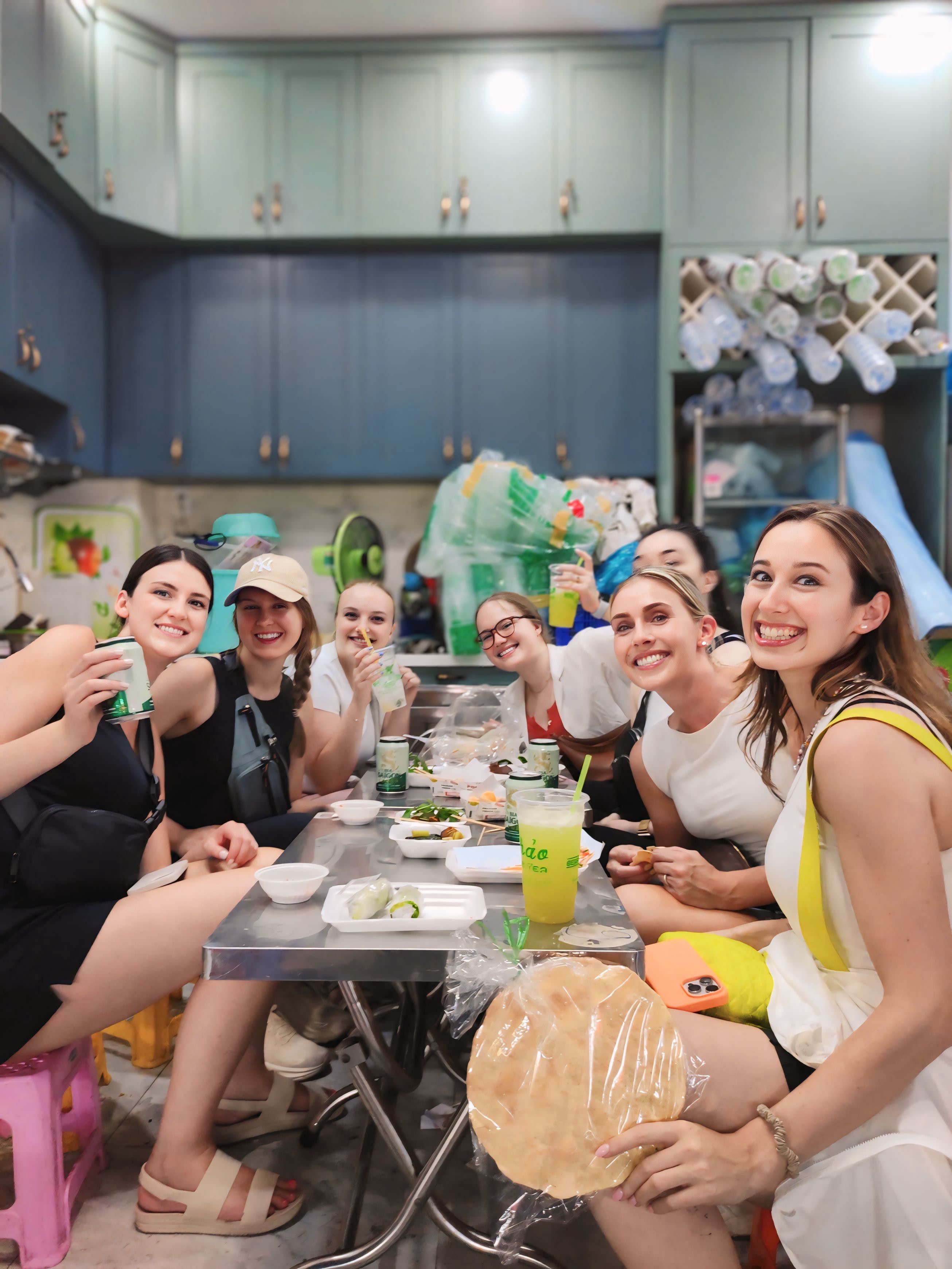
Saigon's street food is a core part of its culture, and we offer you an authentic taste of local life. With a knowledgeable local guide, you’ll have the opportunity to try traditional dishes that are typically only known to locals and off the beaten path.
The street food tours are typically private tours , so you can enjoy a more personalized experience.
One of the challenges when eating street food in a foreign country is knowing where to eat safely. Our guides are experts in local food hygiene and will take you to vendors who have a reputation for cleanliness and food safety.
Available options
Saigon Sight & Food Tour By Night (Private Tour)
Pickup included
What's included
Free Pick Up And Drop Off at Center (D1, D3, D4)
Night Sight-seeing
English Speaking Guide
Photos for memories from our team
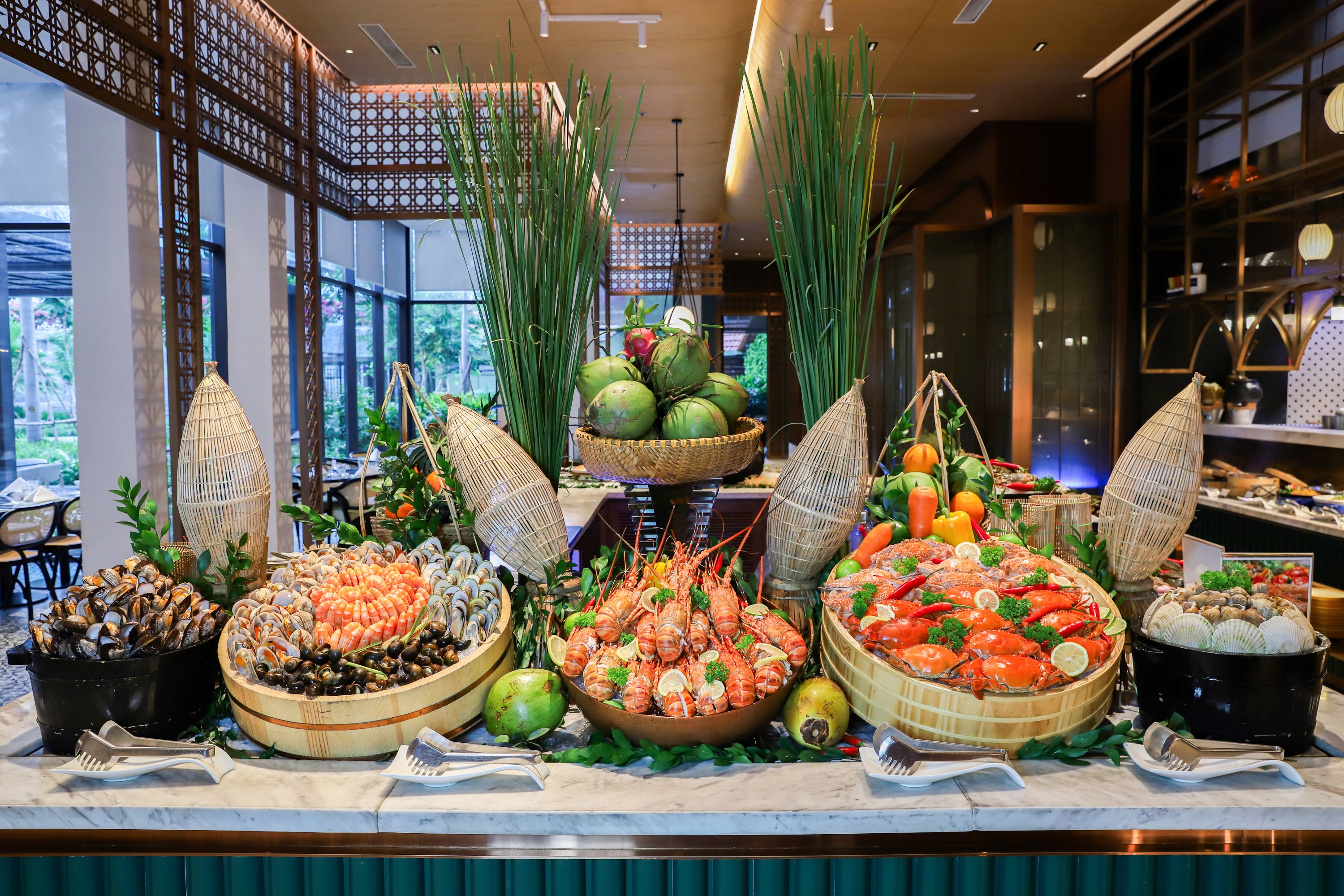
09 Foods & Drink
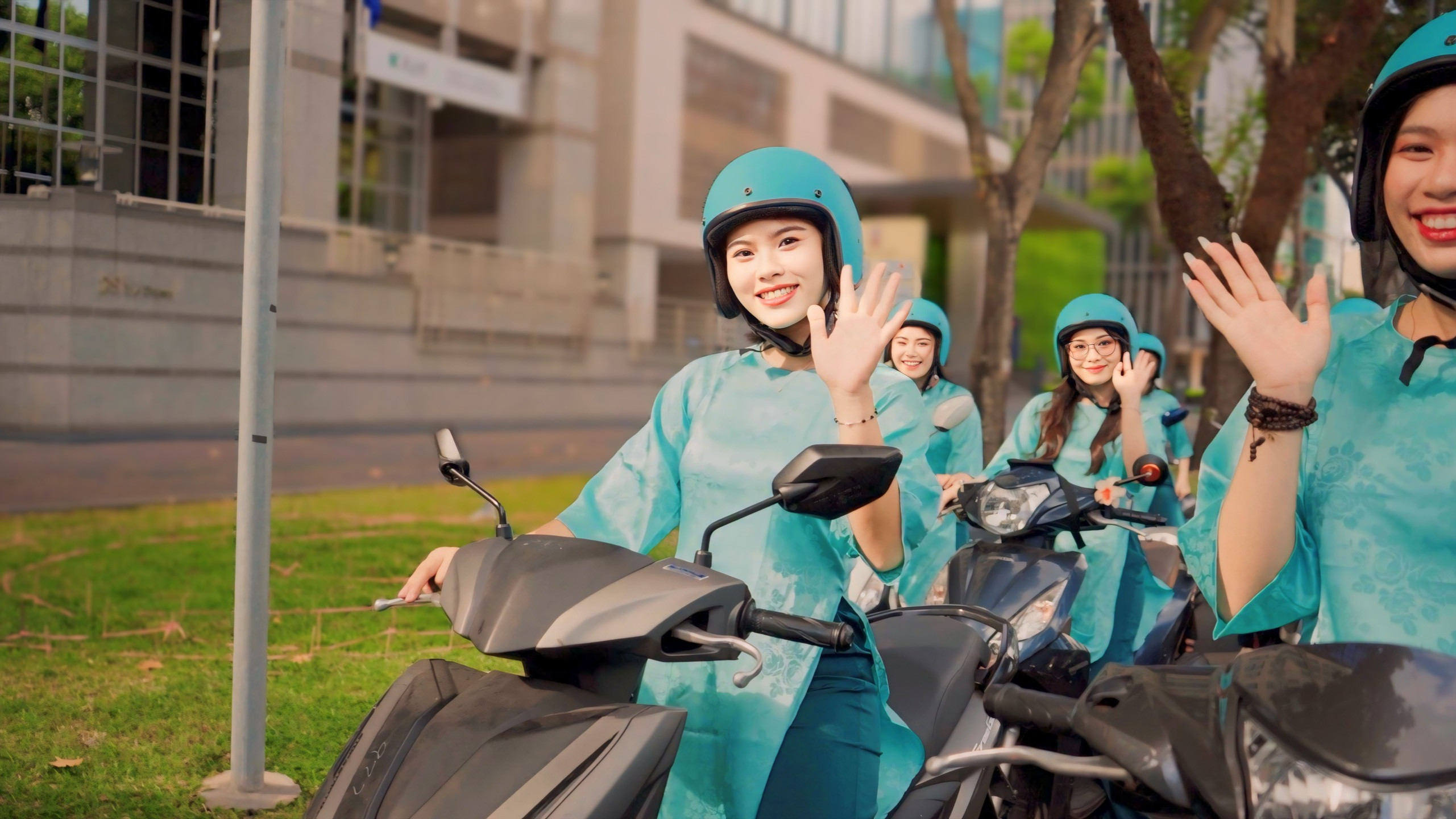
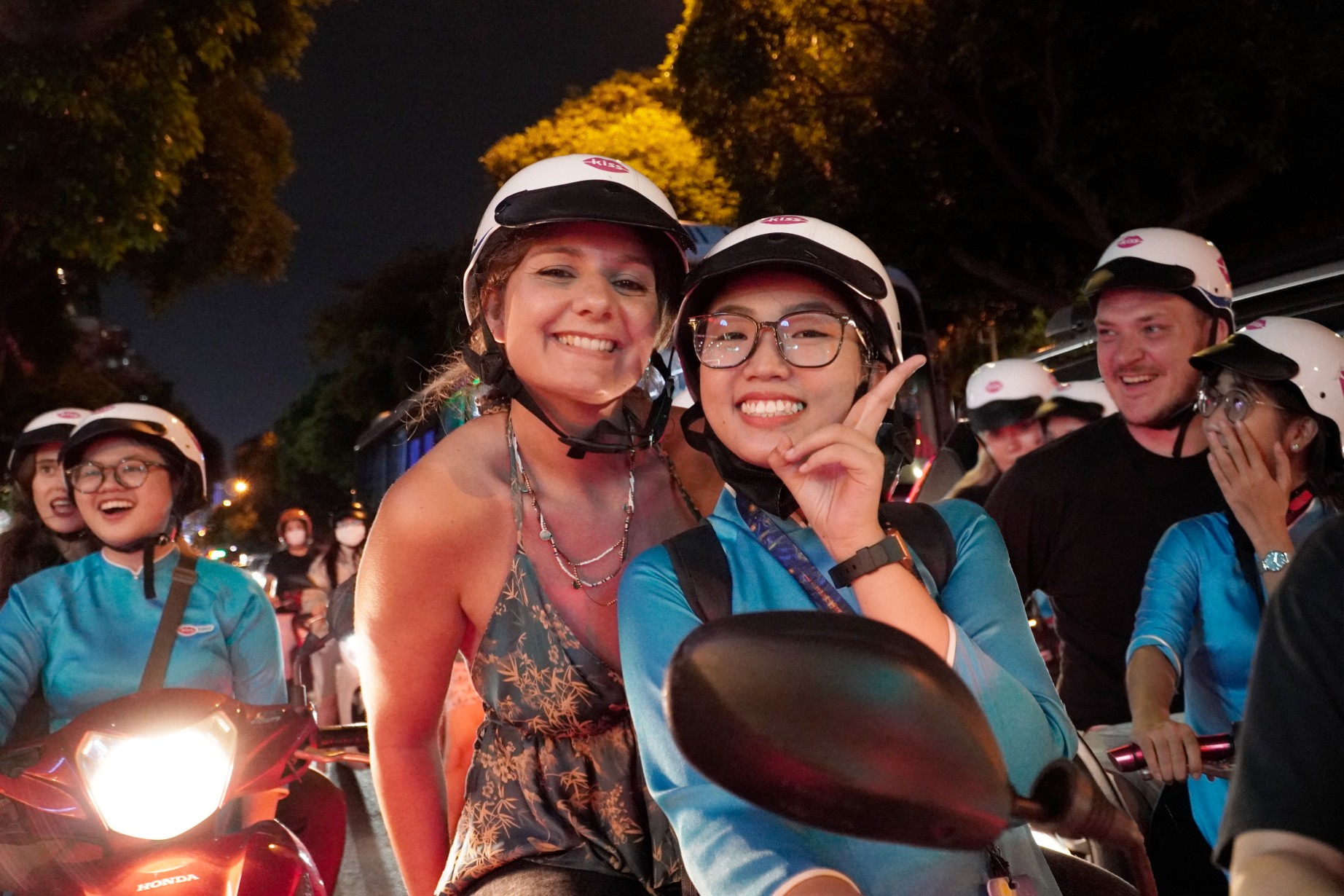
Rain Poncho (If Needed), High Quality Helmet
Modern Motorbike, Fuel, Accident Insurance
Detailed itinerary
1
Tucked away in District 3, Nguyen Thien Thuat Apartment is one of Saigon’s most authentic living museums. Built in the 1960s, this complex is a maze of narrow staircases, tiny balconies, and buzzing alleyways where generations have grown up side by side. Here, life unfolds in the open — from vendors selling noodles at dawn to families sharing dinner stories at dusk. The scent of coffee and grilled dishes lingers in the air, blending with echoes of laughter and street sounds. Though old and worn, the apartment exudes warmth and resilience, reflecting the soul of Saigon itself. Exploring Nguyen Thien Thuat isn’t just sightseeing — it’s a journey through time, history, and the city’s beating heart.
2
The Ho Thi Kỷ Flower Market in Ho Chi Minh City (formerly Saigon) is one of the largest and most vibrant flower markets in Vietnam. It's located in the District 10 area and is famous for its lively atmosphere and wide variety of flowers.
The market offers a massive selection of both local and imported flowers. You can find everything from roses, lilies, orchids, chrysanthemums, and carnations to exotic flowers.
The market is particularly busy during festivals like Tet (Lunar New Year), when flower sales peak. People come here to buy flowers for decoration or as gifts.
Ho Thi Ky serves as a wholesale market where flower vendors buy in bulk and then sell to smaller retailers or directly to consumers.It’s a great place if you're looking for a large quantity of flowers or unique varieties not commonly found in retail stores.
Walking through the market, you'll be greeted by vibrant colors, pleasant floral scents, and the hustle and bustle of vendors and customers.
3
Saigon Chinatown, also known as Chợ Lớn (which means Big Market in Vietnamese), is a vibrant and culturally rich neighborhood located in the western part of District 5 in Ho Chi Minh City. As the largest Chinatown in Vietnam, Chợ Lớn is a fascinating blend of Vietnamese and Chinese cultures. It is the heart of the Chinese community in Saigon and a place where history, culture, food, and commerce intersect.
Chợ Lớn has been a part of Ho Chi Minh City for centuries and was originally established by Chinese immigrants who arrived in Vietnam starting in the 17th century. These immigrants, primarily from the Teochew, Hakka, and Cantonese groups, brought with them their unique cultures, traditions, and businesses.
Over time, Chợ Lớn grew to become the focal point of the Chinese community in Ho Chi Minh City, with Chinese temples, markets, and shops lining the streets.
4
Stop 4
The Saigon Notre-Dame Cathedral Basilica of Saigon (often just called Saigon Notre-Dame Cathedral) is another iconic landmark in Ho Chi Minh City and one of the most stunning examples of French colonial architecture in Vietnam.
Construction of the cathedral began in 1877 and was completed in 1880, during the French colonial period. The cathedral was built by the French to serve the growing Catholic population of Saigon at the time.
Neo-Romanesque Style: The cathedral is a masterpiece of Neo-Romanesque architecture, featuring red brick walls (imported from France), two tall bell towers that reach about 58 meters (190 feet) high, and a green-tiled roof.
Statue of the Virgin Mary: There’s also a prominent statue of the Virgin Mary in front of the cathedral, which has attracted numerous pilgrims and visitors over the years. It's a popular spot for people to pray or take photos.
5
Stop 5
The Saigon Central Post Office is one of the most iconic landmarks in Ho Chi Minh City and a beautiful example of French colonial architecture. It’s located on Đồng Khởi Street, right next to Notre-Dame Cathedral in the heart of the city’s District 1.
The Saigon Central Post Office was built between 1886 and 1891 during the French colonial era, designed by Auguste Henri Vildieu, a French architect, and it’s often attributed to Gustave Eiffel, the designer of the Eiffel Tower.
The building combines neoclassical, French colonial, and Italian Renaissance architectural styles, featuring grand arches, ornate ironwork, and a stunning clock tower.
The interior is just as impressive with its high vaulted ceilings, intricate tiles, and large windows that allow natural light to flood the space.
The most notable feature is the large central hall with its long wooden counters and benches, reminiscent of a bygone era.
6
Stop 6
The Saigon Opera House (officially known as the Municipal Theatre of Ho Chi Minh City or Teater Municipal Saigon) is one of the most iconic landmarks in Ho Chi Minh City. This beautifully preserved building combines stunning French colonial architecture with a touch of Vietnamese style, making it a must-see for anyone visiting the city.
Here’s a closer look at the Saigon Opera House:
1. Historical Background:
Built: The Saigon Opera House was constructed between 1897 and 1900, during the French colonial period. It was designed by the French architect Félix Olivier and built by the French administration as part of their efforts to develop Saigon as a vibrant, cosmopolitan city.
Purpose: Originally intended as a venue for French-style opera, it has evolved over the years into a place for various cultural performances, including ballet, concerts, and theatrical shows. Today, it still serves as the city’s main performance venue.
7
Saigon City Hall, officially known as the People's Committee Building (or Uỷ Ban Nhân Dân Thành Phố Hồ Chí Minh), is one of the most iconic landmarks in Ho Chi Minh City. This grand French colonial building, located in the heart of District 1, is an architectural marvel and an important symbol of the city's past and present.
French Colonial Architecture: The Saigon City Hall was built in the French colonial style between 1902 and 1908. It’s a prime example of the grandeur of colonial-era buildings in Vietnam. The design features a blend of Baroque, Rococo, and neo-Renaissance influences, with ornate facades and intricate detailing.
The building was designed by Félix Théodore Auguste and built under the direction of the French colonial administration. It was originally constructed as the Saigon City Hall and later became the People's Committee Building after the reunification of Vietnam.
8
Nguyen Hue Walking Street (also known as Nguyen Hue Pedestrian Street) is one of the most vibrant and bustling public spaces in Ho Chi Minh City. It's located in District 1, right in the heart of the city, and has become a hub for both locals and tourists to gather, relax, and enjoy the atmosphere. It's a great place to experience the energy and modern vibe of the city.
The Street: Nguyen Hue Walking Street is a wide, tree-lined pedestrian avenue, stretching from Le Loi Street to the Saigon River. It's a popular spot to stroll, people-watch, and soak in the city’s vibrant atmosphere.
It's open to pedestrians, so cars are restricted, making it a safe and peaceful area to wander around, especially in the evenings.
9
Stop 9
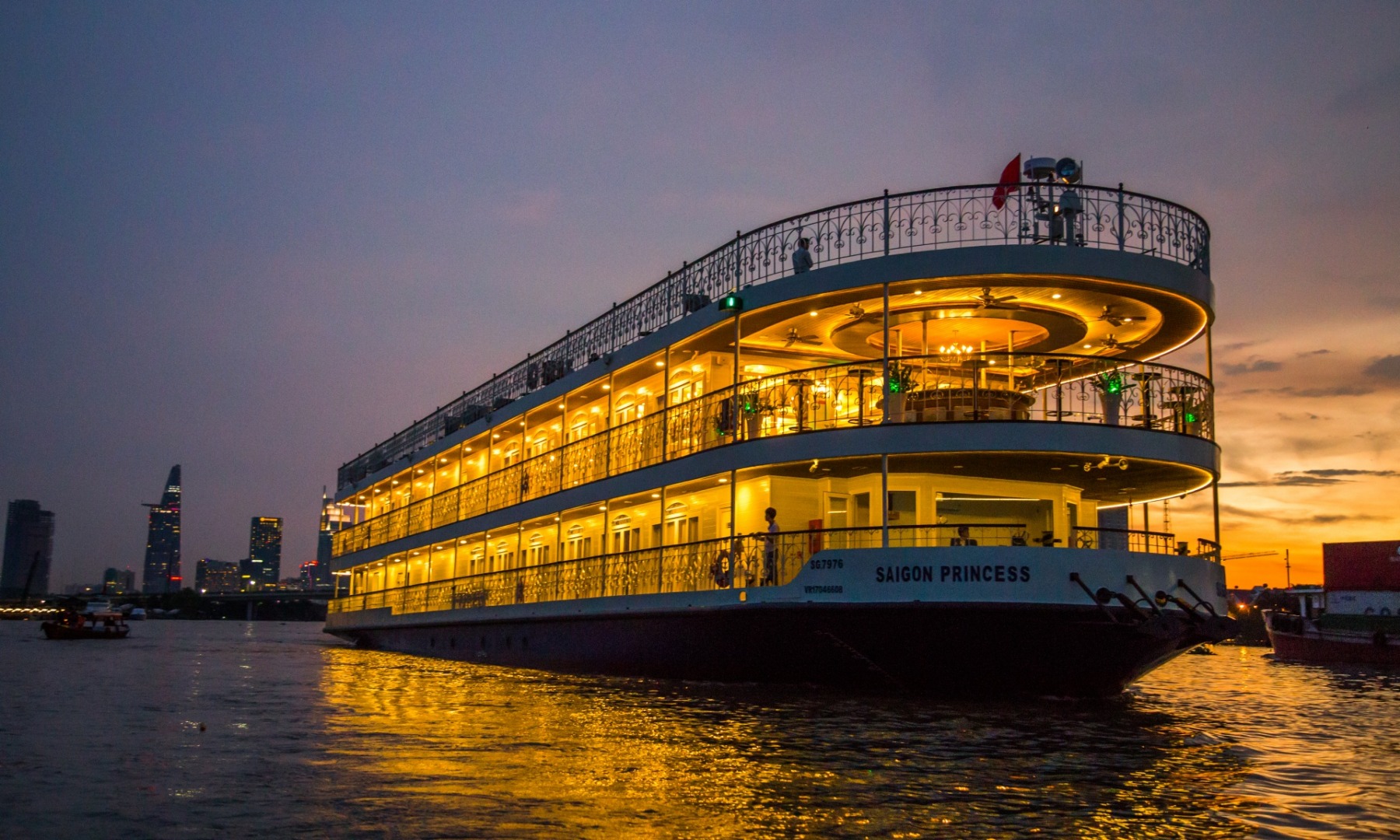
Bach Dang Wharf (Bến Bạch Đằng) is a historic waterfront location in Ho Chi Minh City and one of the most scenic spots in District 1. It has long been associated with the city's maritime history and is a key part of Saigon’s riverfront landscape. Today, it's a popular gathering place for both locals and tourists, offering a glimpse into the city’s past as well as a relaxing spot to enjoy the views of the Saigon
Bach Dang Wharf has been around since the French colonial period in the late 19th century. It was once an important port and docking area for ships, connecting Saigon to other ports and trade routes around Southeast Asia.
Key Historical Events: The area is historically significant as it was the site of the Battle of Bach Dang in 1954, which played a role in the Vietnam War. The wharf itself was also part of the broader efforts to modernize Saigon’s harbor.
During the colonial era, it was a lively and bustling port, as Saigon was an important trading hub for French Indochina.
10
Stop 10
The Independence Palace (also known as Reunification Palace or Dinh Độc Lập) is one of the most important historical landmarks in Ho Chi Minh City and a symbol of Vietnam’s turbulent history during the Vietnam War. It stands as a testament to the country’s struggle for independence and reunification.
The Independence Palace was the site where the Vietnam War essentially came to an end on April 30, 1975, when a North Vietnamese tank famously crashed through the gates of the palace, signaling the fall of Saigon and the reunification of Vietnam under communist rule.
It was originally the home and office of the President of South Vietnam, Ngô Đình Diệm, and later, the final president of South Vietnam, Nguyễn Văn Thiệu, before the fall of Saigon.
The event of the tank crashing through the gates is commemorated in Vietnamese history and often marked as the day the country was reunited after years of conflict.
What's not included
Gratuities, Personal Expenses, VAT & Bank Fees
Available languages
Guide guide
EN
Reviews breakdown
Tripadvisor
5.0
73 reviews
5★
73
4★
0
3★
0
2★
0
1★
0
Important information
Public transportation options are available nearby
Infants are required to sit on an adult’s lap
Not recommended for pregnant travelers
Suitable for all physical fitness levels
Meeting point
Opposite 100 Le Lai is 23/9 Park, a 5-minute walk from Ben Thanh Market.
About Ho Chi Minh City
Ho Chi Minh City, Vietnam's largest metropolis, is a vibrant blend of tradition and modernity. Known for its rich history, bustling markets, and French colonial architecture, it offers a dynamic travel experience with its lively street food culture, historical landmarks, and energetic nightlife.
Top Attractions
War Remnants Museum
This museum provides a sobering look at the Vietnam War and its impact on the country. It houses a collection of war machinery, photographs, and artifacts.
Historical
1-2 hours
Free (donations appreciated)
Cu Chi Tunnels
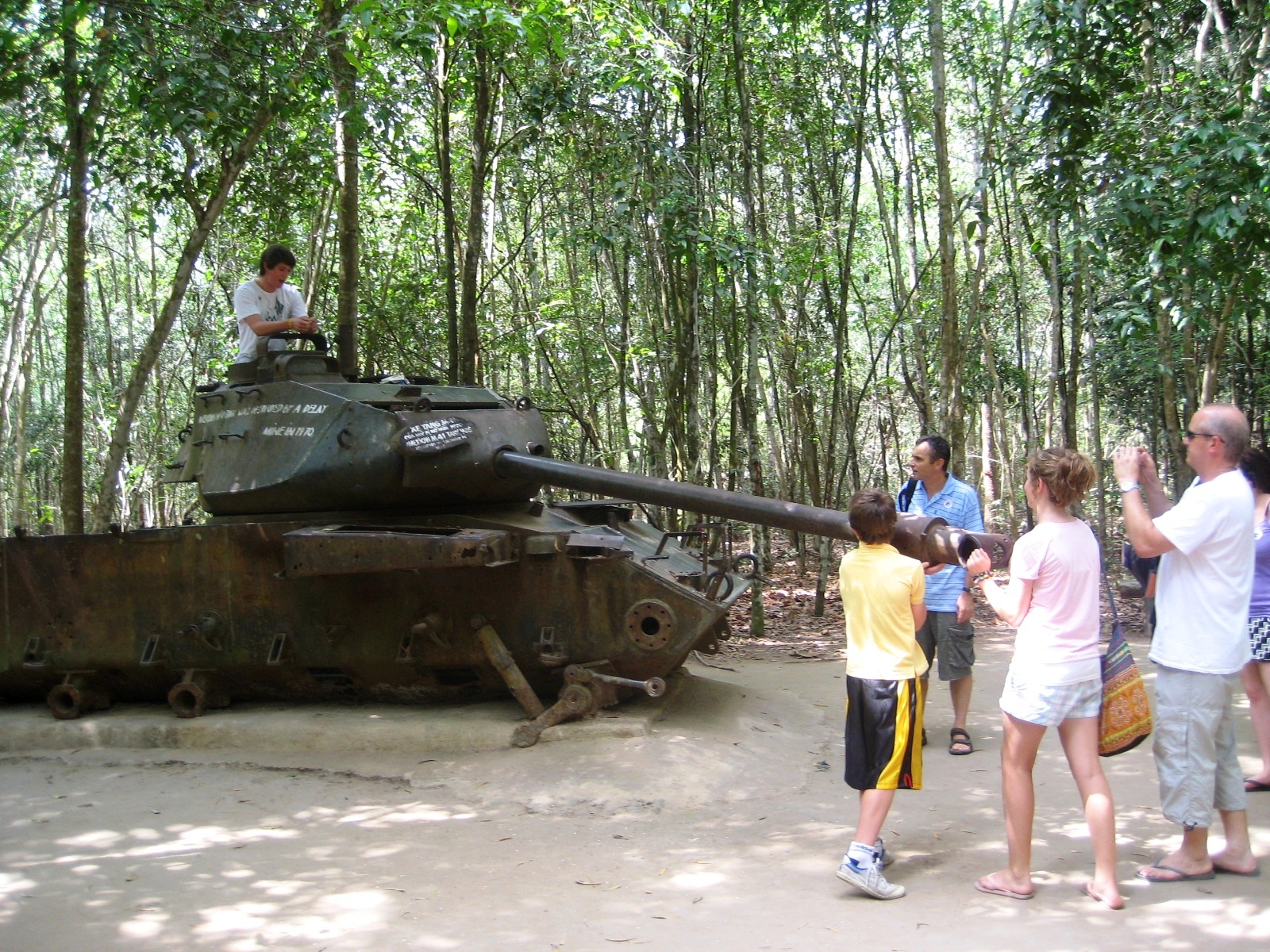
A network of underground tunnels used by Viet Cong soldiers during the Vietnam War. Visitors can explore the tunnels, learn about their history, and see various war relics.
Historical
Half-day tour
Moderate (tour prices vary)
Notre-Dame Cathedral Basilica of Saigon
A beautiful example of French colonial architecture, this cathedral is a prominent landmark in the city. It is a peaceful place to visit and offers a glimpse into the city's religious heritage.
Religious
30 minutes to 1 hour
Free
Ben Thanh Market
One of the most famous markets in Ho Chi Minh City, offering a wide variety of goods, including food, clothing, souvenirs, and handicrafts. It's a great place to experience local culture and shop for bargains.
Market
1-2 hours
Budget to Moderate
Bitexco Financial Tower Skydeck
Offers panoramic views of the city from the 49th floor. The Skydeck provides a unique perspective on Ho Chi Minh City's skyline and landmarks.
Observation Deck
1 hour
Moderate
Must-Try Local Dishes
Pho
A traditional Vietnamese noodle soup made with beef or chicken broth, rice noodles, and various toppings such as meat, herbs, and bean sprouts.
Dinner
Vegetarian options available
Banh Mi
A Vietnamese sandwich made with a baguette, filled with various ingredients such as grilled meat, pâté, pickled vegetables, and fresh herbs.
Lunch
Vegetarian options available
Com Tam
Broken rice served with grilled pork, a fried egg, and various accompaniments like pickled vegetables and fish sauce.
Lunch
Vegetarian options available
Goi Cuon
Fresh spring rolls filled with shrimp, pork, herbs, and rice vermicelli, served with a peanut or fish sauce dipping sauce.
Appetizer
Vegetarian options available
Popular Activities
Golfing at Long Thanh Golf Resort
Exploring the Cu Chi Tunnels
Boat tours in the Mekong Delta
Beach relaxation in Vung Tau
Nature walks in Cần Giờ Mangrove Forest
Spa and wellness treatments
Visiting historical sites like the War Remnants Museum
Exploring local markets and temples
Best Time to Visit
December to April
This is the dry season with lower humidity and less rain, making it ideal for outdoor activities and sightseeing. The weather is generally pleasant, though it can be quite hot.
25-35°C
77-95°F
Practical Information
Language
- Official: Vietnamese
- Widely spoken: English
- English: Moderately spoken in tourist areas, limited in other areas
Currency
Vietnamese Dong (VND)
Time Zone
GMT+7
Electricity
220VV, 50HzHz
Safety Information
Overall Safety Rating: Generally safe, but exercise caution in crowded areas and at night
Ho Chi Minh City is generally safe for travelers, but petty crime and scams can occur, especially in crowded areas and at night. Exercise caution and be aware of your surroundings.
Important Precautions:
- • Use licensed taxis or ride-hailing apps
- • Keep valuables secure and out of sight
- • Bargain for better prices at markets
Getting there
By air
- Tan Son Nhat International Airport • 7 km from city center
By train
Saigon Railway Station
By bus
Mien Dong Bus Station, Mien Tay Bus Station
Getting around
Public transport
Buses are an affordable way to get around, but they can be crowded and slow due to traffic. Routes are numerous and well-marked.
Taxis
Available • Apps: Grab, Gojek
Rentals
Car, Bike, Scooter
Neighborhoods
District 1
District 3
District 5 (Chinatown)
District 7
Phu Nhuan District
Day trips
Mekong Delta
130 km from Ho Chi Minh City • Full day
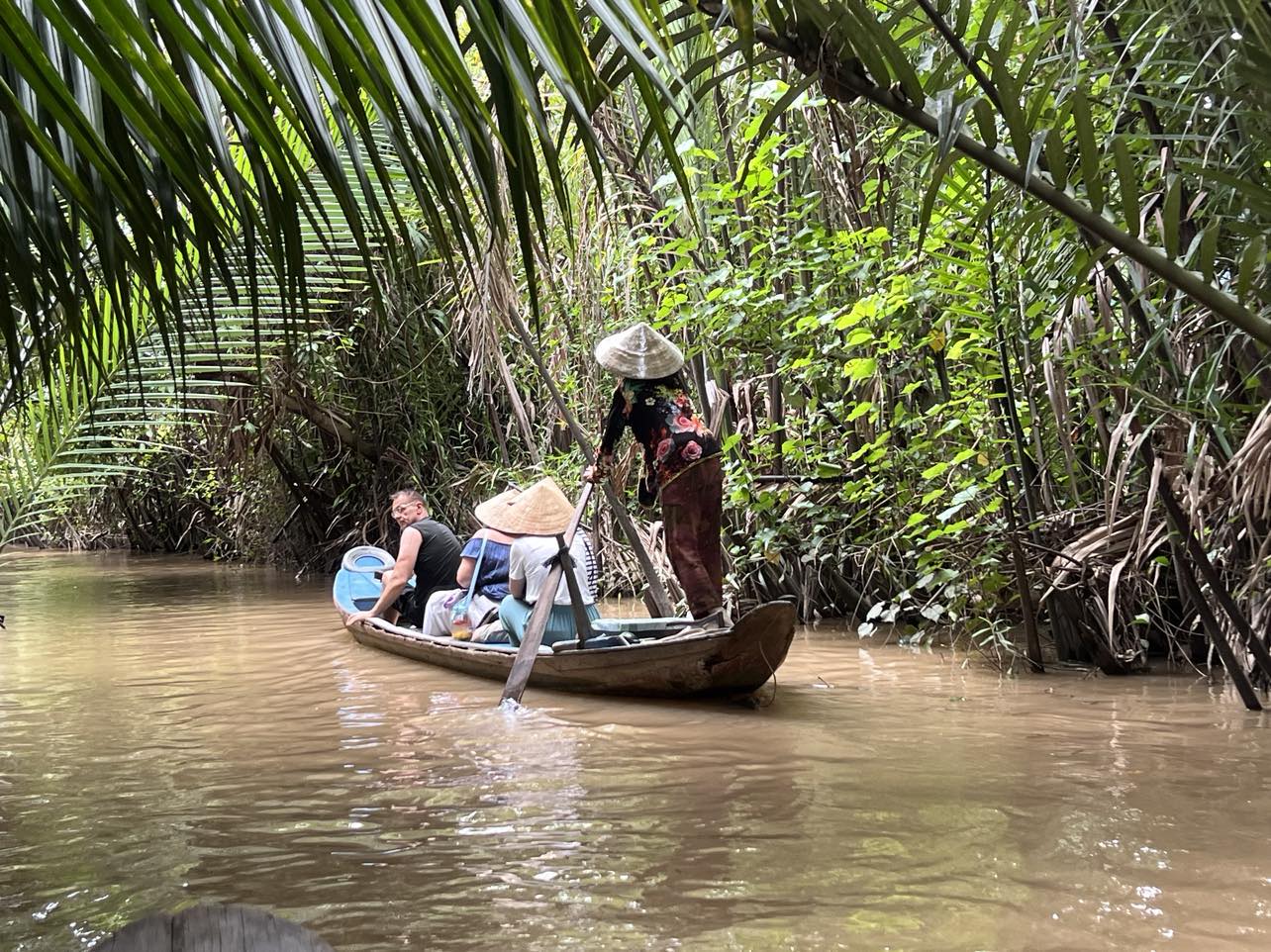
The Mekong Delta is a vast network of rivers, canals, and islands known for its lush landscapes, floating markets, and traditional villages. It offers a unique glimpse into rural Vietnamese life.
Cu Chi Tunnels
60 km from Ho Chi Minh City • Half day
A network of underground tunnels used by Viet Cong soldiers during the Vietnam War. Visitors can explore the tunnels, learn about their history, and see various war relics.
Vung Tau
120 km from Ho Chi Minh City • Full day
A coastal city known for its beautiful beaches, seafood, and relaxed atmosphere. It's a popular destination for a day trip from Ho Chi Minh City.
Festivals
Tet Holiday (Vietnamese New Year) • January or February (varies each year)
Ho Chi Minh City International Film Festival • December (varies each year)
Mid-Autumn Festival • September or October (varies each year)
Pro tips
- Learn a few basic Vietnamese phrases to enhance your experience and interact with locals
- Use ride-hailing apps like Grab or Gojek for convenient and affordable transportation
- Bargain for better prices at markets and street vendors, but do so politely and with a smile
- Try street food and local eateries for an authentic and delicious culinary experience
- Visit popular attractions early in the morning or late in the afternoon to avoid crowds and the midday heat
From $25
per person
Price varies by option
Secure booking
Free cancellation available
Instant confirmation