Ho Chi Minh City Full Day Private Tour
Active
8h
For a full refund, cancel at least 24 hours before the scheduled departure time.
Instant confirmation
Mobile or paper ticket accepted
About this experience
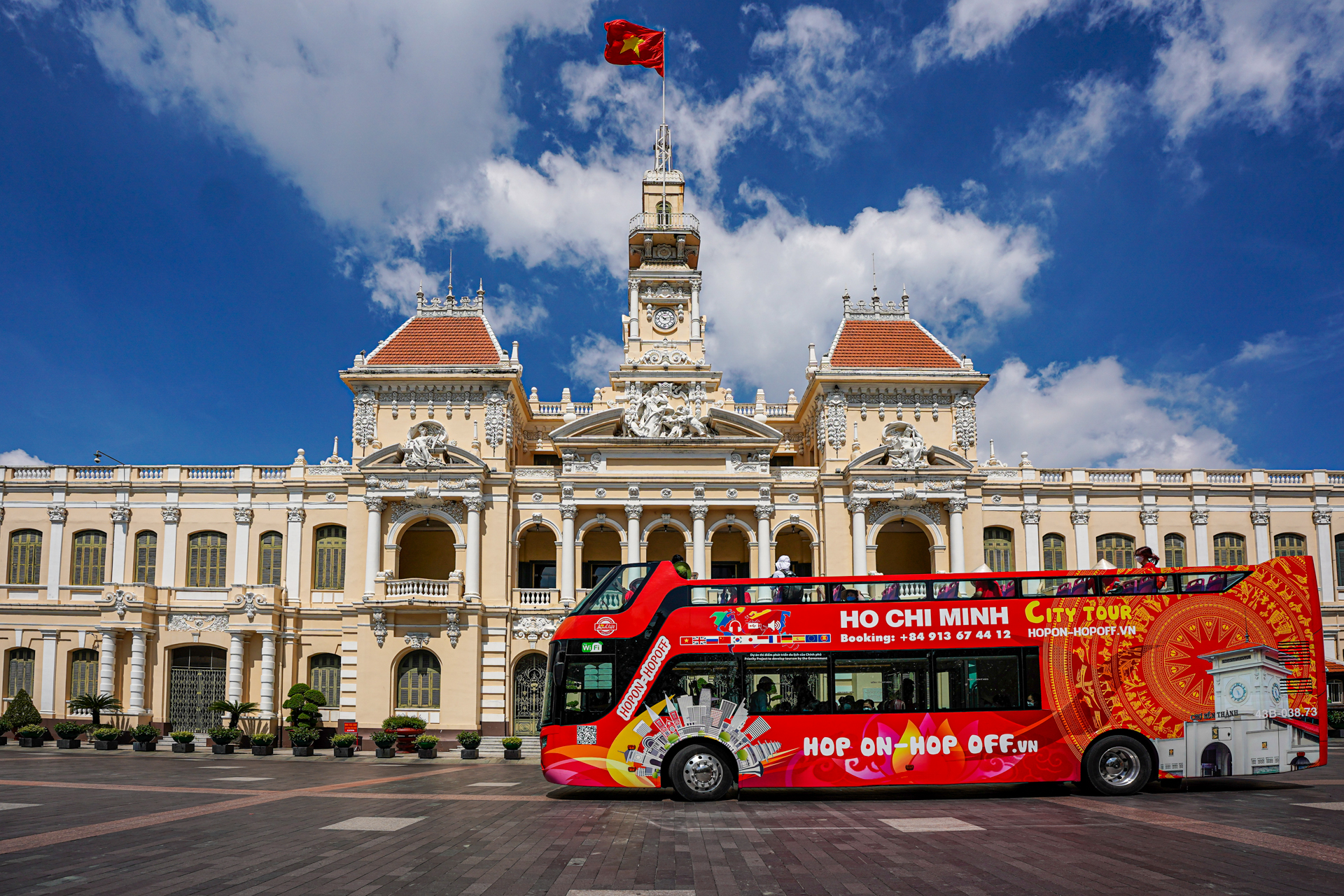
Our adventure begins at Binh Tay Market, a bustling hub of activity. From there, we'll discover the serenity of the Holy Lady Temple, a hidden gem nestled amidst the city's chaos, offering a peaceful retreat and insight into Vietnamese religious practices. Continuously, we'll step back in time at the historic Renunification Palace, a symbol of Vietnam's tumultuous past and the site of significant historical events. Marveling at the architectural beauty of the Saigon Central Post Office, we'll admire its elegant French-inspired design before delving into the spiritual realm at the Jade Emperor Pagoda, where intricate sculptures and incense-filled halls create an atmosphere of reverence. A visit to a local Lacquerware factory offers a glimpse into traditional craftsmanship before we delve into the poignant history of the Vietnam War at the War Remnants Museum & Vietnam History Museum, where a vast collection of artifacts and exhibits chronicle the rich tapestry of Vietnam's past.
Available options
Ho Chi Minh City Full Day Private Tour
Pickup included
What's included
All entrance fees
Air-conditioner vihicle
Traditional lunch & bottled waters
English speaking tour guide
Detailed itinerary
1
Stop 1
Located in Chinatown (Cho Lon), Binh Tay Market is a bustling and historic market in Ho Chi Minh City. With a rich history dating back to the late 19th century, the market serves as a vibrant hub of commerce and cultural exchange. Inside its vibrant halls, you can explore a wide range of products including fresh produce, spices, textiles, handicrafts, and more, immersing yourselves in the vibrant atmosphere of this iconic market.
The market was constructed by the French colonial administration to replace the older and smaller Cho Lon Market, which was destroyed in a fire. Binh Tay Market quickly became a thriving commercial center, serving as a vital trading hub for Chinese merchants and the local Vietnamese population.
Over years, the market has witnessed significant transformations. However, it was rebuilt and continues to thrive today, attracting both locals and tourists alike. It remains an essential part of the city’s cultural heritage, offering a diverse array of products.
2
Stop 2
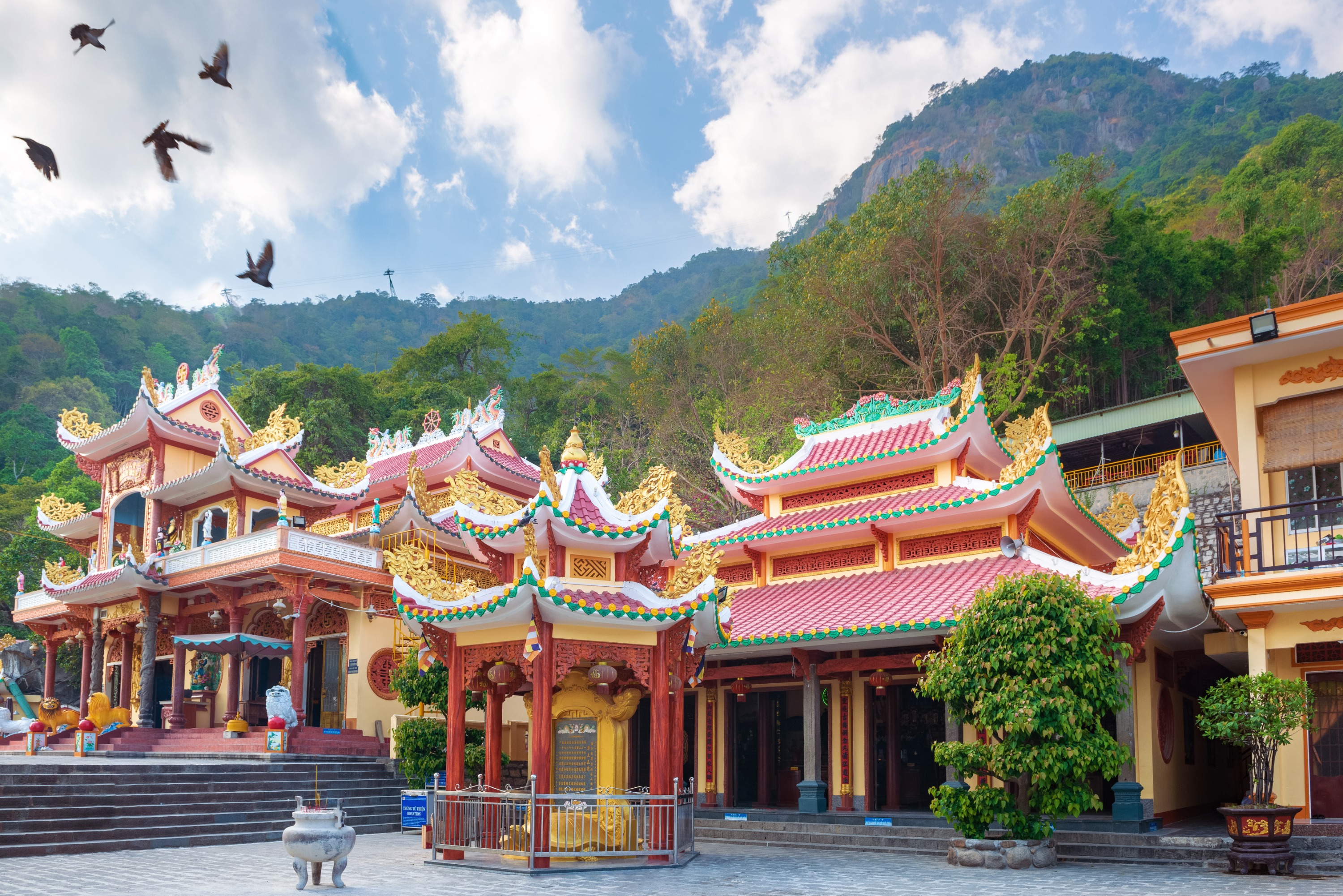
This gorgeous 19th-century temple is dedicated to the goddess Thien Hau, and always attracts a mix of worshippers and visitors, who mingle beneath the large coils of incense suspended overhead. It is believed that Thien Hau can travel over the oceans on a mat and ride the clouds to save people in trouble on the high seas.
There are intricate ceramic friezes above the roof line of the interior courtyard, while the protectors of the pagoda are said to be two land turtles that live here. Near the large braziers stand two miniature wooden structures in which a small figure of Thien Hau is paraded around nearby streets on the 23rd day of the third lunar month.
On the main dais are three figures of Thien Hau, one behind the other, all flanked by two servants or guardians. To the right is a scale-model boat and on the far right is the Goddess Long Mau, Protector of Mothers and Newborns.
Visiting this temple, you will have a chance to discover a part of local culture of an ethnic minority.
3
Stop 3
Surrounded by royal palm trees, the dissonant 1960s architecture of this landmark government building and the eerie ambience of its deserted halls make it an intriguing spectacle. The first Communist tanks to arrive in Saigon rumbled here on 30 April 1975 and it’s as if time has stood still since then. The building is deeply associated with the fall of the city in 1975, yet it's the kitsch detailing and period motifs that steal the show. It's also known as the Independence Palace.
The building was named Independence Palace and was home to the succeeding South Vietnamese president, Nguyen Van Thieu, until his hasty departure in 1975. Designed by Paris-trained Vietnamese architect Ngo Viet Thu, it is an outstanding example of 1960s architecture, with an airy and open atmosphere.
The Reunification Palace, also known as Independence Palace, is a landmark building located in the heart of Ho Chi Minh City. And it is known as a must see National Monument once you are in Ho Chi Minh City.
4
First introduced in Vietnam over a decade ago in 1998, Ganh Bong Sen Buffet offers the perfect balance between the traditional dishes of Vietnamese cuisine and the Western-styled buffet.
A hand-painted features in the mural are images of many popular dishes normally found at the corners of open marketplaces in provincial towns, such as banh canh, banh xeo, banh khot, bun rieu, bun mam, to name a few.
At the Ganh Bong Sen Buffet, the creative, talented, and experienced chefs elevate these common traditional dishes into symbols of culinary excellence with a taste that is both distinctive and yet equally familiar to a connoisseur of Vietnamese delicacies.
It is no surprise that many come to Ganh Bong Sen Buffet in order to enjoy the characteristic flavors of the three regions. You want to experience the culture of Vietnam. You want to be satisfied. Well, you can count on us. Here at Ganh Bong Sen Buffet, every meal is a feast for the gods.
5
The lacquer itself is actually the resin of a tree which is mixed with coloured pigments and solvents and applied layer after layer to the object's surface, producing a shiny and durable finish. Eggshell and mother of pearl may be applied to the surface before the lacquer is applied, in which the finished product is sanded down to reveal the decoration beneath.
The high quality of resin from Vietnamese lacquer trees, notably those of Phu Tho, was a crucial factor in the rapid development of this art form during the feudal period.
Decorated lacquer statues, panels, boxes and trays (1428-1527), may still be seen at many temples and pagodas.
In subsequent centuries the use of lacquerware was extended to larger items such as wooden chairs and tables.
Since that time lacquerware has continued to develop into one of the mainstays of the Vietnamese handicraft industry, both at home and abroad. Today's most popular items include vases, jewel cases, desk sets, trays and vertical blinds.
6
Stop 6
The city's landmark French-era post office is a period classic, designed by Marie-Alfred Foulhoux (though often credited to Gustave Eiffel) and built between 1886 and 1891. A mosaic of Ho Chi Minh takes pride of place at the end of its barrel-vaulted hall.
The post office features a unique, bright yellow exterior framed with white trim. Curved windows are elegantly framed with green shutters and a large clock is featured prominently at the building’s main entrance. The stunning, spacious interior has tall, domed ceilings with metal arches and a gorgeous patterned tile floor. There are two painted maps inside the office – Lignes télégraphiques du Sud Vietnamet du Cambodge 1892 (Telegraphic lines of southern Vietnam and Cambodia 1892) depicts the postal route from southern Vietnam to Cambodia, and on the right side of the building is Saigon et ses environs, 1892 (Saigon and its surroundings), a local map.
7
Built in 1929, this notable Sino-French museum houses a rewarding collection of artefacts illustrating the evolution of the cultures of Vietnam, from the Bronze Age Dong Son civilization (which emerged in 2000 BCE) and the Funan civilization (1st to 6th centuries CE) to the Cham, Khmer and Vietnamese. Highlights include valuable relics taken from Cambodia’s Angkor Wat and a fine collection of Buddha statues. There's good English information. Parts of the museum are being renovated.
There's also a perfectly preserved mummy of a local woman who died in 1869, excavated from Xom Cai in District 5; and some exquisite stylised mother-of-pearl Chinese characters inlaid into panels. It's located beside the Botanical Gardens.
The museum also encompasses the diverse cultures of ethnic groups in Southern Vietnam and other Asian countries. Explore their clothing, unique musical instruments, statues of deities, and tools related to agriculture, hunting and fishing.
What's not included
Tips/ gratuities or personal expenses...
Available languages
Guide guide
EN
Reviews breakdown
Viator
5.0
1 reviews
5★
1
4★
0
3★
0
2★
0
1★
0
Tripadvisor
5.0
4 reviews
5★
4
4★
0
3★
0
2★
0
1★
0
Important information
Suitable for all physical fitness levels
Everyone can join this tour
About Ho Chi Minh City
Ho Chi Minh City, Vietnam's largest metropolis, is a vibrant blend of tradition and modernity. Known for its rich history, bustling markets, and French colonial architecture, it offers a dynamic travel experience with its lively street food culture, historical landmarks, and energetic nightlife.
Top Attractions
War Remnants Museum
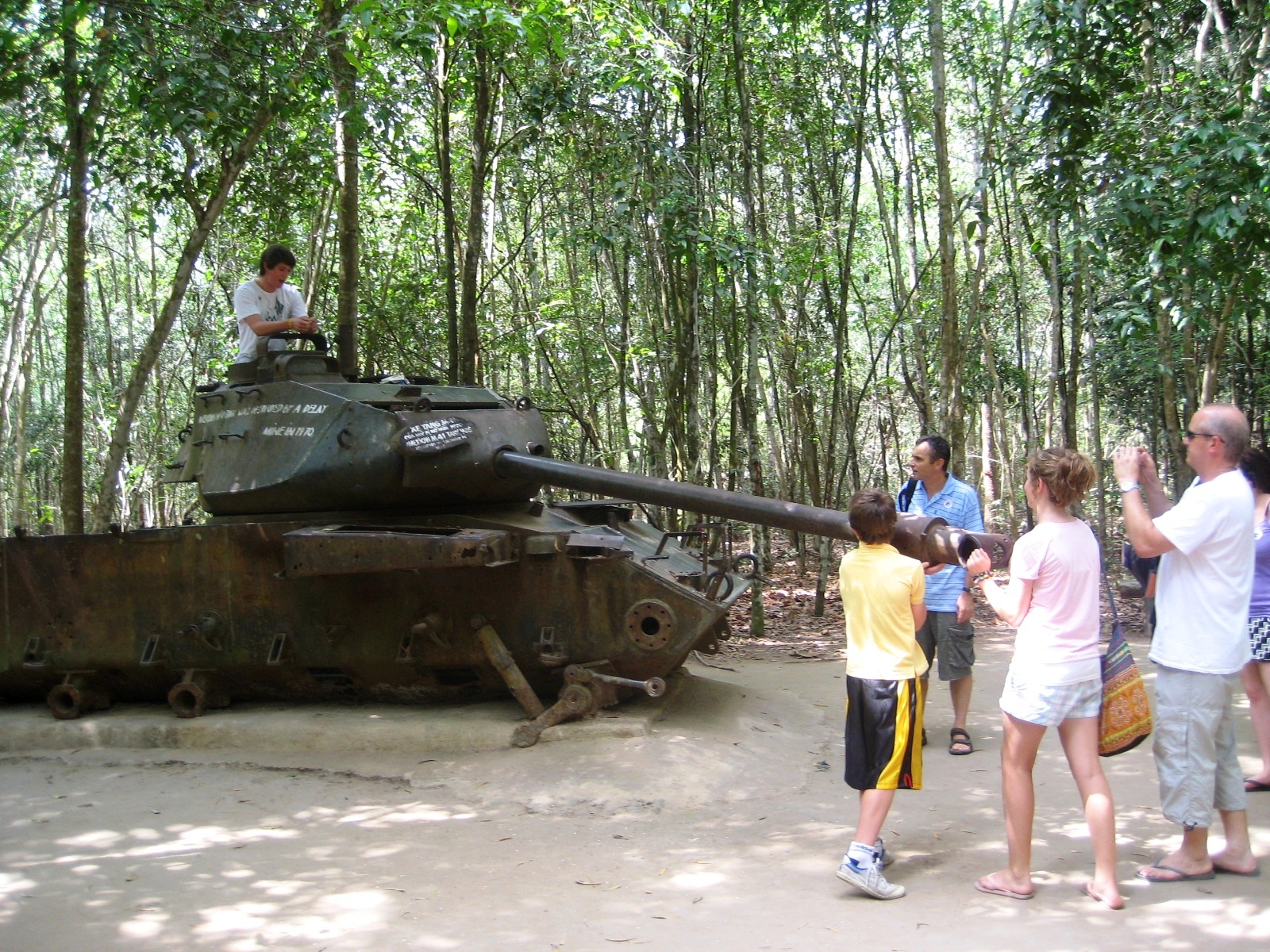
This museum provides a sobering look at the Vietnam War and its impact on the country. It houses a collection of war machinery, photographs, and artifacts.
Historical
1-2 hours
Free (donations appreciated)
Cu Chi Tunnels
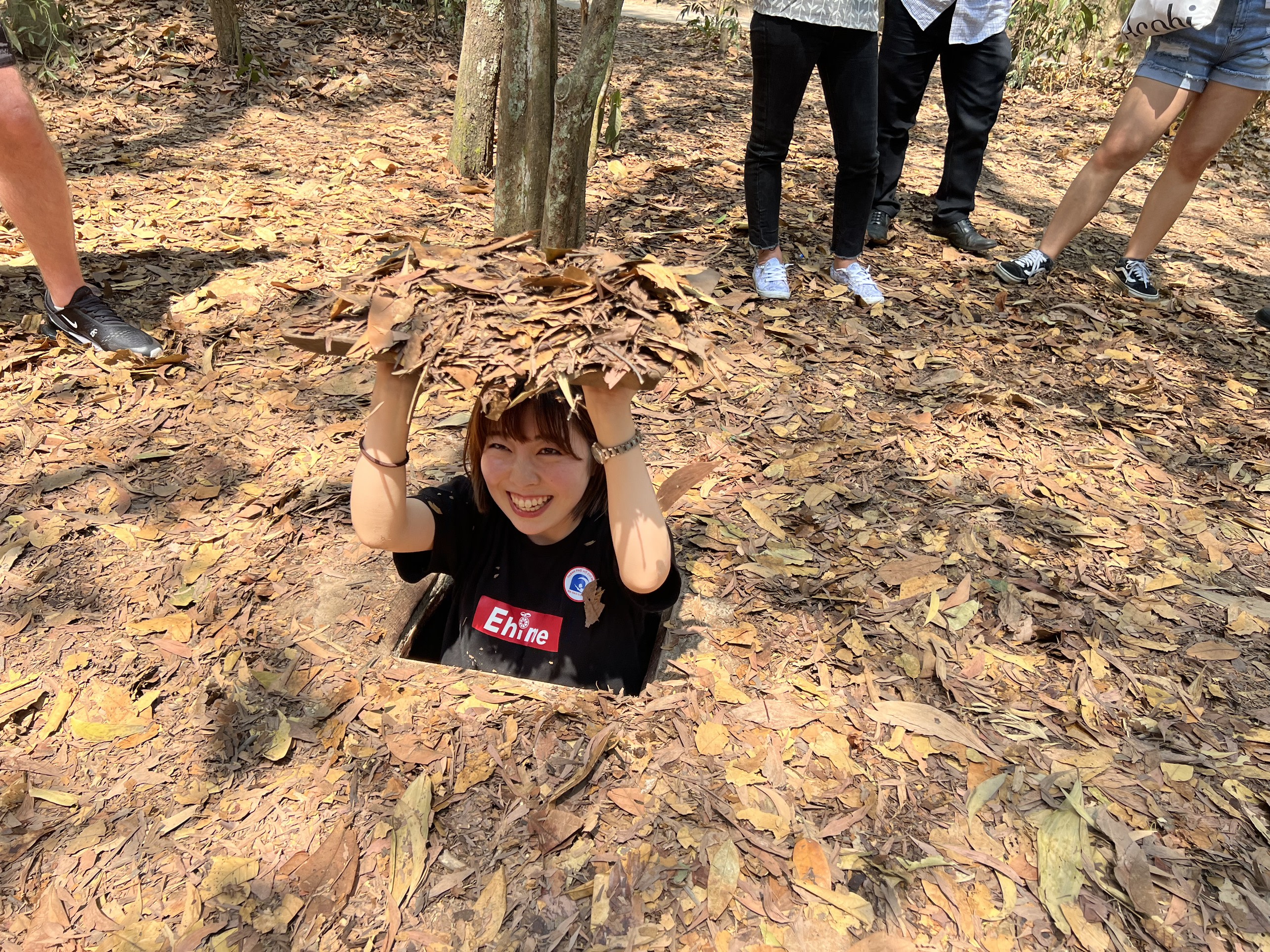
A network of underground tunnels used by Viet Cong soldiers during the Vietnam War. Visitors can explore the tunnels, learn about their history, and see various war relics.
Historical
Half-day tour
Moderate (tour prices vary)
Notre-Dame Cathedral Basilica of Saigon
A beautiful example of French colonial architecture, this cathedral is a prominent landmark in the city. It is a peaceful place to visit and offers a glimpse into the city's religious heritage.
Religious
30 minutes to 1 hour
Free
Ben Thanh Market
One of the most famous markets in Ho Chi Minh City, offering a wide variety of goods, including food, clothing, souvenirs, and handicrafts. It's a great place to experience local culture and shop for bargains.
Market
1-2 hours
Budget to Moderate
Bitexco Financial Tower Skydeck
Offers panoramic views of the city from the 49th floor. The Skydeck provides a unique perspective on Ho Chi Minh City's skyline and landmarks.
Observation Deck
1 hour
Moderate
Must-Try Local Dishes
Pho
A traditional Vietnamese noodle soup made with beef or chicken broth, rice noodles, and various toppings such as meat, herbs, and bean sprouts.
Dinner
Vegetarian options available
Banh Mi
A Vietnamese sandwich made with a baguette, filled with various ingredients such as grilled meat, pâté, pickled vegetables, and fresh herbs.
Lunch
Vegetarian options available
Com Tam
Broken rice served with grilled pork, a fried egg, and various accompaniments like pickled vegetables and fish sauce.
Lunch
Vegetarian options available
Goi Cuon
Fresh spring rolls filled with shrimp, pork, herbs, and rice vermicelli, served with a peanut or fish sauce dipping sauce.
Appetizer
Vegetarian options available
Popular Activities
Golfing at Long Thanh Golf Resort
Exploring the Cu Chi Tunnels
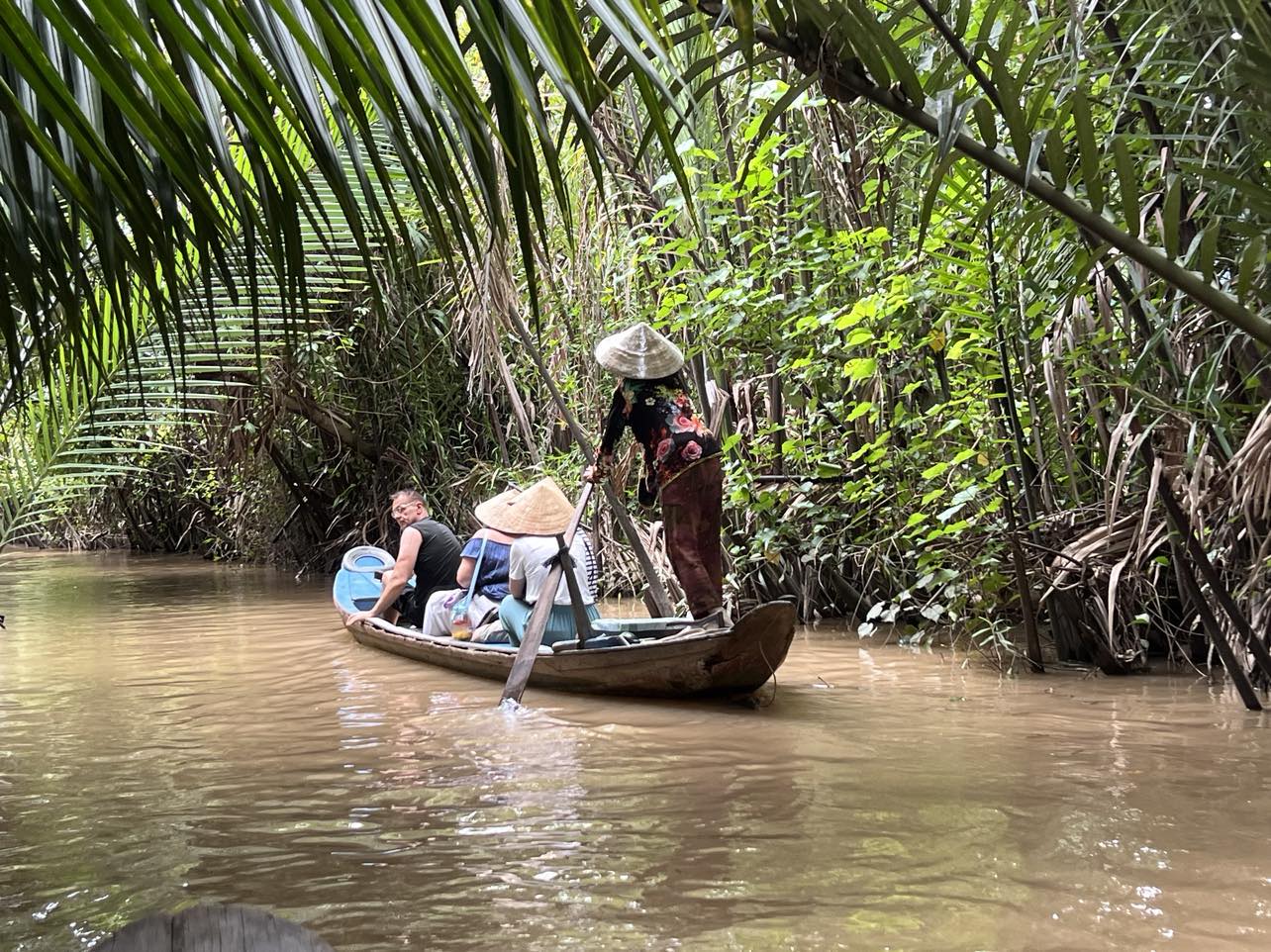
Boat tours in the Mekong Delta
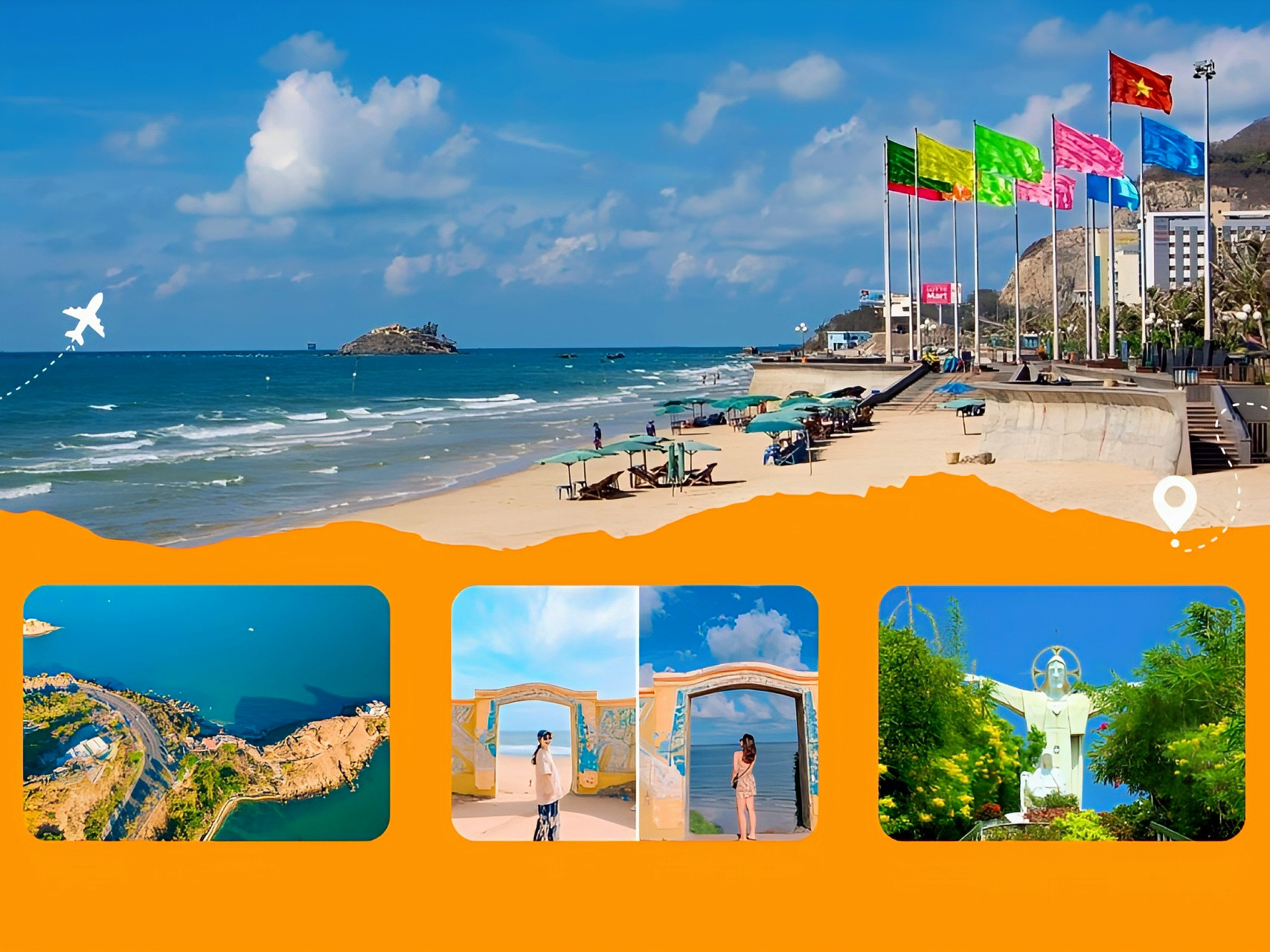
Beach relaxation in Vung Tau
Nature walks in Cần Giờ Mangrove Forest
Spa and wellness treatments
Visiting historical sites like the War Remnants Museum
Exploring local markets and temples
Best Time to Visit
December to April
This is the dry season with lower humidity and less rain, making it ideal for outdoor activities and sightseeing. The weather is generally pleasant, though it can be quite hot.
25-35°C
77-95°F
Practical Information
Language
- Official: Vietnamese
- Widely spoken: English
- English: Moderately spoken in tourist areas, limited in other areas
Currency
Vietnamese Dong (VND)
Time Zone
GMT+7
Electricity
220VV, 50HzHz
Safety Information
Overall Safety Rating: Generally safe, but exercise caution in crowded areas and at night
Ho Chi Minh City is generally safe for travelers, but petty crime and scams can occur, especially in crowded areas and at night. Exercise caution and be aware of your surroundings.
Important Precautions:
- • Use licensed taxis or ride-hailing apps
- • Keep valuables secure and out of sight
- • Bargain for better prices at markets
Getting there
By air
- Tan Son Nhat International Airport • 7 km from city center
By train
Saigon Railway Station
By bus
Mien Dong Bus Station, Mien Tay Bus Station
Getting around
Public transport
Buses are an affordable way to get around, but they can be crowded and slow due to traffic. Routes are numerous and well-marked.
Taxis
Available • Apps: Grab, Gojek
Rentals
Car, Bike, Scooter
Neighborhoods
District 1
District 3
District 5 (Chinatown)
District 7
Phu Nhuan District
Day trips
Mekong Delta
130 km from Ho Chi Minh City • Full day
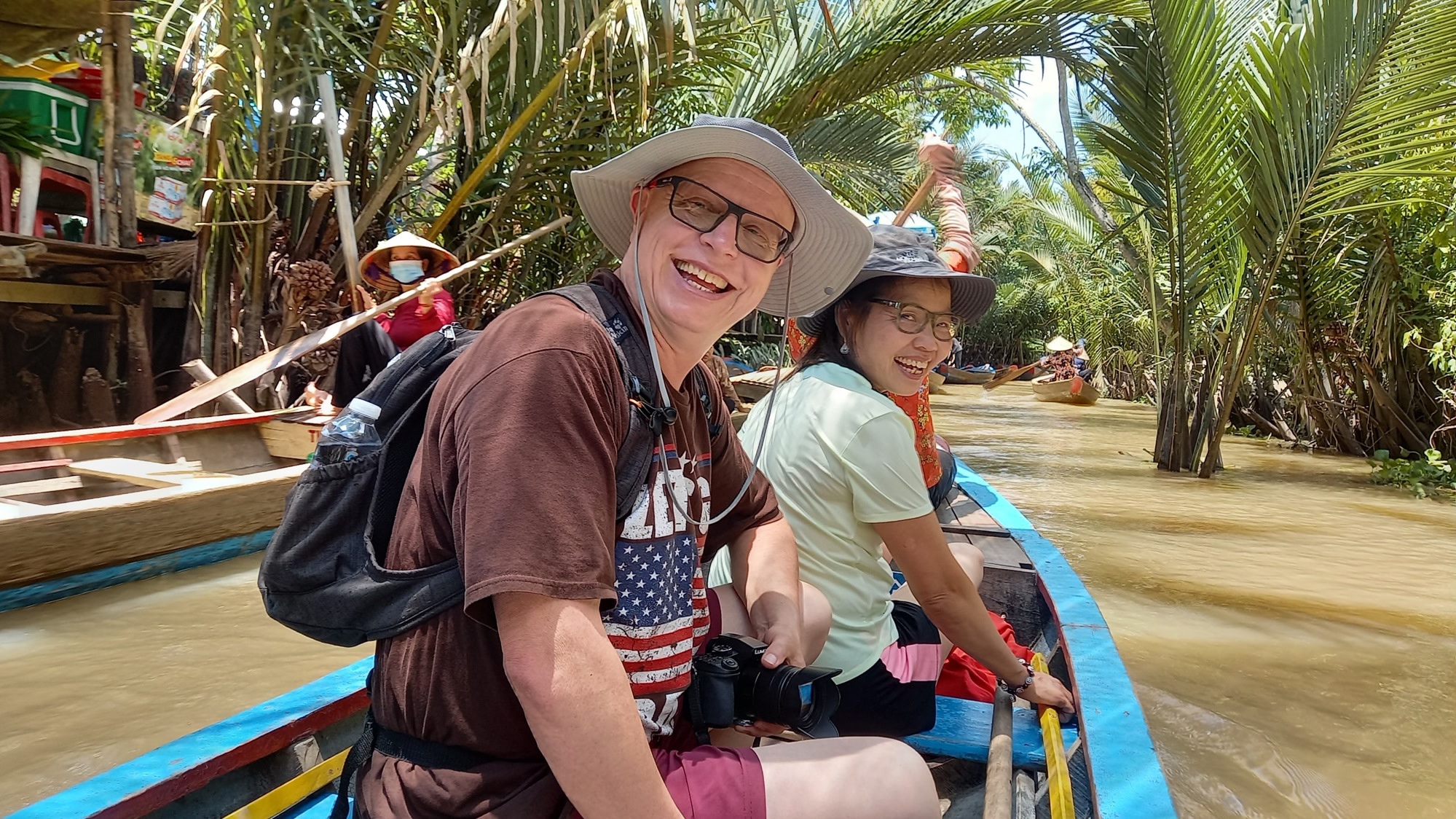
The Mekong Delta is a vast network of rivers, canals, and islands known for its lush landscapes, floating markets, and traditional villages. It offers a unique glimpse into rural Vietnamese life.
Cu Chi Tunnels
60 km from Ho Chi Minh City • Half day
A network of underground tunnels used by Viet Cong soldiers during the Vietnam War. Visitors can explore the tunnels, learn about their history, and see various war relics.
Vung Tau
120 km from Ho Chi Minh City • Full day
A coastal city known for its beautiful beaches, seafood, and relaxed atmosphere. It's a popular destination for a day trip from Ho Chi Minh City.
Festivals
Tet Holiday (Vietnamese New Year) • January or February (varies each year)
Ho Chi Minh City International Film Festival • December (varies each year)
Mid-Autumn Festival • September or October (varies each year)
Pro tips
- Learn a few basic Vietnamese phrases to enhance your experience and interact with locals
- Use ride-hailing apps like Grab or Gojek for convenient and affordable transportation
- Bargain for better prices at markets and street vendors, but do so politely and with a smile
- Try street food and local eateries for an authentic and delicious culinary experience
- Visit popular attractions early in the morning or late in the afternoon to avoid crowds and the midday heat
From $25
per person
Price varies by option
Secure booking
Free cancellation available
Instant confirmation