Kathmandu Buddhist Tour
Active
9h - 10h
For a full refund, cancel at least 24 hours before the scheduled departure time.
Instant confirmation
Mobile or paper ticket accepted
About this experience
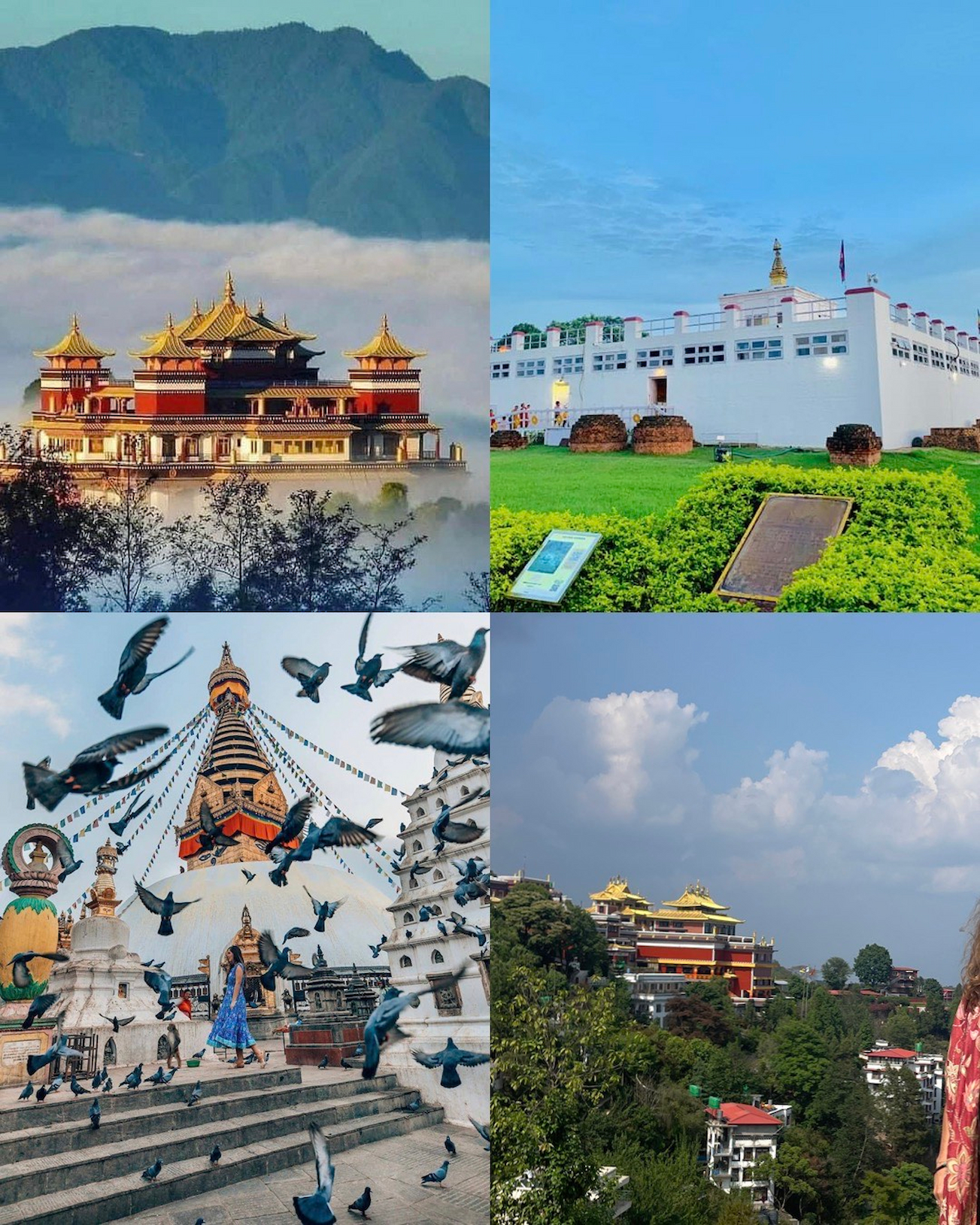
Kathmandu Buddhist tour surrounds you by the eternal feeling of peace, enigma and fruitfulness while visiting around various monasteries, stupas.People from all the religion who would like to study, research or learn more about Buddha, Buddhism culture, tradition, rituals and lifestyle can join Nepal Buddhism pilgrimage tour regardless their age and interest. In short you will be sightseeing around Swayambhunath stupa, Kopan monastery, Boudhanath stupa and around Kathmandu valley.
It is not only religious tour but also cultural because it familiarizes you with all the important UNESCO World Heritage Sites of Kathmandu.
Old-world stupas fascinating structures are also the illustrations of religious harmony that prevails in Nepal. It is truly one of the most awe-inspiring tours of Nepal that is guaranteed to make you fall in love with the country’s facets and ambiance. With Icicles there shall be no room for the tour to get any better!
Available options
Kathmandu Buddhist Tour
Pickup included
What's included
An English speaking tour guide during the trip inclusive his food, accommodation, salary
Icicles Adventure T – shirt, trekking map and trip achievement certificate
All our government taxes
All tour activities as per above program
Air-conditioned vehicle
Official expenses
First aid medical kit
Detailed itinerary
1
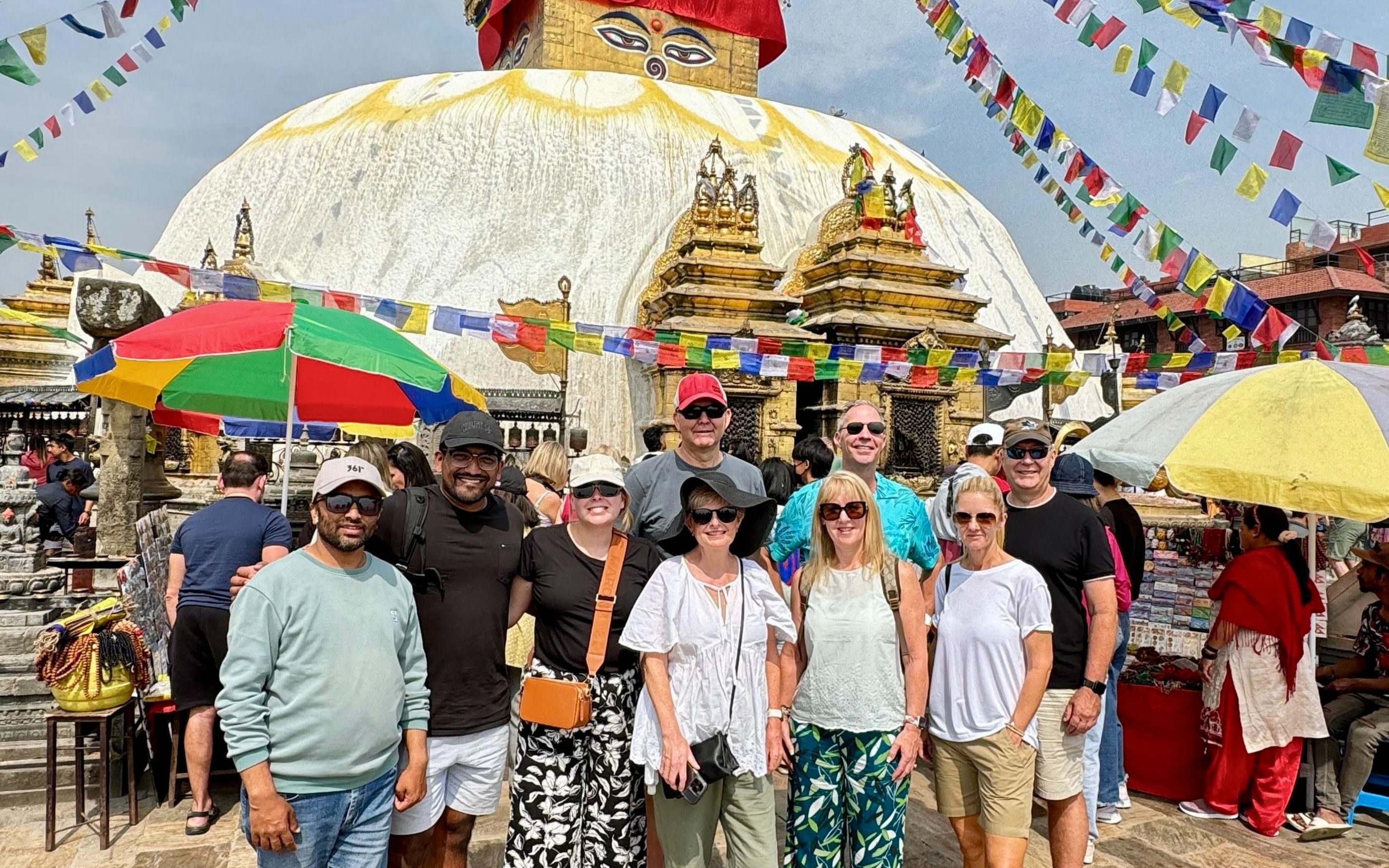
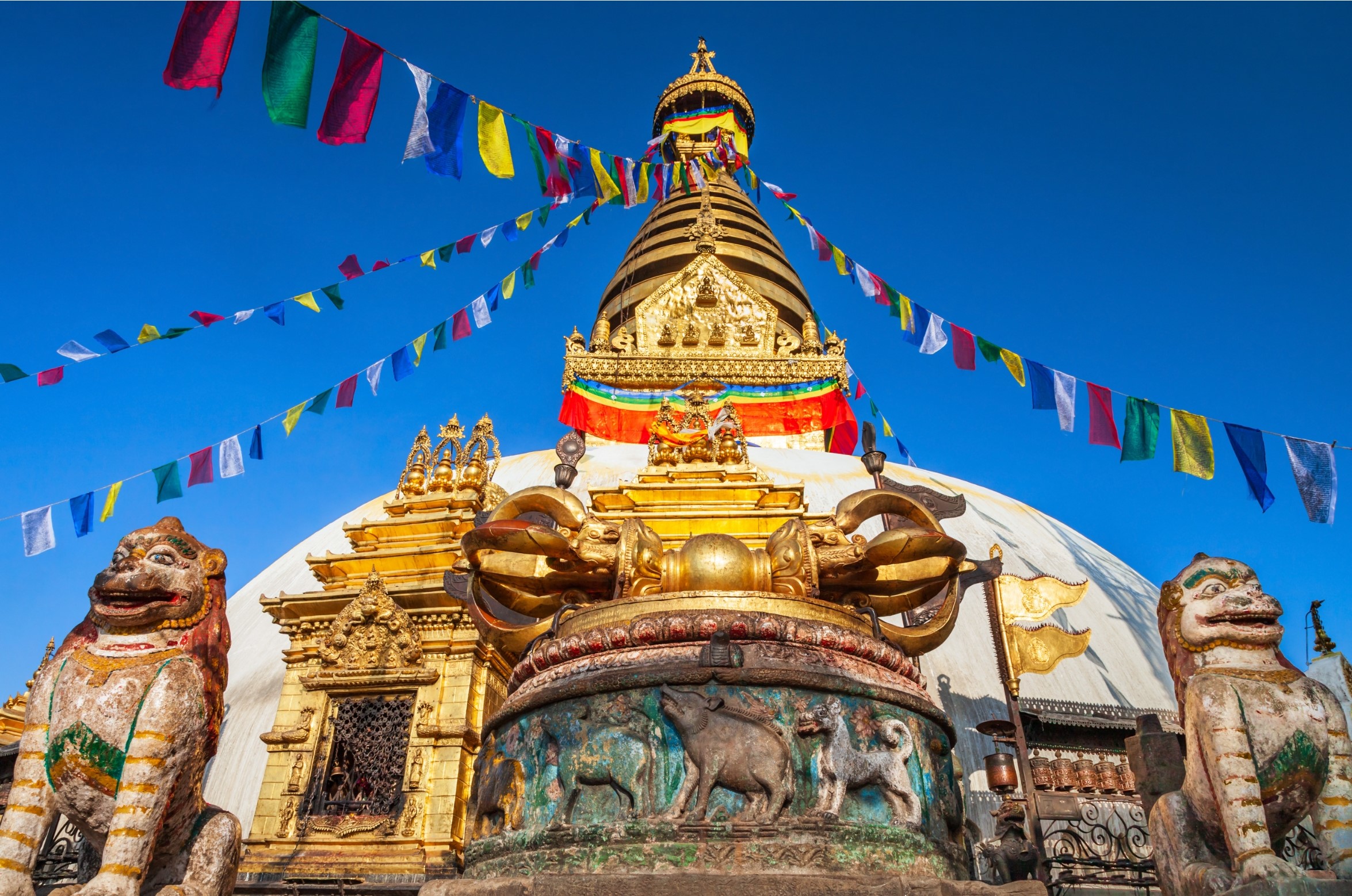
A journey up to the Buddhist temple and UNESCO World Heritage Site of Swayambhunath is one of the definitive experiences of Kathmandu. Mobbed by monkeys and soaring above the city on a lofty hilltop, the ‘Monkey Temple’ is a fascinating jumble of Buddhist and Hindu iconography. Even the 2015 earthquake failed to topple Kathmandu's best loved temple, though a couple of outlying buildings crumbled in the tremor.
Visitors for whom the name was a tongue twister have called it "Monkey Temple" from the 1970s. Swayambhu, overlooks most parts of the valley giving visitors a panoramic view of the city. The stupa has stood as a hallmark of faith and harmony for centuries with Hindu temples and deities incorporated in this Buddhist site. The glory of Kathmandu Valley is said to have started from this point.
Resting on a hillock 3 km west of Kathmandu, Swayambhu is one of the holiest Buddhist stupas in Nepal. It is said to have evolved spontaneously when the valley was created out of a primordial lake more than 2,000 years ago. This stupa is the oldest of its kind in Nepal and has numerous shrines and monasteries on its premises.
Legend says that once the Kathmandu valley was a lake in which Swayambhu hill existed as an island. On top of that hill stood a natural crystal stupa. Buddha, when visiting the place, declared that it was a wish-fulfilling stupa and whoever is touched by the wind that passes over the stupa receives the seed of liberation from the cycle of existence.
Swayambhu literally means "self-existent one". Believed to date back to 460 A.D., it was built by King Manadeva and by the 13th century, it had become an important center of Buddhism. Legend has it that Swayambhu was born out of a lotus flower that bloomed in the middle of a lake that once spread across the Kathmandu Valley once was. The largest image of the Sakyamuni Buddha in Nepal sits on a high pedestal on the western boundary of Swayambhu beside the Ring Road. Behind the hilltop is a temple dedicated to Manjusri or Saraswati - the Goddess of learning. Chaityas, statues and shrines of Buddhist and Hindu deities fill the stupa complex. The base of the hill is almost entirely surrounded by prayer wheels and deities. Devotees can be seen circumambulating the stupa at all times.
Exceedingly steep stone steps that lead up to the shrine is quite a challenge. However, there is also a motor road going up almost to the top from where it is a short walk. A large number of Buddhists and Hindus alike visit Swayambhu throughout the day. This shrine is perhaps the best place to observe religious harmony in Nepal. The largest crowds of people are seen here on Buddha's birthday which usually falls in May each year.
2
Natural History Museum of Nepal is situated on the lap of Swayambhu stupa, a world heritage site in the west hillock of Kathmandu valley. Swayambhu hillock is itself a famous place not only in the context of the culture, religion and history of Kathmandu valley, but also equally famous place for the early plant hunters in Nepal.
The museum's huge specimen collection is a treasure trove of Nepal's bio-diversity. There are 14,843 specimens of butterflies and moths; 4,142 of beetles; 1,464 of dragonflies and 1,604 of other insects. It also has six specimens of lower chordates, 890 of fish, 107 amphibians specimens, 390 of reptiles and 1,194 of birds. The museum's mammalian specimens total 225, and it also has 22 specimens of skeletons, besides 964 fossils and animal body parts. The museum also houses 107 models of plastic-clay and 74 of rock and minerals. Equally impressive is the museum's botanical and mycological collection: algae (124), fungi and mushrooms (2,320), lichens (61), bryophytes (1,124), pteridophytes (507), gymnosperms (163), and angiosperms (5,034).
The museum also has a specimen of the spiny babbler, Nepal's only endemic bird species. A specimen of the golden pheasant, an exotic bird from China, is also on display.
Also on display is a specimen of the Atlas moth, the largest moth species in the world.
The museum is now the only place to see a specimen of the mouse deer (Indian chevrotain), which is believed to be extinct in Nepal.
The museum has some bizarre specimens, among them an eight-legged embryo of a goat, a four-legged chick, and a two-headed snake.
The museum also some relics from the country's prehistoric times. There is a fossilized skull of the Archidiskodon, a species of elephant that roamed the Sivalik Hills Sivalik Hills of Nepal. Another ancient specimen is the molar teeth of Sivapithecus, a hominoid. The skull and the teeth are believed to be around 3 million years and 8-10 million years old respectively.
The museum is now the only place to see a specimen of the mouse deer (Indian chevrotain), which is believed to be extinct in Nepal.
3
This compound frequented by Tibetan pilgrims contains three enormous shining golden statues of Sakyamuni Buddha, a four-armed Chenresig and Guru Rinpoche, constructed in 2003.
The three huge golden statues dominate the small Buddha Park. They sit quietly staring over the heads of visitors, casting their gaze across western Kathmandu towards the mountains. It's hard to guess what they might be thinking and their expressions don't give much away. They glint in the sunlight, and perhaps their eyes twinkle.
You might get a crick in your neck looking up at the statues; they are big and they sit at the top of little flights of steps that elevate them even further. The statues are in the traditional style; they have distinctive faces, gentle hands, wear delicate robes, and two of them wear ornate crowns and lavish jewellery. Guru Rinpoche (an Indian Buddhist master) sits on the right. The Buddha Maitreya (future Buddha) sits on the left. And Buddha himself sits in the middle. There is no doubt that these statues are the star attraction. But there is more to see here.
Round the back of the statues, there's a slightly bizarre concrete mountain with a collection of little golden Buddha statues stuck to it. It looks like a miniature representation of the Himalayas with little stepped paths, mountain huts and a temple house. It has mini mani stones and lush green vegetation. It has plenty of color! Animals roam the upper slopes of the mountain and right on the top there's a flag.
4
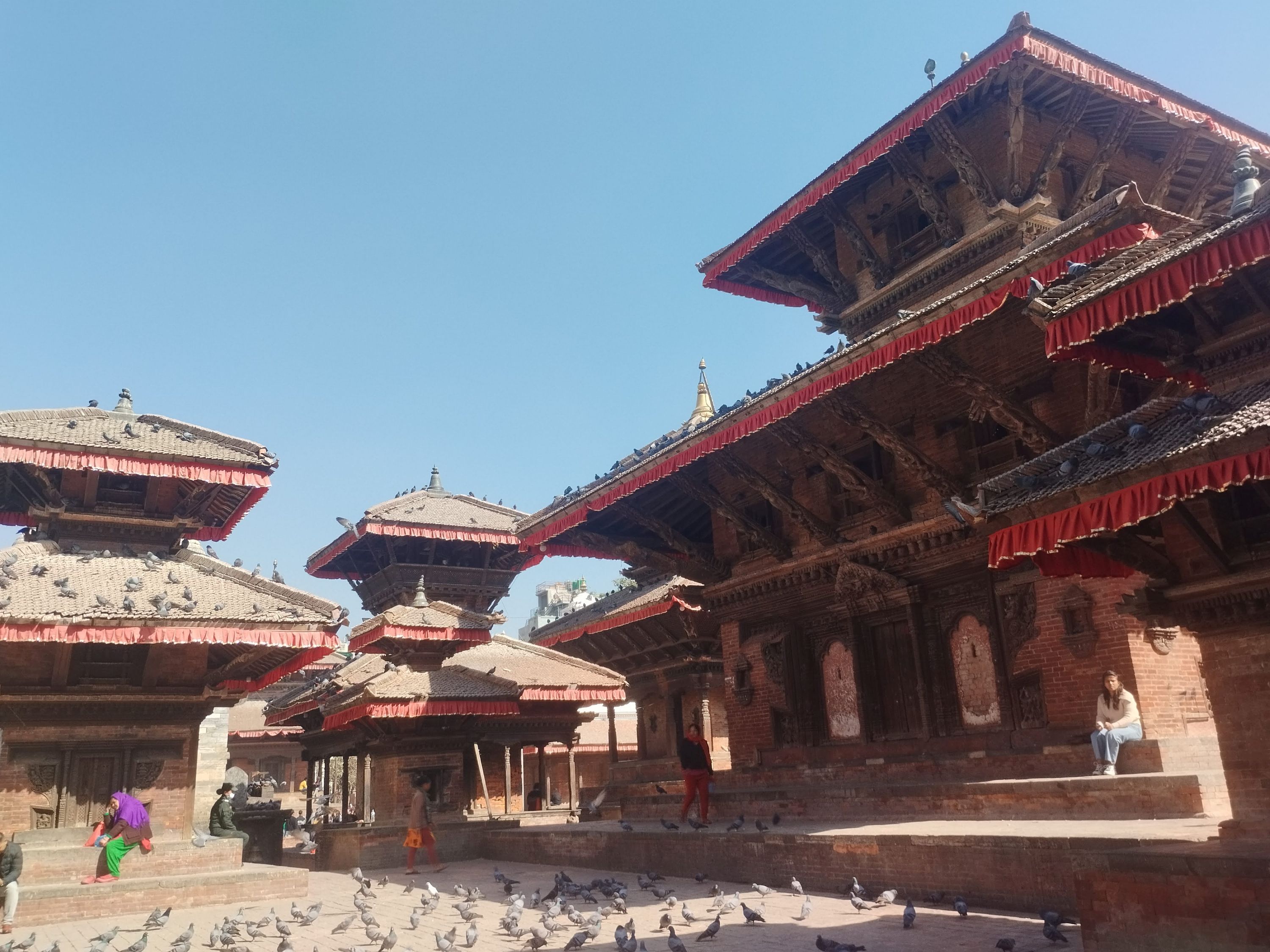
Discover ancient temples and monuments in the valley of the Gods where Hinduism and Buddhism co-exist in perfect harmony. Learn about the myths and legends that shaped the lifestyle of Nepalis for centuries, since ancient times.
Savor traditional Newari food cooked on wood ovens while you stroll through the charming little alleys around the Durbar Squares of the three cities of the Kathmandu Valley; Bhaktapur, Patan or Kathmandu.
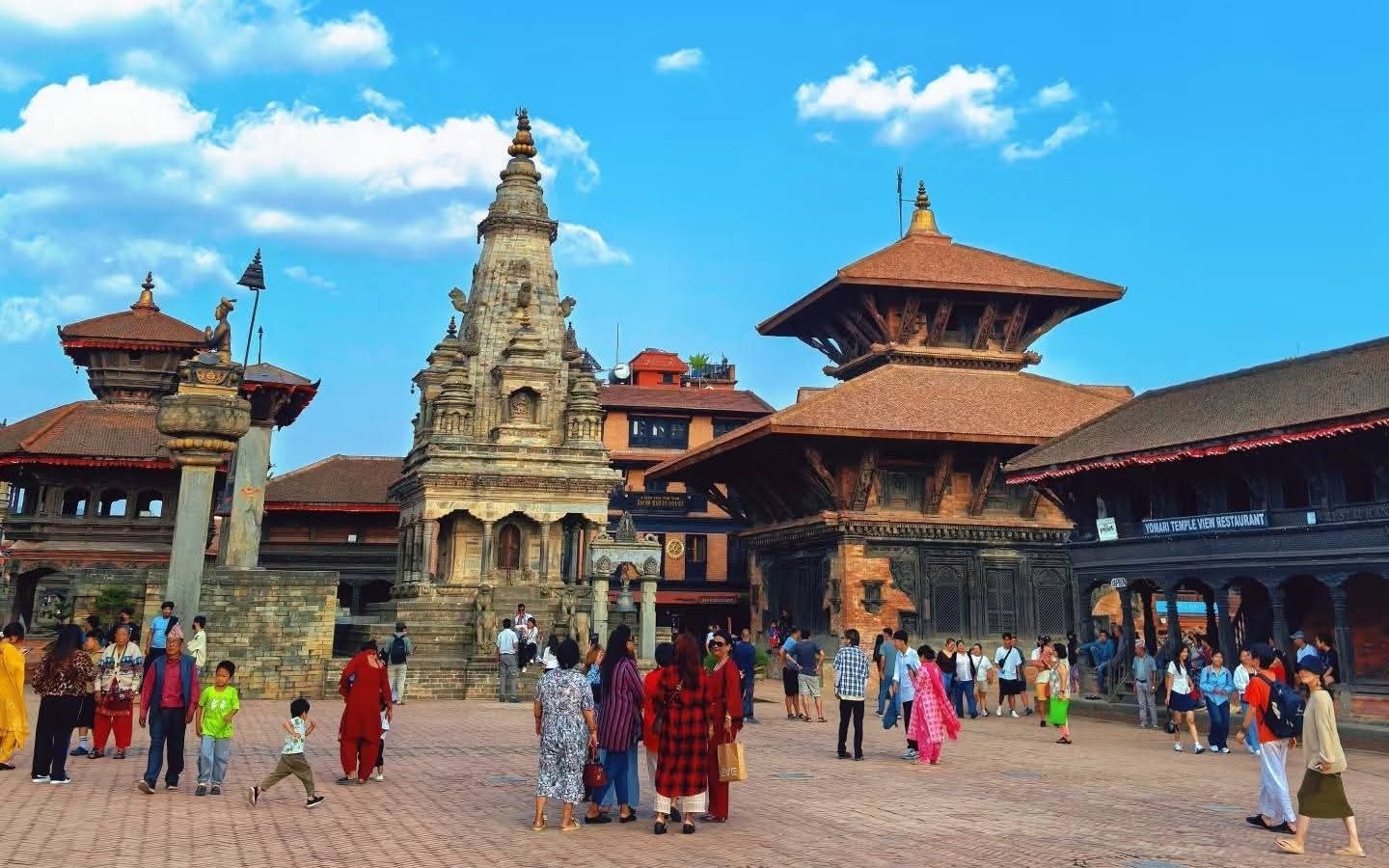
Buy handicrafs from artisans who still work according to old traditions that go back centuries. Admire the fine architecture and exquisite woodcarvings of Newar craftsmen whose artistic brilliance are showcased around the three cities in the form of temples and monuments built centuries ago.
5
Stop 5
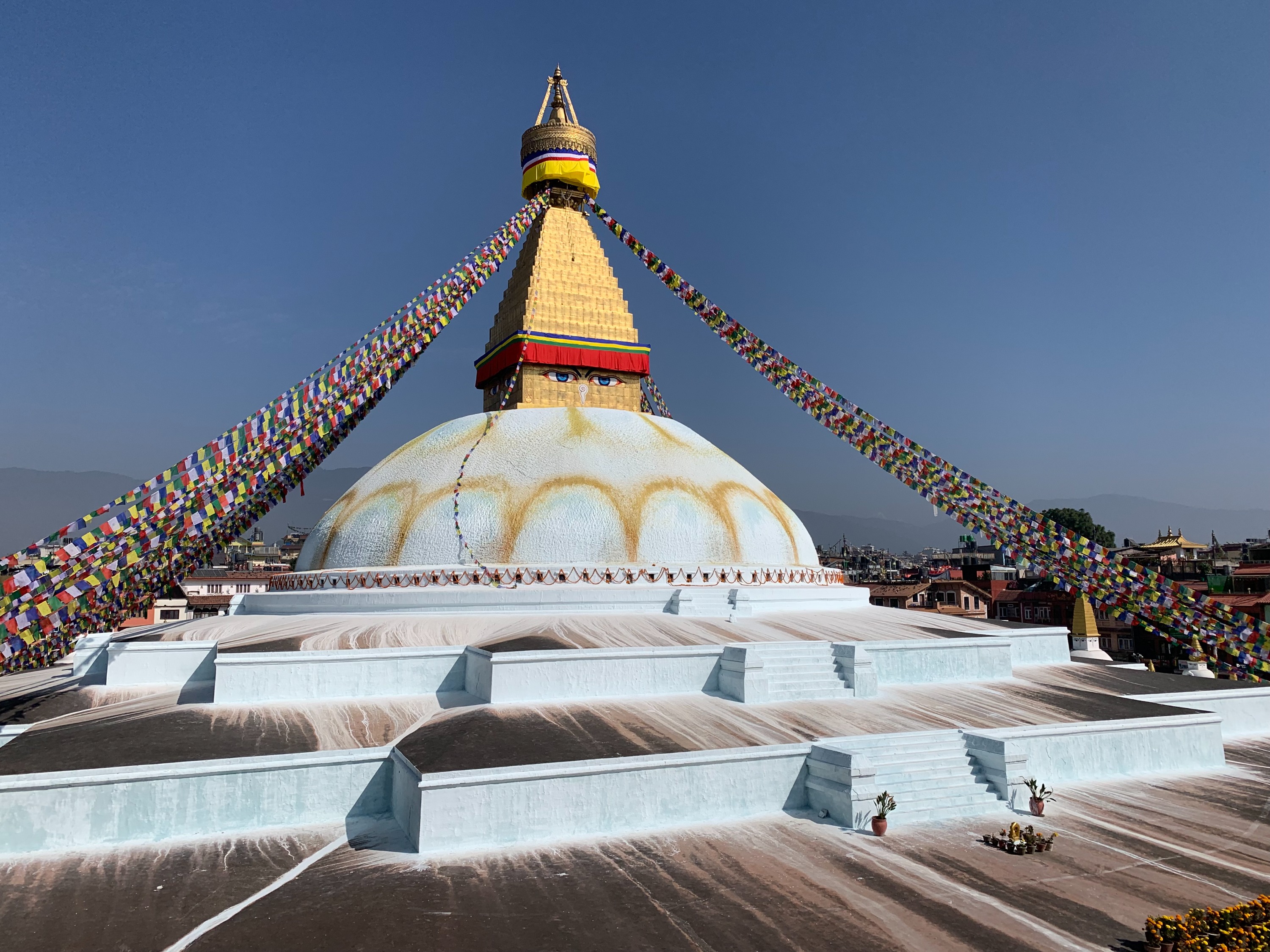
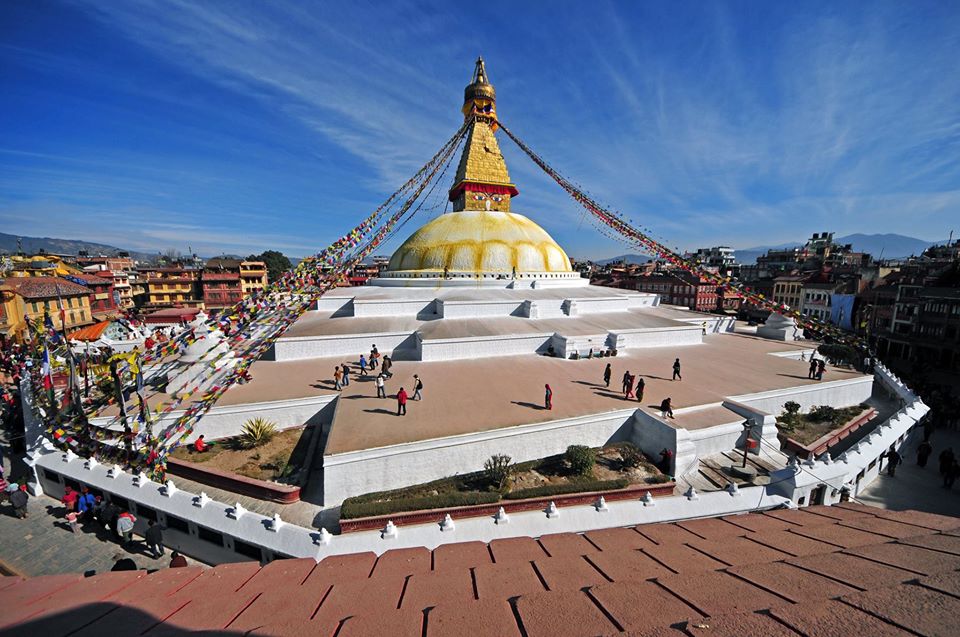
Take an early morning or evening stroll around the inspiring white dome buzzing with energy; observe the devout people circumambulating, light a butter lamp and say a little prayer, look around for souvenirs, or enjoy the view from a rooftop restaurant with a hot cup of cofee. Boudha is always full of life.
Situated 8 km to the east of downtown Kathmandu, Boudha, is one of the UNESCO World Heritage sites and one of the most imposing landmarks in Kathmandu. Visible as soon as you land at the Tribhuvan International Airport, it is the largest stupa in the Kathmandu Valley.
The 36-meter-high stupa of Boudha is massive and dominates the skyline in the area. With countless monasteries around it, Boudha is the center of Tibetan Buddhism in Nepal.
Built in the shape of a mandala designed to replicate the Gyangtse of Tibet, the stupa was renovated by Licchhavi rulers in the 8th century. The location of the stupa is interesting as it once lay on the ancient trade route to Tibet and it was here that Tibetan merchants rested and offered prayers for many centuries. It is one of the major pilgrimage sites for Buddhists from around the world.
According to legend, the king constructed the stupa as an act of penance after unwittingly killing his father. The first stupa was wrecked by Mughal invaders in the 14th century, so the current stupa is a more recent construction.
The highly symbolic construction serves in essence as a three-dimensional reminder of the Buddha’s path towards enlightenment. The plinth represents earth, the kumbha (dome) is water, the harmika (square tower) is fire, the spire is air and the umbrella at the top is the void or ether beyond space. The 13 levels of the spire represent the stages that a human being must pass through to achieve nirvana.
Stupas were originally built to house holy relics and some claim that Boudhanath contains the relics of the past Buddha, Kashyapa, while others say it contains a piece of bone from the skeleton of Siddhartha Gautama, the historical Buddha. Around the base of the stupa are 108 small images of the Dhyani Buddha Amitabha (108 is an auspicious number in Tibetan culture) and a ring of prayer wheels, set in groups of four or five into 147 niches.
To reach the upper level of the plinth, look for the gateway at the north end of the stupa, beside a small shrine dedicated to Hariti (Ajima), the goddess of smallpox. The plinth is open from 5am to 6pm (till 7pm in summer), offering a raised viewpoint over the tide of pilgrims surging around the stupa. Note the committed devotees prostrating themselves full-length on the ground in the courtyard on the east side of the stupa.
6
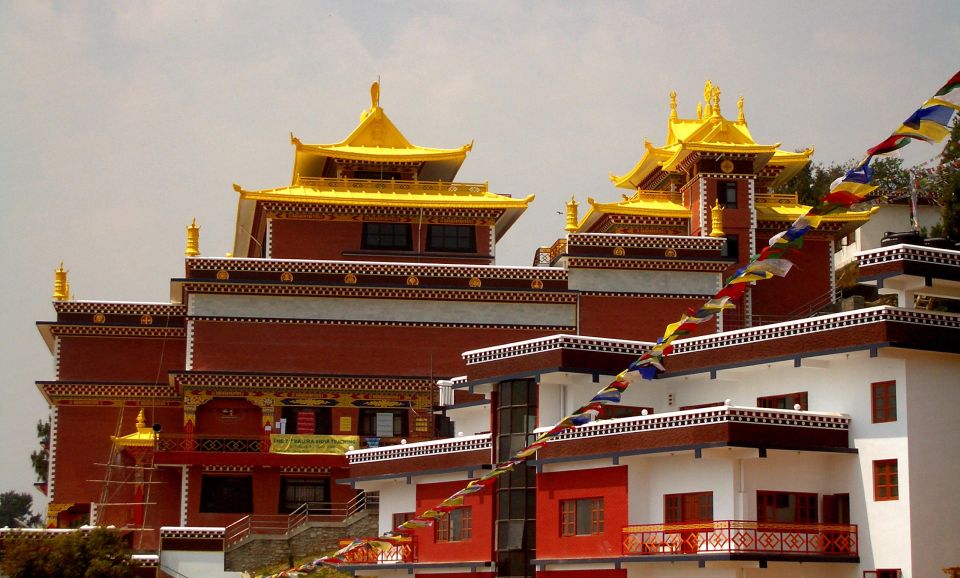
Perched on a hill not far north of Boudha, Kopan Gumba is one of the most popular monasteries of Tibetan Buddhism. Each year a large number of foreigners arrive here to study Buddhism and meditation. Kopan Monastery was founded by Lama Thubten Yeshe who died in 1984. Interestingly, a small Spanish boy named Osel Torres became his successor after he was declared a reincarnation of the great Lama. However, the reincarnation does not reside at Kopan anymore.
It is the home of 360 monks, lamas, teachers and workers. The monks come from all areas of Nepal and Tibet with ages ranging from seven to sixty years old. They have devoted their lives to the study and practice of the teachings of Buddha Shakyamuni, with special emphasis on the teachings of Lama Tsong Khapa, the founder of the Gelug Lineage.
Visitors from all over the world come here to attend courses and enjoy the spiritual atmosphere of the place for study and practice.
Kopan is committed to helping all beings develop their full potential of infinite wisdom and compassion as taught by our founder, Lama Thubten Yeshe, and spiritual director Lama Zopa Rinpoche.
Kopan Monastery is affiliated with the Foundation for the Preservation of the Mahayana Tradition (FPMT), an organization devoted to the transmission of the Mahayana Buddhist tradition and values worldwide through teaching, meditation, and community service. FPMT provides integrated education through which people's minds and hearts can be transformed into their highest potential for the benefit of others, inspired by an attitude of universal responsibility.
Populas Courses:
Discover Buddhism:The Discover Buddhism courses give you an overview over Tibetan Buddhist principles and meditations in the form of the Lam Rim, the complete path to Enlightenment. They are offered as a ten-day or seven-day course. The ten day course includes a two day silent retreat, perfect to get experience in meditation in a supportive, conducive environment. Or choose the 7-day course which might suit your time frame better. Also offered are some 5-day courses for those who only have a short time available.
The Next Step: The Next Step is a program of intermediary courses that has been specifically designed to look at topics covered in the standard ten-day introductory courses in more detail. It is suitable for anyone who would like to deepen his/her understanding of the essential topics contained in the Buddha’s teachings and, in particular, in the teachings on the lam-rim, the stages of the path to enlightenment, as set out in the Gelug school of Tibetan Buddhism.
Daily Dharma Talks: Daily Dharma talks are offered during Private Stay times when there is no course or other event scheduled.
November Courses: The course is based on the teachings of Shakyamuni Buddha, which form a complete and gradual spiritual path (Lam Rim), leading to ultimate happiness and enlightenment. Through cultivating an awareness of our present conditions we gain an understanding of the nature of our dissatisfaction and unhappiness, the causes of these states of mind and how we can overcome them. We can then direct our energy to deal more effectively with any situation, be it positive or negative. Many of the ideas presented will be new and sometimes contrary to Western beliefs. We request you to come with an open mind and a willingness to analyze, question and contemplate the teachings as well as your own beliefs. To help you decide if this course is right for you, please read the extensive information below before booking for this course. More extensive information on this course will be available in May.
FPMT Basic Program
Retreats: The purpose of retreat is deepening the understanding of Dharma through intensive contemplation and integrating it into one's mind stream, in an quiet place. Undisturbed by worldly activity, the mind has the opportunity to turn inward and explore our inner world.
According to legend, the king constructed the stupa as an act of penance after unwittingly killing his father. The first stupa was wrecked by Mughal invaders in the 14th century, so the current stupa is a more recent construction.
7
Having reached Kapan Monastery, you might as well walk along the ridge and visit the Phulhari Monastery which sits on a hill higher than Kopan. The hike takes less than an hour. In between the two is the Vajrayan Monastery. Phulhari is worth a visit for the amazing Thangka paintings that adorn the entire facade and the interiors of the halls. The building was designed by an American architect /Buddhist monk who has combined the best of eastern and western architecture. Even the paintings lean towards more pastel colors rather than the bright colors usually associated with Tibetan Buddhism.
What's not included
Nepal visa arrangement and International airfare
Personal expenses such as phone calls, bar bills, laundry, etc)
Entry fee and tips for guide and driver
Available languages
Guide guide
EN
Written guide
EN
Important information
Wheelchair accessible
Infants and small children can ride in a pram or stroller
Public transportation options are available nearby
Specialized infant seats are available
Transportation options are wheelchair accessible
Suitable for all physical fitness levels
About Kathmandu
Kathmandu, the capital of Nepal, is a vibrant blend of ancient history, rich culture, and stunning Himalayan scenery. Known as the 'City of Temples,' it's home to seven UNESCO World Heritage Sites, including the iconic Swayambhunath Stupa and Pashupatinath Temple. The city offers a unique mix of traditional Newari architecture, bustling markets, and modern urban life.
Top Attractions
Swayambhunath Stupa (Monkey Temple)
One of the most iconic landmarks in Kathmandu, this UNESCO World Heritage Site is a Buddhist stupa perched on a hilltop, offering panoramic views of the city and surrounding mountains. It's also home to many monkeys, hence the nickname.
Religious/Historical
1-2 hours
Free (donations welcome)
Pashupatinath Temple
One of the most sacred Hindu temples in the world, dedicated to Lord Shiva. Located on the banks of the Bagmati River, it's a major pilgrimage site with a lively atmosphere, especially during festivals.
Religious
2-3 hours
Free for Hindus, NPR 1000 (USD 8) for non-Hindus
Boudhanath Stupa
One of the largest stupas in the world and a UNESCO World Heritage Site, Boudhanath is a major center for Tibetan Buddhism. The surrounding area is filled with monasteries, shops, and cafes, creating a vibrant cultural hub.
Religious/Historical
2-3 hours
Free (donations welcome)
Kathmandu Durbar Square
A UNESCO World Heritage Site, this historic square is the heart of the old city and features ancient palaces, temples, and courtyards. It's a living museum showcasing the city's rich history and Newari architecture.
Historical/Architectural
1-2 hours
NPR 1000 (USD 8) for foreigners
Bhaktapur Durbar Square
Located in the ancient city of Bhaktapur, this UNESCO World Heritage Site is a well-preserved example of Newari architecture. It features beautiful temples, palaces, and courtyards, offering a glimpse into Nepal's royal history.
Historical/Architectural
Half-day trip
NPR 1500 (USD 12) for foreigners
Must-Try Local Dishes
Dal Bhat
A staple meal consisting of lentil soup (dal), rice (bhat), and vegetable curry (tarkari). Often served with pickles, salad, and sometimes meat.
Lunch/Dinner
Vegetarian (can be made vegan by omitting ghee)
Momo
Steamed or fried dumplings filled with meat (buffalo, chicken, or pork) or vegetables, served with a spicy tomato-based sauce.
Snack/Appetizer
Vegetarian options available, can be made vegan
Sel Roti
A sweet, ring-shaped fried bread made from rice flour, sugar, and water, often served during festivals and celebrations.
Snack/Dessert
Vegetarian (may contain eggs in some recipes)
Gundruk
A fermented leafy green vegetable, often cooked with spices and served as a side dish or added to soups and stews.
Side Dish
Vegetarian, vegan, and gluten-free
Popular Activities
Trekking
Mountain biking
Paragliding
Rafting
Yoga and meditation retreats
Spa treatments
Café hopping
Gardening
Best Time to Visit
October to November and March to April
These months offer pleasant weather, clear skies, and excellent visibility for trekking and sightseeing. The city is lively with festivals and cultural events.
20-30°C (68-86°F)
68-86°F
Practical Information
Language
- Official: Nepali
- Widely spoken: English, Hindi, Newari, Maithili, Bhojpuri
- English: Moderately spoken in tourist areas, limited in rural areas
Currency
Nepalese Rupee (NPR)
Time Zone
Nepal Standard Time (NPT, UTC+5:45)
Electricity
230VV, 50HzHz
Safety Information
Overall Safety Rating: Exercise caution
Kathmandu is generally safe for travelers, but petty crime, scams, and pickpocketing can occur, especially in tourist areas and crowded markets. Be cautious of your surroundings, keep valuables secure, and avoid walking alone at night in poorly lit areas.
Important Precautions:
- • Use reputable tour operators and trekking agencies
- • Insist on using the meter when taking taxis
- • Keep valuables secure and out of sight
Getting there
By air
- Tribhuvan International Airport • 5 km (3 miles) from city center
By bus
Galkopul, Kalanki
Getting around
Public transport
Buses are the most common form of public transport, but they can be crowded and slow. Microbuses are smaller and more frequent.
Taxis
Available • Apps: Pathao, InDriver
Rentals
Car, Bike, Scooter
Neighborhoods
Thamel
Boudha
Patan (Lalitpur)
Bhaktapur
Day trips
Nagarkot
32 km (20 miles) from Kathmandu • Half-day to full-day trip
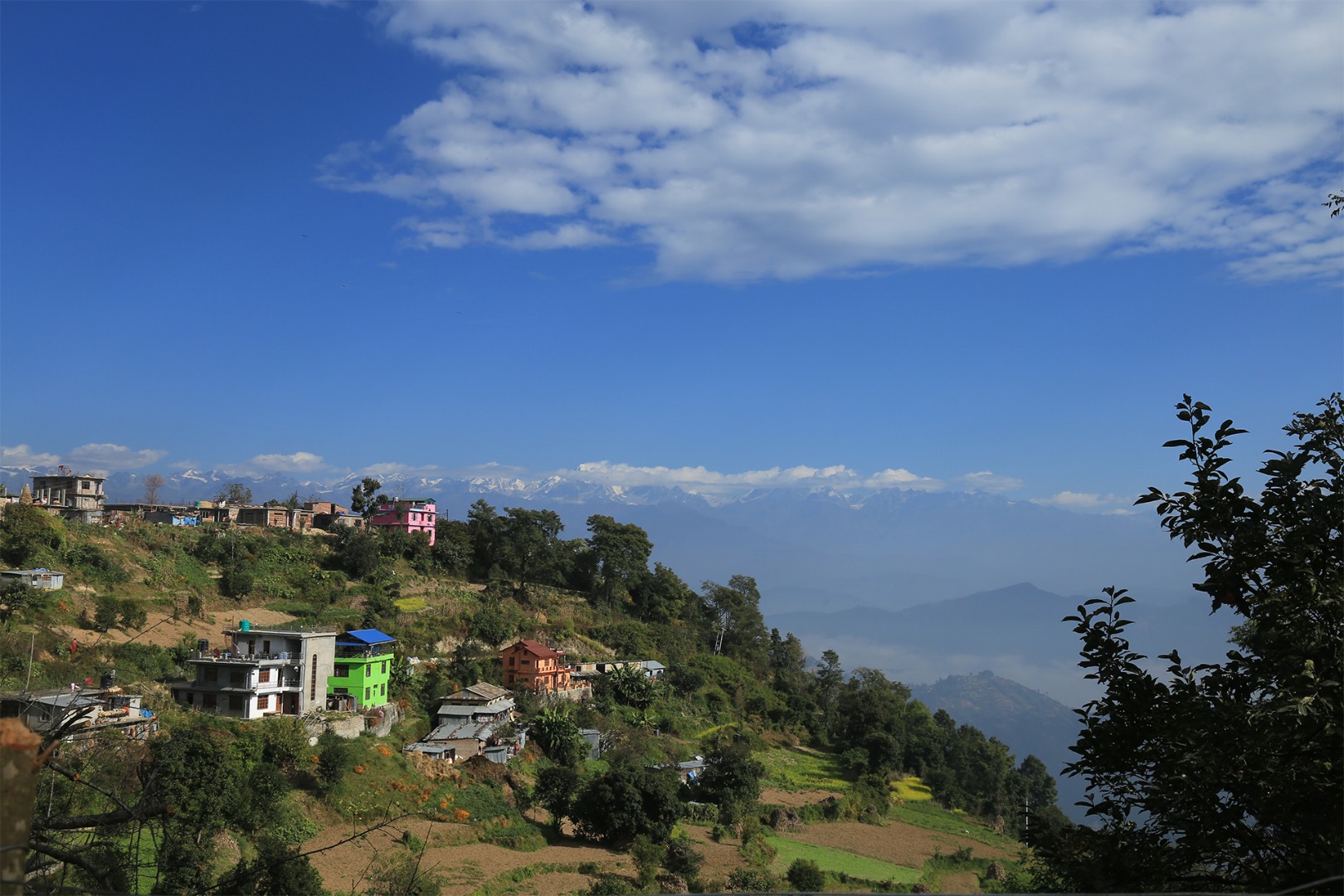
A picturesque hill station known for its stunning views of the Himalayas, including Mount Everest on clear days. Nagarkot is also famous for its sunrise and sunset views.
Dhulikhel
30 km (19 miles) from Kathmandu • Half-day to full-day trip
A charming Newari town offering beautiful views of the Himalayas and historic temples. Dhulikhel is less touristy than Nagarkot but equally scenic.
Changunarayan
18 km (11 miles) from Kathmandu • Half-day trip
A UNESCO World Heritage Site featuring an ancient temple dedicated to Lord Vishnu. Changunarayan is one of the oldest Hindu temples in the Kathmandu Valley and is known for its intricate stone and wood carvings.
Festivals
Dashain • September/October (dates vary each year)
Tihar • October/November (dates vary each year)
Indra Jatra • September (dates vary each year)
Pro tips
- Learn a few basic Nepali phrases to enhance your experience and connect with locals
- Hire a local guide or join a group tour for a more immersive and informative experience, especially when visiting temples and historical sites
- Carry small denominations of Nepalese Rupees for small purchases and tips, as change may be limited
- Be prepared for power outages and slow internet, especially during peak hours and in rural areas
- Stay hydrated and protect yourself from the sun, as the high altitude and intense sunlight can cause dehydration and sunburn
From $25
per person
Price varies by option
Secure booking
Free cancellation available
Instant confirmation