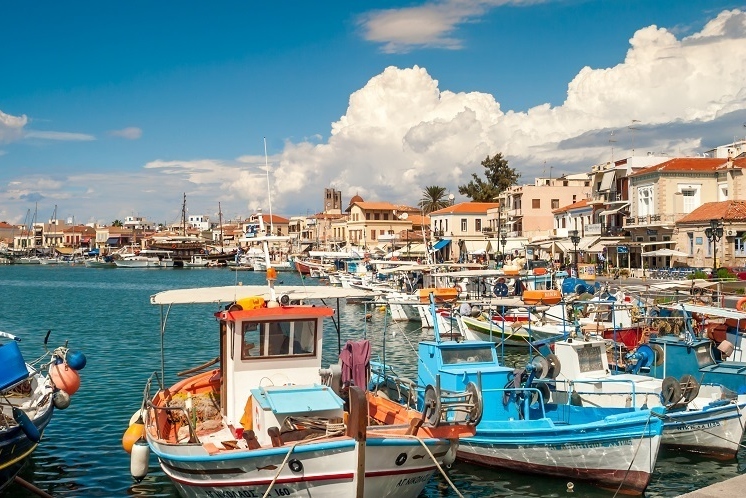
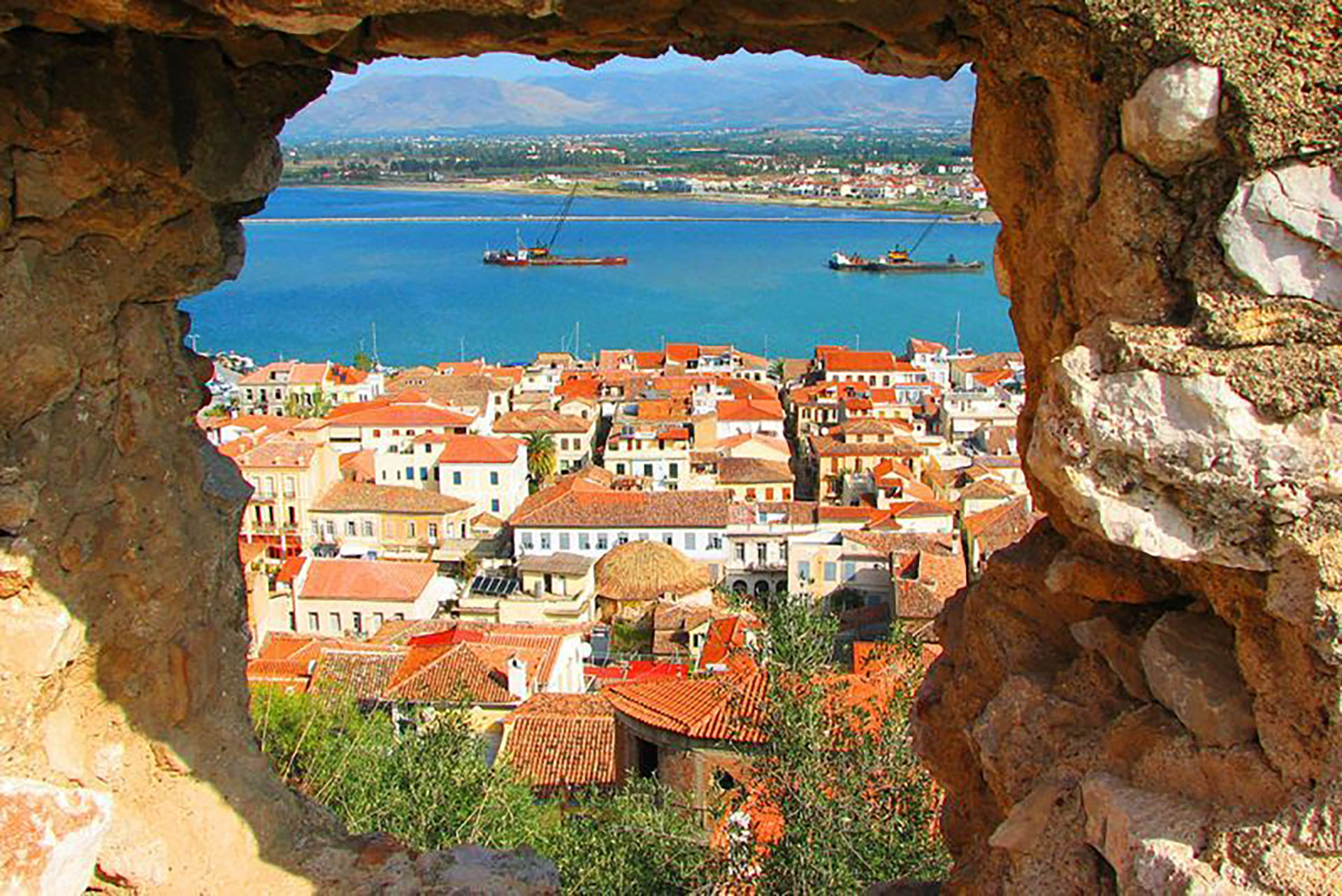
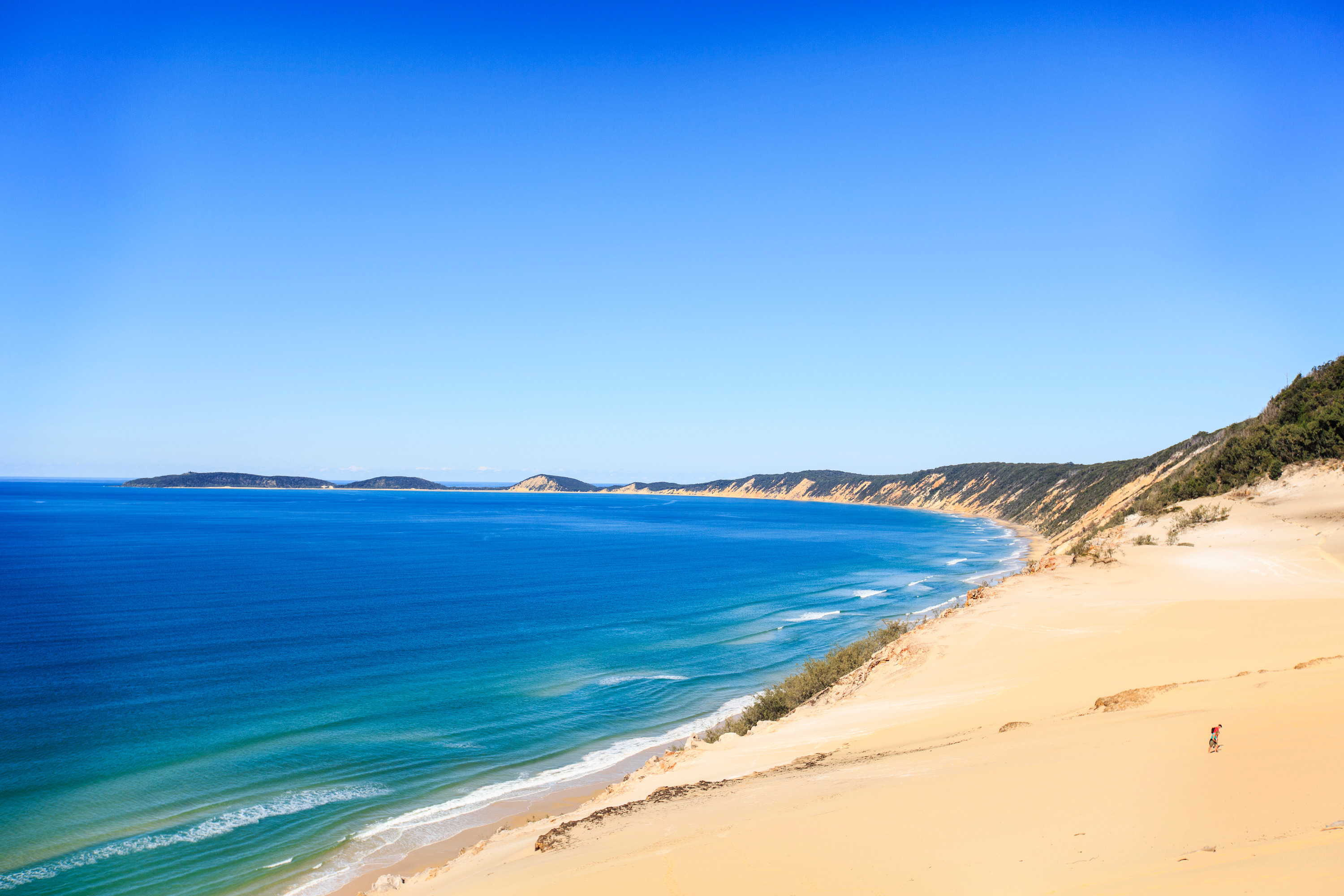
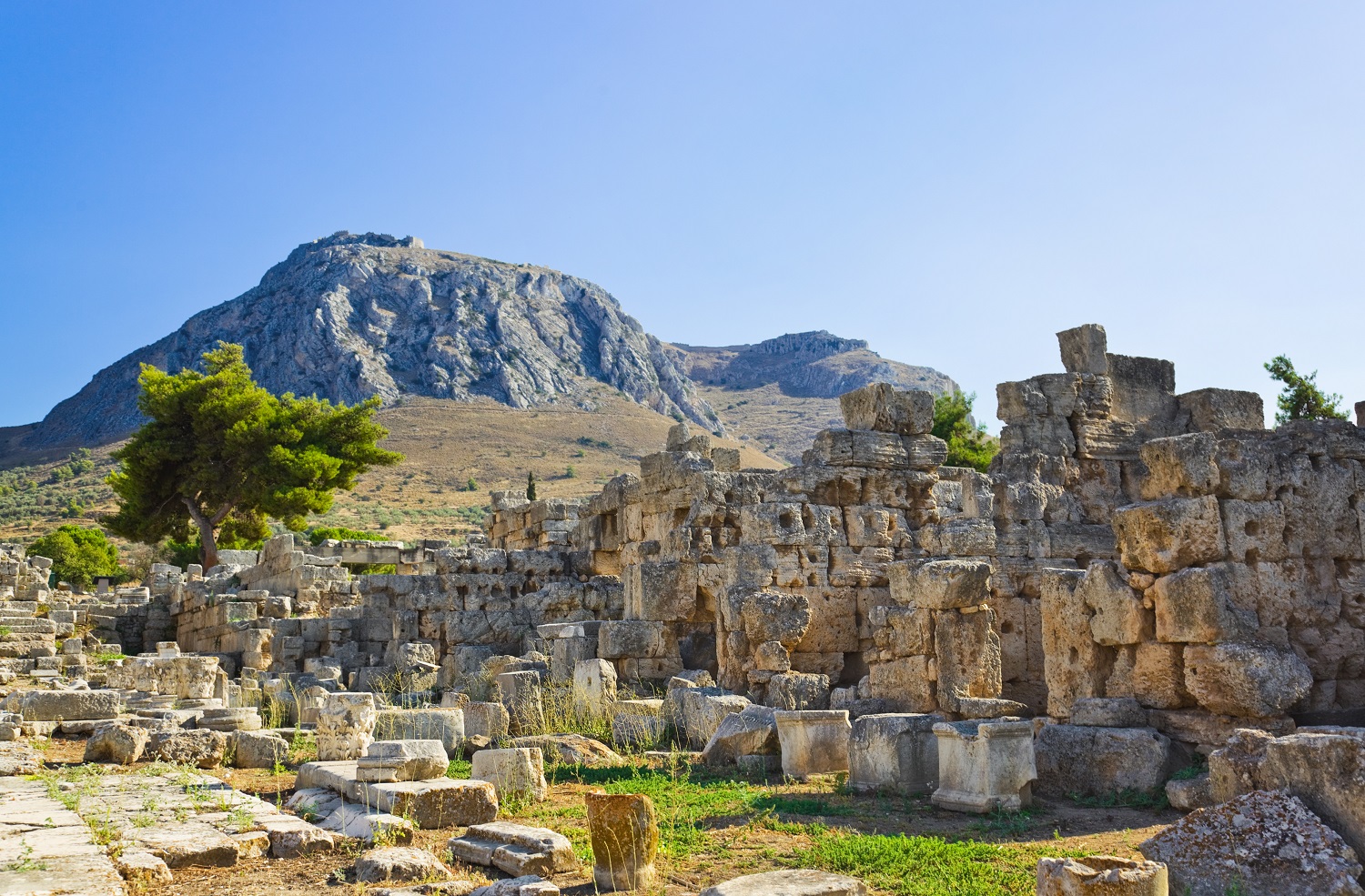
Epidavros sea kayak at the Ancient sunken city tour, small ancient theater
Active
4h
For a full refund, cancel at least 24 hours before the scheduled departure time.
Instant confirmation
Mobile or paper ticket accepted
About this experience
One unique tour from the sunken city to the ancient theater to the food tour through the time the history and civilization :
Four and half hours incredibly beautiful and amazing tour
Available options
Epidavros sea kayak at the Ancient sunken city tour, small ancient theater
Pickup included
What's included
Local organic products
Bottled water
Snorkels and masks
1st Aid and Sea Kayak safety equipment carried by your guides Personal Insurance Sea Kayak handling/safety briefing
Sea Kayak handling/safety briefing
Personal Insurance
Big dry Bag to keep your necessities
Photos and Videos sent to you at a later date
What you'll see
Sunken city, Little Theatre of Epidaurus.
Probably the best outing of our group, due to its unique combination of history, culture, gastronomy, folklore, fun and entertainment.
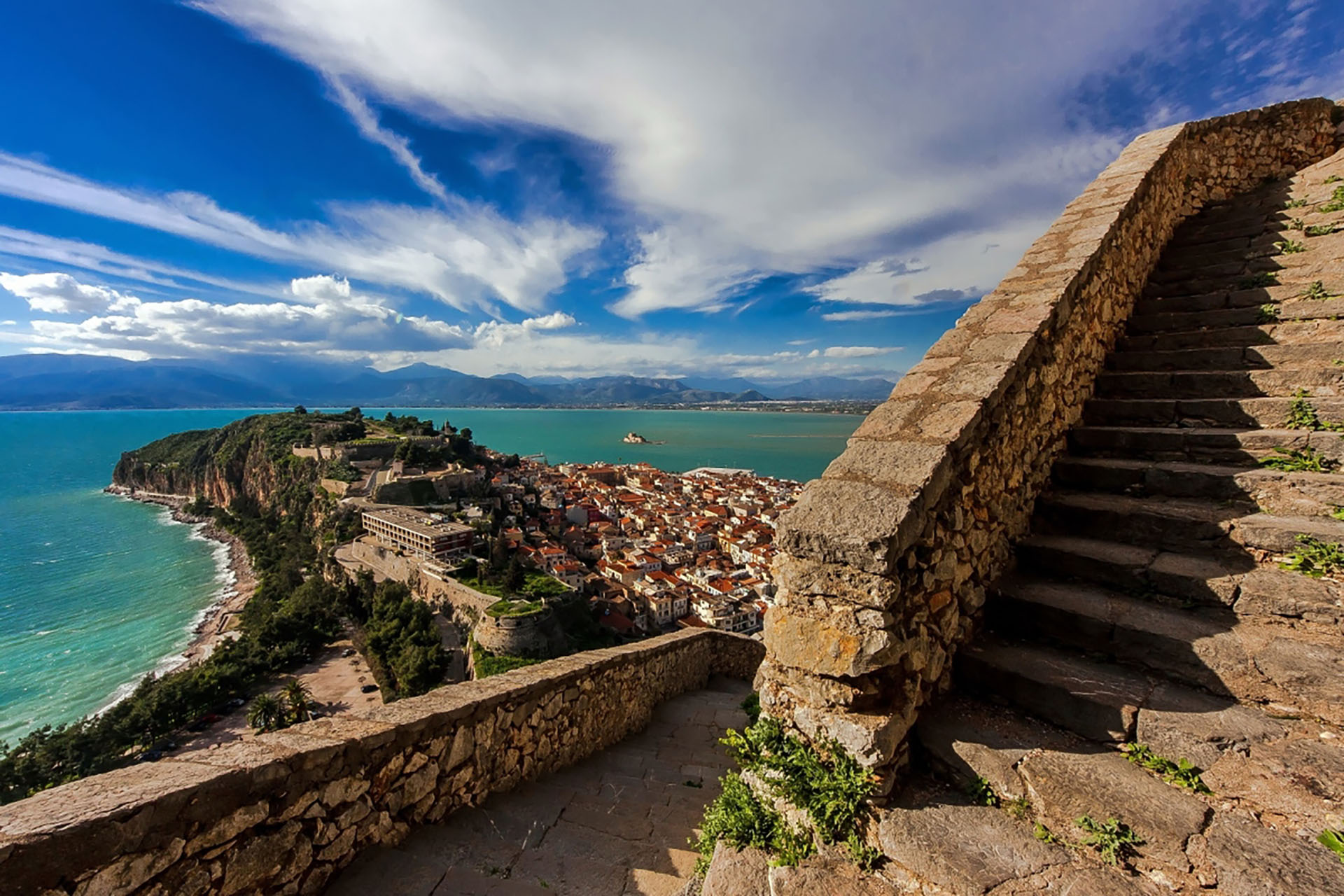
Our incredible experience begins at Yialasi Beach, located a short stroll from the center of Epidaurus. We will paddle westward to the famous Sunken City, also known as Argolida’s Lost Atlantis, with a great view of the imposing Volcano of Methana.
The city was built 500 AC. You can see the remains of it and in some places even the ancient breakwater is still preserved. Walls, foundations of buildings, amphorae of huge dimensions and paved sections are sunken, meters below sea level, and only few meters away from shore. Being only two meters in depth, makes it a unique location for underwater site-seeing, snorkeling and underwater pictures.
Once we reach the seabed, we will give you masks to swim among the ancient ruins, take photos, observe the unique colorful fish and experience for yourselves the aura and unique healing energy of Epidaurus (Epidaurus: the place where the aura works).
When we’ll manage to convince you to move on, our next destination is the Little Theatre of Epidaurus. The Little Theatre of Epidaurus is placed in an area called Nisi, near the port of Palea Epidaurus. It used to be the theatre of the ancient city-state and apart from drama performances, it also hosted religious and political celebrations. This theatre was discovered in the early 1970s, under a field of olive trees and its restoration process continues till today.
Its construction started in the 4th century B.C. and was originally built to cover the needs of this small city-state, so its size was not big. It had 9 tiers and 18 rows of seats and could host about 2,000 spectators. Some seats have inscriptions which show that the theatre was dedicated to god Dionysus and was built in sections.
This theatre was totally reformed in the Roman times: the orchestra became semi-circular and the seats were reordered. However, it is believed that the small theatre of Epidaurus was in function for only seven centuries since its construction, because the historian Pausanias, who visited the area in the middle of the 2nd century BC, didn't mention anything about it.
After several excavations and much restoration work performed over the last decades, the Epidaurus Little Theatre hosts today the annual Greek Festival, celebrated in summer with music, dance and theatre performances. There are seats for 800 spectators and work is done to restore more of them. The performances are mostly held in modern or ancient Greek.
At the end of our journey, we will continue through gastronomy, by visiting “Athina EcoFarm”. There, we will relax, rest and enjoy an amazing meal made of local organic products, all cultivated in the area according to the ancient way.
Having learned about ancient Greek heritage in cooking, cultivating and harvesting, we will return to our starting point, after an unforgettable journey among history, taste and culture.
Available languages
Guide guide
EN
Reviews breakdown
Viator
5.0
7 reviews
5★
7
4★
0
3★
0
2★
0
1★
0
Tripadvisor
5.0
89 reviews
5★
86
4★
3
3★
0
2★
0
1★
0
Important information
Wheelchair accessible
Infants and small children can ride in a pram or stroller
Service animals allowed
Public transportation options are available nearby
Transportation options are wheelchair accessible
All areas and surfaces are wheelchair accessible
Not recommended for travelers with spinal injuries
Not recommended for pregnant travelers
Not recommended for travelers with poor cardiovascular health
Suitable for all physical fitness levels
Meeting point
About Corinth
Corinth is an ancient city rich in history and mythology, strategically located between the Peloponnese and mainland Greece. It's famous for its canal, ancient ruins, and vibrant local culture, offering a blend of historical exploration and modern Greek life.
Top Attractions
Ancient Corinth
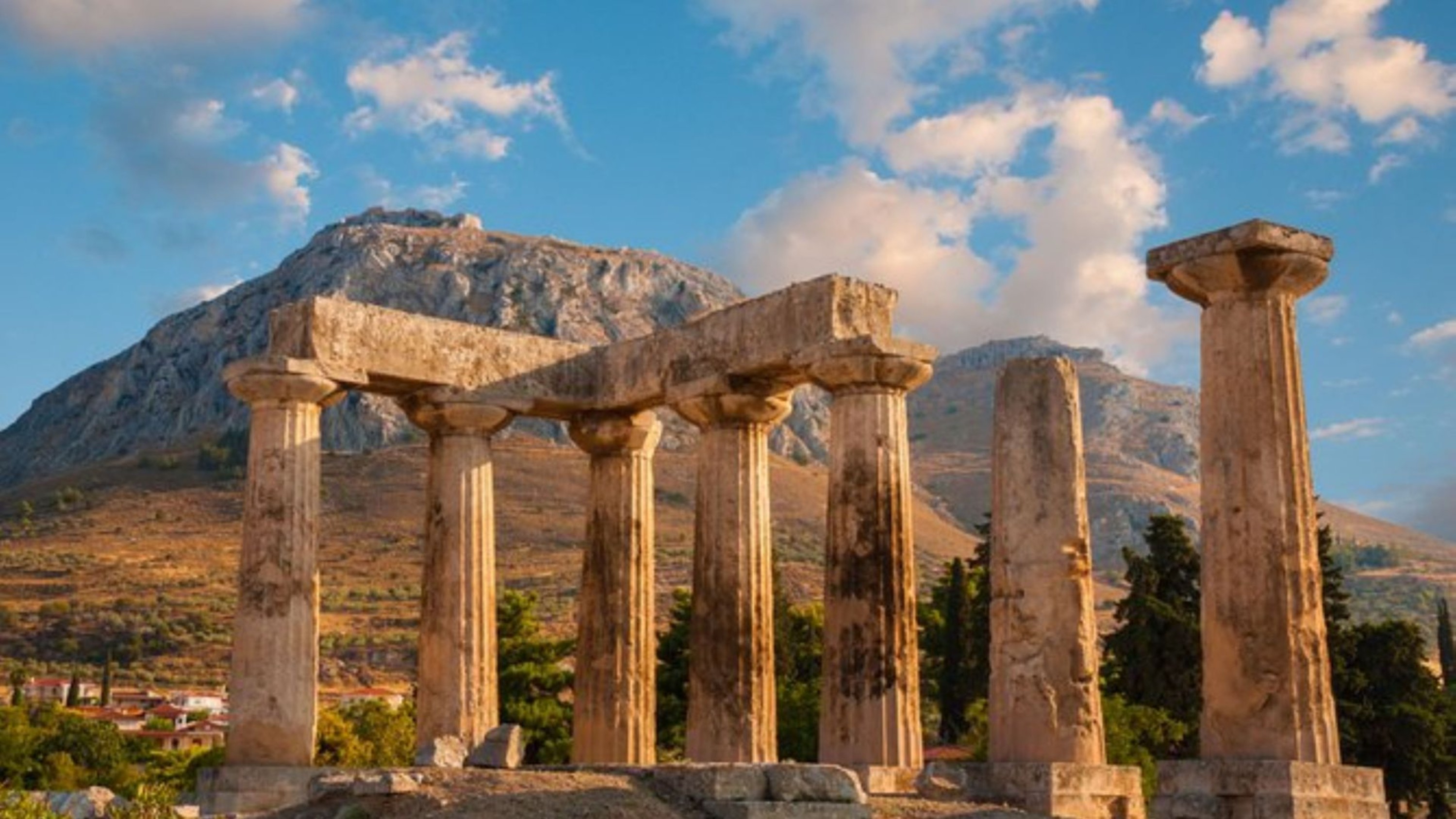
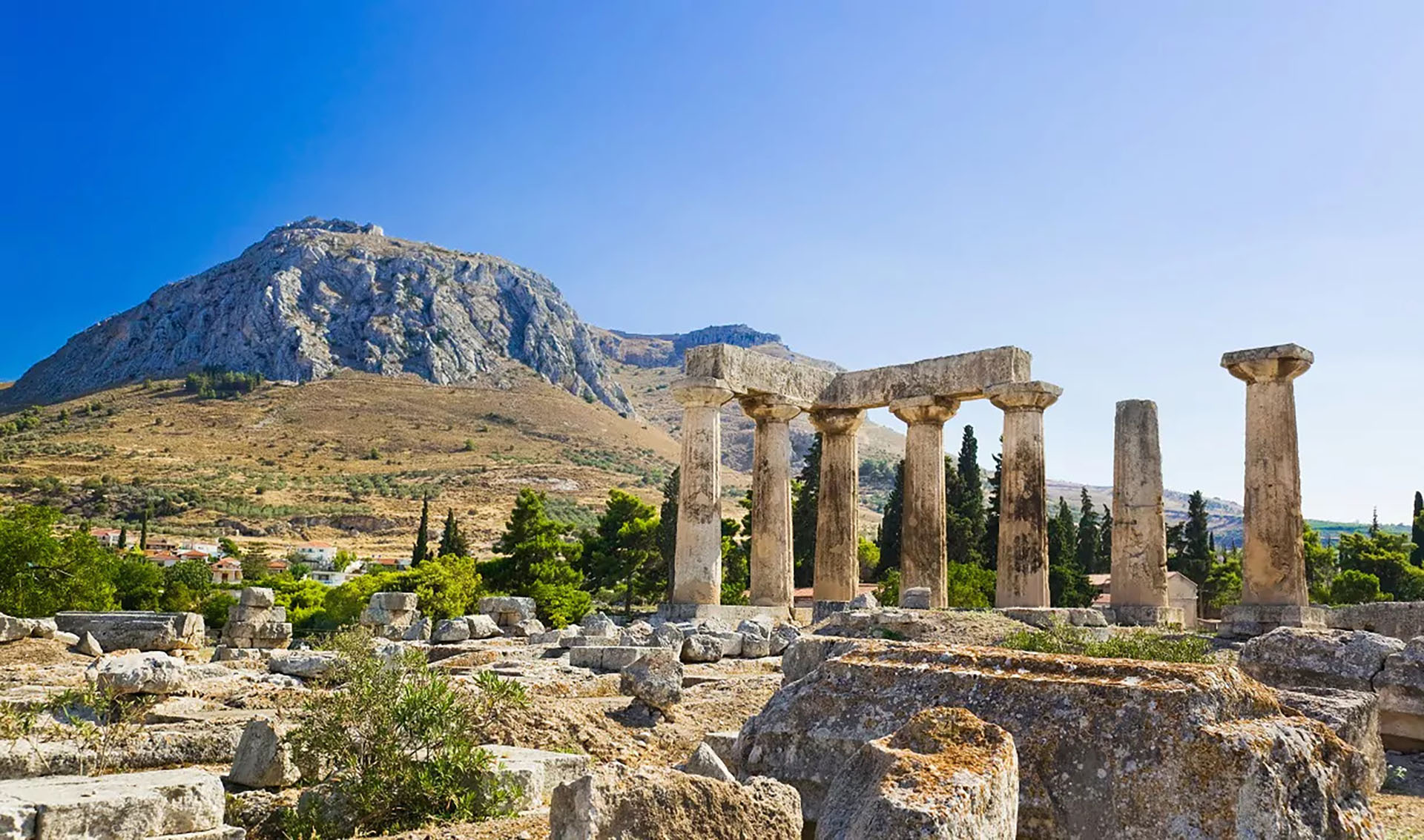
The ruins of Ancient Corinth date back to the 8th century BC and include the Temple of Apollo, the Agora, and the Fountain of Glauke.
Historical
2-3 hours
€8 (combined ticket for Ancient Corinth and the Archaeological Museum)
Corinth Canal
This iconic canal connects the Gulf of Corinth with the Saronic Gulf, offering stunning views and a unique engineering marvel.
Engineering
1-2 hours
Free (boat tours available for a fee)
Acrocorinth
An ancient acropolis with a fortress that offers panoramic views of the surrounding area and a glimpse into the city's strategic importance.
Historical
2-3 hours
€6
Temple of Apollo
One of the most significant temples in Ancient Corinth, dedicated to Apollo, the god of light and prophecy.
Historical
30 minutes to 1 hour
Included in the Ancient Corinth ticket
Archaeological Museum of Corinth
This museum houses artifacts from the Ancient Corinth site, providing a deeper understanding of the city's rich history.
Museum
1-2 hours
Included in the Ancient Corinth ticket
Must-Try Local Dishes
Pastitsio
A baked pasta dish with layers of pasta, ground meat, and béchamel sauce.
Dinner
Contains meat and dairy
Souvlaki
Grilled meat skewers, often served with pita bread and tzatziki sauce.
Snack
Can be made with various meats or vegetables
Gemista
Tomatoes and peppers stuffed with rice and herbs, baked to perfection.
Dinner
Vegetarian
Loukoumades
Fried dough balls soaked in honey and sprinkled with cinnamon and walnuts.
Dessert
Vegetarian
Popular Activities
Hiking in the nearby mountains
Boat tours on the Corinth Canal
Spa treatments in Loutraki
Sunbathing on the beaches
Visiting ancient ruins
Exploring local museums
Swimming
Boat tours
Best Time to Visit
April to June, September to October
Spring and autumn offer pleasant temperatures and fewer tourists, making it ideal for sightseeing and outdoor activities.
15°C to 30°C
59°F to 86°F
Practical Information
Language
- Official: Greek
- Widely spoken: English, French
- English: Moderately spoken
Currency
Euro (EUR)
Time Zone
GMT+2 (EET)
Electricity
230VV, 50HzHz
Safety Information
Overall Safety Rating: Generally safe
Corinth is generally safe for travelers, with low crime rates. However, it's important to take standard precautions to protect yourself and your belongings.
Important Precautions:
- • Keep valuables secure and out of sight
- • Use licensed taxis or ride-sharing apps
- • Be cautious of strangers approaching you with unsolicited offers or requests
Getting there
By air
- Athens International Airport • 80 km
By train
Corinth Railway Station
By bus
Corinth Bus Terminal
Getting around
Public transport
Buses are the primary mode of public transport in Corinth, with frequent services and affordable fares.
Taxis
Available • Apps: Beat
Rentals
Car, Bike, Scooter
Neighborhoods
Old Corinth
Nea Korinth
Examilia
Day trips
Ancient Nemea
40 km • Half day
The site of the ancient Nemean Games and the Temple of Zeus, offering a glimpse into ancient Greek history.
Loutraki
20 km • Half day
A popular seaside resort town with beautiful beaches, thermal springs, and a casino.
Mycenae
50 km • Full day
An ancient city known for its impressive archaeological site, including the Lion Gate and the Treasury of Atreus.
Festivals
Corinthian Wine Festival • September
Easter Celebrations • March or April (dates vary)
Pro tips
- Visit the ancient sites early in the morning to avoid the heat and crowds
- Try local specialties like pastitsio, souvlaki, and loukoumades
- Take a boat tour of the Corinth Canal for a unique perspective
- Explore the local markets for fresh produce, cheeses, and handmade crafts
- Consider a day trip to nearby attractions like Nemea, Loutraki, Mycenae, and Epidaurus
From $25
per person
Price varies by option
Secure booking
Free cancellation available
Instant confirmation