Mini Group: Two-Day Xi'an Panoramic Tour
Active
2d
For a full refund, cancel at least 24 hours before the scheduled departure time.
Instant confirmation
Mobile or paper ticket accepted
About this experience
From the amazing Terra-cotta Warriors and the mausoleum of Qin Shi Huang to the large Han Yang Ling Mausoleum of Emperor Jindi of Han Dynasty and his Empress, from the local life of Xi’an citizens to Chinese traditional culture and arts, from street snacks to selected Xi’an local’s favorite dishes, in these two days exploration you’ll have a panoramic view of this imperial city of Xi’an on its glorious history, traditional culture, authentic food and the real life of the people that would never be discovered by a typical tourist.
Available options
Mini Group: Two-Day Xi'an Panoramic Tour
Pickup included
What's included
Private vehicle with hotel pickup and drop off included
Bike rental on the City Wall
English-speaking tour guide service
All admission tickets as mentioned in the tour
Detailed itinerary
1
Stop 1
Day 1, Time: 7:30 - 12:00
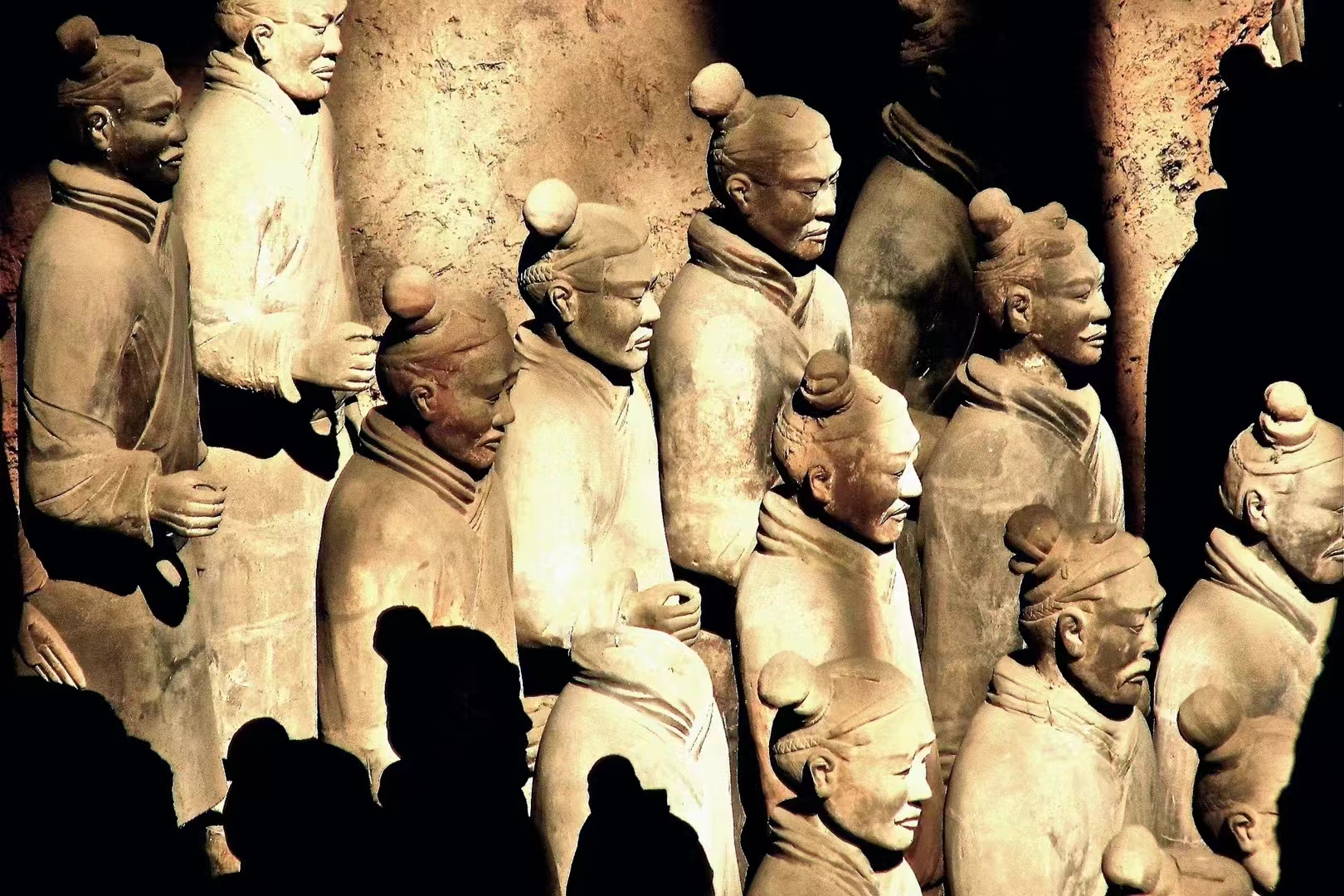
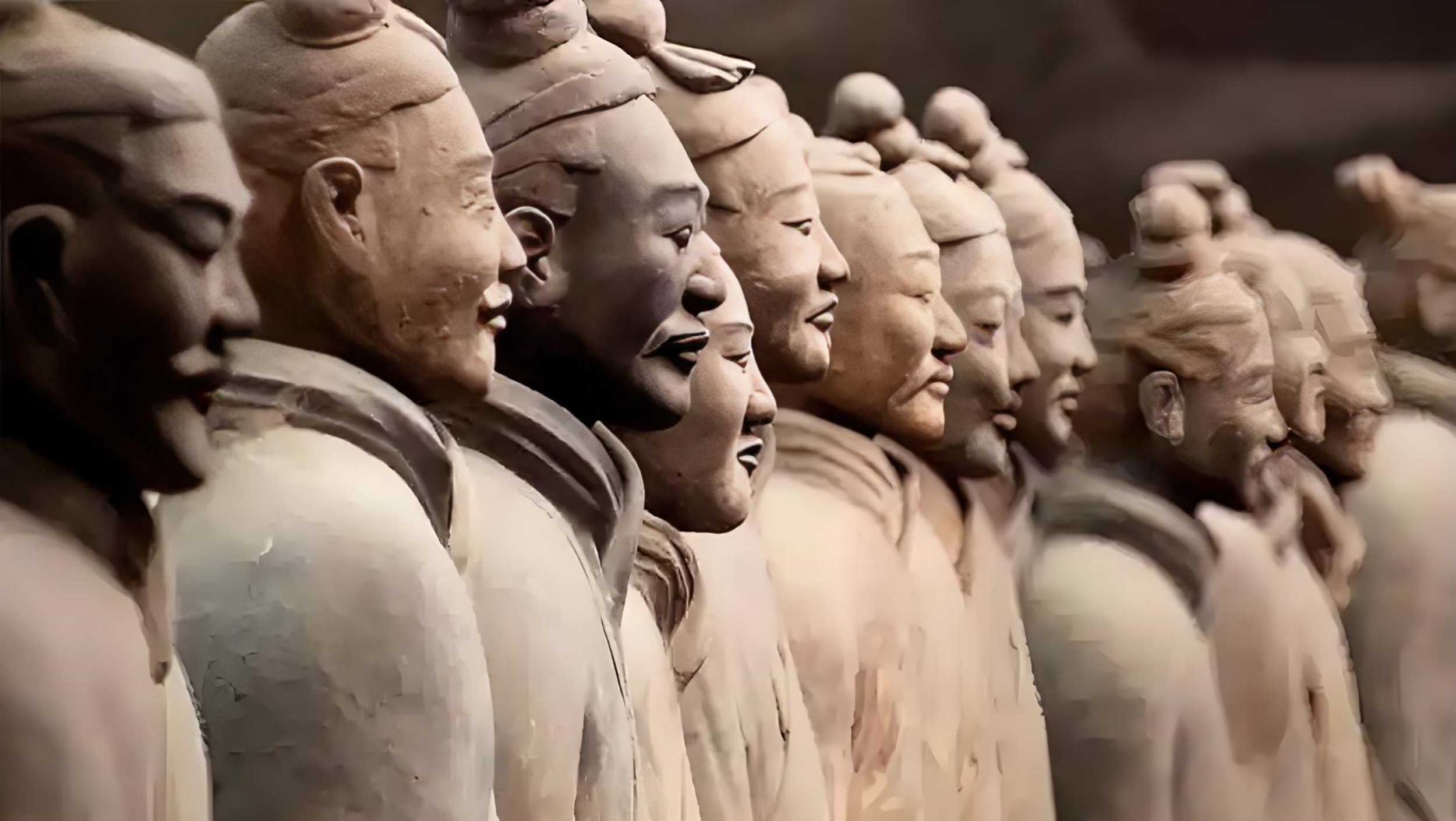
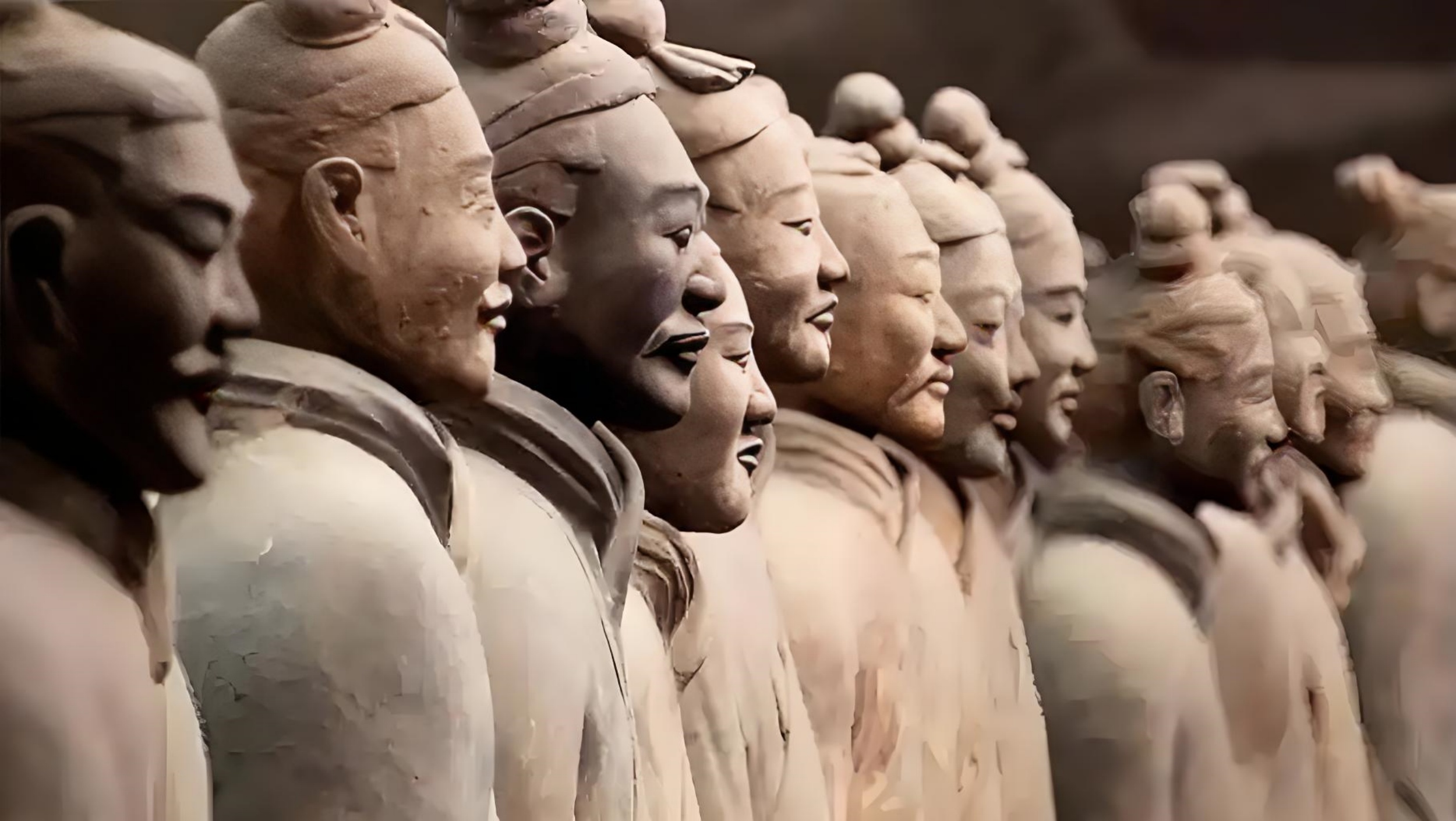
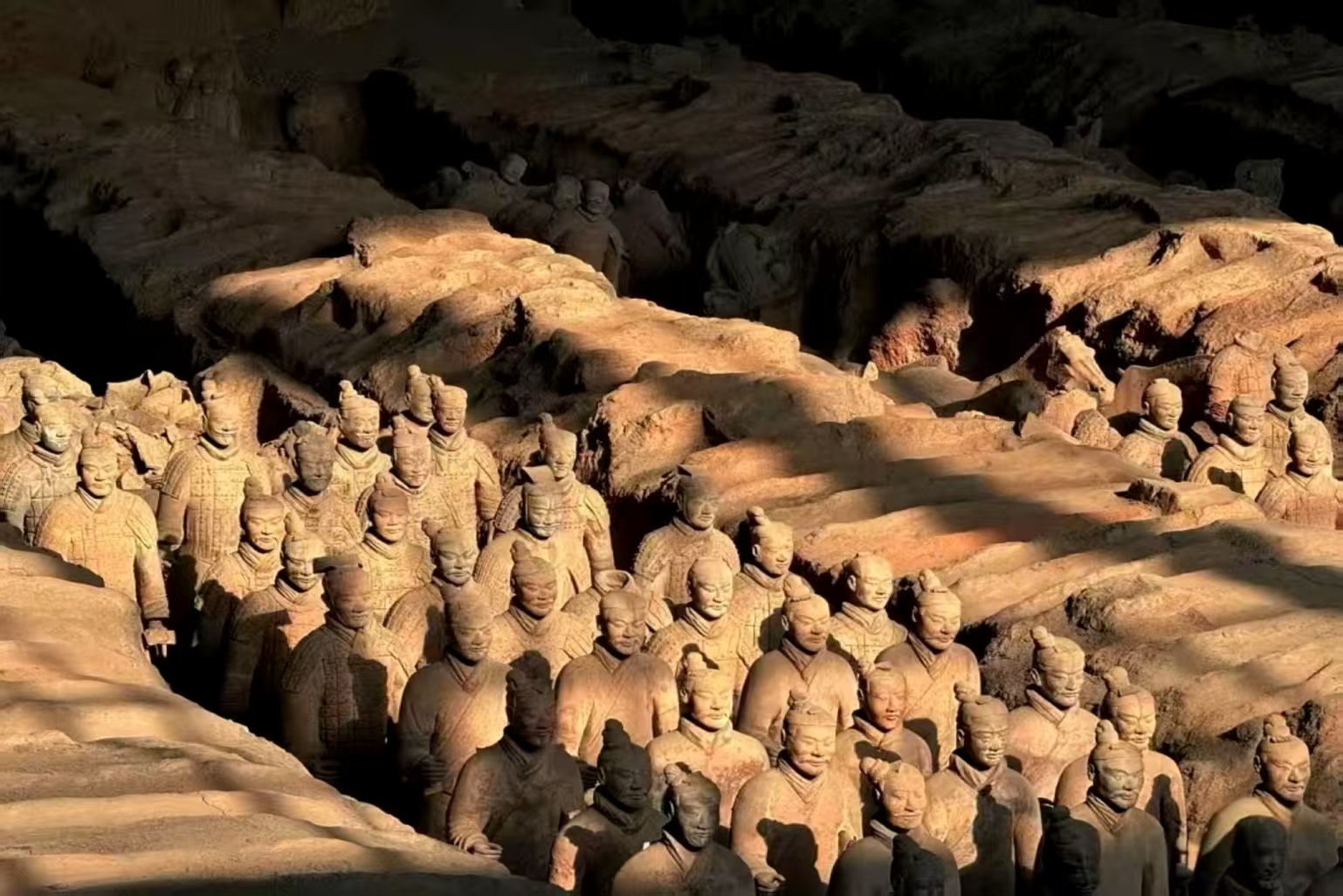
Pickup from your hotel and ride about 1 hour (arrives at around 9 am) to the Terracotta Museum. Your exploration of the Terracotta Army site begins. Please follow your guide to discover the amazing terracotta warriors that were buried for more than 2,000 years and to hear interesting stories about China's first emperor — Emperor Qin Shi Huang (259–210 BC).
There are three pits in the museum. Our recommended visiting sequence is Pit 1 – Pit 2 – Pit 3 – the Mausoleum of Qin Shi Huang as you will follow historical clues that lead from general to detailed information.
Pit 1 is the largest of the pits and it is estimated to house around 6,000 figures as well as a great quantity of bronze weaponry. You will be shocked by the large scale of the figures lining up, and will feel as if you have been taken back to the Qin Dynasty when the army of soldiers was waiting to go out to battle.
Pit 2 is not as large as Pit 1. Pit 3 is the smallest one.
2
Stop 2
Day 1, Time: 14:30 - 17:00
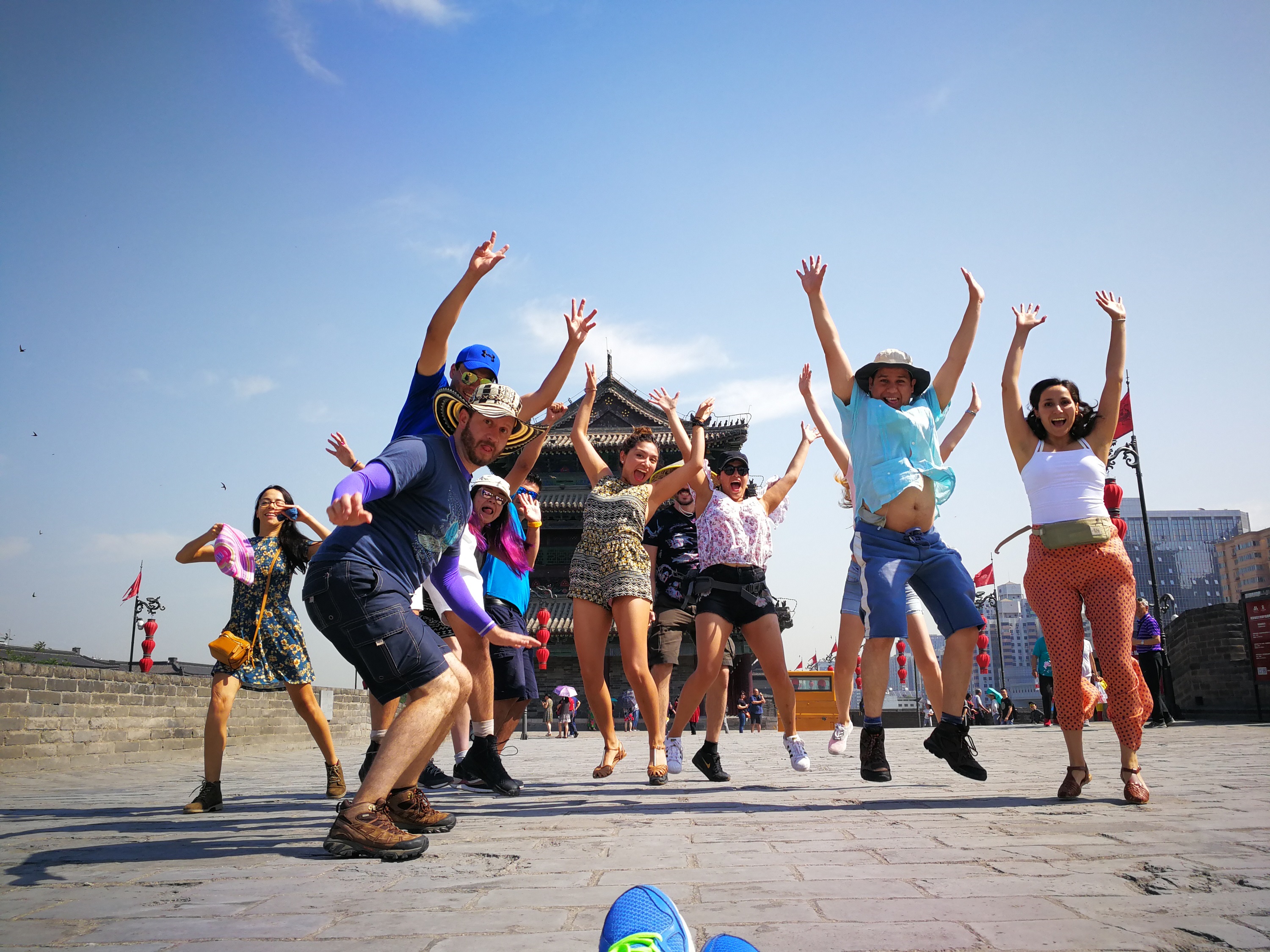
Xi'an Ancient City Wall was first built in the Ming Dynasty (1370–1378 AD) and is the largest and the best-maintained ancient city wall in China. It is shaped like a rectangle with a total length of 13.74 kilometers. The downtown part of Xi'an City is centered within this ancient city wall. There are four major gates (the north gate, the east gate, the south gate, and the west gate) of this city wall. Your visit will start from East Gate (Chang Le Gate).
You have three options when visiting the city wall, Walking, biking and ride eco-cart on the wall.
3
Day 1, Time: 17:00 - 18:00
After visiting the city wall, you will head to Xi'an's most famous food street, Muslim Street, where you'll see lots of featured foods and snacks. You can try some if you'd like to.
4
Stop 4
Day 2, Time: 7:30 – 11:00
The same as your previous day, your guide will be waiting for you at your hotel lobby at the appointed time (around 7:30AM-8AM) and pick you up to our first destination: Hanyangling Mausoleum. It takes about 40 minutes to drive there. This museum has an underground exhibition hall so that people can see the results of the archeological digs in the big mausoleum complex of Emperor Jingdi (also named Liu Qi, 188 to 141 BC) of the Han Dynasty, his wife, officials, dynastic clan members, and commoners. There is also a graveyard for slaves who built the complex. The underground hall was opened in 2006. The archeological dig site only covers a small area, but the whole burial complex is immense. It covers a total area of about 10 square kilometers or 4 square miles.
5
Stop 5
Day 2, Time: 13:30 - 15:00 Exterior visit the Big Wild Goose Pagoda.
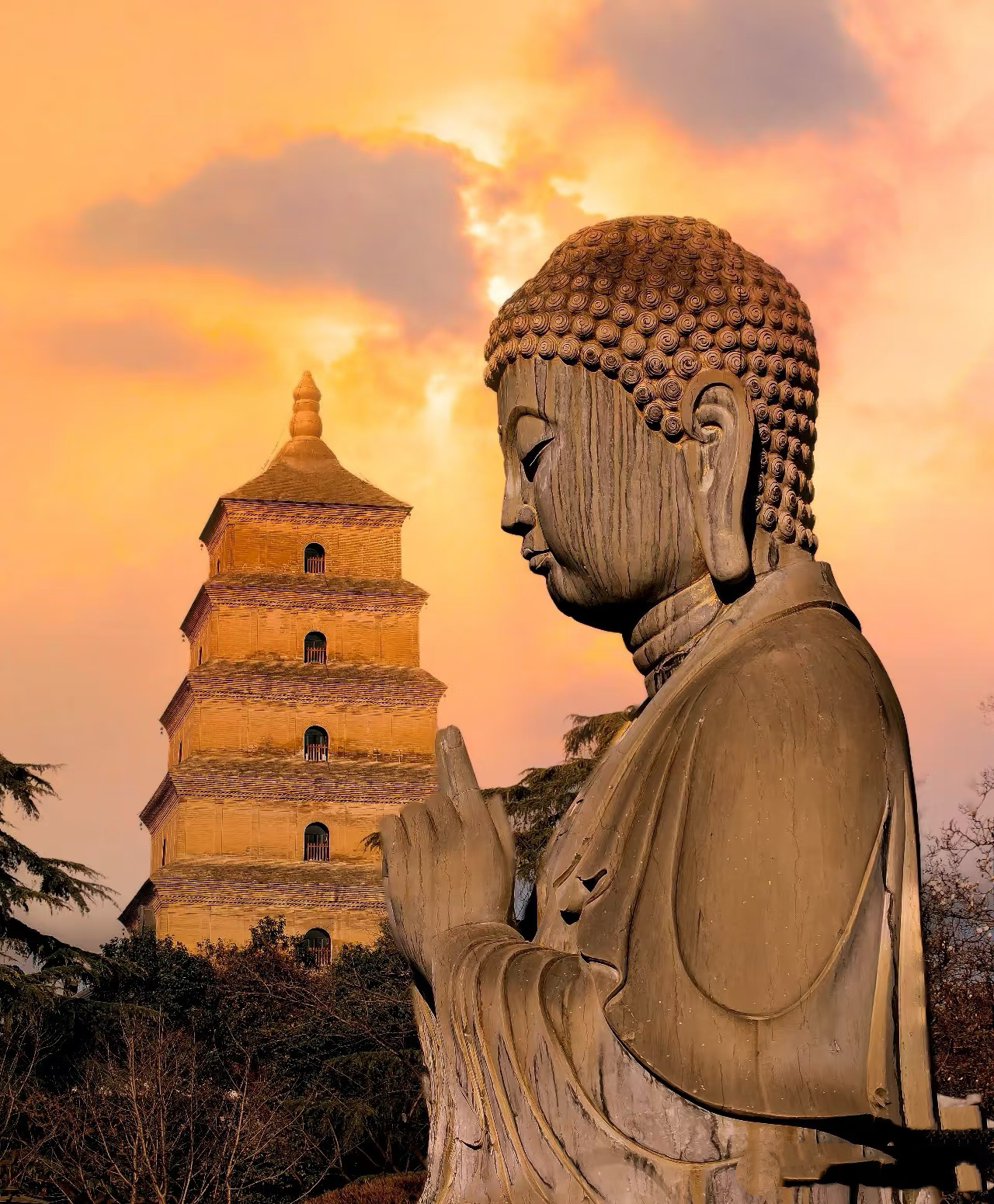
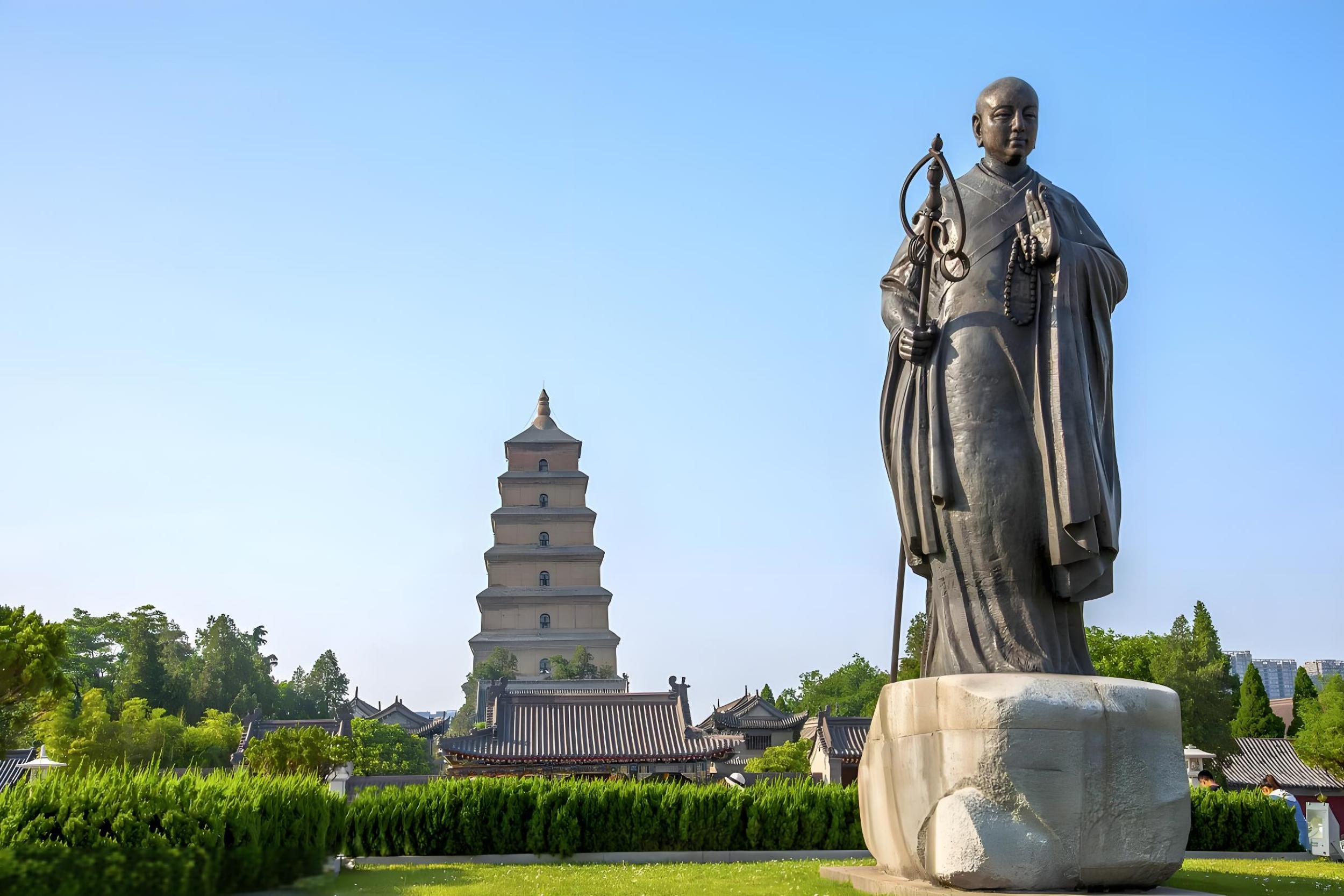
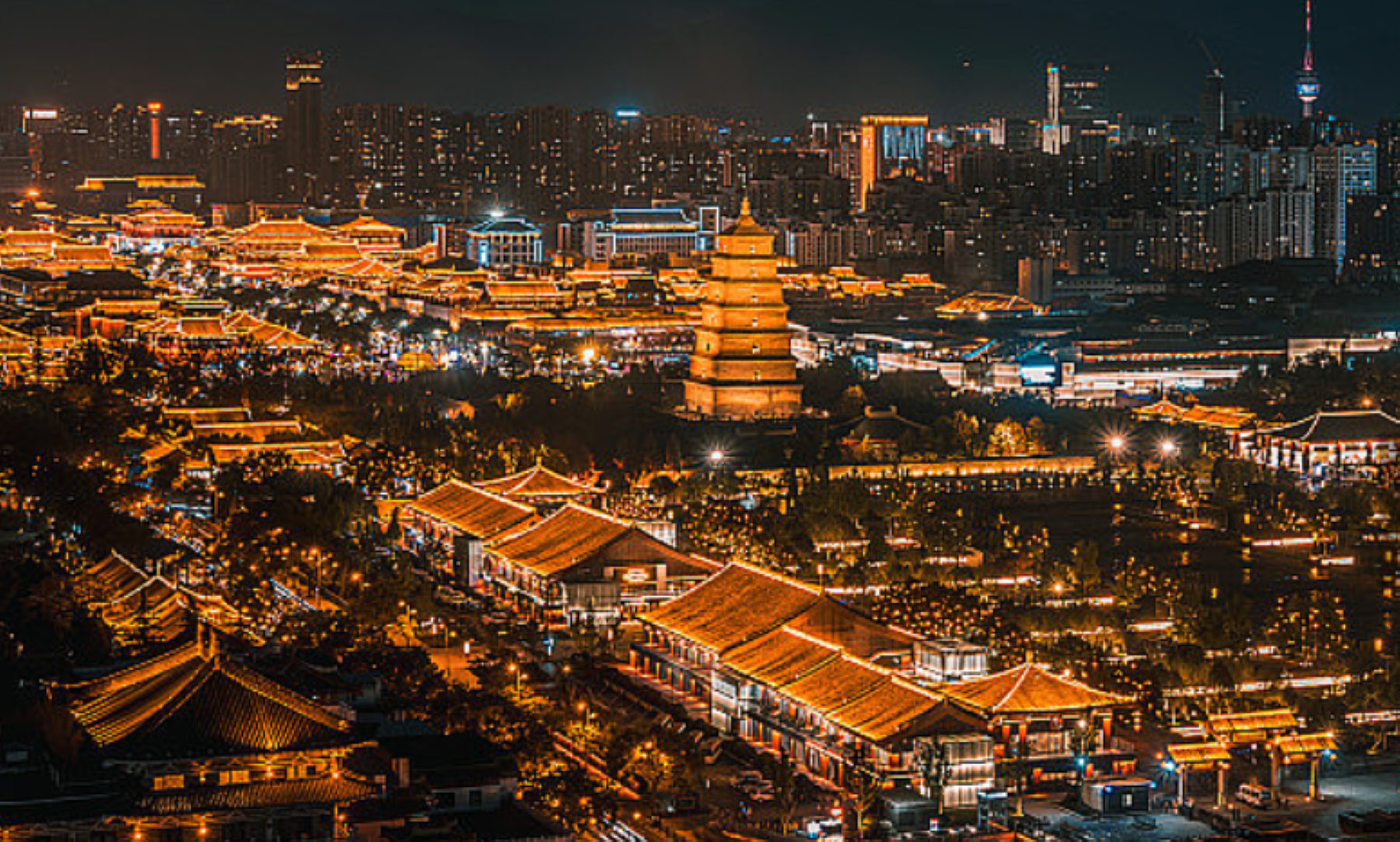
you will be transferred to the south square of the Big Wild Goose Pagoda. The 9-floor Buddhism Tower along with a temple called Temple of Great Maternal Grace was built by the Emperor Li Zhi of Tang Dynasty to memorize his mother Empress Wende. After the temple was built, Li Zhi invited the famous Monk Xuan Zang (known as Tang Monk in the famous book of The Journey to the West) as the honored master here in the temple.
Master Xuan Zang lived here and had brought lots of Buddhism sutras from India. He translated the Buddhism text here and had brought the religion of Buddhism from India to China. Here you can take a picture with the statue of Master Xuan Zang.
6
Stop 6
Day 2, Time: 15:00 - 17:00
Shaanxi is a very important area in both ancient and modern China and it had been the capital place of more than 13 dynasties. Therefore the local culture and arts of Shaanxi would be a window or a typical representative of traditional Chinese culture and art. And in this museum it has exhibited more than 370,000 historical relics which has vividly displayed the traditional culture and arts of ancient China from Neolithic Period to modern society and is the first large-scale modern museum in China.
What's not included
Gratuities (recommended)
Accommodation, travel insurance and any other personal expenses during tour.
Lunch
Airport transfer
Available languages
Guide guide
EN
Reviews breakdown
Tripadvisor
5.0
8 reviews
5★
8
4★
0
3★
0
2★
0
1★
0
Important information
Public transportation options are available nearby
Infants are required to sit on an adult’s lap
Suitable for all physical fitness levels
Children must be accompanied by an adult.
You will receive details about the tour guide and pickup in your voucher the day before. And the tour guide will also call you via hotel or leave a message for you about pickup time the night before tour.
Hotel pickup and drop off services are available within the 3rd Ring Zone of Xi'an City.
Passport information is required for entrance tickets booking, please forward each individual traveler's full name and passport number at the time of booking.
Meeting point
Transportation is at your own expense. Pickup time: approx. 7:30 am.
Important notes
1. The tour guide will contact you through hotel or leave a message for you about the exact pickup time the night before tour.
2. Please be ready and waiting in your hotel lobby 10 minutes prior to your scheduled pick up time. Bring your valid passport when on the tour.
Contact our customer service number for more assistance.
• WeChat / Line ID / Telegram: trippest666
• WhatsApp / Viber / Mobile: +86 188 0773 4970
• Email: niko@trippest.com
About Xian
Xian is one of the oldest cities in China, serving as the capital for 13 dynasties, including the famous Tang Dynasty. It is renowned for its rich history, ancient architecture, and as the starting point of the Silk Road. The city offers a unique blend of ancient and modern attractions, making it a must-visit destination for history enthusiasts and cultural explorers.
Top Attractions
Terracotta Army
Discovered in 1974, the Terracotta Army is a collection of terracotta sculptures depicting the armies of Qin Shi Huang, the first Emperor of China. It is one of the most significant archaeological discoveries of the 20th century.
Historical
2-3 hours
150 RMB (including museum)
Ancient City Wall
The Ancient City Wall is one of the oldest and best-preserved city walls in China. It encircles the old city and offers a unique perspective of Xian's history and urban landscape.
Historical
1-2 hours
54 RMB (including bike rental)
Muslim Quarter
The Muslim Quarter is a bustling area known for its vibrant street food scene, historic mosques, and unique Islamic architecture. It offers a glimpse into the multicultural history of Xian.
Cultural
1-2 hours
Free (food and shopping costs extra)
Big Wild Goose Pagoda
The Big Wild Goose Pagoda is a famous Buddhist pagoda and a symbol of Xian. It was built in the Tang Dynasty and is a UNESCO World Heritage Site. The surrounding area is a popular spot for both locals and tourists.
Historical
1-2 hours
50 RMB (including museum)
Shaanxi History Museum
The Shaanxi History Museum is one of the most important museums in China, showcasing the rich history and culture of the Shaanxi region. It houses a vast collection of artifacts spanning thousands of years.
Museum
1-2 hours
Free (but requires a reservation)
Must-Try Local Dishes
Roujiamo
Also known as the Chinese burger, it consists of braised pork belly stuffed in a crispy flatbread.
Snack
Contains pork
Liangpi
Cold noodles made from wheat or rice flour, served with a spicy sauce and various toppings.
Dish
Vegetarian options available
Yangrou Paomo
Lamb soup with bread pieces, a staple dish in Xian.
Dish
Contains lamb
Biangbiang Noodles
Wide, hand-pulled noodles with a thick, chewy texture, often served with a spicy sauce.
Dish
Vegetarian options available
Popular Activities
Hiking in Lishan Mountain
Biking along the Ancient City Wall
Visiting Huaqing Palace hot springs
Tea tasting in local teahouses
Exploring the Terracotta Army
Visiting the Shaanxi History Museum
Walking the Ancient City Wall at sunset
Trying local street food in the Muslim Quarter
Best Time to Visit
April to October
This is the best time to visit Xian as the weather is pleasant and ideal for outdoor activities. The city hosts various festivals and events during this period.
15°C to 35°C
59°F to 95°F
Practical Information
Language
- Official: Chinese (Mandarin)
- Widely spoken: English (limited)
- English: Limited
Currency
Chinese Yuan Renminbi (CNY)
Time Zone
GMT+8
Electricity
220VV, 50HzHz
Safety Information
Overall Safety Rating: Generally safe
Xian is generally safe for travelers, with low crime rates. However, petty crimes like pickpocketing can occur in crowded areas.
Important Precautions:
- • Use licensed taxis or ride-hailing apps like Didi Chuxing.
- • Be cautious of strangers offering unsolicited help or tours.
- • Keep valuables secure and be aware of your surroundings in crowded areas.
Getting there
By air
- Xian Xianyang International Airport • 40 km from city center
By train
Xian Railway Station, Xian North Railway Station
By bus
Xian Long-distance Bus Station, Xian North Bus Station
Getting around
Public transport
The Xian Metro is efficient and covers most major attractions. It's the fastest way to get around the city.
Taxis
Available • Apps: Didi Chuxing
Rentals
Car, Bike, Scooter
Neighborhoods
Yanta District
Beilin District
Muslim Quarter
Qujiang New District
Day trips
Huaqing Palace
15 km from city center • Half day
Huaqing Palace is a complex of hot springs and palaces known for its historical significance and beautiful gardens. It was a favorite retreat for emperors and is associated with the Tang Dynasty.
Lishan Mountain
20 km from city center • Full day
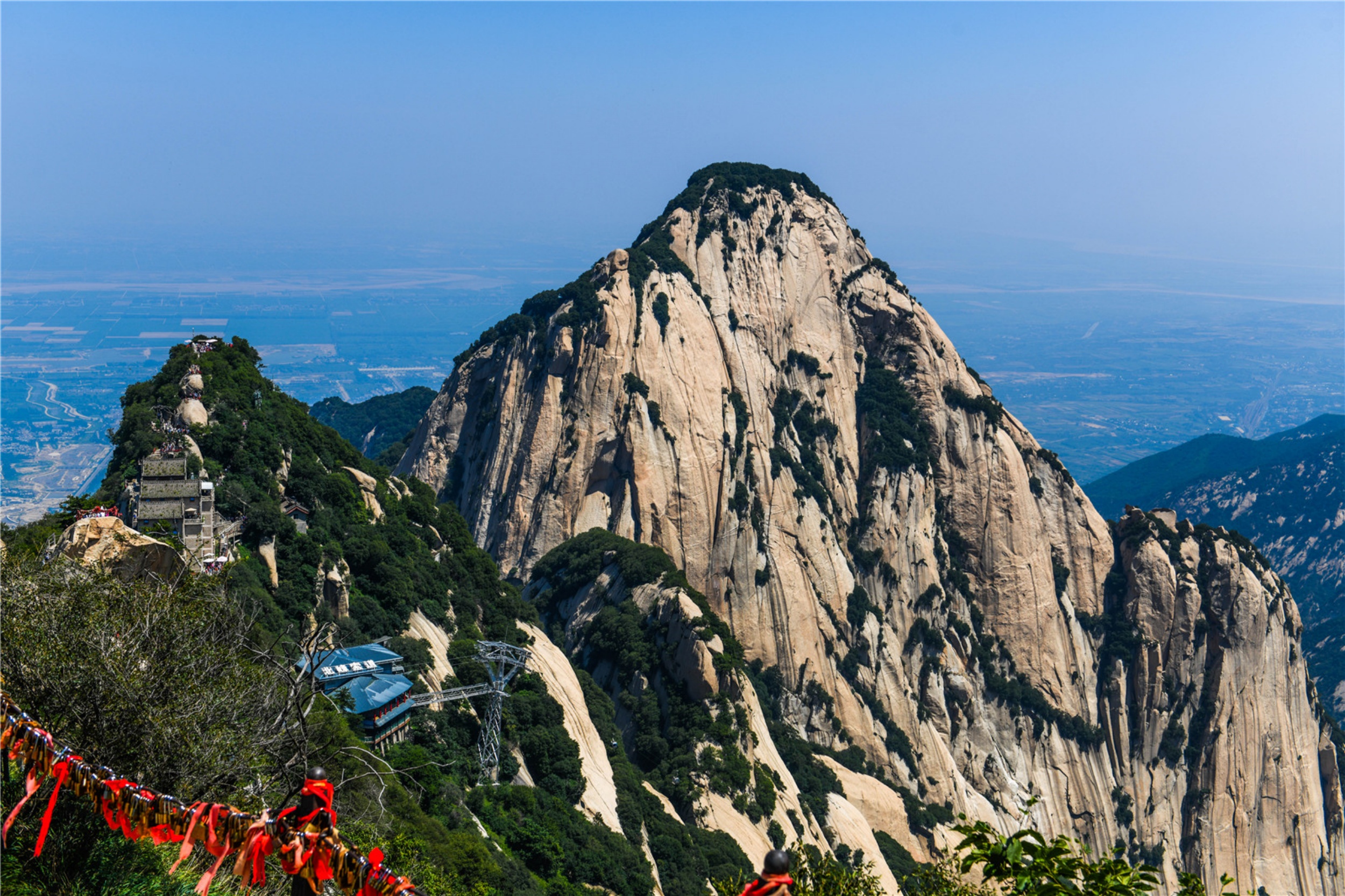
Lishan Mountain is a scenic area known for its natural beauty, hiking trails, and historical sites. It offers panoramic views of the surrounding landscape and is a popular spot for outdoor activities.
Famen Temple
120 km from city center • Full day
Famen Temple is one of the most important Buddhist temples in China, known for housing the relics of the Buddha. It is a significant pilgrimage site and offers a peaceful retreat from the city.
Festivals
Chinese New Year • January or February (varies)
Lantern Festival • 15th day of the first lunar month
Qinling Mountain Marathon • October
Pro tips
- Learn a few basic Chinese phrases to enhance your experience and interact with locals.
- Visit major attractions early in the morning or late in the afternoon to avoid crowds and heat.
- Try local street food, but choose busy stalls with high turnover to ensure freshness and food safety.
- Use the metro or bike-sharing services to get around the city efficiently and affordably.
- Book tickets for popular attractions like the Terracotta Army in advance to avoid long queues.
From $25
per person
Price varies by option
Secure booking
Free cancellation available
Instant confirmation