From Lisbon: Fátima, Nazaré, Batalha and Óbidos Guided Tour
Active
10h
For a full refund, cancel at least 24 hours before the scheduled departure time.
Instant confirmation
Mobile or paper ticket accepted
About this experience
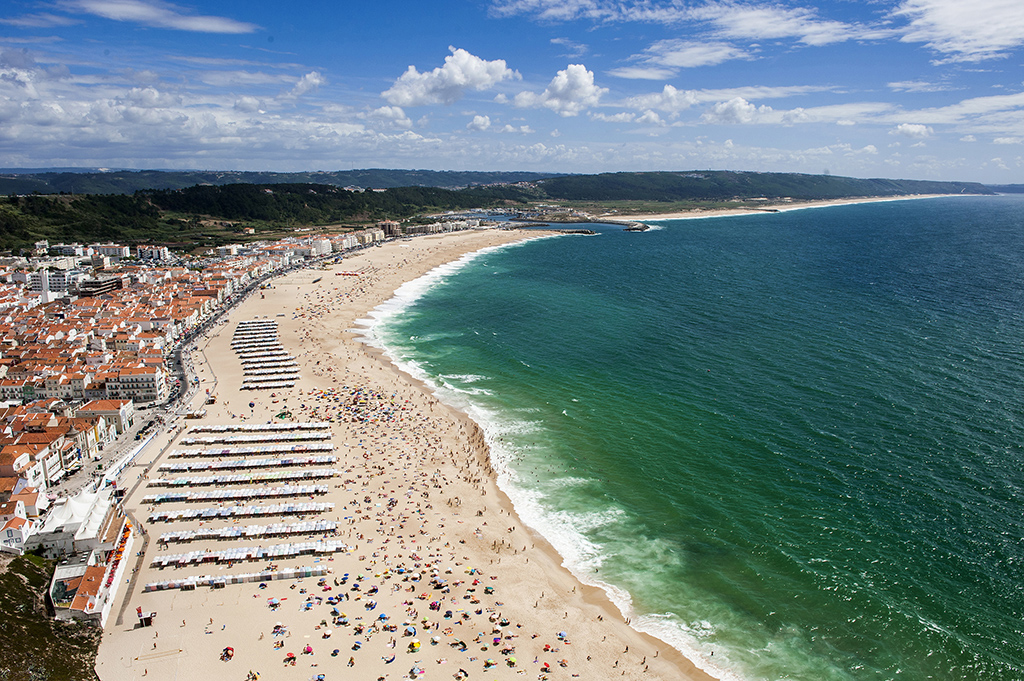
Discover the heart of Portugal on an unforgettable journey! Start your day in Fátima, one of the world’s most important Catholic pilgrimage sites, where you can visit the Chapel of Apparitions and the Basilica of the Holy Trinity. Next, explore the stunning Batalha Monastery, a UNESCO World Heritage Site and a masterpiece of Gothic architecture. Then, head to Nazaré, a charming seaside town known for its golden beaches and record-breaking waves that attract surfers from around the world. End your tour in Óbidos, a picturesque medieval village where you can stroll through cobbled streets, taste the famous cherry liqueur “Ginjinha,” and admire the historic castle walls. A day filled with culture, history, and breathtaking landscapes!
Available options
FD FATIMA (ES)
FD FATIMA (PT)
FD FATIMA (FR)
FD FATIMA (EN)
What's included
Transportation in air-conditioned vehicle
All taxes and fees
Guided visits to Fátima, Batalha, Nazaré and Óbidos
Bilingual tour guide
Detailed itinerary
1
Stop 1
dentity and mission of the Shrine of Fatima
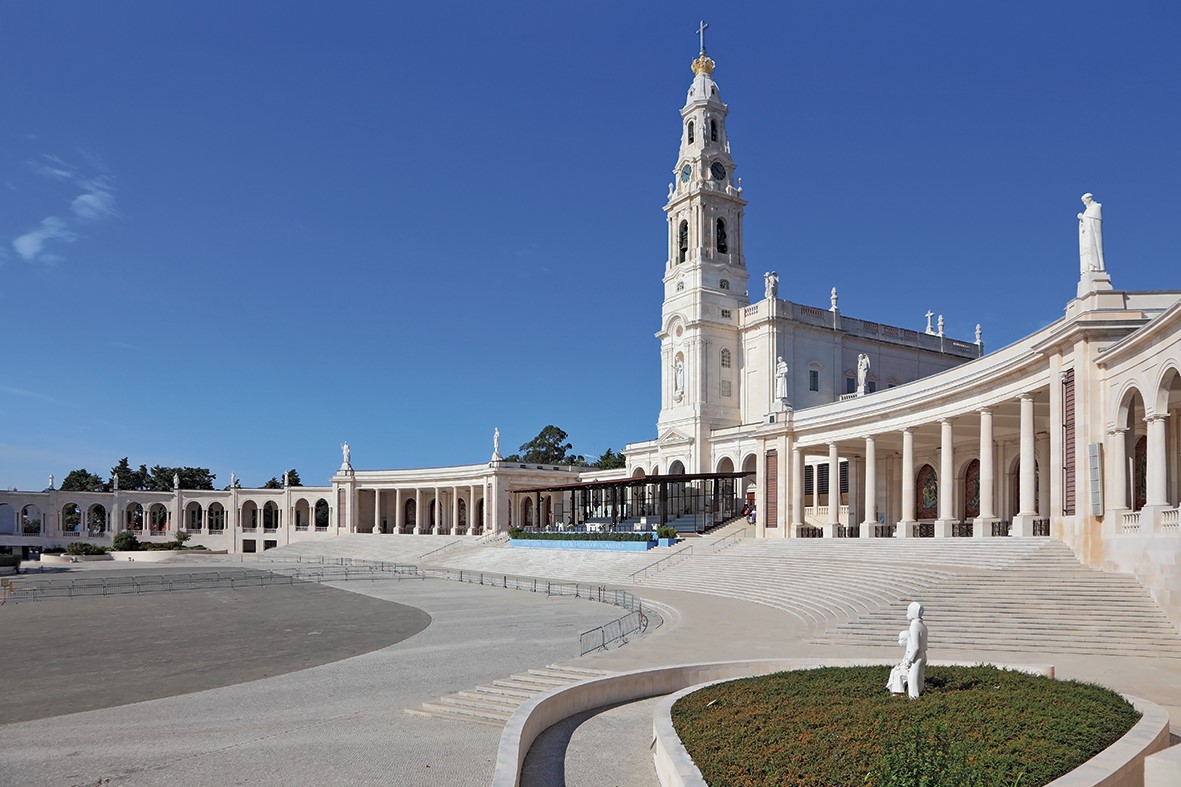
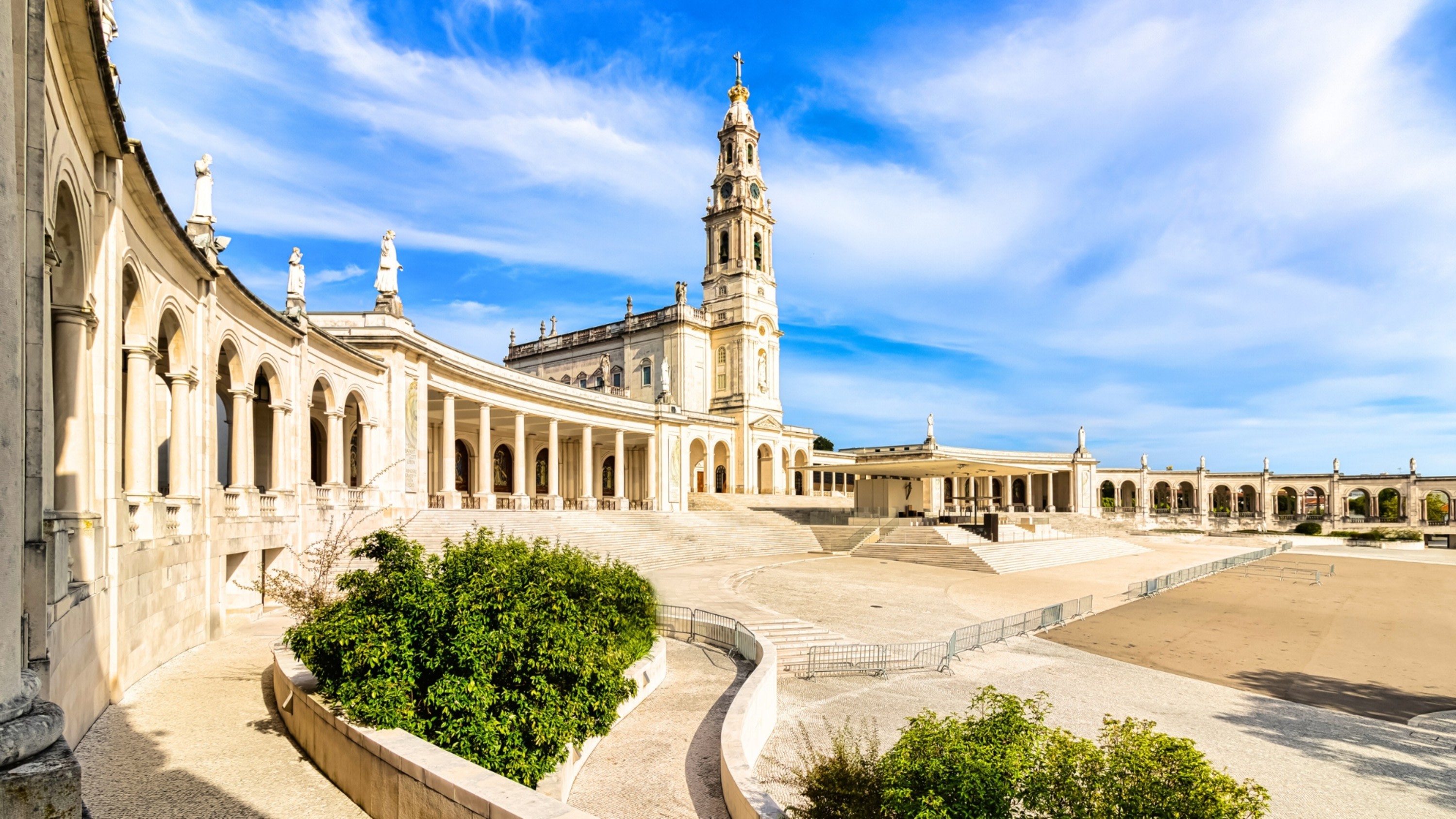
The Shrine of our Lady of the Rosary of Fatima is the answer to the call of Our Lady of the Rosary, already alluded to on August 13, 1917 and expressly asked in the apparition of October 13, of that year to Lucia de Jesus, Francisco Marto and Jacinta Marto: «I want to tell you that a chapel is to be built here in my honour. I am the Lady of the Rosary» (Fist Memoir of Sister Lucia). The little chapel was constructed in 1919 in the place of the apparitions of 1917 at the Cova da Iria and, since then, the place of the Shrine was built up, in response to a significant inflow of pilgrims.
The Shrine of Fatima is a place of pilgrimage, which celebrates the memory of its founding event, the apparitions of Our Lady to the three little Shepherds. The pilgrim’s pastoral hospitality is a key element to its mission.
The Shrine of Fatima keeps the memory of the event and the message of Fatima. It has the mission of studying and diffusing this message, worked as a means of evangelization in Portugal and worldwide.
The Shrine of Fatima is, by an expressed will of the Apostolic See, a National Shrine.
2
Stop 2
Visit to the church of the Batalha Monastery and external visit to the Monastery
3
The construction of this Mannerist style monument began in the reign of D. Sebastião in 1577, aiming to defend the cove of attacks by Algerian, Moroccan, Dutch and Norman pirates who invested on the Atlantic coast. In 1644, and due to its position, the king D. João IV, the Restorer, ordered its remodeling and enlargement. As vigilant sentry of the fortress was S. Miguel Archangel, patron of many sanctuaries, generally constructed in elevated places. On the façade of the fort, on the portal of the entrance, D. João IV, he had a calcareous image of San Miguel Arcanjo, with the caption "ELREY DOM JUAN-1644", which marks the year of its construction.
4
Stop 4
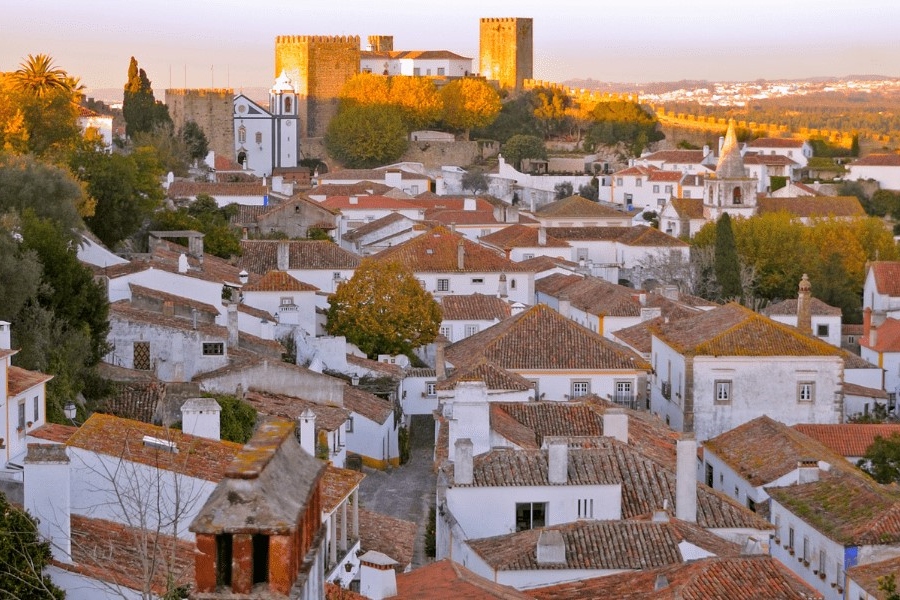
The medieval village of Óbidos is one of the most picturesque and well preserved in Portugal.
Close enough to the capital and situated on a high point near the Atlantic coast, Óbidos had a strategic importance in the territory. Already occupied before the Romans arrived in the Iberian Peninsula, the village became more prosperous from the moment it was chosen by the royal family. Since the king D. Dinis offered to his wife D. Isabel, in the century. XIII, belonged to the House of the Queens who, throughout the various dynasties, were benefiting and enriching it. It is one of the main reasons for finding so many churches in this small town.
Within walls, we find a castlewell preserved and a labyrinth of streets and white houses that enchant anyone who walks there. Between Manueline porticoes, flowered windows and small openings, there are several reasons to visit, good examples of the religious and civil architecture of the village's golden age.
What's not included
Hotel pickup and drop-off (Extra fee)
Food and drinks (Your guide can suggest or have free lunch in Nazaré)
Personal expenses
Souvenirs
Tips (optional)
Available languages
Guide guide
PT
EN
FR
ES
Reviews breakdown
Viator
4.2
81 reviews
5★
50
4★
12
3★
12
2★
2
1★
5
Tripadvisor
4.8
770 reviews
5★
684
4★
59
3★
13
2★
6
1★
8
Important information
Public transportation options are available nearby
Specialized infant seats are available
Suitable for all physical fitness levels
Travel time in the vehicle is 4 hours
Meeting point
Top of Parque Eduardo VII
Our guide will have a yellow flag or a yellow hat with our name "Lanetours"
Important notes
Tour departure times:
Praça dos Restauradores 24 at 8:00 am
Alameda Cardeal Cerejeira at 8:30 am
Our guide will have a yellow flag or a yellow hat with our name "Lanetours"
Arrive 15 minutes before departure to check in
About Lisbon
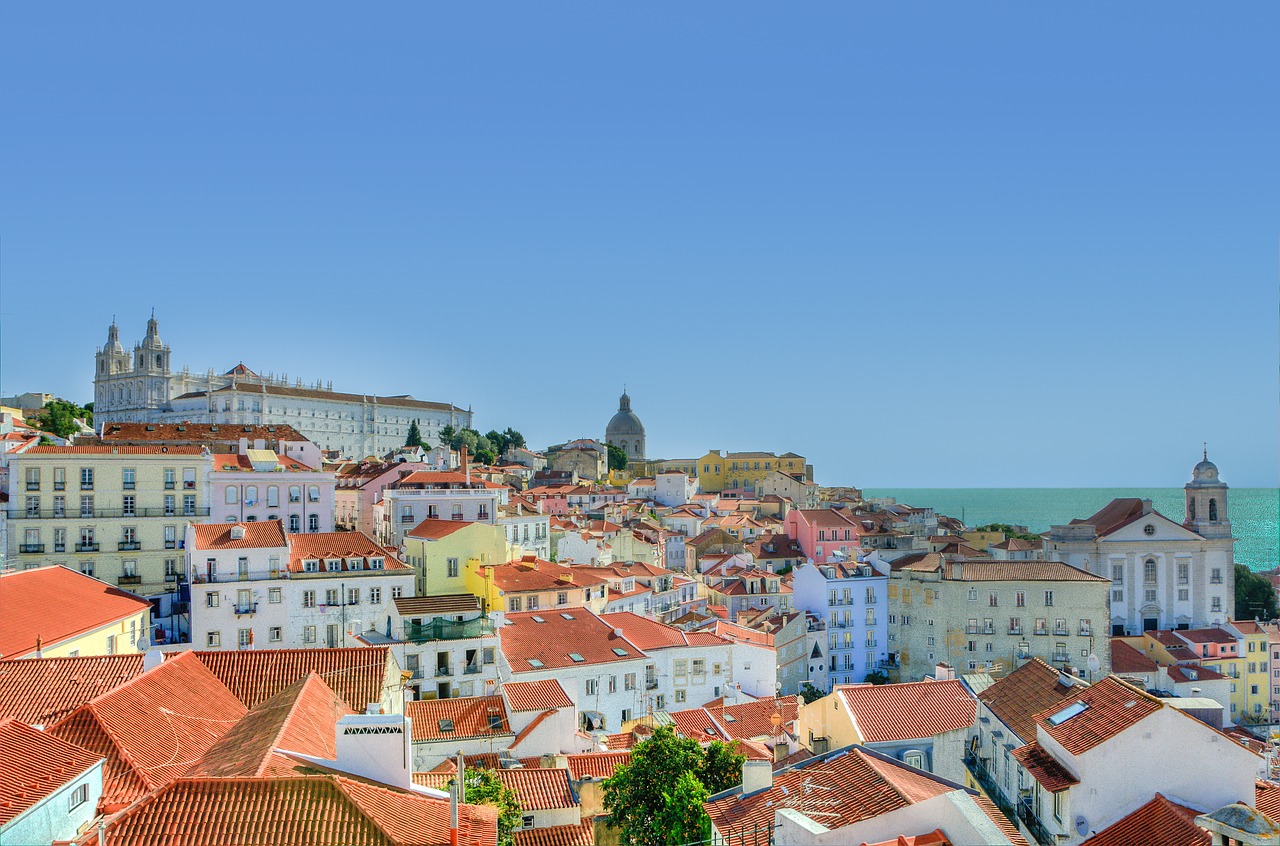
Lisbon, the capital of Portugal, is a vibrant city known for its rich history, stunning architecture, and warm climate. With its charming streets, historic trams, and breathtaking viewpoints, Lisbon offers a unique blend of old-world charm and modern energy.
Top Attractions
Belém Tower
A UNESCO World Heritage Site, this 16th-century tower is an iconic symbol of Lisbon's Age of Discoveries.
Historical
1-2 hours
€6
Alfama District
Lisbon's oldest district, known for its narrow, winding streets, Fado music, and historic charm.
Historical
Half day
Free to explore, attractions may have entry fees
Sintra
A UNESCO World Heritage Site, Sintra is a romantic town with stunning palaces and castles.
Historical
Full day
Varies by attraction, around €10-€15 per site
Must-Try Local Dishes
Bacalhau à Brás
Shredded codfish with eggs, potatoes, and onions
Main Dish
Contains fish and eggs
Pastel de Nata
Custard tart with a flaky pastry crust
Dessert
Contains dairy and eggs
Francesinha
A sandwich with meat, cheese, and a beer-based sauce
Main Dish
Contains meat, cheese, and gluten
Popular Activities
Hiking in Sintra
Surfing in Ericeira
Parasailing in Cascais
Beach lounging in Costa da Caparica
Spa day in a luxury hotel
Picnic in Jardim da Estrela
Visiting museums and galleries
Attending Fado performances
Best Time to Visit
March to May, September to October
These months offer pleasant weather and fewer crowds, making it ideal for sightseeing and outdoor activities.
15-25°C
59-77°F
Practical Information
Language
- Official: Portuguese
- Widely spoken: English, Spanish, French
- English: Moderately spoken
Currency
Euro (EUR)
Time Zone
GMT+1 (Western European Time, WET)
Electricity
230VV, 50HzHz
Safety Information
Overall Safety Rating: Generally safe
Lisbon is generally safe, but pickpocketing and petty theft can occur in crowded areas.
Important Precautions:
- • Be cautious of pickpockets in crowded areas
- • Use licensed taxis or ride-sharing apps
- • Avoid walking alone at night in less crowded areas
Getting there
By air
- Humberto Delgado Airport • 7 km from city center
By train
Santa Apolónia, Oriente
By bus
Sete Rios, Jardim do Campo Grande, Gare do Oriente
Getting around
Public transport
Efficient and clean, with four lines connecting major attractions.
Taxis
Available • Apps: Bolt, FreeNow
Rentals
Car, Bike, Scooter
Neighborhoods
Alfama
Baixa
Bairro Alto
Day trips
Sintra
25 km from Lisbon • Full day
A romantic town with stunning palaces, castles, and lush gardens.
Cascais
30 km from Lisbon • Half day to full day
A charming coastal town with beautiful beaches, historic sites, and a relaxed atmosphere.
Óbidos
80 km from Lisbon • Full day
A medieval town with a well-preserved castle, narrow streets, and charming shops.
Festivals
Santos Populares • June 13th
Festival dos Oceanos • June to September
Arraial do Alfoz • June to September
Pro tips
- Visit the Time Out Market for a variety of local and international cuisines
- Take a day trip to Sintra and Cascais for a mix of history and beach relaxation
- Explore the LX Factory for a unique shopping and dining experience
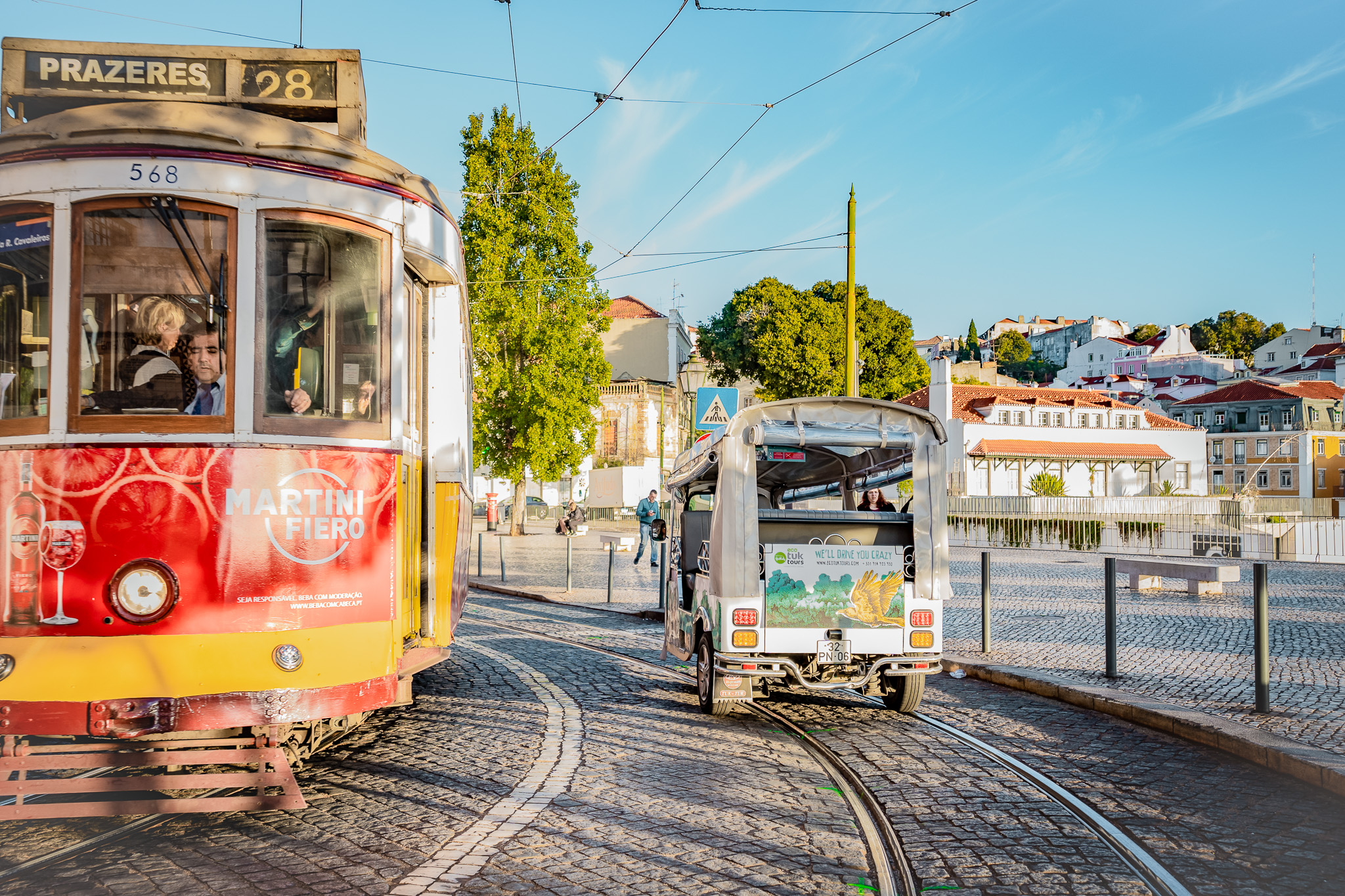
- Ride the historic Tram 28 for a scenic tour of the city
- Visit the MAAT museum for a blend of art, architecture, and technology
From $25
per person
Price varies by option
Secure booking
Free cancellation available
Instant confirmation