Rabat Guided Walking Food Tour
Active
4h
For a full refund, cancel at least 24 hours before the scheduled departure time.
Instant confirmation
Mobile or paper ticket accepted
About this experience
Rabat doesn’t shout about its food culture, and that’s exactly why it’s easy to miss. The dishes that define the capital are prepared quietly in neighbourhood kitchens, market stalls, and small local eateries that rarely appear on tourist lists. Finding them, and knowing what to order, takes local knowledge and time.
This tour removes that guesswork, taking you straight to the places Rabatis actually eat. With 15+ tastings, you’ll experience the full spectrum of Rabati cuisine, from market snacks and everyday staples to slow-cooked stews and seafood prepared the way locals prefer it.
Along the way, you’ll gain a deeper understanding of how the city eats day to day, leaving with a clearer picture of Rabat’s food culture, and the confidence to continue exploring independently.
Available options
Rabat Guided Walking Food Tour
What's included
Led by professional tastemaker guides
Movable food feast with 8-9 stops around the old medina of Rabat
15+ food tastings included, more than any other Rabat food tour
Bottled water included
Max 8 exclusive guests, smallest group size in Rabat (private tour or 9+ guests, contact us)
Detailed itinerary
1
Our Rabat food tour offers guests a culinary experience around the city's medina. It's a carefully curated food adventure, led by our team of Rabat tastemakers.
Before we get started, our tour reflects the local cuisine, and the limitations of street food vendors and local eateries mean we cannot cater for every dietary restriction. Here's an honest appraisal for the tour, so no-one is disappointed:
✔ Suitable for halal and no pork diets
✘ Unsuitable for vegetarian and vegan diets, as the number of tastings would be very limited.
✔ Gluten intolerance, lactose intolerance, pescatarian and no seafood are possible, though some tastings do not have alternatives available
If you are feeling adventurous for a foodie journey, read on!
2
Discover Rabat through the food locals eat every day. On this four-hour lunchtime food tour, you’ll explore the capital’s culinary scene focusing on neighbourhood eateries, market stalls, and family-run spots, some serving the same dishes for generations.
Across 15+ tastings, this experience is a crash course in Rabati cooking. Begin with comforting breakfast-style flavours, including baghrir semolina pancakes drizzled with wild honey butter, jben mountain cheese with nutty amlou, walnut-stuffed dates, and delicate Moroccan pastries.
From there, the tour winds through the medina’s quieter backstreets, stopping at places loved by locals for classic savoury dishes: charcoal-grilled sardines, slow-cooked hargma beef knuckle stew, fresh zaalouk salads, breadcrumb-fried aubergines, spiced lentils, and harissa-spiced prawns, along with many other seasonal and regional specialities.
Come hungry and discover the capital’s food scene from the inside on this daily Rabat food tour.
3
The tour concludes after 3.5-4 hours back at the meeting point. You'll leave not only full, but with a much deeper understanding of Rabati food culture and the confidence to continue eating your way through Morocco.
What's not included
Alcoholic drinks excluded
Pick up and drop off from hotel excluded
Some dietary restrictions unsuitable including gluten, vegetarian and vegan diets
Available languages
Guide guide
EN
Important information
Infants and small children can ride in a pram or stroller
Public transportation options are available nearby
Infants are required to sit on an adult’s lap
Not recommended for pregnant travelers
Suitable for all physical fitness levels
Meeting point
The meeting point at the Poste de Police Medina is easily accessible by taxi. If you do need to get a taxi, we recommend the app inDrive, a cash-based alternative to Uber. Here's a pre-filled Google Maps link to our meeting point https://maps.app.goo.gl/7PdeGEVAw9728kwJ7
About Rabat
Rabat is the capital of Morocco, offering a blend of historic charm and modern vibrancy. As a coastal city on the Atlantic, it boasts beautiful beaches, rich cultural heritage, and a relaxed atmosphere compared to more touristy Moroccan cities.
Top Attractions
Kasbah of the Udayas
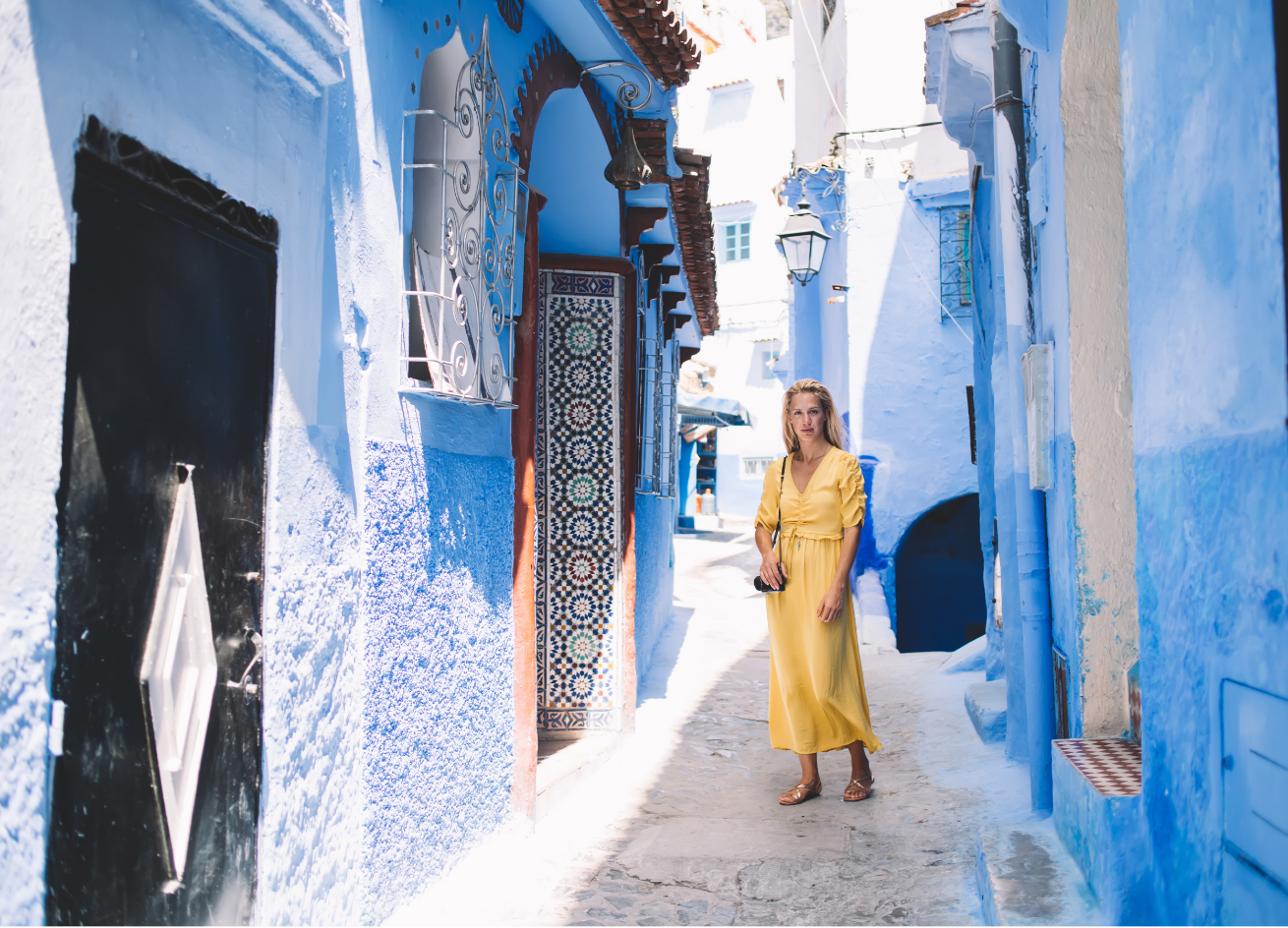
A stunning 12th-century fortress with beautiful gardens and views of the Atlantic and Bou Regreg River. The blue-and-white buildings and narrow streets offer a picturesque setting.
Historical/Architecture
1-2 hours
Free to enter the Kasbah, 10 MAD for the museum
Hassan Tower
An unfinished 12th-century minaret that was intended to be the largest in the world. It stands as a symbol of Rabat and offers insights into Moroccan history and architecture.
Historical/Architecture
30 minutes to 1 hour
Free to view from the outside, 10 MAD to enter the mausoleum
Chellah Necropolis
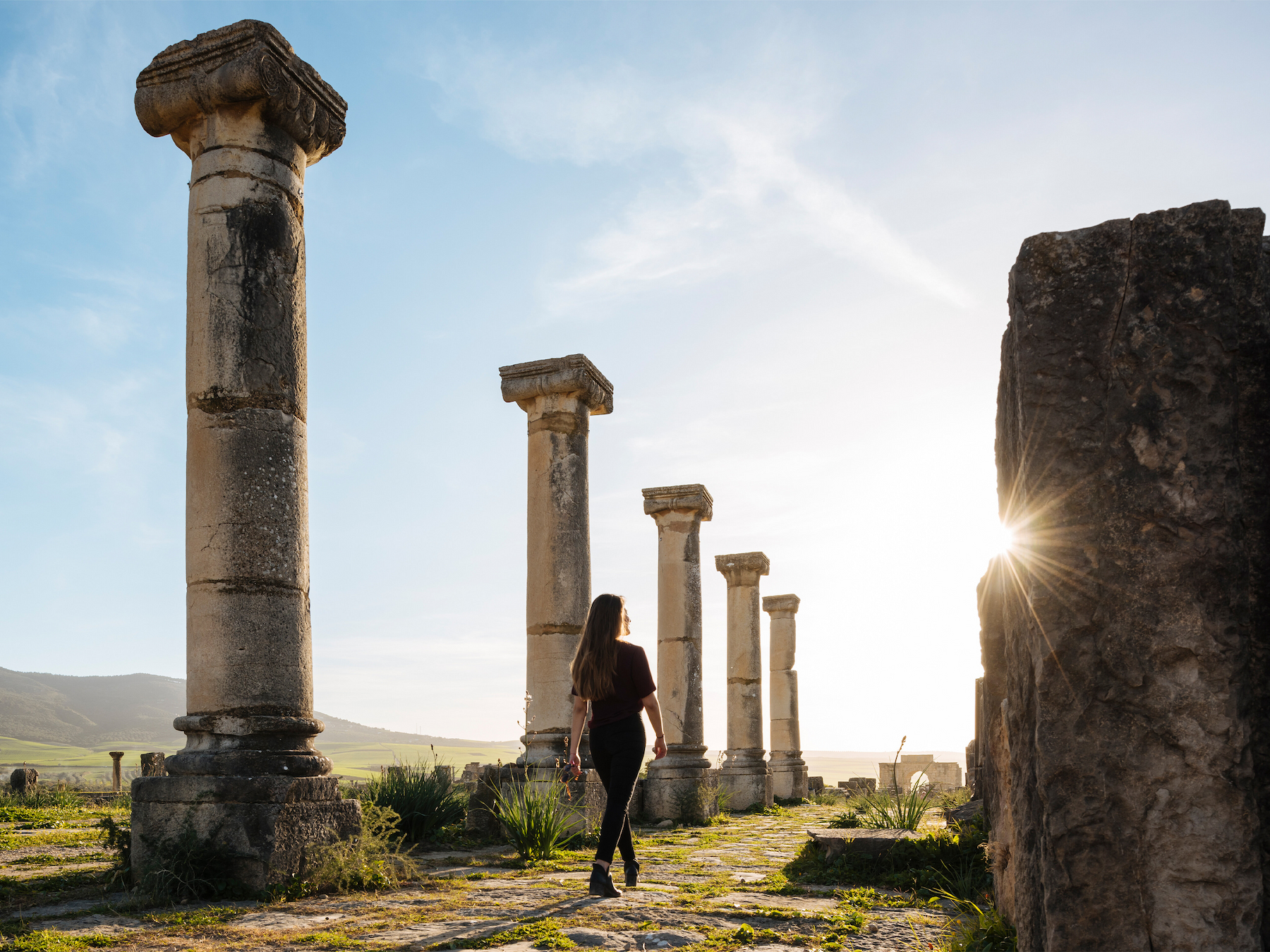
A 14th-century medieval necropolis with ruins, gardens, and stork nests. It's a peaceful and historic site with a mix of Roman and Islamic influences.
Historical/Architecture
1-2 hours
Free
Rabat Beach
A long stretch of sandy beach along the Atlantic coast, offering a relaxing escape from the city. It's popular for swimming, sunbathing, and water sports.
Beach
Half day or more
Free
Mohammed VI Museum of Modern and Contemporary Art
A modern art museum showcasing works by Moroccan and international artists. The building itself is an architectural marvel with a striking design.
Museum
1-2 hours
50-100 MAD
Must-Try Local Dishes
Tagine
A slow-cooked stew made with meat (lamb, chicken, or beef), vegetables, and spices, cooked in a conical clay pot.
Main Course
Can be vegetarian or vegan if made without meat.
Couscous
Steamed semolina grains served with vegetables and meat, often cooked in a spiced broth.
Main Course
Can be vegetarian or vegan if made without meat.
Pastilla
A savory-sweet pie made with layers of thin pastry, filled with spiced pigeon or chicken, almonds, and powdered sugar.
Main Course
Contains meat and nuts.
Harira
A hearty soup made with tomatoes, lentils, chickpeas, and lamb or chicken, flavored with spices and served with lemon.
Soup
Can be vegetarian or vegan if made without meat.
Popular Activities
Hiking in the nearby mountains
Surfing and water sports at Rabat Beach
Exploring historic sites and ruins
Sunbathing and swimming at Rabat Beach
Enjoying a mint tea at a seaside cafe
Strolling through the Andalusian gardens in the Kasbah of the Udayas
Exploring the medina and its markets
Visiting historic sites like the Hassan Tower and Chellah Necropolis
Best Time to Visit
Spring (March to May) and Fall (September to November)
These seasons offer the most comfortable weather for exploring the city's attractions. The crowds are moderate, and the city is lively with cultural events.
15°C to 25°C
59°F to 77°F
Practical Information
Language
- Official: Arabic
- Widely spoken: French, Berber
- English: Moderately spoken in tourist areas, limited elsewhere
Currency
Moroccan Dirham (MAD)
Time Zone
GMT+0 (Western European Time)
Electricity
220VV, 50HzHz
Safety Information
Overall Safety Rating: Generally safe, but exercise caution in crowded areas and at night
Rabat is generally safe for tourists, but petty crime like pickpocketing and scams can occur, especially in crowded areas and tourist spots. Be cautious at night, and avoid walking alone in poorly lit areas.
Important Precautions:
- • Be cautious of your belongings in crowded areas
- • Use reputable taxi services or app-based taxis
- • Avoid walking alone at night in poorly lit areas
Getting there
By air
- Rabat-Salé Airport • 8 km from city center
By train
Rabat-Ville Station
By bus
Rabat City Center Bus Station, Salé Bus Station
Getting around
Public transport
The tram system is modern, efficient, and affordable. It's a great way to get around the city.
Taxis
Available • Apps: Careem, Heetch
Rentals
Car, Bike, Scooter
Neighborhoods
Medina of Rabat
Ville Nouvelle (New Town)
Salé
Day trips
Salé
2 km from Rabat • Half day
Salé is connected to Rabat by the Bou Regreg River and offers a mix of historic sites, beaches, and local markets. It's a great place to experience authentic Moroccan culture.
Chefchaouen
160 km from Rabat • Full day or overnight
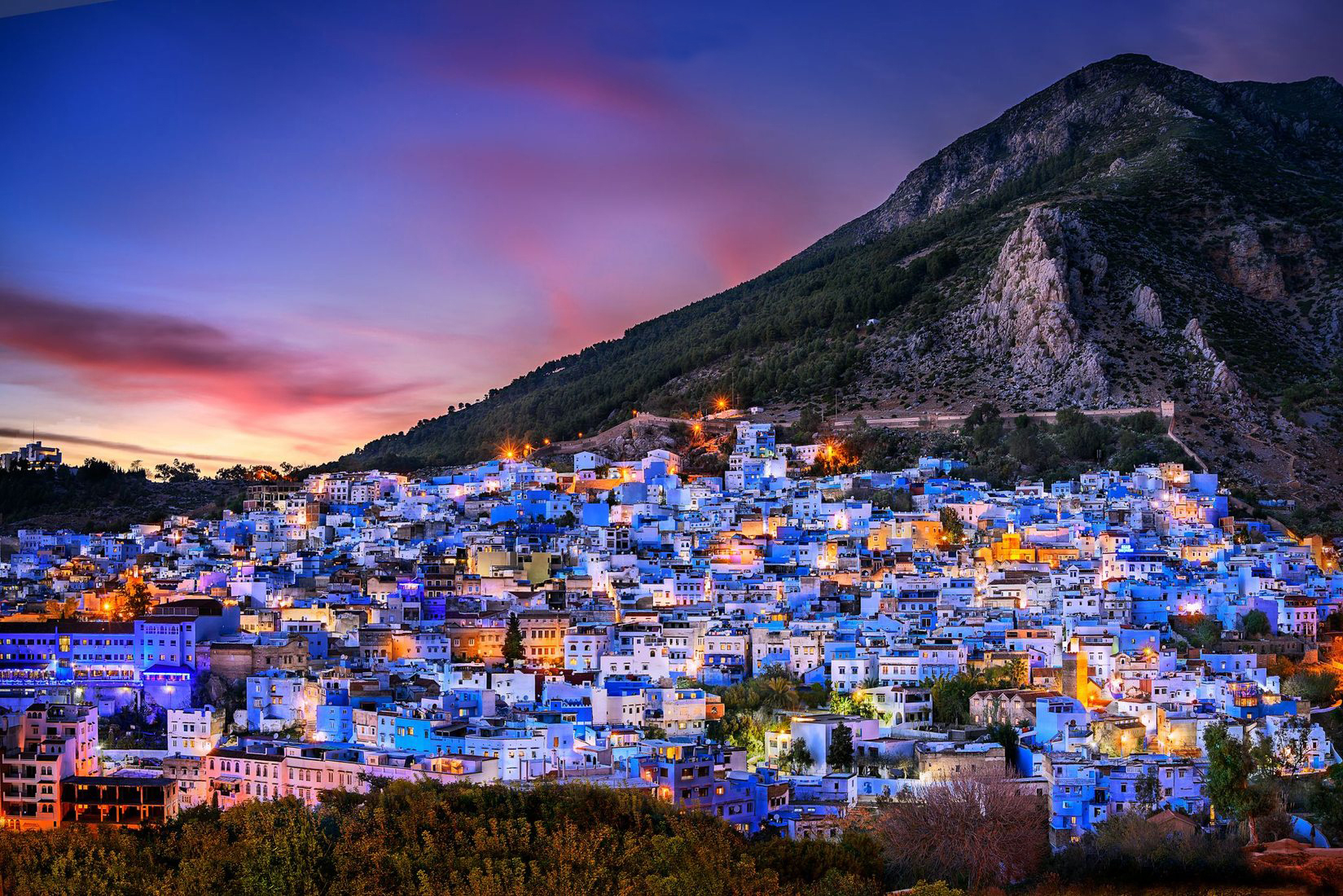
Known as the 'Blue Pearl' for its blue-washed buildings, Chefchaouen is a charming mountain town with a relaxed atmosphere and stunning views.
Casablanca
80 km from Rabat • Half day or full day
Morocco's largest city and economic hub, Casablanca offers a mix of modern architecture, historic sites, and vibrant culture.
Festivals
Rabat Festival • June to July
Mawazine Rhythm and Blues Festival • May to June
Ramatoulaye • July
Pro tips
- Learn a few basic phrases in Arabic or French to enhance your experience and connect with locals
- Visit the medina early in the morning or late in the afternoon to avoid the heat and crowds
- Try local street food for an authentic and affordable culinary experience
- Use the tram and bus systems for affordable and efficient transportation around the city
- Be cautious of your belongings in crowded areas and tourist spots, as pickpocketing can occur
From $25
per person
Price varies by option
Secure booking
Free cancellation available
Instant confirmation