Gokyo Valley Trekking
Active
14d
For a full refund, cancel at least 24 hours before the scheduled departure time.
Instant confirmation
Mobile or paper ticket accepted
About this experience
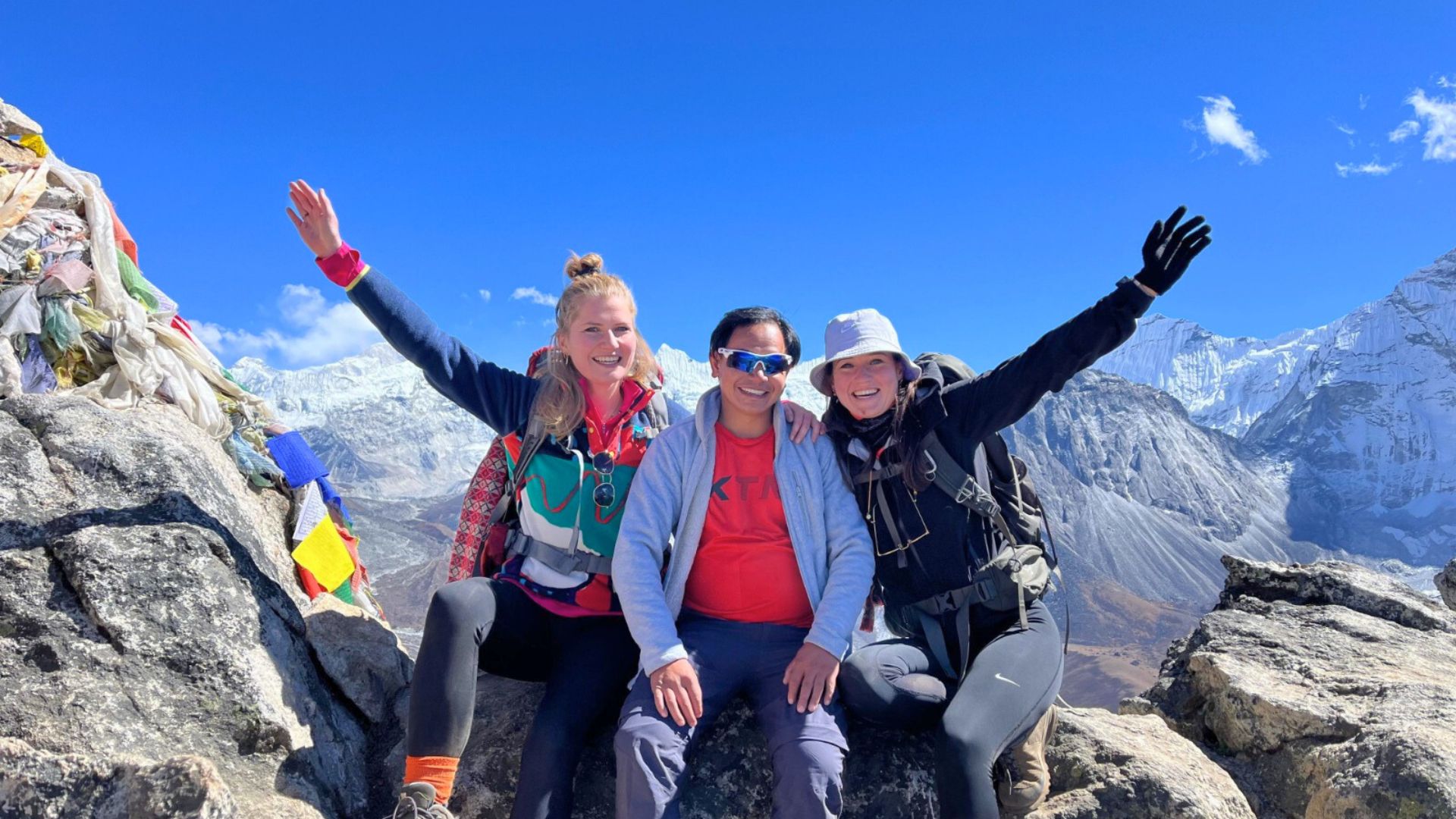
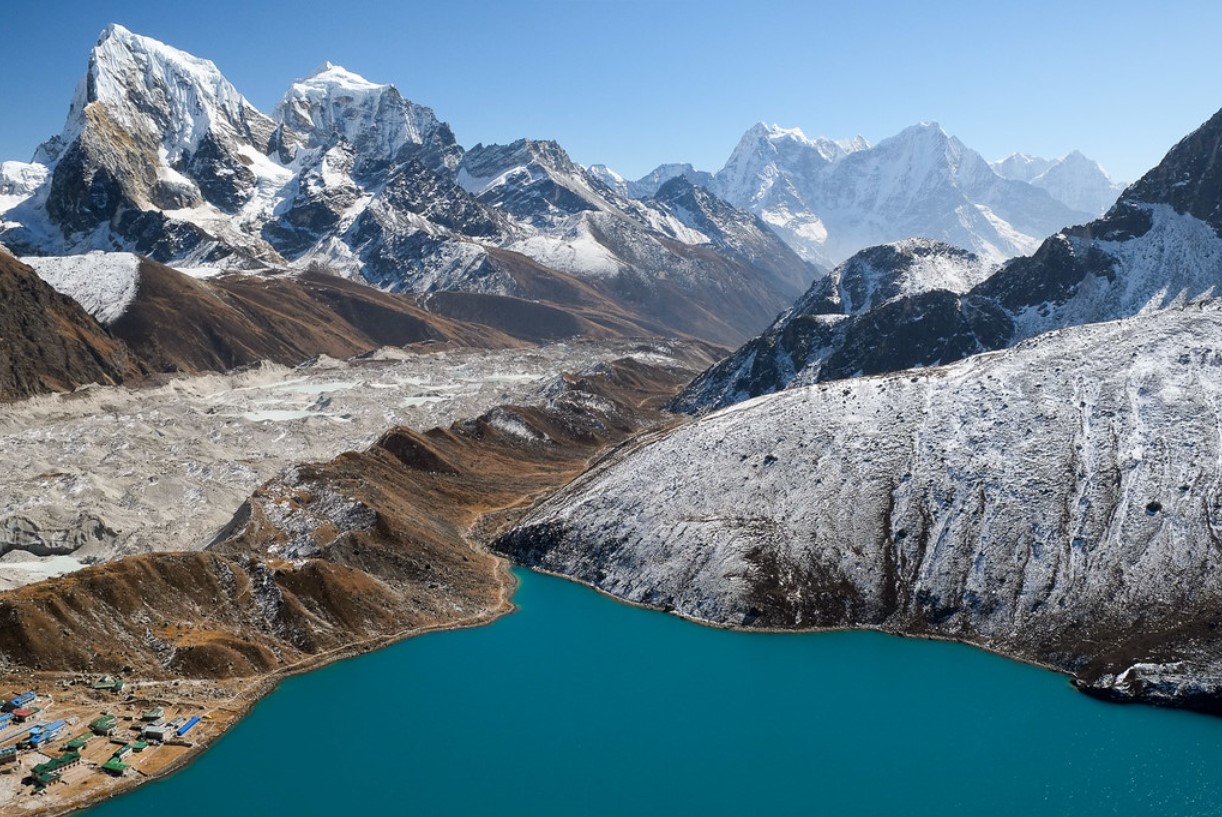
Gokyo Valley is also the base of the highest freshwater lake system (4700-5000 m) in the world, comprising of 19 lakes, both big and small. Another attraction in this area is the Gokyo village (4700 m), a quaint village situated by the bank of third Gokyo Lake. This place has several stone houses, mainly small hotels catering to tourists and trekkers. Apart from the beauty of Gokyo Valley itself, the trek features traversing through several Sherpa settlements and Buddhist monasteries while enjoying the continuous vista of the Khumbu Himalayas.
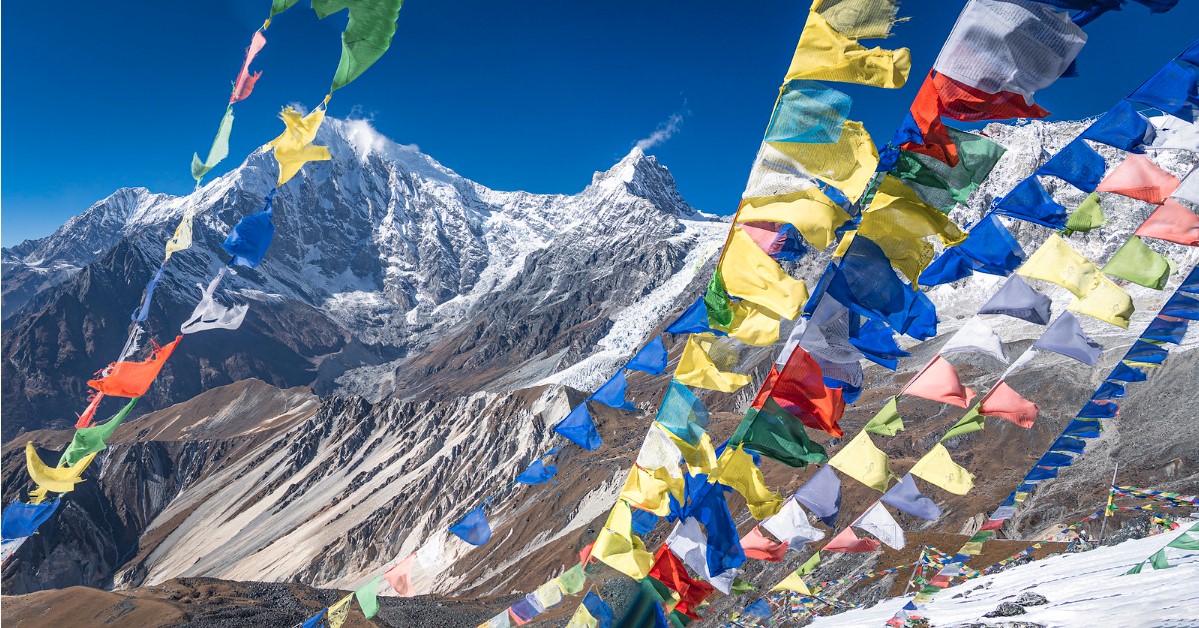
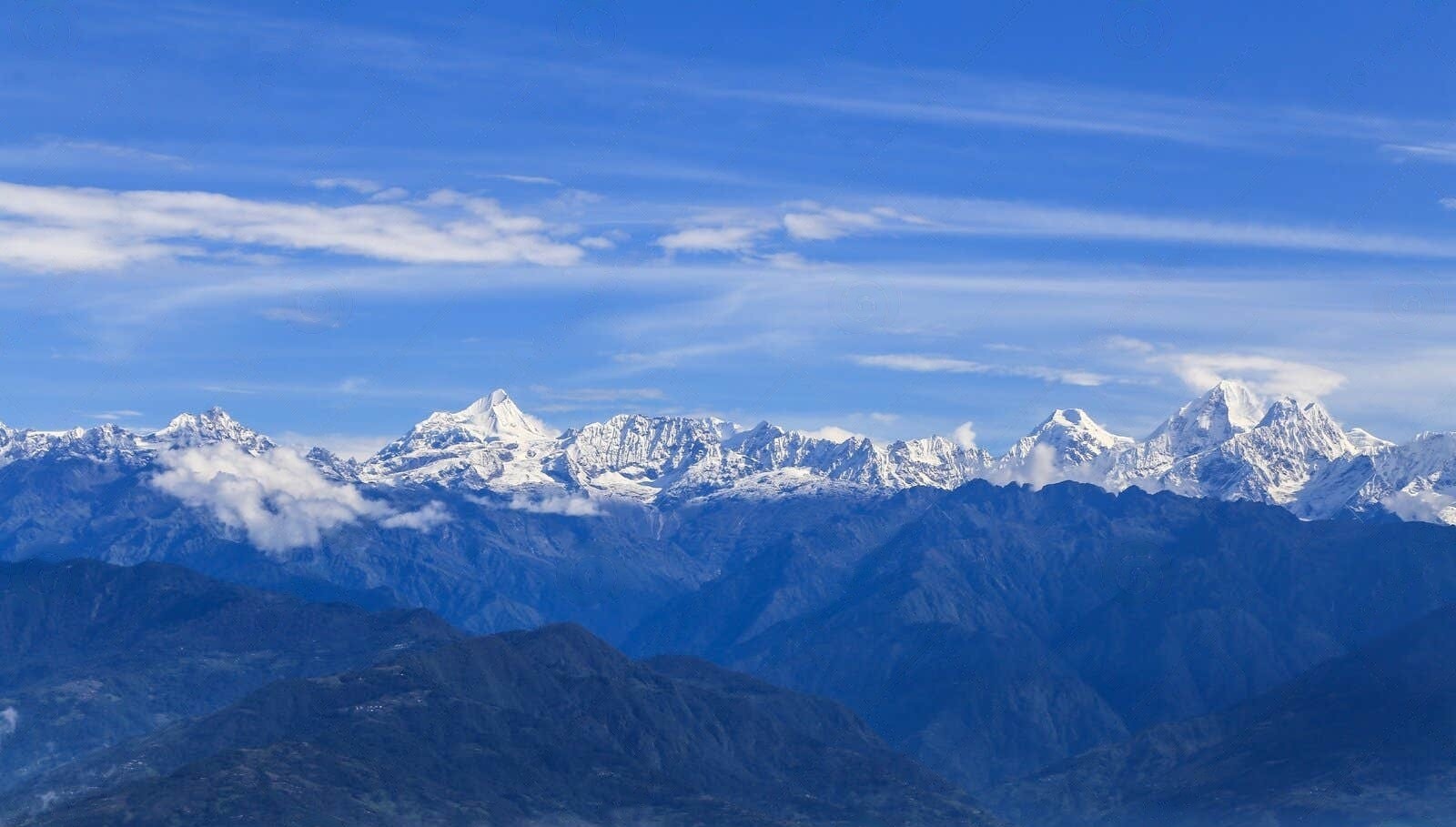
The most fascinating benefit of trekking in this trail is extreme view of huge ice ridge located between Cho You and Gyachung in Khumbu region. It is known for the existence of high altitude lakes as well. This trekking trails eventually leads you to the famous point of Gokyo Ri (Gokyo Peak) from where you can have a awe-inspiring view of hundreds of pleasing scenery.
Available options
Gokyo Valley Trekking
Pickup included
What's included
Staff costs including their salary, insurance, equipment, domestic airfare, food and accommodation
Domestic flights (Kathmandu – Lukla – Kathmandu)
Teahouse Accommodation including Breakfast, lunch and Dinner during the trek
3-star catagory hotel in Kathmandu including breakfast
Airport Transportation ( Arrival And Departure)
Necessary paperwork and trekking permits (National Park Permit, TIMS)
All government and local taxes
An experienced, English-speaking trekking guide and Porter service (2 trekkers : 1 porter)
Breakfast
What's not included
All Fees and Taxes
Extra night accommodation in Kathmandu because of early arrival, late departure, early return.
Lunch and dinner in Kathmandu
phone calls,laundry,bar bills,battery recharge, hot and cold drinks, shower, etc.)
Tips for guide(s), porter(s) and driver(s)
Service Upgrade Price
Available languages
Guide guide
EN
Reviews breakdown
Tripadvisor
5.0
2 reviews
5★
2
4★
0
3★
0
2★
0
1★
0
Important information
Travelers should have at least a moderate level of physical fitness
Day 01 : Kathmandu Arrival (1,350m/4,428ft)
Representative from Himalayan Sanctuary Adventure will be waiting you outside the international arrival terminal gate than You will be transferred to your hotel. Overnight at your hotel in Kathmandu
Day 02 : Kathmandu Vally Sightseeing
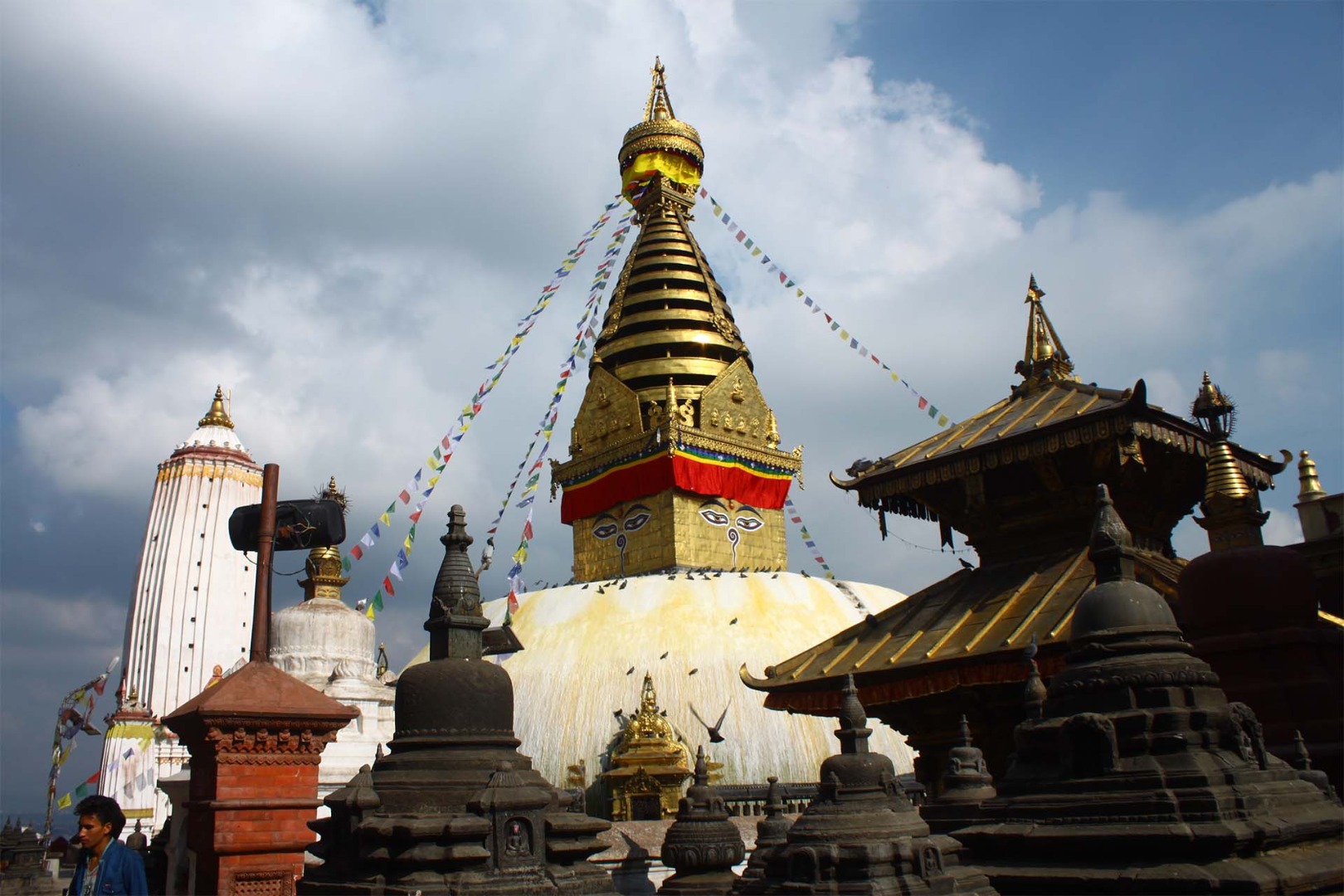
After breakfast in the morning you will be Proceed for Sightseeing place as given below. 1.Boudhanath Stupa , Lies about 6 kms to the east of downtown Kathmandu and is the largest stupa in the valley. It looms 36 meters high and presents one of the most fascinating specimens of stupa design. Buddhanath is also known as Khasti, or dew drops, after an account that builders had to use dew to mix the mortar as Kathmandu was suffering from a severe drought during the construction of Bouddhanath. 2.Pasupatinath Temple , Pashupatinath is one of the most sacred Hindu shrines in the world and lies 5 kms east of the city center. The richly-ornamented pagoda houses the sacred Linga, or phallic symbol, of Lord Shiva. Chronicles indicate the temple’s existence prior to 400 AD. Devotees can be seen taking ritual dips in the holy Bagmati River flowing beside the temple 3.patan Darbar Square , Patan Durbar Square is an enchanting combination of palace buildings, artistic courtyards and graceful pagoda temples. The former royal palace complex is the center of Patan’s religious and social life, and houses a museum containing an array of bronze statues and religious objects. One remarkable monument here is a 17th-century temple dedicated to the Hindu god Krishna, built entirely of stone 4.Swayambhunath Stupa ,The Monkey Temple (World Heritage Site) Watches over the valley from the top of a hillock on its western side. The huge stupa is one of the holiest Buddhists sites in Nepal and its establishment is linked to the creation of the Kathmandu Valley out of a primordial lake.
Day 03 : Kathmandu – Lukla – Phakding(2,651m/8,700ft): 40 minutes flight, 3 – 4 hours trek
We take an early morning flight to Lukla and meet our rest of the crew members in Lukla and start our trek. The trail then leads to Phakding via Cheplung village from where we get a magnificent view of Mt. Khumbila, a sacred mountain which has never been summited.Overnight at Phakding
Day 04 : Phakding – Namche (3,438m/11,280 ft): 5 hours
We continue our walk on the trail that goes north up the Benkar valley. We cross Dudh Koshi River and pass Chumoa and Monjo villages leading the entrance to the Everest National Park. Then we pass Jorsale village crossing a suspension bridge and walk alongside of the Dudh Koshi and Bhote Koshi rivers. We continue our trek ascending on a steep trail and reach Namche Bazaar.
Day 05 : Acclimatization Day – Namche Bazaar (3,440m/11,284ft)
We explore Namche Bazaar and hike-up to Sagarmatha National Park and enjoy the sunrise over the Himalayas including Mt. Everest, Lhotse, Nuptse, Ama Dablam, Thamserku, Kongde and so on. If we are interested in a day hike, we can trek to Khumjung village.Overnight in Namche Bazaar.
Day 06 : Namche Bazaar to Phorse (3680m)
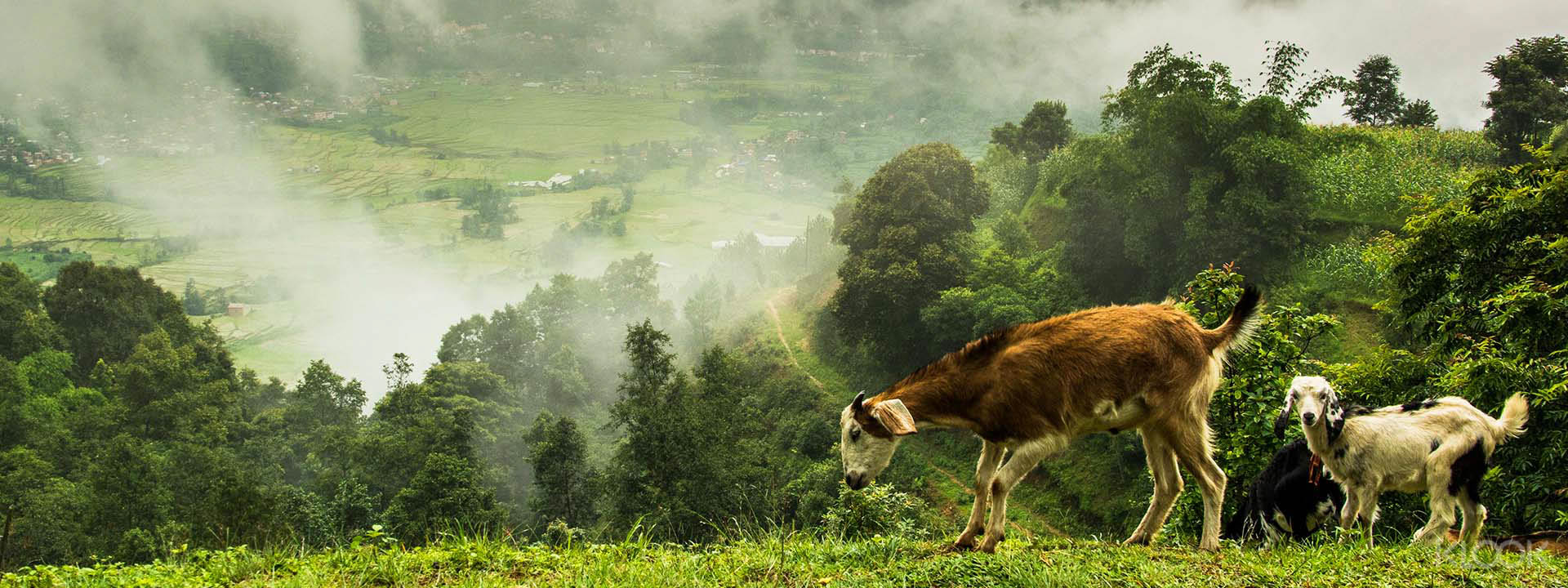
We leave Namche Bazaar on a trail with progressive good and bad times. In transit we are probably going to spot Himalayan fowls, musk deer and Himalayan Thars. We at that point start plummeting to Kyanjuma. From Sansa, we take after the Gokyo trails and from Mong we get a look at Ama Dablam, Thamserku, Tawoche and Khumbila mountains. Our trail dives to Dudhkoshi Khola after which it is a tough move through rhododendron timberlands before achieving Phorse. From here we get great perspectives of Tawache and Cholaste mountains.
Day 07 : Phortse Tenga to Machhermo(4470 m):
Today we will climb 810 m up to Machhermo from Portsea Tenga. We will pass a few places like Dola, Kele and Luza to reach there. During our walk, we will be able to view Tabauche and Choletsea. Attend altitude talk in Machhermo hospital at 3 o clock and stay overnight at Machhermo.
Day 08 : Machhermo – Gokyo (4750 m):
The trek for today takes us to a wonderful place called Gokyo. The very first section of the trek takes us on an uphill walk through a ridge enjoying the Himalayan view. Our walk also passes through a glacial moraine, first lake before reaching the beautiful Gokyo village on the bank of a serene lake. We will have some time in the afternoon to explore the village as we reach there after a walk of about four hours
Day 09 : Gokyo lake Exploration Day:
This may have full day rest at Gokyo or have the chance to explore up to the fifth lake passing another forth lake and enjoy the view. We take our day to explore the majestic beauty of Gokyo village and surrounding wonders. This is a great place and an opportunity to view full part of Mt. Everest and Cho-Oyu. You can see the Northern part of Cho-you base camp and biggest glacier of the world Ngazumpa glacier. After spending an incredible day in and around Gokyo, we spend overnight here at Gokyo.
Day 10 : Gokyo – PhorsteThanga (3680 m):
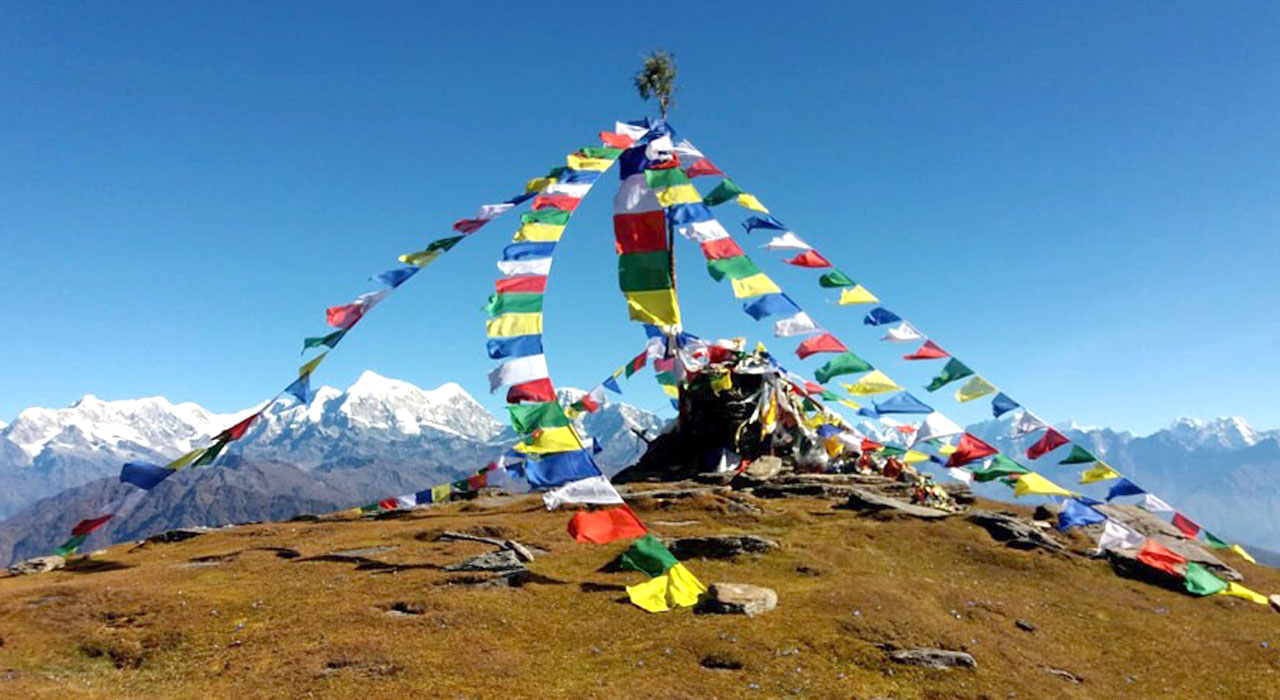
Early in the morning, we hike up to Gokyo Ri for the breathtaking view of the splash a sunrise top of the mountain including Mt. Everest view and many more Himalayan scenery. This will be an unforgettable lifetime memory and enjoy around the top. We have great memories and stroll back an hour to Gokyo for breakfast. After breakfast walk back through the same valley down than cross the river to the right valley up hills to the Phorste village for overnight. Phorste Village is interesting as it is situated in the middle of the hills above the river valley with pine and Rhododendron forest surrounding. At here you will also have a chance to see the Himalayan pleasant and few other Himalayan animals.
Day 11 : Phorste – Monjo via Namche (2835 m):
We descend all the way to Khumjung after breakfast at the lodge. Khumjung is a beautiful village in the Everest region. A small yet beautiful settlement, Khumjung offers a wonderful view of iconic mountain peaks and spectacular landscape. We trek all the way down to Monjo via Namche Bazar. We make a stop at Namche Bazar for lunch. We continue the walk further down to Monjo. The trail descends steeply to Monjo
Day 12 : Monjo – Lukla (2840 m):
We are going to complete a round trip to Lukla today. Traversing the trail down towards the Dudh Koshi River and walking alongside it, we eventually reach Lukla trekking past Phakding and several other beautiful places. Once we reach Lukla, we say thank you and goodbye to our amazing crew members who made a wonderfully successful trip possible. Whatever we do is not enough to express our gratitude towards them but we are highly thankful to them.
Day 13 : Lukla – Kathmandu (1300 m):
We take another beautiful morning flight back to Kathmandu by a fixed-winged aircraft. Saying a heartfelt goodbye to the majestic mountains after so many days of wonderful moments amongst them is quite difficult but we have to do it anyway. We finally land at Kathmandu airport to feel the city air after so many days of wonderful and fresh mountain air. We are transferred to our hotel
Day 14 : Departure for your onward flight.
you will be picked up from your hotel and drive you to the TIA a couple of hours before the departure. With some exciting stories and wonderful memories from the Himalayas, the Gokyo Valley Trek with Himalaya Sanctuary will remain with you forever.
Note: To avoid the risk of missing your International flight we always suggest you have 2 to 3 days extra at the end of your trip because the flight from Kathmandu – Lukla – Kathmandu Often delayed or canceled due to bad weather conditions.
Important notes
• Comfortable walking shoes are recommended
• A current valid passport is required on the day of travel
• U.S and Canadian Citizens: Must bring a government issued photo ID and proof of citizenship (U.S birth certificate or naturalization certificate) or a passport for re-entry to the United States. Children, ages 18 and under only require a birth certificate. Non-U.S. Citizens: Either a Passport, I-94, Multiple Entry Visa or Resident Alien Card is required for re-entry to the United States.
• You MUST confirm and obtain any visa requirements prior to border crossing. All visa requirements are the sole responsibility of the traveler
• The duration of transfers are approximate, the exact duration will depend on the time of day and traffic conditions
Hotel pickups commence prior to this time, you must contact the local service provider to verify your exact pickup time.
About Kathmandu
Kathmandu, the capital of Nepal, is a vibrant blend of ancient history, rich culture, and stunning Himalayan scenery. Known as the 'City of Temples,' it's home to seven UNESCO World Heritage Sites, including the iconic Swayambhunath Stupa and Pashupatinath Temple. The city offers a unique mix of traditional Newari architecture, bustling markets, and modern urban life.
Top Attractions
Swayambhunath Stupa (Monkey Temple)
One of the most iconic landmarks in Kathmandu, this UNESCO World Heritage Site is a Buddhist stupa perched on a hilltop, offering panoramic views of the city and surrounding mountains. It's also home to many monkeys, hence the nickname.
Religious/Historical
1-2 hours
Free (donations welcome)
Pashupatinath Temple
One of the most sacred Hindu temples in the world, dedicated to Lord Shiva. Located on the banks of the Bagmati River, it's a major pilgrimage site with a lively atmosphere, especially during festivals.
Religious
2-3 hours
Free for Hindus, NPR 1000 (USD 8) for non-Hindus
Boudhanath Stupa
One of the largest stupas in the world and a UNESCO World Heritage Site, Boudhanath is a major center for Tibetan Buddhism. The surrounding area is filled with monasteries, shops, and cafes, creating a vibrant cultural hub.
Religious/Historical
2-3 hours
Free (donations welcome)
Kathmandu Durbar Square
A UNESCO World Heritage Site, this historic square is the heart of the old city and features ancient palaces, temples, and courtyards. It's a living museum showcasing the city's rich history and Newari architecture.
Historical/Architectural
1-2 hours
NPR 1000 (USD 8) for foreigners
Bhaktapur Durbar Square
Located in the ancient city of Bhaktapur, this UNESCO World Heritage Site is a well-preserved example of Newari architecture. It features beautiful temples, palaces, and courtyards, offering a glimpse into Nepal's royal history.
Historical/Architectural
Half-day trip
NPR 1500 (USD 12) for foreigners
Must-Try Local Dishes
Dal Bhat
A staple meal consisting of lentil soup (dal), rice (bhat), and vegetable curry (tarkari). Often served with pickles, salad, and sometimes meat.
Lunch/Dinner
Vegetarian (can be made vegan by omitting ghee)
Momo
Steamed or fried dumplings filled with meat (buffalo, chicken, or pork) or vegetables, served with a spicy tomato-based sauce.
Snack/Appetizer
Vegetarian options available, can be made vegan
Sel Roti
A sweet, ring-shaped fried bread made from rice flour, sugar, and water, often served during festivals and celebrations.
Snack/Dessert
Vegetarian (may contain eggs in some recipes)
Gundruk
A fermented leafy green vegetable, often cooked with spices and served as a side dish or added to soups and stews.
Side Dish
Vegetarian, vegan, and gluten-free
Popular Activities
Trekking
Mountain biking
Paragliding
Rafting
Yoga and meditation retreats
Spa treatments
Café hopping
Gardening
Best Time to Visit
October to November and March to April
These months offer pleasant weather, clear skies, and excellent visibility for trekking and sightseeing. The city is lively with festivals and cultural events.
20-30°C (68-86°F)
68-86°F
Practical Information
Language
- Official: Nepali
- Widely spoken: English, Hindi, Newari, Maithili, Bhojpuri
- English: Moderately spoken in tourist areas, limited in rural areas
Currency
Nepalese Rupee (NPR)
Time Zone
Nepal Standard Time (NPT, UTC+5:45)
Electricity
230VV, 50HzHz
Safety Information
Overall Safety Rating: Exercise caution
Kathmandu is generally safe for travelers, but petty crime, scams, and pickpocketing can occur, especially in tourist areas and crowded markets. Be cautious of your surroundings, keep valuables secure, and avoid walking alone at night in poorly lit areas.
Important Precautions:
- • Use reputable tour operators and trekking agencies
- • Insist on using the meter when taking taxis
- • Keep valuables secure and out of sight
Getting there
By air
- Tribhuvan International Airport • 5 km (3 miles) from city center
By bus
Galkopul, Kalanki
Getting around
Public transport
Buses are the most common form of public transport, but they can be crowded and slow. Microbuses are smaller and more frequent.
Taxis
Available • Apps: Pathao, InDriver
Rentals
Car, Bike, Scooter
Neighborhoods
Thamel
Boudha
Patan (Lalitpur)
Bhaktapur
Day trips
Nagarkot
32 km (20 miles) from Kathmandu • Half-day to full-day trip
A picturesque hill station known for its stunning views of the Himalayas, including Mount Everest on clear days. Nagarkot is also famous for its sunrise and sunset views.
Dhulikhel
30 km (19 miles) from Kathmandu • Half-day to full-day trip
A charming Newari town offering beautiful views of the Himalayas and historic temples. Dhulikhel is less touristy than Nagarkot but equally scenic.
Changunarayan
18 km (11 miles) from Kathmandu • Half-day trip
A UNESCO World Heritage Site featuring an ancient temple dedicated to Lord Vishnu. Changunarayan is one of the oldest Hindu temples in the Kathmandu Valley and is known for its intricate stone and wood carvings.
Festivals
Dashain • September/October (dates vary each year)
Tihar • October/November (dates vary each year)
Indra Jatra • September (dates vary each year)
Pro tips
- Learn a few basic Nepali phrases to enhance your experience and connect with locals
- Hire a local guide or join a group tour for a more immersive and informative experience, especially when visiting temples and historical sites
- Carry small denominations of Nepalese Rupees for small purchases and tips, as change may be limited
- Be prepared for power outages and slow internet, especially during peak hours and in rural areas
- Stay hydrated and protect yourself from the sun, as the high altitude and intense sunlight can cause dehydration and sunburn
From $25
per person
Price varies by option
Secure booking
Free cancellation available
Instant confirmation