



Private tour : Best of Brussels half day From Brussels
Active
4h - 5h
For a full refund, cancel at least 24 hours before the scheduled departure time.
Instant confirmation
Mobile or paper ticket accepted
About this experience
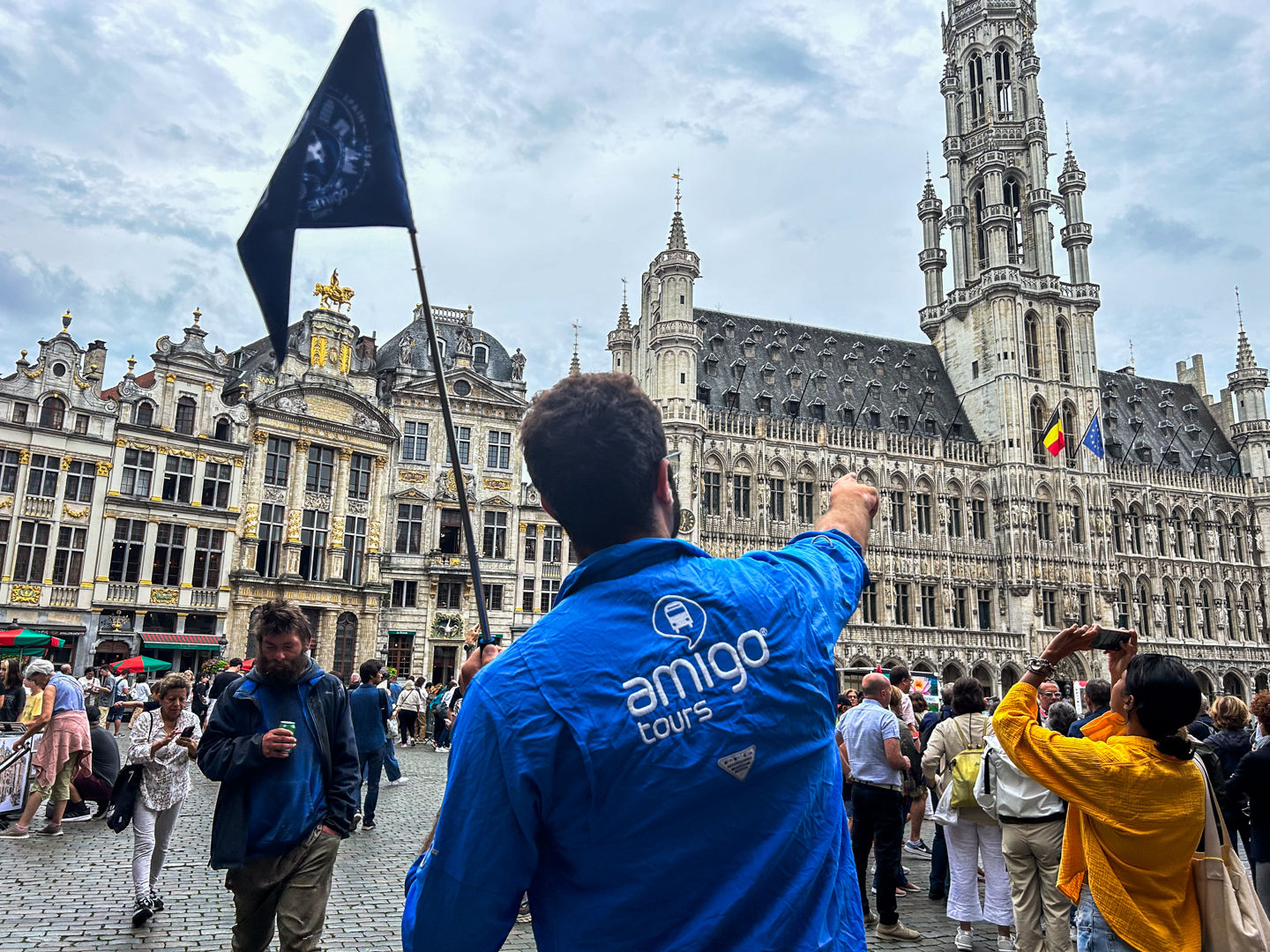
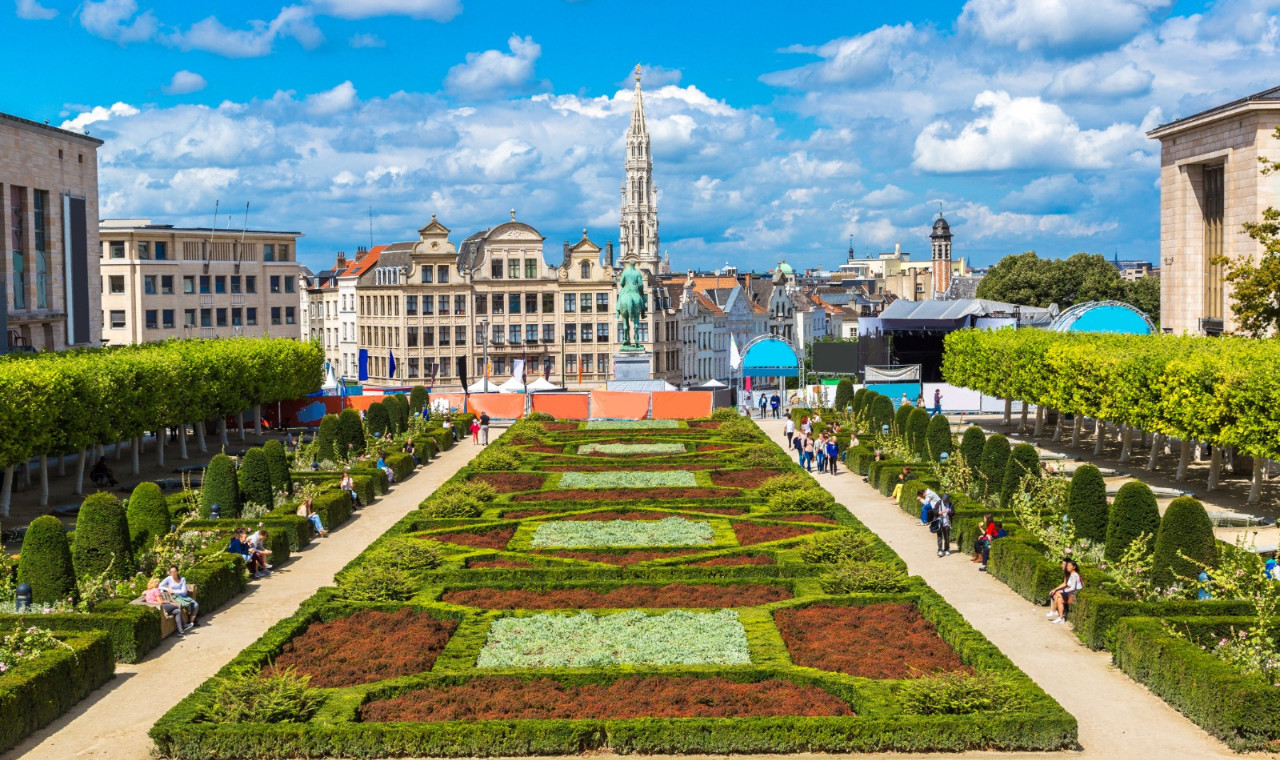
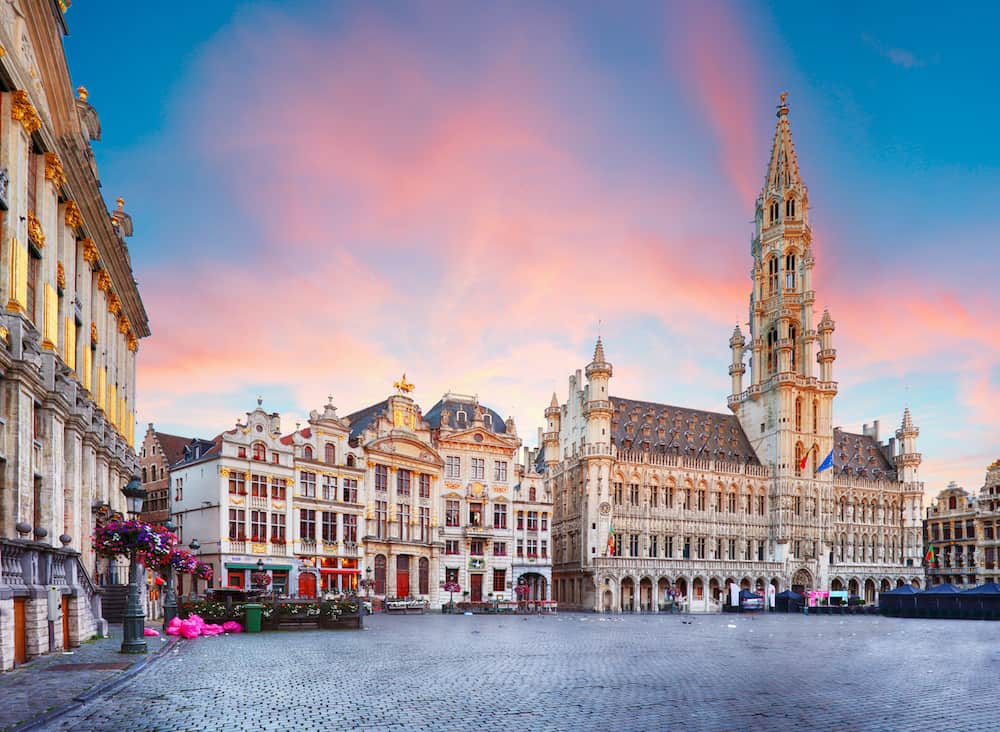
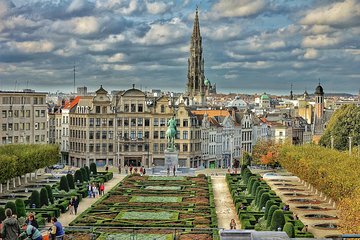
Depart from your location( Hotel, airport, port ) greet your guide and driver to begin your cultural tour. Stroll to the historical heart of medieval Brussels to discover an antique myriad of architecture in the Market Square; see the stunning City Hall and hear of the city’s rich heritage from your expert guide. Next, climb aboard a luxurious coach to tour the city’s most alluring landmarks; pass the colossal St Michael’s Cathedral and the world famous Heyseldistrict with its Atomium; and embrace the cosmopolitan culture of the Japanese Tower and the Chinese Pavilion. Marvel at the endless rows of antique shops in the Sablon district and catch a glimpse of the Royal Residence’s regal exterior as you travel.
Continue to the Palace of Justice and sail past examples of impressive imperial structures; see the stately Royal Square, the grand Houses of Parliament and the Royal Palace.
Conclude your tour with return transportation to your hotel or original departure point.
Available options
Private tour : Best of Brussels half day From Brussels
Pickup included
What's included
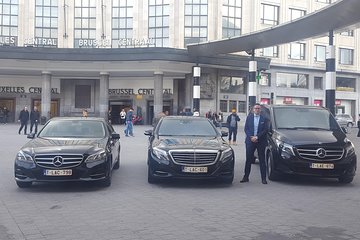
Private transportation
Bottled water
WiFi on board
Air-conditioned vehicle
Detailed itinerary
1
Stop 1
Behind every landmark and every stop, there’s a story, and your local guide is ready to tell it all. Get ready to listen to incredible stories, one-of-a-kind insights, and fun facts only a knowledgeable local would know
2
See St Nicholas Church and other landmarks and must-sees of the city. Your local host will take you to the main spots in town so you can get the perfect overview of what makes Brussels so unique
3
Stop 3
Along the way, your local host will show you treasures hidden in plain sight that only the locals know about. Get to know the city through a different perspective, the local way, and discover places and stories that not many tourists experience
4
Stop 4
The Atomium as the Symbol of Brussels
An example of what it means when art meets architecture
There are few buildings that can capture the imagination of visitors of all ages and backgrounds. By using fantastical yet familiar elements to enable a sense of wonder on the part of viewers from across the world, the Atomium, sitting in the northwest area of central Brussels in Belgium, is one of those buildings.
The Atomium is a giant model of a unit cell of an iron crystal, with each sphere of the structure symbolizing an atom. Completed in 1958 as a unique combination of art and architecture, it has somehow been able to endure with one foot in the past and one in the future. The structure attracts over 600,000 visitors every year and in the process has become one of the national symbols of Belgium.
5
Stop 5
The Cinquantenaire (50th anniversary) site is comprised of a vast set of gardens dotted with monuments and museums. It is dominated by a triumphal arch with three arches. The park hosts numerous activities throughout the year: events, celebrations, firework displays, sporting events, concerts, etc.
This place of interest was built in 1880 for the 50th anniversary of the independence of Belgium. The broad pathways lead to the Pavilion of Human Passions designed by Victor Horta, the Royal Museum of the Armed Forces & Military History, the Royal Museums of Art and History and to Autoworld. At the top of the three triumphal arches there’s a bronze quadriga and an unbeatable sweeping view over the whole of Brussels.
6
Stop 6
Exploring the area of European institutions, we will emerge in the why and how Brussels is considered as the capital city of the EU. We will also get a completely different perspective passing by the African neighborhood and learning about the dark and unknown history of the Belgian colonial past.
What's not included
Gratuities
Available languages
Guide guide
DE
PT
EN
IT
FR
HE
ES
Reviews breakdown
Viator
5.0
3 reviews
5★
3
4★
0
3★
0
2★
0
1★
0
Important information
Wheelchair accessible
Infants and small children can ride in a pram or stroller
Service animals allowed
Public transportation options are available nearby
Specialized infant seats are available
All areas and surfaces are wheelchair accessible
Suitable for all physical fitness levels
About Brussels
Brussels, the heart of Europe, is a vibrant city known for its rich history, stunning architecture, and world-renowned cuisine. As the de facto capital of the European Union, it's a melting pot of cultures and languages, offering a unique blend of medieval charm and modern sophistication.
Top Attractions
Grand Place
The Grand Place is the central square of Brussels and a UNESCO World Heritage site. It's famous for its ornate guildhalls and the impressive Town Hall.
Historical
1-2 hours
Free
Atomium
The Atomium is a unique structure built for the 1958 World's Fair. It's a symbol of Brussels and offers panoramic views of the city.
Architecture
2-3 hours
€16 (adults), €10 (children)
Manneken Pis
The Manneken Pis is a small bronze statue of a boy peeing, which has become one of Brussels' most famous landmarks. It's often dressed in costumes for special occasions.
Cultural
15-30 minutes
Free
Royal Palace of Brussels
The Royal Palace is the official palace of the King and Queen of the Belgians. While the royal family does not reside here, it's used for official events and ceremonies.
Historical
1-2 hours
€12.50 (for the Royal Greenhouses, open only in spring and autumn)
Parc du Cinquantenaire
Parc du Cinquantenaire is a large urban park with a triumphal arch, museums, and green spaces. It's a great place for a leisurely walk or picnic.
Nature
1-2 hours
Free (museums have separate fees)
Must-Try Local Dishes
Moules-frites
Mussels cooked in white wine, cream, or other sauces, served with a side of fries.
Main course
Can be made vegetarian by omitting the mussels and using a vegetable-based sauce.
Waffles
Belgian waffles are a must-try, with various toppings like whipped cream, chocolate, and fruit.
Dessert/Snack
Can be made vegetarian or vegan by choosing appropriate toppings.
Fries
Belgian fries are crispy on the outside and soft on the inside, often served with various sauces.
Snack/Side
Can be made vegetarian by choosing vegetable-based sauces.
Carbonade flamande
A traditional Flemish beef and beer stew, often served with fries or bread.
Main course
Not suitable for vegetarians or vegans.
Popular Activities
Cycling tours
Kayaking on the Senne River
Escape rooms
Spa days
Picnics in parks
Café hopping
Museum visits
Art gallery tours
Best Time to Visit
June to August
Summer is the peak tourist season with warm weather and numerous festivals. The city is lively, but also more crowded and expensive.
15°C to 25°C
59°F to 77°F
Practical Information
Language
- Official: Dutch, French, German
- Widely spoken: English
- English: Widely spoken
Currency
Euro (EUR)
Time Zone
GMT+1 (Central European Time, CET)
Electricity
230VV, 50HzHz
Safety Information
Overall Safety Rating: Generally safe
Brussels is generally safe for travelers, but petty crime like pickpocketing can occur in tourist areas. Be cautious with your belongings and stay aware of your surroundings.
Important Precautions:
- • Keep your belongings secure and out of sight
- • Be cautious with ATMs and avoid using them at night
- • Use licensed taxis or ride-sharing apps
Getting there
By air
- Brussels Airport • 11 km (7 miles) from city center
By train
Brussels-South Station, Brussels-Central Station
By bus
Brussels-North Station, Brussels-South Station
Getting around
Public transport
The metro is efficient and covers most of the city. It's a great way to get around, especially during peak hours.
Taxis
Available • Apps: Uber, Heetch
Rentals
Car, Bike, Scooter
Neighborhoods
City Center
Sablon
Saint-Géry
European Quarter
Day trips
Bruges
100 km (62 miles) • Full day
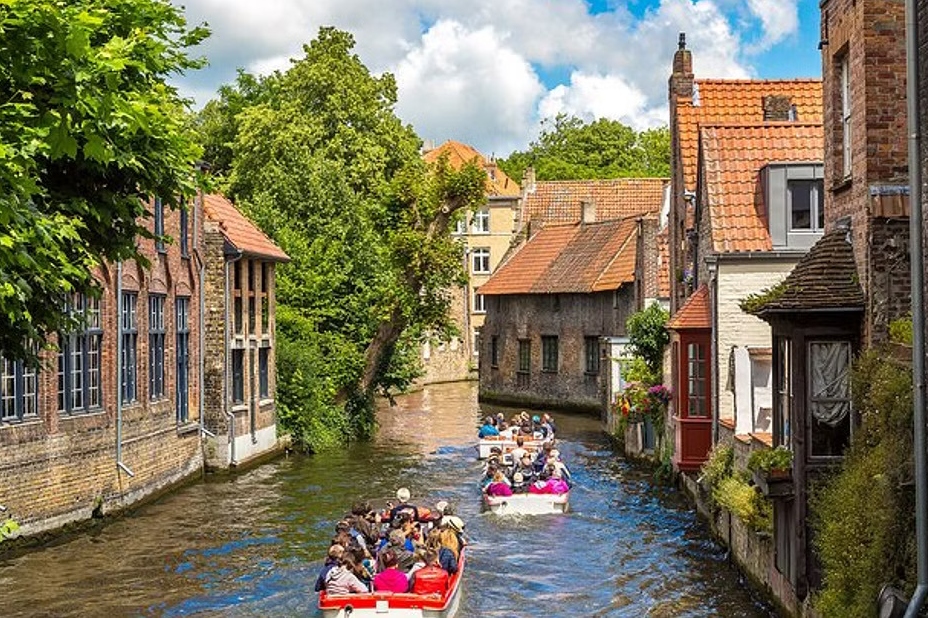
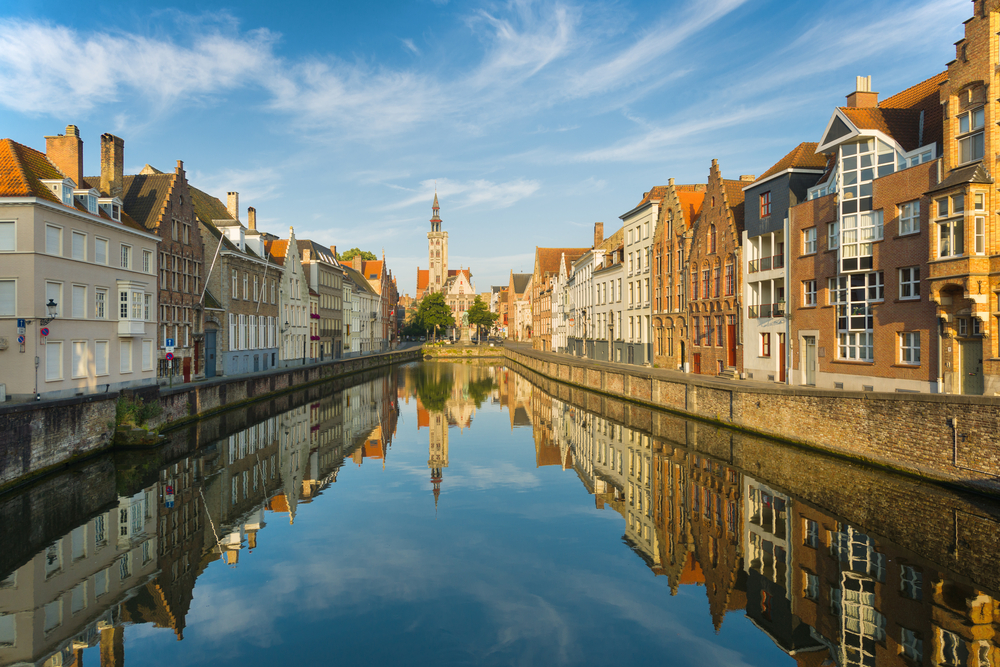
Bruges is a medieval city with a well-preserved historic center, canals, and cobblestone streets. It's often referred to as the 'Venice of the North'.
Ghent
60 km (37 miles) • Full day
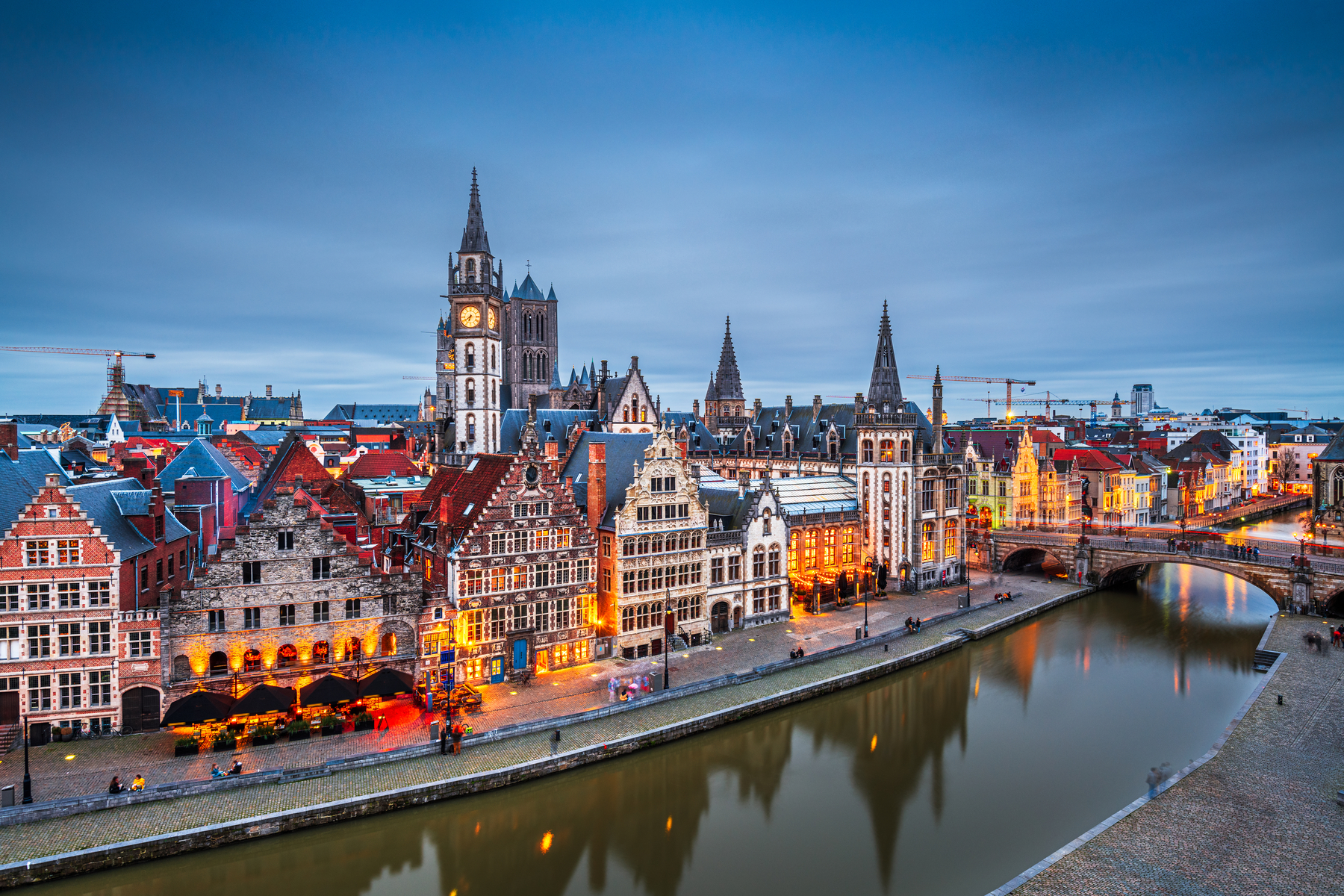
Ghent is a vibrant city with a rich history, beautiful architecture, and a lively student population. It's known for its medieval buildings, castles, and museums.
Antwerp
45 km (28 miles) • Full day
Antwerp is a dynamic city known for its fashion, diamond district, and vibrant cultural scene. It's home to numerous museums, galleries, and historic sites.
Festivals
Ommegang • Early July
Flower Carpet • Every two years in August
Christmas Market • Late November to early January
Pro tips
- Visit the Grand Place early in the morning or late in the afternoon to avoid crowds and enjoy the square's beauty in peace.
- Try a Belgian waffle from a street vendor, but be cautious with toppings that may not be suitable for dietary restrictions.
- Explore the city's neighborhoods on foot or by bike to discover hidden gems and local culture.
- Learn a few basic phrases in French or Dutch to connect with locals and show respect for the language and culture.
- Consider purchasing a Brussels Card for unlimited public transport and discounts on attractions.
From $25
per person
Price varies by option
Secure booking
Free cancellation available
Instant confirmation