Kathmandu: Full Day 7 UNESCO Tour with Lunch - Private/Group
Active
8h - 9h
For a full refund, cancel at least 24 hours before the scheduled departure time.
Instant confirmation
Mobile or paper ticket accepted
About this experience
The Seven World Heritage Day Tour of Kathmandu presents a distinctive convergence of history, culture, and spirituality within a compact geographical span. What makes this tour truly unique is the sheer density and diversity of heritage sites it encompasses. In a single day, travelers journey through millennia of human endeavor, from ancient temples reflecting age-old spiritual traditions to royal squares echoing the grandeur of dynastic reigns. Each site, be it the serene Boudhanath Stupa with its omnipresent Buddha eyes or the bustling Kathmandu Durbar Square alive with local life, tells a tale of Nepal's intricate tapestry of Buddhist and Hindu coexistence. Furthermore, the architectural splendors, the exquisite wood and stone carvings, and the intangible aura of reverence make this tour an unparalleled immersion into the heart of Nepal's cultural and historical legacy. The fact that all these landmarks have earned UNESCO World Heritage status speaks to their global significance.
Available options
Pashupati Evening Arati Tour
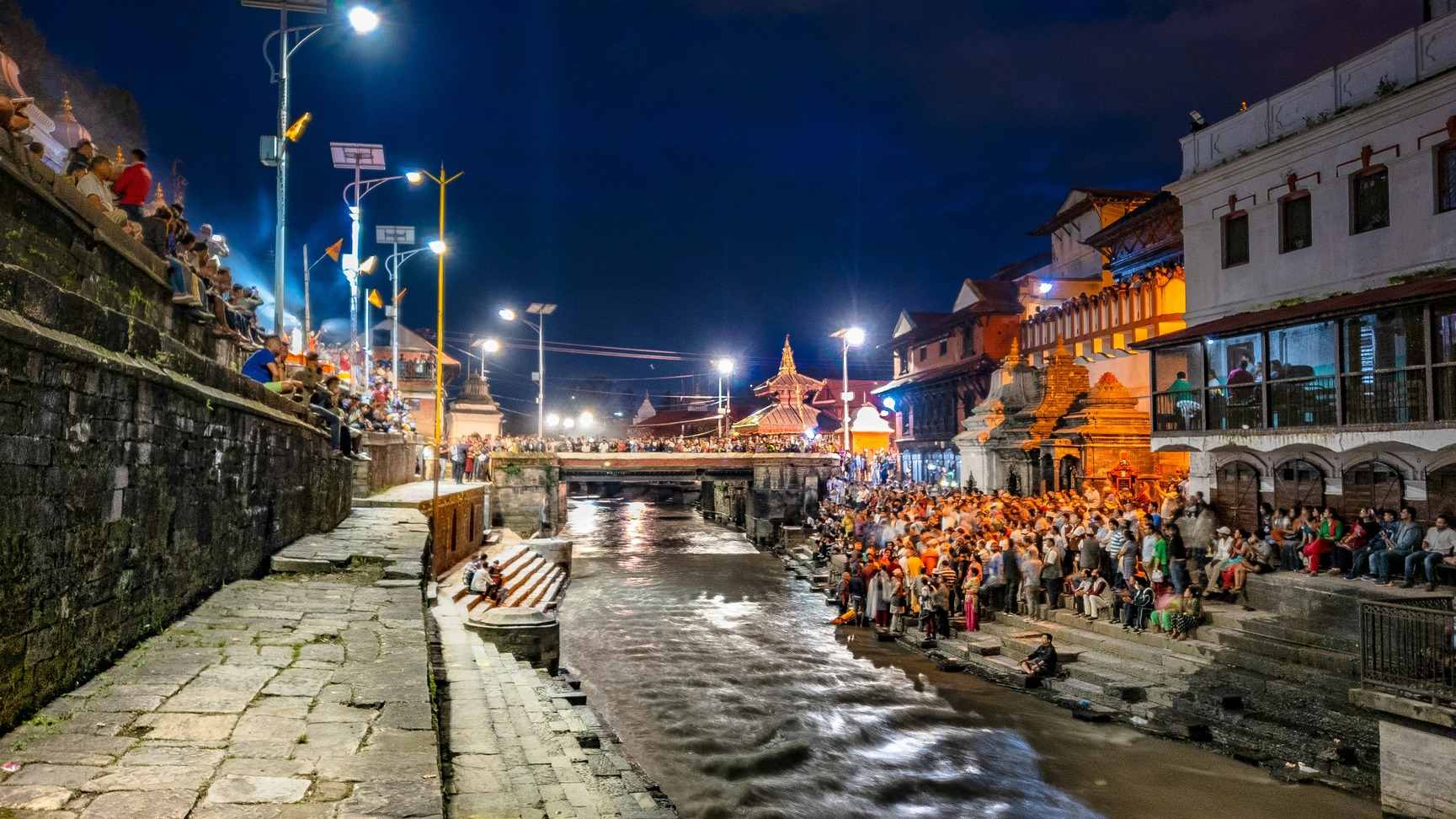
Pashupati Evening Arati Tour: Witness the mesmerizing evening Aarati at Pashupatinath Temple with chants, lights, and divine ambiance by the Bagmati River.<br/>Group Tour: Group Tour, Professional Guide and Comfortable Electric Vehicle.<br/>Duration: 2 hours: 2–3 Hours<br/>Drinks: Complimentary bottled water provided<br/>Route of tour: Hotel in Kathmandu → Drive to Pashupatinath Temple → Attend Evening Aarati by the Bagmati River → Drive back to the Hotel<br/>Vehicle type: Air-conditioned private electric car, SUV, or electric van (depending on group size)<br/>Entrance fee: Entrance fee for Pashupatinath Temple not included (NPR 1,000 per person)<br/>Pickup included
Private 7 UNESCO Heritage Tour
Full Day Tour : 8 - 9 Hours: Private 7 UNESCO Heritage Sites of Kathmandu Valley. Full Day Tour: 8 - 9 Hours<br/>Duration: 8 hours: The tour lasts approximately 8 to 9 hours.<br/>Route of the tour: Swayambhunath Stupa, Kathmandu, Patan & Bhaktapur Durbar Squares, Changu Narayan & Pashupatinath Temple & Boudhanath Stupa.<br/>Private AC Comfortable Vehicle: Experience Kathmandu's splendors in a private AC vehicle. Enjoy personalized comfort as you navigate the city's wonders.<br/>Inclusions: This option does not include meals, soft drinks, or entrance fees. Drinking water and a Lunch Box are included.<br/>Pickup included
Group Tour: 7 UNESCO Heritage
Group Tour: 7 UNESCO Heritage: Explore Kathmandu’s essence on a group tour of all 7 UNESCO sites in the valley with Lunch.<br/>Duration: 8 hours<br/>Group Tour: 7 UNESCO Heritage: Comfortable AC transport is provided.<br/>Pickup included
All Inclusive 7 Heritage Tour
Private tour with Luxury EVs: Enjoy a premium service with expert guides, luxury transport, and all-inclusive amenities.<br/>Duration: 8 hours: The tour lasts approximately 8 to 9 hours.<br/>All Inclusive 7 Heritage Tour: Enjoy a delicious meal and refreshing soft drinks as part of your tour, with options including a traditional Nepali Khana Set<br/>Route of The Tour: Swayambhunath Stupa, Kathmandu, Patan & Bhaktapur Durbar Squares, Changu Narayan & Pashupatinath Temple & Boudhanath Stupa.<br/>Luxury Private Vehicle (EVs): Travel in comfort with our luxury private electric vehicle (EV), ensuring a smooth and eco-friendly journey.<br/>Entrance Fees and Lunch: Entrance fees to all heritage sites and a delicious lunch (Nepali Khana Set or continental dishes) with soft drinks.<br/>Pickup included
What's included
Pick up from & drop off Hotel by private vehicle.
Lunch box: Water (500ml of bottled water), Muffin, Donut, Banana, Seasonal Fruit, and Juice.
All-inclusive option: Includes food, soft drinks, entrance fees, Khana set or choice of dishes.
English Speaking Professional Tour guide.
Air-conditioned private transportation.
Detailed itinerary
1
Stop 1
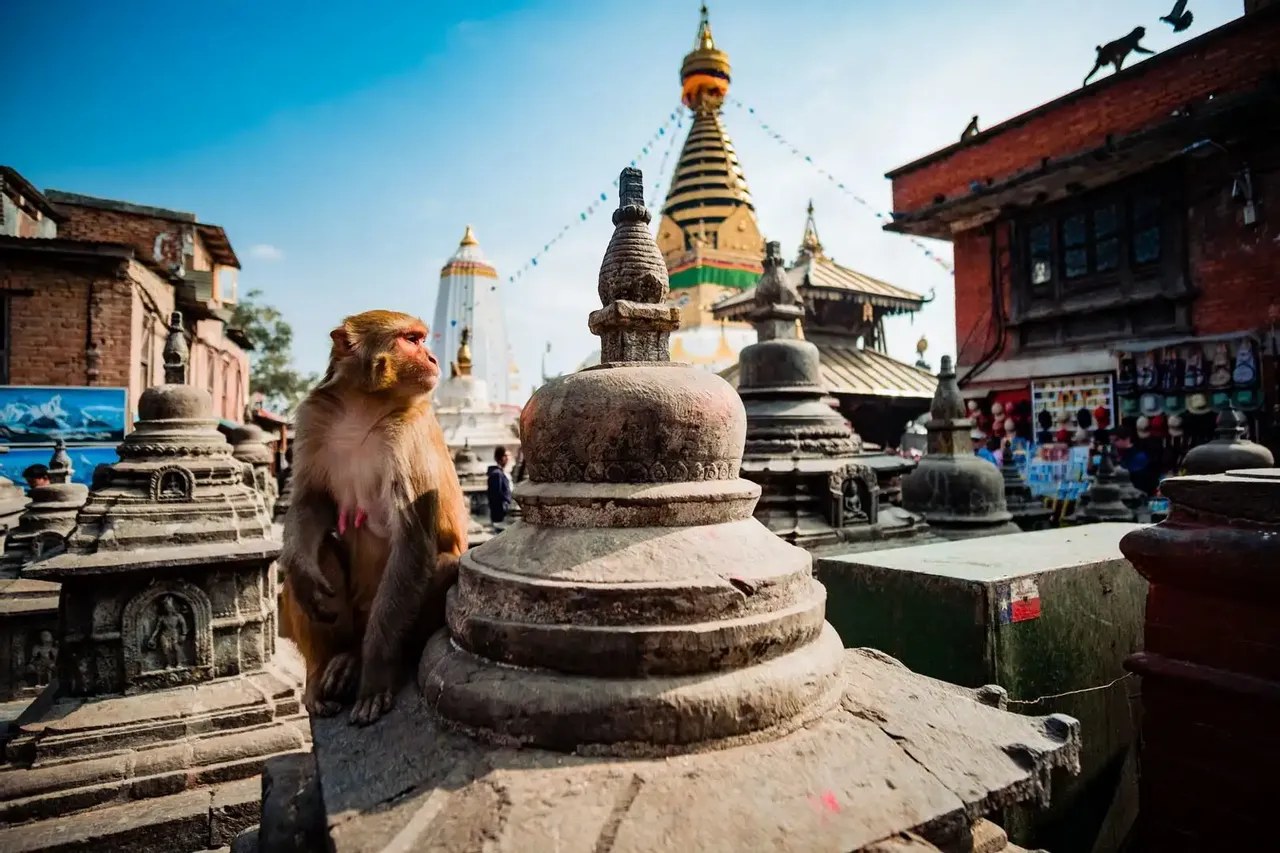
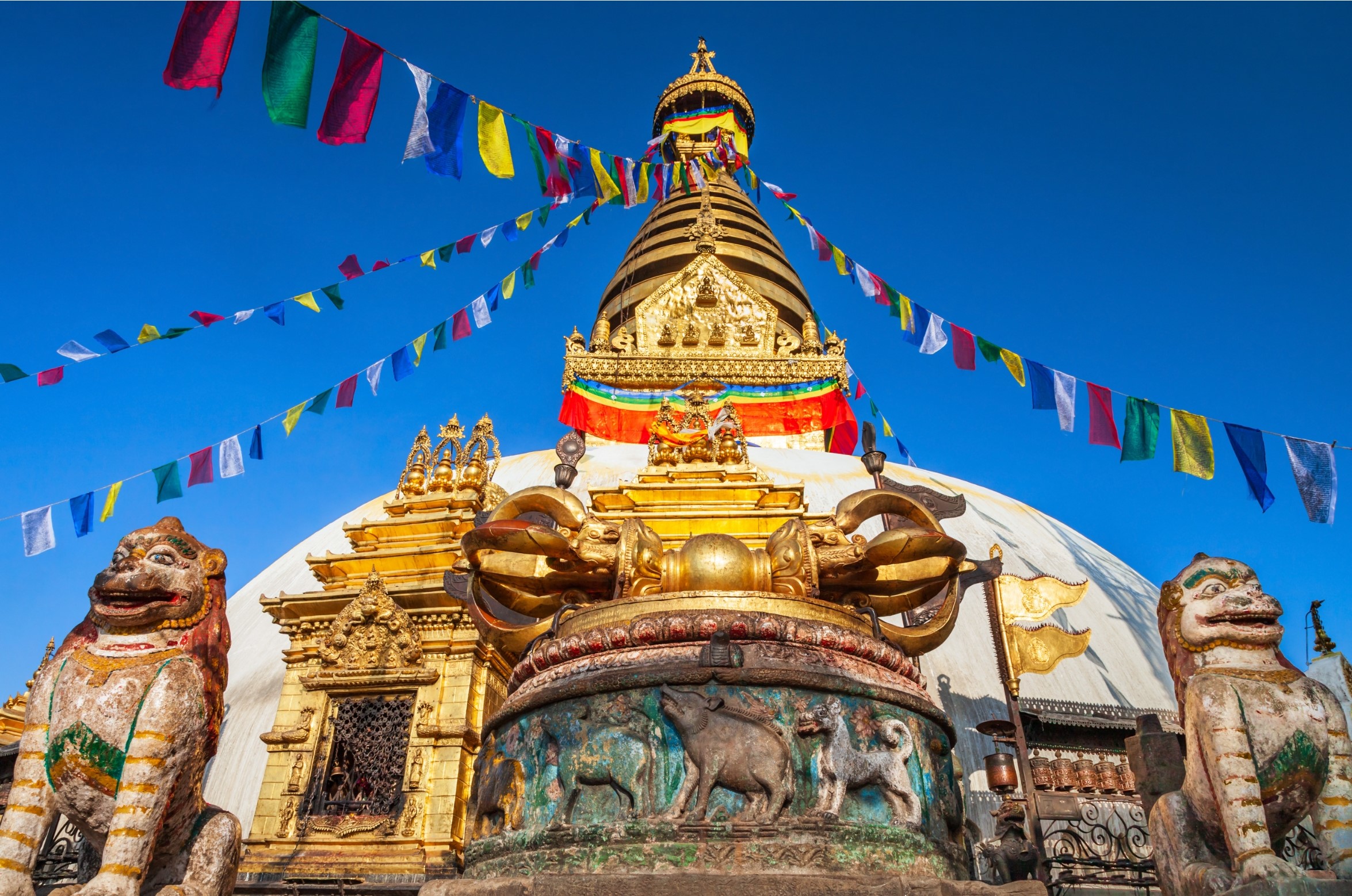
Perched atop a hill overlooking the Kathmandu Valley, Swayambhunath Stupa, also known as the Monkey Temple, is one of Nepal’s most sacred and iconic religious sites. Dating back over 2,500 years, this ancient stupa is revered by both Buddhists and Hindus and is a symbol of harmony and spiritual awakening. The white dome and gilded spire, adorned with the all-seeing eyes of Buddha, offer a majestic sight and serene atmosphere. As you ascend the stone steps lined with fluttering prayer flags, you’ll encounter playful monkeys, centuries-old shrines, and panoramic views of Kathmandu. Surrounding the main stupa are chaityas, statues, and a variety of temples that reflect a blend of Tibetan and Newari architectural styles. Swayambhunath is more than a monument — it’s a living spiritual hub where rituals, chants, and incense fill the air, offering visitors a profound sense of peace and insight into Nepal’s deep-rooted religious heritage.
2
Stop 2
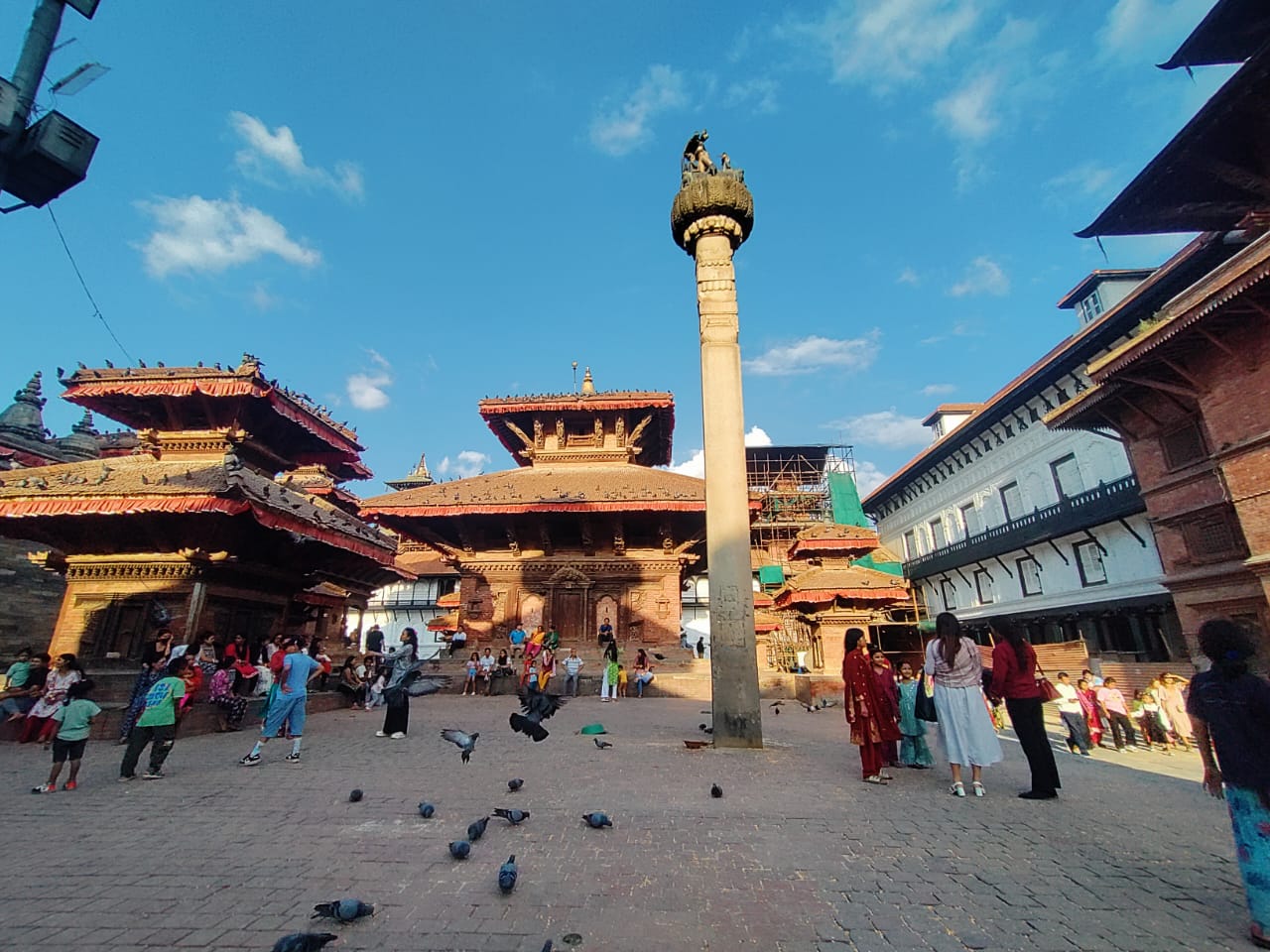
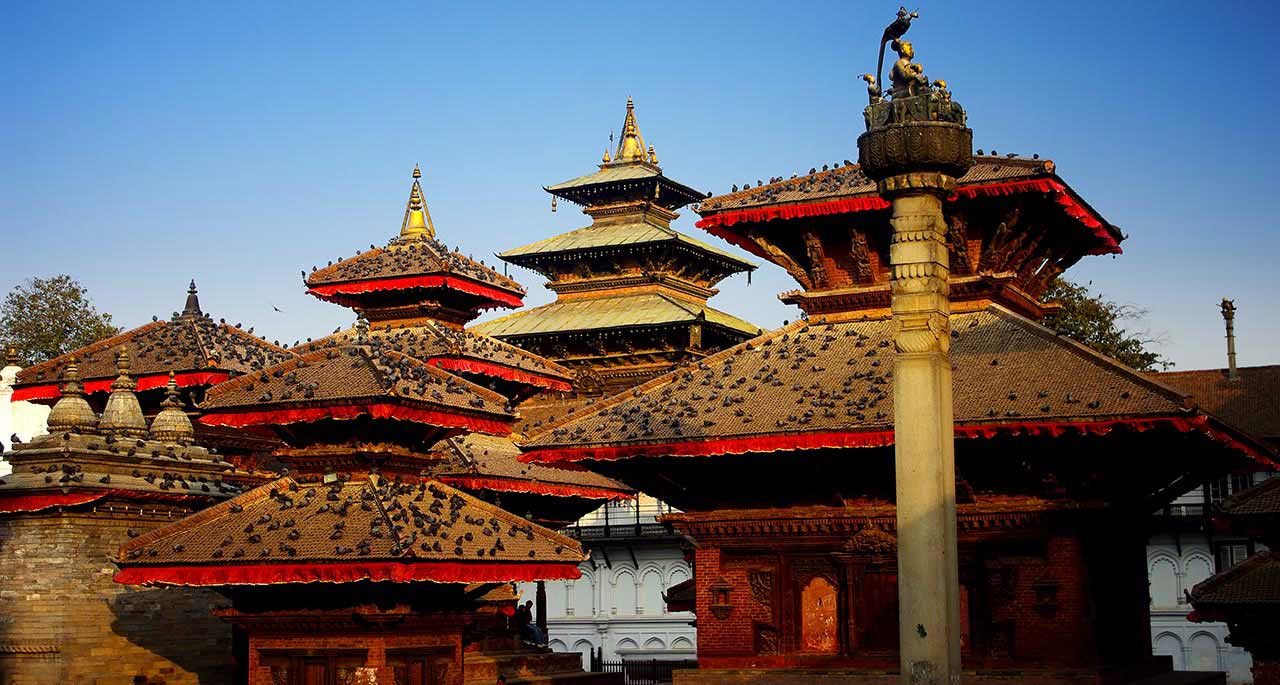
Kathmandu Durbar Square, also known as Hanuman Dhoka Durbar Square, is a historic royal complex that served as the palace of the Malla and Shah kings of Kathmandu. Located in the heart of the old city, this UNESCO World Heritage Site is a living museum of traditional Newari architecture, intricate wood carvings, and ancient courtyards. The square is home to several important monuments, including the Taleju Temple, the statue of Hanuman at the palace entrance, and the Kumari Ghar — the residence of the Living Goddess, Kumari. As you stroll through the square, you’ll witness a blend of spirituality, royal history, and vibrant local life, with pigeons flying overhead and devotees offering prayers at sacred shrines. Despite suffering damage during the 2015 earthquake, restoration efforts have preserved its timeless charm. Kathmandu Durbar Square offers visitors a fascinating glimpse into the cultural and political heart of old Nepal and its regal past.
3
Patan Durbar Square, located in the ancient city of Lalitpur, is a masterpiece of Newari architecture and a vibrant center of art, culture, and spirituality. Once the royal palace of the Malla kings of Patan, the square features a stunning collection of courtyards, pagoda temples, and stone statues, each adorned with intricate carvings and metalwork. Key highlights include the Krishna Mandir built from a single stone, Hiranya Varna Mahavihar (Golden Temple), and the beautifully preserved palace museum. The square’s layout and details reflect a harmonious blend of Hindu and Buddhist influences, capturing centuries of artistic excellence. It remains a hub for traditional artists, craftsmen, and daily rituals. A visit to Patan Durbar Square offers not just a walk through a royal courtyard, but an intimate experience of Nepal’s rich cultural legacy and its living heritage.
4
Stop 4
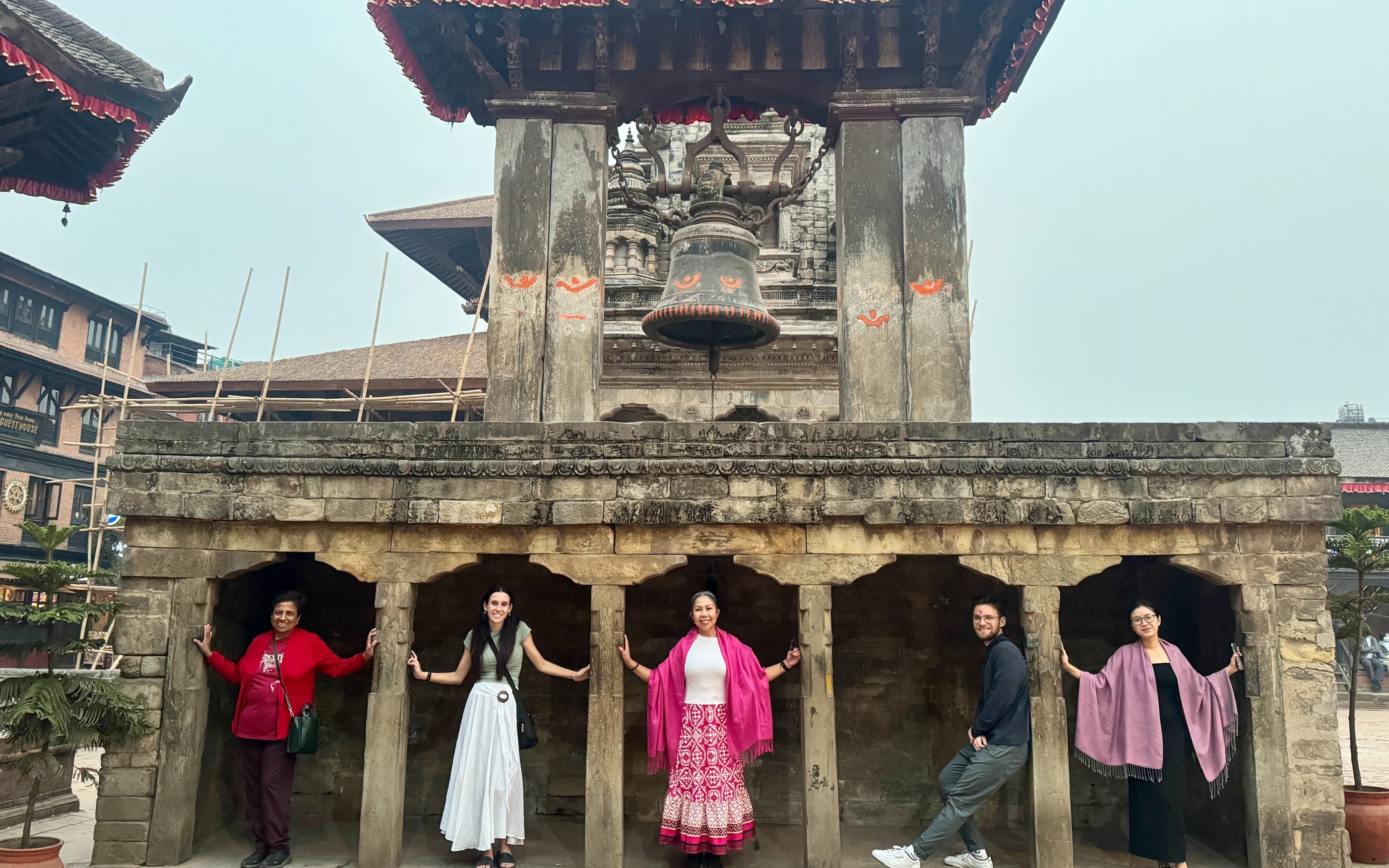
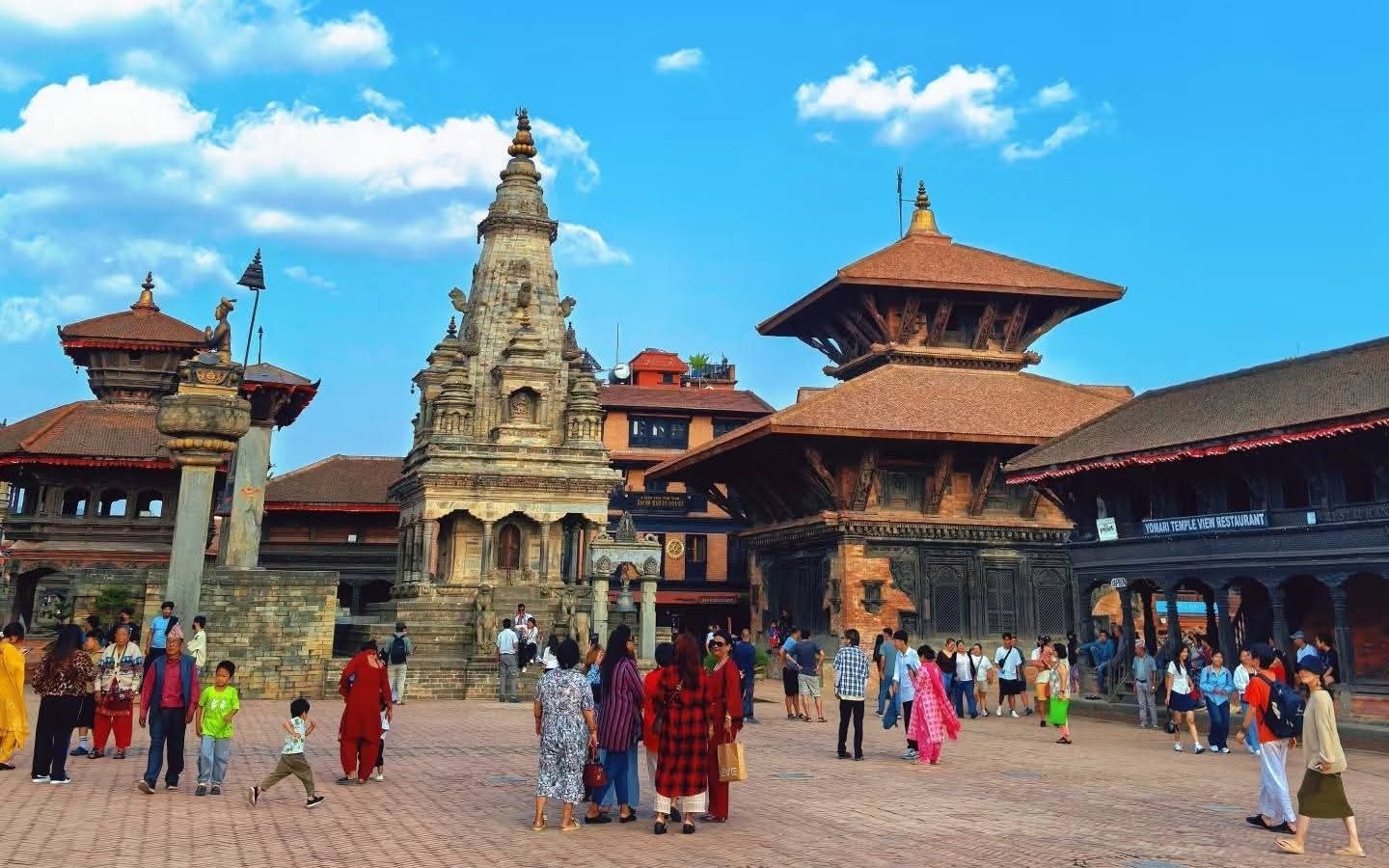
Bhaktapur Durbar Square, nestled in the heart of the medieval city of Bhaktapur, is a majestic showcase of Nepalese artistry, history, and spiritual tradition. Once a thriving royal palace complex of the Malla kings, the square is renowned for its preserved temples, courtyards, and monuments. Key attractions include the 55-Window Palace, Vatsala Temple, Nyatapola Temple, and Bhairabnath Temple — all surrounded by traditional Newari architecture and red-brick pathways. The entire area feels like a living museum, where locals still practice centuries-old customs. Artisans can be seen crafting pottery and wood carvings just steps away from historic monuments. Unlike the more bustling Kathmandu, Bhaktapur offers a peaceful, immersive journey into the essence of old Nepal. With its timeless charm and architectural brilliance, Bhaktapur Durbar Square remains one of the most culturally rich destinations in the Kathmandu Valley.
5
Stop 5
Changu Narayan Temple, perched on a quiet hilltop northeast of Bhaktapur, is considered the oldest Hindu temple in Nepal, with origins dating back to the 4th century. Dedicated to Lord Vishnu, this UNESCO World Heritage Site is a masterpiece of Licchavi-era art and architecture. The temple complex features exquisite stone, wood, and metal carvings that showcase ancient Nepali craftsmanship at its finest. Among its highlights are rare bas-reliefs of Vishnu in various incarnations and inscriptions that are invaluable to Nepal’s history. Surrounded by a small, traditional village and scenic views of the countryside, Changu Narayan offers a peaceful and spiritual retreat from the bustling city. Despite its age, the temple remains a living place of worship and a vital part of local culture. Visiting Changu Narayan provides both a cultural and spiritual experience — a step into Nepal’s earliest religious and artistic legacy.
6
Stop 6
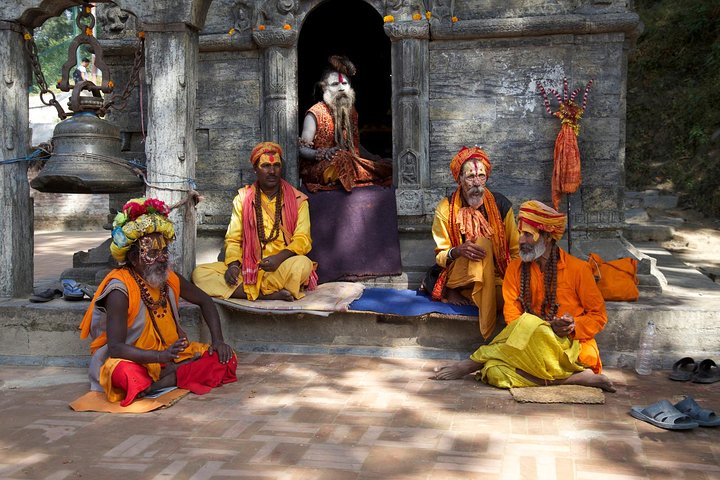
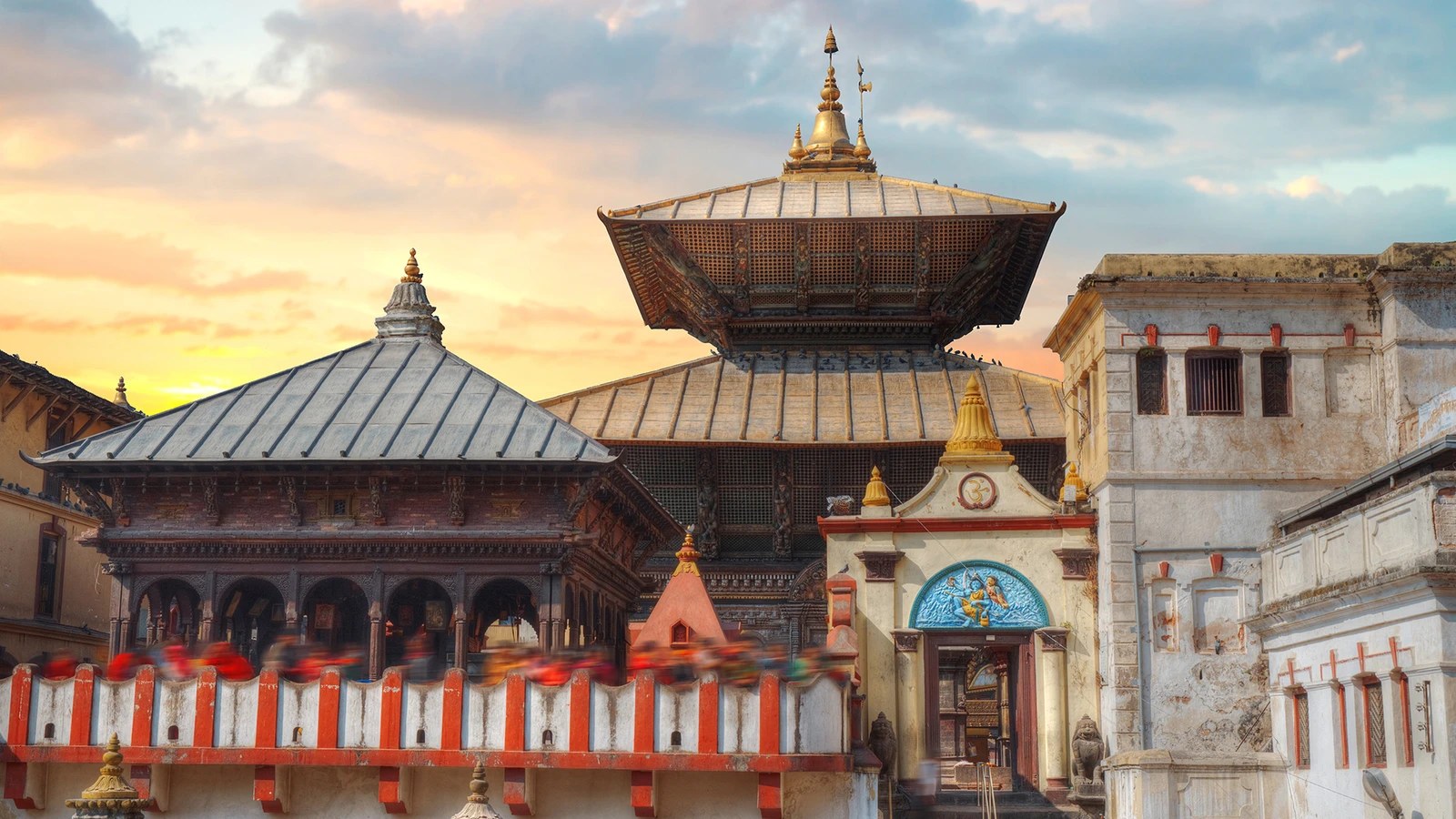
Pashupatinath Temple, located on the banks of the sacred Bagmati River, is Nepal’s most important Hindu temple and a revered pilgrimage site for devotees of Lord Shiva. This UNESCO World Heritage Site is a sprawling complex of temples, shrines, and ashrams, with the main temple — accessible only to Hindus — featuring a golden roof and four silver-plated doors. One of the most spiritually significant aspects of Pashupatinath is the open-air cremation ghats along the river, where traditional Hindu funeral rites are performed. While solemn, the rituals offer profound insight into the Hindu view of life and death. Holy sadhus, devotees, and monkeys are common sights within the temple grounds. Pashupatinath is not only a religious hub but a center of cultural and spiritual reflection, especially vibrant during the Maha Shivaratri festival when thousands of pilgrims gather from across the world.
7
Stop 7
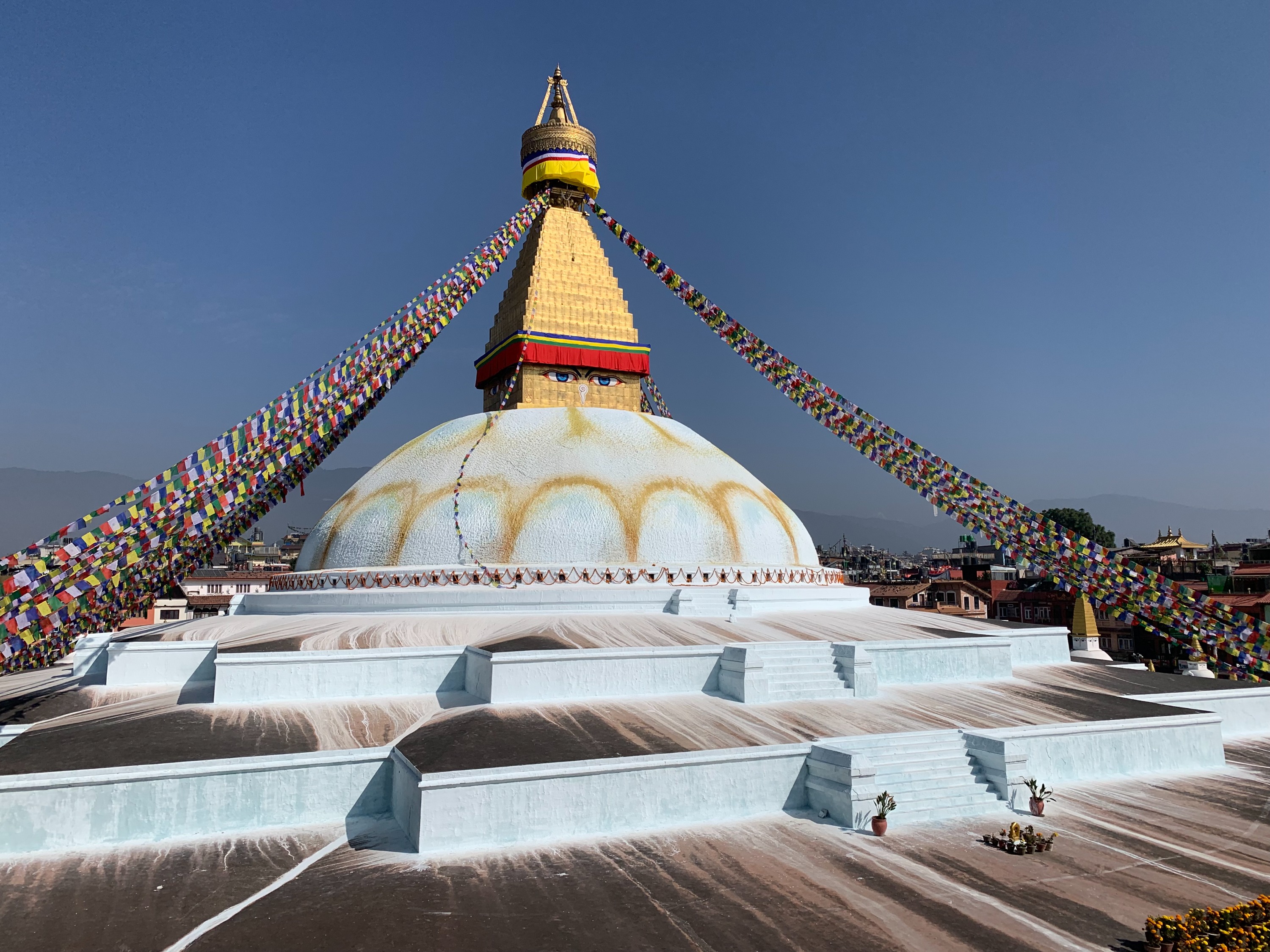
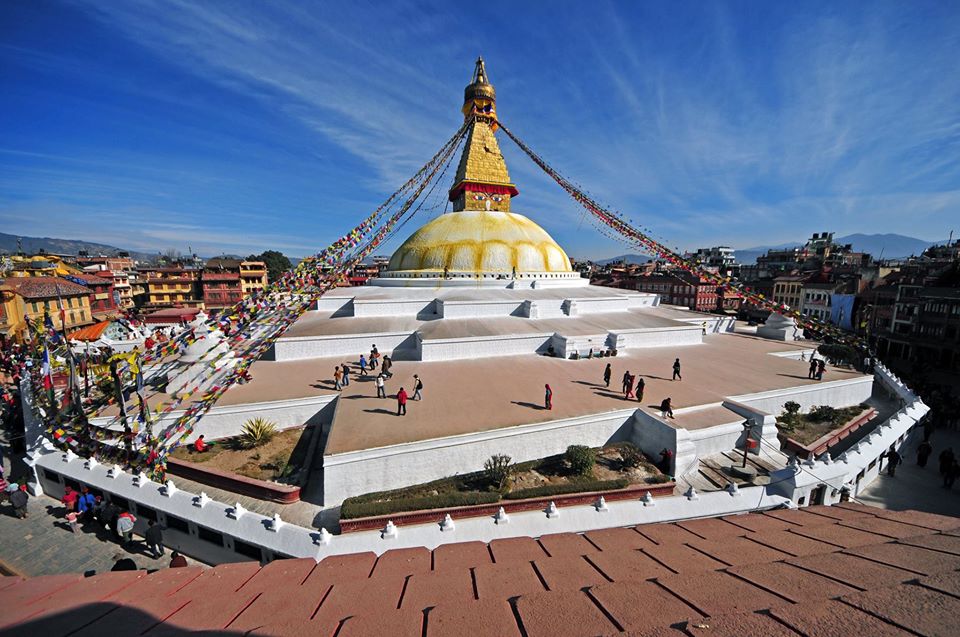
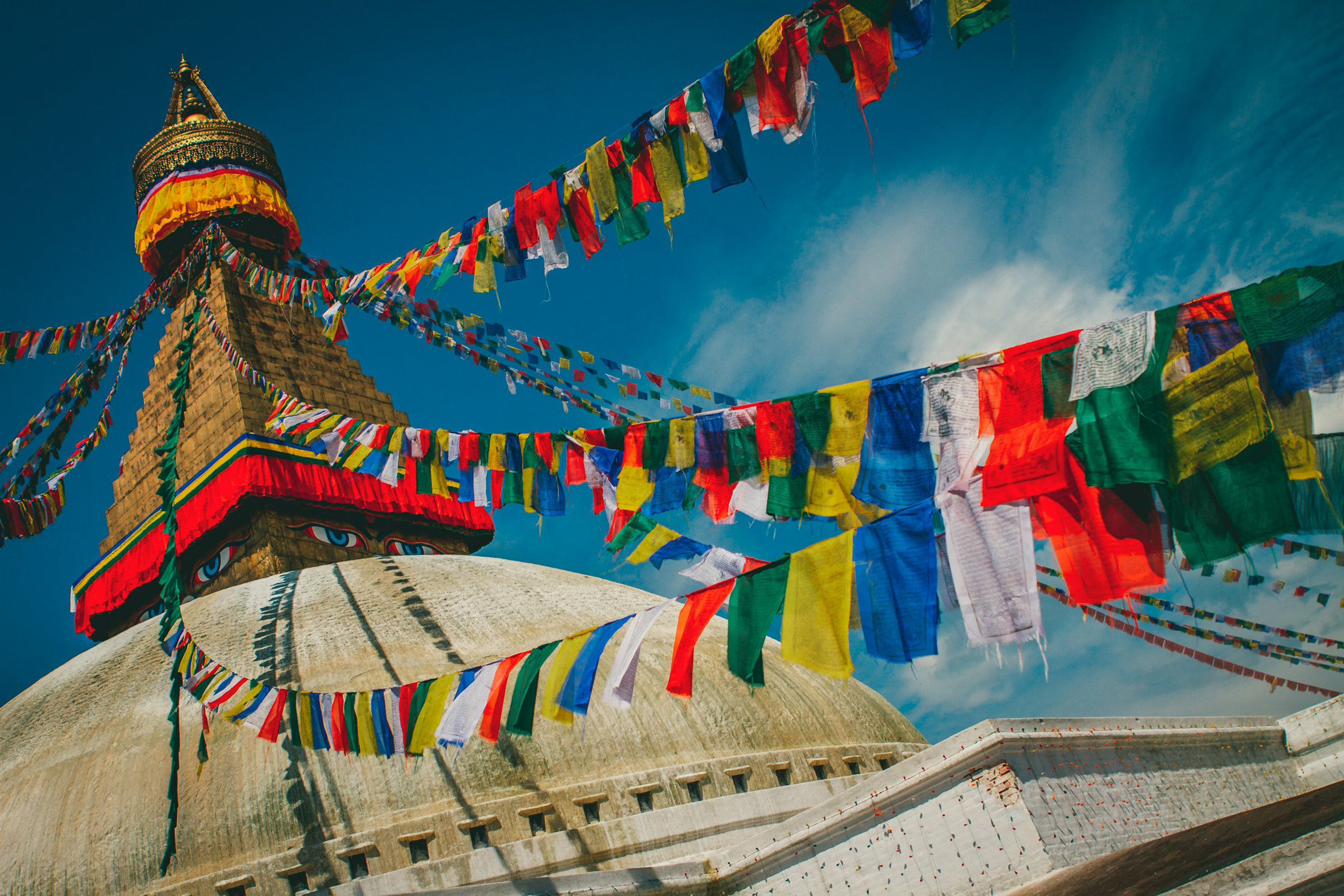
Boudhanath Stupa, one of the largest spherical stupas in the world, stands as the spiritual heart of Nepal’s Tibetan Buddhist community. Towering over the surrounding neighborhood, its massive white dome and gilded tower, adorned with the all-seeing eyes of Buddha, create a powerful atmosphere of peace and enlightenment. A UNESCO World Heritage Site, Boudhanath is believed to date back to the 5th century and has long been a key stop on the ancient trade route from Tibet. The stupa is surrounded by 108 prayer wheels and colorful monasteries, making it a vibrant center of daily rituals, chanting monks, spinning prayer wheels, and floating incense. Pilgrims and visitors walk clockwise around the stupa (a ritual known as kora) as prayer flags flutter in the wind. Whether you come for reflection, cultural exploration, or spiritual connection, Boudhanath is a sanctuary of calm in the midst of Kathmandu’s chaos.
What's not included
Entrance fees to sightseeing monuments (applicable for Group and Private Tour options only).
Personal Expenses.
Tips
Available languages
Guide guide
EN
Reviews breakdown
Viator
4.9
109 reviews
5★
100
4★
6
3★
1
2★
1
1★
1
Tripadvisor
5.0
297 reviews
5★
287
4★
9
3★
1
2★
0
1★
0
Important information
Suitable for all physical fitness levels
Important notes
Hotel pickups commence prior to this time
About Kathmandu
Kathmandu, the capital of Nepal, is a vibrant blend of ancient history, rich culture, and stunning Himalayan scenery. Known as the 'City of Temples,' it's home to seven UNESCO World Heritage Sites, including the iconic Swayambhunath Stupa and Pashupatinath Temple. The city offers a unique mix of traditional Newari architecture, bustling markets, and modern urban life.
Top Attractions
Swayambhunath Stupa (Monkey Temple)
One of the most iconic landmarks in Kathmandu, this UNESCO World Heritage Site is a Buddhist stupa perched on a hilltop, offering panoramic views of the city and surrounding mountains. It's also home to many monkeys, hence the nickname.
Religious/Historical
1-2 hours
Free (donations welcome)
Pashupatinath Temple
One of the most sacred Hindu temples in the world, dedicated to Lord Shiva. Located on the banks of the Bagmati River, it's a major pilgrimage site with a lively atmosphere, especially during festivals.
Religious
2-3 hours
Free for Hindus, NPR 1000 (USD 8) for non-Hindus
Boudhanath Stupa
One of the largest stupas in the world and a UNESCO World Heritage Site, Boudhanath is a major center for Tibetan Buddhism. The surrounding area is filled with monasteries, shops, and cafes, creating a vibrant cultural hub.
Religious/Historical
2-3 hours
Free (donations welcome)
Kathmandu Durbar Square
A UNESCO World Heritage Site, this historic square is the heart of the old city and features ancient palaces, temples, and courtyards. It's a living museum showcasing the city's rich history and Newari architecture.
Historical/Architectural
1-2 hours
NPR 1000 (USD 8) for foreigners
Bhaktapur Durbar Square
Located in the ancient city of Bhaktapur, this UNESCO World Heritage Site is a well-preserved example of Newari architecture. It features beautiful temples, palaces, and courtyards, offering a glimpse into Nepal's royal history.
Historical/Architectural
Half-day trip
NPR 1500 (USD 12) for foreigners
Must-Try Local Dishes
Dal Bhat
A staple meal consisting of lentil soup (dal), rice (bhat), and vegetable curry (tarkari). Often served with pickles, salad, and sometimes meat.
Lunch/Dinner
Vegetarian (can be made vegan by omitting ghee)
Momo
Steamed or fried dumplings filled with meat (buffalo, chicken, or pork) or vegetables, served with a spicy tomato-based sauce.
Snack/Appetizer
Vegetarian options available, can be made vegan
Sel Roti
A sweet, ring-shaped fried bread made from rice flour, sugar, and water, often served during festivals and celebrations.
Snack/Dessert
Vegetarian (may contain eggs in some recipes)
Gundruk
A fermented leafy green vegetable, often cooked with spices and served as a side dish or added to soups and stews.
Side Dish
Vegetarian, vegan, and gluten-free
Popular Activities
Trekking
Mountain biking
Paragliding
Rafting
Yoga and meditation retreats
Spa treatments
Café hopping
Gardening
Best Time to Visit
October to November and March to April
These months offer pleasant weather, clear skies, and excellent visibility for trekking and sightseeing. The city is lively with festivals and cultural events.
20-30°C (68-86°F)
68-86°F
Practical Information
Language
- Official: Nepali
- Widely spoken: English, Hindi, Newari, Maithili, Bhojpuri
- English: Moderately spoken in tourist areas, limited in rural areas
Currency
Nepalese Rupee (NPR)
Time Zone
Nepal Standard Time (NPT, UTC+5:45)
Electricity
230VV, 50HzHz
Safety Information
Overall Safety Rating: Exercise caution
Kathmandu is generally safe for travelers, but petty crime, scams, and pickpocketing can occur, especially in tourist areas and crowded markets. Be cautious of your surroundings, keep valuables secure, and avoid walking alone at night in poorly lit areas.
Important Precautions:
- • Use reputable tour operators and trekking agencies
- • Insist on using the meter when taking taxis
- • Keep valuables secure and out of sight
Getting there
By air
- Tribhuvan International Airport • 5 km (3 miles) from city center
By bus
Galkopul, Kalanki
Getting around
Public transport
Buses are the most common form of public transport, but they can be crowded and slow. Microbuses are smaller and more frequent.
Taxis
Available • Apps: Pathao, InDriver
Rentals
Car, Bike, Scooter
Neighborhoods
Thamel
Boudha
Patan (Lalitpur)
Bhaktapur
Day trips
Nagarkot
32 km (20 miles) from Kathmandu • Half-day to full-day trip
A picturesque hill station known for its stunning views of the Himalayas, including Mount Everest on clear days. Nagarkot is also famous for its sunrise and sunset views.
Dhulikhel
30 km (19 miles) from Kathmandu • Half-day to full-day trip
A charming Newari town offering beautiful views of the Himalayas and historic temples. Dhulikhel is less touristy than Nagarkot but equally scenic.
Changunarayan
18 km (11 miles) from Kathmandu • Half-day trip
A UNESCO World Heritage Site featuring an ancient temple dedicated to Lord Vishnu. Changunarayan is one of the oldest Hindu temples in the Kathmandu Valley and is known for its intricate stone and wood carvings.
Festivals
Dashain • September/October (dates vary each year)
Tihar • October/November (dates vary each year)
Indra Jatra • September (dates vary each year)
Pro tips
- Learn a few basic Nepali phrases to enhance your experience and connect with locals
- Hire a local guide or join a group tour for a more immersive and informative experience, especially when visiting temples and historical sites
- Carry small denominations of Nepalese Rupees for small purchases and tips, as change may be limited
- Be prepared for power outages and slow internet, especially during peak hours and in rural areas
- Stay hydrated and protect yourself from the sun, as the high altitude and intense sunlight can cause dehydration and sunburn
From $25
per person
Price varies by option
Secure booking
Free cancellation available
Instant confirmation