Everest Circuit Trek
Active
22d
For a full refund, cancel at least 24 hours before the scheduled departure time.
Instant confirmation
Mobile or paper ticket accepted
About this experience
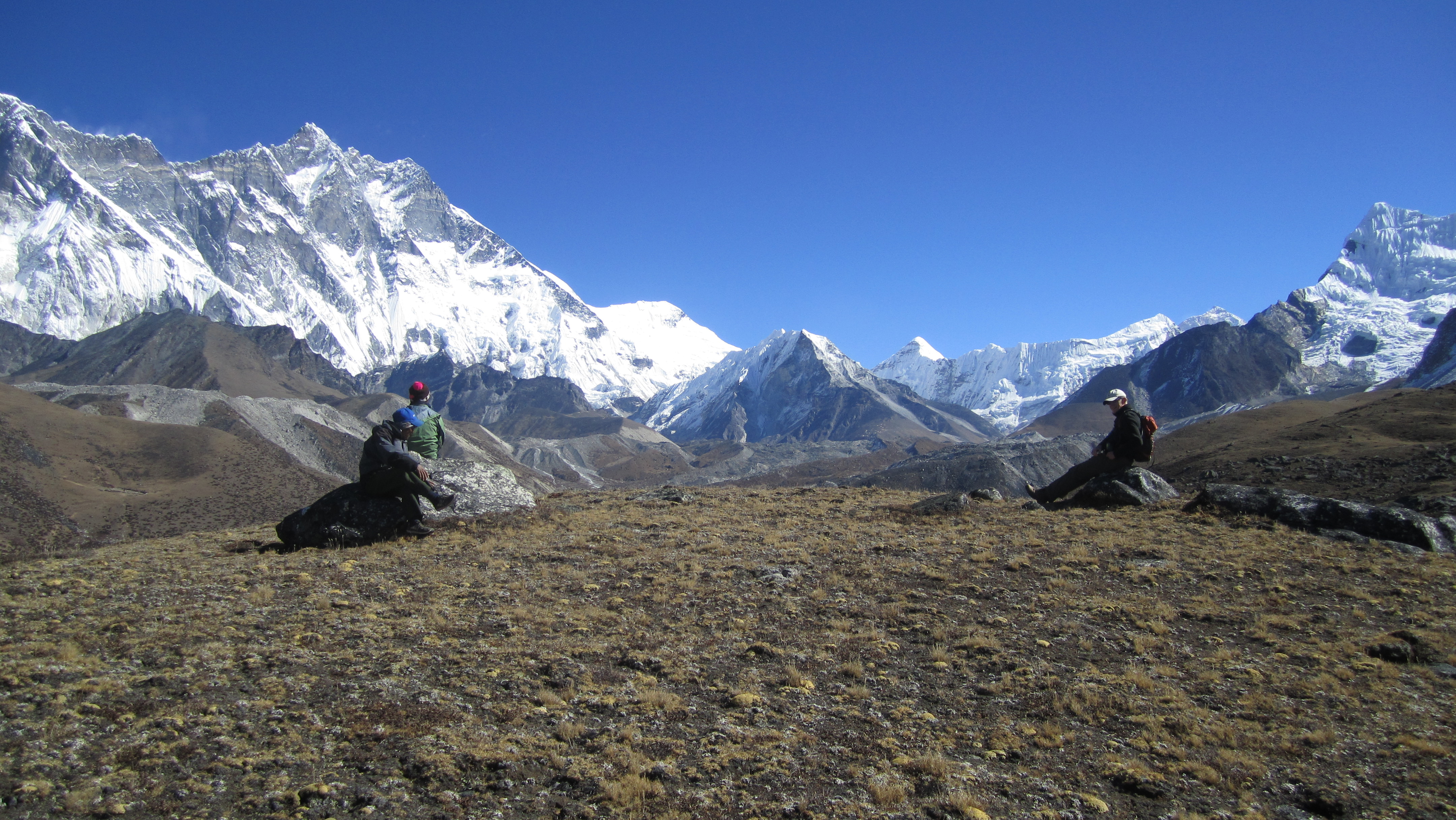
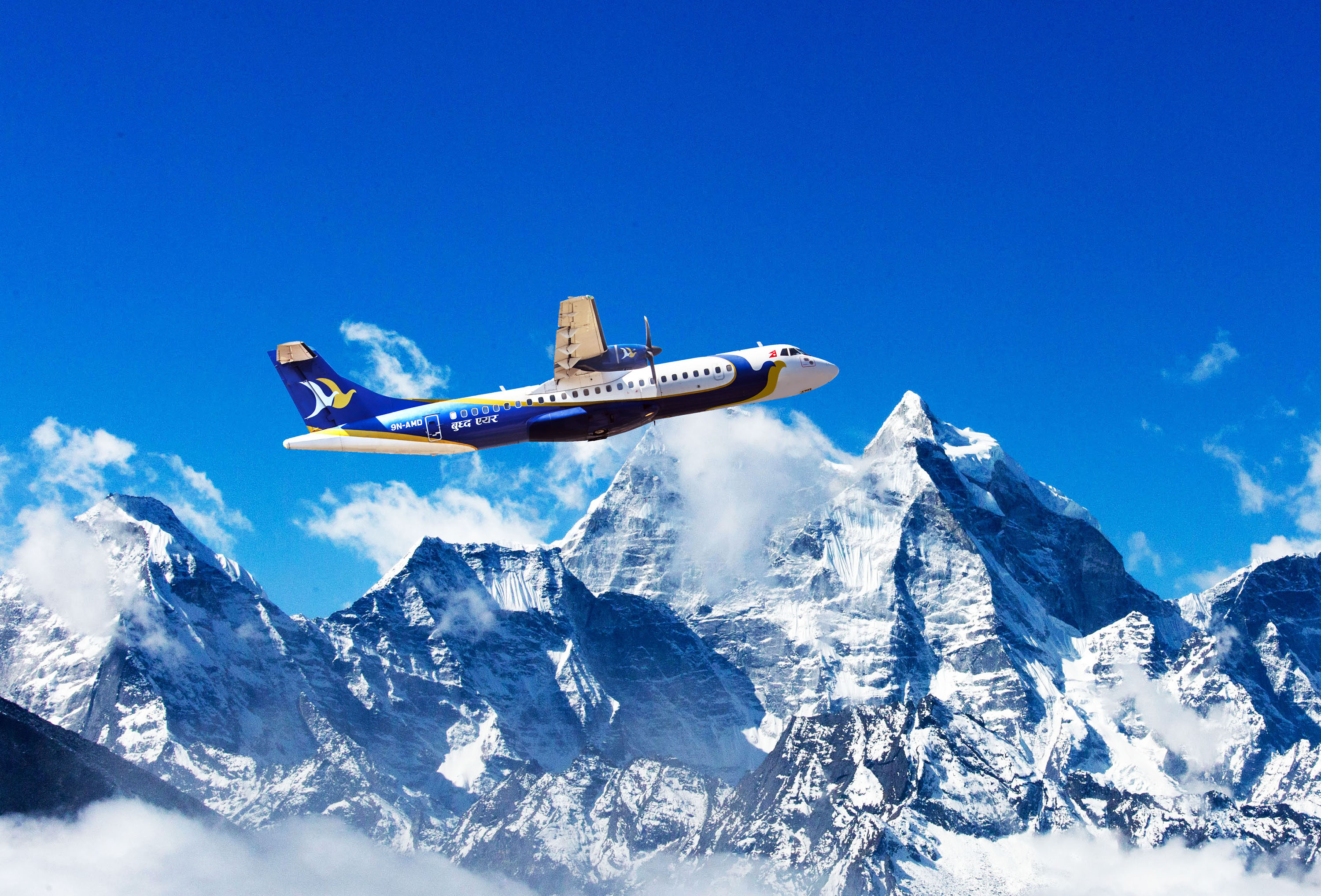
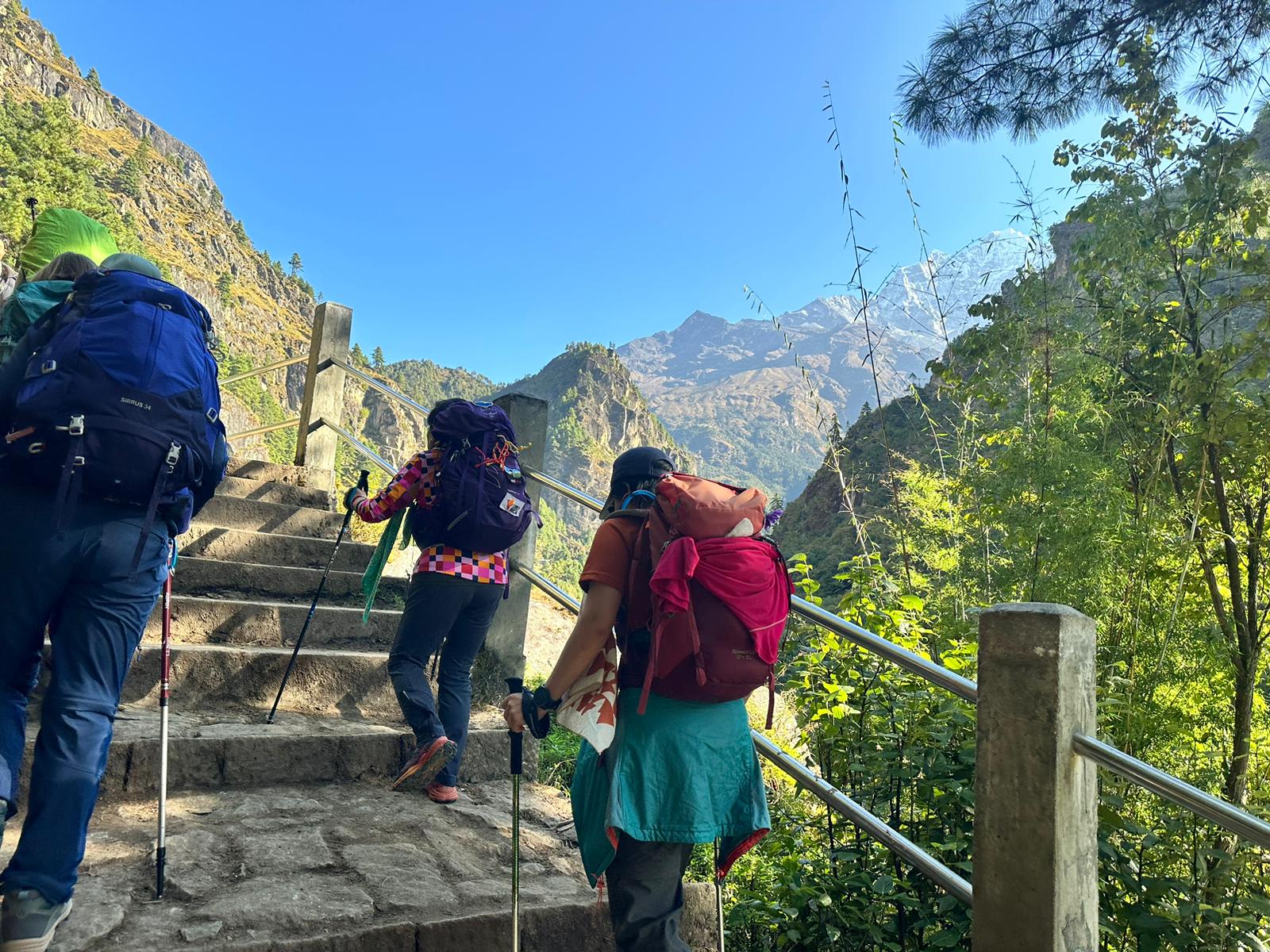
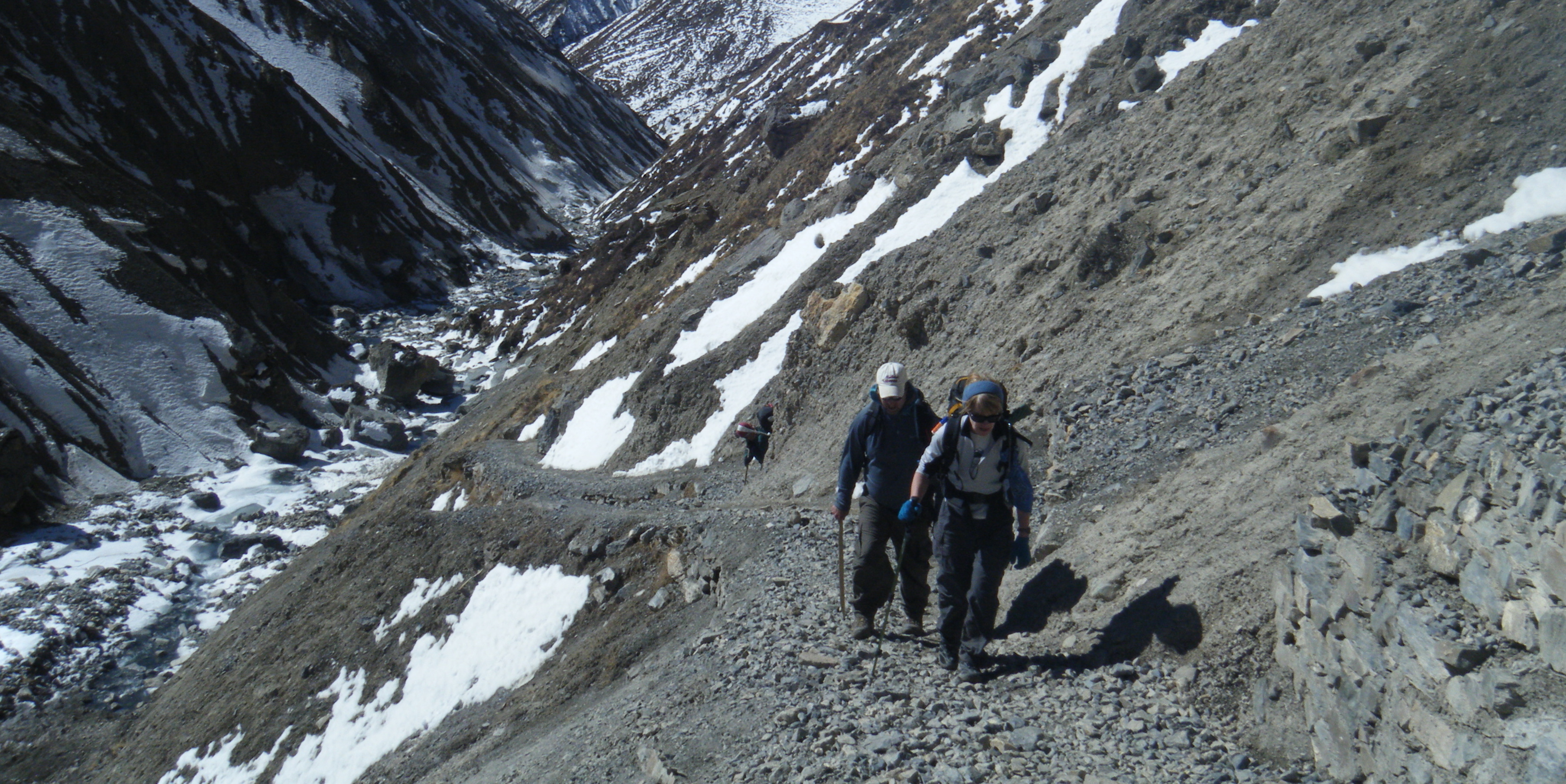
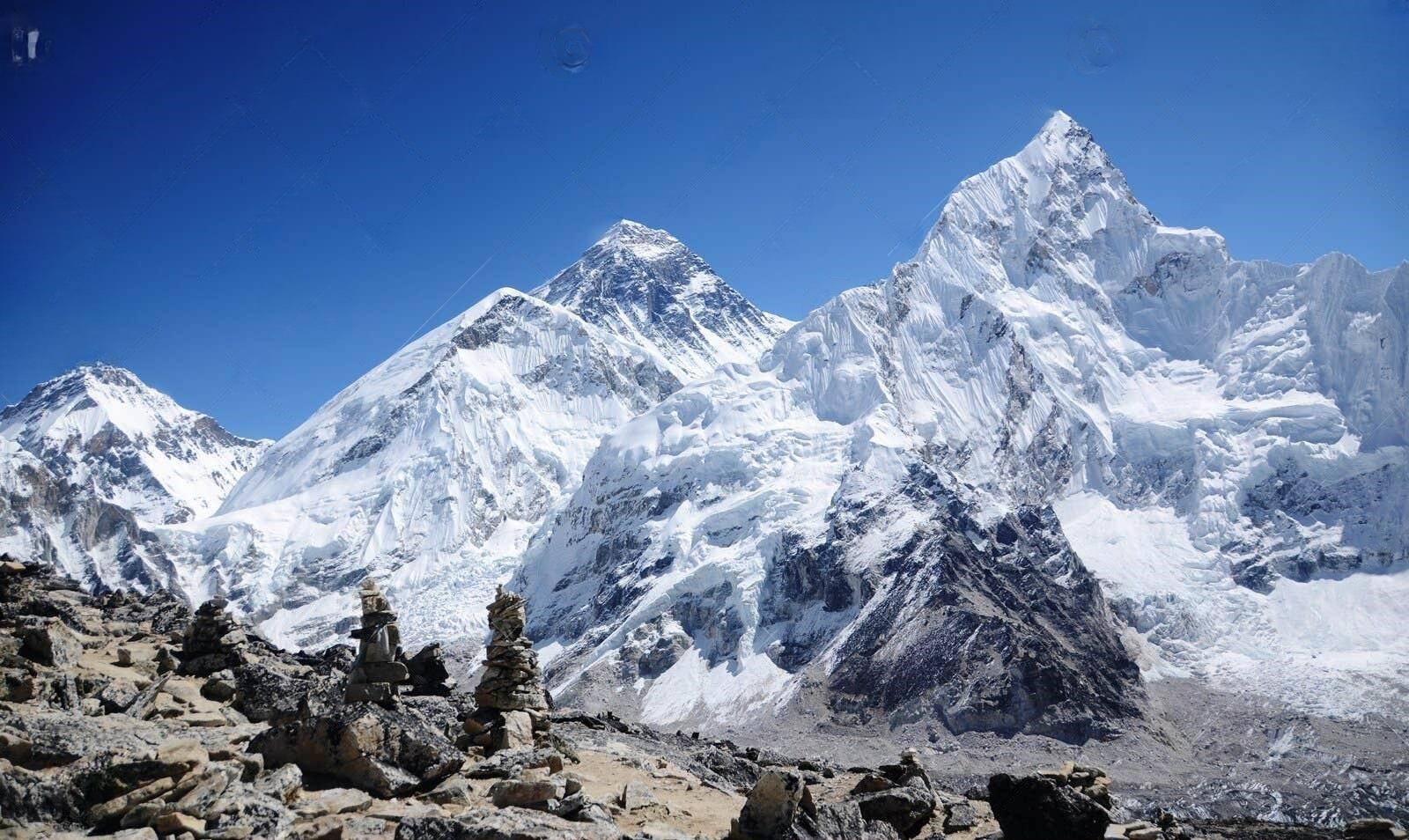
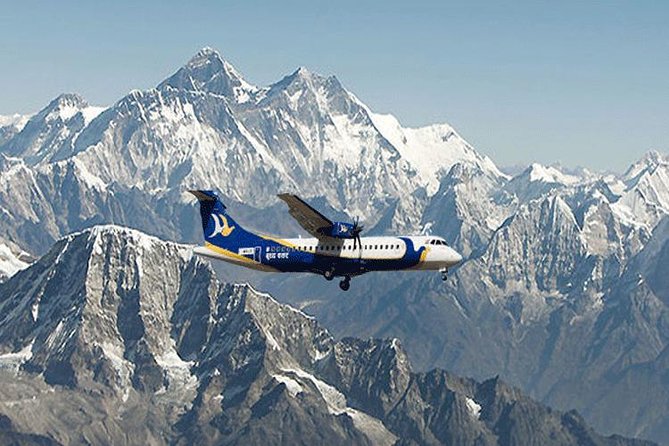
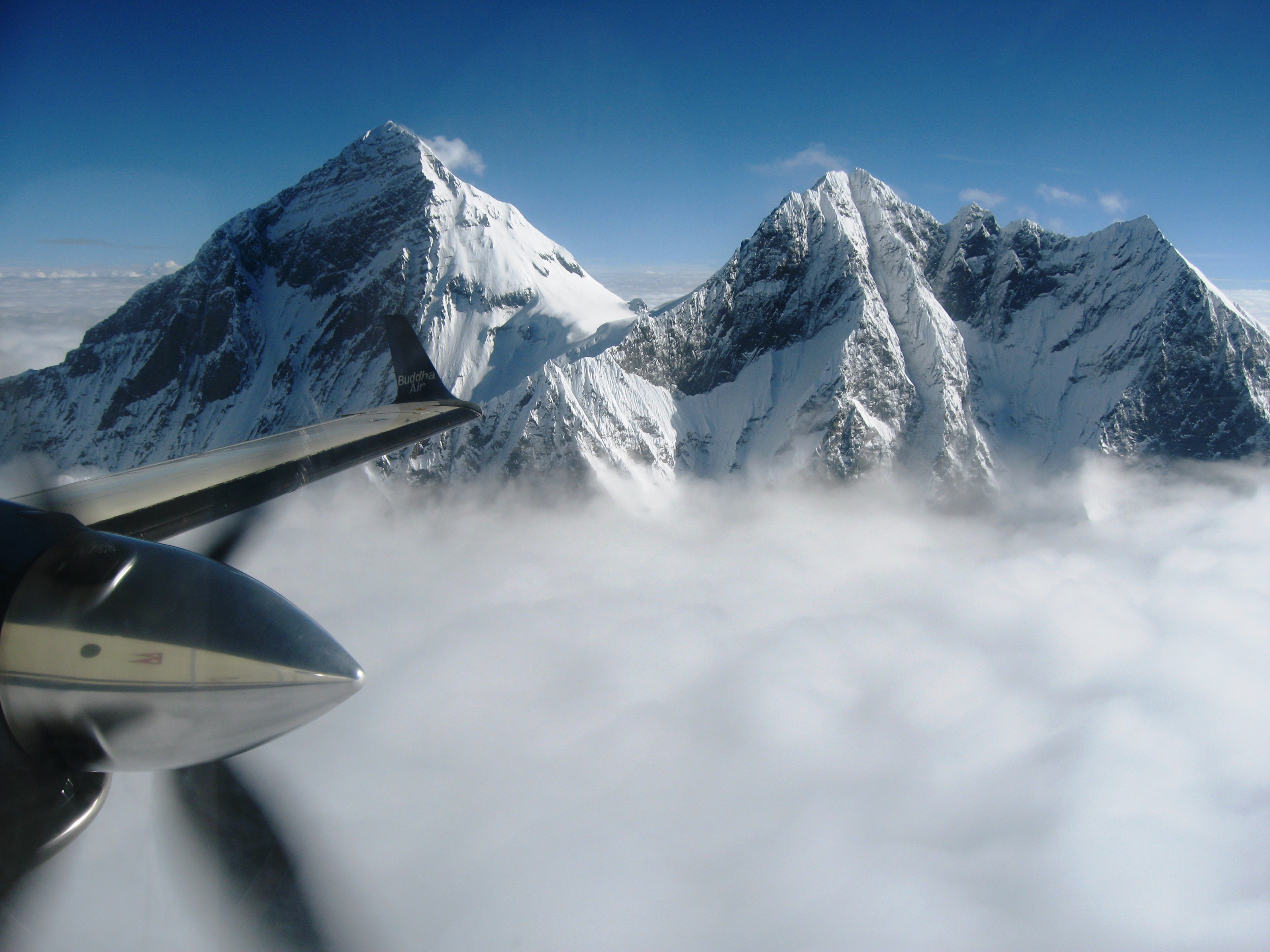
We have two days in Kathmandu to experience one of Asia's most ticking cities before hopping on a flight to Lukla, the starting point of our trek. We follow the Dudh Kosi valley to Namche Bazaar and then trek into the Gokyo Valley. The trail ascends gradually and we enjoy a series of short trekking days, to ensure proper acclimatization, walking beside the moraines of the Ngozumpa glacier and turquoise lakes to reach our lodge in Gokyo. From here we can climb Gokyo Ri at 5360m to view all of the region's 8000m peaks including Everest, Lhotse, Makalu, and Cho Oyu which display a panorama that punctuates the breath. From Gokyo, we ascend and scramble across the Renjo La, dramatically back-dropped by the Everest ranges which are the highlights of our trek. We enter the Bhote Kosi valley and descend through yak grazing pastures to Thami and back to Lukla for our flight to Kathmandu.
Available options
Everest Circuit Trek
What's included
Lunch
Dinner
Breakfast
What's not included
• Food (Kathmandu) - lunch and dinner, International flights from your home to home.
• Airport taxes, car, taxi or van, visa fees.
• Medical examination (if required) and vaccination costs.
All bar bills, laundry, telephone calls, hot shower in the mountain, mineral water, sweet deserts,
Delays beyond Nepal Nomad's control. Anything not specified in the Cost Includes section.
Available languages
Audio guide
EN
Guide guide
EN
Written guide
EN
Reviews breakdown
Tripadvisor
5.0
1 reviews
5★
1
4★
0
3★
0
2★
0
1★
0
Important information
Infants are required to sit on an adult’s lap
Not recommended for travelers with spinal injuries
Not recommended for pregnant travelers
Not recommended for travelers with poor cardiovascular health
Travelers should have a high level of physical fitness
Single Supplement: 200.00 USD single supplement is mandatory for single traveler booking and payable once you arrive in Nepal.
Domestic flight luggage allowance: 15 kg
Down jacket & sleeping bags can be hired (USD 30 for each item for the entire trek)
Prior to set off we host a Pre-Trip meeting here in Kathmandu office on the 2nd day of your itinerary which starts in the evening during and introduce your trek & Climb Leader. It is an opportunity for individuals to ask questions about your trek trip as well as introduce you to one another.
Requires a good level of fitness and experience of mountain climbing can beneficial. These tend to be longer treks and climb with some more difficult days, some of which may involve walking at increased altitudes and more difficult terrain. There may occasionally be a longer day when negotiating the more challenging sections such as a mountain pass or viewing peak. Altitude may range up to 5000 meters.
At 6.30 am your Sherpa knocks on your door with a cup of good morning tea. Then it's time to have breakfast, tight up your bag pack and head off for today's trekking hiking for the next three to four hours then stop for an hour at pleasant spot along the way for a well-prepared hot lunch. Afterward, walk another three hours or so, before you stop for the over night. The evening can be spent reading or chatting with your fellow climbing and trekking crew about the trip of the day. Pack of games can be an asset to these nights; your trekking & climbing crew love teaching various Nepali card games and learning new Western games. Eventually, it's time to bed for a well deserved night
Whilst in the mountain, accommodation options are limited so please do not expect the Ritz! Nepal Nomad use simple family run lodges, with a large sociable central dining area and a cozy chimney burning fire. Accommodations are on a twin share basis and we recommend you use your own sleeping bag. Lodges and tent in Island Peak climbing tend to have shared bathroom facilities and you may not always have access to a shower. Despite the lack of facilities, these lodges certainly have a rustic charm, most are blessed with spectacular views and being family run operations, they offer a great insight into the daily life of the Mountain people.
It is Nepal Nomad's booking terms & conditions of joining this type of tours with us that you must be fully insured with medical, emergency rescue evacuations including trip cancellation insurance which should cover over 3000m to 6000m.
Itinerary designed to ensure there is plenty of times for adequate occurs as a result of acclimatization and cases of mountain sickness are rare. The common Symptoms are headaches, nausea, irregular breathing, insomnia and the swelling of fingers and glands. Treatment is to descend to a lower altitude as quickly as possible which normally results in rapid improvement and recovery.
Three meals on full board basis will be provided (Nepali, Sherpa, and Tibetan, Continental, Italian, Chinese and Indian cousins). Each day dinner and breakfast will be taken in the same lodge you spend over night but Lunch will be taken on your way to next village.
Equipment List:
The following gives you a general idea of the trekking equipment and clothing needed for this trek. This is a porter-supported trek. Two clients share one porter. We will supply you a trek duffel bag where you keep your heavy items and this bag is carried by the porter. You will need to bring your own daypack to be carried by you. In the daypack, you can put money, important documents, water bottle/bladder, camera, toiletries, sunscreen, notebook, etc. The weight limit for Kathmandu-Lukla-Kathmandu flights is 15 kg or 33 pounds. This is combining both the duffel bag and the daypack. If you exceed this limit, you will have to pay an additional fee. When this happens, sometimes the airline sends your bag in later flights and this can be very problematic for many reasons. So, we recommend you to pack as carefully as you can and not exceed the weight limit. You can leave your non-trekking stuff at the locker facility in the Kathmandu hotel.
General:
4-season sleeping bag (You can rent for $35 pp if you need it but has to be returned after the trek)
Duffel bag
Daypack
Down jacket (Must have for mornings, nights and evenings, and for altitudes above 4,000 m; You can rent for $35 pp if you need one but has to be returned after the trek)
Upper Body - Head / Ears / Eyes
Sun hat
Wool or synthetic hat that cover the ears
Sunglasses with UV protection
Headlamp
Neck warmer
Hand
Liner gloves
Heavier shell gloves
Core Body
T-shirts (2)
Lightweight expedition thermal tops
Fleece jacket or pullover
Water/windproof shell jacket (Preferably breathable fabric)
Synthetic sports bras (for women)
Lower Body - Legs
Lightweight expedition thermal bottoms
Nylon hiking shorts
Soft shell and hard shell trekking pants
Water/windproof trousers
Casual pants
Feet
Liner socks
Heavyweight socks
Waterproof hiking/trekking boots
Light shoes/sneakers
Gaiters (For monsoon and winter)
Medicines and First Aid Kits
Please note our guide will carry the first-aid kit bag during the trek. However we still recommend you to bring your personalized first-aid kit as well.
Extra Strength Excedrin for altitude related headaches
Ibuprofen for general aches and pains
Immodium or Pepto bismol capsules for upset stomach or diarrhea
Diamox (commonly prescribed as Acetazolamide) 125 or 250mg tablets for altitude sickness
Anti-infection ointments
Band-aids
Lip balm (At least SPF 20)
Sunscreen (SPF 40)
Miscellaneous, but Important:
Passport and extra passport photos (3 copies)
Airline tickets (Please make a copy and leave one at our office in KTM just in case if you need to change the date of yours)
Durable wallet/pouch for travel documents, money & passport
Water bottle/bladder
Water purification Iodine tablets
Toiletry kit (Be sure to include toilet paper stored in a plastic bag, hand wipes, and liquid hand sanitizer, towel, soap, etc.)
Optional
Adjustable trekking poles
Favorite snack foods (No more than 2 pounds)
Paperback books, cards, mp3 player
Binoculars
Cameras (Memory cards, chargers and also batteries)
Pee bottle for men and pee funnel for woman
This list is only a guide pattern. While you are required to bring everything on this list, there are numerous options, brands, and versions of each piece of equipment. Use your experience and the listed features to find the best gear for you. Some of the above equipment can be easily found in the stores in Kathmandu in a resonable prices.
Note: Tight fitting, figure-hugging clothing can be offensive to locals, especially to women. If you find these items comfortable as a base layer, please pack something to wear on top.
Important notes
If you cancel at least 7 day(s) in advance of the scheduled departure, there is no cancellation fee. If you cancel between 3 and 6 day(s) in advance of the scheduled departure, there is a 50 percent cancellation fee. If you cancel within 2 day(s) of the scheduled departure, there is a 100 percent cancellation fee.
About Kathmandu
Kathmandu, the capital of Nepal, is a vibrant blend of ancient history, rich culture, and stunning Himalayan scenery. Known as the 'City of Temples,' it's home to seven UNESCO World Heritage Sites, including the iconic Swayambhunath Stupa and Pashupatinath Temple. The city offers a unique mix of traditional Newari architecture, bustling markets, and modern urban life.
Top Attractions
Swayambhunath Stupa (Monkey Temple)
One of the most iconic landmarks in Kathmandu, this UNESCO World Heritage Site is a Buddhist stupa perched on a hilltop, offering panoramic views of the city and surrounding mountains. It's also home to many monkeys, hence the nickname.
Religious/Historical
1-2 hours
Free (donations welcome)
Pashupatinath Temple
One of the most sacred Hindu temples in the world, dedicated to Lord Shiva. Located on the banks of the Bagmati River, it's a major pilgrimage site with a lively atmosphere, especially during festivals.
Religious
2-3 hours
Free for Hindus, NPR 1000 (USD 8) for non-Hindus
Boudhanath Stupa
One of the largest stupas in the world and a UNESCO World Heritage Site, Boudhanath is a major center for Tibetan Buddhism. The surrounding area is filled with monasteries, shops, and cafes, creating a vibrant cultural hub.
Religious/Historical
2-3 hours
Free (donations welcome)
Kathmandu Durbar Square
A UNESCO World Heritage Site, this historic square is the heart of the old city and features ancient palaces, temples, and courtyards. It's a living museum showcasing the city's rich history and Newari architecture.
Historical/Architectural
1-2 hours
NPR 1000 (USD 8) for foreigners
Bhaktapur Durbar Square
Located in the ancient city of Bhaktapur, this UNESCO World Heritage Site is a well-preserved example of Newari architecture. It features beautiful temples, palaces, and courtyards, offering a glimpse into Nepal's royal history.
Historical/Architectural
Half-day trip
NPR 1500 (USD 12) for foreigners
Must-Try Local Dishes
Dal Bhat
A staple meal consisting of lentil soup (dal), rice (bhat), and vegetable curry (tarkari). Often served with pickles, salad, and sometimes meat.
Lunch/Dinner
Vegetarian (can be made vegan by omitting ghee)
Momo
Steamed or fried dumplings filled with meat (buffalo, chicken, or pork) or vegetables, served with a spicy tomato-based sauce.
Snack/Appetizer
Vegetarian options available, can be made vegan
Sel Roti
A sweet, ring-shaped fried bread made from rice flour, sugar, and water, often served during festivals and celebrations.
Snack/Dessert
Vegetarian (may contain eggs in some recipes)
Gundruk
A fermented leafy green vegetable, often cooked with spices and served as a side dish or added to soups and stews.
Side Dish
Vegetarian, vegan, and gluten-free
Popular Activities
Trekking
Mountain biking
Paragliding
Rafting
Yoga and meditation retreats
Spa treatments
Café hopping
Gardening
Best Time to Visit
October to November and March to April
These months offer pleasant weather, clear skies, and excellent visibility for trekking and sightseeing. The city is lively with festivals and cultural events.
20-30°C (68-86°F)
68-86°F
Practical Information
Language
- Official: Nepali
- Widely spoken: English, Hindi, Newari, Maithili, Bhojpuri
- English: Moderately spoken in tourist areas, limited in rural areas
Currency
Nepalese Rupee (NPR)
Time Zone
Nepal Standard Time (NPT, UTC+5:45)
Electricity
230VV, 50HzHz
Safety Information
Overall Safety Rating: Exercise caution
Kathmandu is generally safe for travelers, but petty crime, scams, and pickpocketing can occur, especially in tourist areas and crowded markets. Be cautious of your surroundings, keep valuables secure, and avoid walking alone at night in poorly lit areas.
Important Precautions:
- • Use reputable tour operators and trekking agencies
- • Insist on using the meter when taking taxis
- • Keep valuables secure and out of sight
Getting there
By air
- Tribhuvan International Airport • 5 km (3 miles) from city center
By bus
Galkopul, Kalanki
Getting around
Public transport
Buses are the most common form of public transport, but they can be crowded and slow. Microbuses are smaller and more frequent.
Taxis
Available • Apps: Pathao, InDriver
Rentals
Car, Bike, Scooter
Neighborhoods
Thamel
Boudha
Patan (Lalitpur)
Bhaktapur
Day trips
Nagarkot
32 km (20 miles) from Kathmandu • Half-day to full-day trip
A picturesque hill station known for its stunning views of the Himalayas, including Mount Everest on clear days. Nagarkot is also famous for its sunrise and sunset views.
Dhulikhel
30 km (19 miles) from Kathmandu • Half-day to full-day trip
A charming Newari town offering beautiful views of the Himalayas and historic temples. Dhulikhel is less touristy than Nagarkot but equally scenic.
Changunarayan
18 km (11 miles) from Kathmandu • Half-day trip
A UNESCO World Heritage Site featuring an ancient temple dedicated to Lord Vishnu. Changunarayan is one of the oldest Hindu temples in the Kathmandu Valley and is known for its intricate stone and wood carvings.
Festivals
Dashain • September/October (dates vary each year)
Tihar • October/November (dates vary each year)
Indra Jatra • September (dates vary each year)
Pro tips
- Learn a few basic Nepali phrases to enhance your experience and connect with locals
- Hire a local guide or join a group tour for a more immersive and informative experience, especially when visiting temples and historical sites
- Carry small denominations of Nepalese Rupees for small purchases and tips, as change may be limited
- Be prepared for power outages and slow internet, especially during peak hours and in rural areas
- Stay hydrated and protect yourself from the sun, as the high altitude and intense sunlight can cause dehydration and sunburn
From $25
per person
Price varies by option
Secure booking
Free cancellation available
Instant confirmation