Full-day Cu Chi Tunnels & Ho Chi Minh City Highlights
Active
9h
For a full refund, cancel at least 24 hours before the scheduled departure time.
Instant confirmation
Mobile or paper ticket accepted
About this experience
Discover Vietnam's rich heritage with a visit to the historic Cu Chi Tunnels, a 250-kilometer network that played a pivotal role during the Vietnam War. Explore underground hospitals, kitchens, and more. In the afternoon, immerse yourself in Ho Chi Minh City's iconic sites, including the War Remnants Museum, Reunification Palace, Notre Dame Cathedral, and Thien Hau Pagoda, each echoing the city’s unique cultural and historical significance.
Experience Highlights:
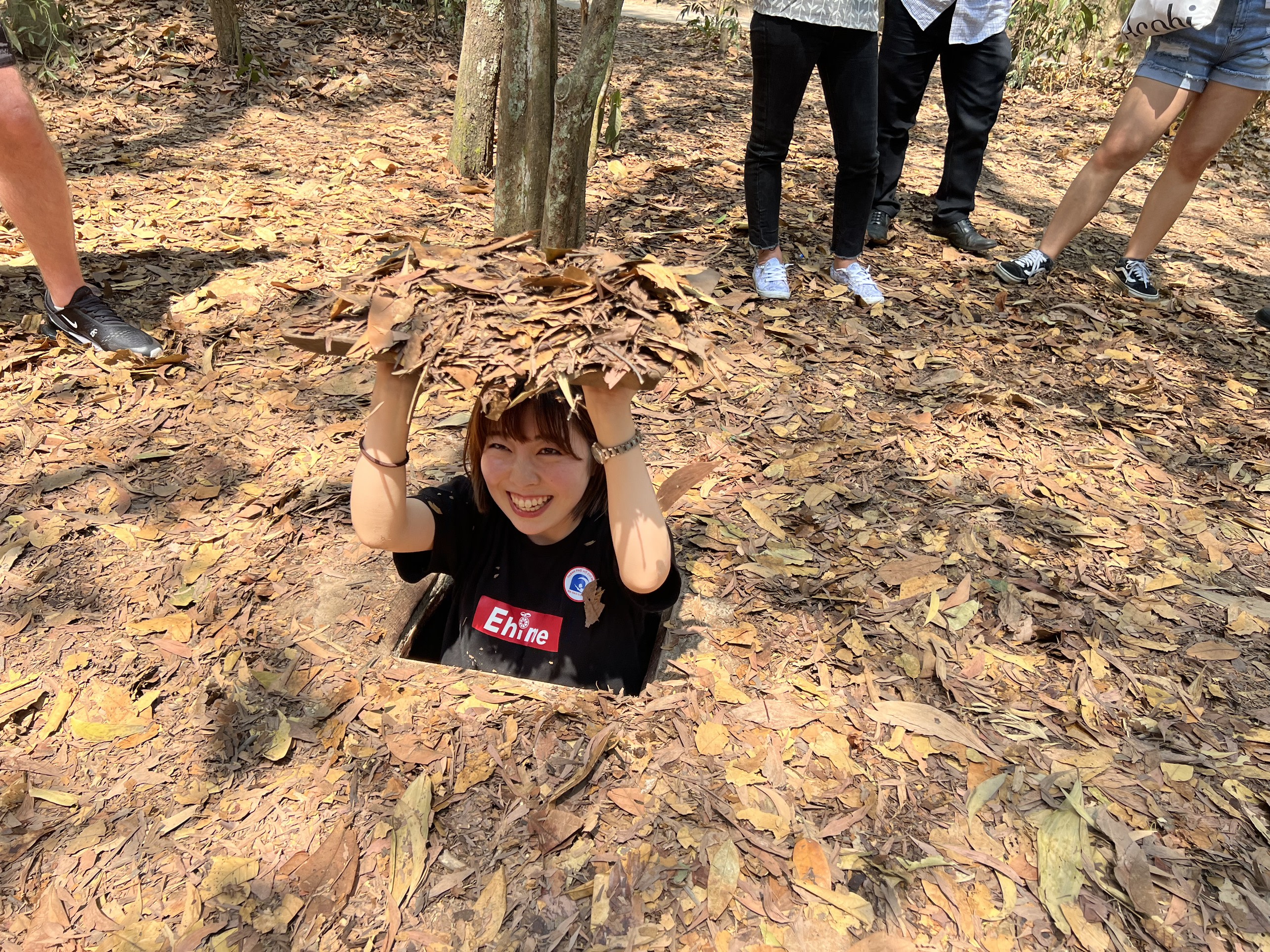
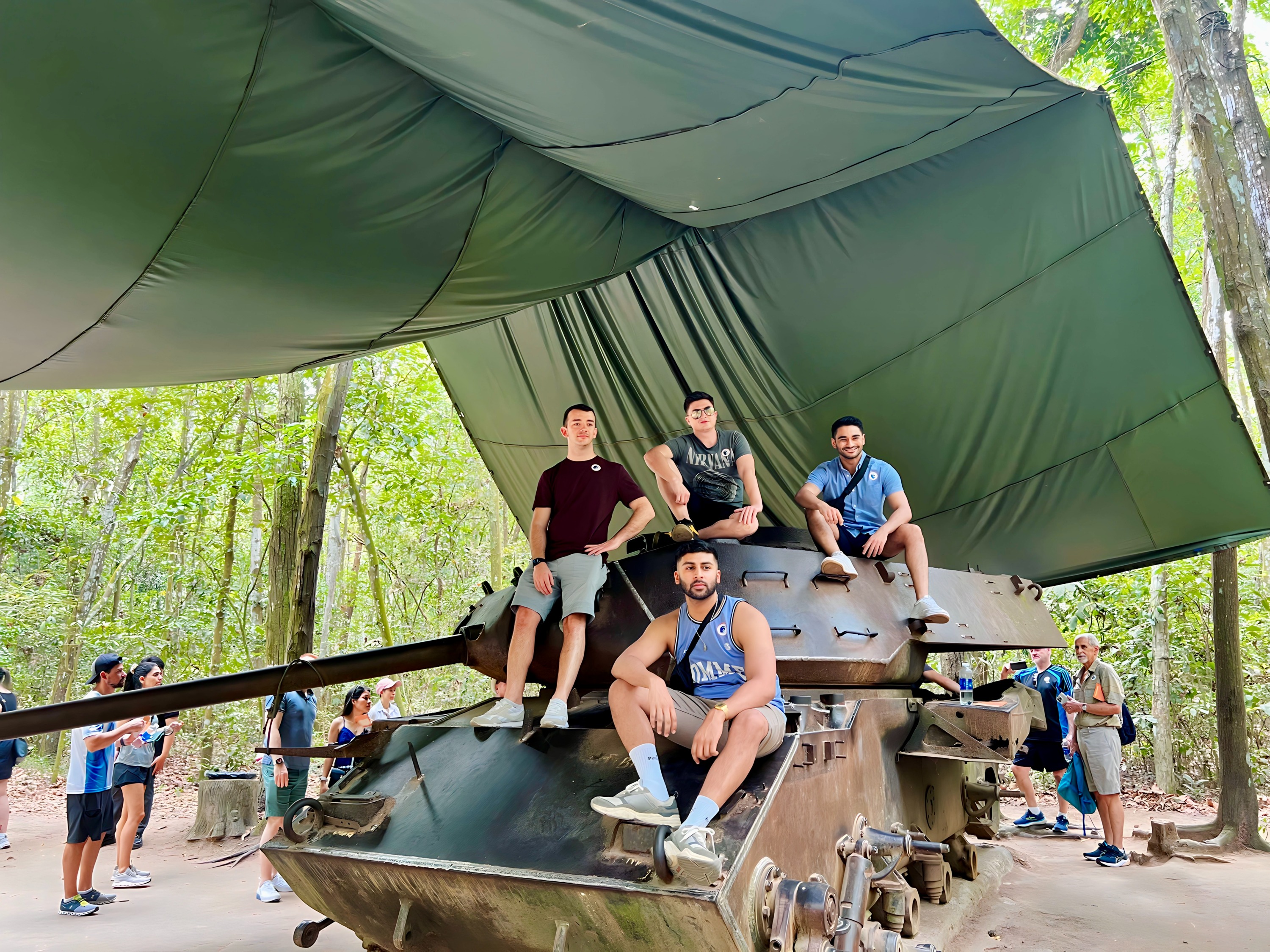
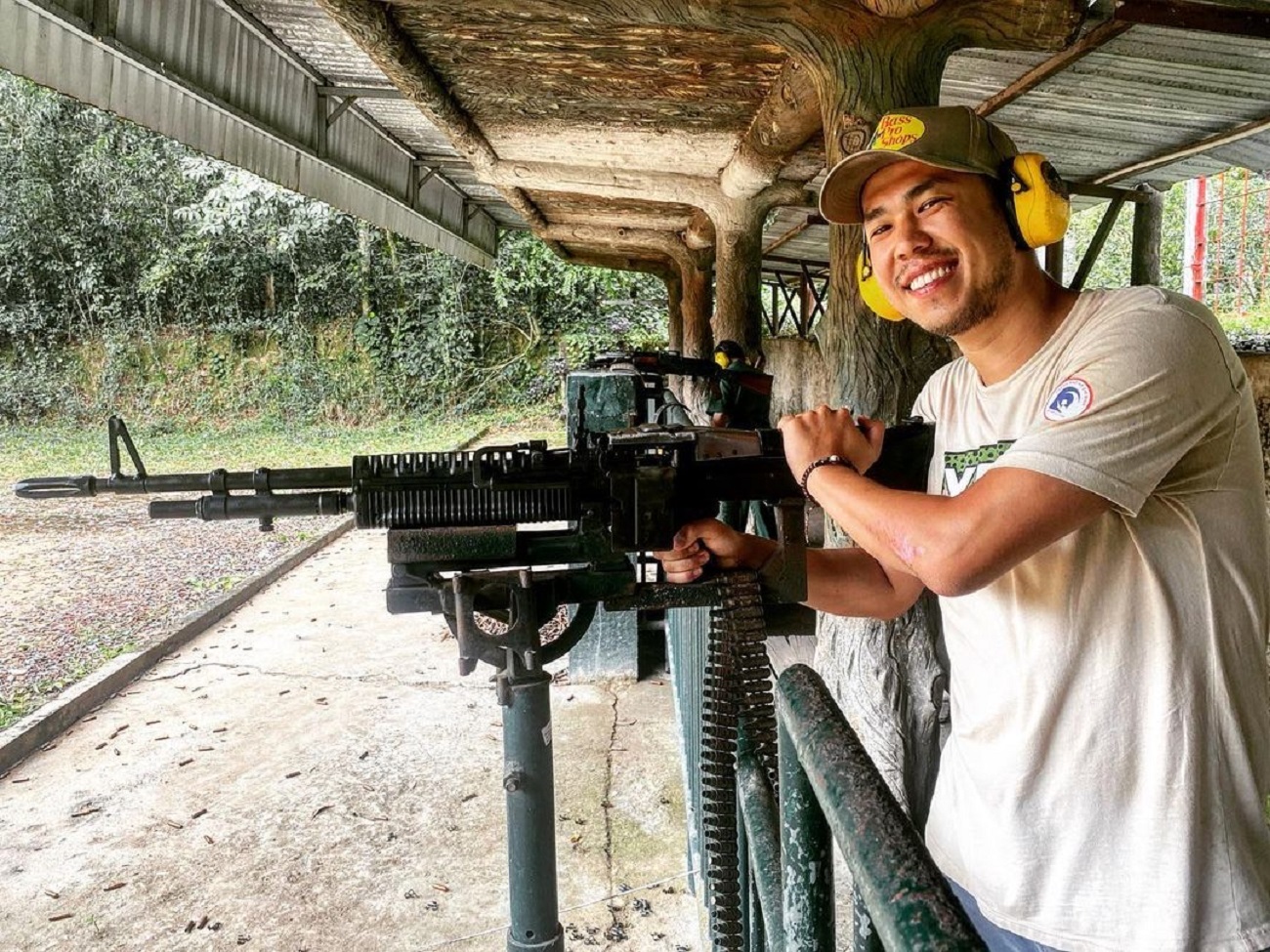
Cu Chi Tunnels Exploration: Traverse the legendary underground tunnels, hospitals, and living quarters from the Vietnam War era.
War Remnants Museum Visit: Gain insight into the Vietnam War’s impact through powerful exhibits.
Historic City Icons: Admire Reunification Palace and Notre Dame Cathedral.
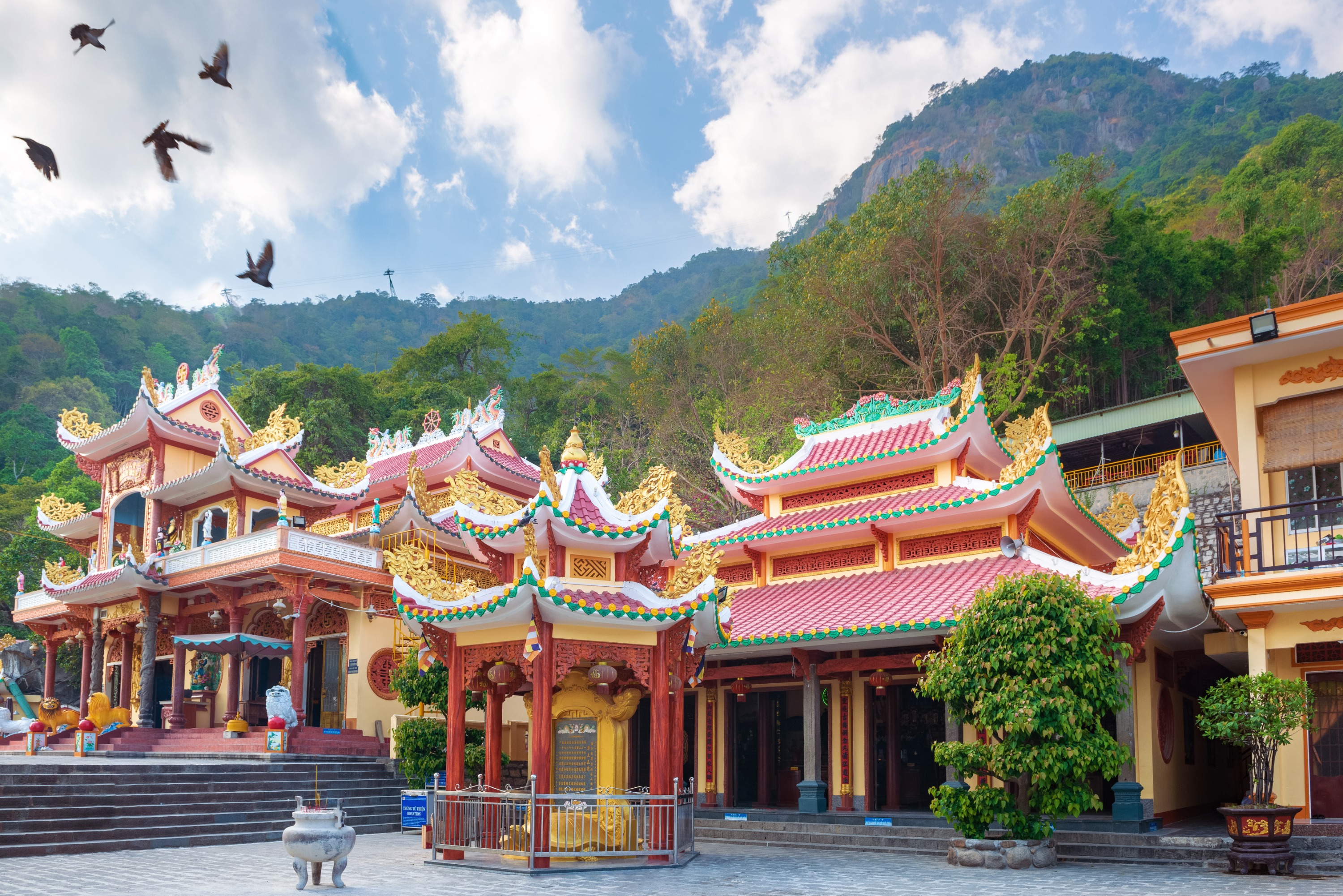
Thien Hau Pagoda: Discover Chinese architecture and spirituality in Cho Lon's Chinatown.
Available options
Private Tour
Private Tour <br/>Pickup included
Group Tour (max 15 pax/group)
Group Tour (max 15 pax/group) <br/>Pickup included
What's included
Hotel pickup and drop-off in Ho Chi Minh City Center
Travel insurance
Transportation with air-conditioning
Bottled drinking water
Entrance fees
Lunch
English speaking guides (other languages available upon request with surcharge)
Detailed itinerary
1
Stop 1
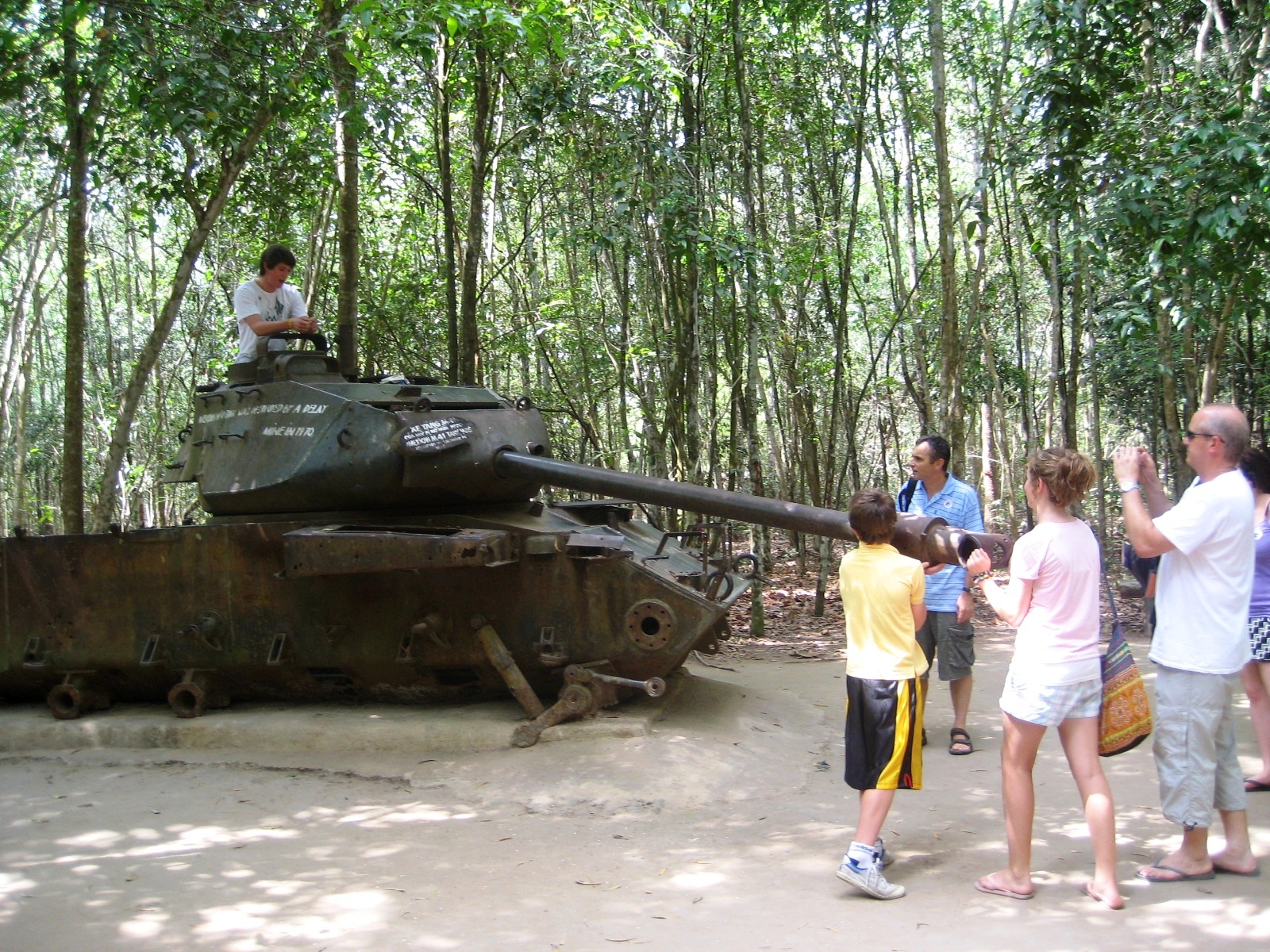
Start the day with a visit to the famous Cu Chi Tunnels, which stretch over 250 kilometers. Cu Chi is one of the most notable and historical landmarks of the Vietnam War. The tunnel system was created in 1948 to assist the Viet Minh in their fight for independence from the French, and it later became legendary during the 1960s for its vital role in the Vietnam War. It allowed the Viet Cong (communist guerrillas) to control large rural areas just 65 kilometers from Ho Chi Minh City.
The tunnel network includes hospitals, living quarters, kitchens, storage areas, and workrooms, all located underground. Excavated in an area with clay mixed with laterite, the tunnels are highly durable and stable, with air circulation provided through strategically placed ventilation holes.
2
Stop 2
The temple is located right on busy Nguyen Trai Street. It can be accessed by entering through an iron gate and crossing a small courtyard. The roof is decorated with small delicately fashioned porcelain figurines expressing themes from Chinese religion and legends. Lanterns and wooden models of Chinese theaters hang over the entrance.
3
Stop 3
Notre-Dame Cathedral Basilica of Saigon is a cathedral located in the downtown of Ho Chi Minh City, Vietnam. Established by French colonists who initially named it the Church of Saigon (French: l'Eglise de Saïgon), the cathedral was constructed between 1863 and 1880. The name Notre-Dame Cathedral has been used since 1959. It has two bell towers, reaching a height of 58 meters (190 feet).
4
Stop 4
Saigon Central Post Office is a post office in the downtown Ho Chi Minh City, near Saigon Notre-Dame Basilica, the city's cathedral. The building was constructed when Vietnam was part of French Indochina in the late 19th century. It counts with Gothic, Renaissance and French influences. It was constructed between 1886 and 1891 and is now a tourist attraction
5
Stop 5
Operated by the Ho Chi Minh City government, an earlier version of this museum opened on September 4, 1975, as the Exhibition House for US and Puppet Crimes.
In 1995, following the normalization of diplomatic relations with the United States and end of the US embargo a year before, the references to "war crimes" and "aggression" were dropped from the museum's title as well; it became the War Remnants Museum
6
Stop 6
Independence Palace, also publicly known as Reunification Convention Hall , built on the site of the former Norodom Palace, is a landmark in Ho Chi Minh City (formerly known as Saigon), Vietnam. It was designed by architect Ngô Viết Thụ and was the home and workplace of the President of South Vietnam during the Vietnam War. During the Fall of Saigon on 30 April 1975, it was the site of the end of the Vietnam War, when a North Vietnamese Army tank crashed through its gates.
What's not included
Personal expenses such as: shopping, telephone, beverage, etc.
Tips and gratuities
Available languages
Guide guide
EN
Reviews breakdown
Viator
4.3
3 reviews
5★
1
4★
2
3★
0
2★
0
1★
0
Tripadvisor
5.0
1 reviews
5★
1
4★
0
3★
0
2★
0
1★
0
Important information
Wheelchair accessible
Transportation options are wheelchair accessible
All areas and surfaces are wheelchair accessible
Suitable for all physical fitness levels
Maximum 1 child accompanied 1 adult, the 2nd child will pay the adult price.
Important notes
Please provide the names and nationalities of each person joining the tour for insurance registration.
If you have a special event or a celebration occurring during the trip, please provide the date and the occasion. For dietary and medical requests, please provide specific information when booking.
About Ho Chi Minh City
Ho Chi Minh City, Vietnam's largest metropolis, is a vibrant blend of tradition and modernity. Known for its rich history, bustling markets, and French colonial architecture, it offers a dynamic travel experience with its lively street food culture, historical landmarks, and energetic nightlife.
Top Attractions
War Remnants Museum
This museum provides a sobering look at the Vietnam War and its impact on the country. It houses a collection of war machinery, photographs, and artifacts.
Historical
1-2 hours
Free (donations appreciated)
Cu Chi Tunnels
A network of underground tunnels used by Viet Cong soldiers during the Vietnam War. Visitors can explore the tunnels, learn about their history, and see various war relics.
Historical
Half-day tour
Moderate (tour prices vary)
Notre-Dame Cathedral Basilica of Saigon
A beautiful example of French colonial architecture, this cathedral is a prominent landmark in the city. It is a peaceful place to visit and offers a glimpse into the city's religious heritage.
Religious
30 minutes to 1 hour
Free
Ben Thanh Market
One of the most famous markets in Ho Chi Minh City, offering a wide variety of goods, including food, clothing, souvenirs, and handicrafts. It's a great place to experience local culture and shop for bargains.
Market
1-2 hours
Budget to Moderate
Bitexco Financial Tower Skydeck
Offers panoramic views of the city from the 49th floor. The Skydeck provides a unique perspective on Ho Chi Minh City's skyline and landmarks.
Observation Deck
1 hour
Moderate
Must-Try Local Dishes
Pho
A traditional Vietnamese noodle soup made with beef or chicken broth, rice noodles, and various toppings such as meat, herbs, and bean sprouts.
Dinner
Vegetarian options available
Banh Mi
A Vietnamese sandwich made with a baguette, filled with various ingredients such as grilled meat, pâté, pickled vegetables, and fresh herbs.
Lunch
Vegetarian options available
Com Tam
Broken rice served with grilled pork, a fried egg, and various accompaniments like pickled vegetables and fish sauce.
Lunch
Vegetarian options available
Goi Cuon
Fresh spring rolls filled with shrimp, pork, herbs, and rice vermicelli, served with a peanut or fish sauce dipping sauce.
Appetizer
Vegetarian options available
Popular Activities
Golfing at Long Thanh Golf Resort
Exploring the Cu Chi Tunnels
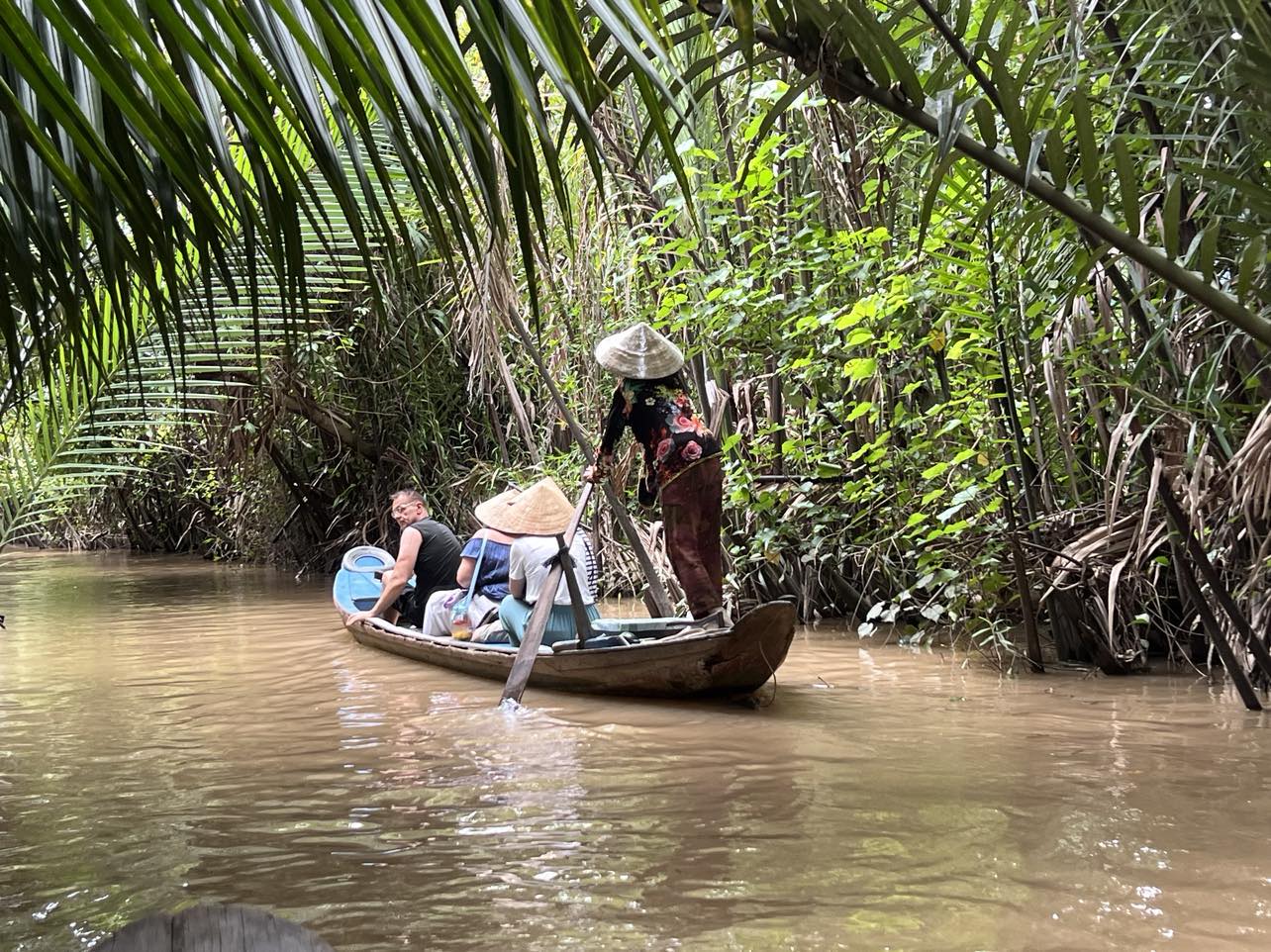
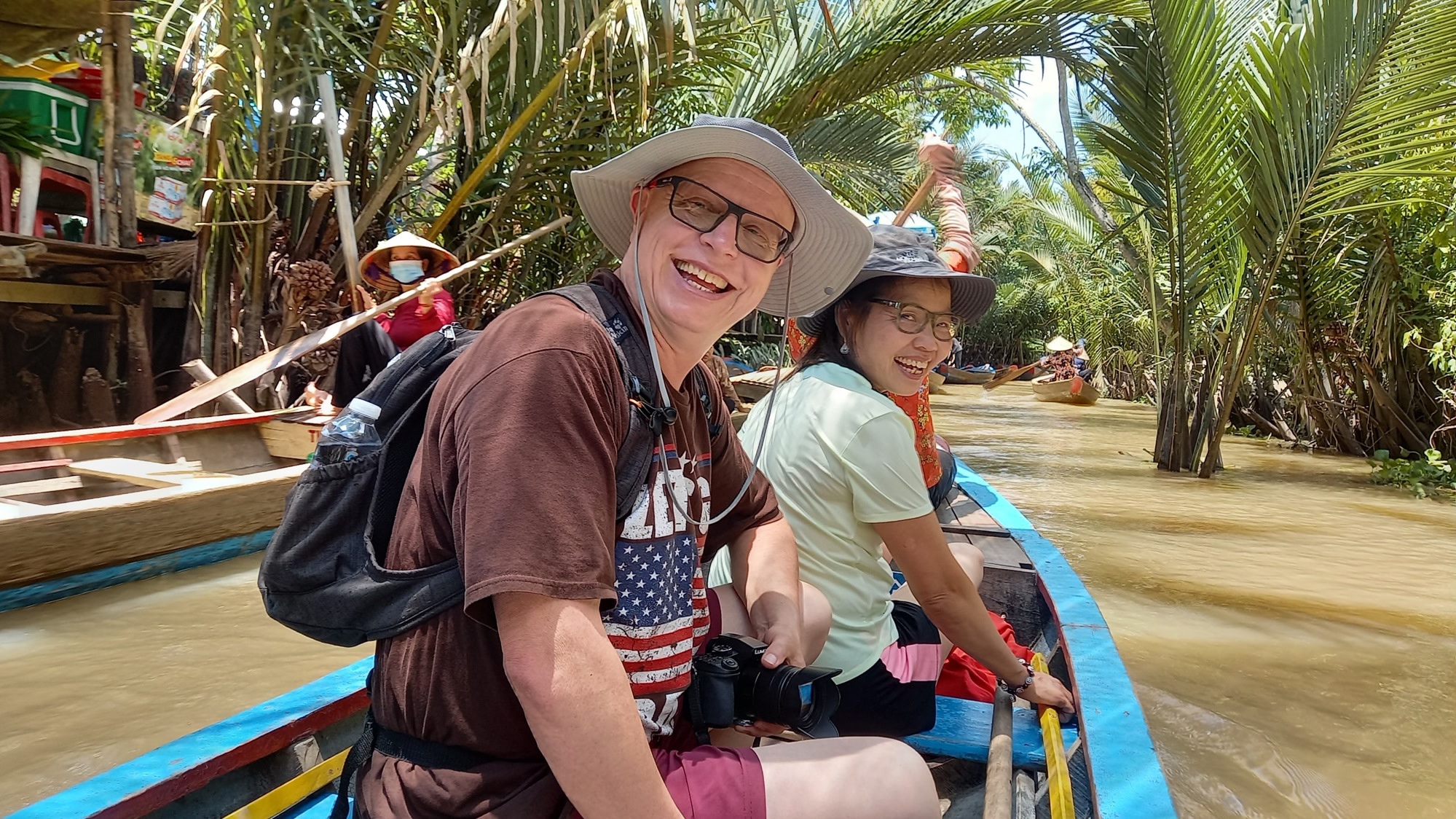
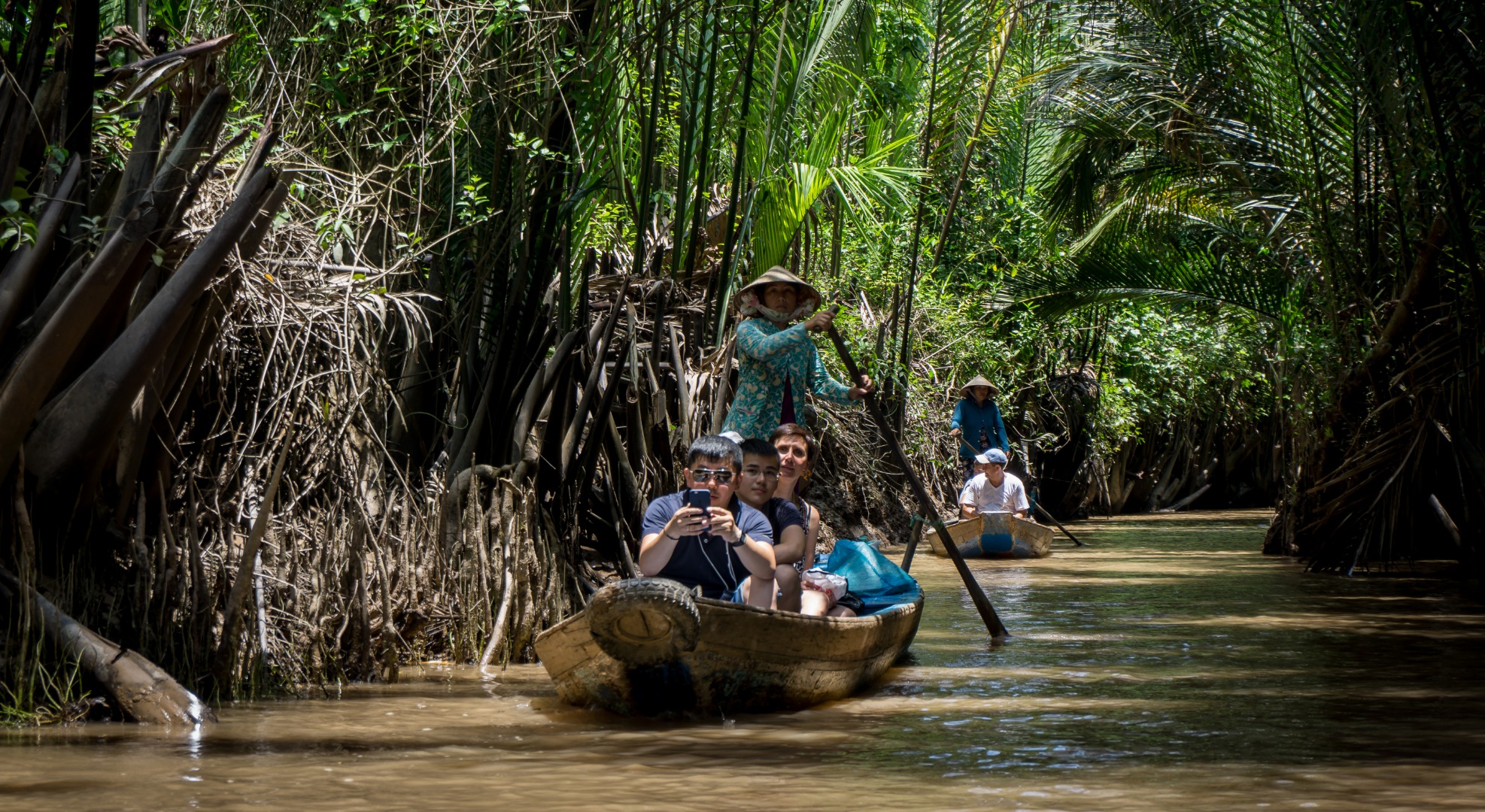
Boat tours in the Mekong Delta
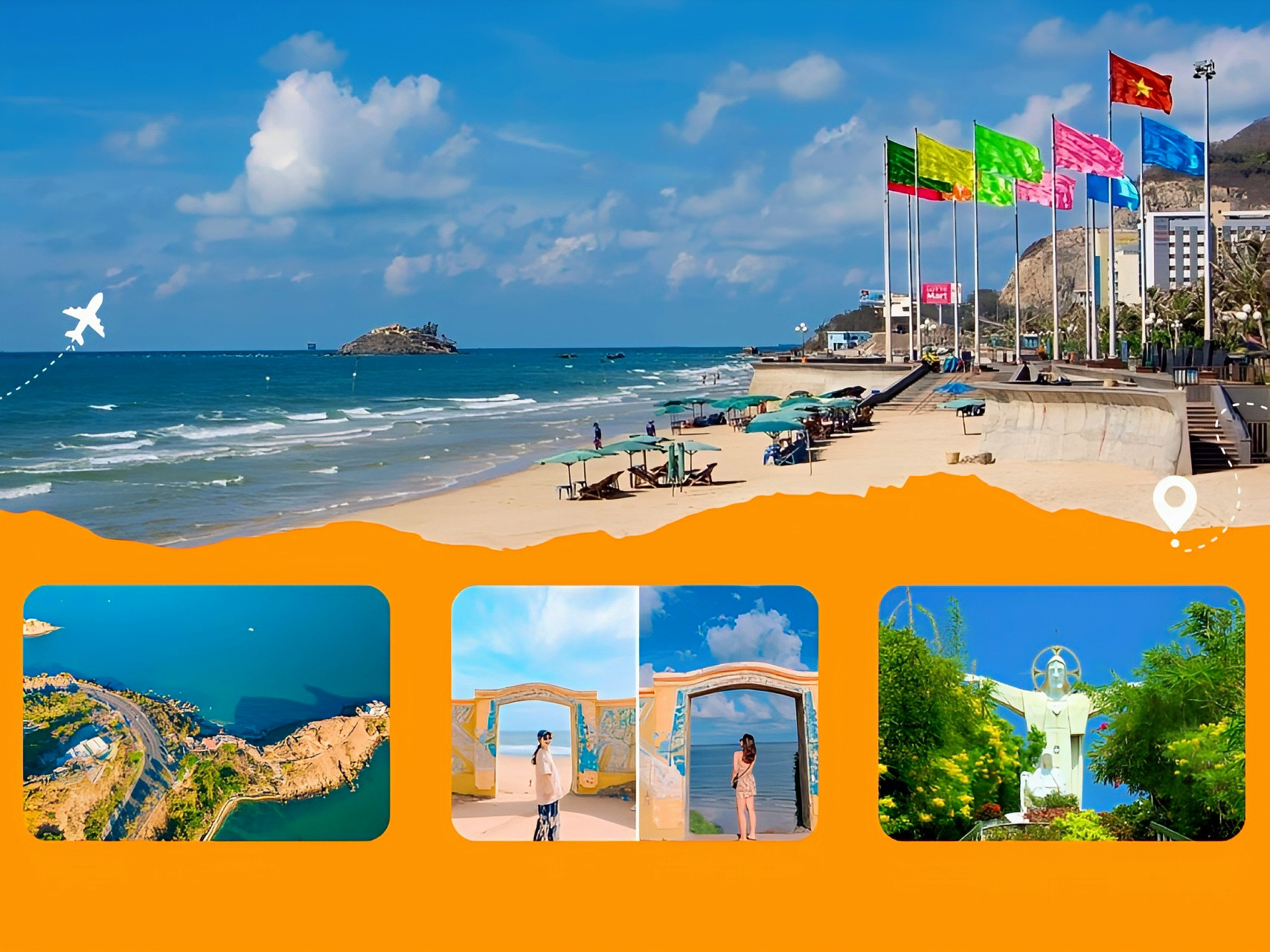
Beach relaxation in Vung Tau
Nature walks in Cần Giờ Mangrove Forest
Spa and wellness treatments
Visiting historical sites like the War Remnants Museum
Exploring local markets and temples
Best Time to Visit
December to April
This is the dry season with lower humidity and less rain, making it ideal for outdoor activities and sightseeing. The weather is generally pleasant, though it can be quite hot.
25-35°C
77-95°F
Practical Information
Language
- Official: Vietnamese
- Widely spoken: English
- English: Moderately spoken in tourist areas, limited in other areas
Currency
Vietnamese Dong (VND)
Time Zone
GMT+7
Electricity
220VV, 50HzHz
Safety Information
Overall Safety Rating: Generally safe, but exercise caution in crowded areas and at night
Ho Chi Minh City is generally safe for travelers, but petty crime and scams can occur, especially in crowded areas and at night. Exercise caution and be aware of your surroundings.
Important Precautions:
- • Use licensed taxis or ride-hailing apps
- • Keep valuables secure and out of sight
- • Bargain for better prices at markets
Getting there
By air
- Tan Son Nhat International Airport • 7 km from city center
By train
Saigon Railway Station
By bus
Mien Dong Bus Station, Mien Tay Bus Station
Getting around
Public transport
Buses are an affordable way to get around, but they can be crowded and slow due to traffic. Routes are numerous and well-marked.
Taxis
Available • Apps: Grab, Gojek
Rentals
Car, Bike, Scooter
Neighborhoods
District 1
District 3
District 5 (Chinatown)
District 7
Phu Nhuan District
Day trips
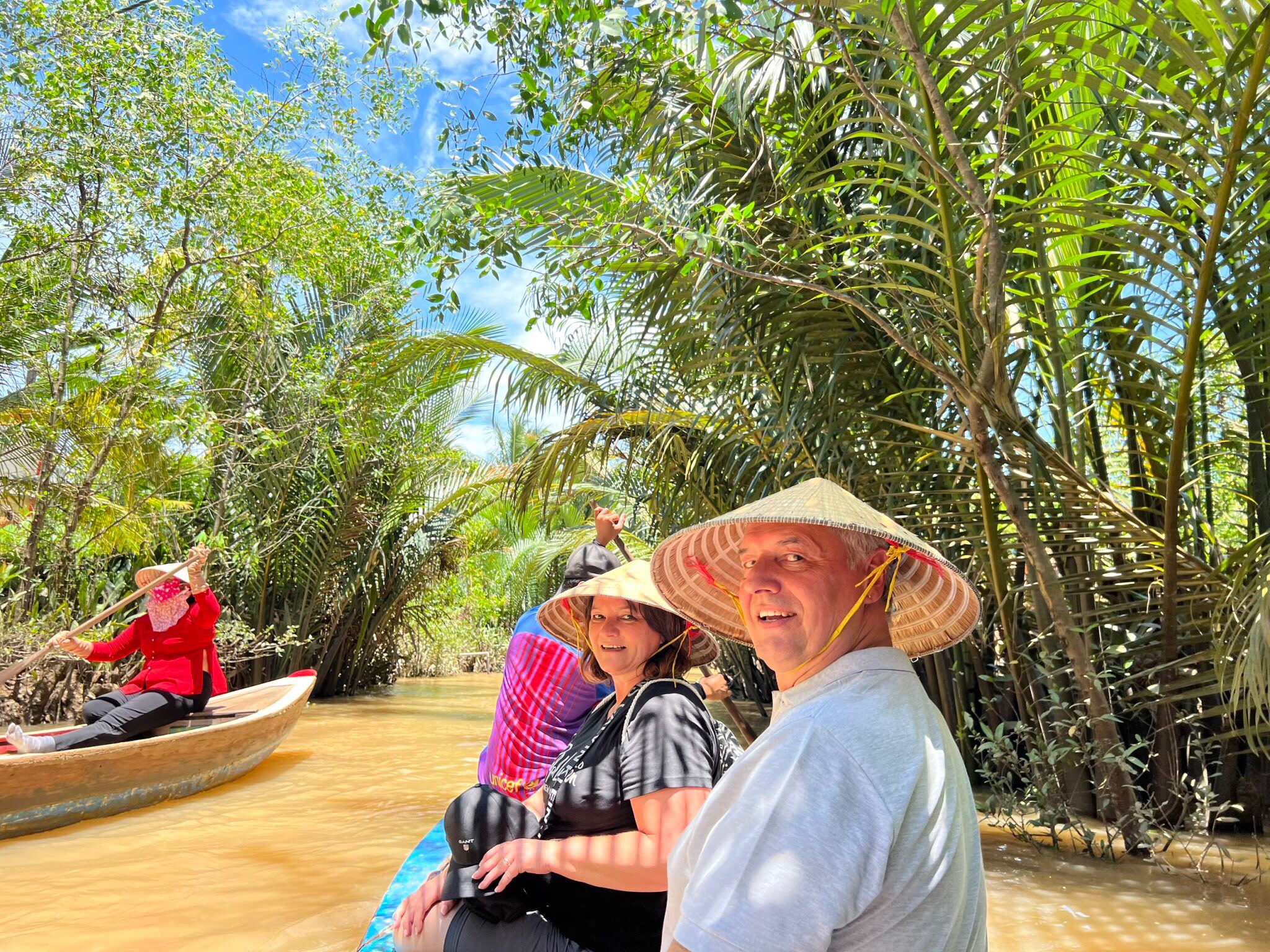
Mekong Delta
130 km from Ho Chi Minh City • Full day
The Mekong Delta is a vast network of rivers, canals, and islands known for its lush landscapes, floating markets, and traditional villages. It offers a unique glimpse into rural Vietnamese life.
Cu Chi Tunnels
60 km from Ho Chi Minh City • Half day
A network of underground tunnels used by Viet Cong soldiers during the Vietnam War. Visitors can explore the tunnels, learn about their history, and see various war relics.
Vung Tau
120 km from Ho Chi Minh City • Full day
A coastal city known for its beautiful beaches, seafood, and relaxed atmosphere. It's a popular destination for a day trip from Ho Chi Minh City.
Festivals
Tet Holiday (Vietnamese New Year) • January or February (varies each year)
Ho Chi Minh City International Film Festival • December (varies each year)
Mid-Autumn Festival • September or October (varies each year)
Pro tips
- Learn a few basic Vietnamese phrases to enhance your experience and interact with locals
- Use ride-hailing apps like Grab or Gojek for convenient and affordable transportation
- Bargain for better prices at markets and street vendors, but do so politely and with a smile
- Try street food and local eateries for an authentic and delicious culinary experience
- Visit popular attractions early in the morning or late in the afternoon to avoid crowds and the midday heat
From $25
per person
Price varies by option
Secure booking
Free cancellation available
Instant confirmation