Finisterre and Costa da Morte: The Most Complete Tour of Santiago
Active
9h
For a full refund, cancel at least 24 hours before the scheduled departure time.
Instant confirmation
Mobile or paper ticket accepted
About this experience
Embark on a captivating journey along the Coast of Death, where tales of shipwrecks and storms meet the mystique of ancient pilgrimage routes. This full-day tour showcases Galicia's stunning landscapes, from serene Muxía and iconic Finisterre—where Romans felt the world ended—to the dramatic KM0 of the Camino de Santiago. Marvel at the breathtaking Ezaro Waterfall amidst these historic shores.
Guided by experts with deep knowledge and enthusiasm, you'll traverse this rugged coastline, diving into its rich history and legends. Each site reveals the unique blend of natural beauty and cultural heritage that characterizes the Coast of Death. Join us for an unforgettable exploration of Galicia's wild side, a visual feast rich in intrigue, ideal for history buffs, nature lovers, and spiritual seekers. Experience a profound connection with the spirit and story of one of Spain’s most enigmatic regions.
Available options
Finisterre and Costa da Morte: The Most Complete Tour of Santiago
Pickup included
What's included
Coach with air conditioner
English and Spanish Tour Guide
Insurancer
Transportation
Detailed itinerary
1
The Roman bridge of Pontemaceira is the first stop of the Finisterranean way, till the end of the world. Here you will enjoy the views of this nice bridge and hearing leyend about Santiago.
2
The Sanctuary of Virxe da Barca, it is a really important place for the peregrinations about the Santiago´s Way. Every pilgrim have to came here to see the strenght of the ocean and to hear the leyends about the arrival of Santiago, The Apostol
3
During the visit to the Muxia sanctuary, you will have the opportunity to learn about the wonderful history of these two stones, venerated by the local people and that contain a great history.
Do you dare to do the rituals of the people of the town of Muxia?
4
At the Village of Finisterre, you will do your lunch stop. Many restaurants makes this places as the perfect area to enjoy the local gastronomy at the adecuate prices.
5
After delighting in the wonderful views of the end of the world and all its elements. We will go down to the town to eat, to enjoy a wonderful meal. They will have free time to eat in the village.
6
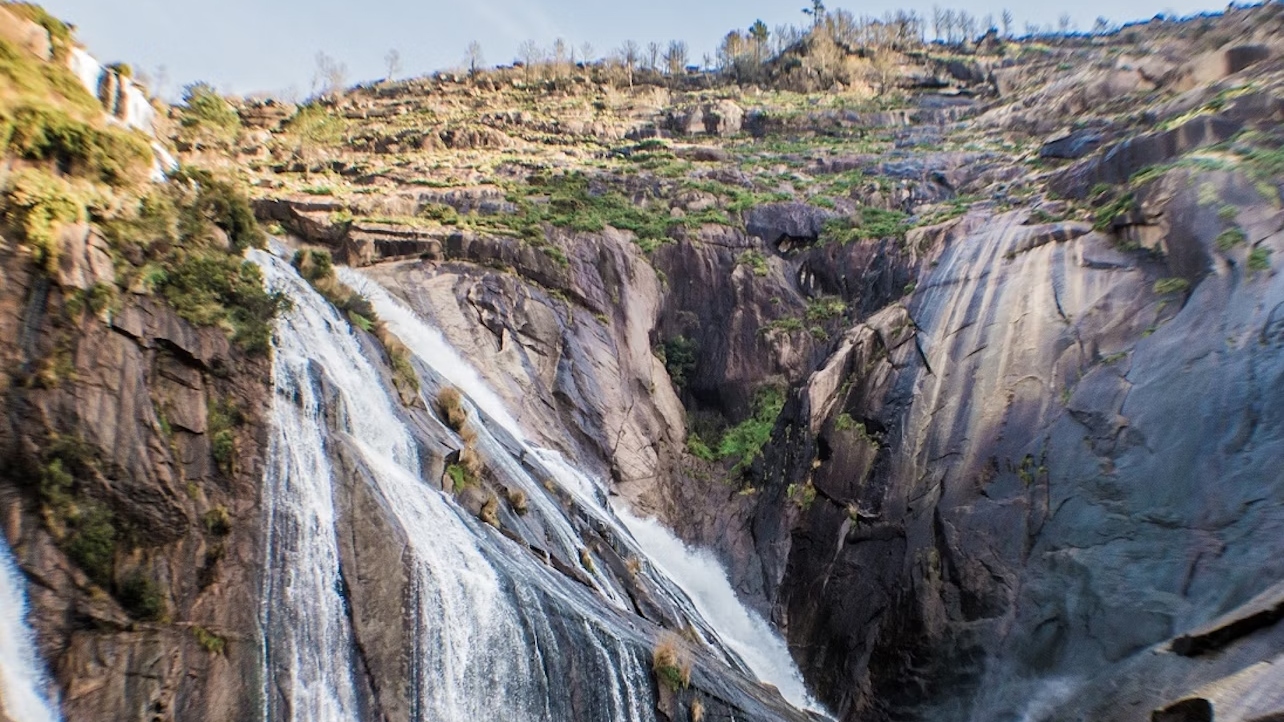
The Ezaro´s Waterfall shows a unique place. Extremely connected with the pre roman culture. Leyends, and the strenght goes with each water drop wich flows at the waterfall.
7
The north of Spain, and Specially Galicia it is plenty of Granarys, locally called Horreos. Arriving to one of the larggest in the world you will discover how usefull they are and why it becomes one of the most recognozible simbologies of the galician society.
8
Enjoy an amazing view of the Stuary of Muros. Part of the Southern stuaries of Galicia. Seeing the Bateas, the platforms, to cultivate mussels, oysters and scalops
What's not included
Lunch
Food and drinks, other than the "value added offers" specified in your guidebook
Food and drinks, unless specified
Food and drinks
Alcoholic drinks (available to purchase)
Available languages
Audio guide
DE
KO
IT
FR
Guide guide
EN
ES
Reviews breakdown
Viator
4.6
90 reviews
5★
65
4★
17
3★
7
2★
1
1★
0
Tripadvisor
4.8
642 reviews
5★
547
4★
75
3★
9
2★
3
1★
8
Important information
Public transportation options are available nearby
Infants are required to sit on an adult’s lap
Suitable for all physical fitness levels
Children must be accompanied by an adult
Infant meals not included
Meeting point
Meeting point: at 9:05 AM in front of the Hotel Peregrino, on the opposite sidewalk. You will need to cross to the bus stop located on the other side of the street.
About Santiago de Compostela
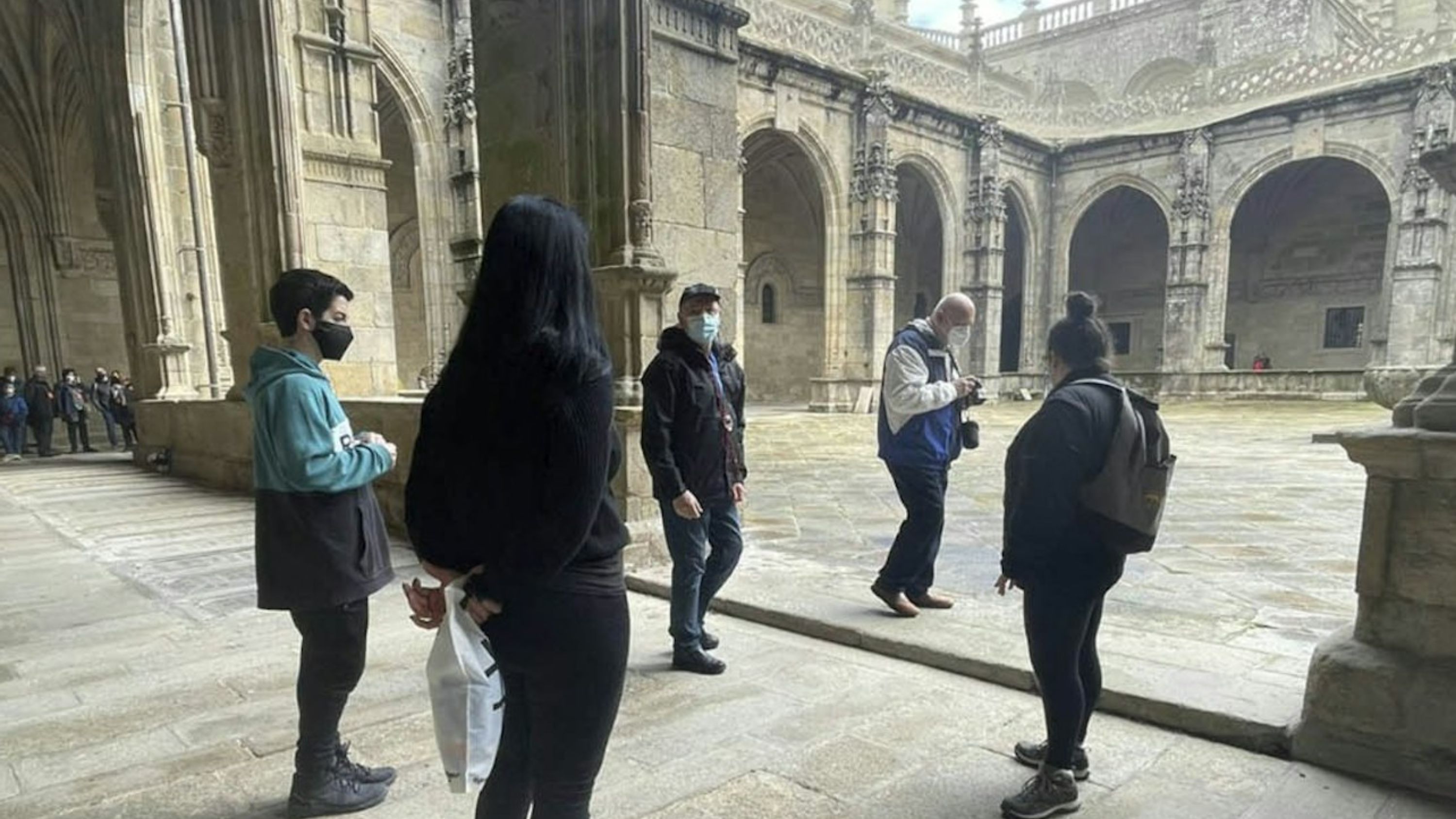
Santiago de Compostela is a historic city in northwestern Spain, renowned as the endpoint of the Camino de Santiago pilgrimage route. It is famous for its stunning cathedral, which houses the remains of St. James the Apostle, and its rich cultural heritage. The city's medieval old town is a UNESCO World Heritage Site, offering a blend of history, architecture, and vibrant Galician culture.
Top Attractions
Santiago de Compostela Cathedral
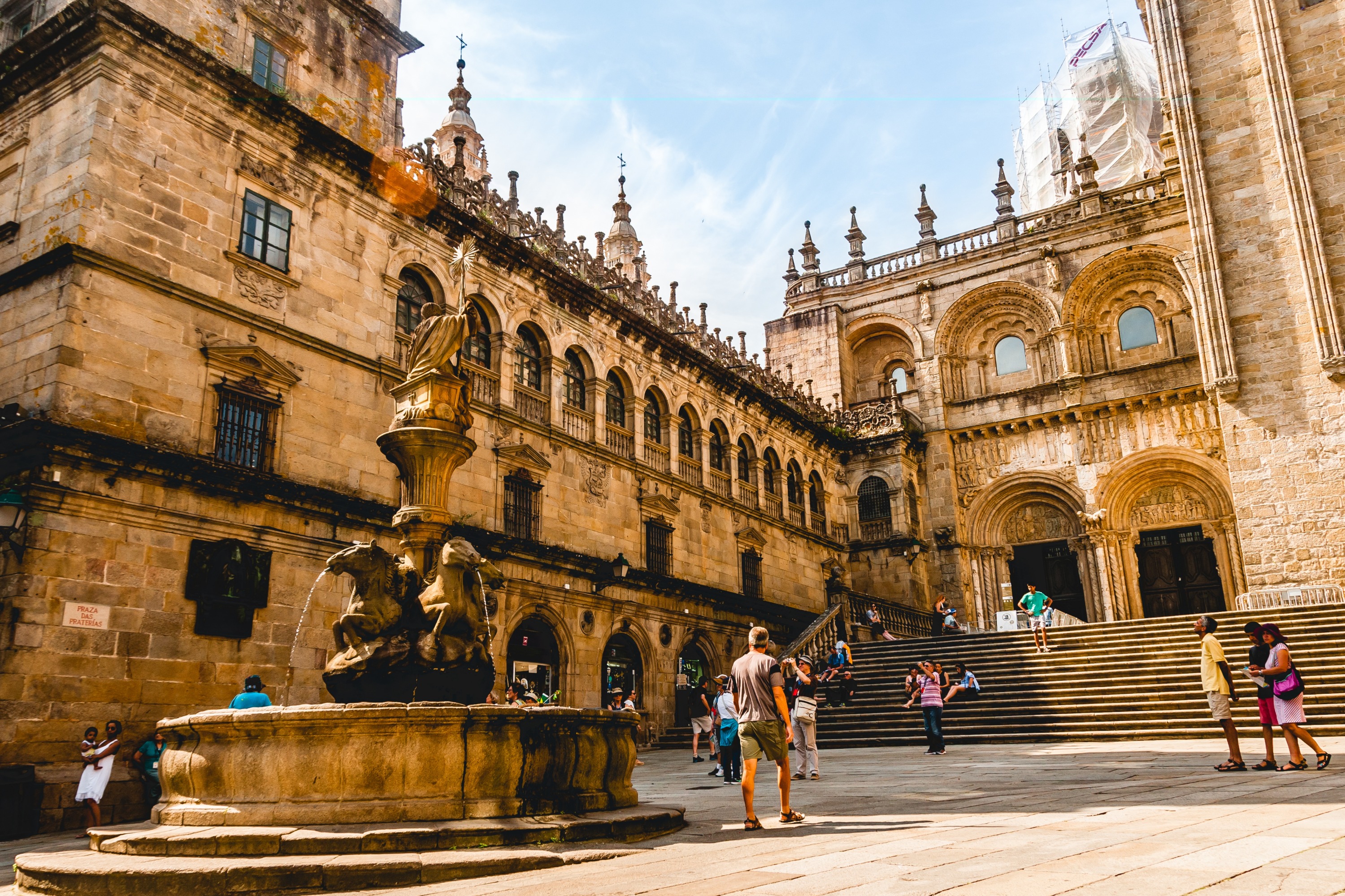
This iconic cathedral is the final destination of the Camino de Santiago pilgrimage. It houses the remains of St. James the Apostle and is a masterpiece of Romanesque and Baroque architecture.
Historical/Religious
1-2 hours
Free (donations welcome)
Old Town (Zona Vella)
The Old Town is a UNESCO World Heritage Site with narrow medieval streets, historic buildings, and vibrant plazas. It's the heart of the city and a must-visit for its architectural and cultural charm.
Historical/Cultural
Half-day
Free to explore
Alameda Park
This beautiful park offers stunning views of the cathedral and the city. It's a great place for a leisurely stroll, picnic, or simply relaxing and enjoying the scenery.
Nature/Scenic
30 minutes to 1 hour
Free
Museo das Peregrinacións e de Santiago
This museum is dedicated to the history of the Camino de Santiago pilgrimage and the city of Santiago de Compostela. It offers a fascinating look into the cultural and religious significance of the pilgrimage.
Museum
1 hour
€3
Must-Try Local Dishes
Pulpo a la gallega
Galician-style octopus served with potatoes, paprika, and olive oil.
Main Dish
Contains seafood, gluten-free
Empanada gallega
A savory pastry filled with various ingredients like tuna, meat, or vegetables.
Snack
Can be vegetarian or vegan, contains gluten
Caldo gallego
A traditional Galician soup made with white beans, potatoes, kale, and chorizo.
Soup
Contains meat, gluten-free
Popular Activities
Hiking the Camino de Santiago
Cycling tours
Kayaking in the surrounding rivers
Visiting Alameda Park
Relaxing at local cafes
Enjoying a spa day
Visiting museums
Attending local festivals
Best Time to Visit
June to September
This is the peak tourist season with warm weather and numerous festivals. The city is bustling with pilgrims and tourists, and outdoor activities are at their best.
18°C to 28°C
64°F to 82°F
Practical Information
Language
- Official: Spanish
- Widely spoken: Galician, English (in tourist areas)
- English: Moderately spoken in tourist areas, limited elsewhere
Currency
Euro (EUR)
Time Zone
GMT+1 (CET), GMT+2 (CEST during daylight saving time)
Electricity
230VV, 50HzHz
Safety Information
Overall Safety Rating: Generally safe
Santiago de Compostela is generally safe, with low crime rates. However, as with any tourist destination, it's important to be aware of your surroundings and take basic precautions.
Important Precautions:
- • Keep valuables secure
- • Use licensed taxis
- • Be cautious of distractions and scams
Getting there
By air
- Santiago de Compostela Airport • 12 km from city center
By train
Santiago de Compostela Railway Station
By bus
Santiago de Compostela Bus Station
Getting around
Public transport
The bus system is efficient and affordable, with frequent services connecting major attractions and neighborhoods.
Taxis
Available • Apps: Free Now, Cabify
Rentals
Car, Bike, Scooter
Neighborhoods
Old Town (Zona Vella)
New Town (Zona Nova)
Day trips
A Coruña
75 km (47 miles) • Full day
A Coruña is a coastal city known for its Roman lighthouse, beautiful beaches, and historic architecture. It offers a mix of history, culture, and relaxation.
Rías Baixas Wine Region
50 km (31 miles) • Full day
The Rías Baixas region is famous for its Albariño wine, a crisp and refreshing white wine. Visitors can tour vineyards, taste local wines, and enjoy the beautiful coastal scenery.
Festivals
Festival of Saint James • July 24-25
Arts Festival (Festival de Arte Sacro) • April
Pro tips
- Visit the cathedral's rooftop for stunning views of the city
- Try pulpo a la gallega (Galician-style octopus) at a local tavern
- Explore the Old Town's narrow streets and hidden gems
- Attend the Pilgrim's Mass at the cathedral for a unique cultural experience
- Take a day trip to the Rías Baixas wine region for wine tasting and coastal scenery
From $25
per person
Price varies by option
Secure booking
Free cancellation available
Instant confirmation