Secrets of Compostela Private Tour
Active
2h
For a full refund, cancel at least 24 hours before the scheduled departure time.
Instant_then_manual confirmation
Mobile or paper ticket accepted
About this experience
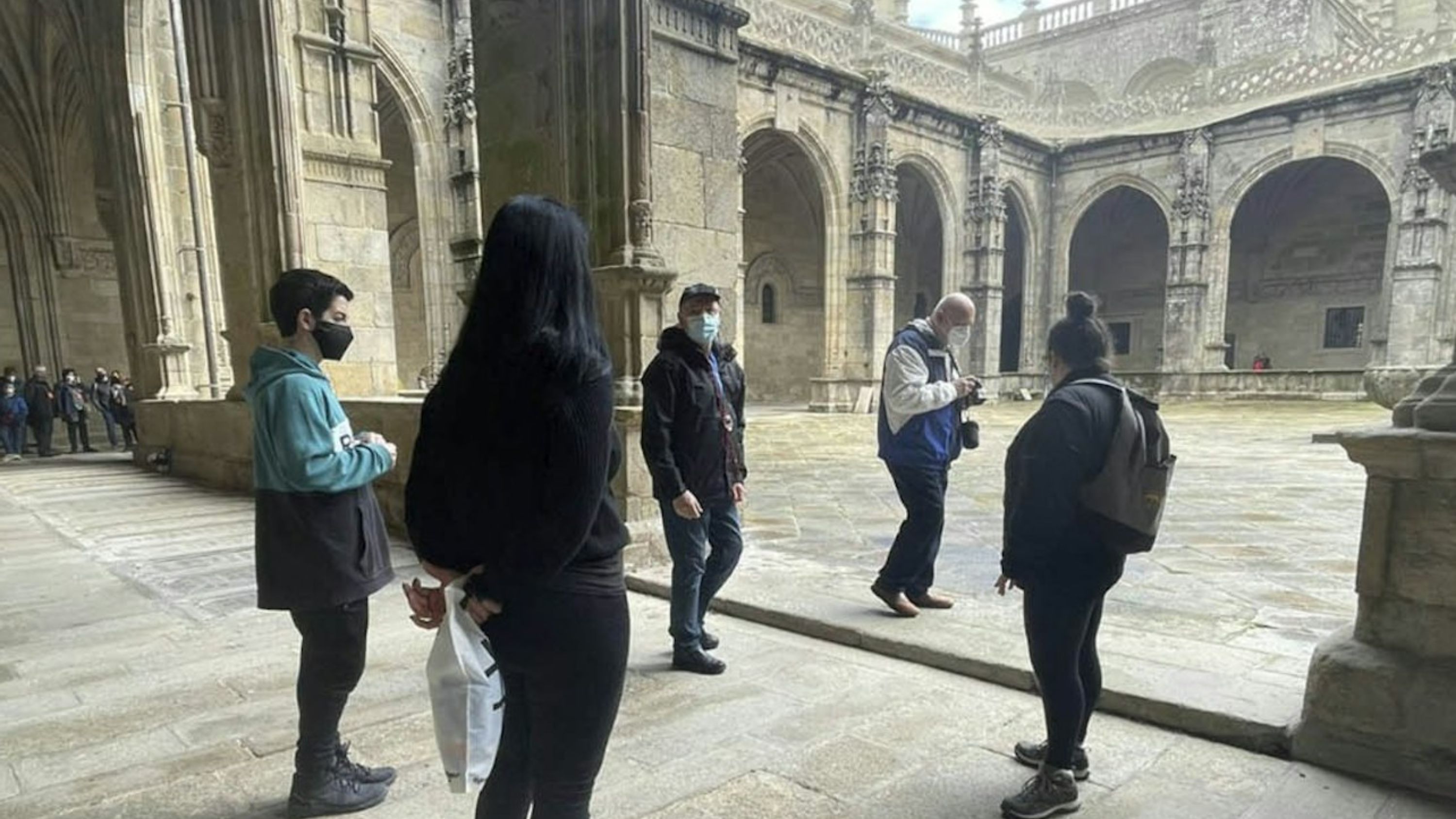
In an entertaining and fun way you will be able to learn the secrets and legends hidden in the main monuments and stones of Santiago. You can also walk through the food plaza, tapas areas and stroll through the Alameda.
Does not include the interior of the Cathedral. If you want to enter, the client must pay for the museum tickets.
Tour only in Spanish or Galician.
Contact us if you want to customize the tour or meet at another meeting point.
Available options
Walking Tour of the Secrets of Santiago de Compostela
Modify tour time
Other schedules: If you prefer to do the tour at a different time, please contact me and we will arrange another time that suits you better.
What's included
Outdoor walking tour. If you want to see the Cathedral the client must pay for the tickets
Professional Tourism Guide with GT-712-XG rating
Tour exclusively in SPANISH
Detailed itinerary
1
Stop 1
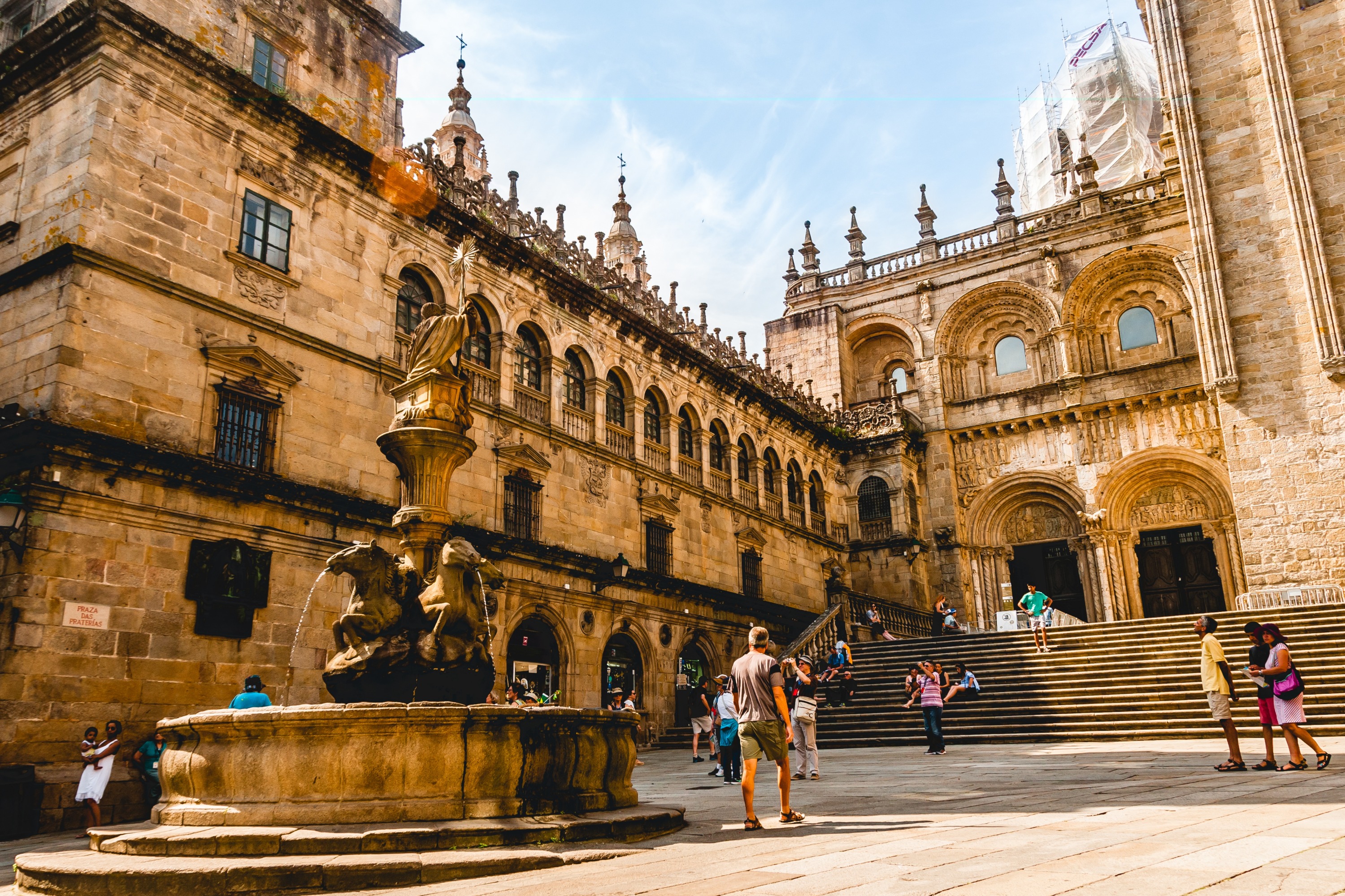
We will begin with a brief historical introduction, to later begin a guided walking route, explaining the facades of the Cathedral with the squares and monuments that surround it. Thus we will see the facades of Platerias (the only Romanesque façade that is preserved), Obradoiro (masterpiece of Fernando de Casas y Novoa), Azabachería (main entrance door of the pilgrims in the EM) and Quintana (where we find the Holy Door and the Monastery of San Paio de Antealtares, founded in the 9th century to guard the tomb of the Apostle). And a lot of spectacular buildings and monuments, which we will discover together, through their legends and characters ...
2
We will pass through the Porta Faxeira, one of the main gates of the medieval wall and through which the pilgrims of the Portuguese Way entered.
We will end our visit in the Alameda Park, a 56,087m2 garden, of great botanical and monumental interest, where we will learn about the unique history of the "Dos Marías" and will make a brief summary of other pieces of special interest that can be discovered, already individually, after finishing the visit.
3
Next, we will discover some of the most emblematic streets of the old town, such as Rúa Nova, with the church of Santa María Salomé, the only Spanish church dedicated to the Apostle's mother; the Rúa del Vilar with its beautiful arcades and the Rúa del Franco, where most of the gastronomic offer of the old town is concentrated and where its restaurants reflect the heritage of medieval tavern keepers.
4
Stop 4
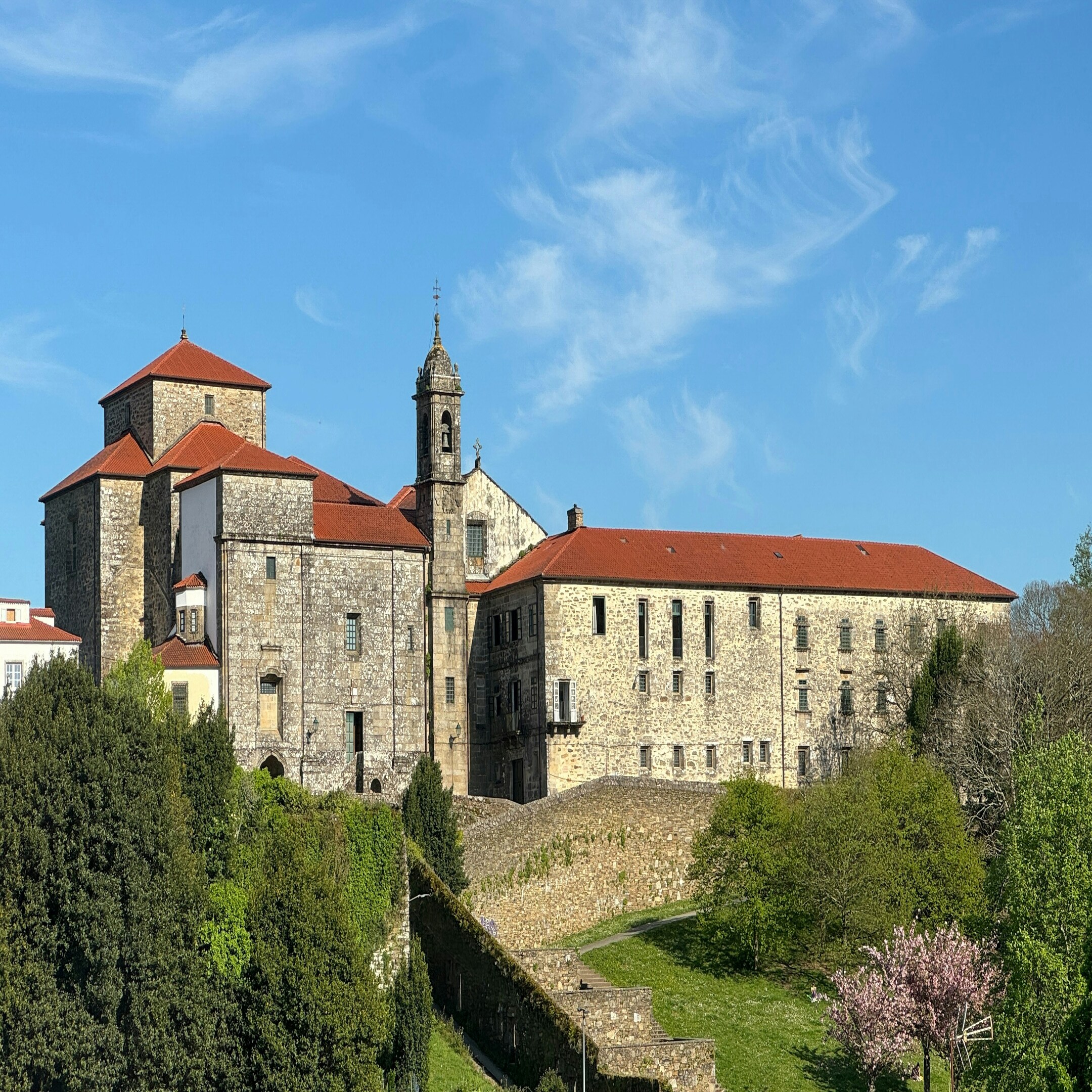
We will continue our guided tour, appreciating the facade of the monastery and church of San Martín Pinario, which is the second largest monastery in Spain after El Escorial. We will also enter the area of the old Jewish quarter, reaching the square where the Holy Inquisition carried out its autos de fe.
5
We will pass through the Plaza de Abastos, the second most visited place in the city after the cathedral. And we will admire the fantastic 14th century portico of the church of San Fiz de Solovio. We will cross the Mazarelos arch, the only arch and door that remains from the old medieval wall.
What's not included
MUSEUM entrance, if you want to see the inside of the Cathedral with a guide (9€/pax)
Available languages
Guide guide
ES
Reviews breakdown
Viator
5.0
6 reviews
5★
6
4★
0
3★
0
2★
0
1★
0
Tripadvisor
5.0
18 reviews
5★
18
4★
0
3★
0
2★
0
1★
0
Important information
Wheelchair accessible
Infants and small children can ride in a pram or stroller
Public transportation options are available nearby
All areas and surfaces are wheelchair accessible
Suitable for all physical fitness levels
Meeting point
In the arcades of the Museum of Pilgrimages (in front of the horse fountain).
I will carry a sign with the name of the tour so you can easily locate me.
About Santiago de Compostela
Santiago de Compostela is a historic city in northwestern Spain, renowned as the endpoint of the Camino de Santiago pilgrimage route. It is famous for its stunning cathedral, which houses the remains of St. James the Apostle, and its rich cultural heritage. The city's medieval old town is a UNESCO World Heritage Site, offering a blend of history, architecture, and vibrant Galician culture.
Top Attractions
Santiago de Compostela Cathedral
This iconic cathedral is the final destination of the Camino de Santiago pilgrimage. It houses the remains of St. James the Apostle and is a masterpiece of Romanesque and Baroque architecture.
Historical/Religious
1-2 hours
Free (donations welcome)
Old Town (Zona Vella)
The Old Town is a UNESCO World Heritage Site with narrow medieval streets, historic buildings, and vibrant plazas. It's the heart of the city and a must-visit for its architectural and cultural charm.
Historical/Cultural
Half-day
Free to explore
Alameda Park
This beautiful park offers stunning views of the cathedral and the city. It's a great place for a leisurely stroll, picnic, or simply relaxing and enjoying the scenery.
Nature/Scenic
30 minutes to 1 hour
Free
Museo das Peregrinacións e de Santiago
This museum is dedicated to the history of the Camino de Santiago pilgrimage and the city of Santiago de Compostela. It offers a fascinating look into the cultural and religious significance of the pilgrimage.
Museum
1 hour
€3
Must-Try Local Dishes
Pulpo a la gallega
Galician-style octopus served with potatoes, paprika, and olive oil.
Main Dish
Contains seafood, gluten-free
Empanada gallega
A savory pastry filled with various ingredients like tuna, meat, or vegetables.
Snack
Can be vegetarian or vegan, contains gluten
Caldo gallego
A traditional Galician soup made with white beans, potatoes, kale, and chorizo.
Soup
Contains meat, gluten-free
Popular Activities
Hiking the Camino de Santiago
Cycling tours
Kayaking in the surrounding rivers
Visiting Alameda Park
Relaxing at local cafes
Enjoying a spa day
Visiting museums
Attending local festivals
Best Time to Visit
June to September
This is the peak tourist season with warm weather and numerous festivals. The city is bustling with pilgrims and tourists, and outdoor activities are at their best.
18°C to 28°C
64°F to 82°F
Practical Information
Language
- Official: Spanish
- Widely spoken: Galician, English (in tourist areas)
- English: Moderately spoken in tourist areas, limited elsewhere
Currency
Euro (EUR)
Time Zone
GMT+1 (CET), GMT+2 (CEST during daylight saving time)
Electricity
230VV, 50HzHz
Safety Information
Overall Safety Rating: Generally safe
Santiago de Compostela is generally safe, with low crime rates. However, as with any tourist destination, it's important to be aware of your surroundings and take basic precautions.
Important Precautions:
- • Keep valuables secure
- • Use licensed taxis
- • Be cautious of distractions and scams
Getting there
By air
- Santiago de Compostela Airport • 12 km from city center
By train
Santiago de Compostela Railway Station
By bus
Santiago de Compostela Bus Station
Getting around
Public transport
The bus system is efficient and affordable, with frequent services connecting major attractions and neighborhoods.
Taxis
Available • Apps: Free Now, Cabify
Rentals
Car, Bike, Scooter
Neighborhoods
Old Town (Zona Vella)
New Town (Zona Nova)
Day trips
A Coruña
75 km (47 miles) • Full day
A Coruña is a coastal city known for its Roman lighthouse, beautiful beaches, and historic architecture. It offers a mix of history, culture, and relaxation.
Rías Baixas Wine Region
50 km (31 miles) • Full day
The Rías Baixas region is famous for its Albariño wine, a crisp and refreshing white wine. Visitors can tour vineyards, taste local wines, and enjoy the beautiful coastal scenery.
Festivals
Festival of Saint James • July 24-25
Arts Festival (Festival de Arte Sacro) • April
Pro tips
- Visit the cathedral's rooftop for stunning views of the city
- Try pulpo a la gallega (Galician-style octopus) at a local tavern
- Explore the Old Town's narrow streets and hidden gems
- Attend the Pilgrim's Mass at the cathedral for a unique cultural experience
- Take a day trip to the Rías Baixas wine region for wine tasting and coastal scenery
From $25
per person
Price varies by option
Secure booking
Free cancellation available