Shore Excursion Day Trip To Burstling Saigon
Active
8h - 10h
For a full refund, cancel at least 24 hours before the scheduled departure time.
Instant confirmation
Mobile or paper ticket accepted
About this experience
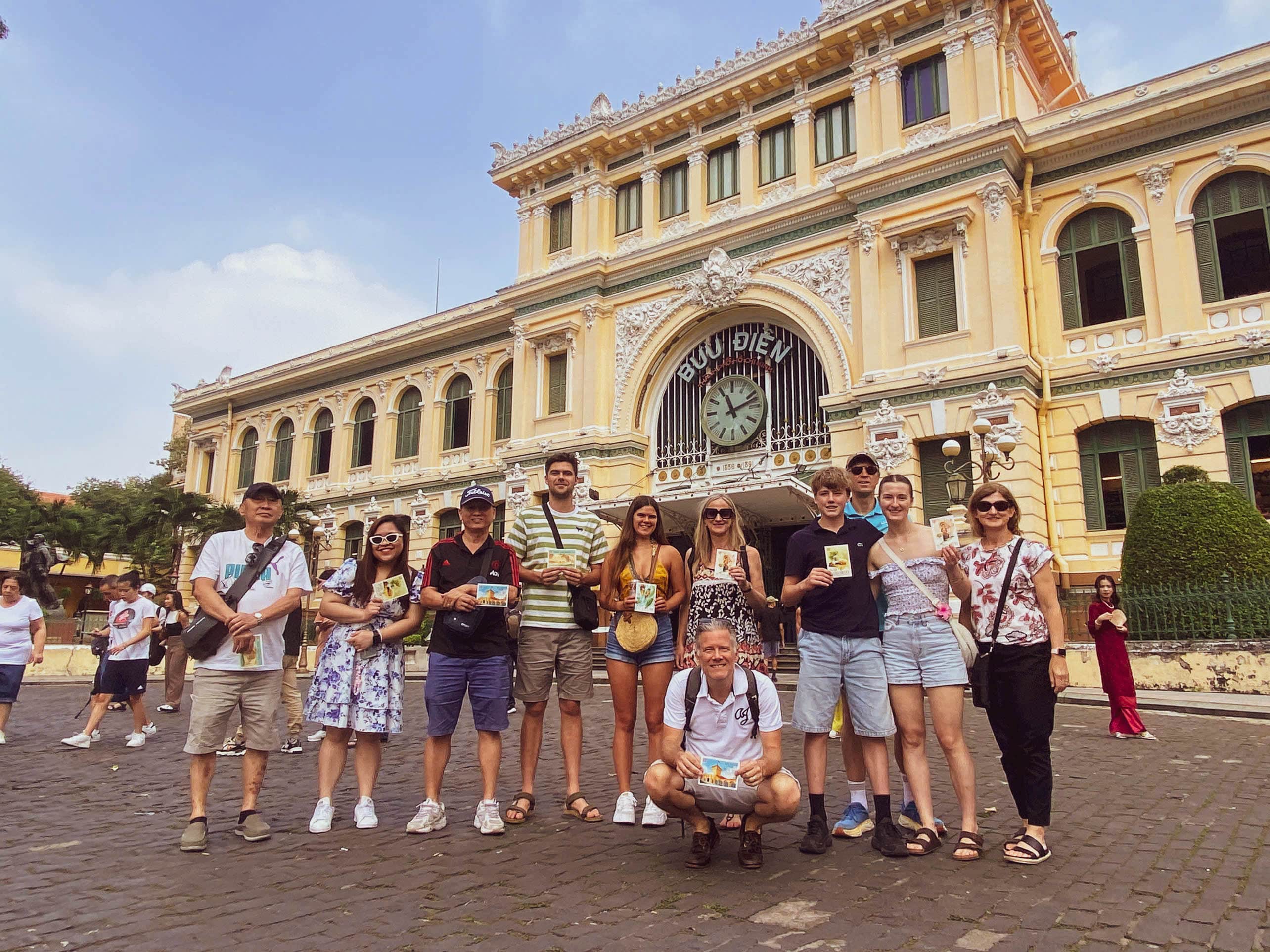
Explore the vibrant history and culture of Ho Chi Minh City on this comprehensive shore excursion from Phu My. Visit the historic Reunification Palace, where a tank symbolizes the Fall of Saigon, and admire the stunning French Gothic architecture of the Cathedral. Experience the bustling atmosphere of Ben Thanh Market and enjoy a delicious Vietnamese lunch. With a knowledgeable local guide, gain insights into Vietnam's rich history and daily life in this bustling metropolis.
- Duration: 10 hours of guided exploration
- Includes a Vietnamese lunch with beverages
- Visit iconic landmarks like the Reunification Palace and Notre Dame Cathedral
- Easy activity level with minimal physical requirements, suitable for most travelers
Available options
Shore Excursion Day Trip To Burstling Saigon
Pickup included
What's included
Private transportation
Admission fee
Lunch
Air-conditioned vehicle
Coffee and/or Tea
Detailed itinerary
1
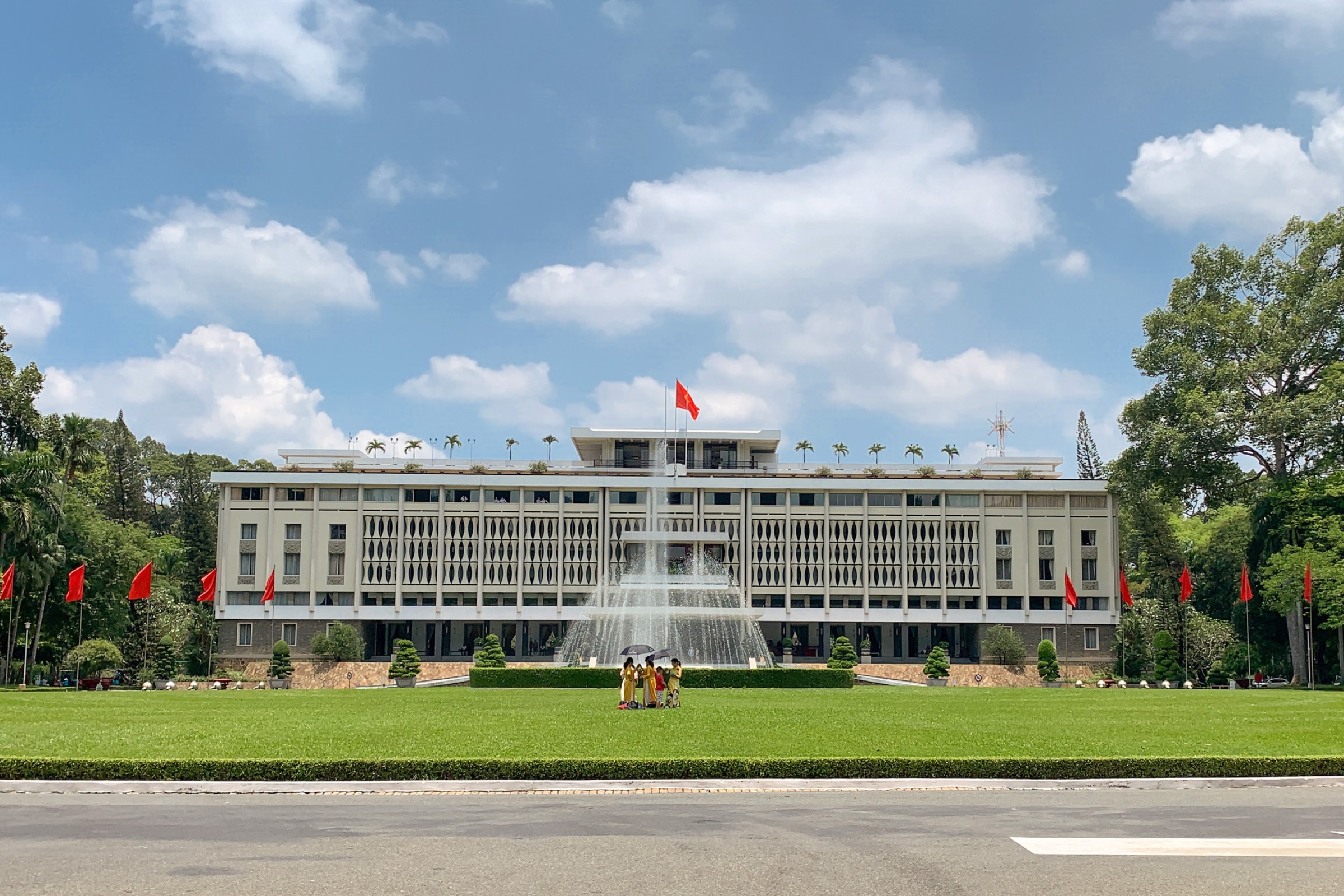
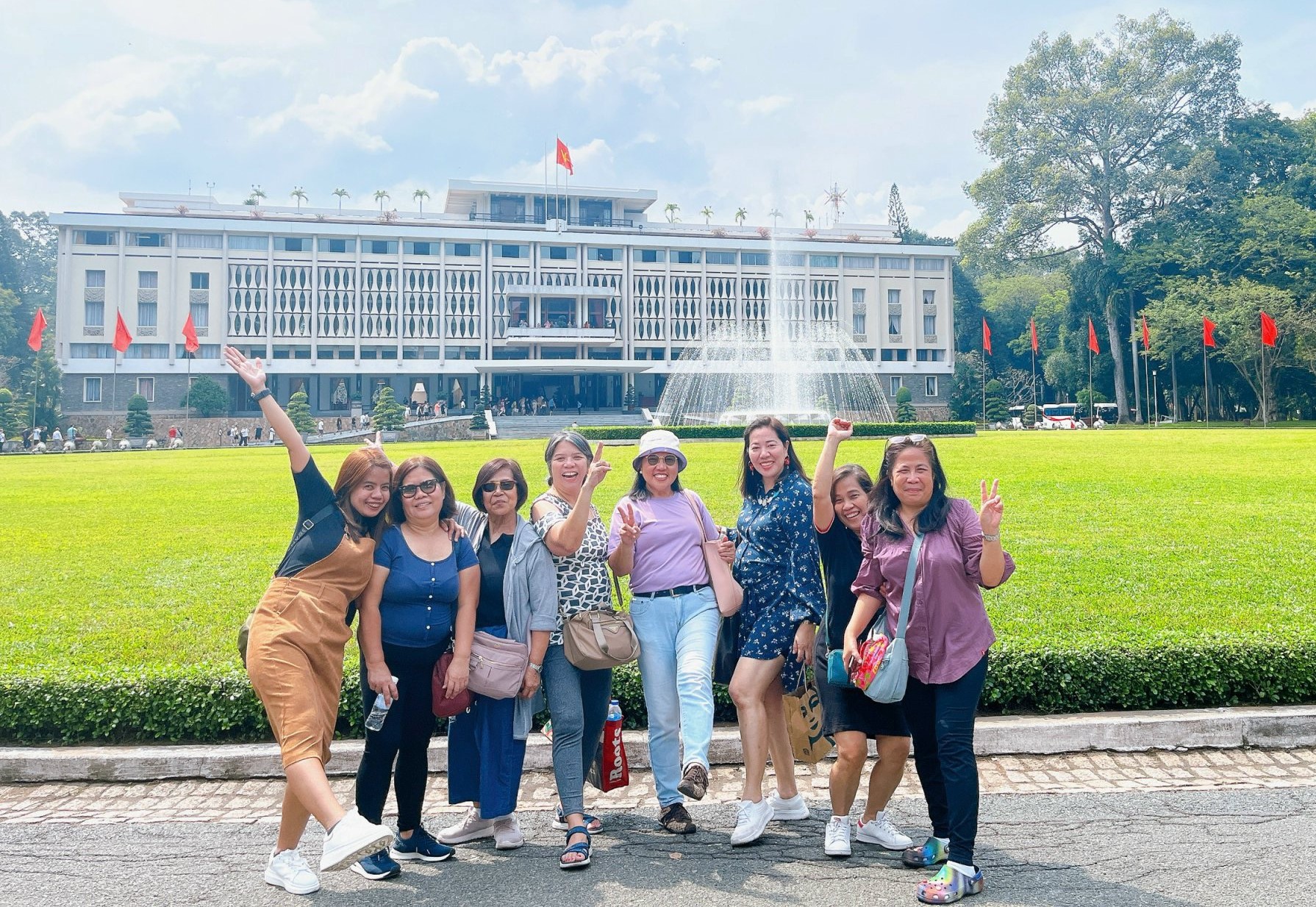
The Saigon Reunification Palace, also known as Independence Palace, is a historic landmark in Ho Chi Minh City. Built in 1966, it served as the presidential residence of South Vietnam. The palace is famed for its modernist architecture, grand meeting halls, secret command bunkers, and iconic role in ending the Vietnam War when tanks crashed its gates on April 30, 1975.
2
Stop 2
The Saigon Opera House, officially the Municipal Theatre of Ho Chi Minh City, is a striking French colonial landmark built in 1898. Designed by architect Eugène Ferret, it reflects the flamboyant Belle Époque style. Today, it hosts concerts, ballet, and cultural performances. Its elegant façade, ornate interiors, and central location make it a cultural and architectural icon of the city.
3
Saigon Notre-Dame Cathedral, built between 1877 and 1880, is a masterpiece of French colonial architecture in Ho Chi Minh City. Constructed with red bricks imported from Marseille, it features twin bell towers rising 58 meters. The cathedral is a symbol of the city’s history and spirituality, attracting visitors with its serene atmosphere and impressive neo-Romanesque design.
4
Saigon City Hall, officially the Ho Chi Minh City People’s Committee Building, was constructed in 1902–1908 in French colonial style. Its ornate façade, arched windows, and bell tower reflect European elegance. Though not open to the public inside, it remains one of the city’s most photographed landmarks. At night, its illuminated beauty dominates Nguyễn Huệ Boulevard, symbolizing Ho Chi Minh City’s heritage.
5
Stop 5
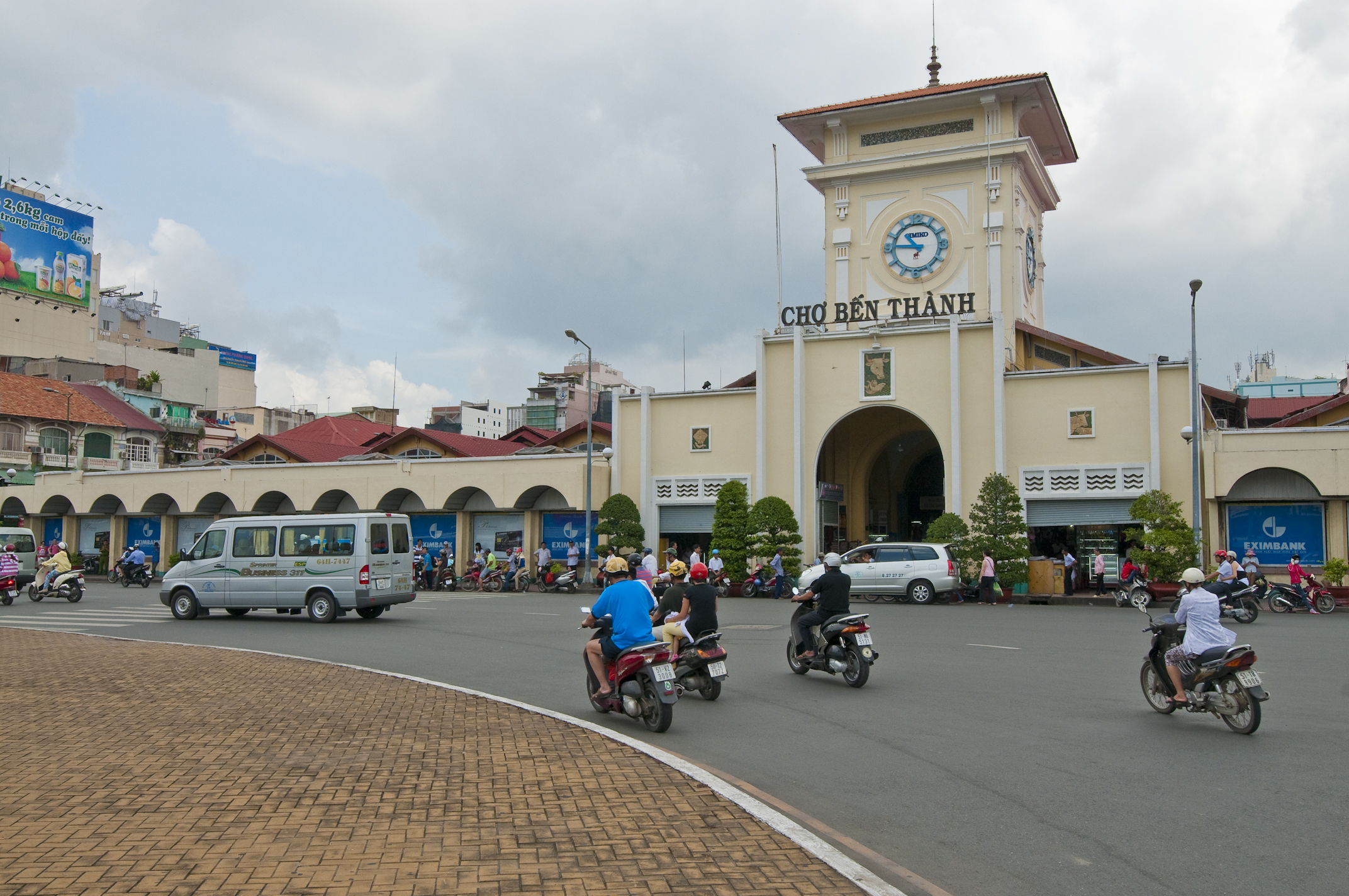
Bến Thành Market, built in 1914, is one of Ho Chi Minh City’s oldest and most vibrant landmarks. Located in District 1, it offers a bustling atmosphere with hundreds of stalls selling local handicrafts, textiles, souvenirs, and delicious street food. Its iconic clock tower makes it instantly recognizable. The market is both a shopping hub and a cultural symbol of Saigon.
6
Vietnamese cà phê phin is a traditional drip-brew coffee made using a small metal filter. Hot water slowly passes through dark roasted grounds, creating a strong, bold flavor. Often enjoyed black (cà phê đen) or with sweetened condensed milk (cà phê sữa đá), it embodies Vietnam’s coffee culture—unhurried, aromatic, and deeply social, inviting conversation over every sip.
7
Stop 7
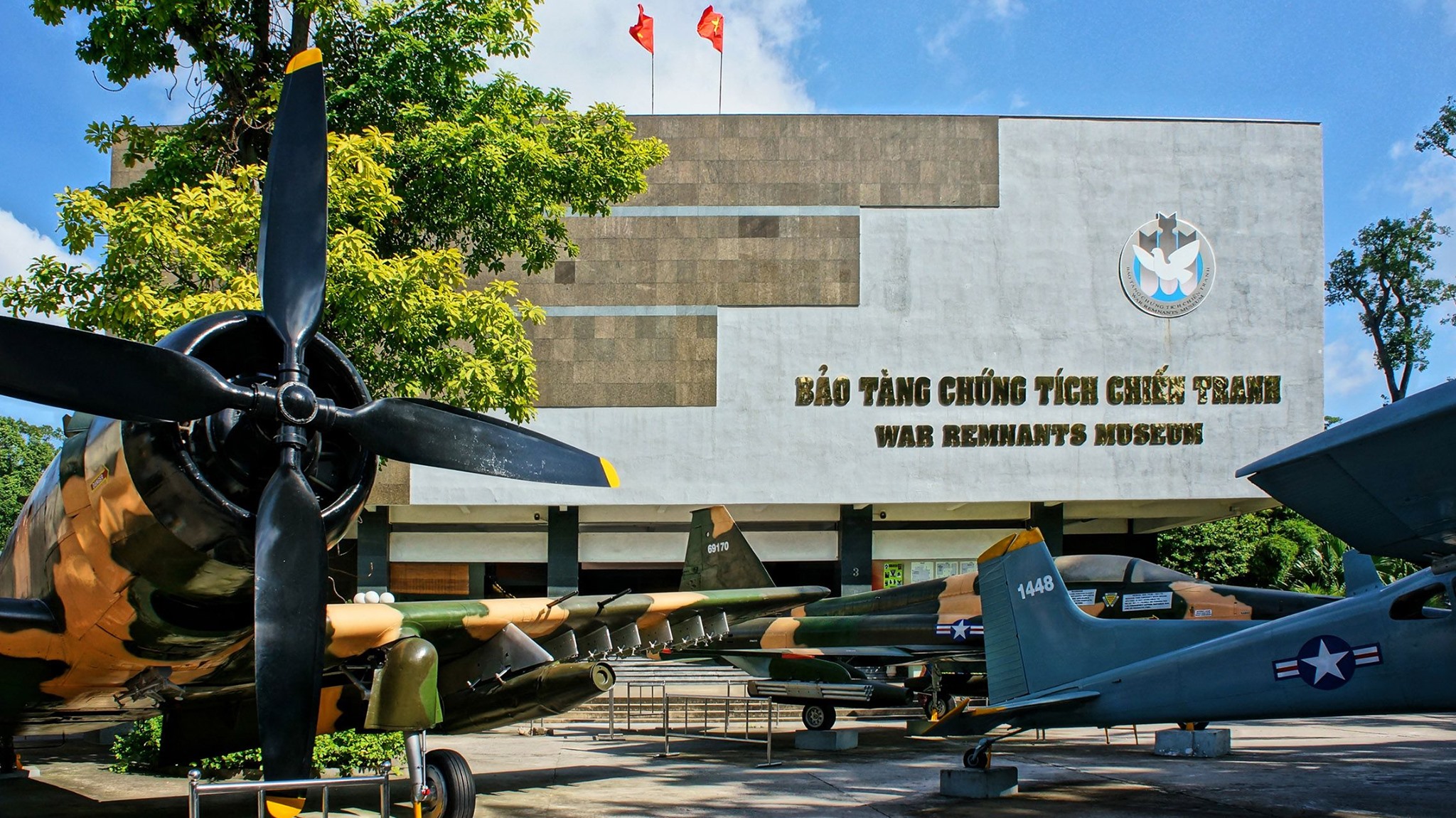
The War Remnants Museum in Ho Chi Minh City offers a powerful glimpse into Vietnam’s history, focusing on the Vietnam War. It houses photographs, artifacts, and military equipment, highlighting the war’s impact on civilians. Outdoor displays feature tanks, planes, and helicopters, while indoor exhibitions tell poignant stories of resilience, loss, and peace. It’s both sobering and educational.
8
Vietnamese lacquerware art is a centuries-old craft blending tradition and elegance. Artisans apply multiple layers of resin from lacquer trees, polishing each to achieve a glossy finish. Designs often depict landscapes, folklore, and daily life, enhanced with mother-of-pearl, eggshell, or gold leaf inlays. The result is durable, luminous pieces—bowls, vases, and paintings—symbolizing patience, artistry, and cultural pride.
9
Stop 9
The Emperor Jade Pagoda in Ho Chi Minh City, built in 1909, is a vibrant Taoist temple dedicated to the Jade Emperor. Its intricate woodcarvings, statues of deities, and incense-filled halls create a mystical atmosphere. Visitors admire turtles in the courtyard pond and ornate altars inside, making it a spiritual landmark blending Chinese heritage and Vietnamese devotion.
10
Stop 10
Dong Khoi Street in Ho Chi Minh City is a historic and bustling avenue, once the heart of French colonial Saigon. Lined with luxury shops, cafés, and colonial landmarks like the Opera House and Continental Hotel, it blends old-world charm with modern energy. Today, it remains a vibrant hub for shopping, dining, and experiencing the city’s cosmopolitan spirit.
What's not included
Gratuities
Available languages
Guide guide
DE
CMN
YUE
EN
FR
ES
Important information
Infants and small children can ride in a pram or stroller
Infants are required to sit on an adult’s lap
Travelers should have at least a moderate level of physical fitness
Meeting point
Phu My port is 1h30 drive to Saigon / Ho Chi Minh City downtown. We are meeting you outside the port gate (not by the ship). Please take the complimentary shuttle bus provided by the port authority. Look for the sign with the Lead Name you entered in the booking.
About Ho Chi Minh City
Ho Chi Minh City, Vietnam's largest metropolis, is a vibrant blend of tradition and modernity. Known for its rich history, bustling markets, and French colonial architecture, it offers a dynamic travel experience with its lively street food culture, historical landmarks, and energetic nightlife.
Top Attractions
War Remnants Museum
This museum provides a sobering look at the Vietnam War and its impact on the country. It houses a collection of war machinery, photographs, and artifacts.
Historical
1-2 hours
Free (donations appreciated)
Cu Chi Tunnels
A network of underground tunnels used by Viet Cong soldiers during the Vietnam War. Visitors can explore the tunnels, learn about their history, and see various war relics.
Historical
Half-day tour
Moderate (tour prices vary)
Notre-Dame Cathedral Basilica of Saigon
A beautiful example of French colonial architecture, this cathedral is a prominent landmark in the city. It is a peaceful place to visit and offers a glimpse into the city's religious heritage.
Religious
30 minutes to 1 hour
Free
Ben Thanh Market
One of the most famous markets in Ho Chi Minh City, offering a wide variety of goods, including food, clothing, souvenirs, and handicrafts. It's a great place to experience local culture and shop for bargains.
Market
1-2 hours
Budget to Moderate
Bitexco Financial Tower Skydeck
Offers panoramic views of the city from the 49th floor. The Skydeck provides a unique perspective on Ho Chi Minh City's skyline and landmarks.
Observation Deck
1 hour
Moderate
Must-Try Local Dishes
Pho
A traditional Vietnamese noodle soup made with beef or chicken broth, rice noodles, and various toppings such as meat, herbs, and bean sprouts.
Dinner
Vegetarian options available
Banh Mi
A Vietnamese sandwich made with a baguette, filled with various ingredients such as grilled meat, pâté, pickled vegetables, and fresh herbs.
Lunch
Vegetarian options available
Com Tam
Broken rice served with grilled pork, a fried egg, and various accompaniments like pickled vegetables and fish sauce.
Lunch
Vegetarian options available
Goi Cuon
Fresh spring rolls filled with shrimp, pork, herbs, and rice vermicelli, served with a peanut or fish sauce dipping sauce.
Appetizer
Vegetarian options available
Popular Activities
Golfing at Long Thanh Golf Resort
Exploring the Cu Chi Tunnels
Boat tours in the Mekong Delta
Beach relaxation in Vung Tau
Nature walks in Cần Giờ Mangrove Forest
Spa and wellness treatments
Visiting historical sites like the War Remnants Museum
Exploring local markets and temples
Best Time to Visit
December to April
This is the dry season with lower humidity and less rain, making it ideal for outdoor activities and sightseeing. The weather is generally pleasant, though it can be quite hot.
25-35°C
77-95°F
Practical Information
Language
- Official: Vietnamese
- Widely spoken: English
- English: Moderately spoken in tourist areas, limited in other areas
Currency
Vietnamese Dong (VND)
Time Zone
GMT+7
Electricity
220VV, 50HzHz
Safety Information
Overall Safety Rating: Generally safe, but exercise caution in crowded areas and at night
Ho Chi Minh City is generally safe for travelers, but petty crime and scams can occur, especially in crowded areas and at night. Exercise caution and be aware of your surroundings.
Important Precautions:
- • Use licensed taxis or ride-hailing apps
- • Keep valuables secure and out of sight
- • Bargain for better prices at markets
Getting there
By air
- Tan Son Nhat International Airport • 7 km from city center
By train
Saigon Railway Station
By bus
Mien Dong Bus Station, Mien Tay Bus Station
Getting around
Public transport
Buses are an affordable way to get around, but they can be crowded and slow due to traffic. Routes are numerous and well-marked.
Taxis
Available • Apps: Grab, Gojek
Rentals
Car, Bike, Scooter
Neighborhoods
District 1
District 3
District 5 (Chinatown)
District 7
Phu Nhuan District
Day trips
Mekong Delta
130 km from Ho Chi Minh City • Full day
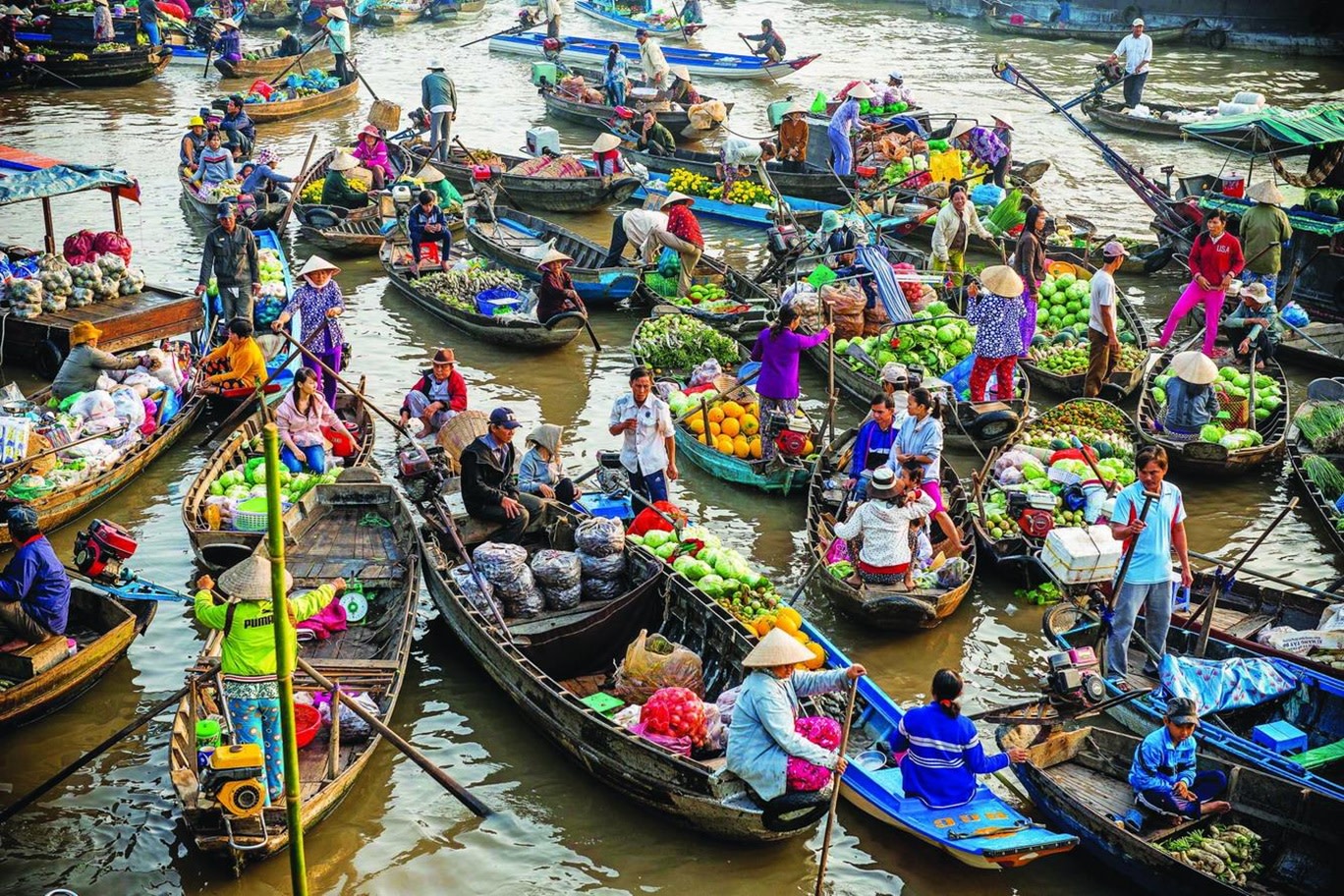
The Mekong Delta is a vast network of rivers, canals, and islands known for its lush landscapes, floating markets, and traditional villages. It offers a unique glimpse into rural Vietnamese life.
Cu Chi Tunnels
60 km from Ho Chi Minh City • Half day
A network of underground tunnels used by Viet Cong soldiers during the Vietnam War. Visitors can explore the tunnels, learn about their history, and see various war relics.
Vung Tau
120 km from Ho Chi Minh City • Full day
A coastal city known for its beautiful beaches, seafood, and relaxed atmosphere. It's a popular destination for a day trip from Ho Chi Minh City.
Festivals
Tet Holiday (Vietnamese New Year) • January or February (varies each year)
Ho Chi Minh City International Film Festival • December (varies each year)
Mid-Autumn Festival • September or October (varies each year)
Pro tips
- Learn a few basic Vietnamese phrases to enhance your experience and interact with locals
- Use ride-hailing apps like Grab or Gojek for convenient and affordable transportation
- Bargain for better prices at markets and street vendors, but do so politely and with a smile
- Try street food and local eateries for an authentic and delicious culinary experience
- Visit popular attractions early in the morning or late in the afternoon to avoid crowds and the midday heat
From $25
per person
Price varies by option
Secure booking
Free cancellation available
Instant confirmation