The Plague Doctor of Prague
Active
1h
For a full refund, cancel at least 24 hours before the scheduled departure time.
Instant confirmation
Mobile or paper ticket accepted
About this experience
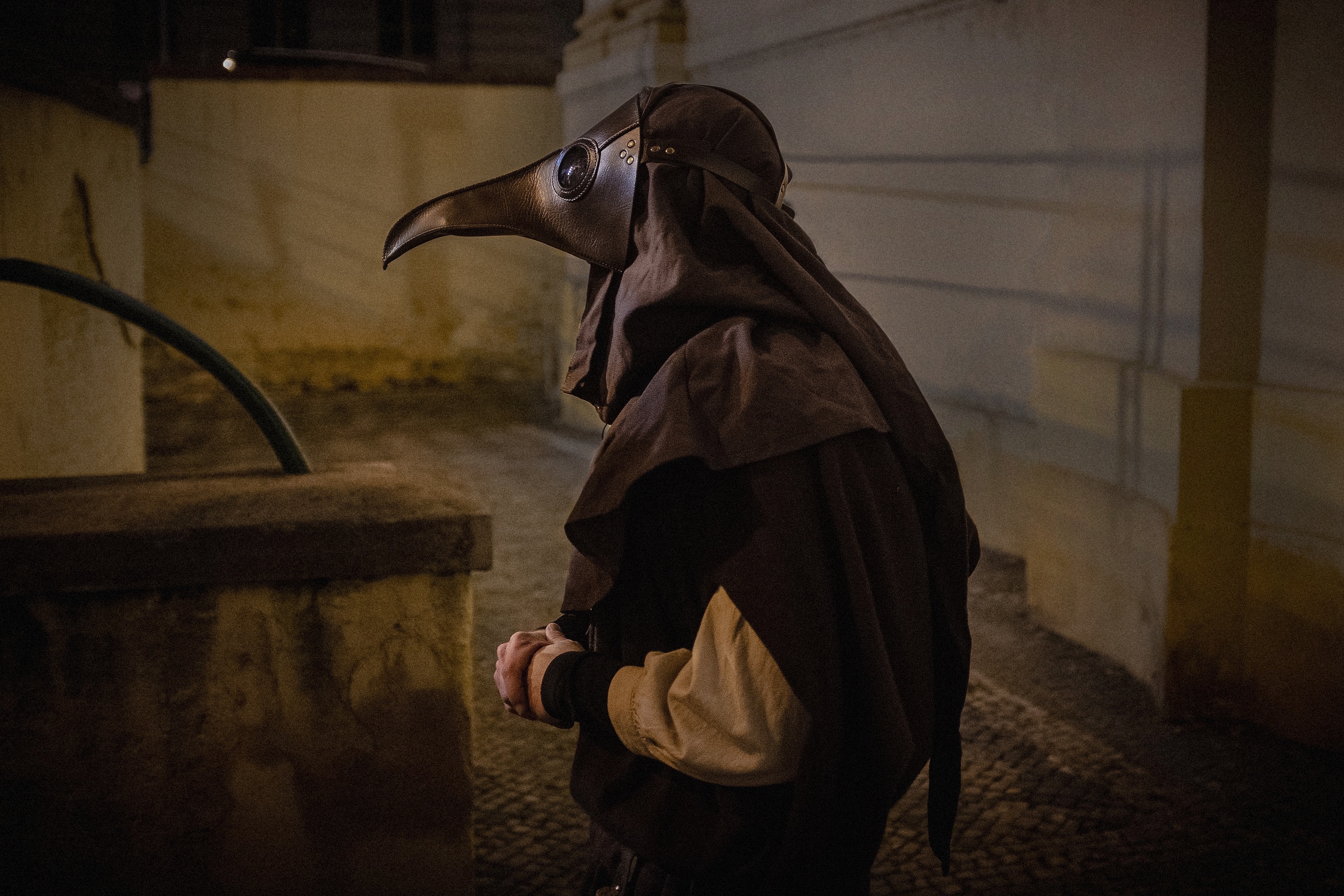
During this unique experience we explore the city from a point of view of a plague doctor who worked in the city between the years 1713-1715. What can we learn from the plague and how did it finish? What were the prevention methods and how did a typical day of a plague doctor looked like? We visit hidden gems of the city and know the quiet and dark spots of Prague, besides some gruesome facts we also have fun in this experience during the times of the Black Death.
After our online success as seen by New York Times, Vogue and Forbes we are back on the streets now to find a cure!
Available options
The Plague Doctor of Prague
Médico de la Peste en ESPAÑOL
El Médico de la Peste de Praga – lucha contra la peste y busca una cura.
What's included
Group picture at the end of the tour
Detailed itinerary
1
At our starting point we introduce the plague doctor of Prague Alexander Schamsky and travel back into the year 1715. We introduce the building, also known as the "House of the Golden Well", and the holy saints of the plague St. Sebastian and St. Rochus. We also introduce the different root causes of the plague people believed in. We share a brief overview of what to expect during our tour and explore the hidden gems of Prague during plague
2
Stop 2
We introduce the old monastery Klementinum, the new library and the new town hall. We furthermore describe here the different types of the Black Death and how the wealthy and common people in Prague suffered and escaped. Furthermore we go into the details of a life in quarantine.
3
Stop 3
We introduce the big market square including the Hussite Church, Tyn Church and the Old Town Hall. We describe the life of merchants during the plague times and have an excursion into the times of the 30-years-war.
4
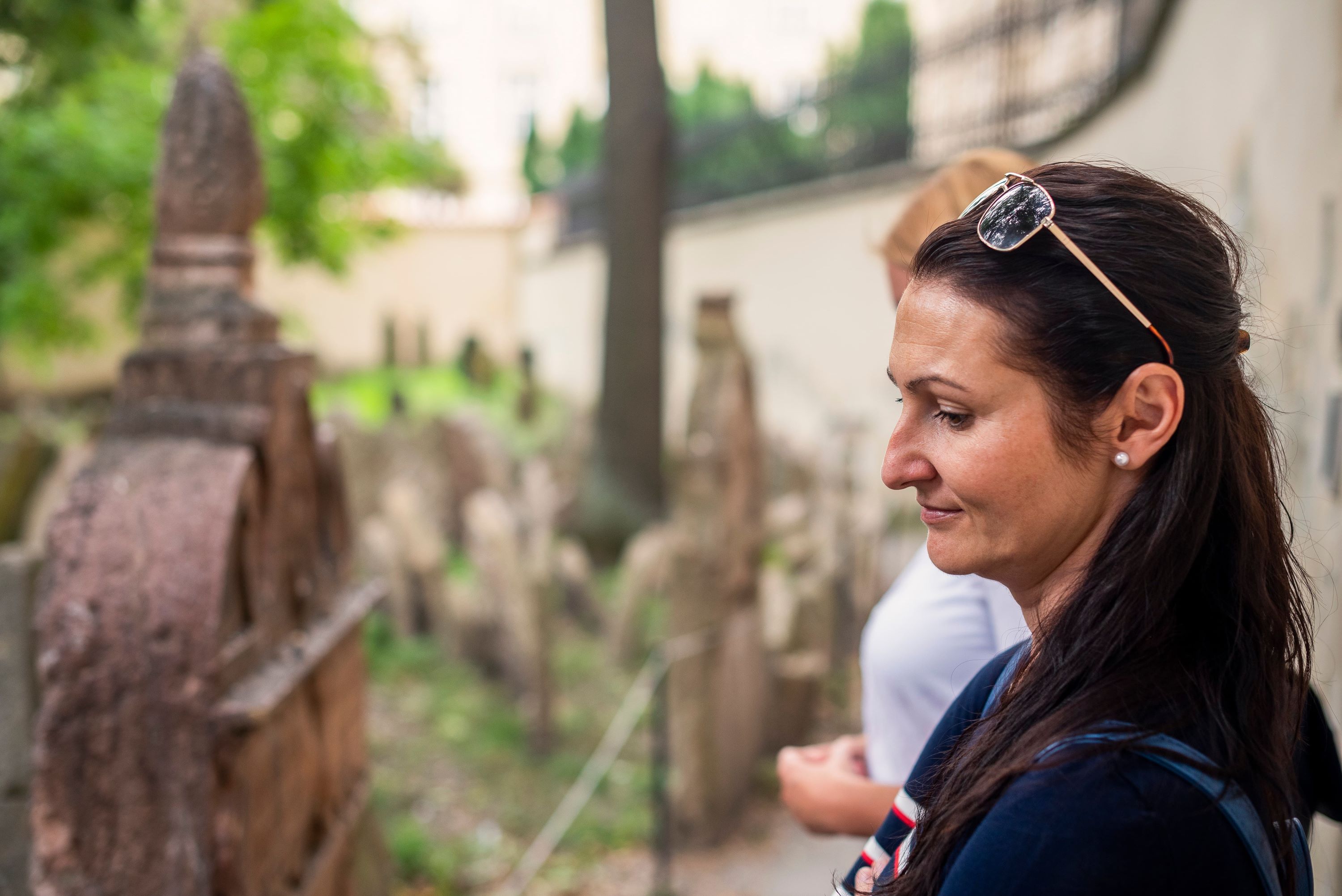
After a brief introduction of Franz Kafka we share some insights of the life of the Jewish people during the Plague times in Prague and Europe and enter then the Jewish Quarter. We also introduce the novel "La Peste", written by Albert Camus.
5
We visit the old hospital "Na Frantisku" and explore further the Plague in Prague, healing methods and share more medical background of the disaease that killed approximately 200 mil people worldwide. We also introduce some unknown heros of medicine that worked in this hospital.
6
Stop 6
We conclude our tour at the hidden monastery of St. Agnes of Bohemia, introduce her life an work before giving a summary of the Plague times in Prague and Europe. We share interesting facts about the current status of the disease and end the tour with a group picture with the plague doctor.
Available languages
Guide guide
CS
EN
ES
Reviews breakdown
Viator
4.9
45 reviews
5★
43
4★
1
3★
1
2★
0
1★
0
Tripadvisor
4.9
79 reviews
5★
74
4★
3
3★
1
2★
1
1★
0
Important information
Wheelchair accessible
Infants and small children can ride in a pram or stroller
Service animals allowed
Public transportation options are available nearby
All areas and surfaces are wheelchair accessible
Suitable for all physical fitness levels
Meeting point
The starting point is in front of the Hotel Aurus (House of the Golden Well).
About Prague
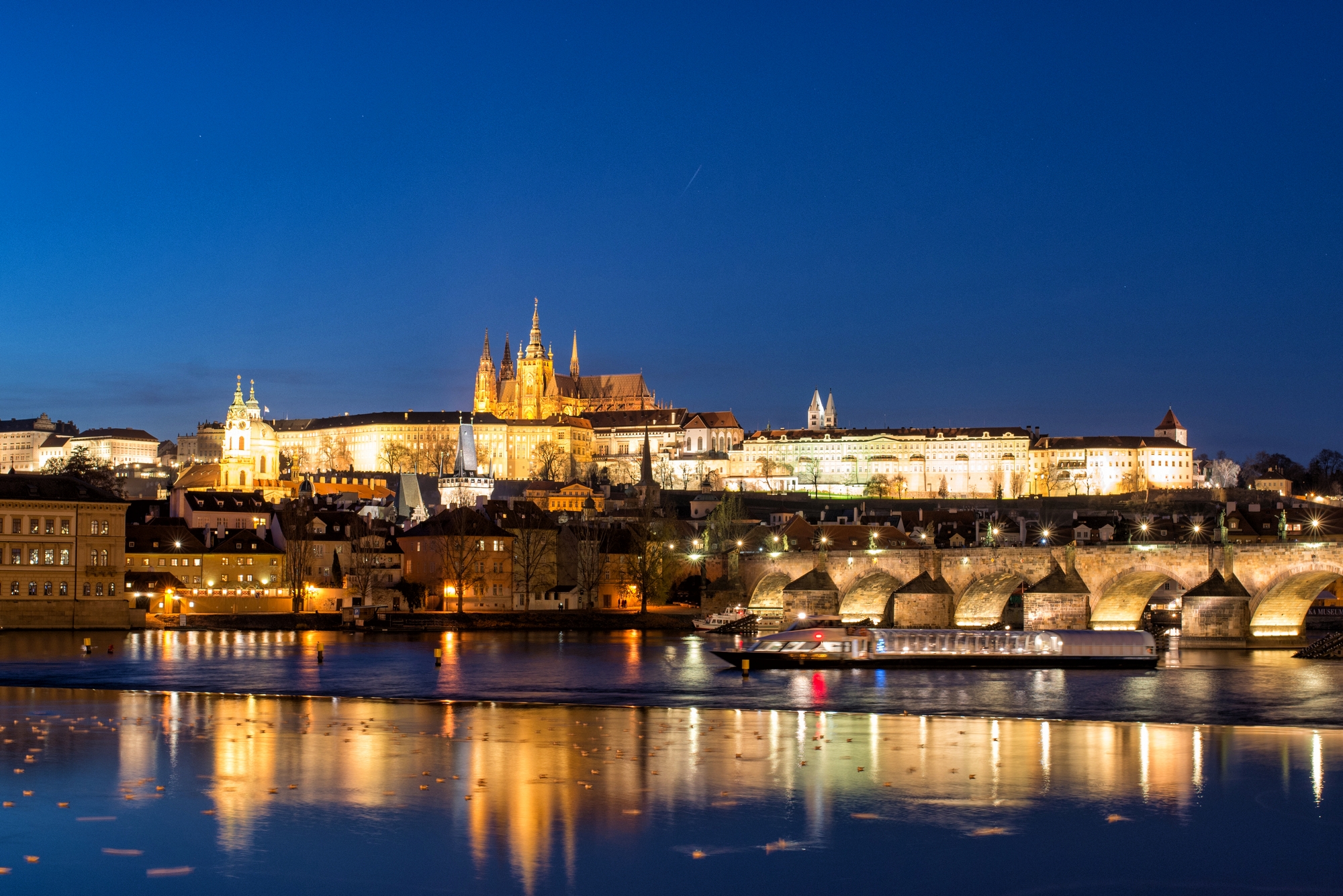
Prague, the capital of the Czech Republic, is a city of stunning architecture, rich history, and vibrant culture. Known for its well-preserved Old Town, Prague Castle, and the iconic Charles Bridge, it offers a blend of medieval charm and modern sophistication. The city is a UNESCO World Heritage site and a must-visit destination in Europe.
Top Attractions
Prague Castle
Prague Castle is the largest ancient castle in the world and a UNESCO World Heritage site. It offers stunning views of the city and houses several historical buildings, including St. Vitus Cathedral and the Old Royal Palace.
Historical/Architecture
2-3 hours
Moderate (15 EUR for adults, discounts available)
Charles Bridge
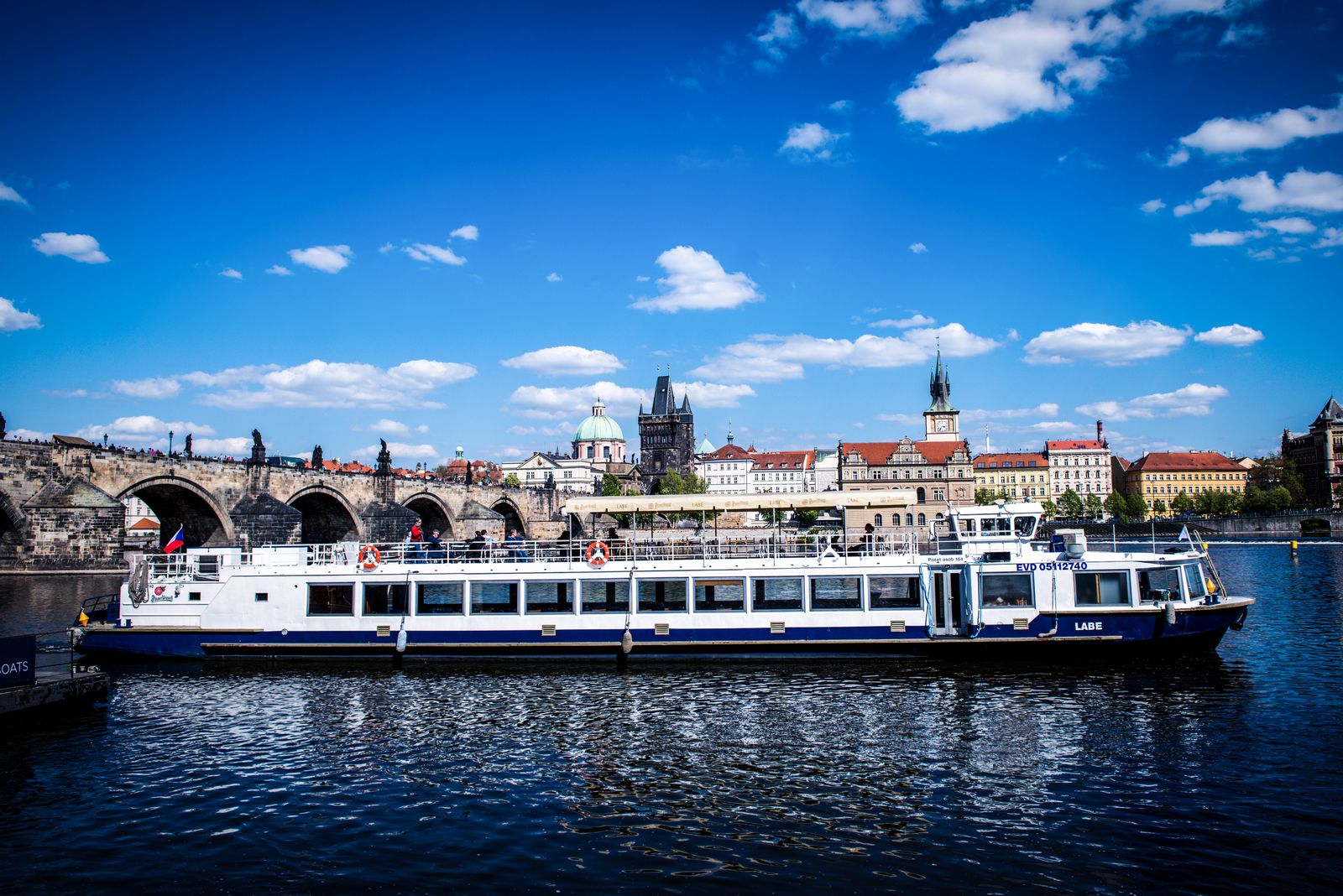
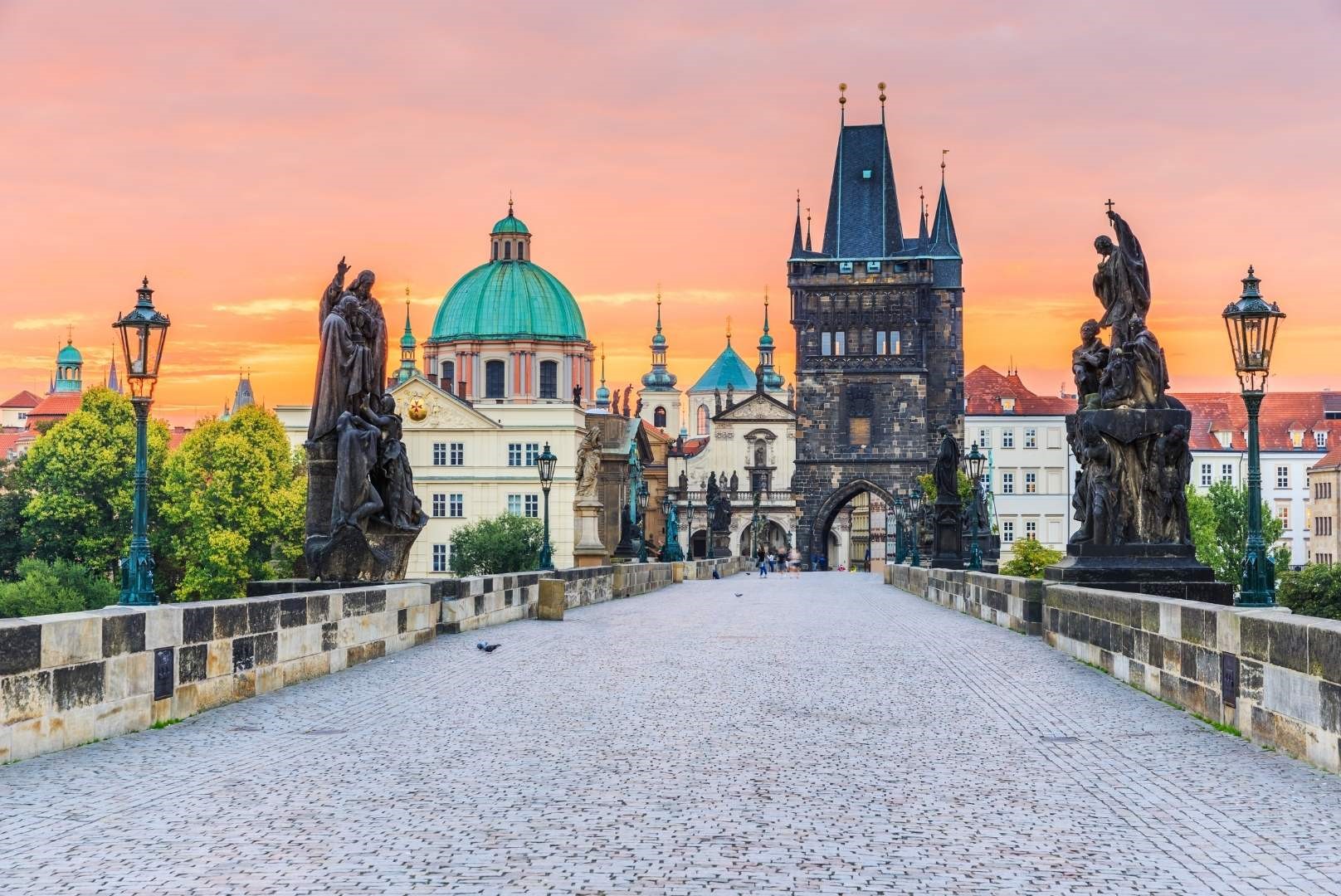
Charles Bridge is one of the most iconic landmarks in Prague. Built in the 14th century, it is lined with statues of saints and offers beautiful views of the Vltava River and Prague's skyline.
Historical/Architecture
1-2 hours
Free
Old Town Square
Old Town Square is the heart of Prague's historic center and home to the famous Astronomical Clock and the Church of Our Lady before Týn. It's a vibrant hub of activity with markets, events, and street performances.
Historical/Cultural
1-2 hours
Free (some attractions may have entry fees)
Petřín Hill and Lookout Tower
Petřín Hill is a beautiful park offering panoramic views of Prague. The Petřín Lookout Tower, often referred to as 'Prague's Eiffel Tower,' is a miniature version of the famous Parisian landmark and provides stunning views from its observation deck.
Nature/Adventure
2-3 hours
Moderate (10 EUR for tower entry, discounts available)
Jewish Quarter (Josefov)
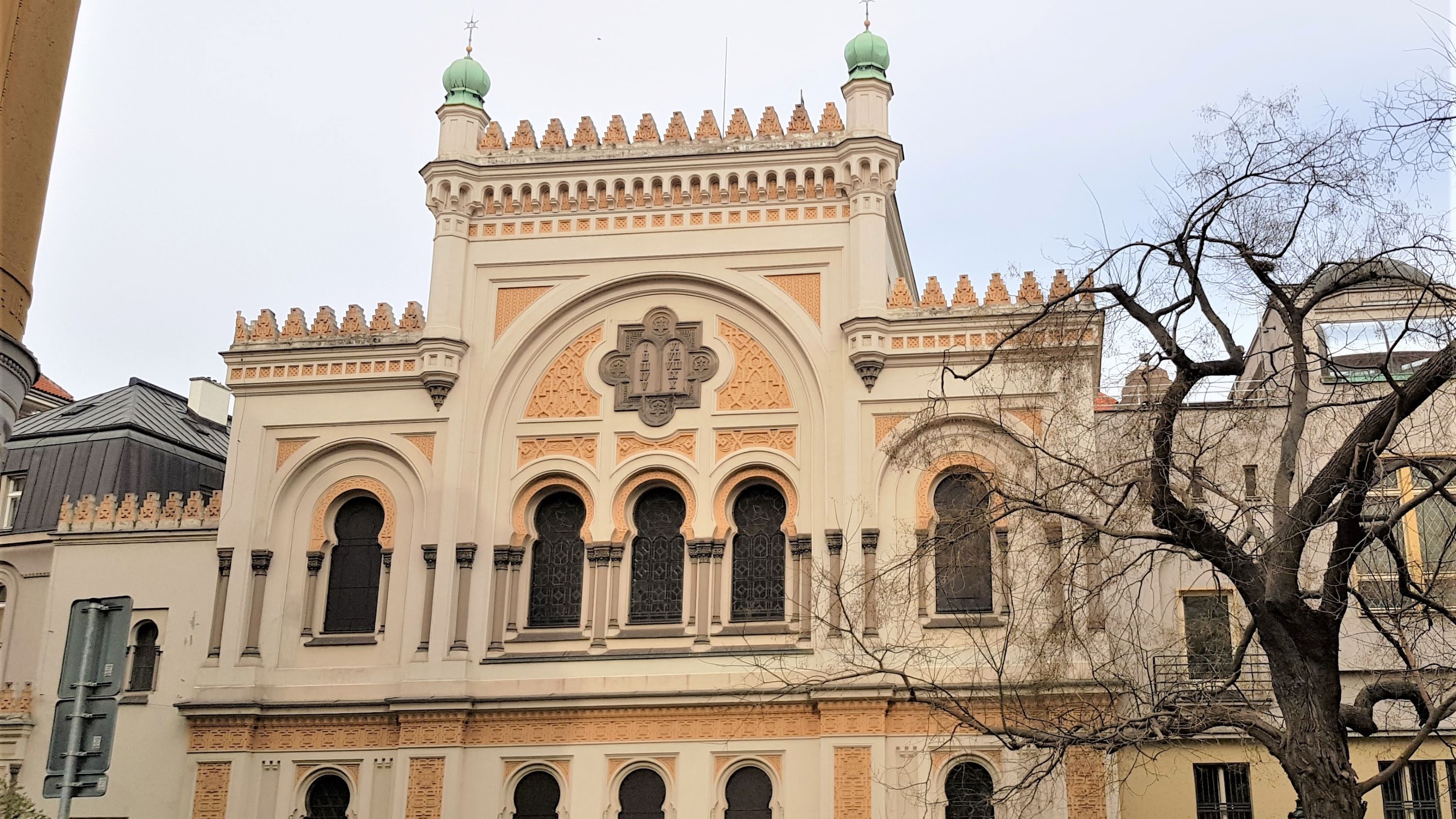
The Jewish Quarter, known as Josefov, is a historic area with a rich cultural heritage. It includes several synagogues, the Old Jewish Cemetery, and the Jewish Museum, which provide insight into the history of Prague's Jewish community.
Historical/Cultural
2-3 hours
Moderate (15 EUR for combined museum entry, discounts available)
Must-Try Local Dishes
Svíčková
A traditional Czech dish consisting of marinated beef sirloin in a creamy vegetable sauce, served with bread dumplings and whipped cream.
Main Course
Contains beef, dairy, and gluten.
Guláš
A rich and flavorful Czech goulash made with beef, onions, and paprika, typically served with bread dumplings or potatoes.
Main Course
Contains beef, onions, and gluten (if served with dumplings).
Trdelník
A sweet pastry made from rolled dough wrapped around a stick, grilled, and coated with sugar and cinnamon. Often filled with ice cream or whipped cream.
Dessert
Contains wheat, sugar, and may contain dairy.
Pilsner Urquell
A world-famous Czech pilsner beer, known for its crisp and refreshing taste. It's brewed using traditional methods and high-quality ingredients.
Drink
Contains barley and hops.
Popular Activities
Hiking in the Bohemian Switzerland National Park
Rafting on the Vltava River
Cycling tours
Spa treatments in Karlovy Vary
Boat tours on the Vltava River
Picnics in Letná Park
Visiting museums and galleries
Attending classical music performances
Best Time to Visit
May to September
The weather is pleasant, and all tourist attractions are open. It's the best time for sightseeing and outdoor activities.
15°C to 25°C
59°F to 77°F
Practical Information
Language
- Official: Czech
- Widely spoken: English, German
- English: Moderately spoken
Currency
Czech Koruna (CZK)
Time Zone
GMT+1 (Central European Time, CET)
Electricity
230VV, 50HzHz
Safety Information
Overall Safety Rating: Generally safe
Prague is generally a safe city for travelers, with low crime rates and a welcoming atmosphere. However, as with any major city, it's important to be aware of your surroundings and take precautions to protect yourself and your belongings.
Important Precautions:
- • Keep valuables secure and out of sight
- • Use reputable taxi services or apps
- • Be cautious of strangers approaching you with offers or requests
Getting there
By air
- Václav Havel Airport Prague • 10 km from city center
By train
Prague Main Station, Holešovice Station
By bus
Florenc Central Bus Station, Černý Most Bus Station
Getting around
Public transport
Trams are the most iconic and efficient way to get around Prague. The network covers most of the city and is well-connected to metro and bus lines.
Taxis
Available • Apps: Uber, Bolt
Rentals
Car, Bike, Scooter
Neighborhoods
Old Town (Staré Město)
Malá Strana
Vinohrady
Žižkov
New Town (Nové Město)
Day trips
Kutná Hora
70 km from Prague • Half day to full day
Kutná Hora is a historic town known for its stunning architecture, including the Sedlec Ossuary (Bone Church) and St. Barbara's Cathedral. It offers a unique glimpse into the region's rich history and cultural heritage.
Karlštejn Castle
25 km from Prague • Half day
Karlštejn Castle is a stunning Gothic castle built in the 14th century by King Charles IV. It offers beautiful views of the surrounding countryside and a fascinating insight into the region's medieval history.
Český Krumlov
180 km from Prague • Full day to overnight
Český Krumlov is a charming and well-preserved medieval town, known for its stunning architecture, cobblestone streets, and the impressive Český Krumlov Castle. It's a UNESCO World Heritage site and a popular day trip from Prague.
Festivals
Prague Spring International Music Festival • May to June
Prague International Film Festival • March
Prague Beer Fest • May
Pro tips
- Visit the Prague Castle early in the morning to avoid crowds
- Explore the city's historic sites and architecture on foot
- Try traditional Czech dishes at local restaurants and pubs
- Experience the city's vibrant nightlife and entertainment scene
- Take a day trip to nearby destinations, such as Kutná Hora or Karlštejn Castle
From $25
per person
Price varies by option
Secure booking
Free cancellation available
Instant confirmation