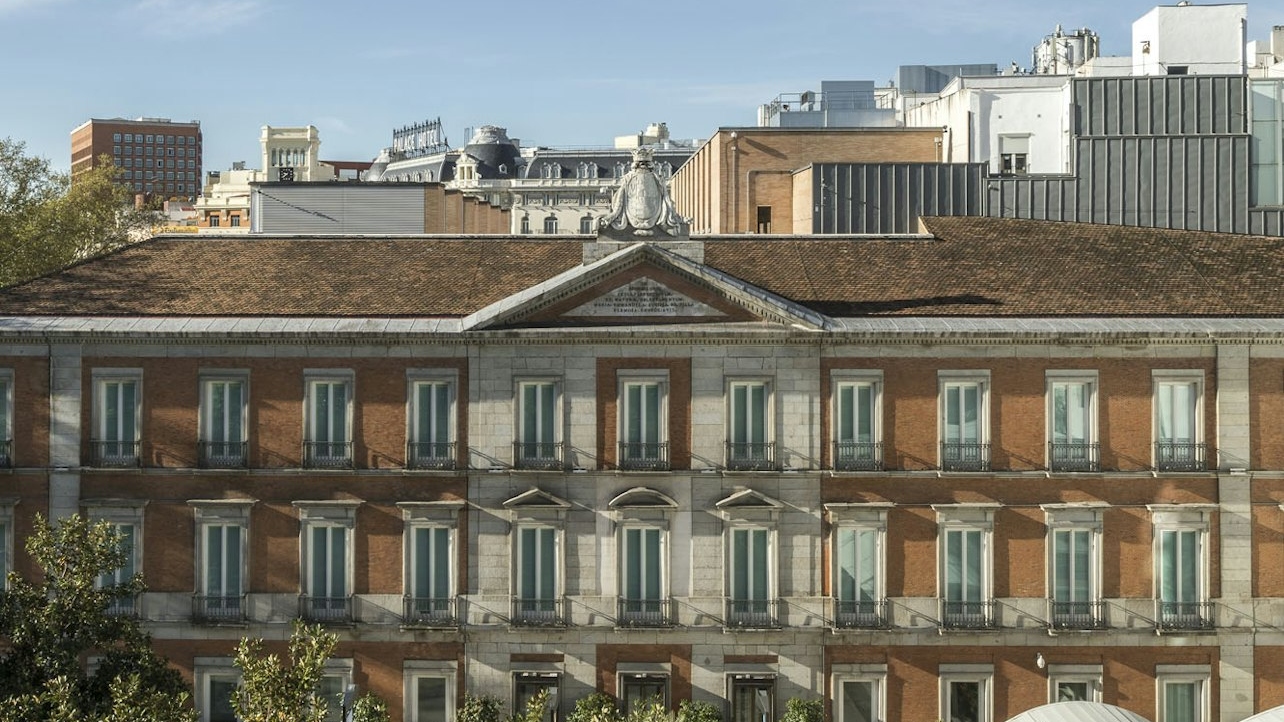
Museu Nacional Frei Manuel do Cenáculo E Ticket and 2 Audio Tours
Active
3h
For a full refund, cancel at least 24 hours before the scheduled departure time.
Instant confirmation
Mobile or paper ticket accepted
About this experience
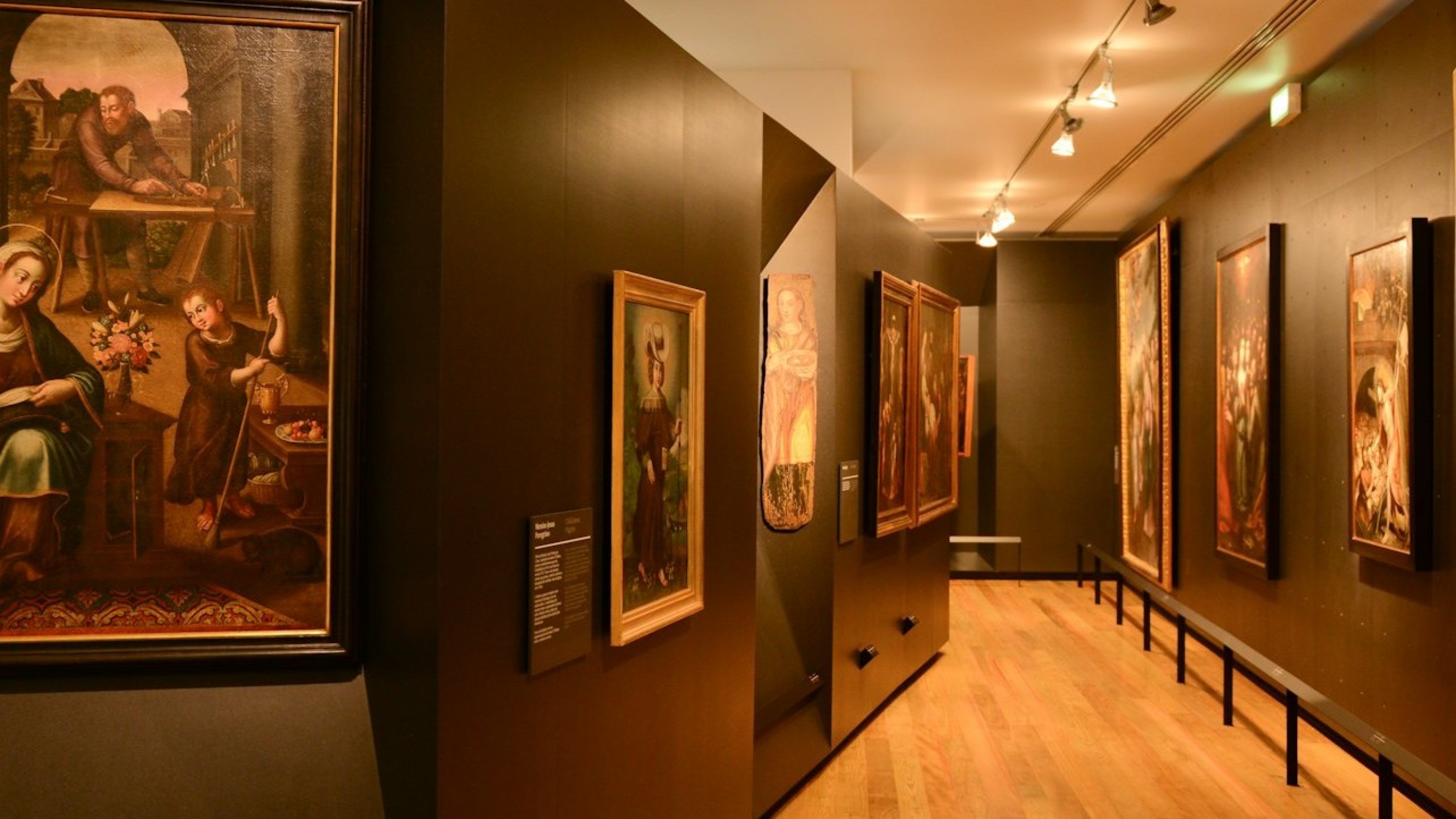
Enjoy a hassle-free visit with an entry e-ticket for the Museu Nacional Frei Manuel do Cenáculo
Download the app and your audio tours on your smartphone prior to your visit
Marvel at Agnus Dei painting, the Figure of Ceres and the the Palace of the Dukes of Cadaval
Discover the Lithic Arrowheads, the Coat of arms of the city of Évora and the Largo da Porta de Moura
Available options
Museu Nacional Frei Manuel do Cenáculo E Ticket and 2 Audio Tours
What's included
An activation link to access your audio tour
Adult entry ticket to the Museu Nacional Frei Manuel do Cenáculo
Self-guided audio tour on your smartphone (Android & iOS)
Offline content (text, audio narration and maps) to avoid roaming charges
Detailed itinerary
1
Enjoy a hassle-free visit to the Museu Nacional Frei Manuel do Cenáculo, one of Evora's premier attractions, with an entry e-ticket and audio tour downloadable on your phone, and discover, through a self-guided walking tour also on your phone, the city of Evora and its riveting past.
What's not included
Live Guide
Smartphone or headphones
Food and drinks
Transportation
App not compatible with Windows phones
Hotel pick-up and drop-off
Available languages
Audio guide
EN
Important information
Wheelchair accessible
Infants and small children can ride in a pram or stroller
Service animals allowed
Public transportation options are available nearby
Suitable for all physical fitness levels
Important notes
Internet access is unavailable at the Museu Nacional Frei Manuel do Cenáculo or during the Evora City Tour, so prior to your visit and while you have wifi access, download your e-ticket, app and audio tour for offline use.
Ensure your smartphone is fully charged & bring your headphones.
The self-guided audio tour for the Museu Nacional Frei Manuel do Cenáculo is designed to start at the entrance of the Museu Nacional Frei Manuel do Cenáculo (Largo do Conde de Vila Flor, 7000-804 Évora, Portugal). The easiest way to get there is to take the Linha Azul Norte bus line till the Rua Menino Jesus bus stop and walk 3 minutes down the R. Francisco Soares Lusitano. The tour ends at the entrance/exit of the Museu Nacional Frei Manuel do Cenáculo (Largo do Conde de Vila Flor, 7000-804 Évora, Portugal) near the Rua Menino Jesus bus stop(Rua Menino Jesus 7000-845 Évora, Portugal).
The self-guided audio tour for the city of Evora is designed to start at the Roman temple of Evora (Largo do Conde de Vila Flor, 7000-863 Évora, Portugal). The easiest way to get there is by reaching the Rua Menino Jesus bus station, and then walking 120 meters (1 min) towards the Roman Temple of Evora. The tour ends at the Prata Aqueduct in Rua da Cano (R. do Muro 8, 7000-592 Évora, Portugal) near theRua Cândido dos Reis bus station.
No live guide will escort you and no extra equipment (smartphone, headphones, etc.) will be provided.
In case you need any assistance, contact us at support@cliomuseapp.com
Enjoy!
About Setúbal District
Setúbal District is a coastal region in Portugal known for its stunning landscapes, rich biodiversity, and delicious local cuisine. With its proximity to the Atlantic Ocean and the Sado Estuary, it offers a unique blend of natural beauty and cultural heritage. The district is famous for its wine production, particularly the Moscatel de Setúbal, and its salt flats that have been in operation since Roman times.
Top Attractions
Arrábida Natural Park
Arrábida Natural Park is a stunning protected area known for its rugged coastline, crystal-clear waters, and diverse wildlife. The park offers numerous hiking trails, scenic viewpoints, and opportunities for water sports.
Nature
Half day to full day
Free (parking fees may apply)
Sado Estuary Natural Reserve
The Sado Estuary Natural Reserve is a haven for birdwatchers and nature lovers. The reserve is home to a diverse range of bird species, including the famous Sado dolphins. Visitors can take boat tours, go kayaking, or simply enjoy the scenic beauty of the estuary.
Nature
Half day to full day
Free (boat tours and activities may have fees)
Setúbal Castle
Setúbal Castle is a medieval fortress that offers a glimpse into the region's rich history. The castle has been well-preserved and is a popular attraction for history enthusiasts. Visitors can explore the castle grounds and enjoy panoramic views of the city.
Historical
1-2 hours
€2-€5
Sesimbra
Sesimbra is a charming coastal town known for its beautiful beaches, fresh seafood, and historic sites. The town offers a relaxed atmosphere and is a popular destination for both locals and tourists.
Beach
Half day to full day
Free (activities and dining may have fees)
Palmela
Palmela is a historic town known for its well-preserved castle, wine production, and scenic views. The town offers a mix of cultural and natural attractions, making it a great destination for a day trip.
Historical
Half day to full day
Free (activities and dining may have fees)
Must-Try Local Dishes
Choco Frito (Fried Cuttlefish)
A local delicacy made from small cuttlefish that are coated in flour and fried to perfection. Served with a side of salad and lemon.
Main Course
Contains seafood
Açorda à Alentejana
A traditional bread soup made with garlic, coriander, eggs, and olive oil. Often served with fresh fish or seafood.
Main Course
Contains eggs, garlic, and olive oil
Moscatel de Setúbal
A sweet fortified wine produced in the Setúbal region. Known for its rich, fruity flavors and smooth finish.
Dessert/Drink
Contains alcohol
Bifanas
Small, thin pork sandwiches seasoned with garlic and spices. A popular street food and snack.
Snack
Contains pork
Popular Activities
Hiking in Arrábida Natural Park
Kayaking in the Sado Estuary
Dolphin watching tours
Beach activities in Sesimbra
Wine tasting in local wineries
Scenic walks in Palmela
Exploring Setúbal Castle
Visiting museums in Évora
Best Time to Visit
June to September
The summer months are ideal for beach activities and outdoor exploration. The weather is warm and sunny, perfect for enjoying the coastal areas and local festivals. However, this is also the busiest time of year with higher tourist volumes.
20°C to 30°C
68°F to 86°F
Practical Information
Language
- Official: Portuguese
- Widely spoken: English, Spanish, French
- English: Moderately spoken
Currency
Euro (EUR)
Time Zone
GMT+1 (Western European Time)
Electricity
230VV, 50HzHz
Safety Information
Overall Safety Rating: Generally safe
Setúbal District is generally safe for travelers, with low crime rates and a welcoming atmosphere. However, as with any destination, it's important to stay aware of your surroundings and take precautions to ensure a safe and enjoyable trip.
Important Precautions:
- • Stay aware of your surroundings, especially in crowded areas.
- • Keep valuables secure and out of sight.
- • Use reputable tour operators and guides.
Getting there
By air
- Lisbon Portela Airport • 40 km (25 miles)
By train
Setúbal Station
By bus
Setúbal Bus Terminal
Getting around
Public transport
Buses are the primary mode of public transport in Setúbal District, connecting major towns and cities. The Rodoteia network is reliable and affordable, with frequent services throughout the day.
Taxis
Available • Apps: Bolt, FreeNow
Rentals
Car, Bike, Scooter
Neighborhoods
Setúbal City Center
Sado Estuary Area
Arrábida Coast
Sesimbra
Palmela
Day trips
Lisbon
40 km (25 miles) • Half day to full day
Lisbon, the capital of Portugal, is a vibrant city known for its historic sites, vibrant nightlife, and stunning architecture. Visitors can explore the city's historic neighborhoods, enjoy its famous pastries, and take in the panoramic views from its many viewpoints.
Évora
100 km (62 miles) • Full day
Évora is a historic city known for its well-preserved Roman and medieval architecture. The city is a UNESCO World Heritage Site and offers a wealth of cultural and historical attractions.
Sines
50 km (31 miles) • Half day to full day
Sines is a coastal town known for its beautiful beaches, historic sites, and as the birthplace of the famous explorer Vasco da Gama. The town offers a mix of cultural and outdoor activities.
Festivals
Setúbal Wine Festival • August
Feast of the Divine Holy Spirit • May/June (varies by year)
Arrábida Film Festival • July
Pro tips
- Visit the Sado Estuary Natural Reserve for a unique opportunity to see dolphins in their natural habitat.
- Explore the historic sites and scenic viewpoints of Palmela Castle for a glimpse into the region's rich history.
- Sample the local wines and enjoy a wine tasting at one of the region's many wineries, such as José Maria da Fonseca.
- Take a scenic hike in Arrábida Natural Park to experience the region's stunning landscapes and diverse wildlife.
- Enjoy the fresh seafood and traditional Portuguese cuisine at local restaurants and taverns, such as Restaurante O Pescador and Adega do Sado.
From $25
per person
Price varies by option
Secure booking
Free cancellation available
Instant confirmation