Évora: Private walking tour with tickets to main monuments
Active
2h
For a full refund, cancel at least 24 hours before the scheduled departure time.
Instant confirmation
Mobile or paper ticket accepted
About this experience
Discover the most impressive treasures of this Unesco World Heritage City, awarded in 1986. Visit the main monuments of this extraordinary Museum City, principal representative of the golden age of Portuguese maritime discoveries.
Ideal for visitors wishing to get an overview of the major events that marked the city of Évora, which has always been linked to the most significant moments of Portugal history.
Main Attractions
- Chapel Of Bones
- Cathedral
- Church Of São Francisco
- Roman Temple
- Typical Crafts
Tour Themes
- Architecture/Urbanism
- Arts/Crafts
- Religious/Spiritual
- Myths/Legends
- Art History
Available options
Évora: Private walking tour with tickets to main monuments
What's included
Entry tickets to the Chapel of Bones and the Cathedral.
Detailed itinerary
1
Stop 1
This square is the heart of the city of Évora. It is the central place for social gatherings and has been the center of economic, social and political life in this UNESCO World Heritage city since 1986. It is the best starting point for visiting the city. The guide will make the historical framework of the city of Évora in the history of Portugal and in the Universal history. Don't be surprised if you find links between the history of your country and the history of Évora!
2
The institution of the Inquisition in Portugal dates from 1536 and lasted for almost 300 years in Portugal. It was largely responsible for the decline of the first global empire in the world that Portugal had maintained during the 15th and 16th centuries. The Inquisition was responsible for the death of many innocent victims and the greatest symbol of intolerance and religious extremism in the history of Portugal. It was in Praça do Giraldo that most of the victims were burned alive in the horrible acts of faith. The court of the inquisition of Évora was the deadliest of the 4 courts that existed in Portugal of this tenebrous institution.
3
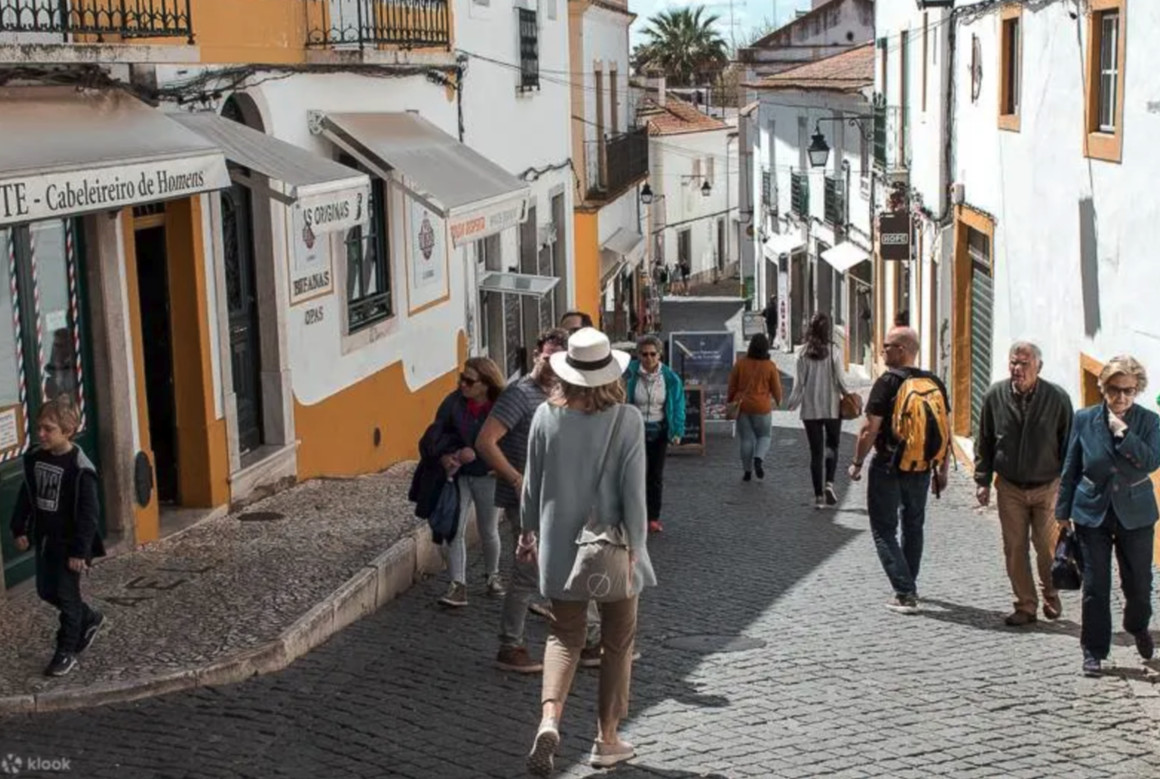
This is the traditional commerce street of Évora. Discover some of the treasures of Alentejo handicrafts, such as cork objects, pottery, painted furniture, chocalhos (rattles), painted furniture or Capotes (traditional Alentejo cloaks)!
4
Stop 4
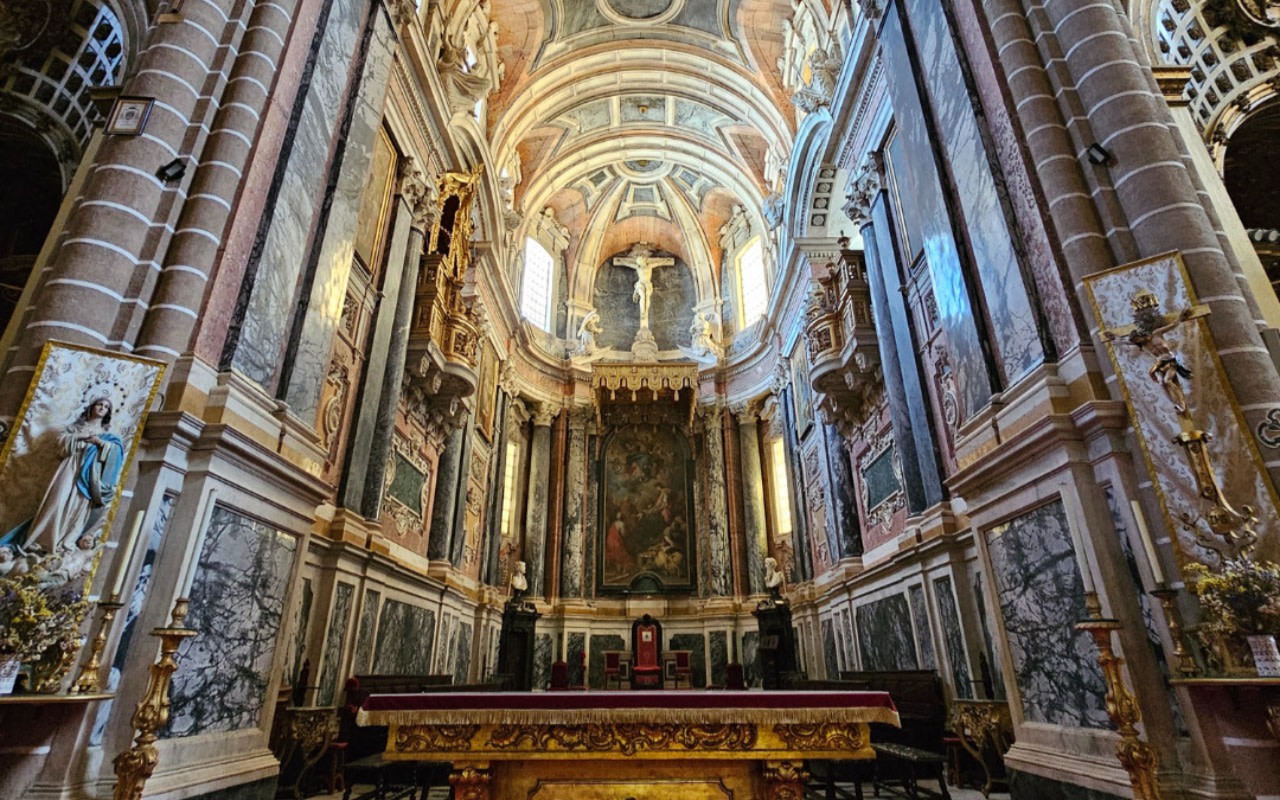
The largest Portuguese Gothic cathedral is a mandatory stop on this visit to Évora. Built along the lines of the famous Notre Dame de Paris cathedral, it contains several secret messages and references to previous pagan cults that were not to be expected in a Catholic temple! Includes entrance tickets to visit the cathedral, cloisters and visit to the roof for a memorable panoramic view over the city of Évora.
5
Stop 5
A monument with 2 millennia of history that represents the ancient power of the Roman empire and is one of the best preserved and oldest temples of the ancient empire. Be surprised by the stories about this monument that is the authentic symbol of this ancient city founded by ... Júlio César!
6
One of the most beautiful places in Évora and little visited by tourists, perhaps because it is a little hidden. Ancient alcove, it was the most fortified place in the old city, home of the city governor and a privileged place for the old kings to stay whenever they were in Évora. Place of origin of the old religious and military order of the Knights of Évora that later originated the Order of Avis, which started the second dynasty of Portuguese kings and perhaps the most brilliant of all. A must for art history lovers.
7
This fountain is one of the first examples of Mannerist art in Portugal. Inaugurated solemnly in 1556, it is a major example of Portuguese urban architecture and a mark of power and progress in the government of Cardinal D. Henrique, one of the great patrons of Évora and the last king of the Avis dynasty.
8
Larger example of Portuguese Renaissance architecture, integrating innovative elements of Mannerist inspiration. The famous "boys" of Graça are one of the stories you will want to know as well as the symbolic meaning of the beautiful facade of the old hermitage.
9
Stop 9
"We, the bones that are here, await yours" are the macabre invitation that receives visitors to this famous monument, unique in the world for its size and certainly one of the most macabre. Its walls are covered with real human bones that belonged to thousands of people who lived in Évora. Built in the 17th century, it contains many secrets and legends that we will be happy to share with you. Entrance tickets included.
10
Stop 10
Known in the 16th century as the golden convent, it is a remarkable and innovative architectural work in its time. Built on an old Franciscan convent from the 14th century, this royal church was the scene of royal weddings and baptisms that changed the course of the history of Portugal and the world. Fall in love with their stories!
11
Part of the old royal palace that was inserted in a complex that included the golden convent. Today, only the Ladies' Gallery remains, perhaps the most beautiful and romantic part of this ancient complex from the 16th century. Discover its exciting stories.
12
A romantic setting assembled with some elements and ruins of an old palace from the 16th century. A poetic and romantic place, it portrays the movement of romanticism very much in vogue at the end of the 19th century. Do not miss the opportunity to ask our guide to take a picture of you in this place of romantic exaltation.
13
Évora has an impressive set of defensive walls ranging from the Roman walls of the 3rd-4th century that were used by the following civilizations, such as Visigoths and Muslims who remained in this city between the 8th century and the 12th century. The medieval walls of the 14th century are impressive. The bastioned structures are from the 17th century and reinforced in the early 19th century to sustain French troops from the Napoleonic invasions.
14
The aqueduct of the "Silver Waters" of Évora is perhaps the most iconic Portuguese civil work of the Renaissance. Opened in 1537, it has an extension of 18 km. The beauty of the houses inserted between its arches and the Renaissance exaltation of its details make this aqueduct one of the most impressive monuments in Évora.
What's not included
Gratuities
Meals
Available languages
Guide guide
PT
EN
ES
Reviews breakdown
Viator
5.0
63 reviews
5★
63
4★
0
3★
0
2★
0
1★
0
Tripadvisor
5.0
158 reviews
5★
158
4★
0
3★
0
2★
0
1★
0
Important information
Infants and small children can ride in a pram or stroller
Public transportation options are available nearby
Travelers should have at least a moderate level of physical fitness
Meeting point
You can find our guide next to the white marble fountain at Giraldo Square. Our guide will present himself as a guide of the Évora Cultural Experience agency.
About Setúbal District
Setúbal District is a coastal region in Portugal known for its stunning landscapes, rich biodiversity, and delicious local cuisine. With its proximity to the Atlantic Ocean and the Sado Estuary, it offers a unique blend of natural beauty and cultural heritage. The district is famous for its wine production, particularly the Moscatel de Setúbal, and its salt flats that have been in operation since Roman times.
Top Attractions
Arrábida Natural Park
Arrábida Natural Park is a stunning protected area known for its rugged coastline, crystal-clear waters, and diverse wildlife. The park offers numerous hiking trails, scenic viewpoints, and opportunities for water sports.
Nature
Half day to full day
Free (parking fees may apply)
Sado Estuary Natural Reserve
The Sado Estuary Natural Reserve is a haven for birdwatchers and nature lovers. The reserve is home to a diverse range of bird species, including the famous Sado dolphins. Visitors can take boat tours, go kayaking, or simply enjoy the scenic beauty of the estuary.
Nature
Half day to full day
Free (boat tours and activities may have fees)
Setúbal Castle
Setúbal Castle is a medieval fortress that offers a glimpse into the region's rich history. The castle has been well-preserved and is a popular attraction for history enthusiasts. Visitors can explore the castle grounds and enjoy panoramic views of the city.
Historical
1-2 hours
€2-€5
Sesimbra
Sesimbra is a charming coastal town known for its beautiful beaches, fresh seafood, and historic sites. The town offers a relaxed atmosphere and is a popular destination for both locals and tourists.
Beach
Half day to full day
Free (activities and dining may have fees)
Palmela
Palmela is a historic town known for its well-preserved castle, wine production, and scenic views. The town offers a mix of cultural and natural attractions, making it a great destination for a day trip.
Historical
Half day to full day
Free (activities and dining may have fees)
Must-Try Local Dishes
Choco Frito (Fried Cuttlefish)
A local delicacy made from small cuttlefish that are coated in flour and fried to perfection. Served with a side of salad and lemon.
Main Course
Contains seafood
Açorda à Alentejana
A traditional bread soup made with garlic, coriander, eggs, and olive oil. Often served with fresh fish or seafood.
Main Course
Contains eggs, garlic, and olive oil
Moscatel de Setúbal
A sweet fortified wine produced in the Setúbal region. Known for its rich, fruity flavors and smooth finish.
Dessert/Drink
Contains alcohol
Bifanas
Small, thin pork sandwiches seasoned with garlic and spices. A popular street food and snack.
Snack
Contains pork
Popular Activities
Hiking in Arrábida Natural Park
Kayaking in the Sado Estuary
Dolphin watching tours
Beach activities in Sesimbra
Wine tasting in local wineries
Scenic walks in Palmela
Exploring Setúbal Castle
Visiting museums in Évora
Best Time to Visit
June to September
The summer months are ideal for beach activities and outdoor exploration. The weather is warm and sunny, perfect for enjoying the coastal areas and local festivals. However, this is also the busiest time of year with higher tourist volumes.
20°C to 30°C
68°F to 86°F
Practical Information
Language
- Official: Portuguese
- Widely spoken: English, Spanish, French
- English: Moderately spoken
Currency
Euro (EUR)
Time Zone
GMT+1 (Western European Time)
Electricity
230VV, 50HzHz
Safety Information
Overall Safety Rating: Generally safe
Setúbal District is generally safe for travelers, with low crime rates and a welcoming atmosphere. However, as with any destination, it's important to stay aware of your surroundings and take precautions to ensure a safe and enjoyable trip.
Important Precautions:
- • Stay aware of your surroundings, especially in crowded areas.
- • Keep valuables secure and out of sight.
- • Use reputable tour operators and guides.
Getting there
By air
- Lisbon Portela Airport • 40 km (25 miles)
By train
Setúbal Station
By bus
Setúbal Bus Terminal
Getting around
Public transport
Buses are the primary mode of public transport in Setúbal District, connecting major towns and cities. The Rodoteia network is reliable and affordable, with frequent services throughout the day.
Taxis
Available • Apps: Bolt, FreeNow
Rentals
Car, Bike, Scooter
Neighborhoods
Setúbal City Center
Sado Estuary Area
Arrábida Coast
Sesimbra
Palmela
Day trips
Lisbon
40 km (25 miles) • Half day to full day
Lisbon, the capital of Portugal, is a vibrant city known for its historic sites, vibrant nightlife, and stunning architecture. Visitors can explore the city's historic neighborhoods, enjoy its famous pastries, and take in the panoramic views from its many viewpoints.
Évora
100 km (62 miles) • Full day
Évora is a historic city known for its well-preserved Roman and medieval architecture. The city is a UNESCO World Heritage Site and offers a wealth of cultural and historical attractions.
Sines
50 km (31 miles) • Half day to full day
Sines is a coastal town known for its beautiful beaches, historic sites, and as the birthplace of the famous explorer Vasco da Gama. The town offers a mix of cultural and outdoor activities.
Festivals
Setúbal Wine Festival • August
Feast of the Divine Holy Spirit • May/June (varies by year)
Arrábida Film Festival • July
Pro tips
- Visit the Sado Estuary Natural Reserve for a unique opportunity to see dolphins in their natural habitat.
- Explore the historic sites and scenic viewpoints of Palmela Castle for a glimpse into the region's rich history.
- Sample the local wines and enjoy a wine tasting at one of the region's many wineries, such as José Maria da Fonseca.
- Take a scenic hike in Arrábida Natural Park to experience the region's stunning landscapes and diverse wildlife.
- Enjoy the fresh seafood and traditional Portuguese cuisine at local restaurants and taverns, such as Restaurante O Pescador and Adega do Sado.
From $25
per person
Price varies by option
Secure booking
Free cancellation available
Instant confirmation