Private Xian Ancient Wall City Walk with dog and Journalist Guide
Active
4h
For a full refund, cancel at least 24 hours before the scheduled departure time.
Instant confirmation
Mobile or paper ticket accepted
About this experience
Embark on a private Xi’an Ancient Wall walk with a journalist guide, small dog, and the freedom to pause for local cuisine. Dive into cultural heritage with exclusive insights, pet-friendly adventures, and a visit to the Forest of Stone Steles—China’s must-visit open-air ancient calligraphy museum, a crown jewel of this journey.
Available options
Private Xian Ancient Wall City Walk with dog and Journalist Guide
What's included
Private Journalist Guide Service
Pet Accompaniment Service
Entry to Forest of Stone Steles Museum, China’s premier open-air ancient calligraphy museum and the cultural heart of this itinerary, a must-visit for culture lovers (Guide & dog will wait outside).
Detailed itinerary
1
Stop 1
Here, you will wander along time-honored streets. Lined with ancient-style buildings, there are numerous stores selling the Four Treasures of the Study (writing brushes, ink sticks, paper and ink stones), calligraphy and painting shops, and ancient bookstores. You can watch artisans wield their brushes and create calligraphy on the spot, and also hunt for traditional handcrafts like Qinqiang opera masks and shadow puppets—all allowing you to immerse yourself in Xi’an’s historical culture and artistic atmosphere.
2
At the Forest of Steles, China’s oldest and largest stele art treasury, travelers explore rare steles like Shitai Xiaojing and Yan Qinli Stele. It is a sanctuary of Chinese calligraphy, a treasure trove of Eastern culture, and a "millennial historical library carved in stone"—one of the key keys to decoding Chinese civilization.
3
Stop 3
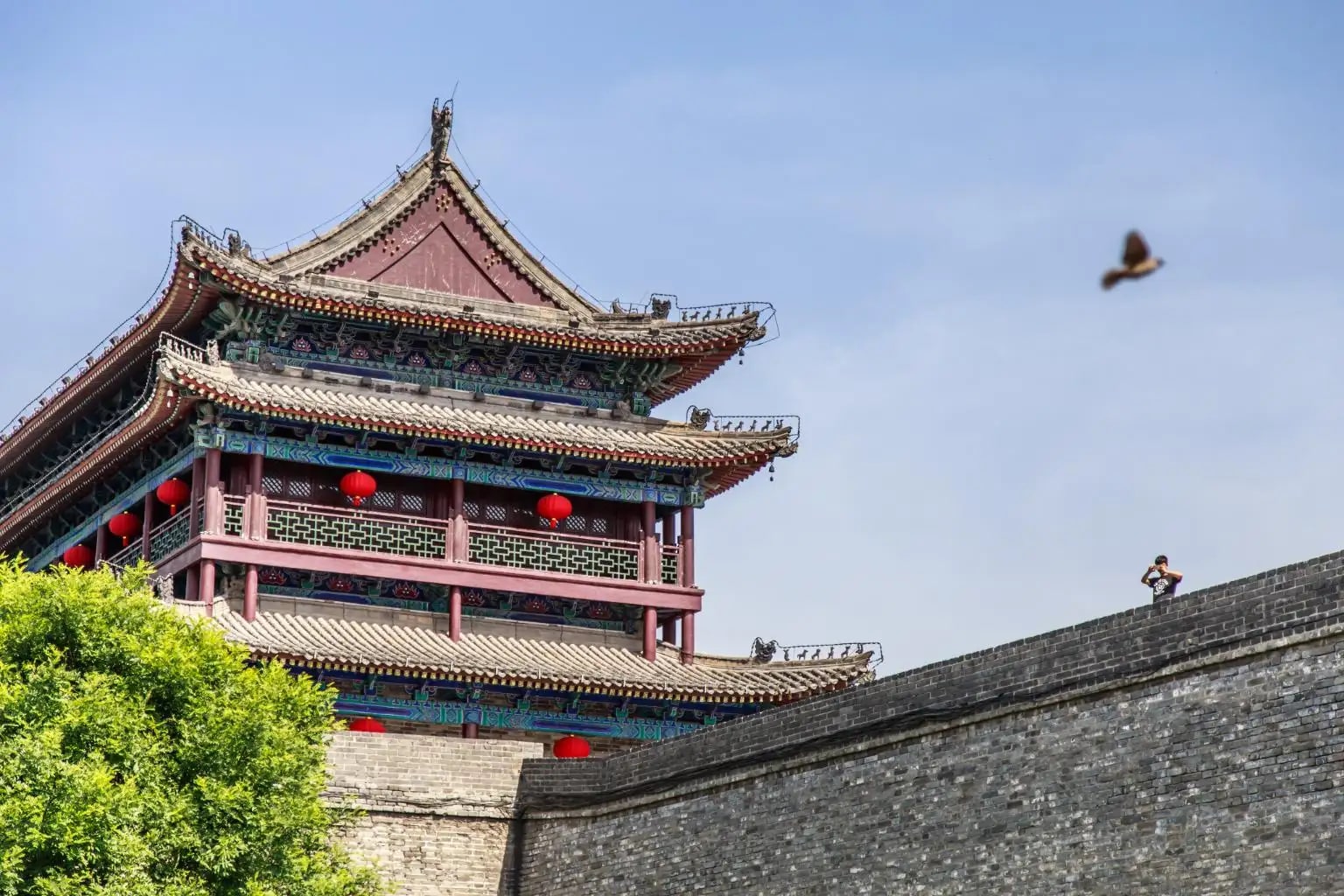
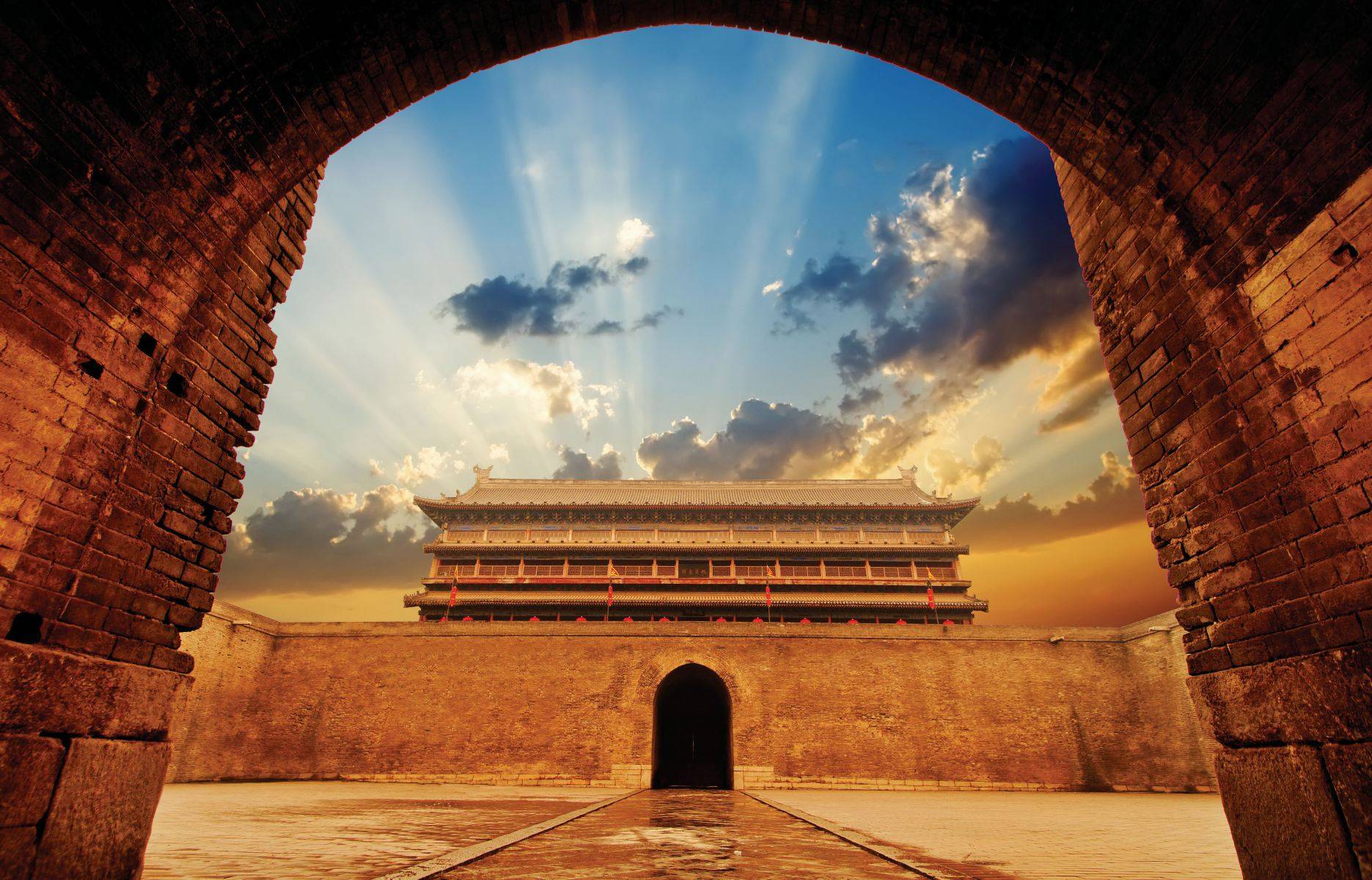
Travelers will walk along the city wall between Zhuque Gate and Hanguang Gate. They’ll see the architectural contrast between the Tang Dynasty imperial city ruins and the Ming Dynasty city wall, the moat with blooming flowers, and the local life scenes by the wall. Explore the historical layers of Xi'an's city defense system.
4
Travelers will explore this Taoist temple, the birthplace of Han Xiangzi (one of the Eight Immortals). They’ll see the Ming-dynasty reconstructed architecture, ancient stone tablets recording Taoist legends, and exquisite murals of the Eight Immortals. Learn about the stories of Han Xiangzi and the fusion of Taoist culture in Xi'an.
5
Travelers will explore this Taoist temple, the birthplace of Han Xiangzi (one of the Eight Immortals). They’ll see the Ming-dynasty reconstructed architecture, ancient stone tablets recording Taoist legends, and exquisite murals of the Eight Immortals. Learn about the stories of Han Xiangzi and the fusion of Taoist culture in Xi'an.
6
Travelers will savor iconic Xi'an snacks in Zhonglou Community, including the broad and chewy BiangBiang Noodles with chili oil, savory Roujiamo (meat sandwich) with tender pork, refreshing Liangpi (cold skin noodles) with sesame sauce, and homemade sour plum soup. They’ll also try must-haves like Zhao’s Mung Bean Cakes (crispy and sweet) and spicy chicken noodles, diving into the vibrant street food culture loved by locals.
What's not included
All meals and beverages are not included. You’ll pass local food stalls along the tour and can stop anytime to buy your snacks or drinks, with the expenses covered by yourself for flexible dining.
Transportation to and from the tour’s meeting point is not included. You can freely arrange your own travel (e.g., subway, taxi) based on your schedule.
Pet Snacks & Waters
Souvenirs & Personal Purchases
Available languages
Guide guide
EN
Important information
Wheelchair accessible
Infants and small children can ride in a pram or stroller
Service animals allowed
Public transportation options are available nearby
Infants are required to sit on an adult’s lap
Transportation options are wheelchair accessible
All areas and surfaces are wheelchair accessible
Suitable for all physical fitness levels
Meeting point
Go to the ATM of China Construction Bank Xi'an South Street Branch at No. 15 South Street, Beilin District, Xi'an. There is a very large square in front of the bank, which is quite prominent and easy to spot.
About Xian
Xian is one of the oldest cities in China, serving as the capital for 13 dynasties, including the famous Tang Dynasty. It is renowned for its rich history, ancient architecture, and as the starting point of the Silk Road. The city offers a unique blend of ancient and modern attractions, making it a must-visit destination for history enthusiasts and cultural explorers.
Top Attractions
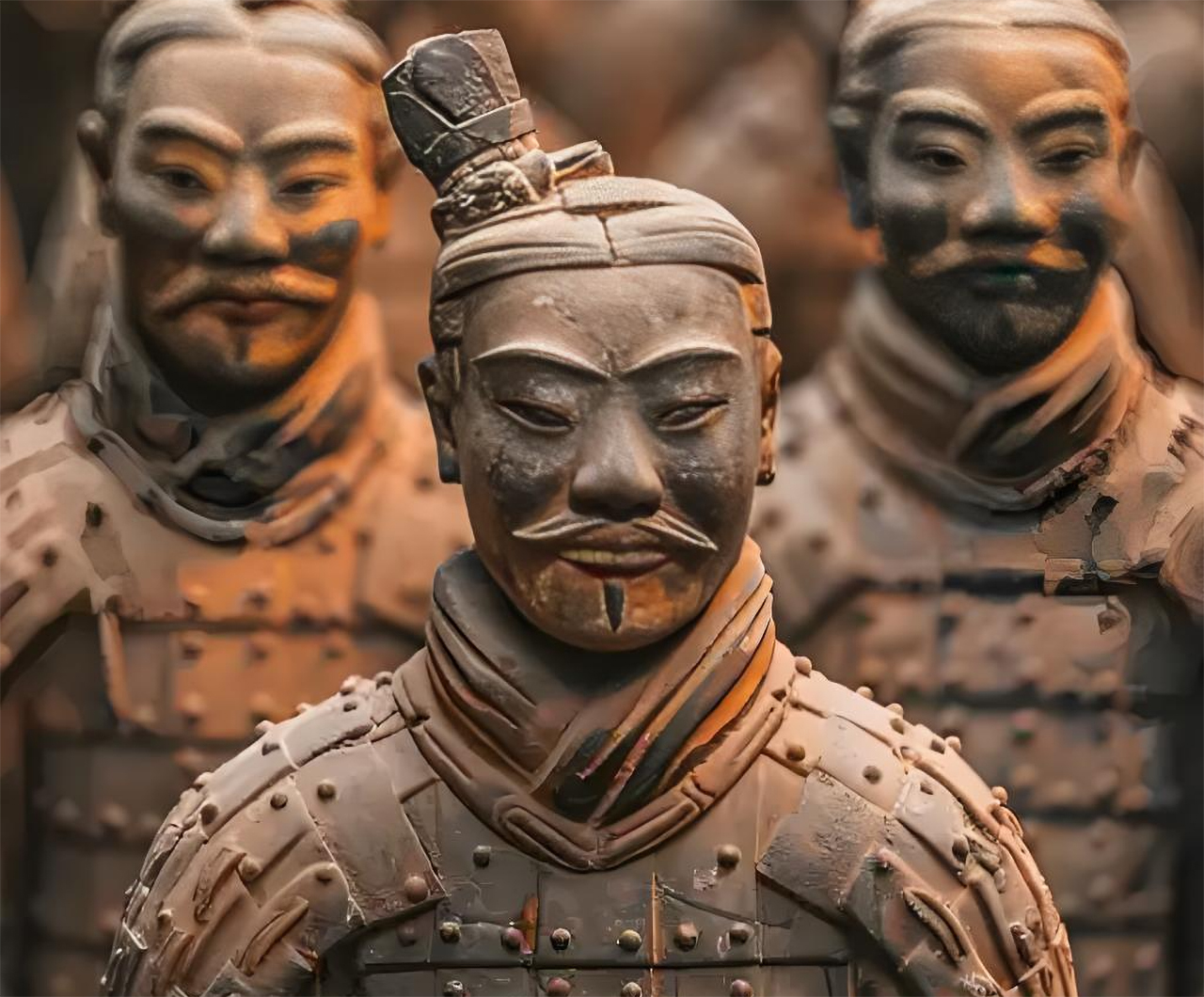
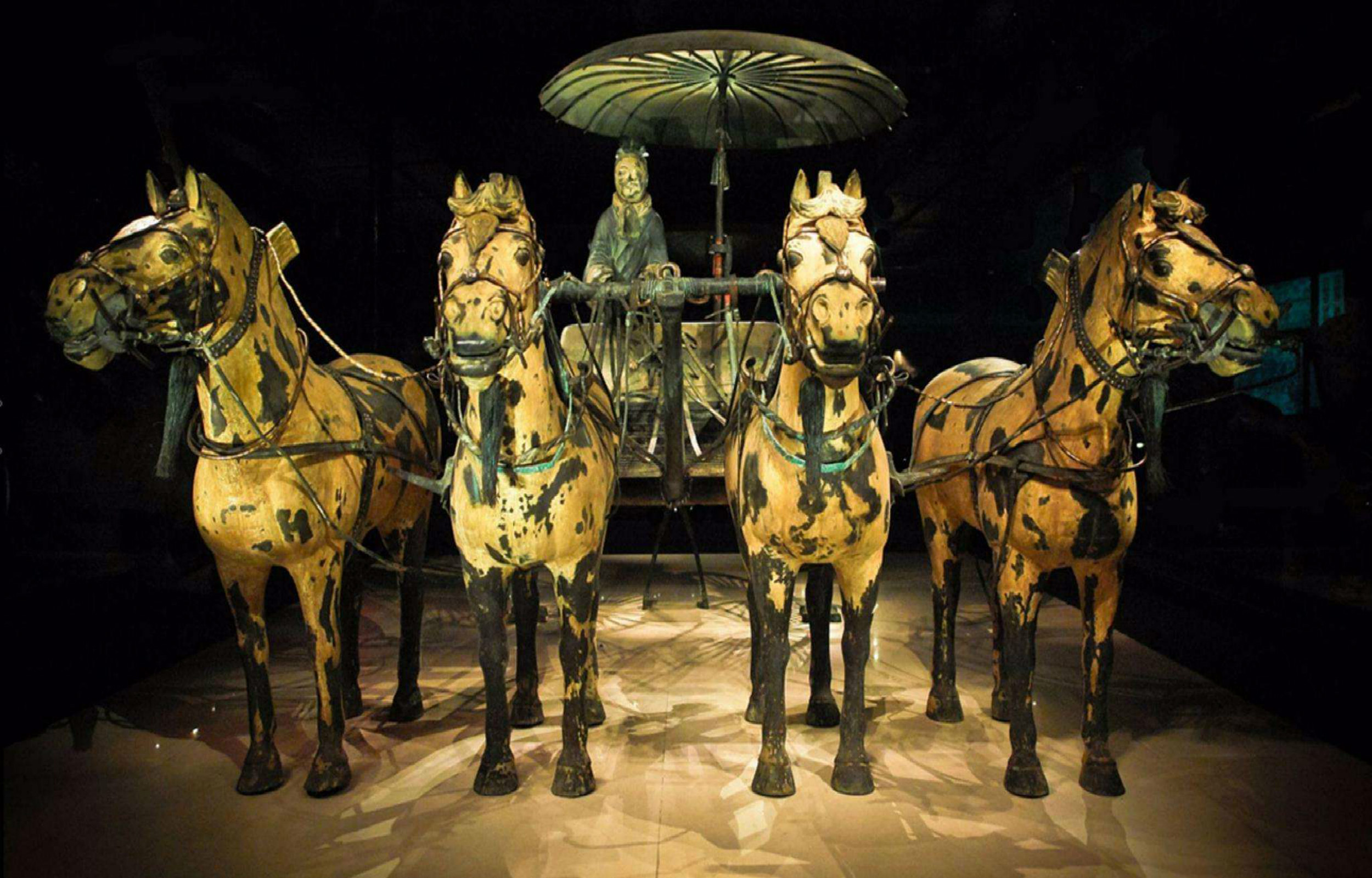
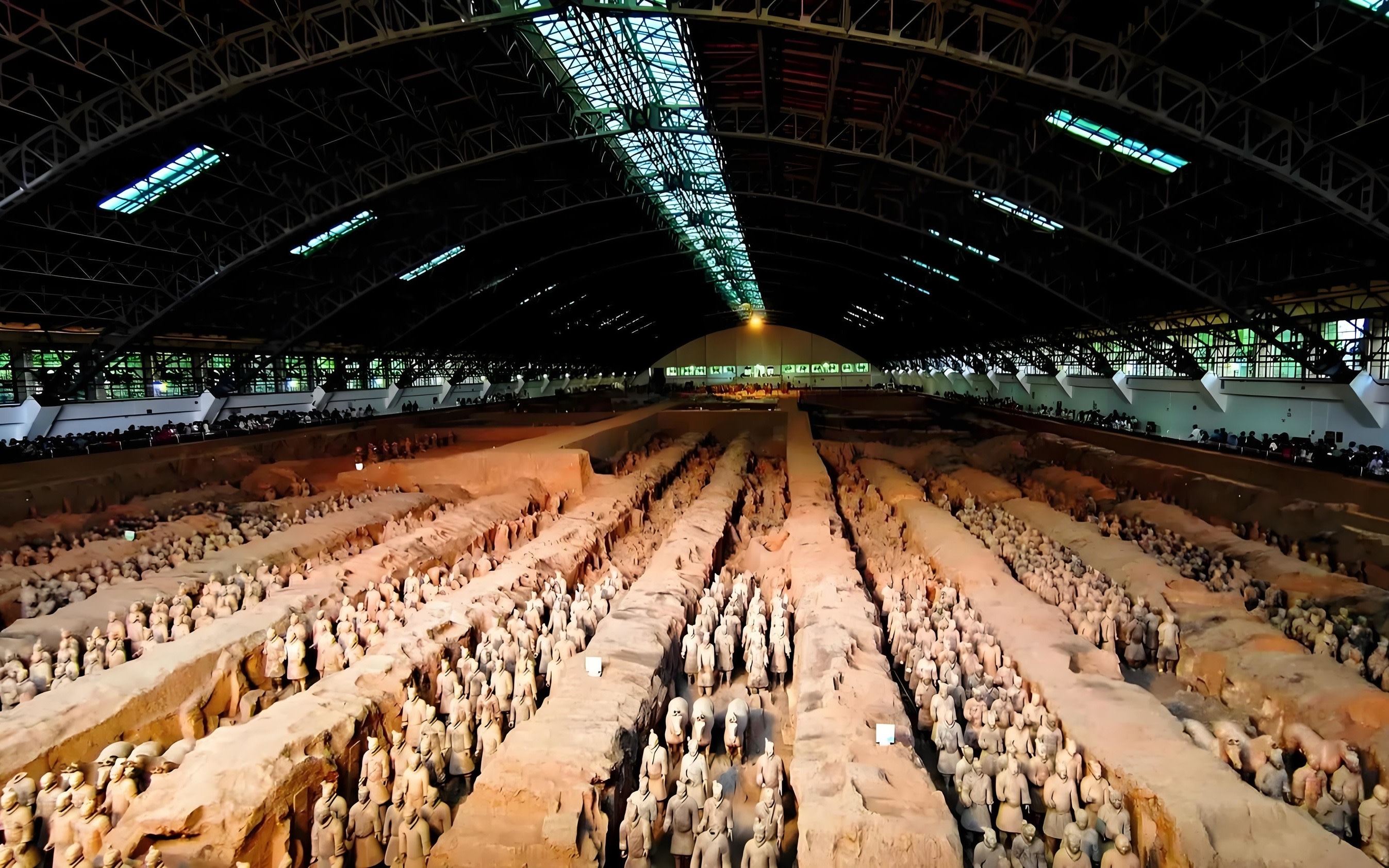
Terracotta Army
Discovered in 1974, the Terracotta Army is a collection of terracotta sculptures depicting the armies of Qin Shi Huang, the first Emperor of China. It is one of the most significant archaeological discoveries of the 20th century.
Historical
2-3 hours
150 RMB (including museum)
Ancient City Wall
The Ancient City Wall is one of the oldest and best-preserved city walls in China. It encircles the old city and offers a unique perspective of Xian's history and urban landscape.
Historical
1-2 hours
54 RMB (including bike rental)
Muslim Quarter
The Muslim Quarter is a bustling area known for its vibrant street food scene, historic mosques, and unique Islamic architecture. It offers a glimpse into the multicultural history of Xian.
Cultural
1-2 hours
Free (food and shopping costs extra)
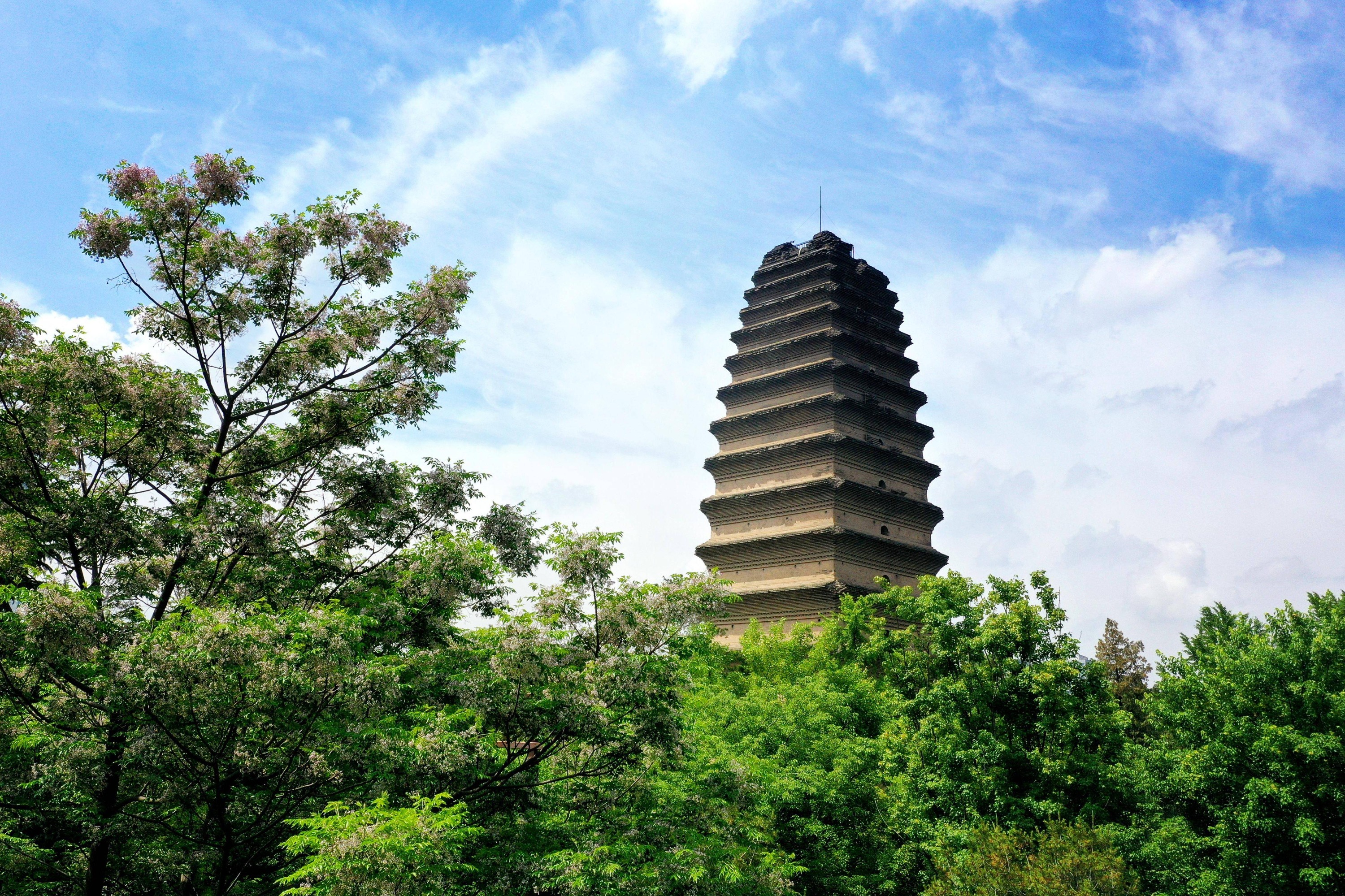
Big Wild Goose Pagoda
The Big Wild Goose Pagoda is a famous Buddhist pagoda and a symbol of Xian. It was built in the Tang Dynasty and is a UNESCO World Heritage Site. The surrounding area is a popular spot for both locals and tourists.
Historical
1-2 hours
50 RMB (including museum)
Shaanxi History Museum
The Shaanxi History Museum is one of the most important museums in China, showcasing the rich history and culture of the Shaanxi region. It houses a vast collection of artifacts spanning thousands of years.
Museum
1-2 hours
Free (but requires a reservation)
Must-Try Local Dishes
Roujiamo
Also known as the Chinese burger, it consists of braised pork belly stuffed in a crispy flatbread.
Snack
Contains pork
Liangpi
Cold noodles made from wheat or rice flour, served with a spicy sauce and various toppings.
Dish
Vegetarian options available
Yangrou Paomo
Lamb soup with bread pieces, a staple dish in Xian.
Dish
Contains lamb
Biangbiang Noodles
Wide, hand-pulled noodles with a thick, chewy texture, often served with a spicy sauce.
Dish
Vegetarian options available
Popular Activities
Hiking in Lishan Mountain
Biking along the Ancient City Wall
Visiting Huaqing Palace hot springs
Tea tasting in local teahouses
Exploring the Terracotta Army
Visiting the Shaanxi History Museum
Walking the Ancient City Wall at sunset
Trying local street food in the Muslim Quarter
Best Time to Visit
April to October
This is the best time to visit Xian as the weather is pleasant and ideal for outdoor activities. The city hosts various festivals and events during this period.
15°C to 35°C
59°F to 95°F
Practical Information
Language
- Official: Chinese (Mandarin)
- Widely spoken: English (limited)
- English: Limited
Currency
Chinese Yuan Renminbi (CNY)
Time Zone
GMT+8
Electricity
220VV, 50HzHz
Safety Information
Overall Safety Rating: Generally safe
Xian is generally safe for travelers, with low crime rates. However, petty crimes like pickpocketing can occur in crowded areas.
Important Precautions:
- • Use licensed taxis or ride-hailing apps like Didi Chuxing.
- • Be cautious of strangers offering unsolicited help or tours.
- • Keep valuables secure and be aware of your surroundings in crowded areas.
Getting there
By air
- Xian Xianyang International Airport • 40 km from city center
By train
Xian Railway Station, Xian North Railway Station
By bus
Xian Long-distance Bus Station, Xian North Bus Station
Getting around
Public transport
The Xian Metro is efficient and covers most major attractions. It's the fastest way to get around the city.
Taxis
Available • Apps: Didi Chuxing
Rentals
Car, Bike, Scooter
Neighborhoods
Yanta District
Beilin District
Muslim Quarter
Qujiang New District
Day trips
Huaqing Palace
15 km from city center • Half day
Huaqing Palace is a complex of hot springs and palaces known for its historical significance and beautiful gardens. It was a favorite retreat for emperors and is associated with the Tang Dynasty.
Lishan Mountain
20 km from city center • Full day
Lishan Mountain is a scenic area known for its natural beauty, hiking trails, and historical sites. It offers panoramic views of the surrounding landscape and is a popular spot for outdoor activities.
Famen Temple
120 km from city center • Full day
Famen Temple is one of the most important Buddhist temples in China, known for housing the relics of the Buddha. It is a significant pilgrimage site and offers a peaceful retreat from the city.
Festivals
Chinese New Year • January or February (varies)
Lantern Festival • 15th day of the first lunar month
Qinling Mountain Marathon • October
Pro tips
- Learn a few basic Chinese phrases to enhance your experience and interact with locals.
- Visit major attractions early in the morning or late in the afternoon to avoid crowds and heat.
- Try local street food, but choose busy stalls with high turnover to ensure freshness and food safety.
- Use the metro or bike-sharing services to get around the city efficiently and affordably.
- Book tickets for popular attractions like the Terracotta Army in advance to avoid long queues.
From $25
per person
Price varies by option
Secure booking
Free cancellation available
Instant confirmation