Afternoon Walking Tour of Galway City's West End
Active
2h
For a full refund, cancel at least 24 hours before the scheduled departure time.
Instant confirmation
Mobile or paper ticket accepted
About this experience
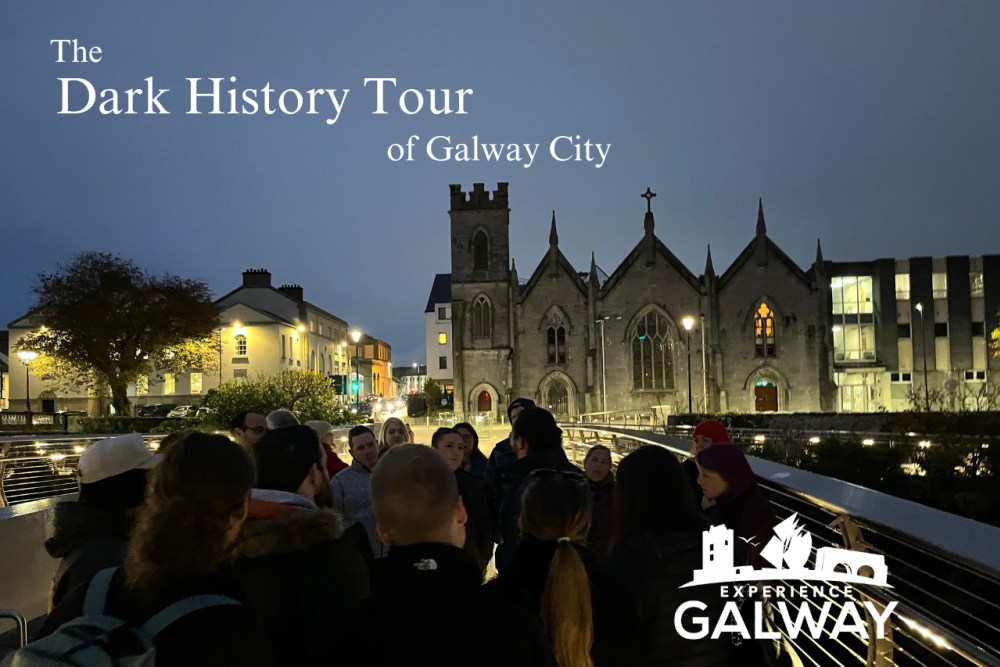
This evening walking tour leads you through the storied heart of Galway’s West End — tracing the city’s Celtic roots, colonial clashes, and cultural resilience through sites like the Claddagh, Fr Griffin Road, Galway Cathedral, the Crane Bar, and Nun’s Island.
You’ll hear tales of ancient migrations, elected kings, Norman invaders, secret shebeens, martyred priests, banned languages, and rebel musicians — all woven through the living streets and riverside ruins of the city’s most soulful quarter.
Available options
Afternoon Walking Tour of Galway City's West End
What's included
Stories, History, and Cultural Insights from a Local Perspective
Walking Tour of Galway’s West End
Professional Local Guide
Detailed itinerary
1
Begin at the Claddagh, one of Galway’s oldest Gaelic settlements. Here you’ll learn about its origins, traditions, language, and unique customs — standing across the river from the old Norman walls that once excluded them.
2
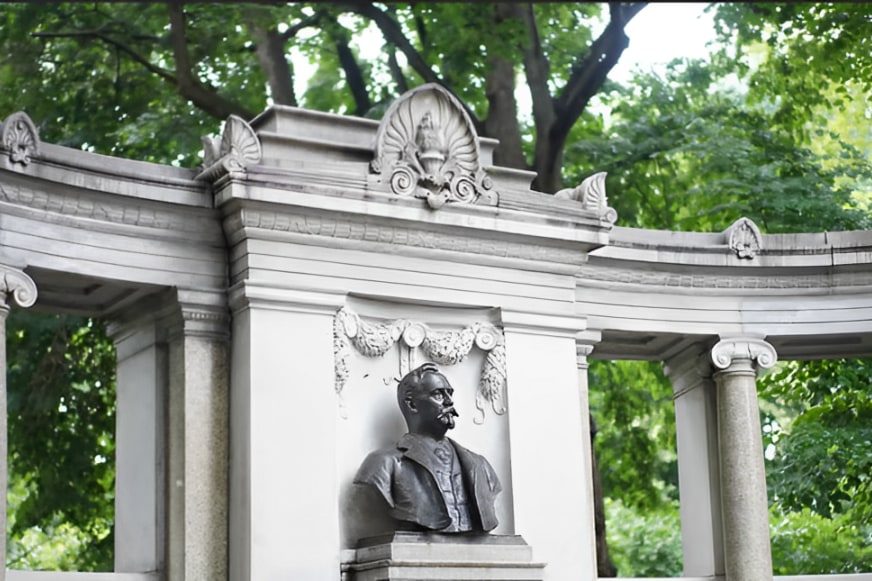
Here we stand before the statue of Father Thomas Nicholas Burke, Galway’s famed 19th-century Dominican preacher. Burke became a national figure for defending Irish Catholicism against English critics like John Thomas Froude in 1872, and for giving voice to the poor and oppressed under British rule. He was the voice of Catholic resistance in the 19th century. Half a century later, Father Michael Griffin would become its martyr — murdered by Crown forces during the War of Independence in 1920. Together, Burke and Griffin show how Galway’s priests embodied faith, defiance, and the struggle for Ireland’s identity across generations.
3
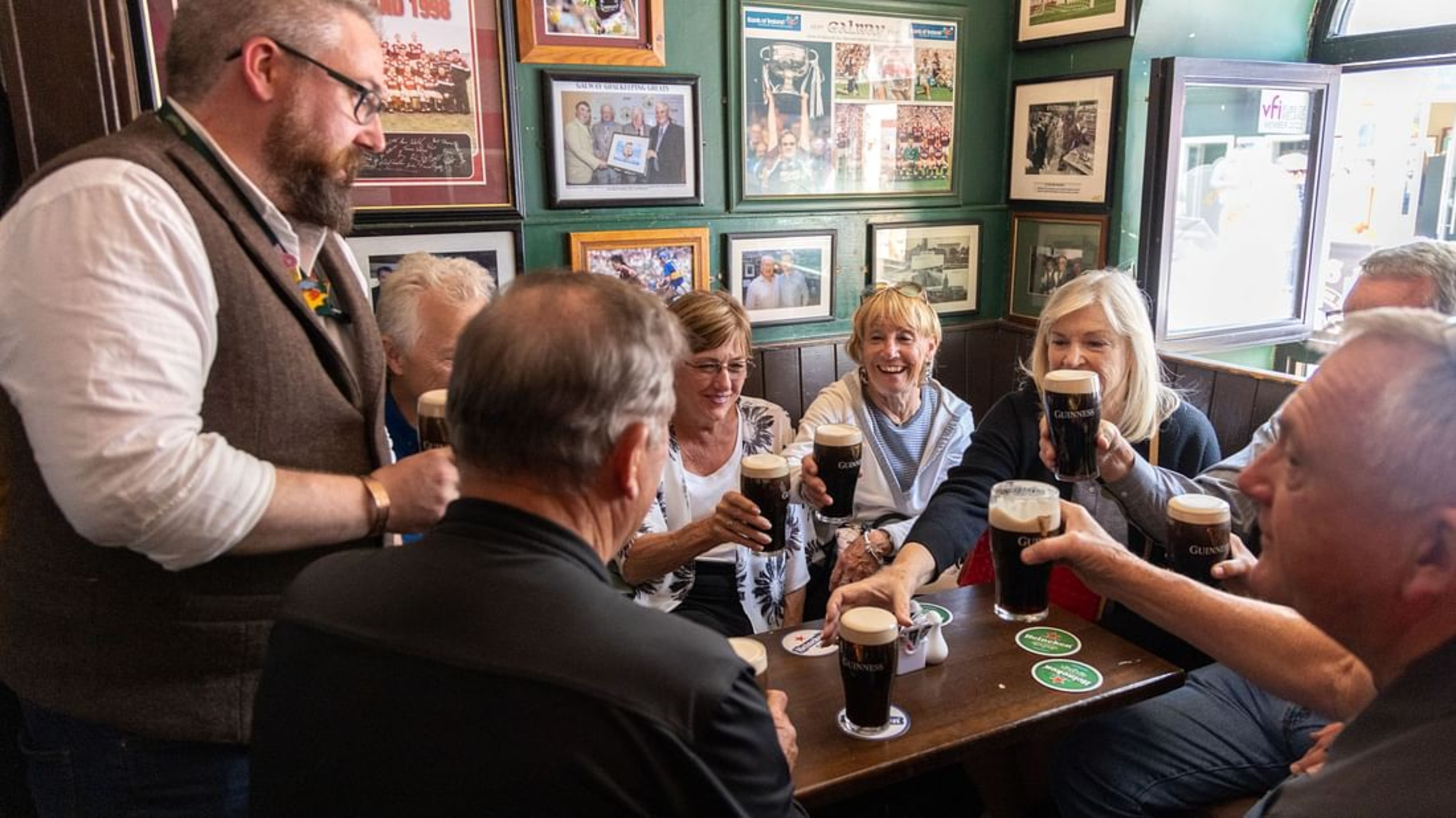
At the Small Crane, outside of one of Galway’s great traditional pubs, we explore how music and storytelling carried Irish identity through centuries of hardship. Sessions of fiddles, pipes, and bodhráns were never just entertainment — they were acts of defiance. When the Irish language was beaten out of children in schools, it survived in ballads that told of rebellions the history books ignored, and in tunes that carried messages of resistance across generations. Here, through music, the Irish spirit endured when every other voice was silenced.
4
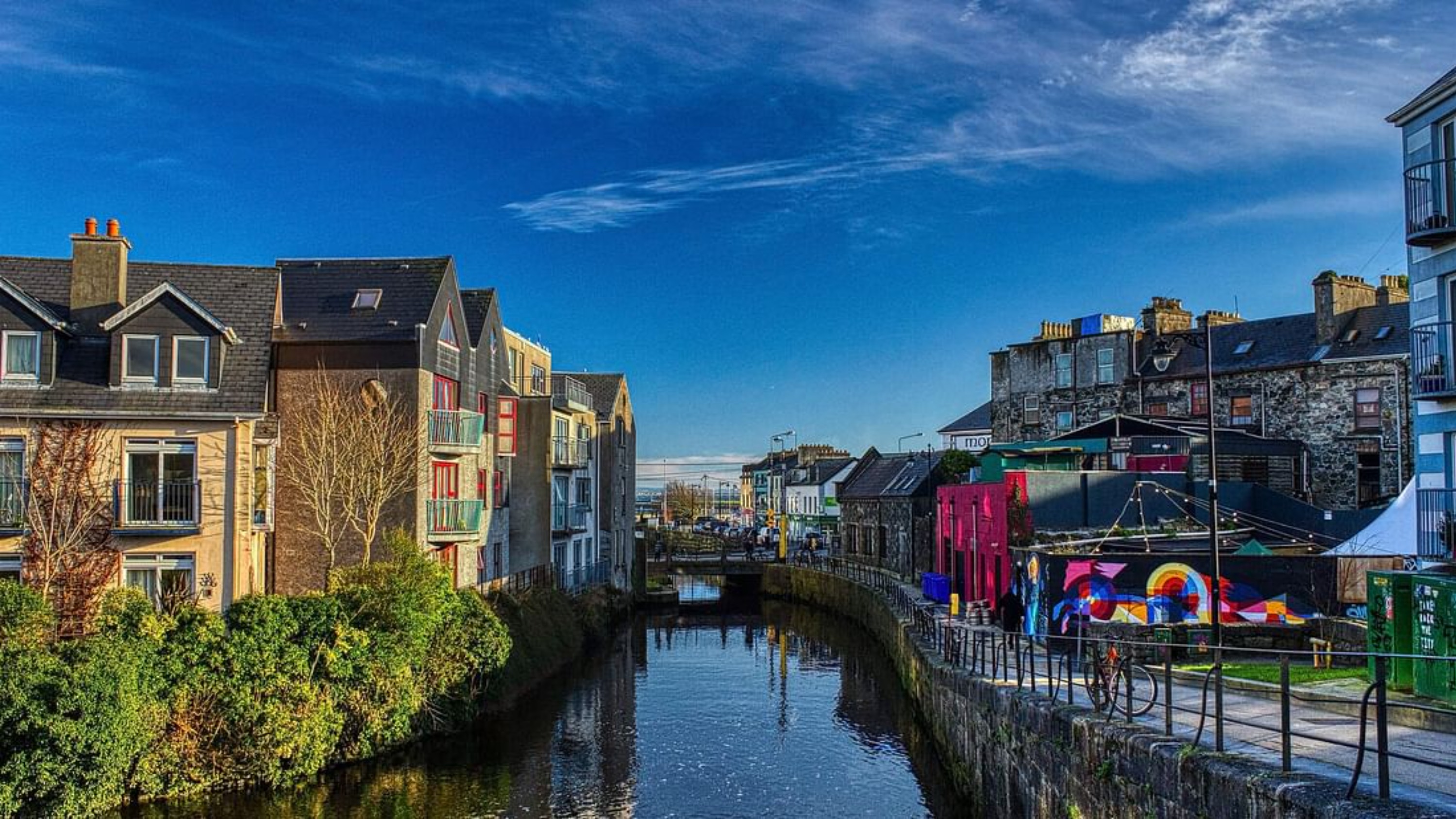
Standing at the River Corrib — one of Europe’s fastest flowing rivers. Here we uncover how Irish industry was harnessed to serve a colonial neighbour. For centuries its waters powered mills that tied Galway into the empire, producing goods not for local need but for export to the markets of Britain. The Corrib became a tool of colonial economy — Galway’s strength flowing outward, leaving its people weakened at home.
5
Outside Galway’s Courthouse, we uncover how justice once served the empire rather than the people. Here famine victims, land agitators, and rebels were tried under foreign laws, often in a language they could not even speak. These English-only trials reveal how the courts became another weapon of colonial power — leaving a legacy that shaped Ireland’s struggle for identity and self-determination.
6
Stop 6
Galway Cathedral, built in the 1960s on the site of the old city jail, marked the moment when Catholicism, once suppressed under English rule, took precedence in independent Ireland. Its soaring dome and vast stonework symbolise the faith’s triumphal return — a reminder of how power shifted, and how religion came to shape the new nation’s identity.
From here we walk towards Nun’s Island, where we face a chapter of Galway’s past in which women lost their freedom to the Magdalene laundries. Behind high walls, they endured silence, shame, and forced labour. The laundries confined those judged for poverty or pregnancy, forcing them into unpaid work under the guise of morality. It was silence enforced by faith and sanctioned by the state — a reminder that oppression in Ireland did not end with foreign rule.
7
Our tour ends at the University of Galway, founded by the British Crown in 1849 to anglicise the West and produce English-speaking elites. Here we explore how, at its opening, Irish was still the everyday language of Galway’s people — yet the new college offered not a single class in it, a deliberate attempt at erasure. Today the story has turned: over 3,000 students study through Irish each year, the university partners with the Gaeltacht in Connemara, and it leads global research in Irish literature, folklore, and culture. What began as a colonial project to silence a people has become one of the strongest voices in reviving and expanding Irish identity.
Available languages
Guide guide
EN
Important information
Service animals allowed
Public transportation options are available nearby
Suitable for all physical fitness levels
Meeting point
Meeting Point: Outside the Claddagh Church, Claddagh Quay, Galway, H91 CD36
Look out for: Our guide holding a green umbrella
Important notes
Show your booking confirmation (paper or mobile) to the guide at the meeting point.
About Galway
Galway is a vibrant city on the west coast of Ireland, known for its rich cultural heritage, lively arts scene, and stunning natural surroundings. It offers a unique blend of traditional Irish charm and modern creativity, making it a must-visit destination.
Top Attractions
Eyre Square (John F. Kennedy Memorial Park)
A central landmark in Galway, this square is a hub of activity and a historic site with the famous statue of John F. Kennedy.
Historical
30 minutes
Free
Galway Cathedral
A stunning example of modern Irish religious architecture, this cathedral is a must-visit for its beauty and tranquility.
Religious
1 hour
Free (donations welcome)
Spanish Arch
A historic arch that is part of the old city walls, offering a glimpse into Galway's rich history and a popular spot for locals and tourists alike.
Historical
30 minutes
Free
Salthill Promenade
A scenic coastal walkway offering stunning views of Galway Bay and the Aran Islands, perfect for a leisurely stroll or a workout.
Nature
1-2 hours
Free
Claddagh
A historic fishing village that is now part of Galway, known for its rich heritage and the famous Claddagh ring.
Cultural
1-2 hours
Free (shopping and dining costs vary)
Must-Try Local Dishes
Oysters
Fresh Galway oysters, often served with a squeeze of lemon and a side of brown bread.
Appetizer
Seafood, gluten-free option available
Irish Stew
A hearty stew made with lamb, potatoes, carrots, and onions, slow-cooked to perfection.
Main Course
Gluten-free, can be made vegetarian
Seafood Chowder
A creamy and comforting soup filled with a variety of fresh seafood.
Soup
Seafood, gluten-free option available
Soda Bread
A traditional Irish bread made with buttermilk, known for its dense texture and slightly tangy flavor.
Bread
Gluten-free option available
Popular Activities
Hiking in Connemara National Park
Kayaking on Galway Bay
Cycling the Wild Atlantic Way
Strolling along Salthill Promenade
Enjoying a spa day
Reading in a cozy café
Attending a traditional Irish music session
Visiting local museums and galleries
Best Time to Visit
June to August
The summer months offer the warmest weather and the most daylight, perfect for exploring the city and its surrounding natural attractions. This is also the peak tourist season with festivals and events in full swing.
15°C to 20°C
59°F to 68°F
Practical Information
Language
- Official: English, Irish
- Widely spoken: English
- English: Widely spoken
Currency
Euro (EUR)
Time Zone
GMT+0 (GMT+1 during daylight saving time)
Electricity
230VV, 50HzHz
Safety Information
Overall Safety Rating: Generally safe
Galway is generally a safe city with a low crime rate. However, as with any tourist destination, it's important to be aware of your surroundings and take precautions to protect your belongings.
Important Precautions:
- • Keep valuables secure and out of sight
- • Be cautious of strangers approaching you with offers or requests
- • Use licensed taxis and check the meter
Getting there
By air
- Shannon Airport • 80 km (50 miles)
- Galway Airport • 6 km (4 miles)
By train
Galway Ceannt Station
By bus
Galway Bus Station
Getting around
Public transport
The bus system is efficient and affordable, with frequent services throughout the day.
Taxis
Available • Apps: FreeNow, Local taxi apps
Rentals
Car, Bike, Scooter
Neighborhoods
Latin Quarter
Salthill
Claddagh
Day trips
Aran Islands
30 km (19 miles) from Galway • Full day
A group of three islands known for their unique cultural heritage, stunning landscapes, and traditional Irish language and customs.
Connemara National Park
60 km (37 miles) from Galway • Full day
A stunning national park with a variety of landscapes, including mountains, bogs, and forests, offering numerous outdoor activities.
The Burren
80 km (50 miles) from Galway • Full day
A unique limestone landscape with a rich history, diverse flora, and fascinating geological features.
Festivals
Galway International Arts Festival • July
Galway International Oyster Festival • September
Galway Races • July/August
Pro tips
- Visit during the shoulder seasons for fewer crowds and pleasant weather
- Explore the Latin Quarter for a taste of traditional Irish culture and nightlife
- Take a day trip to the Aran Islands for a unique cultural experience
- Try traditional Irish dishes like oysters, Irish stew, and soda bread
- Attend a traditional Irish music session in a local pub
From $25
per person
Price varies by option
Secure booking
Free cancellation available
Instant confirmation