Private 8 Hour Walking Tour Tokyo Photography
Active
7h - 8h
For a full refund, cancel at least 24 hours before the scheduled departure time.
Instant confirmation
Mobile or paper ticket accepted
About this experience
hello! I’m your dedicated Japan tour guide with 15 years of experience, ready to take you on an immersive adventure through Japan’s wonders!
A food lover at heart, I know all the hidden gems for authentic Japanese cuisine—from mouthwatering ramen to exquisite kaiseki dining—ensuring your taste buds are delighted!
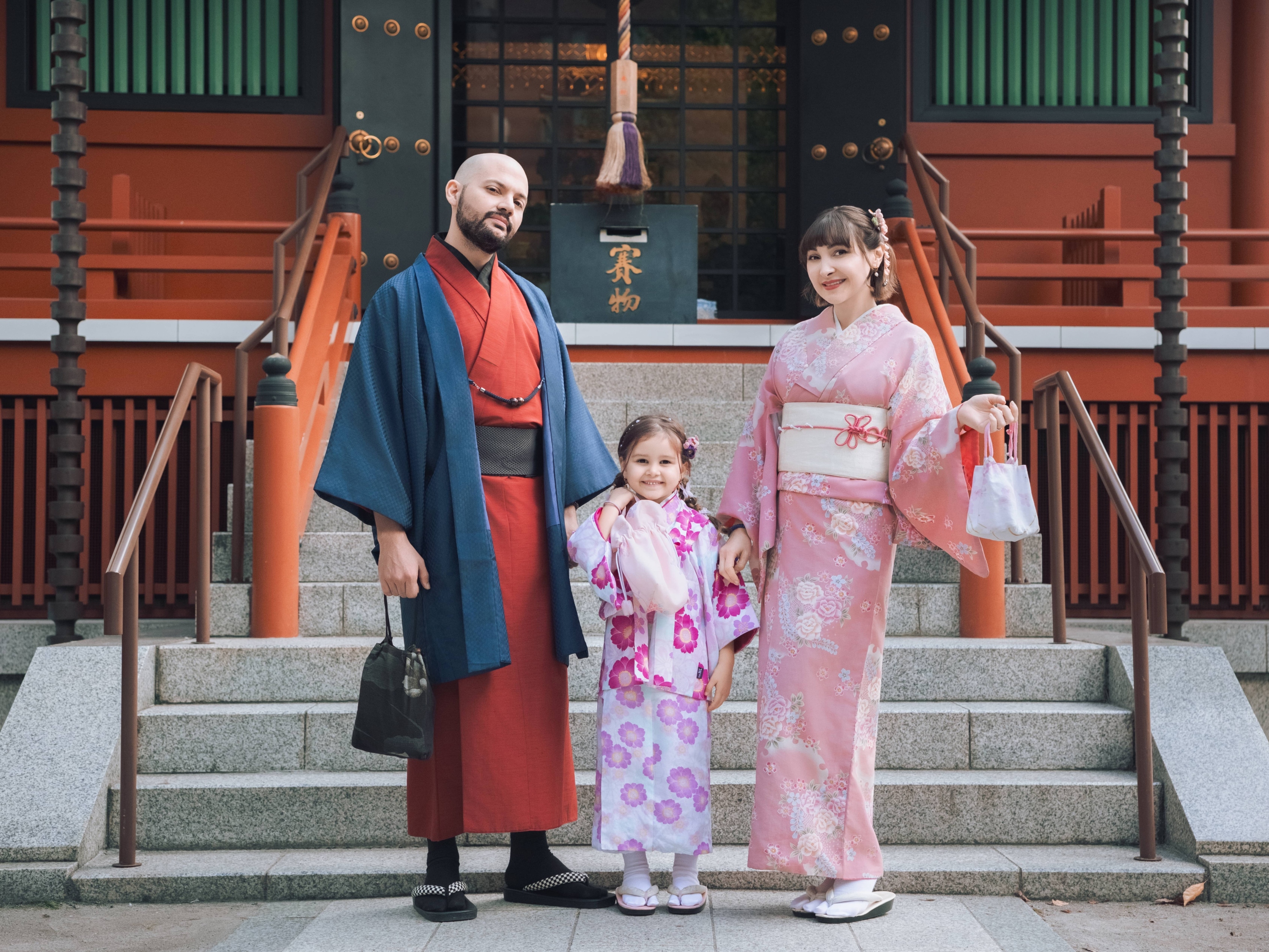
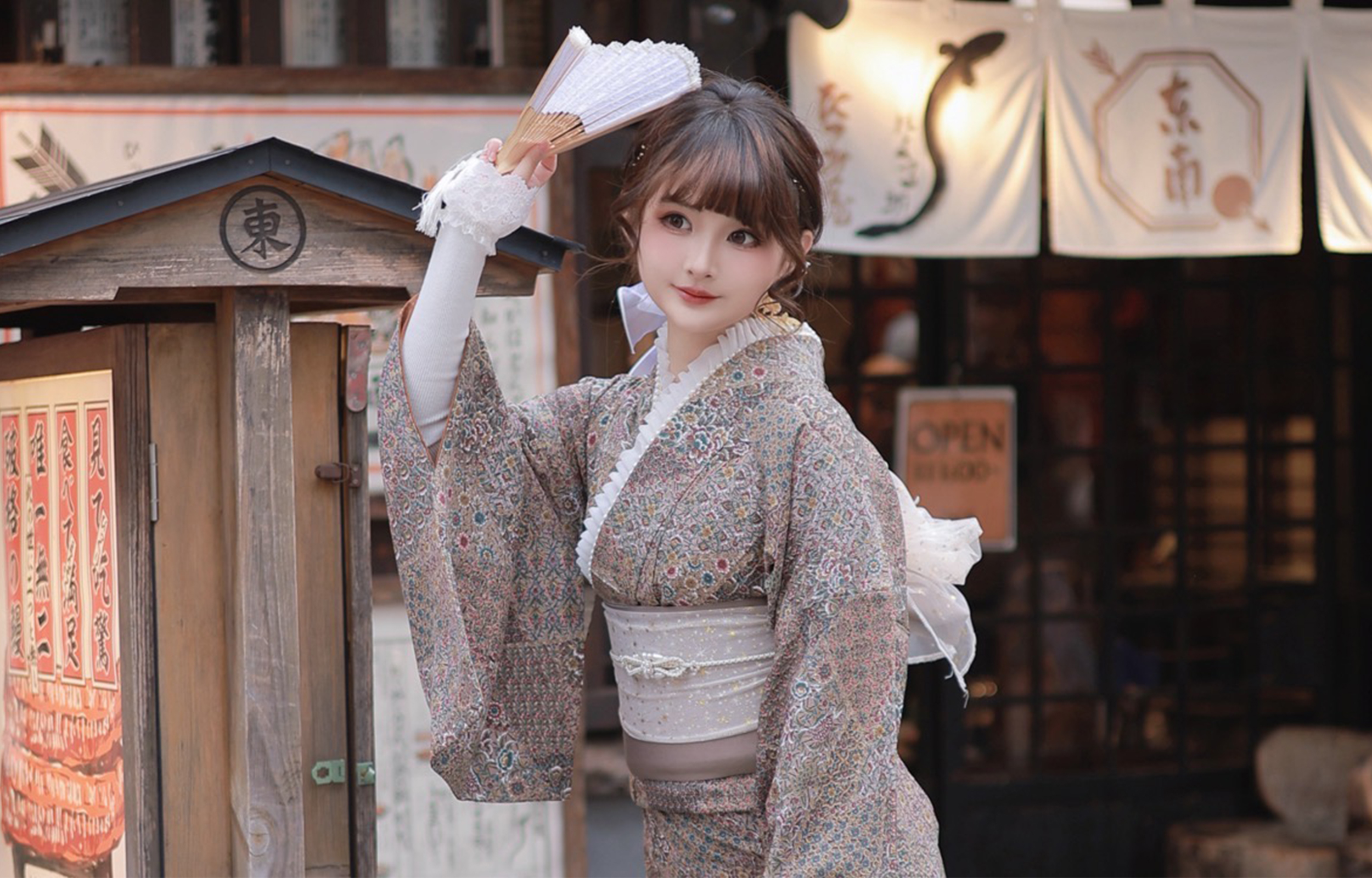
A passionate photographer, I’ll capture every breathtaking moment of your trip, from cherry blossom vistas to dazzling city nightscapes, preserving memories you’ll cherish forever.
With a zest for life, I bring warmth and care to every journey, creating unique experiences for families, couples, or solo explorers. With me, you’ll not only see Japan’s beauty but feel its culture and spirit.
Join me for a trip filled with laughter, inspiration, and unforgettable moments. Book your tour now, and let’s create a Japan adventure full of joy and discovery!
Available options
Private 8 Hour Walking Tour Tokyo Photography
What's included
Soda/Pop
Detailed itinerary
1
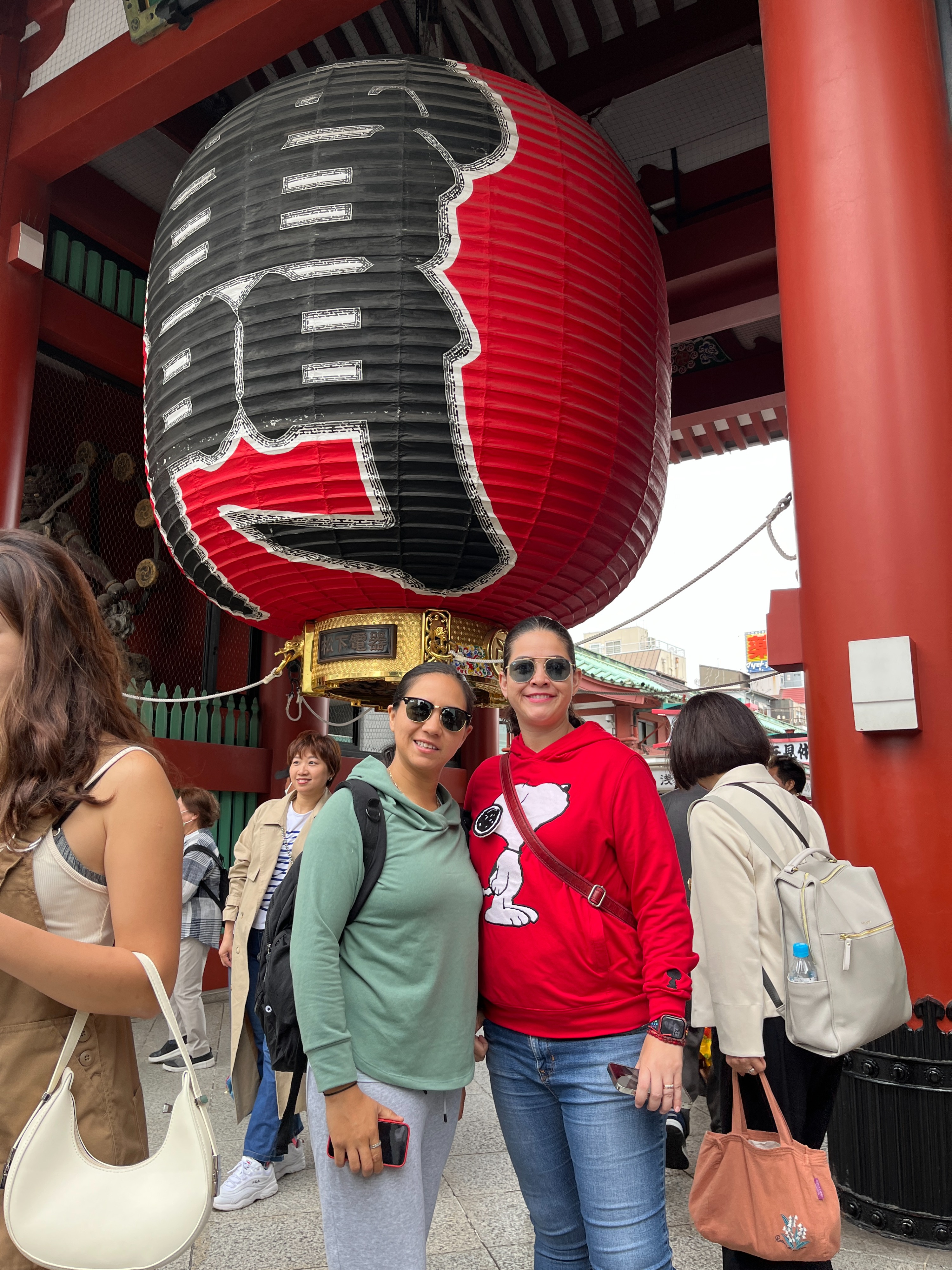
Sensoji (浅草寺, Sensōji, also known as Asakusa Kannon Temple) is a Buddhist temple located in Asakusa. It is one of Tokyo's most colorful and popular temples. The legend says that in the year 628, two brothers fished a statue of Kannon, the goddess of mercy, out of the Sumida River, and even though they put the statue back into the river, it always returned to them. Consequently, Sensoji was built nearby for the goddess of Kannon. The temple was completed in 645, making it Tokyo's oldest temple. A shopping street of over 200 meters, called Nakamise, leads from the outer gate to the temple's second gate, the Hozomon. Alongside typical Japanese souvenirs such as yukata and folding fans, various traditional local snacks from the Asakusa area are sold along the Nakamise. The shopping street has a history of several centuries.
2
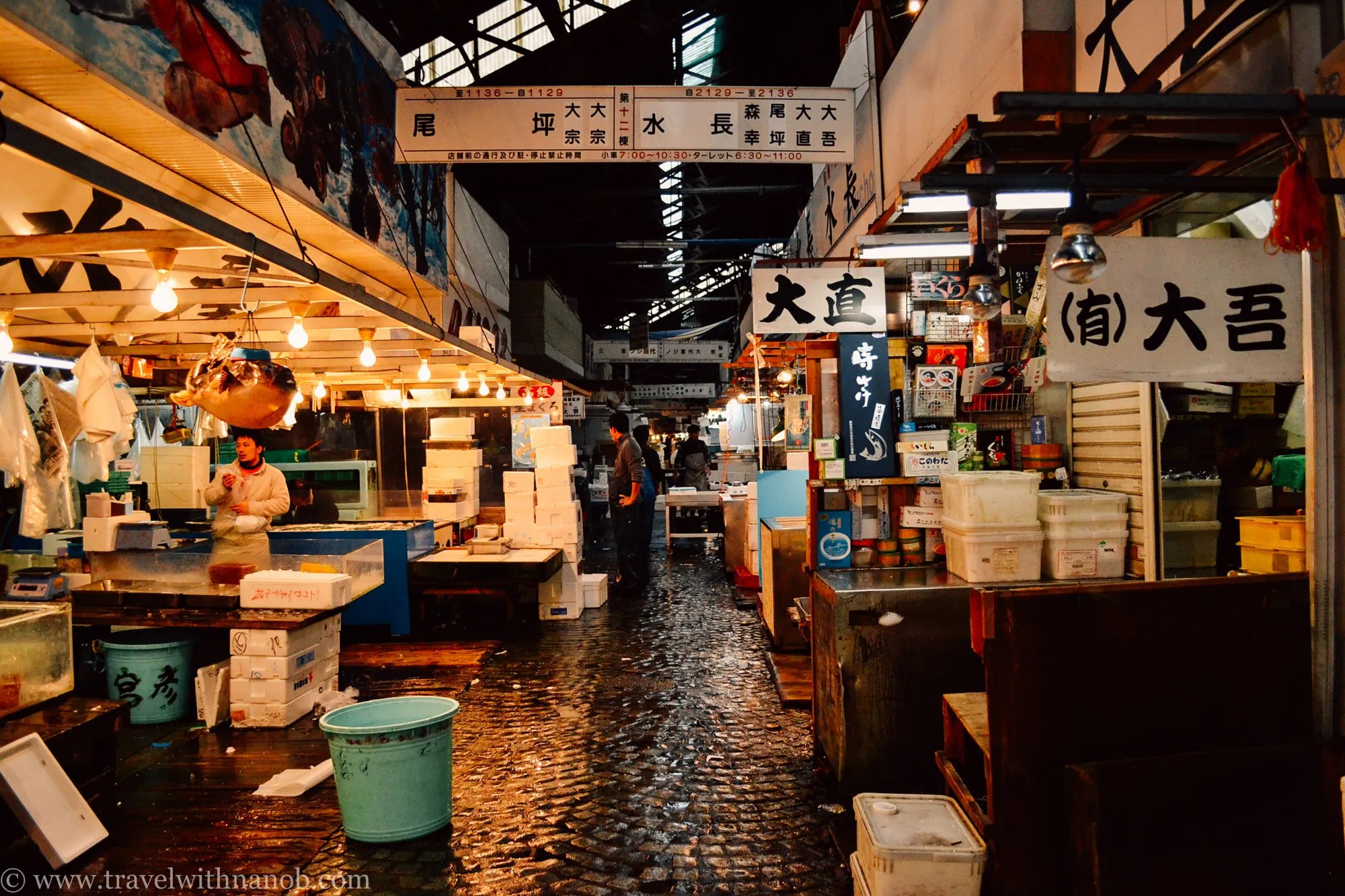
Tsukiji Outer Market is Japan’s “Food Town,” where one can encounter all kinds of traditional Japanese foods. A mixture of wholesale and retail shops, along with numerous restaurants, line the streets, and new culinary trends are born here. Originally Tsukiji Market catered primarily to professionals. That is why items sold there were generally too large for a small family to buy. However, some of the wholesale shops in the market have started retailing high-end merchandise to retail customers and visitors. For example, ready-to-eat sushi meals are now sold in smaller sizes. Even a bite-sized egg roll can be had for those who just want to try it. The following explains how the market has become so well-known and the trends that have shaped how it looks today.
3
Stop 3
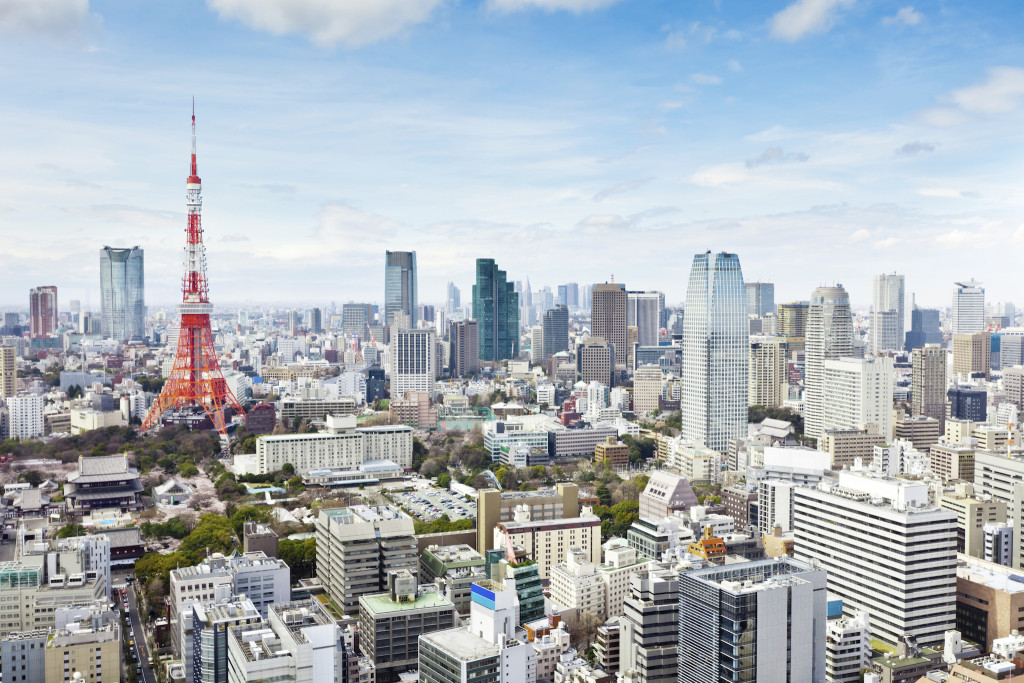
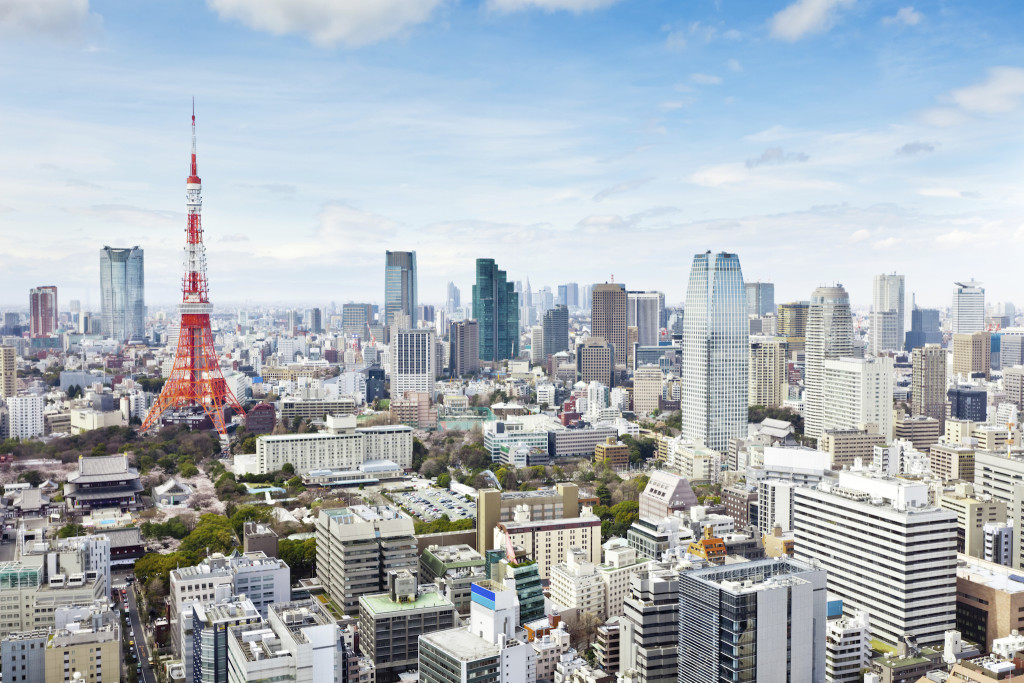
Standing 333 meters high in central Tokyo, Tokyo Tower (東京タワー) is the world's tallest, self-supported steel tower and 3 meters taller than its model, the Eiffel Tower. A symbol of Japan's post-war rebirth as a major economic power, Tokyo Tower was the country's tallest structure from its completion in 1958 until 2012 when it was surpassed by the Tokyo Skytree. In addition to being a popular tourist spot, Tokyo Tower serves as a broadcast antenna.
4
Stop 4
The shrine was completed and dedicated to the Emperor Meiji and the Empress Shoken in 1920, eight years after the passing of the emperor and six years after the passing of the empress. The shrine was destroyed during the war but was rebuilt shortly thereafter. Emperor Meiji was the first emperor of modern Japan. He was born in 1852 and ascended to the throne in 1867 at the peak of the Meiji Restoration when Japan's feudal era came to an end and the emperor was restored to power. During the Meiji Period, Japan modernized herself to join the world's major powers by the time Emperor Meiji passed away in 1912.
5
Stop 5
Whether you are in Tokyo for the first time or are a frequent visitor, Harajuku is a place you must go. It has long been noted for its wild fashion trends and Japanese youth culture. Many people visit this area on weekends and holidays. Large groups of tourists and high school students can usually be standing in front of the gateway declaring “Welcome to Takeshita Street.” The entrance also sits at the top of a hill. Takeshita Street is lined with clothing shops, cafes, dessert shops, and strange memorabilia. Accessory stores are trendy. Paris Kids is the first of many you will find walking down the street. Here you can find fashionable items at reasonable prices. Stores cater to a wide variety of styles
6
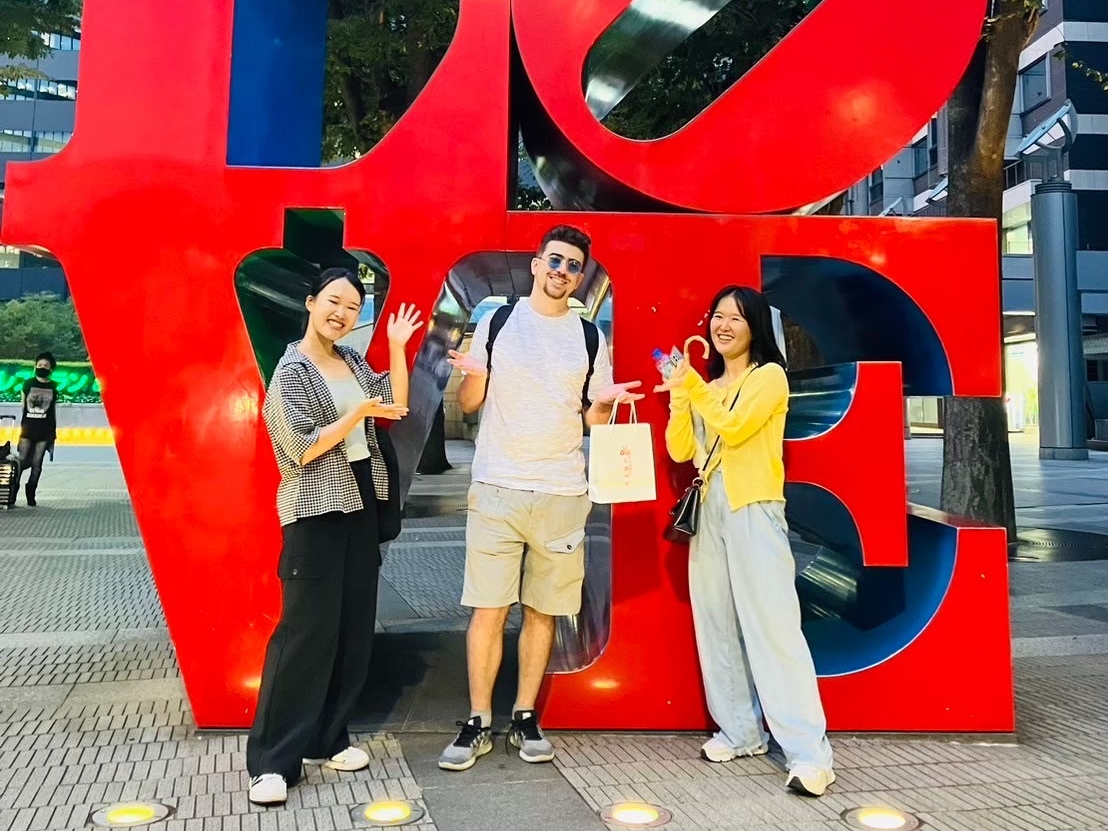
Centered around the busiest railway station in the world, the Tokyo neighborhood of Shinjuku is a thriving district full of shops and department stores, museums, bars, restaurants, and cafes abuzz with people. The neighborhood’s skyscraper district is home to some of the city’s tallest buildings.
7
Stop 7
Known as one of the busiest intersections in the world, Shibuya Crossing is an iconic symbol of Tokyo. This sprawling intersection is famous for its mesmerizing pedestrian scramble, where crowds of people cross in all directions at once. It's a vibrant and dynamic hub of activity, offering a quintessential Tokyo experience.Known as one of the busiest intersections in the world, Shibuya Crossing is an iconic symbol of Tokyo. This sprawling intersection is famous for its mesmerizing pedestrian scramble, where crowds of people cross in all directions at once. It's a vibrant and dynamic hub of activity, offering a quintessential Tokyo experience.
on the specific location, a scenic view in Shibuya could refer to various vantage points offering panoramic vistas of the bustling cityscape below. Whether it's from a rooftop bar, observation deck, or elevated viewpoint, taking in the scenic view allows visitors to admire the vibrant energy and urban sprawl of Shibuya from above
What's not included
Meals
we need to pay for transportation by ourselves
Available languages
Audio guide
CMN
EN
Guide guide
CMN
EN
Important information
Wheelchair accessible
Infants and small children can ride in a pram or stroller
Public transportation options are available nearby
Specialized infant seats are available
Transportation options are wheelchair accessible
Travelers should have at least a moderate level of physical fitness
Meeting point
We will pick you up at your hotel lobby or any preferred location within Tokyo. For your convenience, we will share a photo of your guide via WhatsApp in advance, so you can easily recognize them.
About Asakusa
Asakusa is one of Tokyo's most colorful and traditional districts, famous for its historic temples, vibrant streets, and rich cultural heritage. This area offers a glimpse into old Edo-era Tokyo, making it a must-visit for those seeking authentic Japanese experiences.
Top Attractions
Senso-ji Temple
Senso-ji is Tokyo's oldest temple and one of its most significant. The temple complex includes the main hall, a five-story pagoda, and various shops and stalls.
Historical/Religious
1-2 hours
Free (donations welcome)
Tokyo Skytree
Tokyo Skytree is the tallest tower in Japan and offers breathtaking views of the city from its observation decks.
Architecture/Observation Deck
2-3 hours
¥2,100-¥3,100 (depending on the deck)
Sumida River Cruise
A relaxing cruise along the Sumida River offers stunning views of Tokyo's skyline, including the Tokyo Skytree and Rainbow Bridge.
Scenic/Boat Tour
1 hour
¥1,000-¥1,500 (depending on the route)
Edo-Tokyo Museum
This museum showcases the history and culture of Edo-era Tokyo through life-sized replicas, artifacts, and interactive exhibits.
Museum
1-2 hours
¥600 (adults), ¥300 (children)
Must-Try Local Dishes
Tempura
Deep-fried seafood and vegetables, often served with dipping sauce.
Main Dish
Contains gluten (soy sauce in the dipping sauce).
Unagi (Grilled Eel)
Grilled eel glazed with a sweet soy-based sauce, served over rice.
Main Dish
Contains fish and soy.
Melon Pan
A sweet bread roll with a crispy cookie-like crust, resembling a melon.
Dessert
Contains wheat and dairy.
Popular Activities
Hiking in nearby mountains
Sumo wrestling matches in Ryogoku
Onsen (hot spring) visits
Sumida River Cruise
Temple and shrine visits
Traditional tea ceremonies
Boat tours on Sumida River
Swimming at nearby beaches
Best Time to Visit
Spring (March to May) and Autumn (September to November)
Spring offers cherry blossoms and pleasant weather, while autumn provides comfortable temperatures and beautiful fall foliage. These seasons are ideal for outdoor activities and sightseeing.
15-25°C
59-77°F
Practical Information
Language
- Official: Japanese
- Widely spoken: English, Chinese, Korean
- English: Moderately spoken in tourist areas, limited elsewhere
Currency
Japanese Yen (JPY)
Time Zone
Japan Standard Time (JST, GMT+9)
Electricity
100VV, 50/60HzHz
Safety Information
Overall Safety Rating: Very safe
Asakusa is generally very safe, with low crime rates and a strong police presence. However, as with any tourist destination, it's important to be aware of your surroundings and take precautions to protect your belongings.
Important Precautions:
- • Keep valuables secure and out of sight.
- • Use official taxis or ride-hailing services.
- • Be cautious when using ATMs, and avoid carrying large amounts of cash.
Getting there
By air
- Narita International Airport • 60 km from Asakusa
- Haneda Airport • 20 km from Asakusa
By train
Asakusa Station
By bus
Tokyo Station, Shinjuku Station, Ueno Station
Getting around
Public transport
The subway system is efficient, clean, and covers most of Tokyo. Asakusa Station is a major hub.
Taxis
Available • Apps: DiDi, JapanTaxi
Rentals
Car, Bike, Scooter
Neighborhoods
Asakusa
Sumida
Ueno
Day trips
Nikko
120 km from Tokyo • Full day
Nikko is a UNESCO World Heritage site known for its stunning shrines, temples, and natural beauty. The area offers a mix of cultural and outdoor activities.
Kamakura
50 km from Tokyo • Full day
Kamakura is a historic city known for its temples, shrines, and the Great Buddha statue. It offers a mix of cultural and outdoor activities.
Hakone
80 km from Tokyo • Full day or overnight
Hakone is a popular onsen (hot spring) town known for its scenic views, hot springs, and cultural attractions. It offers a mix of relaxation and outdoor activities.
Festivals
Sanja Matsuri • Third weekend of May
Asakusa Shinto Festival • Mid-June
Pro tips
- Visit Senso-ji Temple early in the morning or late in the afternoon to avoid crowds and enjoy a more peaceful experience.
- Try traditional snacks and sweets at the stalls along Nakamise Shopping Street, such as senbei (rice crackers) and ningyo-yaki (sweet bean paste cakes).
- Take a Sumida River Cruise for stunning views of Tokyo's skyline, including the Tokyo Skytree and Rainbow Bridge.
- Explore the lesser-known temples and shrines in Asakusa, such as Asakusa Shrine and Tokyo Daijingu, for a more authentic and less crowded experience.
- Experience a traditional tea ceremony to learn about the art and history of matcha (green tea) preparation.
From $25
per person
Price varies by option
Secure booking
Free cancellation available
Instant confirmation