Tokyo Customized Private Tour – Explore Your Way in 1 Day
Active
4h - 8h
For a full refund, cancel at least 24 hours before the scheduled departure time.
Instant confirmation
Mobile or paper ticket accepted
About this experience
This tour is private and fully customized to your interests and needs.
Before the tour, you’ll be asked to complete a short questionnaire, and our Tokyo experts will design your ideal itinerary just for you.
Whether you’re looking for a plan that the whole family can enjoy, a tour focused on your personal hobbies, or a shopping route to find the items you want in Japan — we can tailor it all to your requests.
Perfect for both first-time visitors and repeat travelers, this tour lets you explore Tokyo through a route designed uniquely for you, experiencing its charm in the most personal way.
Learn about Tokyo from a professional and friendly local guide, and discover this vast city without getting lost.
You’ll also gain insider local tips directly from your private guide.
Please note that meals and admission fees are not included.
Available options
8-hour Private Vehicle Tour
8 hours: Tailor your tour: Visit 3-4 locations, planned in advance with your guide.
Max 4 Passengers<br/>Pickup included
6-hour Private Vehicle Tour
6 hours: Tailor your tour: Visit 2-3 locations, planned in advance with your guide.
Max 4 Passengers<br/>Pickup included
4hour
Pickup included
8hour
Duration: 8 hours<br/>Pickup included
4-hour Private Vehicle Tour
Duration: 4 hours: Tailor your tour: Visit 2 locations, planned in advance with your guide.
Max 8 Passengers<br/>Pickup included
6hour
Duration: 6 hours<br/>Pickup included
What's included
Customizable Walking Tour
Professional Local English Speaking Guide
Detailed itinerary
1
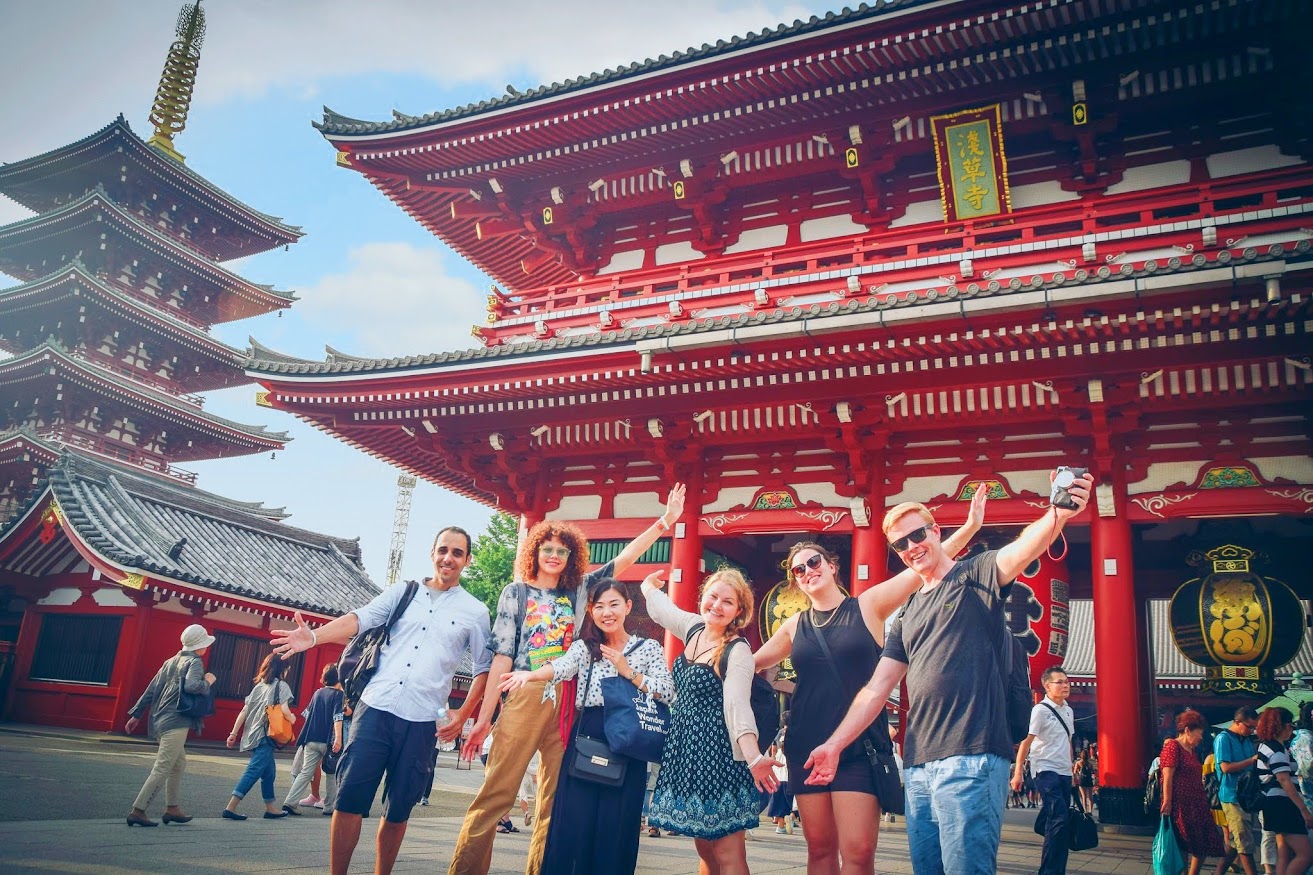
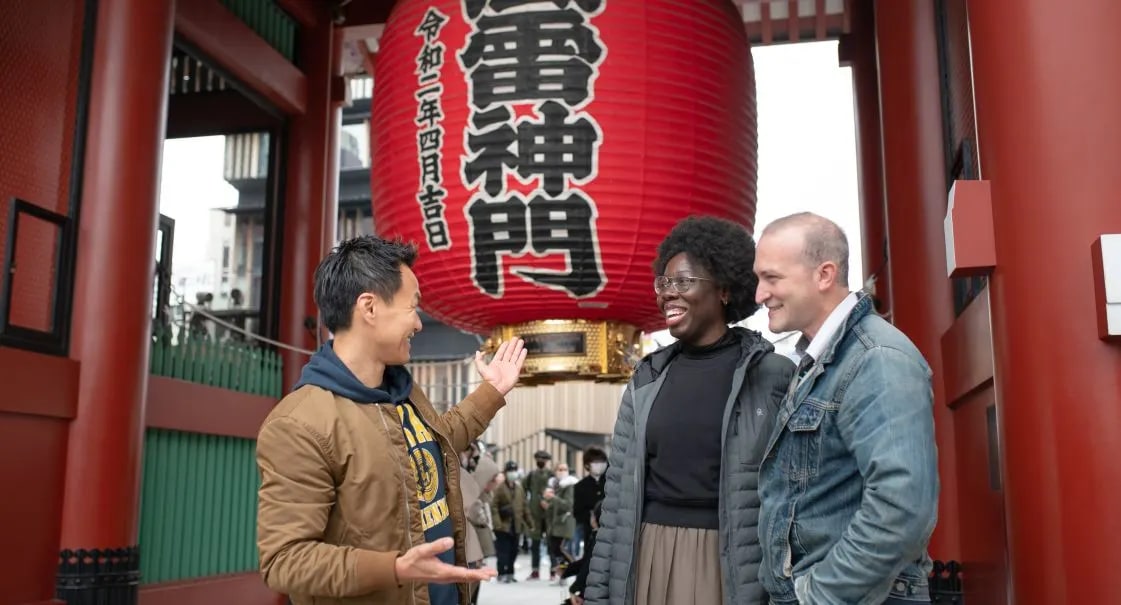
Asakusa (浅草) is the center of Tokyo's shitamachi (literally "low city"), one of Tokyo's districts, where an atmosphere of the Tokyo of past decades survives.
Asakusa's main attraction is Sensoji, a very popular Buddhist temple, built in the 7th century. The temple is approached via the Nakamise, a shopping street that has been providing temple visitors with a variety of traditional, local snacks and tourist souvenirs for centuries.
2
Stop 2
This tour does not include access to the inside of the Imperial Palace**
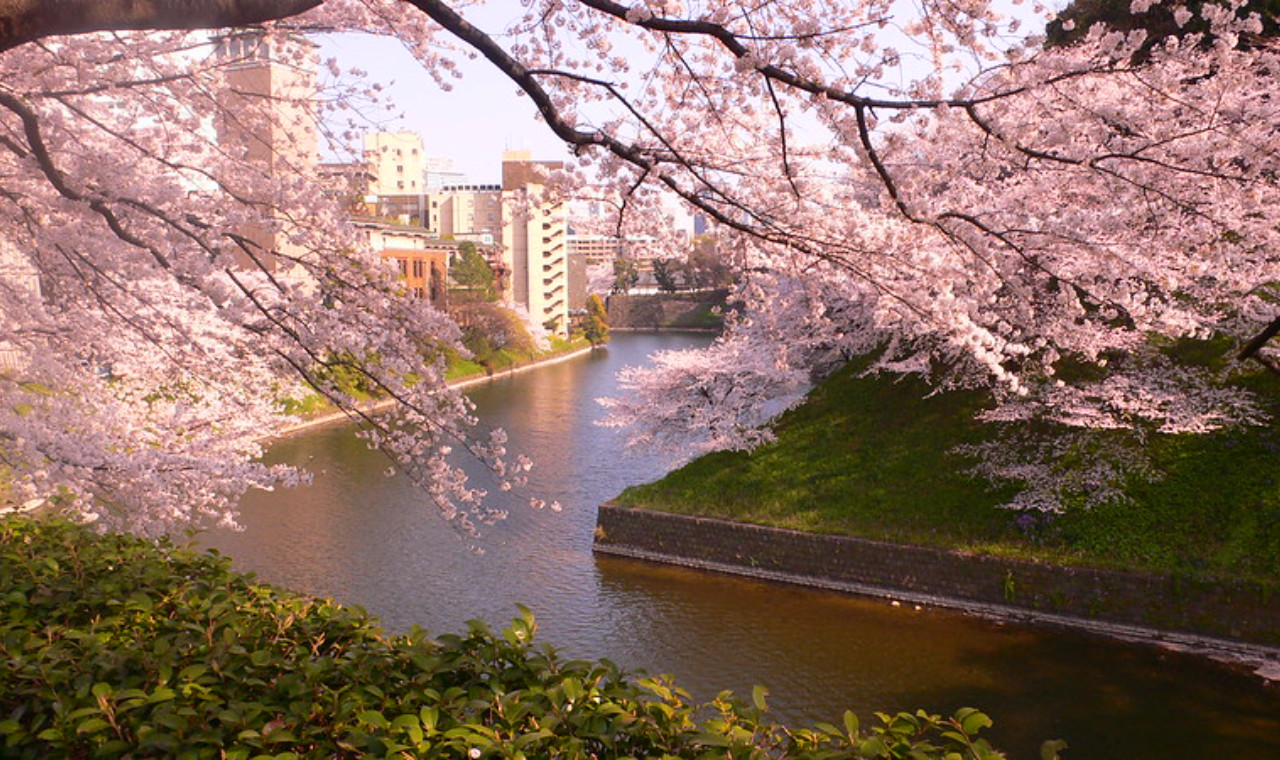
The current Imperial Palace is located on the former site of Edo Castle, a large park area surrounded by moats and massive stone walls in the center of Tokyo, a short walk from Tokyo Station. It is the residence of Japan's Imperial Family.
Edo Castle used to be the seat of the Tokugawa shogun who ruled Japan from 1603 until 1867. In 1868, the shogunate was overthrown, and the country's capital and imperial residence were moved from Kyoto to Tokyo. In 1888 construction of a new Imperial Palace was completed. The palace was once destroyed during World War Two, and rebuilt in the same style, afterwards.
3
Stop 3
Pass by
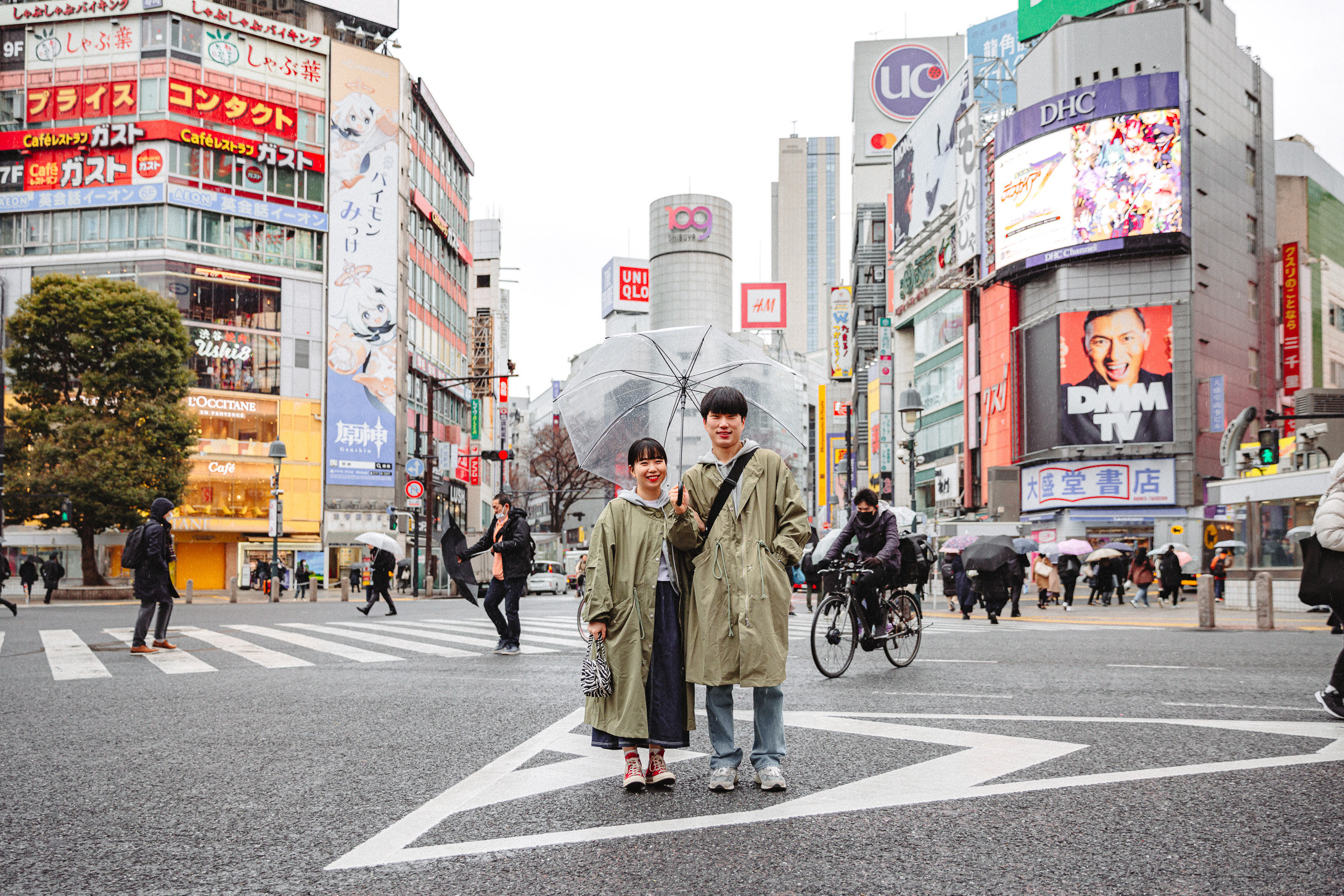
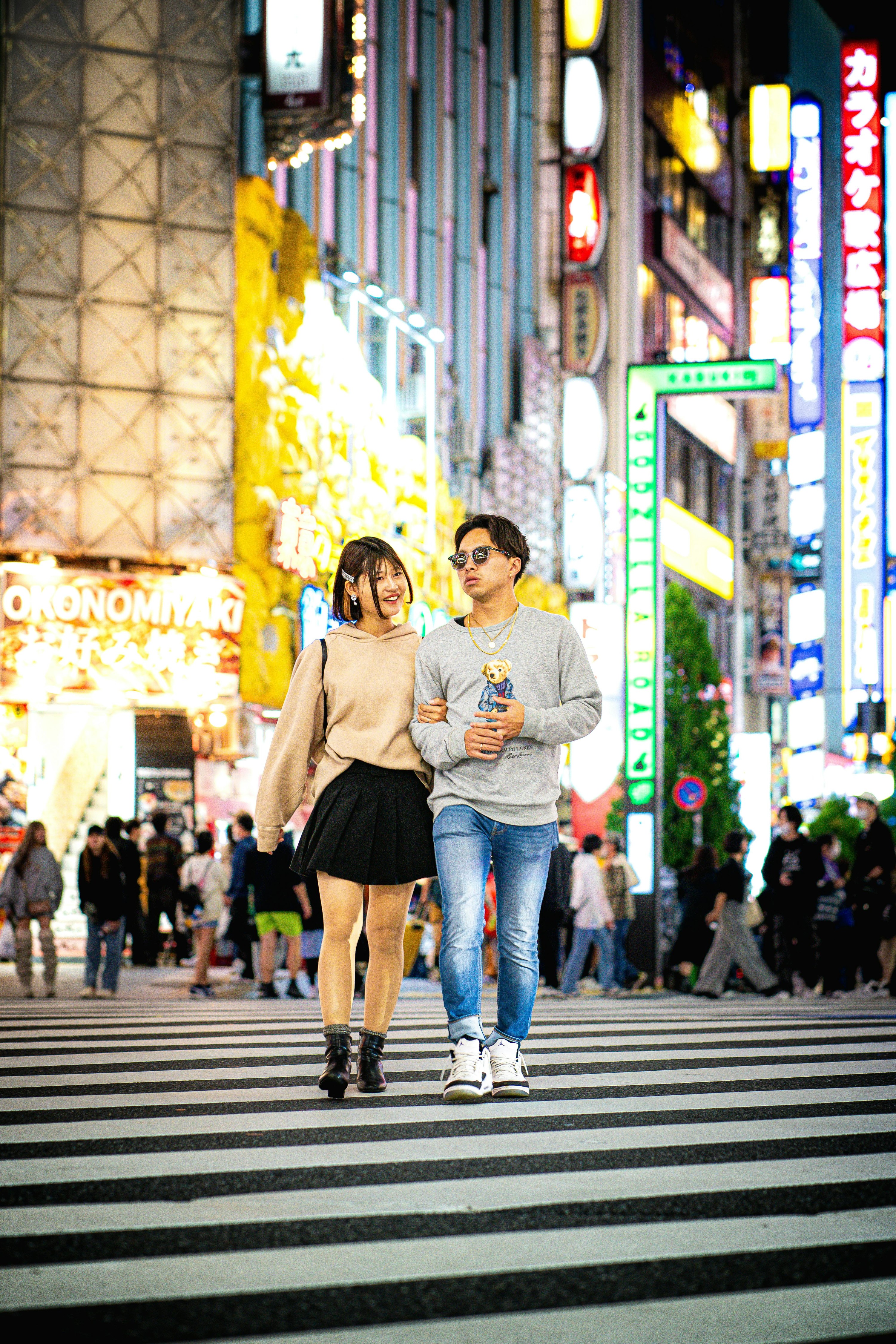
Said to be the busiest crossing in the world, Shibuya Scramble is a marvel of modern cities. You can also visit the loyal Hachiko dog statue here!
4
Stop 4
Explore the old fish market in Tokyo!
5
Stop 5
Meiji Shrine (明治神宮, Meiji Jingū) is a shrine dedicated to the deified spirits of Emperor Meiji and his consort, Empress Shoken. Located just beside the JR Yamanote Line's busy Harajuku Station, Meiji Shrine and the adjacent Yoyogi Park make up a large forested area within the densely built-up city. The spacious shrine grounds offer walking paths that are great for a relaxing stroll.
The shrine was completed and dedicated to the Emperor Meiji and the Empress Shoken in 1920, eight years after the passing of the emperor and six years after the passing of the empress. The shrine was destroyed during the Second World War but was rebuilt shortly thereafter.
6
Stop 6
Akihabara (秋葉原), also called Akiba after a former local shrine, is a district in central Tokyo that is famous for its many electronics shops. In more recent years, Akihabara has gained recognition as the center of Japan's otaku (diehard fan) culture, and many shops and establishments devoted to anime and manga are now dispersed among the electronic stores in the district. On Sundays, Chuo Dori, the main street through the district, is closed to car traffic from 13:00 to 18:00 (until 17:00 from October through March).
7
Koishikawa Korakuen (小石川後楽園, Koishikawa Kōrakuen) is one of Tokyo's oldest and best Japanese gardens. It was built in the early Edo Period (1600-1867) at the Tokyo residence of the Mito branch of the ruling Tokugawa family. Like its namesake in Okayama, the garden was named Korakuen after a poem encouraging a ruler to enjoy pleasure only after achieving happiness for his people. Koishikawa is the district in which the garden is located in.
8
Stop 8
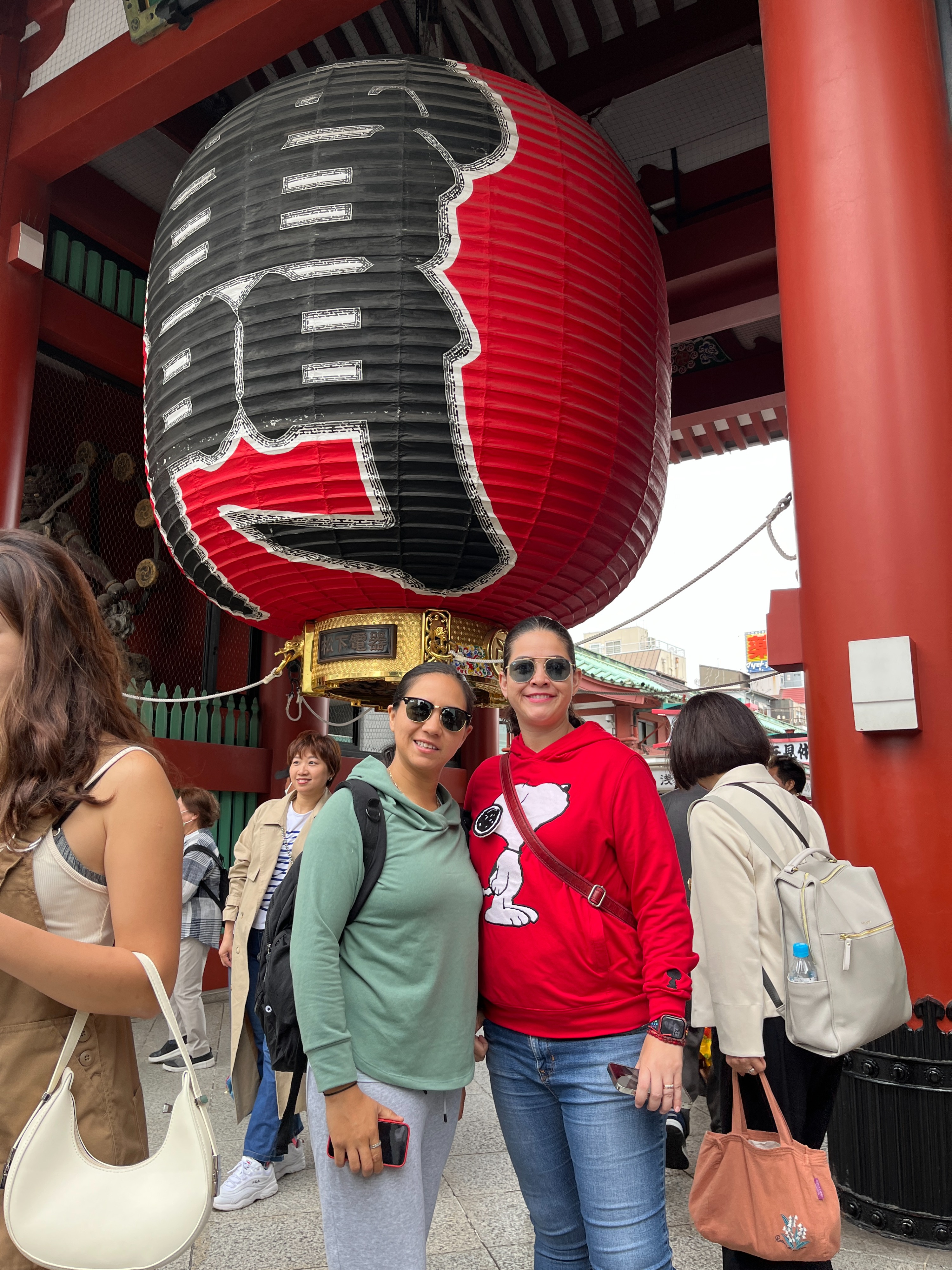
Sensoji (浅草寺, Sensōji, also known as Asakusa Kannon Temple) is a Buddhist temple located in Asakusa. It is one of Tokyo's most colorful and popular temples.
The legend says that in the year 628, two brothers fished a statue of Kannon, the goddess of mercy, out of the Sumida River, and even though they put the statue back into the river, it always returned to them. Consequently, Sensoji was built nearby for the goddess of Kannon. The temple was completed in 645, making it Tokyo's oldest temple.
9
Stop 9
Yoyogi Park (代々木公園, Yoyogi Kōen) is one of Tokyo's largest city parks, featuring wide lawns, ponds and forested areas. It is a great place for jogging, picnicking and other outdoor activities.
Although Yoyogi Park has relatively few cherry trees compared to other sites in Tokyo, it makes for a nice cherry blossom viewing spot in spring. Furthermore, it is known for its ginko tree forest, which turns intensely golden in autumn.
10
Stop 10
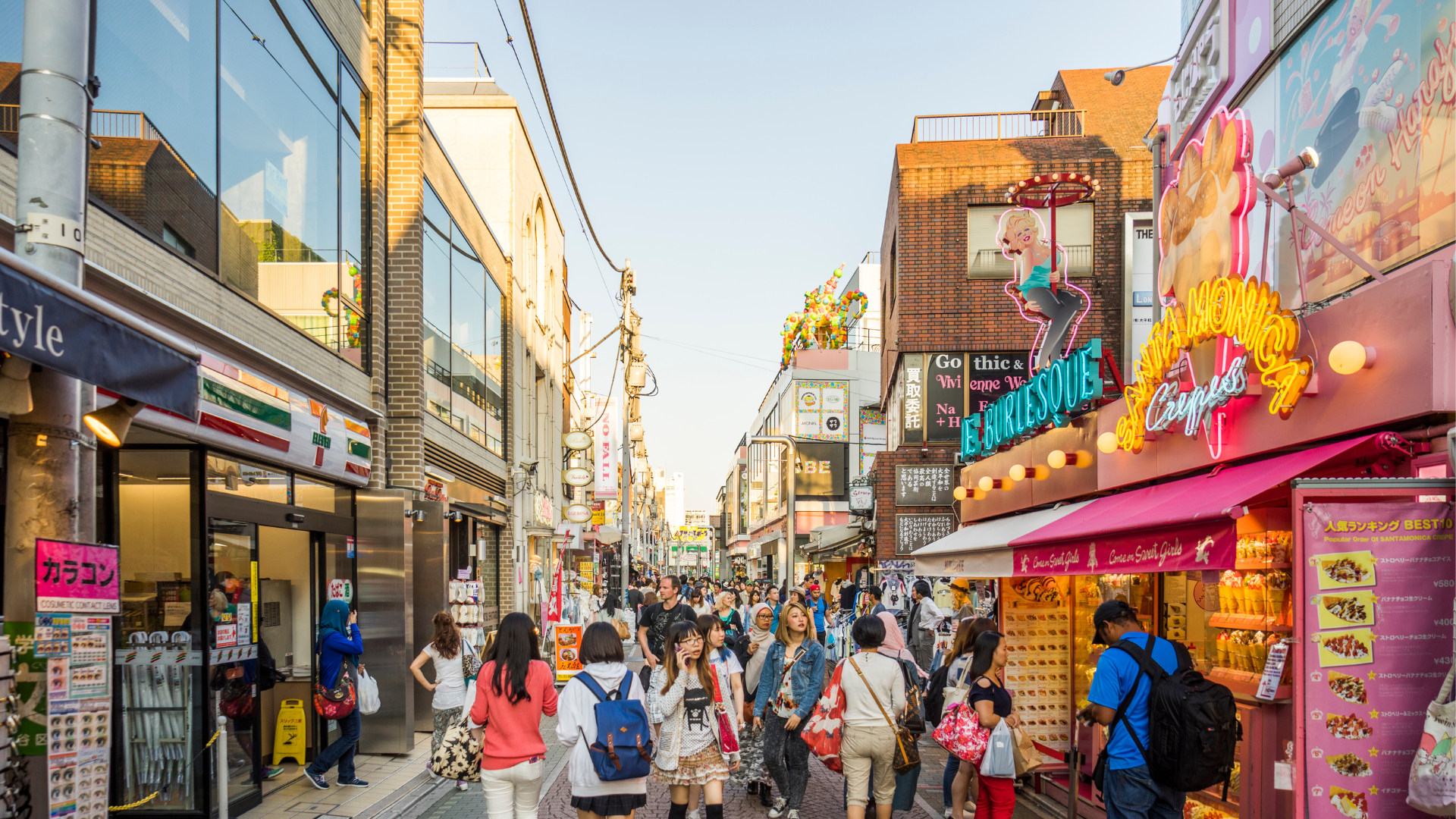
Harajuku (原宿) refers to the area around Tokyo's Harajuku Station, which is between Shinjuku and Shibuya on the Yamanote Line. It is the center of Japan's most extreme teenage cultures and fashion styles, but also offers shopping for adults and some historic sights.
The focal point of Harajuku's teenage culture is Takeshita Dori (Takeshita Street) and its side streets, which are lined by many trendy shops, fashion boutiques, used clothes stores, crepe stands and fast food outlets geared towards the fashion and trend conscious teens.
11
Stop 11
Odaiba (お台場) is a popular shopping and entertainment district on a man made island in Tokyo Bay. It originated as a set of small man made fort islands (daiba literally means "fort"), which were built towards the end of the Edo Period (1603-1868) to protect Tokyo against possible attacks from the sea and specifically in response to the gunboat diplomacy of Commodore Perry.
More than a century later, the small islands were joined into larger islands by massive landfills, and Tokyo began a spectacular development project aimed to turn the islands into a futuristic residential and business district during the extravagant 1980s. But development was critically slowed after the burst of the "bubble economy" in the early 1990s, leaving Odaiba nearly vacant.
12
Stop 12
Shibamata (柴又) is a neighborhood on the eastern end of Tokyo, not far from the Edogawa River which is the natural border between Tokyo and Chiba Prefecture. The town retains its old-school charm from yesteryear and is a perfect break away from modern Tokyo. One of the main attractions to see is the Shibamata Taishakuten Temple not far from the station.
13
Having miraculously avoided major damage during world wars and natural disasters, Yanaka and Nezu—two of the neighborhoods that make up shitamachi, Tokyo's old downtown—retain their last-century charm. You'll find historical sites such as Yanaka Cemetery and Nezu Shrine tucked away among shitamachi's narrow back alleys, traditional wooden houses, izakaya pubs, atmospheric coffee shops and retro stores selling old-style sweets and snacks. Here you can slip back in time to a slower-paced, more genteel Tokyo.
14
Stop 14
Golden Gai is said to have started around 1950 when the black market that had arisen in front of Shinjuku Station moved and, in this new area, a number of eating and drinking establishments set up shop. Although Shinjuku has undergone considerable modernization since then, Golden Gai seems to have remained largely unchanged.
The alley is narrow and cramped with countless signs advertising the various establishments that line the way. Many of the buildings themselves are made of wood, remnants hanging on from the Showa Era. Most measure only around thirteen square meters (one hundred forty-two square feet). It's a dim, boisterous place filled with the aromatic smoke of grilling meats. Yet despite the nearly endless number of slick new restaurants available in Shinjuku, this little alley continues to draw the attention of foreign tourists. Golden Gai is a popular “un-touristy” tourist spot.
15
Stop 15
Only up to the main deck, top deck is not included**
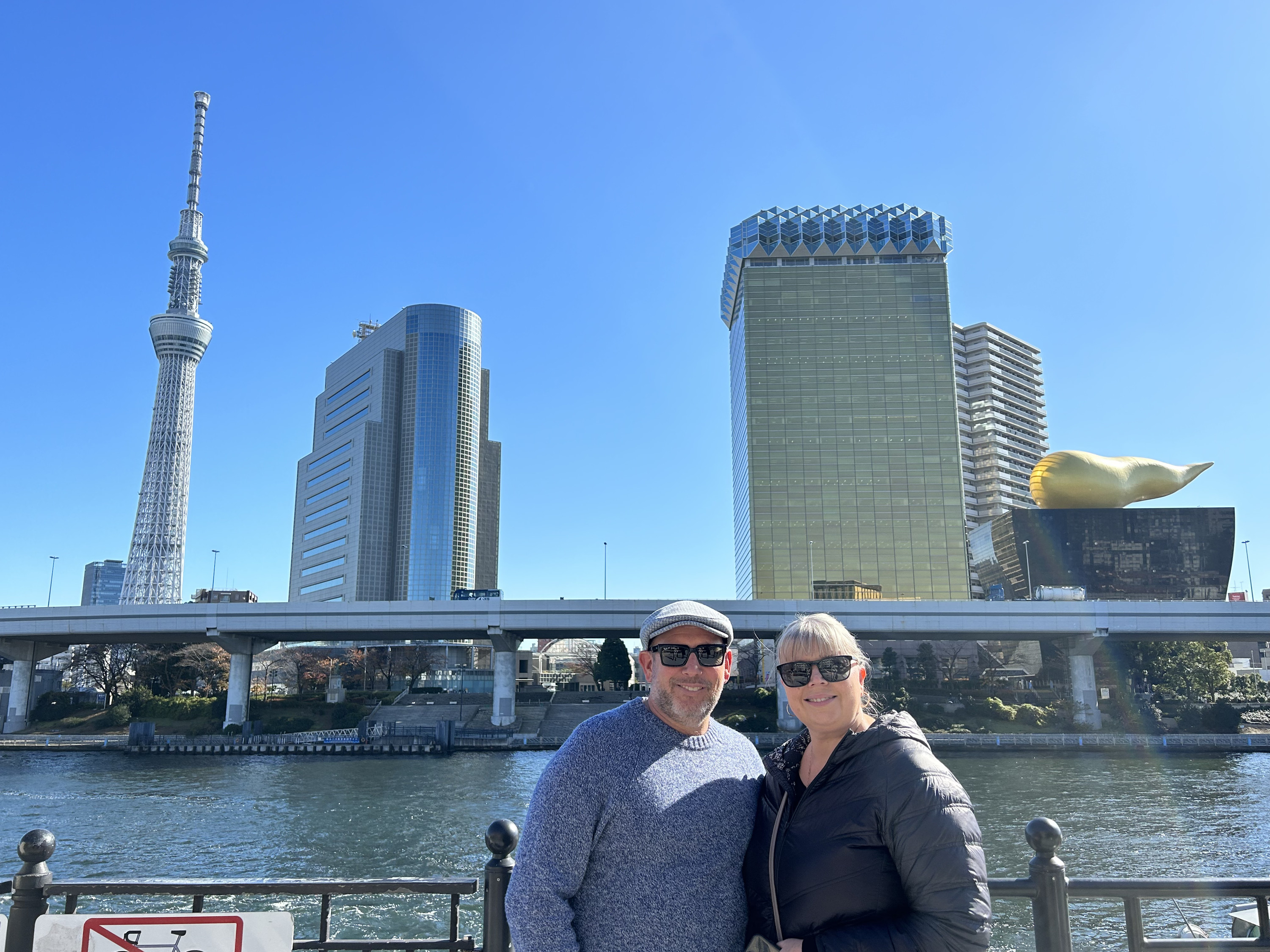
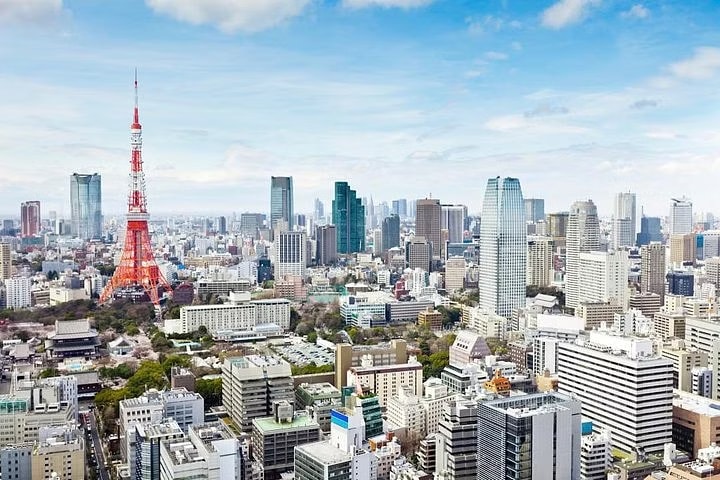
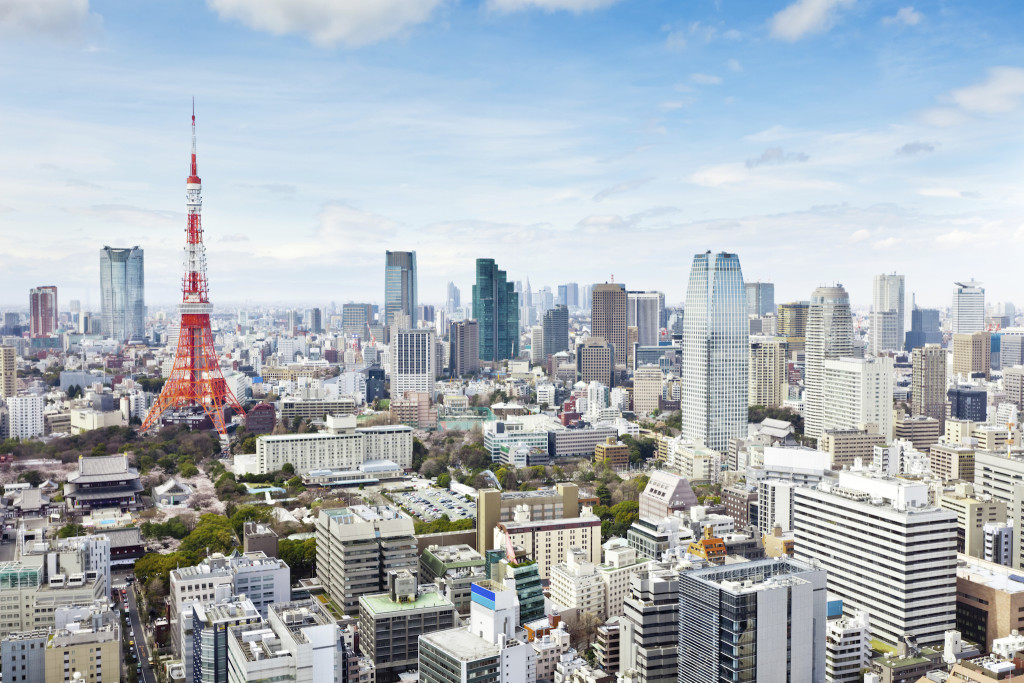
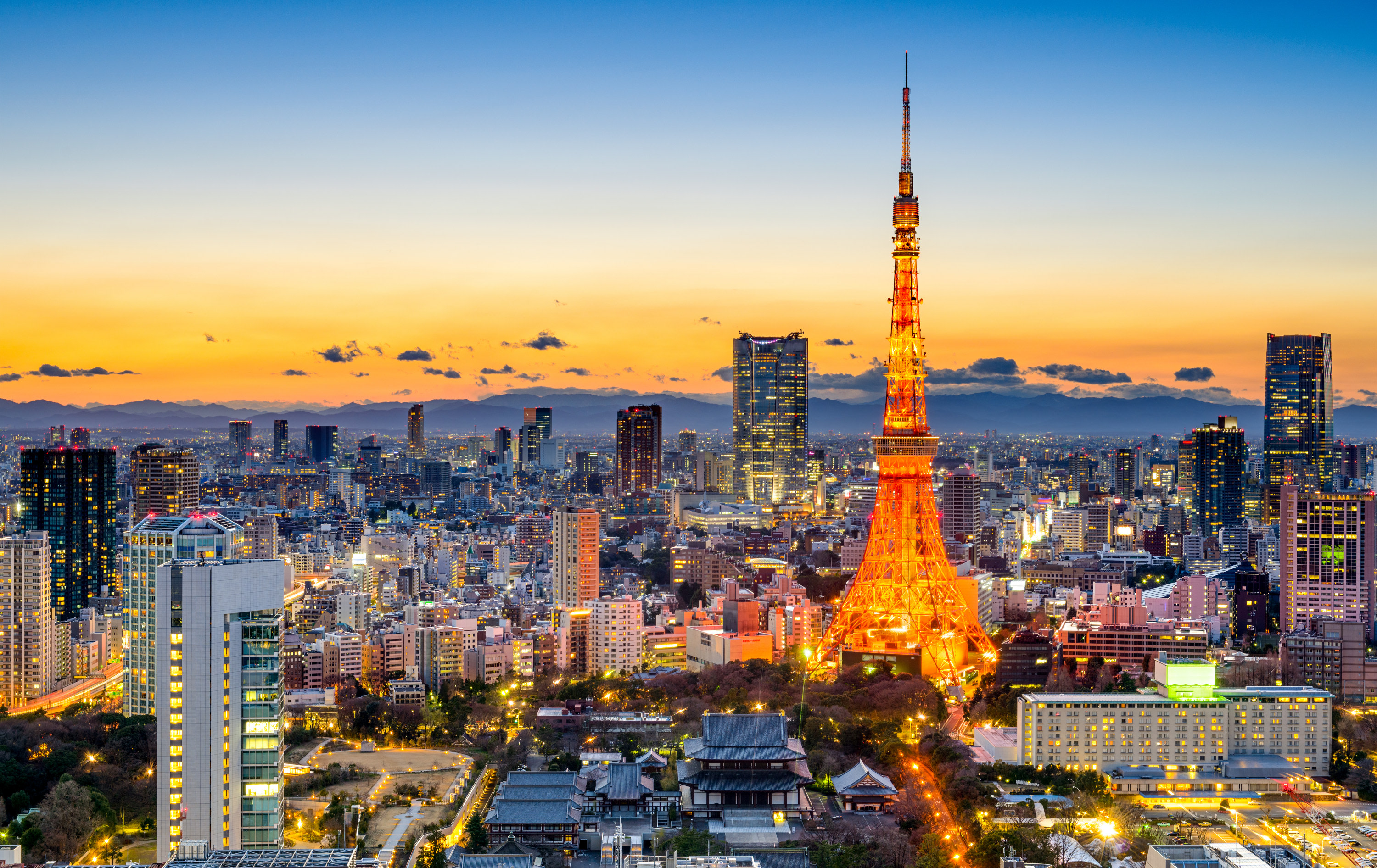
The retro cute version of Tokyo Sky tree! This vermillion tower has been a symbol of Tokyo for a generation and can be seen in the background of many famous animes!
16
Stop 16
Gotokuji Temple, located in the Setagaya ward of Tokyo, is a Buddhist temple that is said to be the birthplace of the maneki-neko, or “luck-inviting cat figurine.”
These small statues, which portray a cat sitting up and beckoning with its front paw, have become quite popular all over the world with cat-lovers.
17
Stop 17
Ueno Park About half a dozen museums, a zoo, a Toshogu Shrine and the Shinobazu Pond are just some of Ueno Park's attractions. Ueno Park is also Tokyo's most notorious cherry blossom party spot.
What's not included
Private Vehicle
Meals & Drinks (for you & guide)
All Transport Fares (for you & guide)
Optional, additional fee applies
Personal expenses
Available languages
Guide guide
JA
EN
Written guide
JA
EN
Reviews breakdown
Tripadvisor
5.0
63 reviews
5★
63
4★
0
3★
0
2★
0
1★
0
Important information
Wheelchair accessible
Infants and small children can ride in a pram or stroller
Service animals allowed
Public transportation options are available nearby
Specialized infant seats are available
Transportation options are wheelchair accessible
All areas and surfaces are wheelchair accessible
Suitable for all physical fitness levels
Please be sure to submit any special requests in advance.
About Asakusa
Asakusa is one of Tokyo's most colorful and traditional districts, famous for its historic temples, vibrant streets, and rich cultural heritage. This area offers a glimpse into old Edo-era Tokyo, making it a must-visit for those seeking authentic Japanese experiences.
Top Attractions
Senso-ji Temple
Senso-ji is Tokyo's oldest temple and one of its most significant. The temple complex includes the main hall, a five-story pagoda, and various shops and stalls.
Historical/Religious
1-2 hours
Free (donations welcome)
Tokyo Skytree
Tokyo Skytree is the tallest tower in Japan and offers breathtaking views of the city from its observation decks.
Architecture/Observation Deck
2-3 hours
¥2,100-¥3,100 (depending on the deck)
Sumida River Cruise
A relaxing cruise along the Sumida River offers stunning views of Tokyo's skyline, including the Tokyo Skytree and Rainbow Bridge.
Scenic/Boat Tour
1 hour
¥1,000-¥1,500 (depending on the route)
Edo-Tokyo Museum
This museum showcases the history and culture of Edo-era Tokyo through life-sized replicas, artifacts, and interactive exhibits.
Museum
1-2 hours
¥600 (adults), ¥300 (children)
Must-Try Local Dishes
Tempura
Deep-fried seafood and vegetables, often served with dipping sauce.
Main Dish
Contains gluten (soy sauce in the dipping sauce).
Unagi (Grilled Eel)
Grilled eel glazed with a sweet soy-based sauce, served over rice.
Main Dish
Contains fish and soy.
Melon Pan
A sweet bread roll with a crispy cookie-like crust, resembling a melon.
Dessert
Contains wheat and dairy.
Popular Activities
Hiking in nearby mountains
Sumo wrestling matches in Ryogoku
Onsen (hot spring) visits
Sumida River Cruise
Temple and shrine visits
Traditional tea ceremonies
Boat tours on Sumida River
Swimming at nearby beaches
Best Time to Visit
Spring (March to May) and Autumn (September to November)
Spring offers cherry blossoms and pleasant weather, while autumn provides comfortable temperatures and beautiful fall foliage. These seasons are ideal for outdoor activities and sightseeing.
15-25°C
59-77°F
Practical Information
Language
- Official: Japanese
- Widely spoken: English, Chinese, Korean
- English: Moderately spoken in tourist areas, limited elsewhere
Currency
Japanese Yen (JPY)
Time Zone
Japan Standard Time (JST, GMT+9)
Electricity
100VV, 50/60HzHz
Safety Information
Overall Safety Rating: Very safe
Asakusa is generally very safe, with low crime rates and a strong police presence. However, as with any tourist destination, it's important to be aware of your surroundings and take precautions to protect your belongings.
Important Precautions:
- • Keep valuables secure and out of sight.
- • Use official taxis or ride-hailing services.
- • Be cautious when using ATMs, and avoid carrying large amounts of cash.
Getting there
By air
- Narita International Airport • 60 km from Asakusa
- Haneda Airport • 20 km from Asakusa
By train
Asakusa Station
By bus
Tokyo Station, Shinjuku Station, Ueno Station
Getting around
Public transport
The subway system is efficient, clean, and covers most of Tokyo. Asakusa Station is a major hub.
Taxis
Available • Apps: DiDi, JapanTaxi
Rentals
Car, Bike, Scooter
Neighborhoods
Asakusa
Sumida
Ueno
Day trips
Nikko
120 km from Tokyo • Full day
Nikko is a UNESCO World Heritage site known for its stunning shrines, temples, and natural beauty. The area offers a mix of cultural and outdoor activities.
Kamakura
50 km from Tokyo • Full day
Kamakura is a historic city known for its temples, shrines, and the Great Buddha statue. It offers a mix of cultural and outdoor activities.
Hakone
80 km from Tokyo • Full day or overnight
Hakone is a popular onsen (hot spring) town known for its scenic views, hot springs, and cultural attractions. It offers a mix of relaxation and outdoor activities.
Festivals
Sanja Matsuri • Third weekend of May
Asakusa Shinto Festival • Mid-June
Pro tips
- Visit Senso-ji Temple early in the morning or late in the afternoon to avoid crowds and enjoy a more peaceful experience.
- Try traditional snacks and sweets at the stalls along Nakamise Shopping Street, such as senbei (rice crackers) and ningyo-yaki (sweet bean paste cakes).
- Take a Sumida River Cruise for stunning views of Tokyo's skyline, including the Tokyo Skytree and Rainbow Bridge.
- Explore the lesser-known temples and shrines in Asakusa, such as Asakusa Shrine and Tokyo Daijingu, for a more authentic and less crowded experience.
- Experience a traditional tea ceremony to learn about the art and history of matcha (green tea) preparation.
From $25
per person
Price varies by option
Secure booking
Free cancellation available
Instant confirmation