Historical Sightseeing Tour in Phnom Penh
Active
3h
For a full refund, cancel at least 24 hours before the scheduled departure time.
Instant confirmation
Mobile or paper ticket accepted
About this experience
What sets my tour apart?
My tour goes beyond typical sightseeing by combining Phnom Penh’s landmarks with hidden gems, offering travelers a deeper understanding of Cambodia’s history, culture, and daily life. From the Independence Monument and King Norodom Sihanouk Statue to the Royal Palace (exterior view) and National Museum, I share stories of Cambodia’s journey—from independence in 1953 to peace in 1993 and the nation’s growth today.
What makes this tour unique is the personal storytelling of a licensed local guide, enriched with visits to a Buddhist monastery, lively alleyways, and vibrant markets like the Central Market and Night Market. Travelers not only see the sights but also experience the city’s resilience, spirituality, and modern vibrancy.
Available options
Phnom Penh Highlights Walk
History & Culture Walk: Phnom Penh Hidden Gems: A Guided Walking Tour of History, Art, Markets & Local Life.<br/>Duration: 3 hours<br/>History & Culture Walk: Pagoda, Independent, king statue, Cambodia-Vietnam Monument, Street Art, Royal Palace Park, Street Food, Market....<br/>Walking Tour : Walking Tour
Visit temples, monuments, street art, the Royal Palace Park, local markets, and taste authentic street food.<br/>Pickup included
Historical Sightseeing Tour in Phnom Penh
What's included
Entrance fee
Detailed itinerary
1
Hidden Local Temple – Begin your journey at the meeting point: Wat Langka Preah Kossamaram, Samdach Louis Em, Phnom Penh, where you’ll meet your local licensed guide. From there, we’ll walk together to a tranquil hidden temple, rarely visited by tourists, adorned with golden stupas and vibrant murals illustrating stories from the life and teachings of the Buddha.
As we explore, I’ll share insights into the monks’ daily rituals, the temple’s historical significance, and its role in the local community. This hidden gem offers a peaceful introduction to Cambodian spirituality and a more intimate understanding of Buddhist traditions before continuing on to the rest of the itinerary.
2
Stop 2
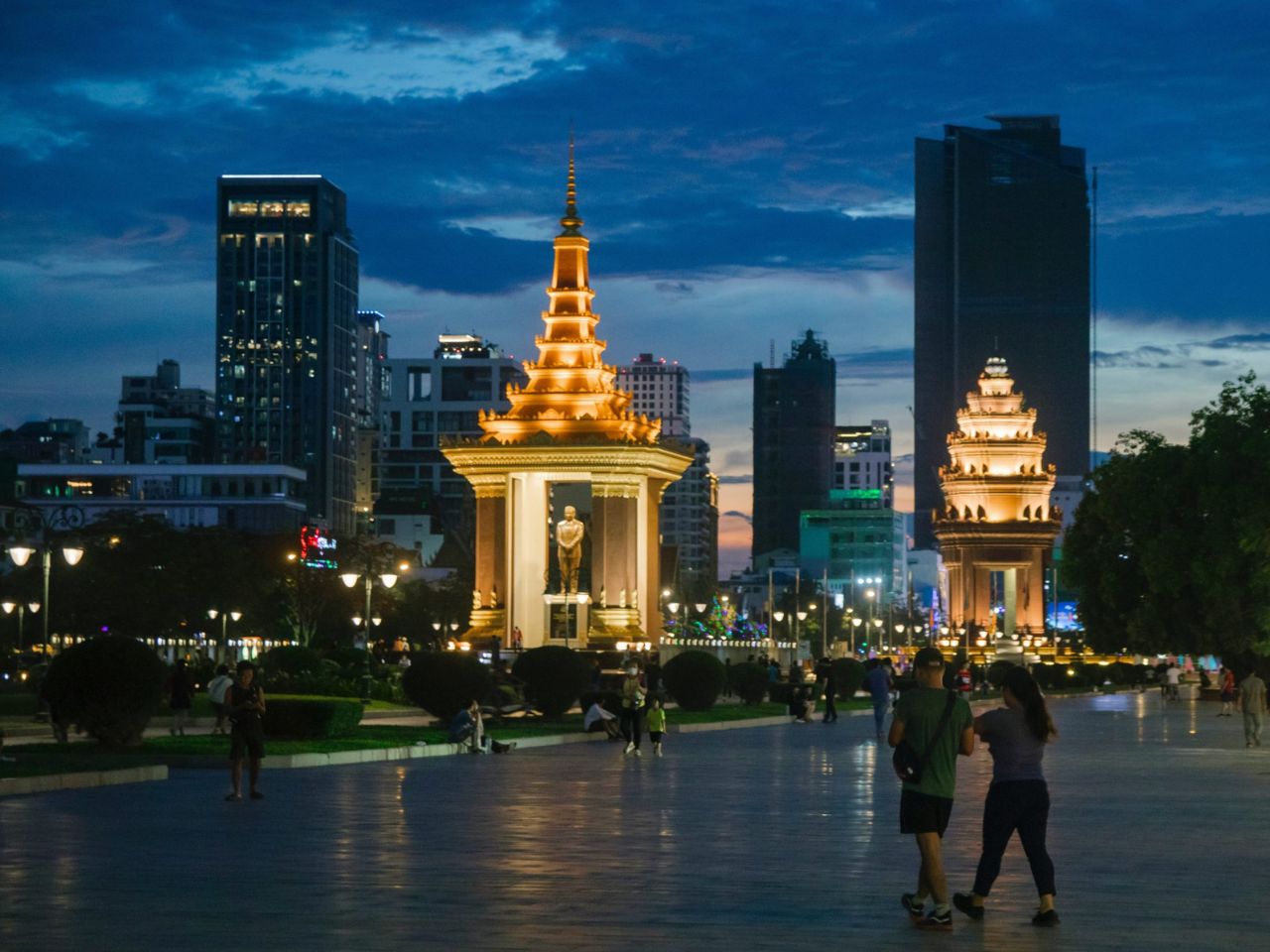
Independence Monument & National Park – Visit one of Phnom Penh’s most iconic landmarks, built in 1958 to celebrate Cambodia’s independence from French colonial rule in 1953. Designed in the form of a lotus-shaped stupa, the monument is richly decorated with traditional Khmer motifs and stands as a proud symbol of freedom and national identity. It remains a central site for official ceremonies and national events, especially on Independence Day (November 9).
The surrounding park offers a peaceful green space where locals gather to walk, relax, and enjoy the city’s vibrant atmosphere. Here, I will share in detail the story of how Cambodia achieved independence from France, the challenges the country faced in the decades that followed, and the journey through war, occupation, and transition that ultimately led to peace and democracy in 1993.
3
King Norodom Sihanouk Statue – Pay tribute to Cambodia’s most beloved leader, King Norodom Sihanouk, whose vision and determination played a crucial role in securing independence from France in 1953. Often referred to as the “Father of Independence,” he was not only a monarch but also a political figure, filmmaker, and cultural icon who shaped Cambodia’s modern identity.
At this statue, I will share stories about his leadership during the struggle for independence, his efforts to modernize Cambodia, and the challenges he faced during times of war and political upheaval. His legacy is complex yet deeply respected, as he guided the nation through some of its most difficult periods, including exile and return, always remaining a symbol of unity for the Cambodian people. Today, the statue stands as a monument to his enduring influence and the affection the nation still holds for him.
4
Stop 4
Cambodia–Vietnam Friendship Monument – Built in the late 1970s after the fall of the Khmer Rouge, this monument honors the Vietnamese soldiers who helped liberate Phnom Penh in 1979. The statues of soldiers alongside a Cambodian woman and child symbolize protection, gratitude, and peace. Here, I’ll explain the complex history of Cambodia’s relationship with Vietnam—marked by both cooperation and tension—that continues to shape the nation today.
5
Buddhist Monastery (Pagoda) – Step into the calm surroundings of an active monastery, where saffron-robed monks live, study, and perform daily rituals such as chanting and meditation. I’ll explain how Buddhism guides Cambodian culture, from spiritual practices and festivals to values that shape everyday life. Pagodas are not only places of worship but also centers of education and community, making them an essential part of Cambodia’s heritage and identity. Here, I will also share how Cambodia has been developing from 1993 until today, showing the country’s journey of recovery, growth, and resilience after decades of conflict.
6
Stop 6
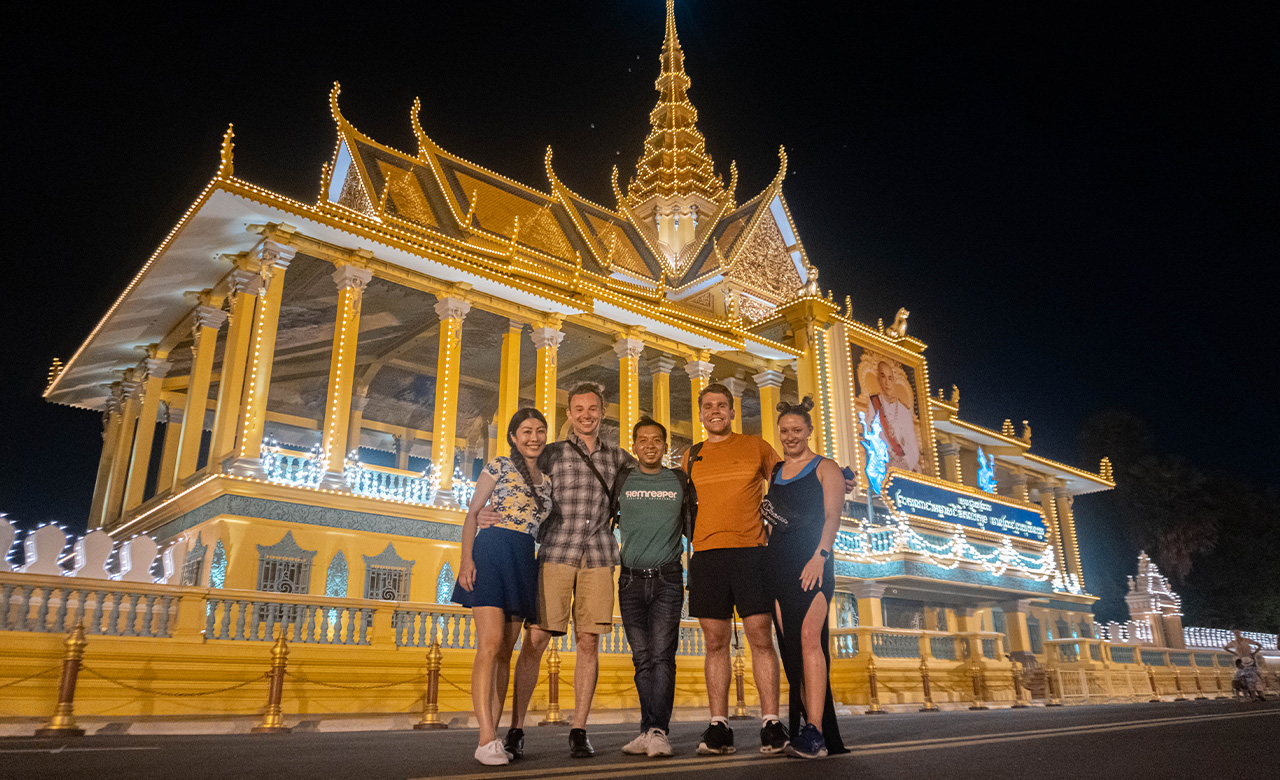
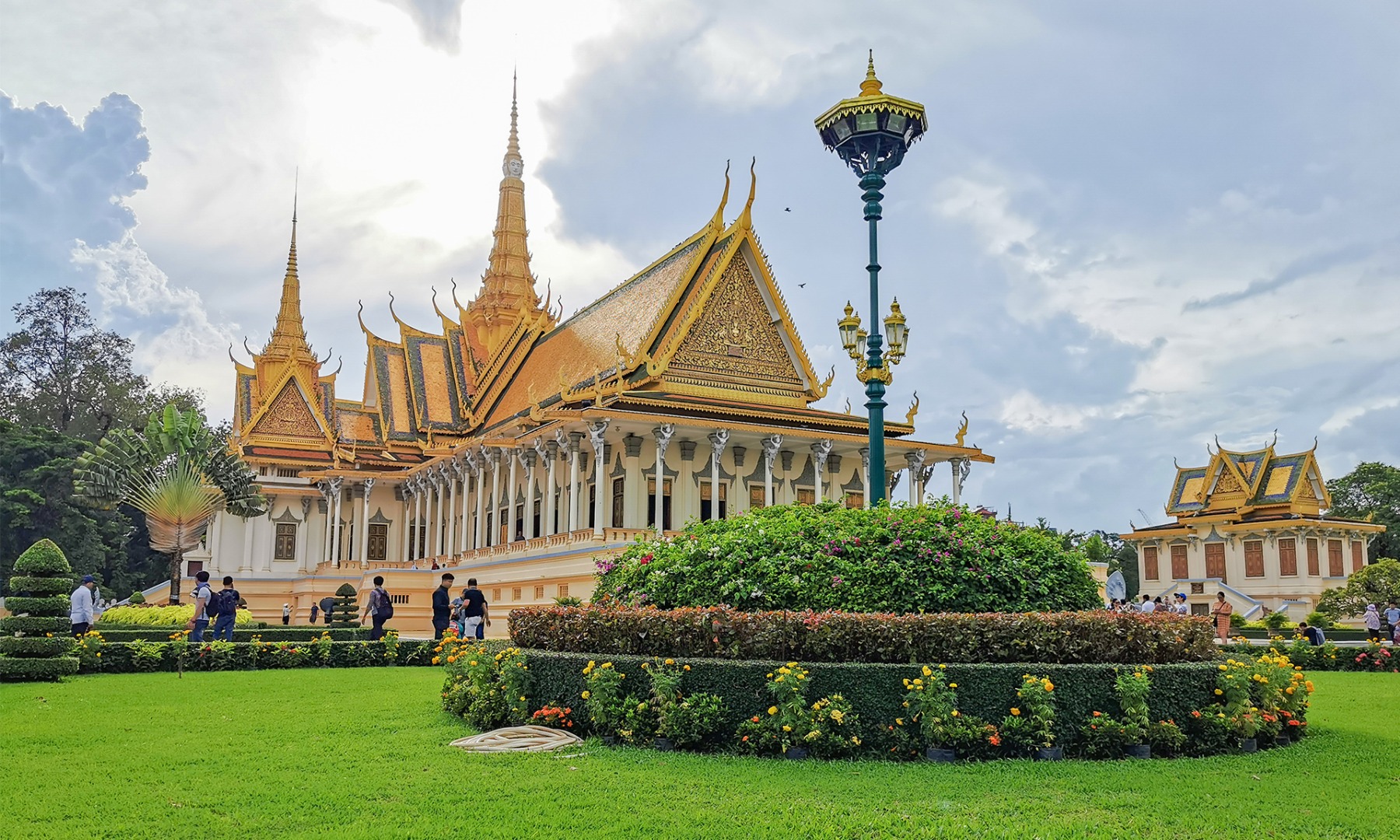
Royal Palace (Exterior View) – Admire the dazzling golden spires and elegant Khmer architecture of the Royal Palace, the official residence of Cambodia’s monarchy since it was constructed in the 19th century during the French colonial era. From outside the gates, I will explain the palace’s role as the center of royal ceremonies, its connection to the Khmer kings, and its enduring importance as a symbol of Cambodian identity.
I will also share stories about the famous Silver Pagoda located within the complex, renowned for its floor inlaid with over 5,000 silver tiles and its sacred Buddha statues, including one made of emerald crystal. Although we will not enter the grounds, this stop offers a chance to appreciate the beauty of the palace’s architecture while learning about its cultural, historical, and political significance in shaping modern Cambodia.
7
National Museum of Cambodia (Exterior View) – Marvel at the elegant traditional Khmer architecture of the National Museum, built in 1920 during the French colonial era and designed to preserve Cambodia’s cultural heritage. Its red sandstone walls, graceful rooflines, and lotus-shaped spires make it one of Phnom Penh’s most beautiful landmarks.
While we won’t go inside, I will share the importance of the treasures it houses—thousands of Angkorian and pre-Angkorian artifacts, including sandstone sculptures of Hindu and Buddhist deities, bronzes, ceramics, and sacred relics. These collections tell the story of Cambodia’s spiritual beliefs, daily life, and the rise and fall of the Khmer Empire. From outside, you will still gain an appreciation of the museum’s role in safeguarding Cambodian identity and connecting the present to its ancient civilization.
8
Stop 8
Alley Walkway Experience – Step away from the busy main streets and wander through Phnom Penh’s hidden alleyways, where everyday life unfolds in a more intimate setting. Here, you’ll see locals preparing traditional dishes over small charcoal stoves, shopkeepers selling handmade goods, and families going about their daily routines. Colorful laundry hangs above, children play along the paths, and street art sometimes decorates the walls, giving the alleys a lively yet authentic charm.
As we explore, I will share stories about community life in these neighborhoods, how families have lived in these spaces for generations, and the ways tradition blends with modern city living. This walk offers a rare chance to witness Phnom Penh from a local perspective—vibrant, friendly, and full of character.
9
Stop 9
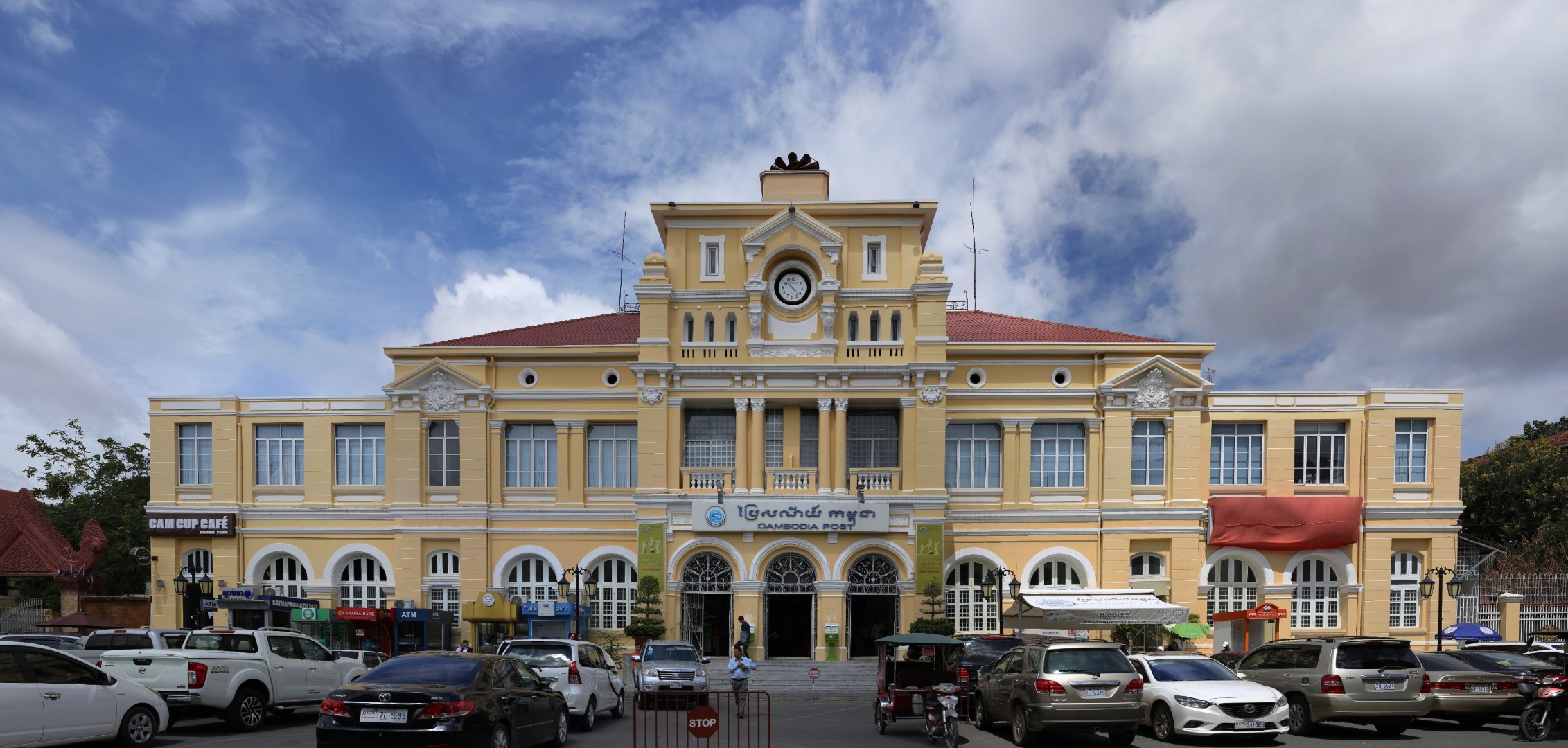
Central Market (Phsar Thmei) – Step inside Phnom Penh’s most iconic market, housed in a grand Art Deco building constructed in 1937 during the French colonial era. Its massive central dome and four extending wings make it one of the largest indoor markets in Asia, and its yellow façade has become a symbol of the city.
Inside, you’ll walk through lively stalls overflowing with goods—from glittering gold and silver jewelry to colorful textiles, handicrafts, antiques, spices, and souvenirs. The bustling atmosphere captures the energy of Phnom Penh’s daily commerce, where locals and visitors bargain side by side. I’ll share the story of how the market became a hub of trade and culture, as well as tips on how to explore like a local. This stop offers not only a shopping experience but also an authentic glimpse into the vibrant heartbeat of the city.
10
Phnom Penh Night Market (Phsar Reatrey) – Located along the riverside and open every day, the Night Market is a lively hub of shopping, food, and local culture. Stroll through stalls selling clothes, handicrafts, and souvenirs, then taste Cambodian street food like grilled meats, noodles, and fresh fruit shakes. Families and friends gather on mats in the central area, creating a warm, social atmosphere that captures the spirit of Phnom Penh’s nightlife.
Available languages
Guide guide
TH
EN
Reviews breakdown
Viator
5.0
3 reviews
5★
3
4★
0
3★
0
2★
0
1★
0
Important information
Infants and small children can ride in a pram or stroller
Public transportation options are available nearby
Specialized infant seats are available
Not recommended for travelers with poor cardiovascular health
Suitable for all physical fitness levels
Meeting point
Pickup Details:
Meeting point is Wat Langka Preah Kossamaram, Samdach Louis Em, Phnom Penh, Cambodia. Please arrive 10–15 minutes before the tour starts, looking for the guide in uniform with a visible license badge.
About Phnom Penh
Phnom Penh, the vibrant capital of Cambodia, is a city rich in history, culture, and bustling markets. Known for its French colonial architecture, the Royal Palace, and the Tuol Sleng Genocide Museum, it offers a unique blend of the old and the new, making it a compelling destination for travelers.
Top Attractions
Royal Palace
The Royal Palace is the official residence of the King of Cambodia. It features beautiful Khmer architecture and is a must-visit for its historical significance and stunning design.
Historical/Architecture
1-2 hours
10 USD
Tuol Sleng Genocide Museum
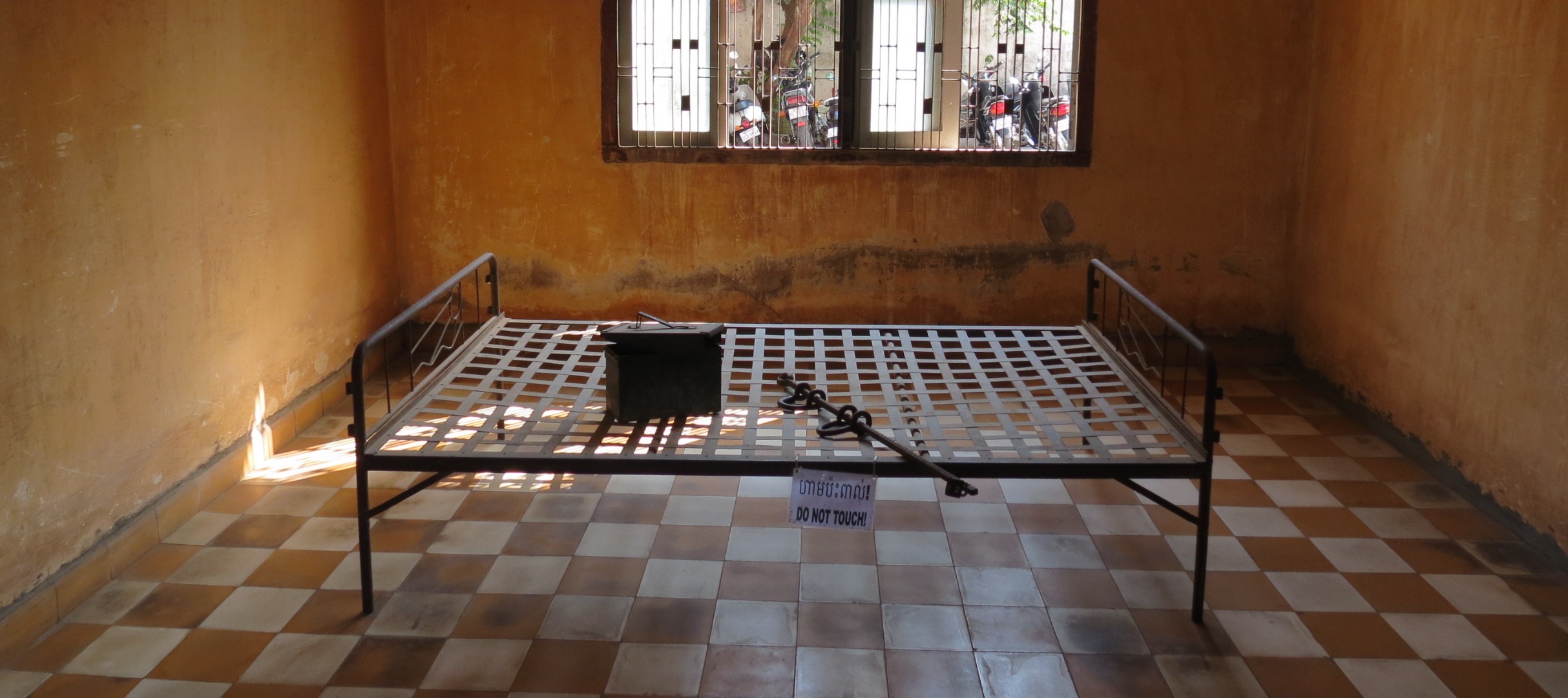
Also known as S-21, this museum is a former school turned into a prison and torture center by the Khmer Rouge. It serves as a stark reminder of Cambodia's dark past.
Historical
1-2 hours
5 USD
Central Market
Also known as Phsar Thmei, this market is a great place to shop for souvenirs, clothes, and local food. The Art Deco building is an architectural gem.
Market
1-2 hours
Free to enter, prices vary
Wat Phnom
This Buddhist temple is the namesake and heart of the city. It is believed to be the site where the first pagoda was built in Phnom Penh.
Religious
30 minutes
1 USD
National Museum of Cambodia
This museum houses a vast collection of Khmer artifacts, providing a deep dive into Cambodia's rich history and culture.
Museum
1-2 hours
10 USD
Must-Try Local Dishes
Amok
A creamy coconut curry with fish or chicken, steamed in banana leaves.
Main Dish
Can be made with fish or chicken, vegetarian options available.
Lok Lak
Stir-fried beef with onions and a tangy lime-pepper dipping sauce.
Main Dish
Typically made with beef, but can be made with other meats.
Nom Banh Chok
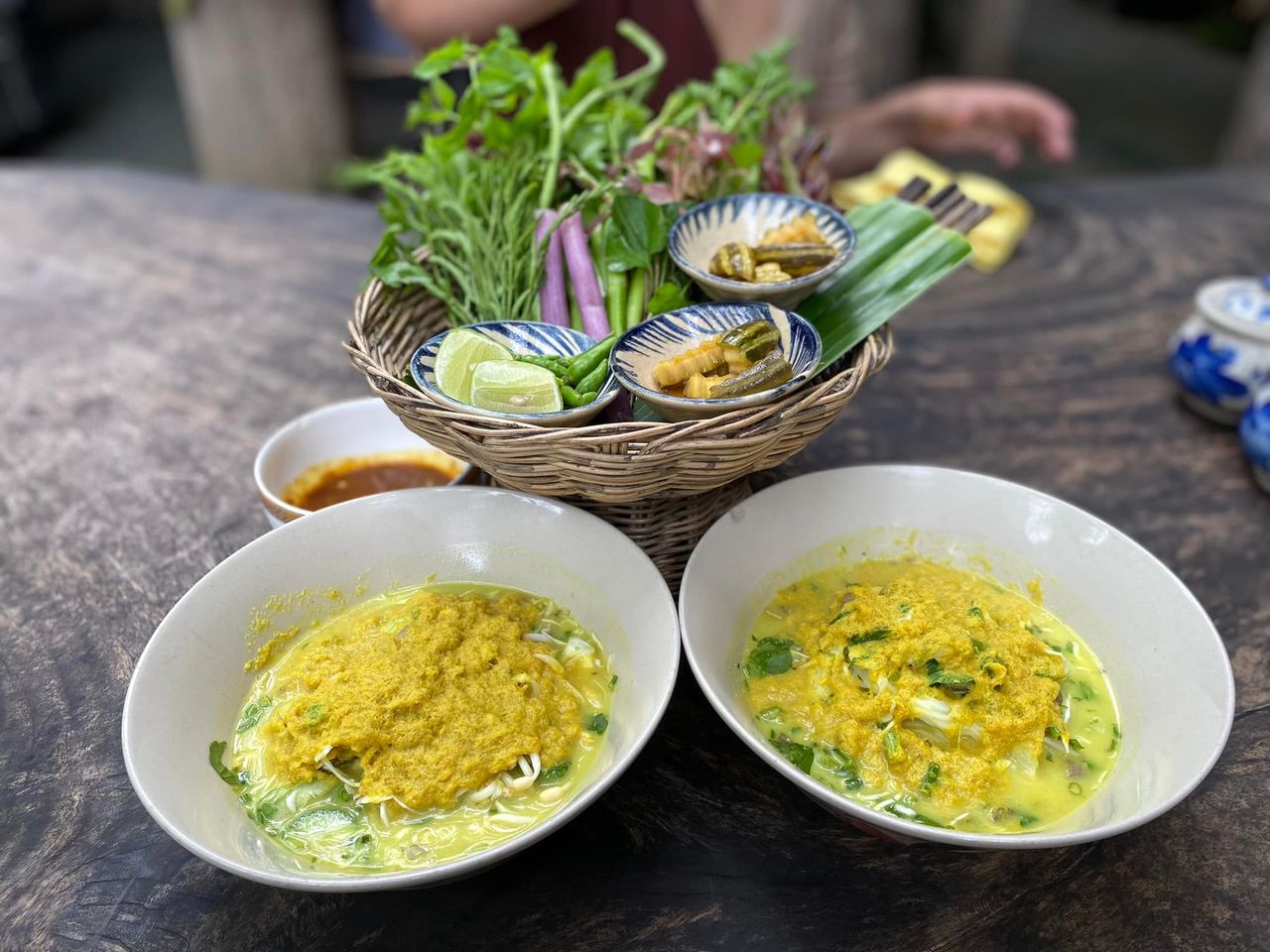
Rice noodles topped with a fish-based gravy and fresh herbs.
Breakfast
Vegetarian options available with tofu.
Bai Sach Chrouk
Grilled pork with broken rice and pickled vegetables.
Breakfast
Contains pork.
Popular Activities
Boat Tours
Biking
Hiking
Spa Treatments
Riverfront Promenade
Coffee Shops
Temple Visits
Museum Tours
Best Time to Visit
November to February
This is the dry season with pleasant weather, making it ideal for sightseeing and outdoor activities.
22°C - 32°C
72°F - 90°F
Practical Information
Language
- Official: Khmer
- Widely spoken: English, French
- English: Moderately spoken
Currency
Cambodian Riel (KHR)
Time Zone
GMT+7
Electricity
230VV, 50HzHz
Safety Information
Overall Safety Rating: Generally safe with common sense
Phnom Penh is generally safe for tourists, but petty crime and scams can occur. Be cautious, especially at night and in crowded areas.
Important Precautions:
- • Be cautious of tuk-tuk drivers offering tours or services, as they may overcharge or take you to overpriced shops
- • Use reputable tour operators and agree on prices beforehand
- • Keep valuables secure and be cautious of pickpockets in crowded areas
Getting there
By air
- Phnom Penh International Airport • 10 km from city center
By train
Phnom Penh Railway Station
By bus
Central Market Bus Station, Siem Reap Bus Station
Getting around
Public transport
Public buses are affordable but can be crowded and slow. Routes cover major areas of the city.
Taxis
Available • Apps: PassApp, Grab
Rentals
Car, Bike, Scooter
Neighborhoods
Riverside
BKK1
Russian Market (Psar Tuol Tom Poung)
Day trips
Tonlé Sap Lake
150 km from Phnom Penh • Full day
A large freshwater lake known for its floating villages and unique ecosystem.
Kampong Cham
120 km from Phnom Penh • Full day
A riverside town with a mix of French colonial architecture and traditional Khmer temples.
Koh Dach Island
15 km from Phnom Penh • Half day
A peaceful island known for its silk weaving and rural landscapes.
Festivals
Khmer New Year (Choul Chnam Thmey) • April 14-16
Water Festival (Bon Om Touk) • November (dates vary)
Pchum Ben • September/October (dates vary)
Pro tips
- Visit the Royal Palace and Silver Pagoda early in the morning to avoid crowds and heat
- Try local street food at the Central Market or Russian Market for an authentic experience
- Take a tuk-tuk tour of the city to see the major attractions in a short amount of time
- Visit the Tuol Sleng Genocide Museum for a sobering but important historical perspective
- Explore the riverside area for great dining and nightlife options
From $25
per person
Price varies by option
Secure booking
Free cancellation available
Instant confirmation