Normandy American D-Day Beaches Full Day Tour
Active
8h
For a full refund, cancel at least 24 hours before the scheduled departure time.
Instant confirmation
Mobile or paper ticket accepted
About this experience
Walk the sacred sands of Normandy, where American courage helped liberate a continent and preserve the ideals of freedom and democracy. It was here, on June 6, 1944, that young American soldiers—many barely out of high school—stormed the beaches under fire, answering the call of duty with unwavering resolve. Meet some of the last living heroes of World War II, whose sacrifices forged a turning point in history. Through their personal stories, bear witness to the extraordinary bravery, unity, and patriotism that defined a generation and defended the cause of liberty. This unforgettable journey offers a rare chance to honor their legacy—and to stand on the very ground where American resolve changed the world.
Available options
Normandy American D-Day Beaches Full Day Tour
What's included
Soda/Pop
WiFi on board
Bottled water
Gratuities
Coffee and/or Tea
Detailed itinerary
1
Stop 1
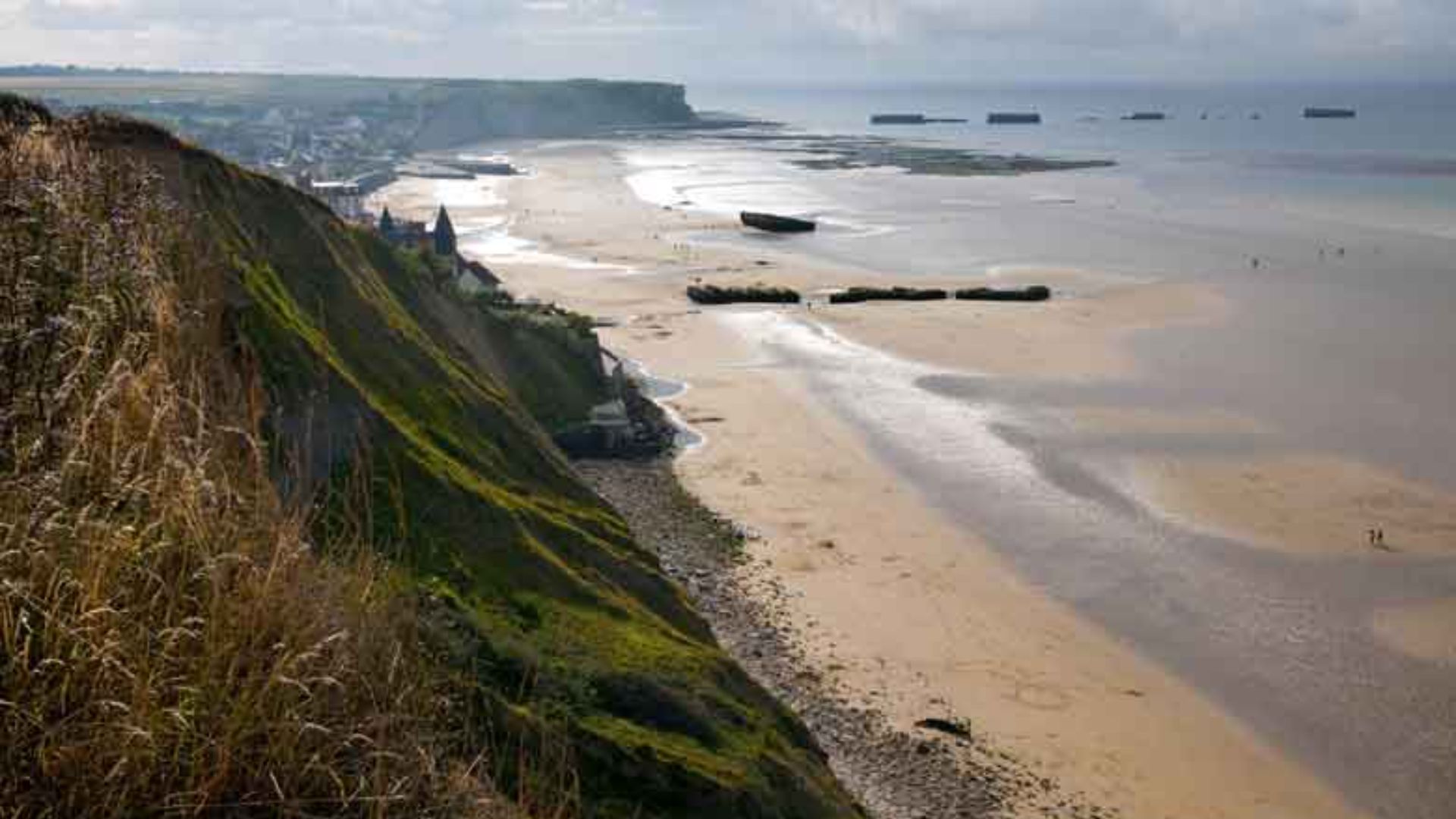
Omaha Beach, the longest of the five designated landing sectors, extended six miles along the Normandy coast from Sainte-Honorine-des-Pertes to Vierville-sur-Mer. The task of securing this critical sector was assigned to the U.S. First Army’s V Corps, with amphibious support provided by the U.S. Navy and elements of the Royal Navy. The assault, led primarily by the U.S. 1st and 29th Infantry Divisions, faced formidable German defenses and is widely regarded as the most harrowing engagement of the D-Day operations.
2
Stop 2
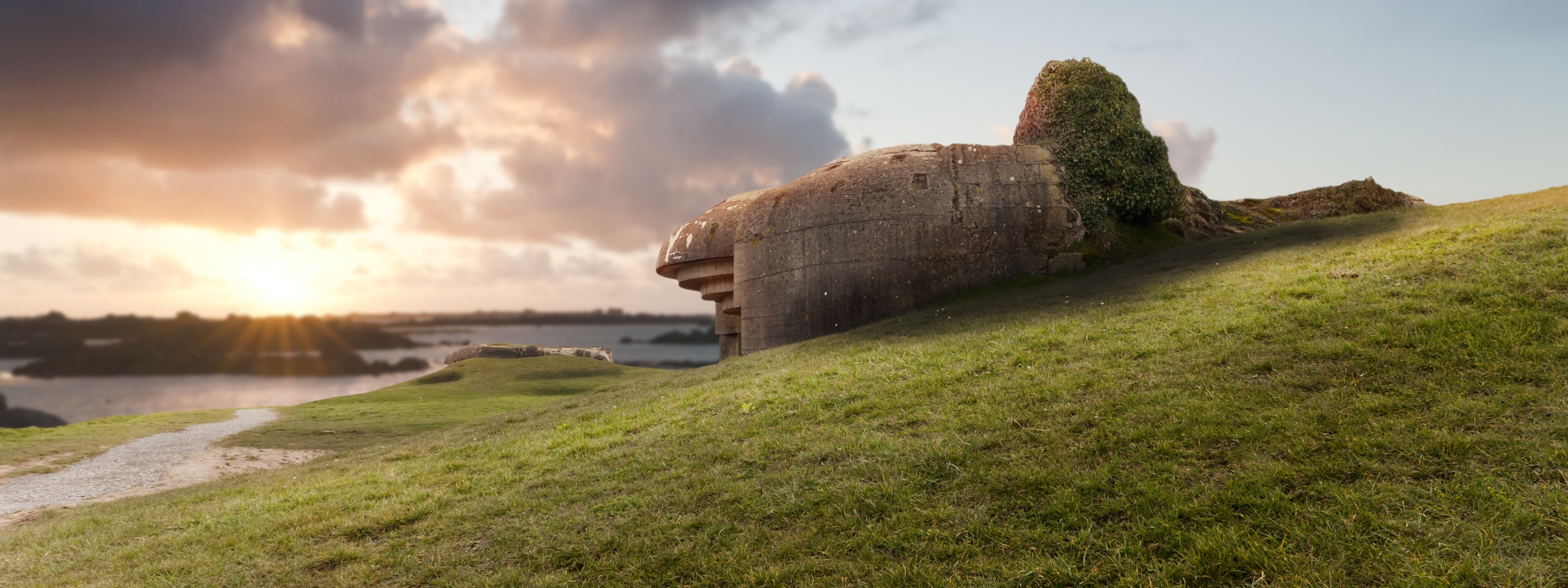
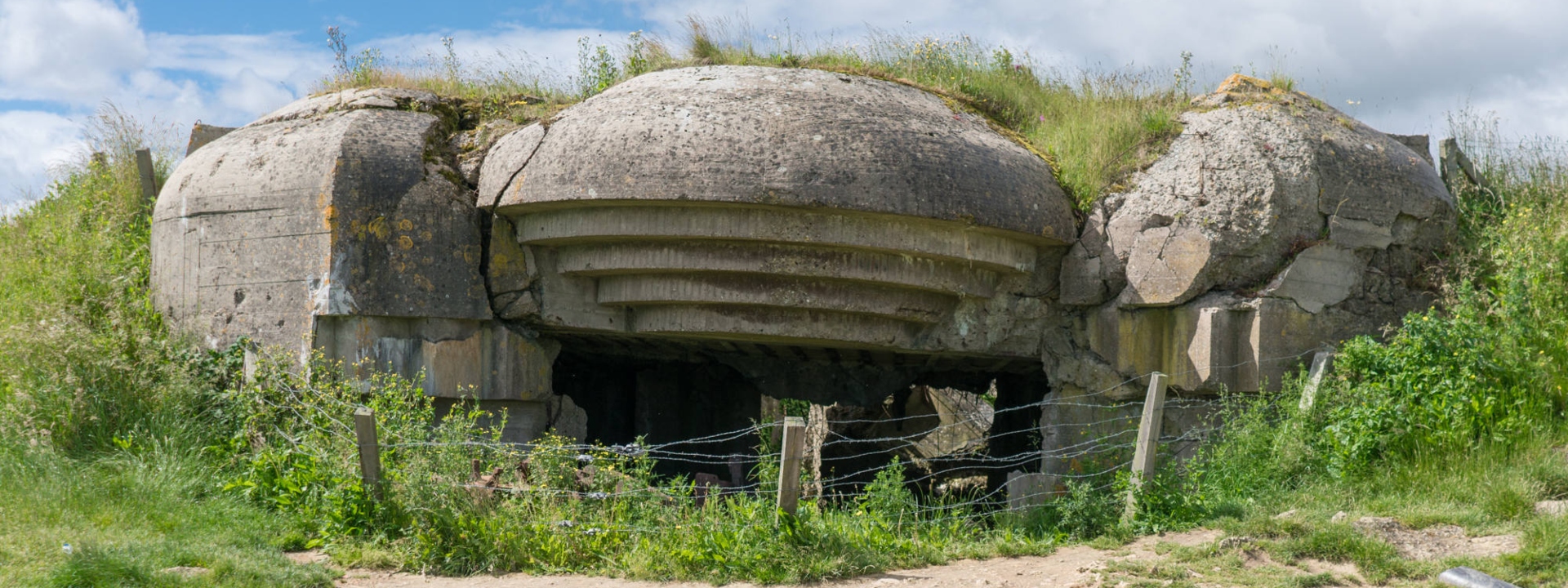
Perched between Utah and Omaha Beaches, the cliff top—sometimes referred to as Pointe du Hoe—rises sharply over 100 feet above the English Channel. In the meticulous planning leading up to the Normandy invasion, Allied commanders identified several key objectives that demanded precise execution, and the capture of Pointe du Hoc was among the most vital. Due to its elevated position and heavy fortifications, it was considered one of the most dangerous German defensive strongholds along the Norman coast.
3
On the night of June 5, 1944, 13,400 American paratroopers boarded C-47 transport aircraft to take part in the largest airborne operation in history. Their mission: to secure key terrain behind enemy lines in advance of the seaborne invasion. However, problems emerged as the aircraft crossed into French airspace. A thick cloud bank over the Cotentin Peninsula forced many pilots to climb or dive unexpectedly, and intense German antiaircraft fire further scattered the formation. In the resulting confusion, paratroopers were often dropped far from their designated drop zones, leading to widespread disarray in the opening hours of the operation.
4
Utah Beach, a three-mile stretch of coastline on the Cotentin Peninsula, was one of the five designated landing areas for the Allied invasion of Normandy on June 6, 1944. Assigned to the U.S. First Army’s VII Corps under the command of Major General J. Lawton Collins, the objective at Utah Beach was to secure a beachhead on the western flank of the invasion front and facilitate a rapid advance toward the vital port city of Cherbourg. Despite strong German fortifications and the inherent risks of amphibious assault, the landings at Utah Beach were remarkably successful, aided in part by a serendipitous shift in landing zones caused by strong currents, which inadvertently placed American forces in a less heavily defended sector. By the end of the day, over 20,000 troops had come ashore with comparatively light casualties, marking the operation as one of the most effective of the D-Day landings and a critical first step in the liberation of Western Europe.
5
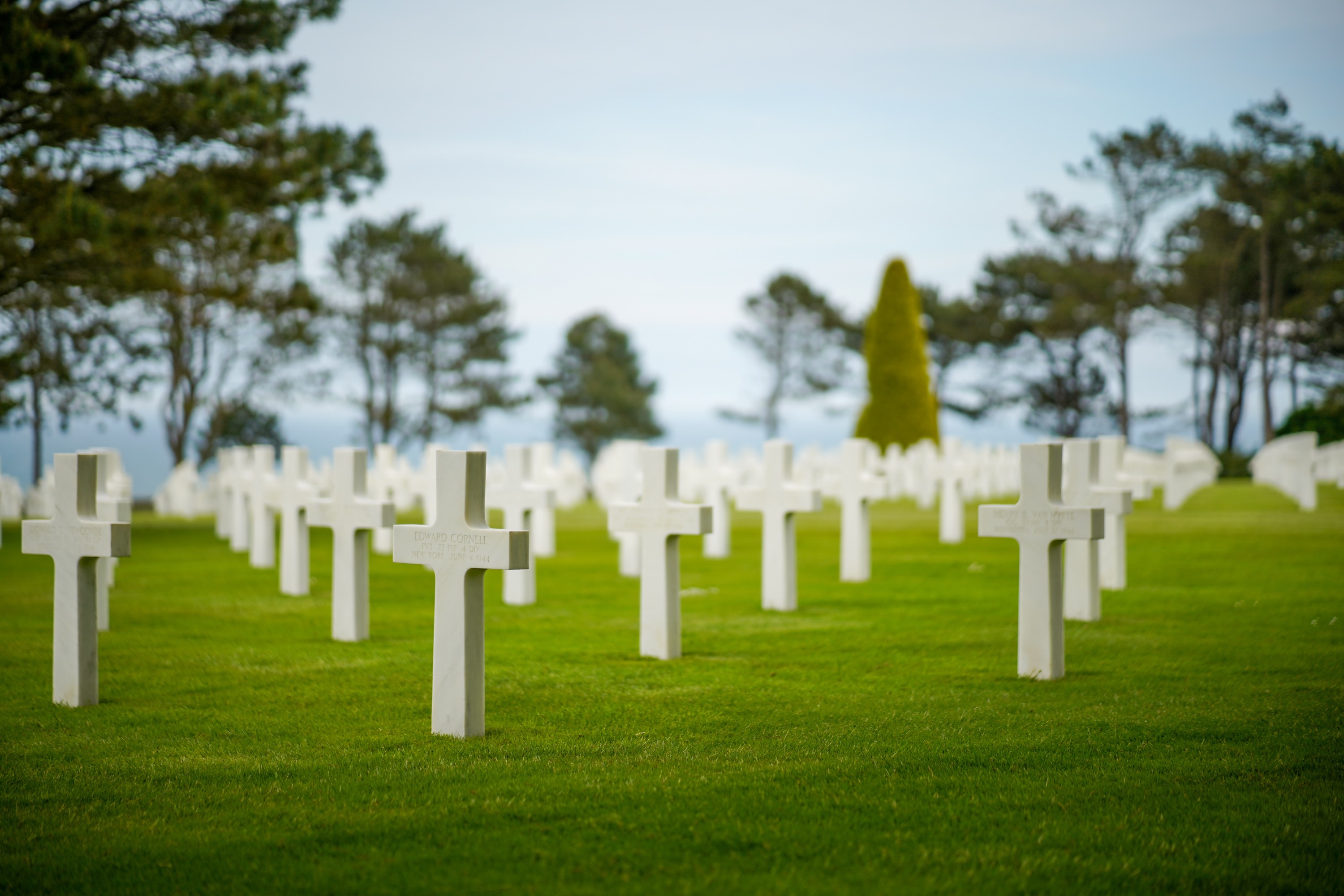
Orglandes War Cemetery is a German World War II burial site located on the northern edge of the village of Orglandes, in Normandy, France. It is the second smallest of the six German war cemeteries in the region, with just over 10,000 graves. Most of the soldiers buried here died during the summer of 1944, following the D-Day landings and the fierce fighting of the Battle of Normandy.
What's not included
Lunch is available upon request and can be arranged to suit your preferences.
Reviews breakdown
Viator
5.0
1 reviews
5★
1
4★
0
3★
0
2★
0
1★
0
Important information
Wheelchair accessible
Infants and small children can ride in a pram or stroller
Service animals allowed
Public transportation options are available nearby
All areas and surfaces are wheelchair accessible
Suitable for all physical fitness levels
Meeting point
The meeting point is flexible and can be based on travelers’ lodging, arrival, or departure details, depending on their travel plans in Normandy. We offer full flexibility and are happy to arrange pickup at an agreed-upon location to best suit their needs.
About Bayeux
Bayeux is a charming town in Normandy, France, famous for the Bayeux Tapestry, a medieval embroidery that tells the story of the Norman Conquest of England. The town's well-preserved architecture, rich history, and proximity to the D-Day landing beaches make it a compelling destination for history enthusiasts and cultural travelers.
Top Attractions
Bayeux Tapestry
A 70-meter-long embroidered cloth depicting the events leading up to the Norman Conquest of England in 1066.
Historical
1-2 hours
€12
Bayeux Cathedral
A stunning Gothic cathedral with beautiful stained glass windows and a rich history.
Religious
30-60 minutes
Free (donations welcome)
D-Day Landing Beaches
The site of the Allied landings on June 6, 1944, during World War II.
Historical
Half to full day
Free (museums may charge)
Bayeux War Cemetery
A Commonwealth war cemetery containing the graves of soldiers who died in the D-Day landings and the Battle of Normandy.
Historical
30-60 minutes
Free
Bayeux Museum of Battle of Normandy
A museum dedicated to the Battle of Normandy, with exhibits on the D-Day landings and the subsequent campaign.
Historical
1-2 hours
€8.50
Must-Try Local Dishes
Moules à la Crème Normande
Mussels cooked in a creamy sauce with Norman butter and cider.
Main
Contains seafood and dairy
Tarte Normande
A traditional apple tart with a caramelized top, often served with cream.
Dessert
Contains gluten and dairy
Camembert
A famous Norman cheese made from cow's milk, with a rich and creamy flavor.
Dairy
Contains dairy
Cidre
Norman cider, made from apples grown in the region, often served with meals.
Drink
Alcoholic beverage
Popular Activities
Hiking along the Normandy coastline
Cycling through the countryside
Kayaking on the River Aure
Strolling along the River Aure
Visiting local cider houses
Enjoying the peaceful town center
Visiting the Bayeux Tapestry
Exploring Bayeux Cathedral
Best Time to Visit
June to August
Summer is the peak tourist season with warm weather and numerous festivals. It's the best time for outdoor activities and visiting the D-Day beaches.
15°C to 25°C
59°F to 77°F
Practical Information
Language
- Official: French
- Widely spoken: English, Spanish, German
- English: Moderately spoken
Currency
Euro (EUR)
Time Zone
GMT+1 (CET), GMT+2 (CEST) during daylight saving time
Electricity
230VV, 50HzHz
Safety Information
Overall Safety Rating: Generally safe
Bayeux is generally safe, with low crime rates. However, as with any tourist destination, it's important to be aware of your surroundings and take basic precautions.
Important Precautions:
- • Keep valuables secure
- • Be cautious of pickpockets in crowded areas
- • Use licensed taxis
Getting there
By air
- Normandy-Caen Carpiquet Airport • 25 km from Bayeux
- Deauville-Normandy Airport • 80 km from Bayeux
By train
Bayeux Train Station
By bus
Bayeux Bus Station
Getting around
Public transport
The local bus system is affordable and covers most of the town and nearby areas.
Taxis
Available • Apps:
Rentals
Car, Bike
Neighborhoods
Town Center
Saint-Lô Street
Port de Bayeux
Day trips
Caen
30 km • Half day to full day
A historic city with a rich past, known for its castle, museums, and memorials.
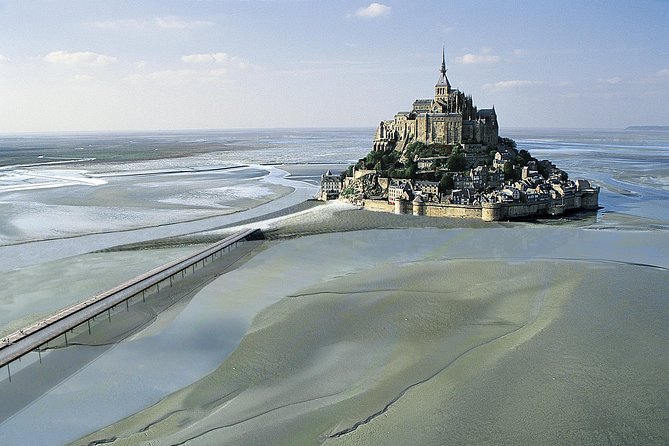
Mont Saint-Michel
100 km • Full day
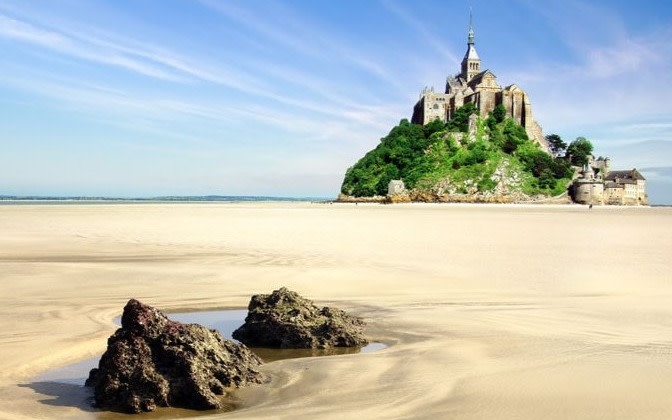
A stunning island commune with a medieval abbey, known for its unique architecture and tidal surroundings.
Arromanches-les-Bains
15 km • Half day
A coastal town known for its role in the D-Day landings and its museum dedicated to the Normandy landings.
Festivals
D-Day Commemorations • June 6th
Bayeux International Arts Festival • July
Medieval Festival • August
Pro tips
- Visit the Bayeux Tapestry early in the morning to avoid crowds
- Rent a car for flexibility in visiting the D-Day beaches and other nearby attractions
- Try local specialties like Norman cider and Camembert cheese
- Explore the town's medieval streets and hidden courtyards
- Check for local festivals and events during your visit
From $25
per person
Price varies by option
Secure booking
Free cancellation available
Instant confirmation