Private Day Tour Omaha beach and Pointe du Hoc
Active
7h - 9h
For a full refund, cancel at least 24 hours before the scheduled departure time.
Manual confirmation
Mobile or paper ticket accepted
About this experience
Private Tours are designed to allow you to discover the D-Day sites in optimal conditions. Each circuit is indeed preceded by a "briefing" which will allow us first of all to get to know each other, then to contextualize the events of June 6, 1944. This moment may also be an opportunity for you to express specific requests. For example linked to the story of a member of your family who fought in Normandy.
The "small group" format also allows you to adapt the pace of the visit to your own needs and desires.
If the price of admission to the museums is not included in the price, the circuits are however designed to allow you to take advantage of this opportunity and to devote approximately one hour to the visit of one of these (you benefit from the reduced rate granted to Memory Tracks).
Available options
Private Day Tour Omaha beach and Pointe du Hoc
Pickup included
What's included
Private transportation
2 car seats for children from 0 to 9 years old. Please note: the vehicle cannot accommodate more than two children under 10 on board.
Air-conditioned vehicle
Detailed itinerary
1
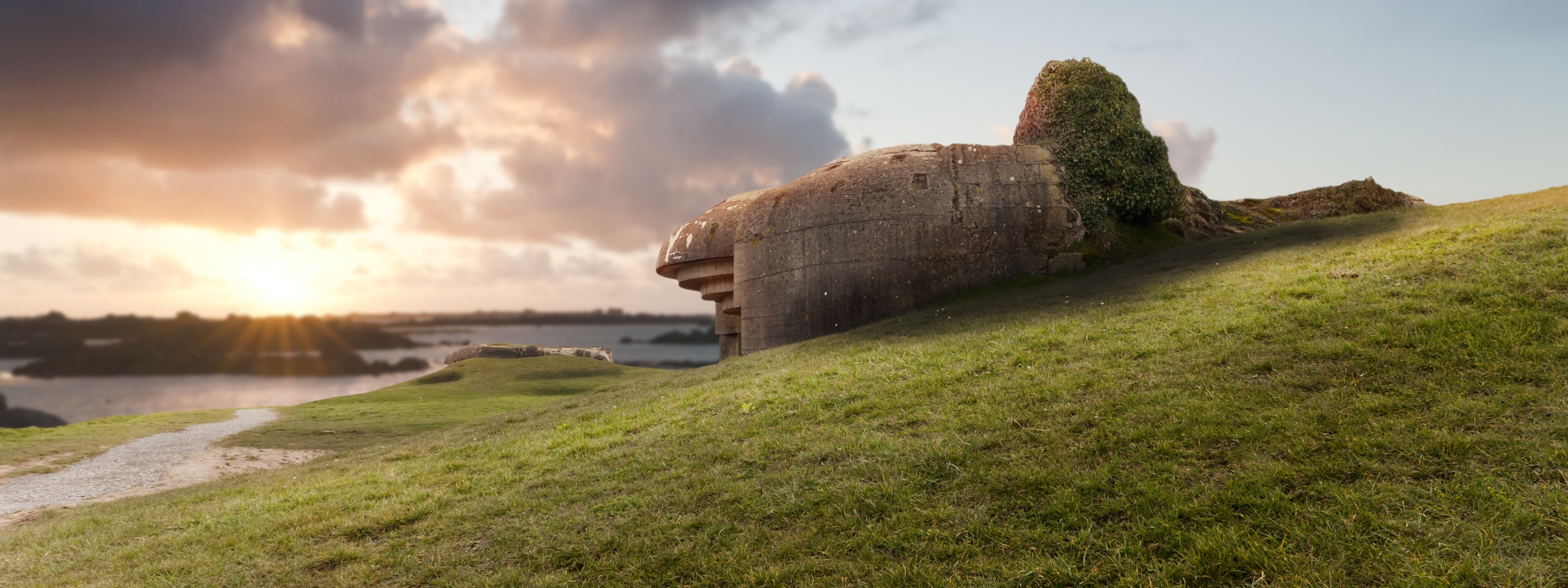
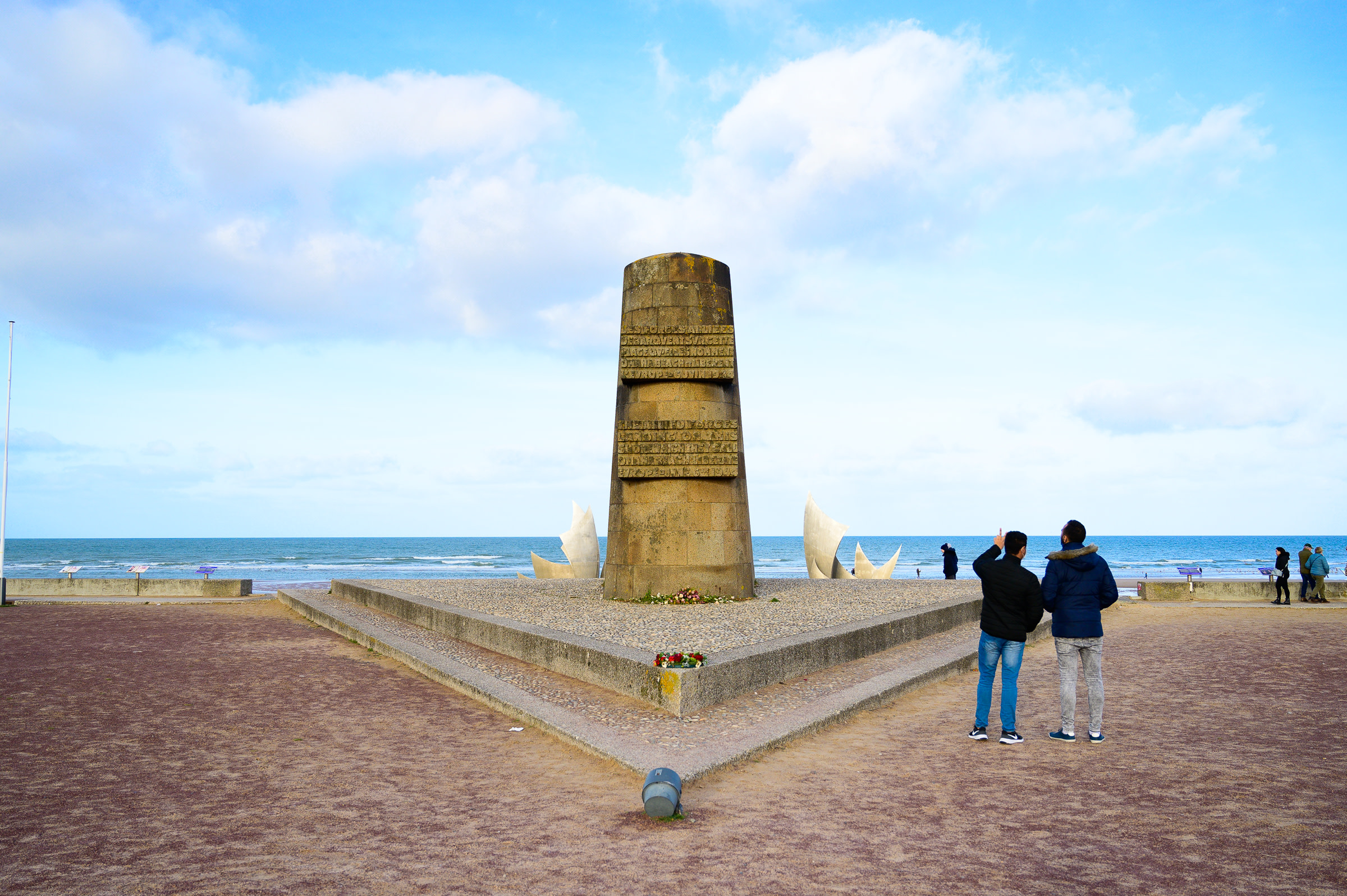
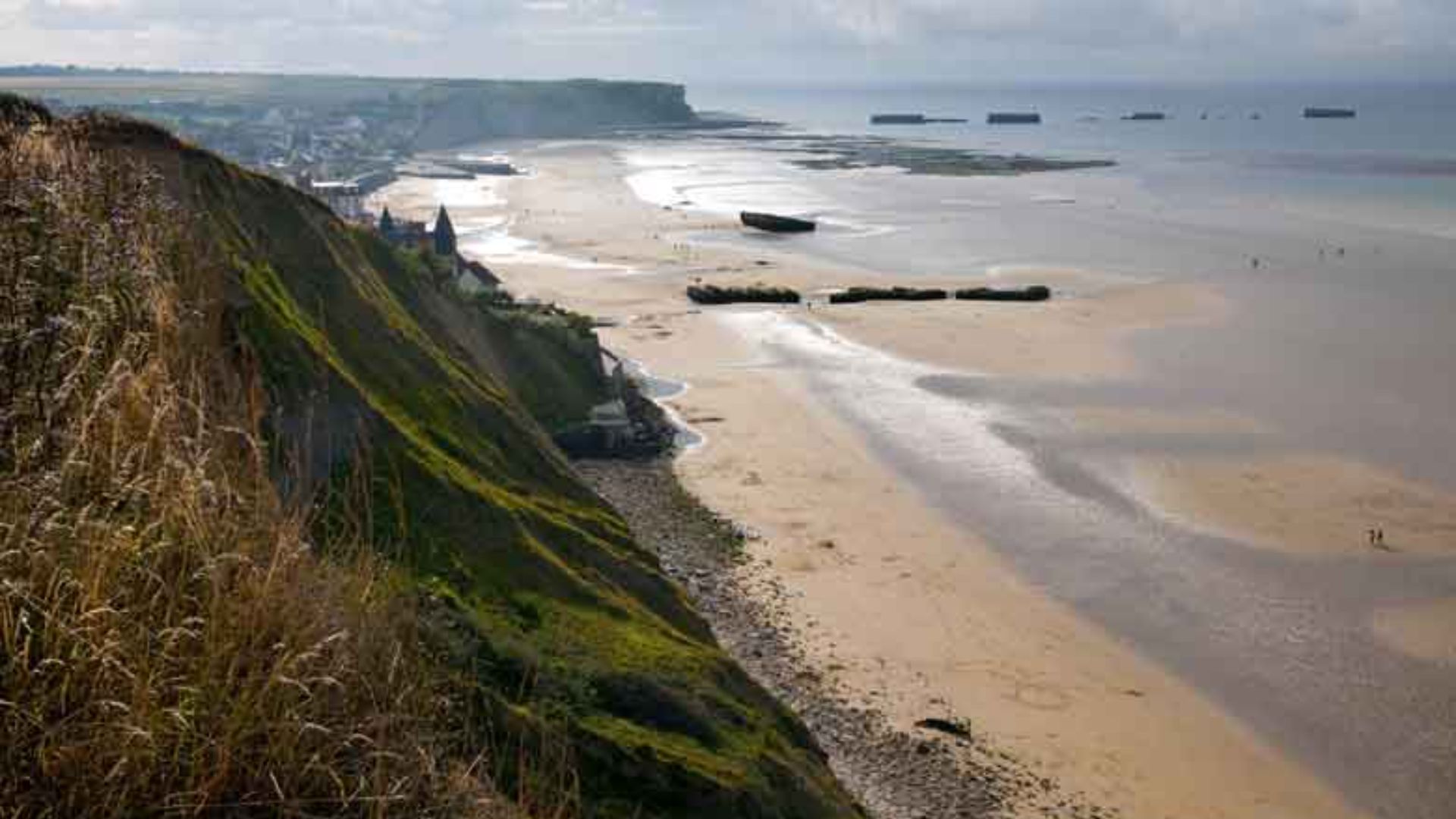
To begin our discovery of Omaha beach, we will first position ourselves on the heights which dominate the beach, at its eastern end. You will then benefit from an extraordinary point of view over the 7 kilometers of Omaha and we will then discuss in detail the operations that took place there on June 6, 1944. Then, secondly, we will reach the beach that you can browse freely, at your own pace, a few tens of meters from the German position coded "Wn62", which dominates this beach sector.
2
The "Widerstandnest 62" is a German fortified position which, on June 6, 1944, resisted the assault of the men of the 116th Infantry Regiment of the United States until the beginning of the afternoon. Unfortunately, it caused many victims among the GIs, many of whom have been resting since then, a few hundred meters away, in the American military cemetery at Colleville.
3
Stop 3
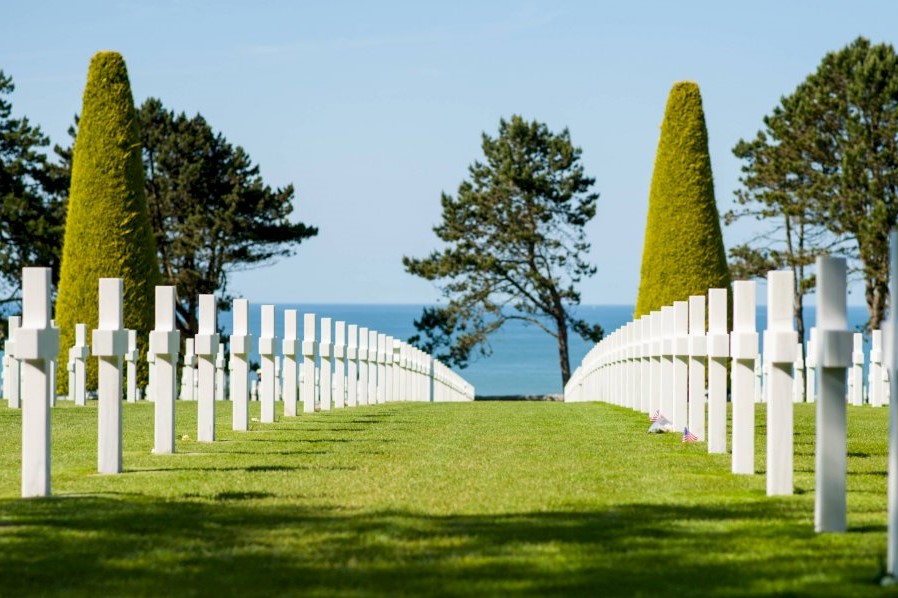
The third stage of the day is a very symbolic place of the American commitment in Europe during the Second World War, and is particularly charged with emotions: at your own pace, you will discover the American military cemetery of Colleville sur mer, where 9387 soldiers are buried. killed on D-Day or during the Battle of Normandy.
4
For the vast majority of our customers - often based outside France - visiting the battlefields of Normandy is almost a once-in-a-lifetime event. Also, in order to give them the opportunity to also discover the very interesting museum collections which evoke D-Day in Omaha, we give them the possibility of devoting approximately one hour to the visit of one of the four museums of the sector presenting landing operations and exhibiting important collections of uniforms, equipment, vehicles, and materials. If you wish, you will have the choice between:
- Overlord Museum, in Colleville-sur-mer;
- The "Big Red One" Museum, in Colleville-sur-mer;
- The Omaha Beach Memorial Museum, in Saint Laurent-sur-mer.
- The D-Day Omaha Museum, in Vierville-sur-mer.
As the visit to a museum is therefore optional, the entrance fee is not included in the circuit. But you will benefit from the reduced rate granted to Memory Tracks.
5
After the meal break, we will then follow the beach of Omaha beach towards the west (along the sectors "Easy Red", "Easy Green", "Dog Red", "Dog White", "Dog Green", and " Charlie").
Before heading for La Pointe du Hoc, we will discuss the tragic fate of the men of "A" Company (116th/29th Inf) who landed just in front of the German fortifications preventing access to the Vierville valley.
6
Arrived at Pointe du Hoc, on the remains of the formidable German artillery battery which threatened Omaha and Utah, we will discuss the conquest of the position by the 2nd Ranger Battalion commanded by Lieutenant-Colonel James Earl Rudder, but also the two days and two nights of uninterrupted combat which followed this one.
Nearly 80 years after the end of the fighting, you will most likely be gripped by the landscape, still shaken by the numerous aerial and naval bombardments of D-Day and the weeks that preceded it.
7
Stop 7
We will then begin our return by taking magnificent little roads in the Normandy countryside, in landscapes that have hardly changed since D-Day.
If you wish, before joining the main roads, we can stop for a moment at the German military cemetery of La Cambe where 21,222 soldiers killed during the Battle of Normandy are buried.
You will probably be struck by the very special atmosphere of the place, very different from that of the American cemetery of Colleville sur mer that you will have discovered a few hours earlier.
8
At the express request of our customers, and if respecting the timetables allows it, it may be possible to visit the "Museum of Underwater D-Day Wrecks", a completely atypical museum of great interest, which brings together a large number of materials and objects engulfed under the waves during D-Day, and brought to the surface in the early 1970s by the company of Jacques Lemonchois.
Entrance is not included in the tour but you will benefit from the reduced rate granted to Memory Tracks.
What's not included
Lunch free and at your expense, but we will be able to advise you according to your wishes.
Museum admissions (optional) (from €4.50 to €7 per person).
Available languages
Guide guide
EN
FR
Reviews breakdown
Viator
5.0
2 reviews
5★
2
4★
0
3★
0
2★
0
1★
0
Tripadvisor
5.0
26 reviews
5★
26
4★
0
3★
0
2★
0
1★
0
Important information
Service animals allowed
Public transportation options are available nearby
Specialized infant seats are available
Suitable for all physical fitness levels
About Bayeux
Bayeux is a charming town in Normandy, France, famous for the Bayeux Tapestry, a medieval embroidery that tells the story of the Norman Conquest of England. The town's well-preserved architecture, rich history, and proximity to the D-Day landing beaches make it a compelling destination for history enthusiasts and cultural travelers.
Top Attractions
Bayeux Tapestry
A 70-meter-long embroidered cloth depicting the events leading up to the Norman Conquest of England in 1066.
Historical
1-2 hours
€12
Bayeux Cathedral
A stunning Gothic cathedral with beautiful stained glass windows and a rich history.
Religious
30-60 minutes
Free (donations welcome)
D-Day Landing Beaches
The site of the Allied landings on June 6, 1944, during World War II.
Historical
Half to full day
Free (museums may charge)
Bayeux War Cemetery
A Commonwealth war cemetery containing the graves of soldiers who died in the D-Day landings and the Battle of Normandy.
Historical
30-60 minutes
Free
Bayeux Museum of Battle of Normandy
A museum dedicated to the Battle of Normandy, with exhibits on the D-Day landings and the subsequent campaign.
Historical
1-2 hours
€8.50
Must-Try Local Dishes
Moules à la Crème Normande
Mussels cooked in a creamy sauce with Norman butter and cider.
Main
Contains seafood and dairy
Tarte Normande
A traditional apple tart with a caramelized top, often served with cream.
Dessert
Contains gluten and dairy
Camembert
A famous Norman cheese made from cow's milk, with a rich and creamy flavor.
Dairy
Contains dairy
Cidre
Norman cider, made from apples grown in the region, often served with meals.
Drink
Alcoholic beverage
Popular Activities
Hiking along the Normandy coastline
Cycling through the countryside
Kayaking on the River Aure
Strolling along the River Aure
Visiting local cider houses
Enjoying the peaceful town center
Visiting the Bayeux Tapestry
Exploring Bayeux Cathedral
Best Time to Visit
June to August
Summer is the peak tourist season with warm weather and numerous festivals. It's the best time for outdoor activities and visiting the D-Day beaches.
15°C to 25°C
59°F to 77°F
Practical Information
Language
- Official: French
- Widely spoken: English, Spanish, German
- English: Moderately spoken
Currency
Euro (EUR)
Time Zone
GMT+1 (CET), GMT+2 (CEST) during daylight saving time
Electricity
230VV, 50HzHz
Safety Information
Overall Safety Rating: Generally safe
Bayeux is generally safe, with low crime rates. However, as with any tourist destination, it's important to be aware of your surroundings and take basic precautions.
Important Precautions:
- • Keep valuables secure
- • Be cautious of pickpockets in crowded areas
- • Use licensed taxis
Getting there
By air
- Normandy-Caen Carpiquet Airport • 25 km from Bayeux
- Deauville-Normandy Airport • 80 km from Bayeux
By train
Bayeux Train Station
By bus
Bayeux Bus Station
Getting around
Public transport
The local bus system is affordable and covers most of the town and nearby areas.
Taxis
Available • Apps:
Rentals
Car, Bike
Neighborhoods
Town Center
Saint-Lô Street
Port de Bayeux
Day trips
Caen
30 km • Half day to full day
A historic city with a rich past, known for its castle, museums, and memorials.
Mont Saint-Michel
100 km • Full day
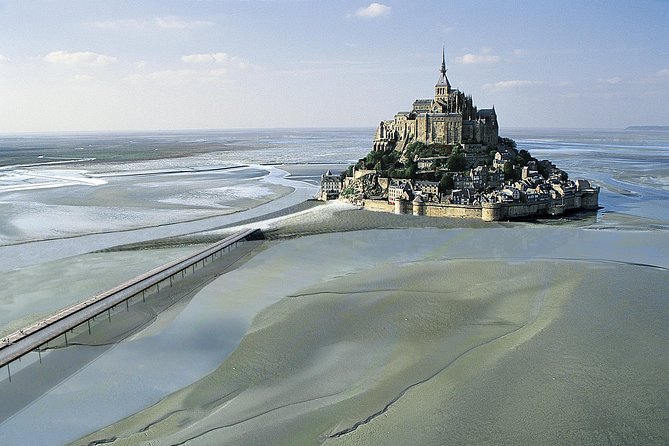
A stunning island commune with a medieval abbey, known for its unique architecture and tidal surroundings.
Arromanches-les-Bains
15 km • Half day
A coastal town known for its role in the D-Day landings and its museum dedicated to the Normandy landings.
Festivals
D-Day Commemorations • June 6th
Bayeux International Arts Festival • July
Medieval Festival • August
Pro tips
- Visit the Bayeux Tapestry early in the morning to avoid crowds
- Rent a car for flexibility in visiting the D-Day beaches and other nearby attractions
- Try local specialties like Norman cider and Camembert cheese
- Explore the town's medieval streets and hidden courtyards
- Check for local festivals and events during your visit
From $25
per person
Price varies by option
Secure booking
Free cancellation available