Lisbon Downtown Walking Tour Taste and History
Active
3h
For a full refund, cancel at least 24 hours before the scheduled departure time.
Instant confirmation
Mobile or paper ticket accepted
About this experience
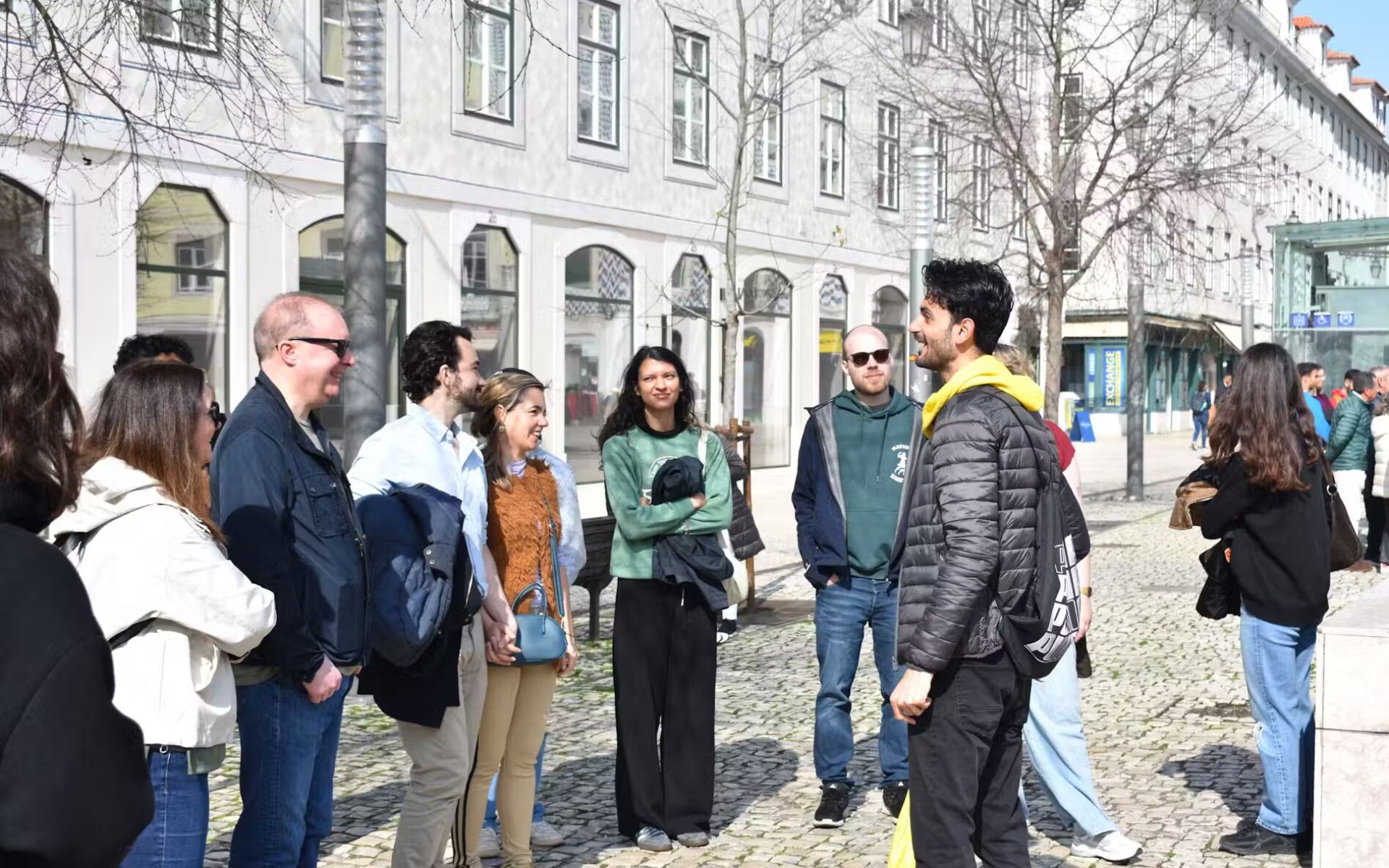
Discover the hidden treasures of Lisbon on this immersive walking tour led by a passionate, knowledgeable and professional guide.
This journey reveals the city's rich history and vibrant culture, guiding you through charming spots often overlooked by tourists. Indulge in Lisbon's famous Pastel de Nata and sip on the traditional Ginjinha cherry liqueur, all while exploring iconic landmarks like Restauradores Square and the stunning Casa do Alentejo.
Wander through the heart of the Alfama District, and discover the resilience of São Domingos Church, steeped in history.
Perfect for food lovers and history enthusiasts, this small group tour guarantees an unforgettable, personalized experience.
- Explore Lisbon’s lesser-known gems with an expert local guide.
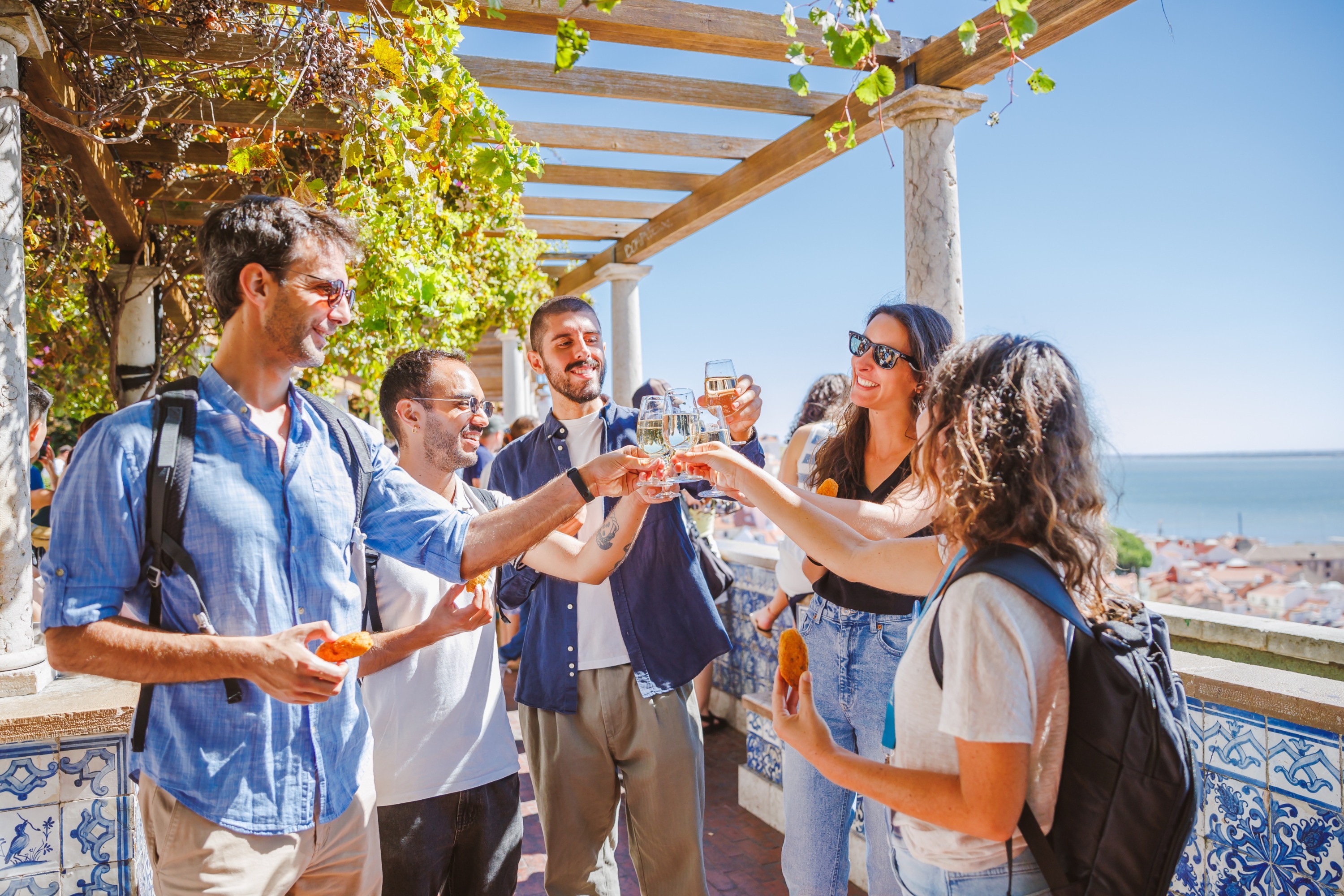
- Taste authentic Pastel de Nata and the famous Ginjinha cherry liqueur.
- Discover historical landmarks like Sé Cathedral and Praça do Comércio.
- A small group setting for a more intimate, personalized experience.
Available options
Lisbon Downtown Walking Tour Taste and History
What's included
Pastel de Nata(Portuguese Custard Tart)
Ginjinha( Portuguese Cherry Liqueur) Important Note: We only serve alcoholic drinks for travelers 18 years old and above.
Detailed itinerary
1
Stop 1
Our journey begins at this emblematic square in the heart of Lisbon. As we gather beneath the towering obelisk, you will be welcomed with a friendly introduction and a brief overview of Portugal’s most iconic historical moment from the Age of Discoveries to the peaceful Carnation Revolution.
We’ will uncover the symbolic meaning behind the obelisk, a tribute to the country’s restoration of independence in 1640 after 60 years of Spanish rule.
2
Just a short walk from Praça dos Restauradores, we arrive at one of Lisbon’s most stunning architectural landmarks: Rossio Train Station. With its fairytale-like façade, intricate stonework, and iconic horseshoe-shaped arches, this station is a masterpiece of Neo-Manueline design a uniquely Portuguese style that echoes the grandeur of the Age of Discoveries. We will pause here to admire the ornate details, hear about its 19th-century origins, and learn how it once served as a gateway to Sintra, the royal summer retreat. It’s more than just a train station.
it’s a window into Portugal’s romantic architectural revival and urban transformation.
3
Stop 3
3- Praça Dom Pedro IV, also known as Rossio Square, this has been the social and political heart of Lisbon for centuries. Surrounded by lively cafés, historic theaters, and grand buildings, this vibrant square invites you to step into the city’s daily rhythm.
Here, we will uncover the story of King Dom Pedro IV, whose statue proudly stands atop the central column, and explore the symbolism behind the iconic wave-patterned cobblestones beneath our feet. We will also point out the National Theatre D. Maria II and tell you about the square’s dramatic history from public executions during the Inquisition to joyful celebrations in modern times.
It’s a place where Lisbon's soul is on full display.
4
Stop 4
4- Tucked just behind Rossio Square, this seemingly modest church holds one of Lisbon’s most powerful and haunting stories. As we step inside Igreja de São Domingos, you will immediately feel the weight of history in its scorched walls and bare columns, reminders of the devastating fire of 1959 that nearly destroyed it. But this church, once the royal chapel, is also a symbol of resilience.
We will share its deep connection to the Dominican Order, the tragic role it played during the Inquisition, and how it has transformed into a place of reflection and peace. Still active today, it is a space that speaks to both the scars and strength of Lisbon’s spiritual life.
5
Stop 5
ust a stone’s throw from Rossio, we arrive at Praça da Figueira, a wide open square that once housed Lisbon’s main hospital before the 1755 earthquake reshaped the city. Today, it's a bustling meeting point where tradition meets modern life.
Here, we will admire the impressive bronze statue of King João I, a key figure in Portugal’s independence and national identity.
You’ will also learn how this square evolved from a chaotic open market into a central transportation hub lined with bakeries, shops, and charming old-world façades.
It’s the perfect place to feel the pulse of everyday Lisbon while uncovering layers of its urban history
6
Stop 6
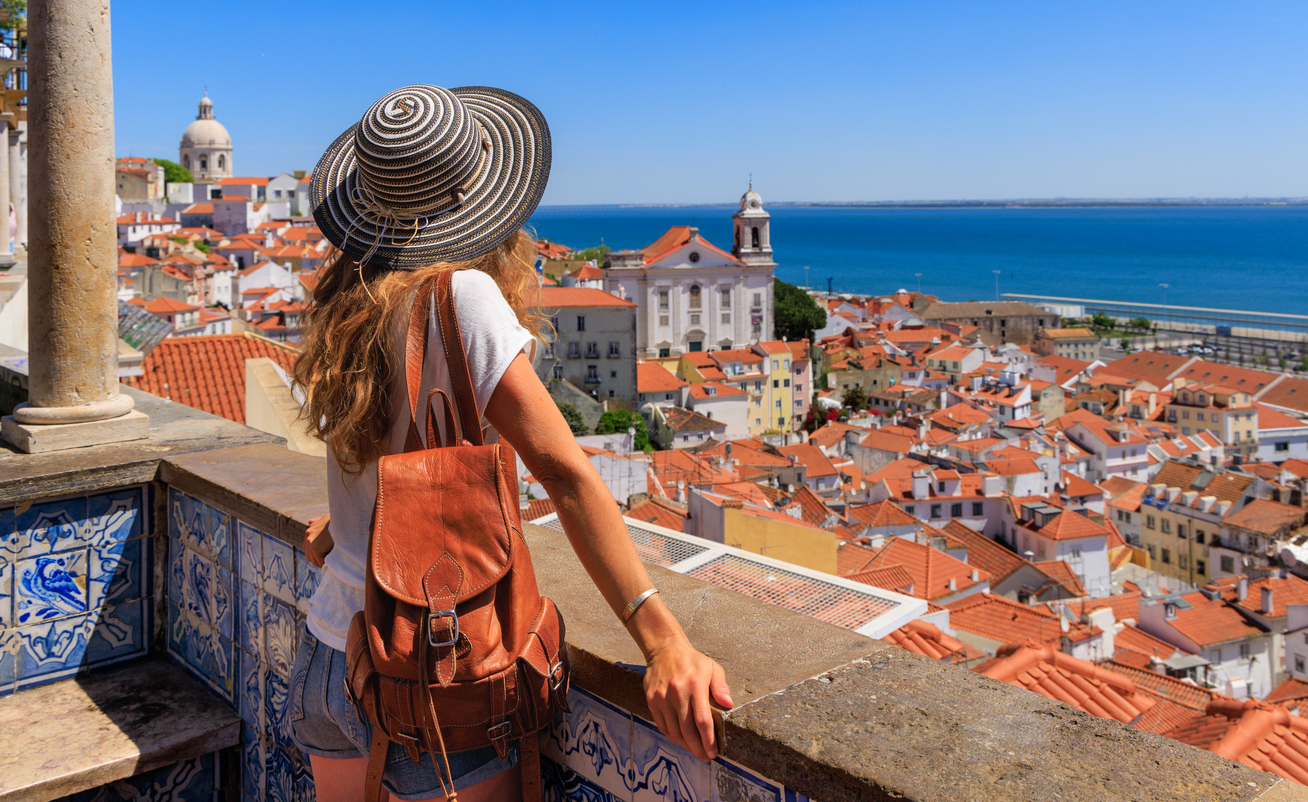
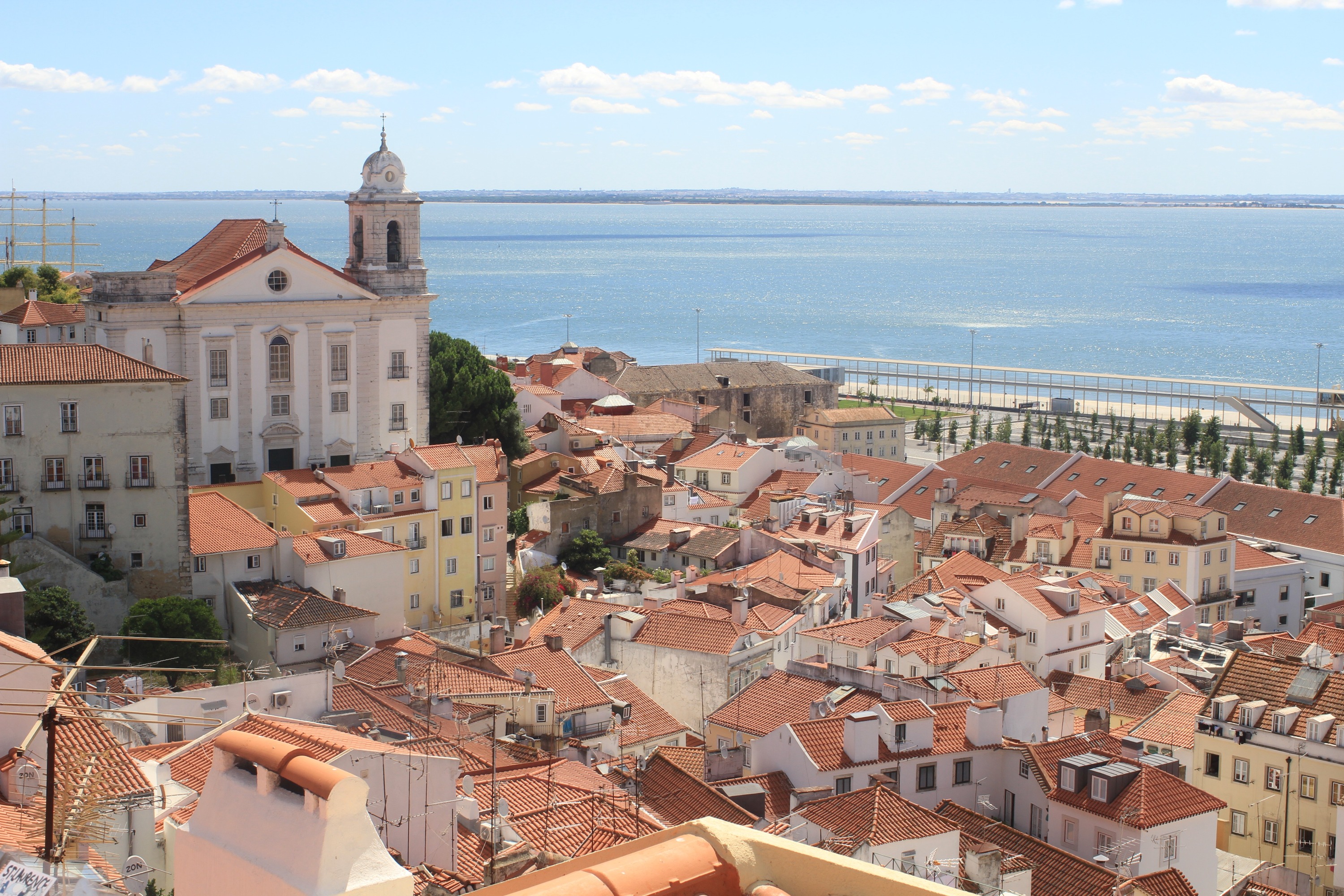
As we climb into the Alfama district, we will pause at one of the city’s most breathtaking spots: Miradouro de Santa Luzia. Framed by vibrant bougainvillea, azulejo tile panels, and a charming pergola, this terrace offers panoramic views over the red rooftops of Alfama, the Tagus River, and the iconic dome of the National Pantheon.
Here, we will take a moment to enjoy the peaceful atmosphere, snap unforgettable photos, and learn about the layered history of this ancient neighbourhood from Moorish roots to its survival of the 1755 earthquake.
It’s a place where Lisbon’s beauty, soul, and history all come together.
7
Stop 7
Just a short stroll from Santa Luzia, we reach the majestic Portas do Sol Viewpoint, often called the balcony of Lisbon. From here, you will gaze out over the labyrinthine streets of Alfama, the shimmering Tagus River, and iconic landmarks like the Church of São Vicente de Fora and the dome of the National Pantheon.
We’ will talk about the origins of this viewpoint, once part of the old city walls and gates—“Portas do Sol” means “Gates of the Sun” and how Alfama has remained the beating heart of Lisbon’s soul, music, and tradition.
It's the perfect place to pause, take in the golden light, and understand why so many fall in love with this city.
8
Stop 8
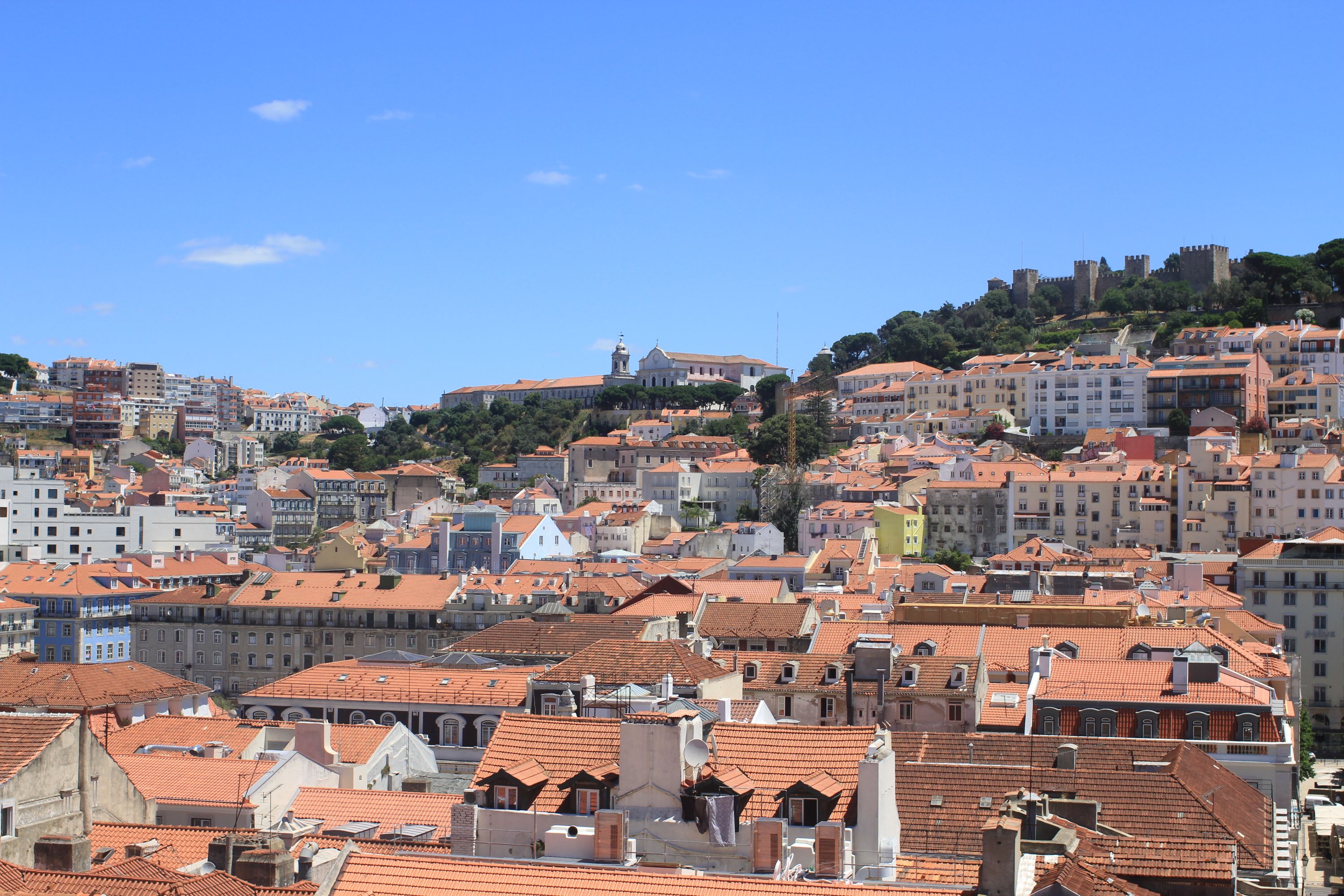
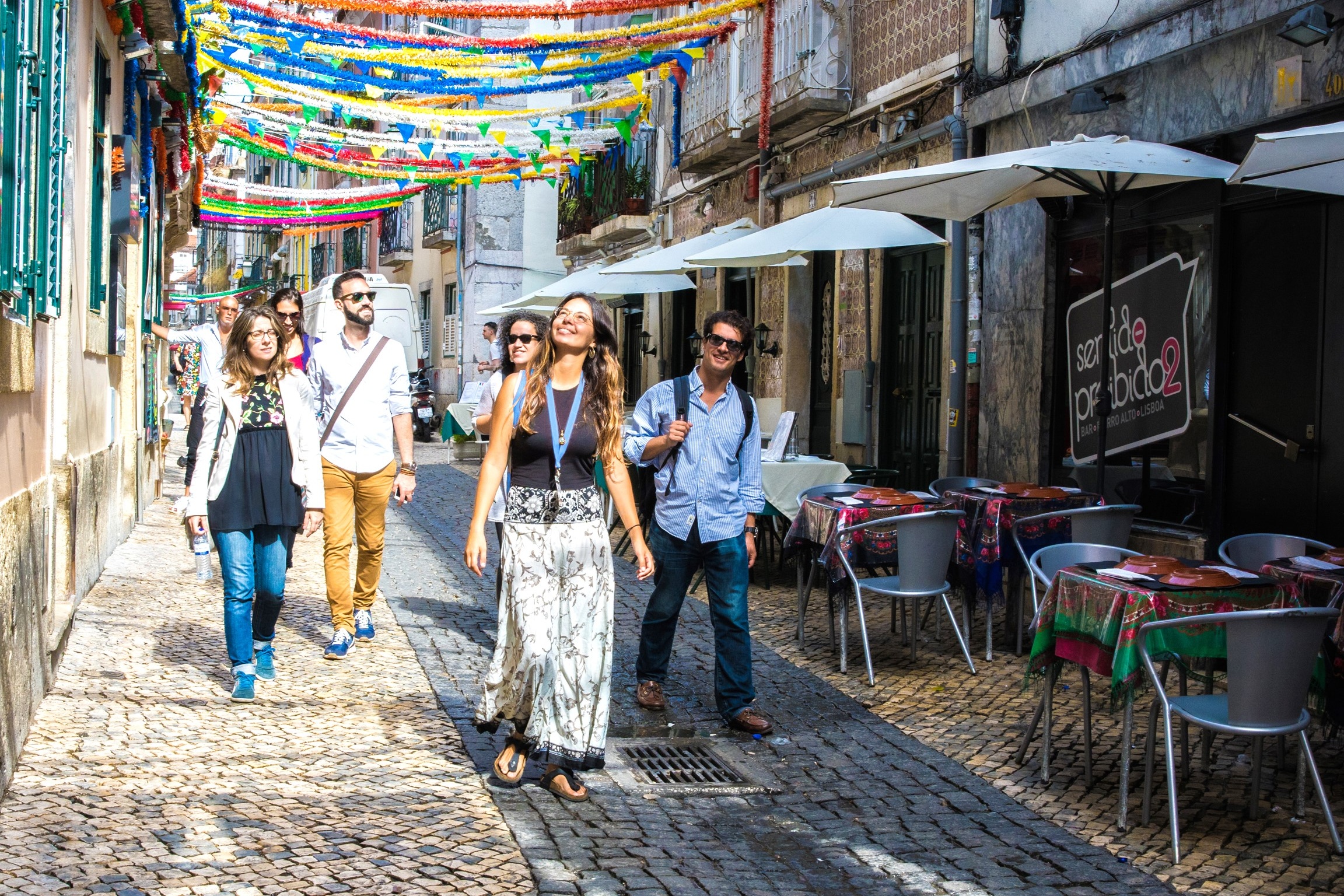
Now we dive into Alfama, Lisbon’s oldest and most enchanting neighborhood. With its narrow, winding alleys, colorful houses, and laundry swaying from balconies, Alfama feels like a living museum untouched by time, yet full of life. As we wander through its maze-like streets, you will hear the echoes of Fado music drifting from tucked away taverns, and we will share stories of daily life in this historic quarter from its Moorish roots to the strong community spirit that defines it today. You will discover hidden corners, local secrets, and learn how Alfama survived the great earthquake of 1755, preserving its medieval charm. It’s here that Lisbon reveals its most authentic self.
9
Stop 9
Pass by
Our journey continues with a visit to the Sé Cathedral, one of the most iconic landmarks in Lisbon. Built in the 12th century, this impressive Romanesque cathedral has witnessed centuries of history and change. Standing tall in the heart of Alfama, we will admire its robust exterior with its grand stone arches and massive towers.
We will talk about its origins under King Afonso I, its survival through Lisbon’s devastating earthquakes, and its importance in the city’s religious and cultural life.
Although we won’t enter the cathedral, the sheer presence of this architectural gem gives us a glimpse into Lisbon’s deep spiritual heritage.
10
Stop 10
Pass by
Nestled in the heart of Lisbon, we will visit the Church of Saint Anthony, a site rich in both history and devotion. Known as the birthplace of Saint Anthony, one of the city’s most beloved saints, this charming church is a blend of tradition and legend. Standing on the very spot where Saint Anthony was born in 1195, we will explore the church’s humble yet beautiful exterior, with its simple design and peaceful atmosphere.
We will discuss the life and miracles of Saint Anthony, whose teachings spread far beyond Lisbon, and how the church has become a place of pilgrimage for those seeking his intercession. While we won’t go inside, the church’s significance and its connection to the patron saint of lost things are sure to leave a lasting impression
11
Stop 11
Our tour brings us to Praça do Comércio, one of the most majestic squares in Lisbon and a symbol of the city’s recovery after the 1755 earthquake. Framed by impressive classical architecture, this expansive square once served as the commercial heart of Lisbon, where goods from across the world were exchanged.
As we stand before the iconic Arco da Rua Augusta, we will discuss the square’s transformation from royal palace grounds to a center of trade and, eventually, a symbol of the modern city.
We will also touch on its strategic importance during Portugal’s monarchy and the republican era. With stunning views of the Tagus River and the majestic statues that grace the square, it’s easy to see why Praça do Comércio is considered the gateway to the city.
12
As we stroll along Rua Augusta, Lisbon’s vibrant pedestrian street, you will be immersed in the city’s bustling atmosphere. Lined with elegant shops, cafes, and historic buildings, this lively avenue stretches from Praça do Comércio all the way to the iconic Arco da Rua Augusta. We’ll take in the beautiful blend of 18th century architecture and modern life, and explore the street’s historical significance as the heart of Lisbon’s commerce and social life.
Along the way, we will share stories of the merchants, artists, and intellectuals who once walked these very streets, and the role Rua Augusta played in the city’s post-earthquake reconstruction.
It’s a perfect place to feel the pulse of Lisbon, where history and contemporary culture meet.
13
Stop 13
Pass by
Next, we will visit the Elevador de Santa Justa, one of Lisbon’s most unique landmarks. This ornate, iron lift was designed by a student of Gustave Eiffel and offers a striking example of 19th century industrial architecture. Standing tall in the heart of Baixa, the elevator connects the lower streets of the downtown area to the higher neighborhoods of the Bairro Alto.
We will discuss its fascinating history, from its construction in the early 1900s to its role as a vital transportation link for Lisbon’s residents. Though we won’t be riding it, we will admire its towering structure and learn about its symbolic importance in the city’s urban development.
14
Our tour ends at the Casa do Alentejo, a true hidden gem nestled in the heart of Lisbon. This beautiful building is a cultural treasure dedicated to preserving the traditions, cuisine, and history of the Alentejo region.
As we arrive, you will be struck by the stunning Moorish inspired façade and the intricately decorated interior, which evokes the rustic charm of southern Portugal. We will discuss the importance of this historic society in promoting Alentejo’s cultural identity, from folk music to gastronomy. While the building itself feels like a quiet escape from the city’s bustle, it’s a reminder of the deep cultural roots that continue to shape Lisbon today.
We will conclude our journey here, where you will have a chance to reflect on the beauty, history, and stories of Lisbon.
Available languages
Guide guide
EN
Important information
Public transportation options are available nearby
Not recommended for travelers with spinal injuries
Not recommended for travelers with poor cardiovascular health
Travelers should have at least a moderate level of physical fitness
Important Note: We only serve alcoholic drinks for travelers 18 years old and above
Meeting point
Meeting point is in Front of The Hard Rock Cafe Lisbon at Restauradores Square
About Lisbon
Lisbon, the capital of Portugal, is a vibrant city known for its rich history, stunning architecture, and warm climate. With its charming streets, historic trams, and breathtaking viewpoints, Lisbon offers a unique blend of old-world charm and modern energy.
Top Attractions
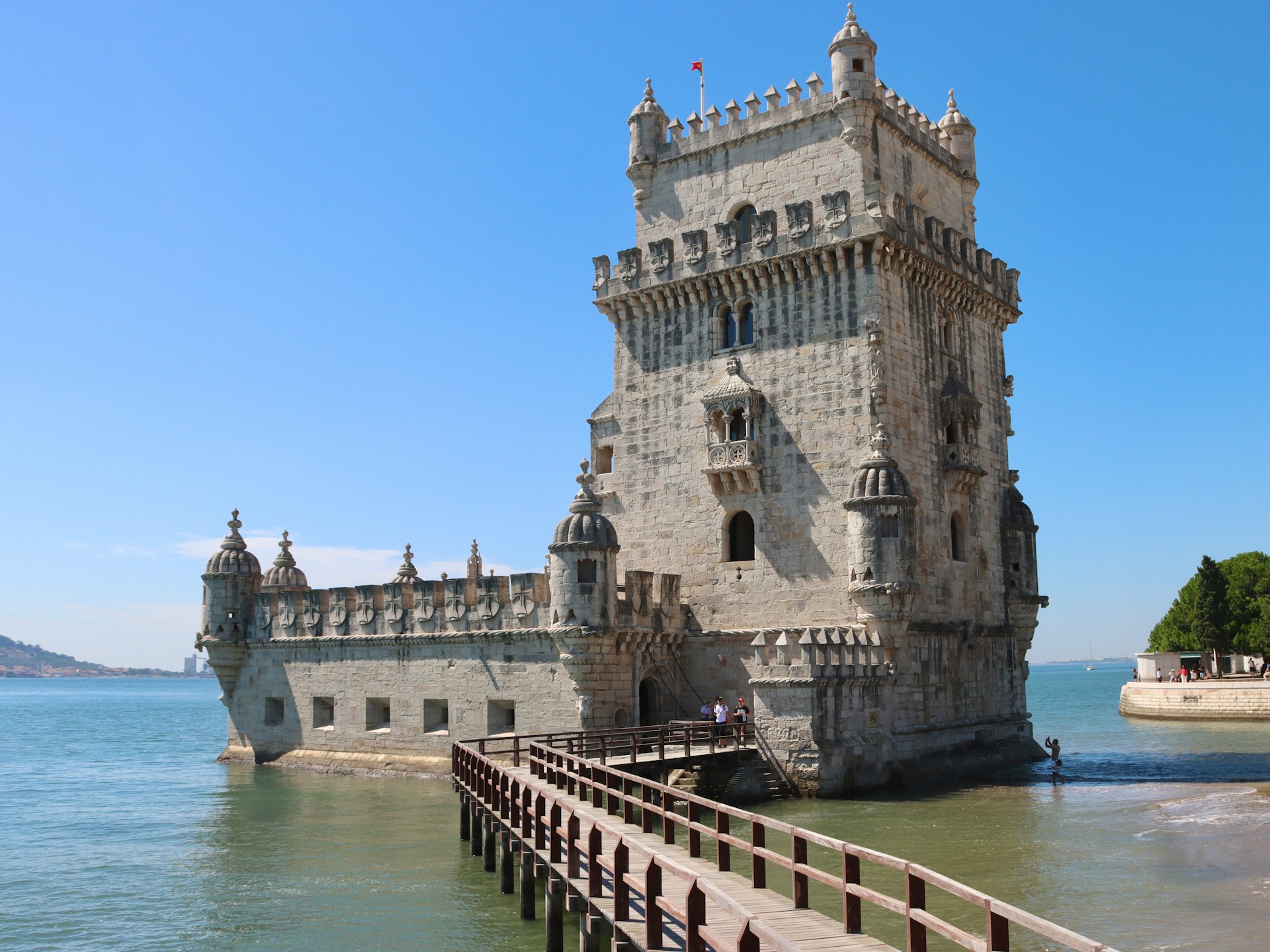
Belém Tower
A UNESCO World Heritage Site, this 16th-century tower is an iconic symbol of Lisbon's Age of Discoveries.
Historical
1-2 hours
€6
Alfama District
Lisbon's oldest district, known for its narrow, winding streets, Fado music, and historic charm.
Historical
Half day
Free to explore, attractions may have entry fees
Sintra
A UNESCO World Heritage Site, Sintra is a romantic town with stunning palaces and castles.
Historical
Full day
Varies by attraction, around €10-€15 per site
Must-Try Local Dishes
Bacalhau à Brás
Shredded codfish with eggs, potatoes, and onions
Main Dish
Contains fish and eggs
Pastel de Nata
Custard tart with a flaky pastry crust
Dessert
Contains dairy and eggs
Francesinha
A sandwich with meat, cheese, and a beer-based sauce
Main Dish
Contains meat, cheese, and gluten
Popular Activities
Hiking in Sintra
Surfing in Ericeira
Parasailing in Cascais
Beach lounging in Costa da Caparica
Spa day in a luxury hotel
Picnic in Jardim da Estrela
Visiting museums and galleries
Attending Fado performances
Best Time to Visit
March to May, September to October
These months offer pleasant weather and fewer crowds, making it ideal for sightseeing and outdoor activities.
15-25°C
59-77°F
Practical Information
Language
- Official: Portuguese
- Widely spoken: English, Spanish, French
- English: Moderately spoken
Currency
Euro (EUR)
Time Zone
GMT+1 (Western European Time, WET)
Electricity
230VV, 50HzHz
Safety Information
Overall Safety Rating: Generally safe
Lisbon is generally safe, but pickpocketing and petty theft can occur in crowded areas.
Important Precautions:
- • Be cautious of pickpockets in crowded areas
- • Use licensed taxis or ride-sharing apps
- • Avoid walking alone at night in less crowded areas
Getting there
By air
- Humberto Delgado Airport • 7 km from city center
By train
Santa Apolónia, Oriente
By bus
Sete Rios, Jardim do Campo Grande, Gare do Oriente
Getting around
Public transport
Efficient and clean, with four lines connecting major attractions.
Taxis
Available • Apps: Bolt, FreeNow
Rentals
Car, Bike, Scooter
Neighborhoods
Alfama
Baixa
Bairro Alto
Day trips
Sintra
25 km from Lisbon • Full day
A romantic town with stunning palaces, castles, and lush gardens.
Cascais
30 km from Lisbon • Half day to full day
A charming coastal town with beautiful beaches, historic sites, and a relaxed atmosphere.
Óbidos
80 km from Lisbon • Full day
A medieval town with a well-preserved castle, narrow streets, and charming shops.
Festivals
Santos Populares • June 13th
Festival dos Oceanos • June to September
Arraial do Alfoz • June to September
Pro tips
- Visit the Time Out Market for a variety of local and international cuisines
- Take a day trip to Sintra and Cascais for a mix of history and beach relaxation
- Explore the LX Factory for a unique shopping and dining experience
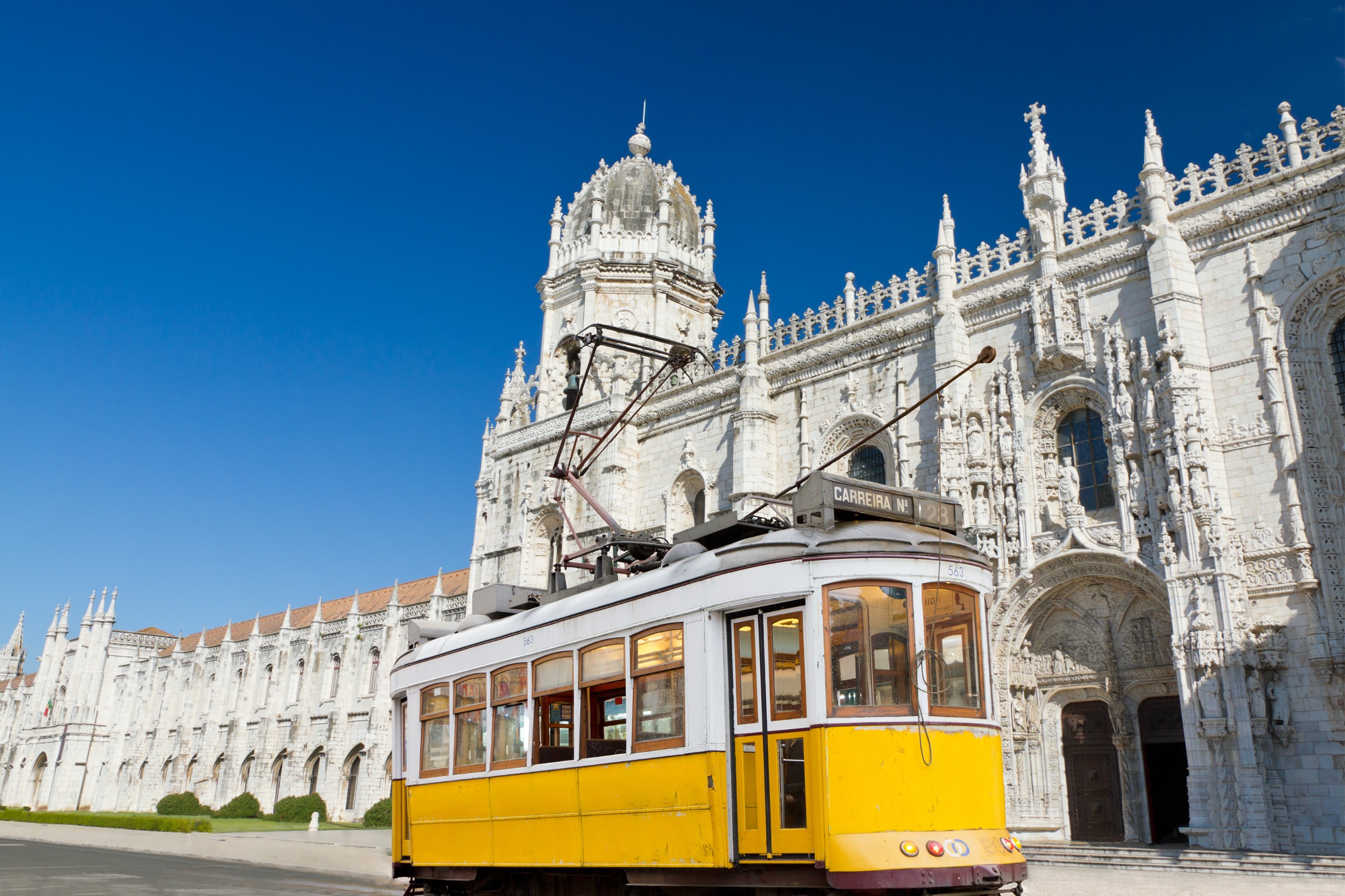
- Ride the historic Tram 28 for a scenic tour of the city
- Visit the MAAT museum for a blend of art, architecture, and technology
From $25
per person
Price varies by option
Secure booking
Free cancellation available
Instant confirmation