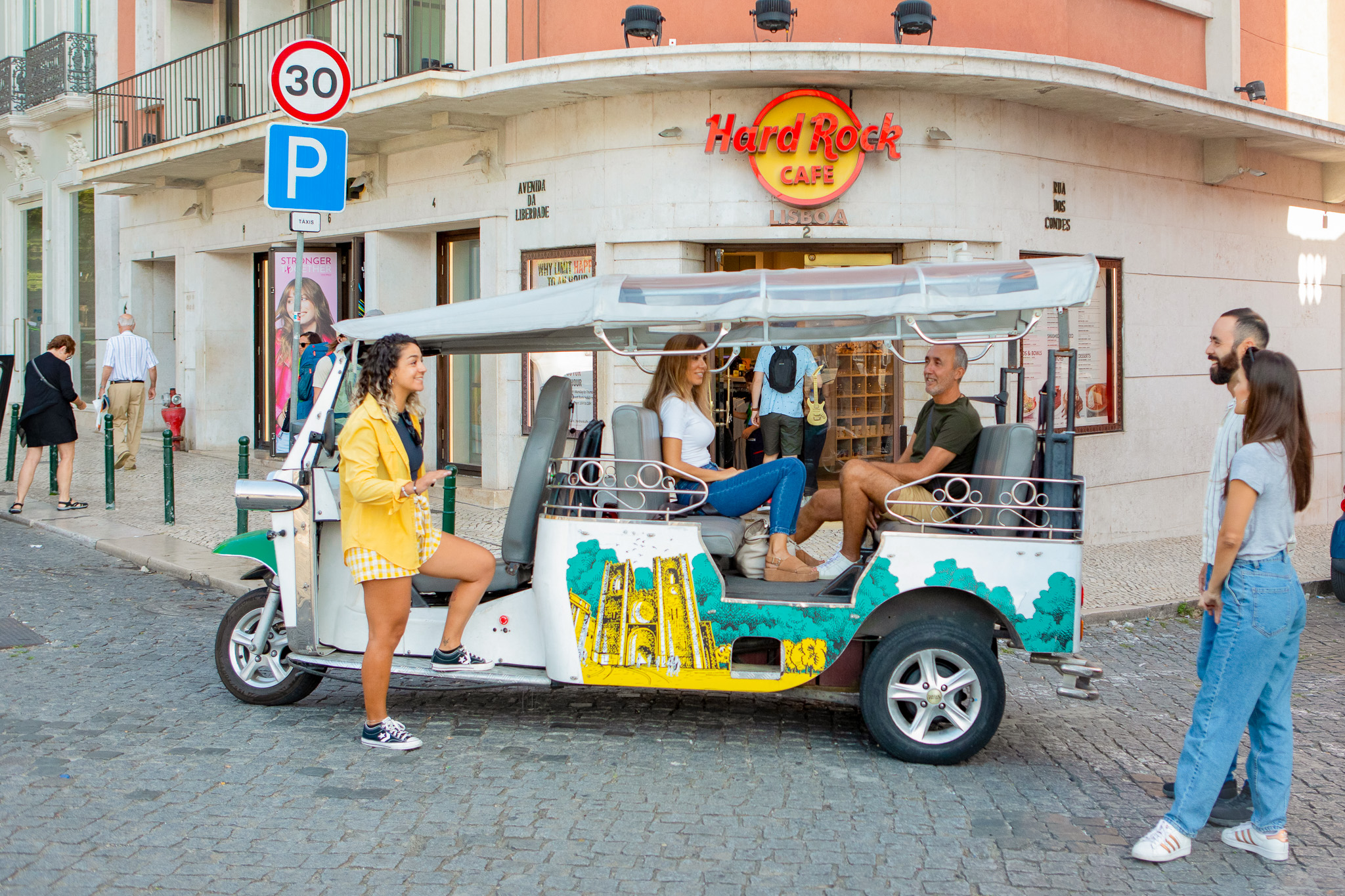
Explore the City in Style Lisbon on Electric Tuk Tuk
Active
1h - 5h
For a full refund, cancel at least 24 hours before the scheduled departure time.
Instant confirmation
Mobile or paper ticket accepted
About this experience
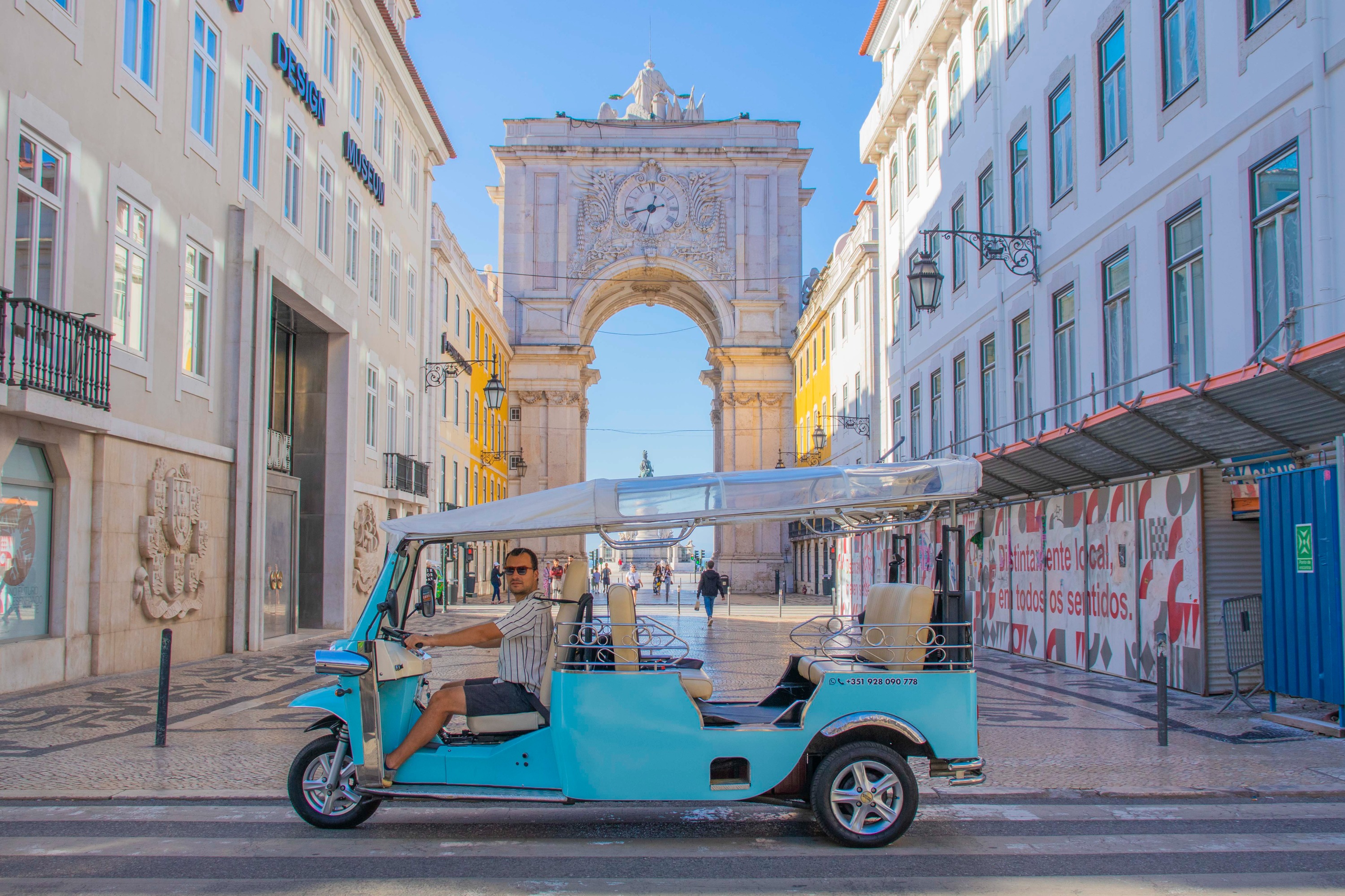
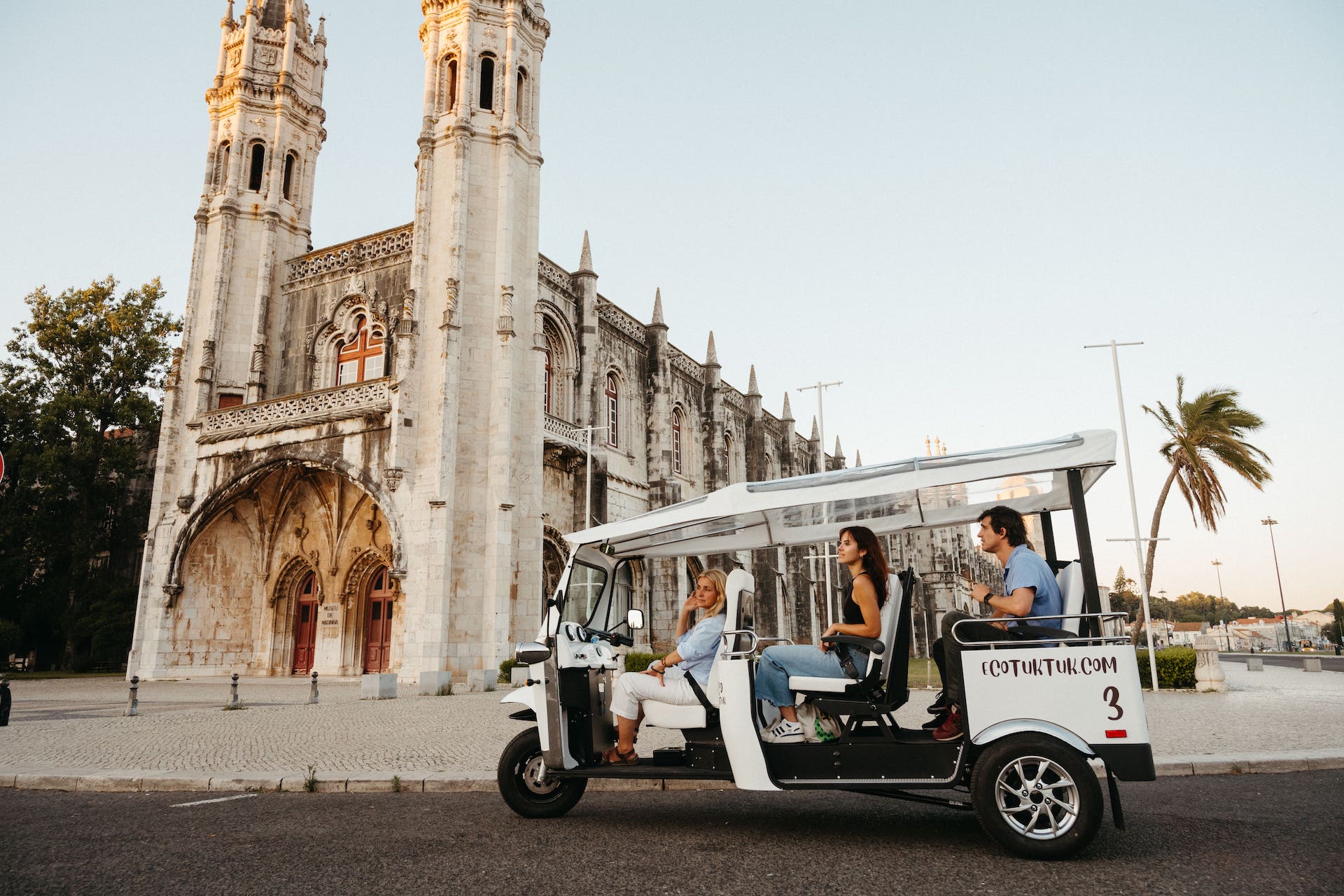
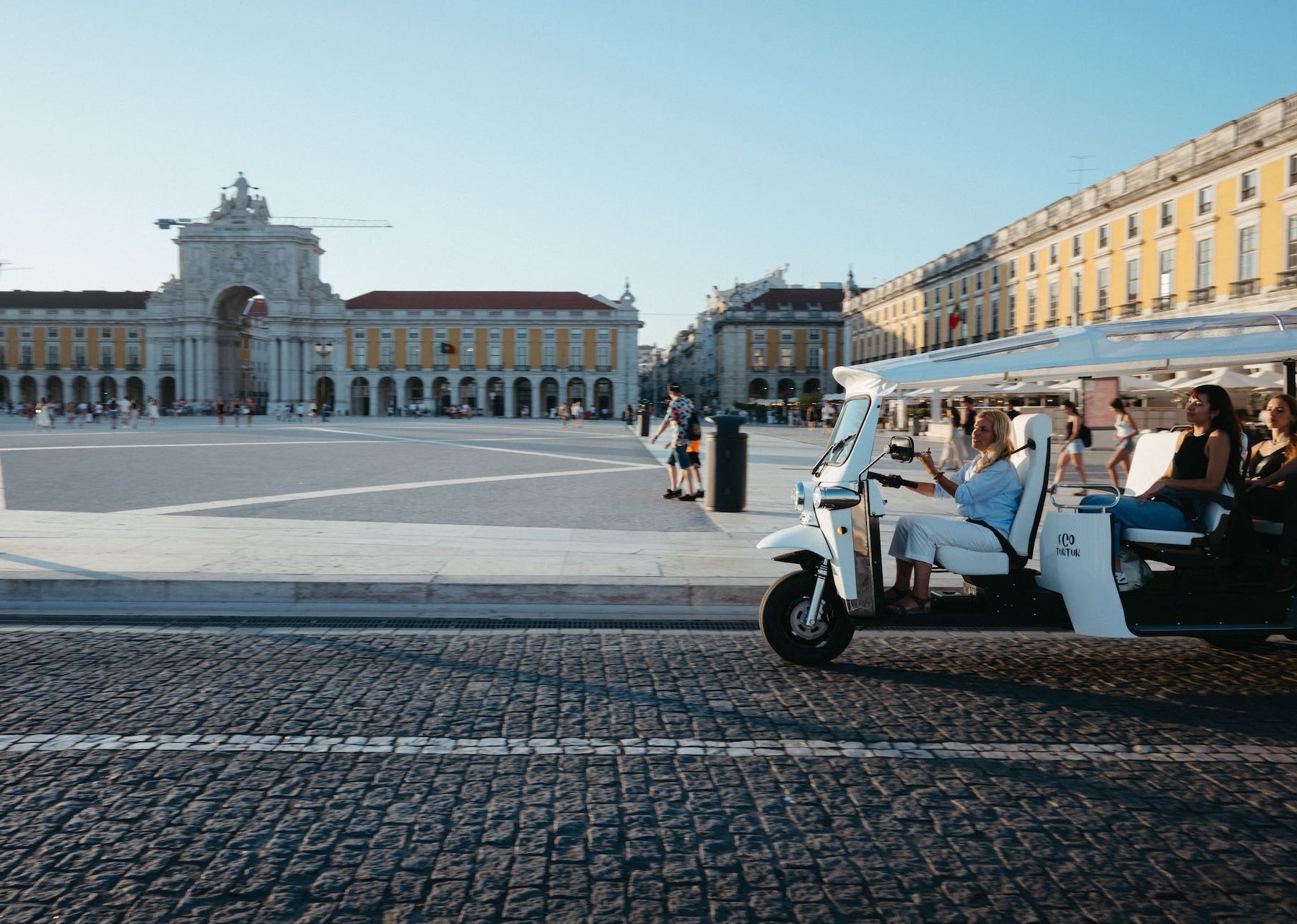
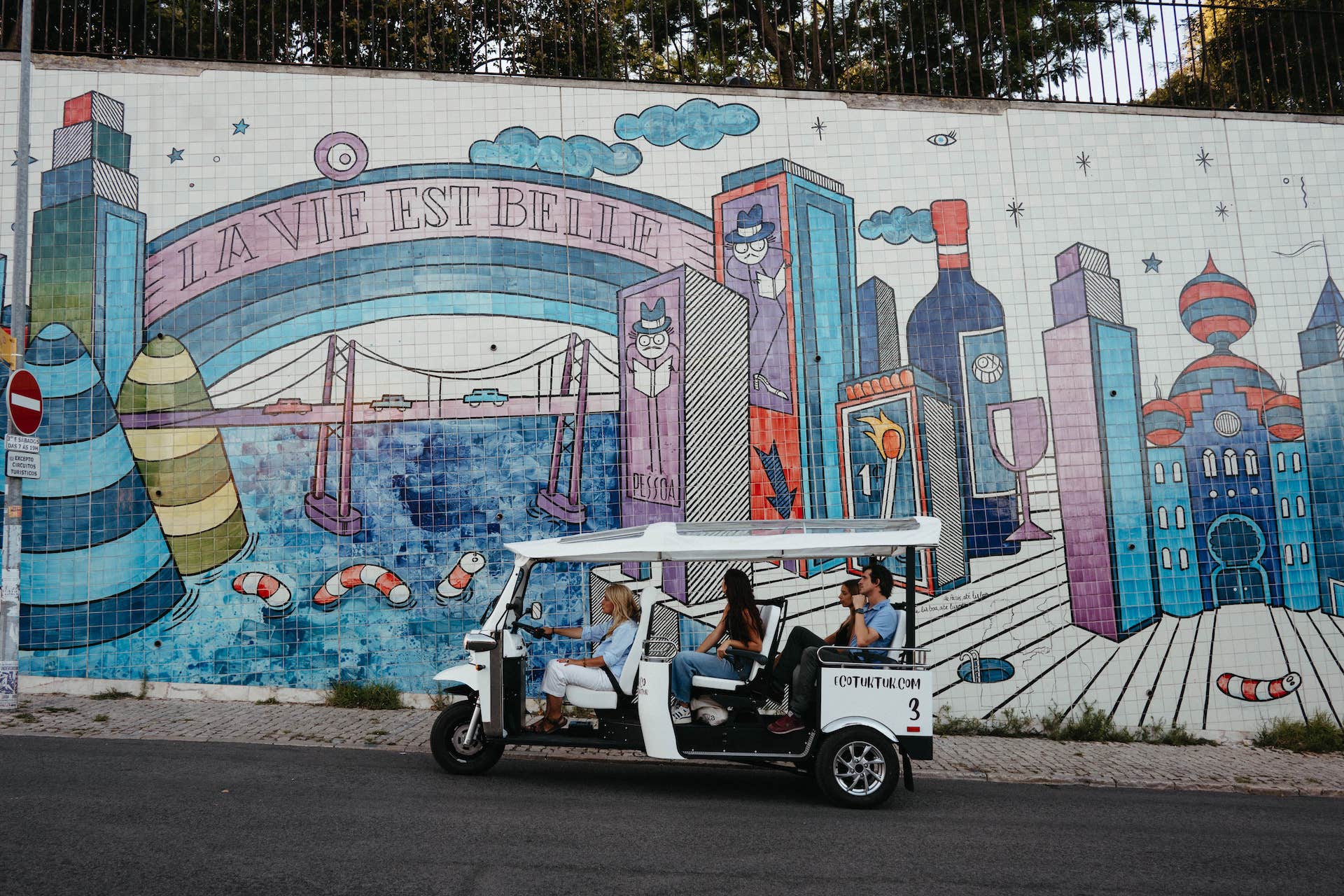
Explore the vibrant streets of Lisbon in an unforgettable Tuk Tuk adventure. Choose from a range of tours that take you through the iconic neighborhoods of the capital. Whether it's the one-hour essential tour showcasing the stunning Baixa Pombalina or the comprehensive five-hour experience covering historical landmarks like the Torre de Belém and the Mosteiro dos Jerónimos, each option is packed with stories and insights from a knowledgeable local guide. Ideal for families, couples, and friends, these tours provide a unique way to discover Lisbon’s charm and culture.
- Multiple tour durations: 1 to 5 hours to fit your schedule
- Discover neighborhoods like Alfama, Graça, Mouraria, Chiado, Bairro Alto, Estrla and Belém.
- Experience local stories and tips from your guide
- Perfect for families, couples, and groups of friends
Available options
À la Carte three hours
Alfama, Graça Bairro, Alto<br/>Duration: 3 hours<br/>Alfama, Graça, Mouraria,Chiado<br/>Tuk Tuk<br/>Pickup included
À la Carte two hours
Alfama, Graça, Mouraria<br/>Duration: 2 hours<br/>Alfama, Graça , Mouraria<br/>Tuk Tuk<br/>Pickup included
À la Carte Five Hours
Duration: 5 hours<br/>Tuk Tuk<br/>Pickup included
À la Carte one hour
Alfama, Graça, Mouraria<br/>Duration: 1 hour<br/>Lisboa<br/>Tuk Tuk<br/>Pickup included
À la Carte four hours
Alfama, Graça, Chiado, Belém <br/>Duration: 4 hours<br/>Lisboa + Belém<br/>Tuk Tuk
What's included
Civil Liability and Personal Injury Insurance
Pickup at hotels located in the city center
Important: not permitted for children under 7 years old
Private tour in an electric vehicle
Live commentary by an experienced local guide
Detailed itinerary
1
Stop 1
Pass by
Lisbon’s Baixa district, also known as Baixa Pombalina, is the heart of the city and one of its most iconic neighborhoods. After the 1755 earthquake, it was completely rebuilt with an innovative urban plan led by the Marquis of Pombal. The streets are wide, straight, and laid out in a grid pattern, surrounded by buildings with neoclassical architecture. During the tuk tuk tour, you’ll be able to admire places such as Rossio Square, with its famous cafés and wave-patterned pavement, Praça da Figueira, and the grand Praça do Comércio, facing the Tagus River. This area is perfect for experiencing the true spirit of Lisbon – among monuments, historic façades, traditional shops, and the lively street atmosphere. It’s also where many locals and visitors cross paths every day. Baixa is the perfect starting point to get to know the city, with fascinating stories, unique views, and an energy that blends tradition and modernity.
2
Lisbon Cathedral, also known as the Church of Santa Maria Maior, is the oldest cathedral in the city, built in the 12th century after Lisbon was reconquered from the Moors. With its imposing Romanesque façade and twin fortified towers, it stands as one of the most striking monuments in the capital. Over the centuries, the cathedral has been modified and restored, incorporating Gothic, Baroque, and Neoclassical elements. It has survived several earthquakes, including the devastating one of 1755, remaining a symbol of faith and resilience. Inside, highlights include the central nave, the main altar, and the cloister, where archaeological remains from earlier periods — including Roman and Visigothic — were discovered. Visiting the cathedral is like diving into Lisbon’s history and feeling the spirituality that has endured through the centuries. A must-see stop on any tour of the city.
3
Stop 3
Pass by
The Miradouro das Portas do Sol is one of Lisbon’s most iconic viewpoints, offering a stunning panorama over the rooftops of Alfama, the Tagus River, and landmarks such as the National Pantheon and the Church of São Vicente de Fora. Located next to the old city walls, this viewpoint takes its name from the ancient Moorish gates that once stood here. It’s an ideal spot to relax, take photos, and enjoy Lisbon’s unique light — especially at sunrise. With a popular terrace café and statues such as that of Saint Vincent, the city’s patron saint, the place blends history, beauty, and a vibrant atmosphere. It’s also a frequent stop for tuk tuks, trams, and tourists exploring the Alfama district. Stopping here is more than just admiring the view — it’s about feeling the soul of Lisbon. A perfect place to enjoy the city’s charm at a slow pace, always with the Tagus on the horizon.
4
Stop 4
The Miradouro da Senhora do Monte is one of Lisbon’s highest and most impressive viewpoints, located in the Graça neighborhood. Set beside the chapel dedicated to Our Lady of the Hill — the patron saint of pregnant women — it offers one of the city’s widest panoramic views: from São Jorge Castle to the Tagus River, encompassing the Baixa district, Avenida da Liberdade, and even the 25 de Abril Bridge. Less crowded than other viewpoints, it provides a peaceful and contemplative atmosphere, ideal for those seeking a quiet moment with a breathtaking view. The chapel and the viewpoint also hold deep spiritual meaning for many Lisboans. It’s a perfect place to take photos, watch the sunset, or simply enjoy Lisbon’s unique beauty from above. Stopping here on a tuk tuk tour reveals a more serene side of the city, full of authenticity and charm.
5
Stop 5
Pass by
The Church of São Vicente de Fora is one of Lisbon’s most important monuments. The name “de Fora” (“outside”) refers to its location beyond the city’s former walls. Originally, a simpler church dedicated to Saint Vincent — the patron saint of Lisbon — stood here. In the 17th century, during the reign of King Philip I, the current church and monastery were built in a grand Mannerist and Baroque style. The imposing façade gives way to an interior adorned with Portuguese marble and 17th- and 18th-century azulejos (tiles). The monastery houses the tombs of the Braganza dynasty, including several kings and queens. The cloister is a highlight, featuring tile panels illustrating La Fontaine’s fables. From the terrace, there is a magnificent view over Alfama and the Tagus River. São Vicente de Fora is a site of great historical, artistic, and spiritual significance — an essential stop on any visit to Lisbon.
6
The Feira da Ladra is Lisbon’s oldest and most popular market, known as the city’s flea market. It takes place on Tuesdays and Saturdays in the historic Alfama district, near the National Pantheon. Here you’ll find a huge variety of items — from antiques, books, furniture, and vintage clothing to handicrafts, souvenirs, and curious objects. The name “Ladra” (literally “female thief”) refers to old stories of petty thefts at the market, but today it’s best known as a vibrant hub of trade and local culture. The fair is perfect for those who love hunting for treasures, discovering unique pieces, and soaking up Lisbon’s typical atmosphere, with friendly vendors and visitors from all over the world. Visiting the Feira da Ladra is diving into the city’s authenticity — an experience full of color, history, and movement.
7
Stop 7
Pass by
In the heart of Alfama, the National Pantheon — also known as the Church of Santa Engrácia — is one of Lisbon’s most impressive buildings. With its grand white dome, visible from many parts of the city, the monument blends history, architecture, and tributes to great Portuguese figures. Construction began in the 17th century but was only completed in the 20th, giving rise to the popular Portuguese expression “as obras de Santa Engrácia” (meaning “something that never ends”). Inside rest notable personalities such as Amália Rodrigues, Humberto Delgado, and Eusébio. The vast nave is decorated with colorful marble and offers breathtaking views from the top of the dome. From the viewpoint, visitors can admire the Tagus River and the rooftops of Alfama. A must-see stop for anyone wishing to feel the weight of Portuguese history in a majestic setting — perfect for a cultural break during a tuk tuk tour of Lisbon!
8
Stop 8
Pass by
Alfama is the oldest and most authentic neighborhood in Lisbon, known for its narrow streets, steep hills, and unique atmosphere. This maze of alleyways preserves the city’s traditional spirit, with colorful houses, typical tiles, and flower-filled balconies. Alfama is one of the neighborhoods where fado is most deeply felt, with numerous small restaurants and taverns where you can listen to this traditional music live, keeping Lisbon’s culture alive. Although fado has its deepest roots in Mouraria, Alfama is now one of the main places to experience the music and its distinctive ambiance. The neighborhood also offers important landmarks such as São Jorge Castle, the National Pantheon, and the Miradouro das Portas do Sol, all providing stunning views over Lisbon and the Tagus River. Walking through Alfama is like traveling back in time, feeling Lisbon’s authenticity and history at every corner — an unmissable place to discover the soul of the city.
9
Stop 9
Pass by
Largo do Carmo is one of Lisbon’s most emblematic historic squares, located in the heart of Bairro Alto. It is famous for the ruins of the Carmo Church, destroyed by the 1755 earthquake, which now serve as an open-air archaeological museum, offering a unique glimpse into the city’s history. The square is a lively meeting point, surrounded by cafés, restaurants, and bars where locals and tourists gather to enjoy Lisbon’s vibrant atmosphere. Nearby is the Santa Justa Elevator, a Neo-Gothic lift connecting the Baixa district to Bairro Alto, providing easy access between these two historic areas and offering panoramic views of the city. Largo do Carmo combines history, culture, and urban life, making it an unmissable spot for anyone wanting to experience the essence of Lisbon.
10
Stop 10
Pass by
The Church of São Roque is one of Lisbon’s oldest and most important churches, located in the Chiado district. Founded in the 16th century by the Society of Jesus, it stands out for its richly decorated interior, featuring azulejos (tiles), gilded woodwork, and highly valuable paintings. Its exterior is simple, reflecting the Jesuits’ original austerity, but inside it houses one of the most impressive collections of sacred art in Portugal, including the Chapel of St. John the Baptist, considered one of the most expensive chapels in the world, brought piece by piece from Rome. The church is also a remarkable example of Baroque and Mannerist architecture in Portugal. Beyond its artistic value, São Roque holds significant historical importance, having withstood several earthquakes, including the devastating one of 1755. Visiting São Roque is a unique opportunity to explore Lisbon’s rich cultural and religious heritage
11
Stop 11
Pass by
The São Pedro de Alcântara Viewpoint is one of Lisbon’s most charming spots, located in Bairro Alto at the top of the famous Glória Funicular. It offers a stunning panoramic view of the city, highlighting São Jorge Castle, the Cathedral (Sé), the Tagus River, and the colorful rooftops of Baixa Pombalina. It’s the perfect place for a relaxing break during a tuk tuk tour, combining natural beauty, history, and art. The viewpoint features a well-maintained garden with fountains, benches, and a tile panel that helps identify the main landmarks in view. At sunset, the atmosphere becomes even more magical, with street musicians and a lively vibe. Nearby, there are kiosks, bars, and cafés where you can enjoy a drink with a privileged view. A true living postcard of Lisbon, captivating both locals and visitors with its unique and unforgettable energy.
12
Praça do Príncipe Real is one of Lisbon’s most charming and peaceful squares, located in an elegant and cosmopolitan neighborhood. Surrounded by historic buildings, the square is known for its well-kept gardens, centuries-old trees, and the tropical greenhouse housing exotic plants. It is a popular meeting point for both locals and visitors, with cafés, restaurants, and nearby shops offering design items and organic products. The Príncipe Real neighborhood is also famous for its cultural diversity and lively atmosphere, especially on weekends when the organic and handicraft market takes place. The square provides a relaxing environment, perfect for strolling, resting, or enjoying Lisbon life, combining charm, nature, and culture in a single visit.
13
Stop 13
Pass by
Eduardo VII Park is the largest public park in central Lisbon, situated on a hill that offers panoramic views of the city and the Tagus River. Opened in 1903, it is a beloved green space for walking, picnicking, and outdoor leisure. Its wide paths, well-maintained gardens, and greenhouses with tropical plants create a peaceful environment in the heart of the city. At the lower end of the park, near the roundabout leading to Avenida da Liberdade, stands the imposing Statue of the Marquis of Pombal, honoring the man responsible for Lisbon’s reconstruction after the 1755 earthquake. The park also hosts cultural events and festivals throughout the year. Visiting Eduardo VII Park is an excellent way to relax and enjoy nature while taking in unique views of the Portuguese capital.
14
Stop 14
Pass by
Marquês de Pombal Square is one of Lisbon’s most important and busiest roundabouts, serving as the central link between the city’s historic and modern areas. At its center stands the imposing statue of the Marquis of Pombal, the statesman who led Lisbon’s reconstruction after the 1755 earthquake. The sculpture, flanked by lions and allegorical figures, symbolizes the minister’s strength and reformist vision. The square marks the beginning of Avenida da Liberdade and is surrounded by office buildings, hotels, and shopping centers, making it a vital hub for transport and economic activity. With Eduardo VII Park just above, it is also a key reference point for those exploring the city on foot. Marquês de Pombal Square represents Lisbon’s modernization and its ability to rise again with grandeur, standing today as a symbol of progress and national pride.
15
Stop 15
Pass by
Avenida da Liberdade is Lisbon’s main elegant avenue, renowned for its wide tree-lined boulevards and well-maintained gardens. Inaugurated in the 19th century, this luxurious avenue connects Praça Marquês de Pombal to the city center and is a prime spot for walking, where visitors can admire 19th-century architecture, iconic iron lamp posts, and statues that adorn the area. The avenue is at the heart of Lisbon’s cultural and social life, hosting events, parades, and artistic performances. Strolling along Avenida da Liberdade is a chance to experience the city’s cosmopolitan charm, blending tradition and modernity in a sophisticated and vibrant setting.
16
Stop 16
Pass by
Restauradores Square is one of Lisbon’s most iconic squares, located at the end of Avenida da Liberdade and marked by its central obelisk, inaugurated in 1886. This monument commemorates the Restoration of Portugal’s Independence in 1640, following 60 years of Spanish rule. The square is surrounded by historic buildings with Art Deco and Neo-Manueline façades, including former theaters, hotels, and cinemas that reflect the charm of 20th-century Lisbon. It also serves as a link between Baixa and Bairro Alto, with easy access to the Glória Funicular, which leads to the São Pedro de Alcântara viewpoint. With its lively and bustling atmosphere, Restauradores Square combines history, culture, and modernity, making it an excellent starting point for exploring the heart of Portugal’s capital.
What's not included
Tips
Available languages
Guide guide
DE
PT
EN
FR
ES
Reviews breakdown
Viator
5.0
1 reviews
5★
1
4★
0
3★
0
2★
0
1★
0
Tripadvisor
5.0
10 reviews
5★
10
4★
0
3★
0
2★
0
1★
0
Important information
Specialized infant seats are available
Not recommended for travelers with spinal injuries
Not recommended for pregnant travelers
Service animals allowed
Public transportation options are available nearby
Suitable for all physical fitness levels
Meeting point
The meeting point is at Rua de Arroios 120-A, Lisbon. Look for our illuminated sign above the door. We are conveniently located near Arroios Metro Station (Green Line).
If you have any questions or need assistance, please contact us — we’re here to help!
About Lisbon
Lisbon, the capital of Portugal, is a vibrant city known for its rich history, stunning architecture, and warm climate. With its charming streets, historic trams, and breathtaking viewpoints, Lisbon offers a unique blend of old-world charm and modern energy.
Top Attractions
Belém Tower
A UNESCO World Heritage Site, this 16th-century tower is an iconic symbol of Lisbon's Age of Discoveries.
Historical
1-2 hours
€6
Alfama District
Lisbon's oldest district, known for its narrow, winding streets, Fado music, and historic charm.
Historical
Half day
Free to explore, attractions may have entry fees
Sintra
A UNESCO World Heritage Site, Sintra is a romantic town with stunning palaces and castles.
Historical
Full day
Varies by attraction, around €10-€15 per site
Must-Try Local Dishes
Bacalhau à Brás
Shredded codfish with eggs, potatoes, and onions
Main Dish
Contains fish and eggs
Pastel de Nata
Custard tart with a flaky pastry crust
Dessert
Contains dairy and eggs
Francesinha
A sandwich with meat, cheese, and a beer-based sauce
Main Dish
Contains meat, cheese, and gluten
Popular Activities
Hiking in Sintra
Surfing in Ericeira
Parasailing in Cascais
Beach lounging in Costa da Caparica
Spa day in a luxury hotel
Picnic in Jardim da Estrela
Visiting museums and galleries
Attending Fado performances
Best Time to Visit
March to May, September to October
These months offer pleasant weather and fewer crowds, making it ideal for sightseeing and outdoor activities.
15-25°C
59-77°F
Practical Information
Language
- Official: Portuguese
- Widely spoken: English, Spanish, French
- English: Moderately spoken
Currency
Euro (EUR)
Time Zone
GMT+1 (Western European Time, WET)
Electricity
230VV, 50HzHz
Safety Information
Overall Safety Rating: Generally safe
Lisbon is generally safe, but pickpocketing and petty theft can occur in crowded areas.
Important Precautions:
- • Be cautious of pickpockets in crowded areas
- • Use licensed taxis or ride-sharing apps
- • Avoid walking alone at night in less crowded areas
Getting there
By air
- Humberto Delgado Airport • 7 km from city center
By train
Santa Apolónia, Oriente
By bus
Sete Rios, Jardim do Campo Grande, Gare do Oriente
Getting around
Public transport
Efficient and clean, with four lines connecting major attractions.
Taxis
Available • Apps: Bolt, FreeNow
Rentals
Car, Bike, Scooter
Neighborhoods
Alfama
Baixa
Bairro Alto
Day trips
Sintra
25 km from Lisbon • Full day
A romantic town with stunning palaces, castles, and lush gardens.
Cascais
30 km from Lisbon • Half day to full day
A charming coastal town with beautiful beaches, historic sites, and a relaxed atmosphere.
Óbidos
80 km from Lisbon • Full day
A medieval town with a well-preserved castle, narrow streets, and charming shops.
Festivals
Santos Populares • June 13th
Festival dos Oceanos • June to September
Arraial do Alfoz • June to September
Pro tips
- Visit the Time Out Market for a variety of local and international cuisines
- Take a day trip to Sintra and Cascais for a mix of history and beach relaxation
- Explore the LX Factory for a unique shopping and dining experience
- Ride the historic Tram 28 for a scenic tour of the city
- Visit the MAAT museum for a blend of art, architecture, and technology
From $25
per person
Price varies by option
Secure booking
Free cancellation available
Instant confirmation