Carcassonne Audioguided Walking Tour 2h30 and 27 reviews
Active
2h
For a full refund, cancel at least 24 hours before the scheduled departure time.
Instant confirmation
Mobile or paper ticket accepted
About this experience
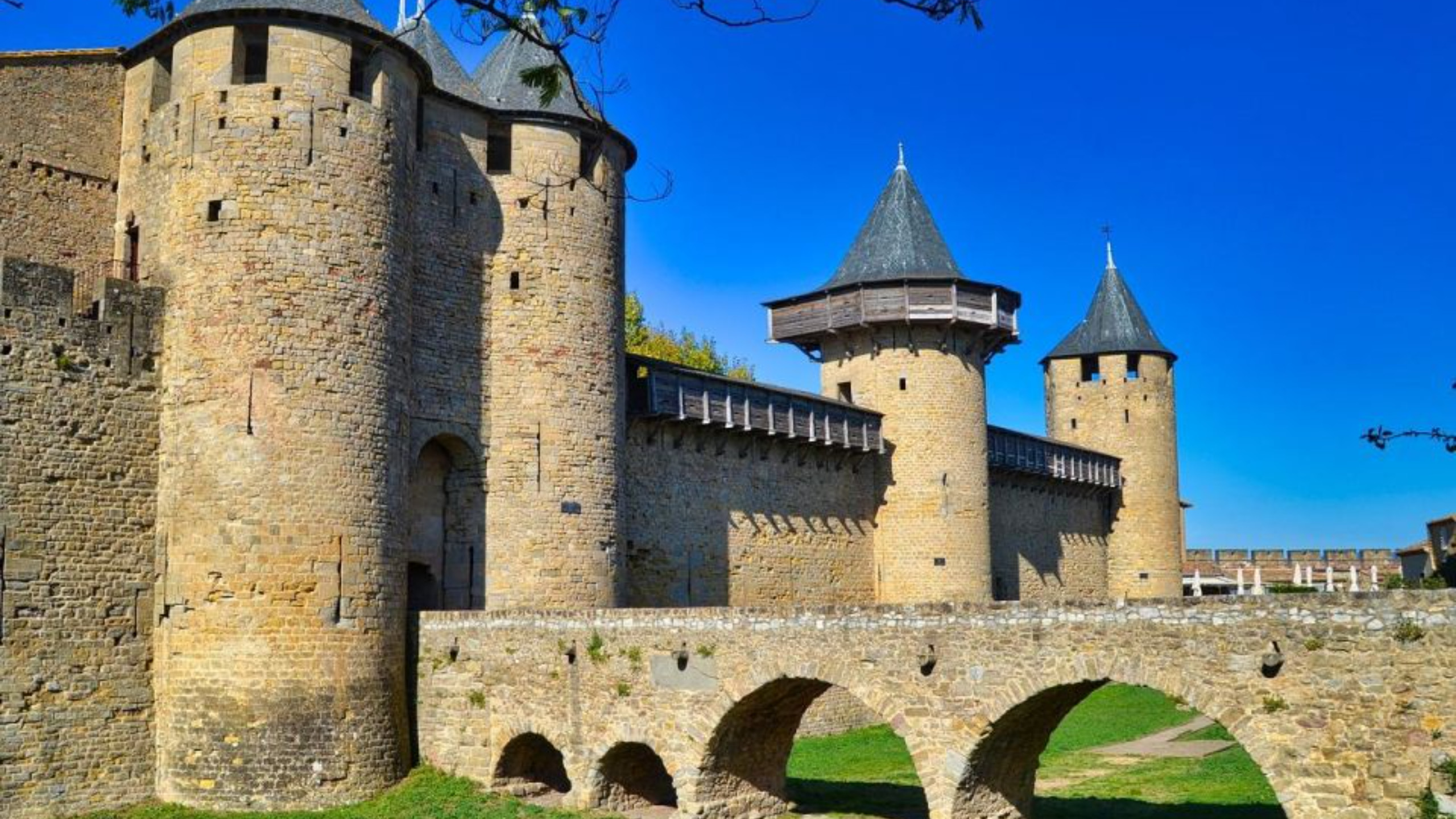
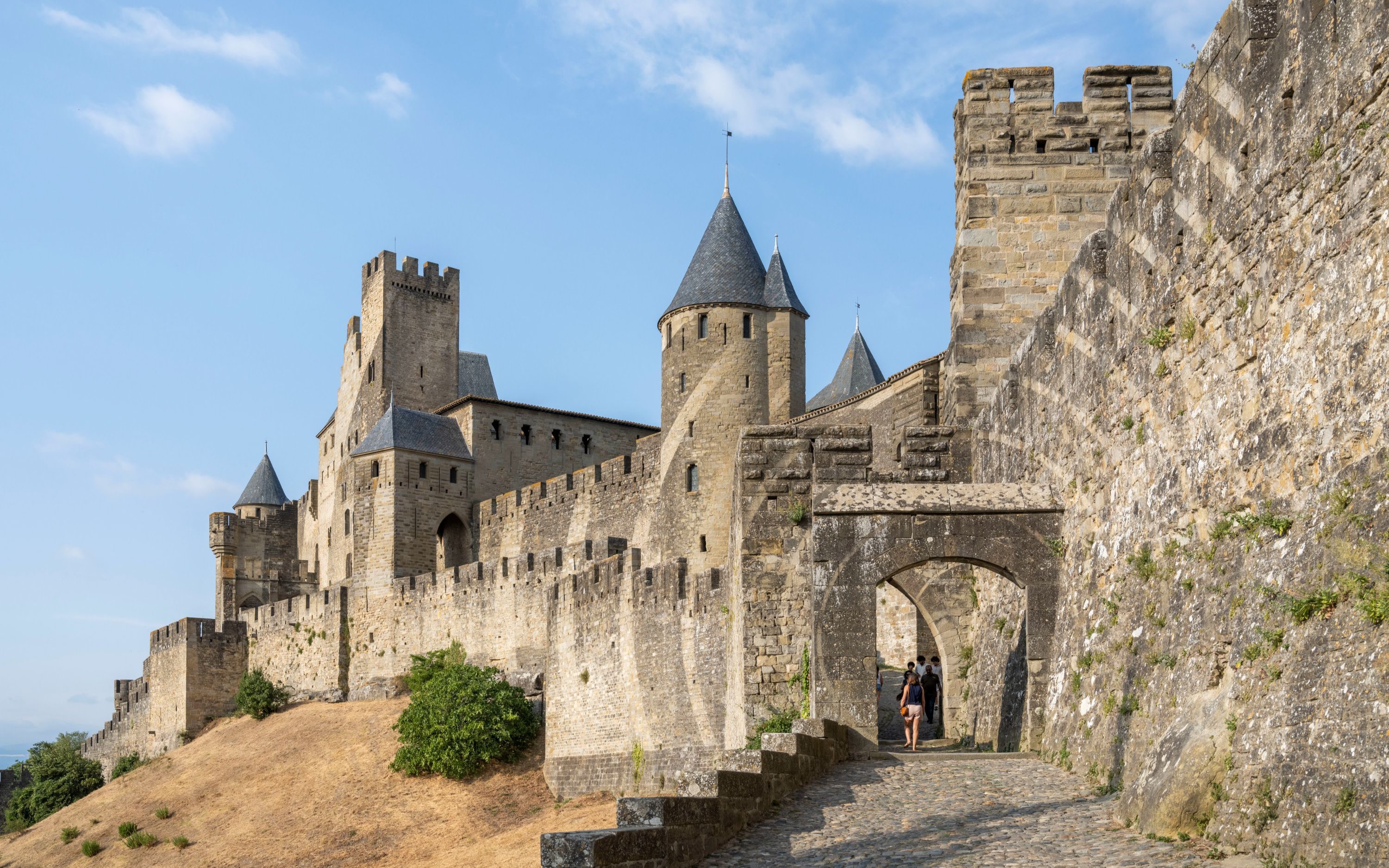
Discover Carcassonne, an iconic city of medieval French heritage. Stroll through the medieval UNESCO World Heritage City, explore the Château Comtal and admire the Basilica of Saint Nazaire. This tour will take you through 27 sites of interest, including the impressive Cathedral of Saint Michel and the peaceful Canal du Midi. Whether you are passionate about history, wine lover or looking for a family getaway, Carcassonne will seduce you with its cultural riches and friendly atmosphere.
- 5.7 km walk, ideal for a day of exploration
- Access to major historical sites, including Château Comtal
- Perfect for families, history and gastronomy lovers
- Discover the city at your own pace, with audio guides providing rich commentary
Available options
Standard rate
What's included
Recommendations for the best photo opportunities
27 immersive audio comments along the way (History...)
Immediate access to the audioguided circuit, no tickets or materials to collect
Offline mode (no data consumption during the visit)
3 languages available: French, English, Spanish
Text transcripts of all audio content
No deadlines or expirations
Admire the hidden gems that lie off the beaten track
Interactive navigation with 3D map to discover the most beautiful streets,...
Detailed itinerary
1
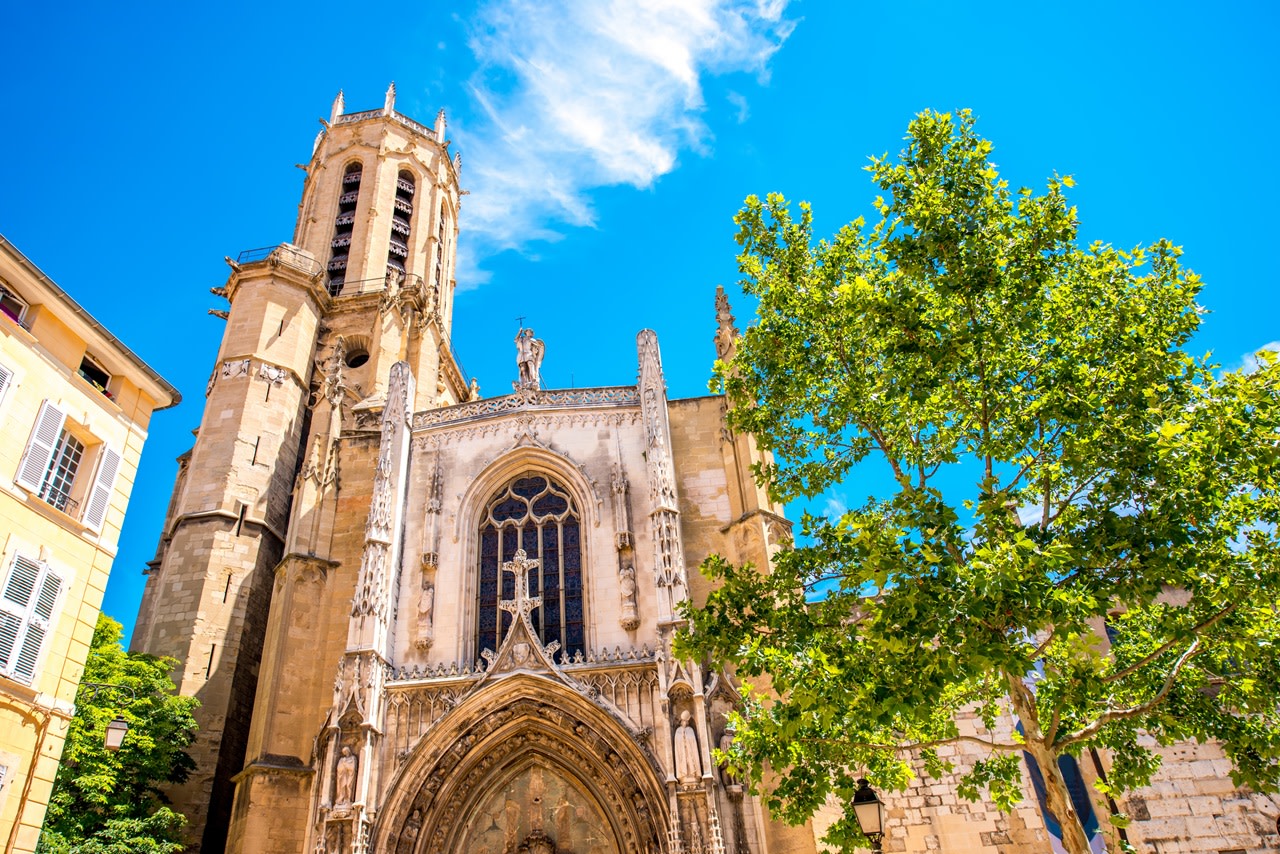
You arrived in front of St. Michael's Cathedral. It was she who dethroned the Basilica of Saint Nazaire in the medieval city in 1803, stealing its cathedral status.
2
Here, we will turn left, but if you continue a little bit in Rue Aimé Ramond, you will come across the Maison de l’Ambassador on your left, at number 50.
3
Here you are in front of a building that will interest more than one: the halls of Carcassonne. Built in the middle of the 18th century, this ancient grain hall was located on the Pilar Square, the place where thieves were exposed to punish them.
4
You are now in Place Carnot, the living heart of the city. Ideal for a drink or a taste of local specialities in the restaurant, it is one of the busiest places in Carcassonne.
5
The church of Saint Vincent is particularly interesting because it allows you to climb to the top of the bell tower to enjoy a panoramic view of Carcassonne, in exchange for a few euros!
6
Take a look on your left: the wall that stands here is part of the bastion of Saint Martin, built in the 16th century.
7
We are in the square André Chénier, named after this poet and French journalist who was guillotined in Paris in 1794, in the middle of the Revolution.
8
It was in the 13th century that this church was built in the heart of the Bastide, in 1297 exactly. It follows, like most of the city's churches, an architecture based on the Southern Gothic style
9
Take a look on your left: here you are in front of the Inn of Rolland, the current Carcassonne City Inn.
10
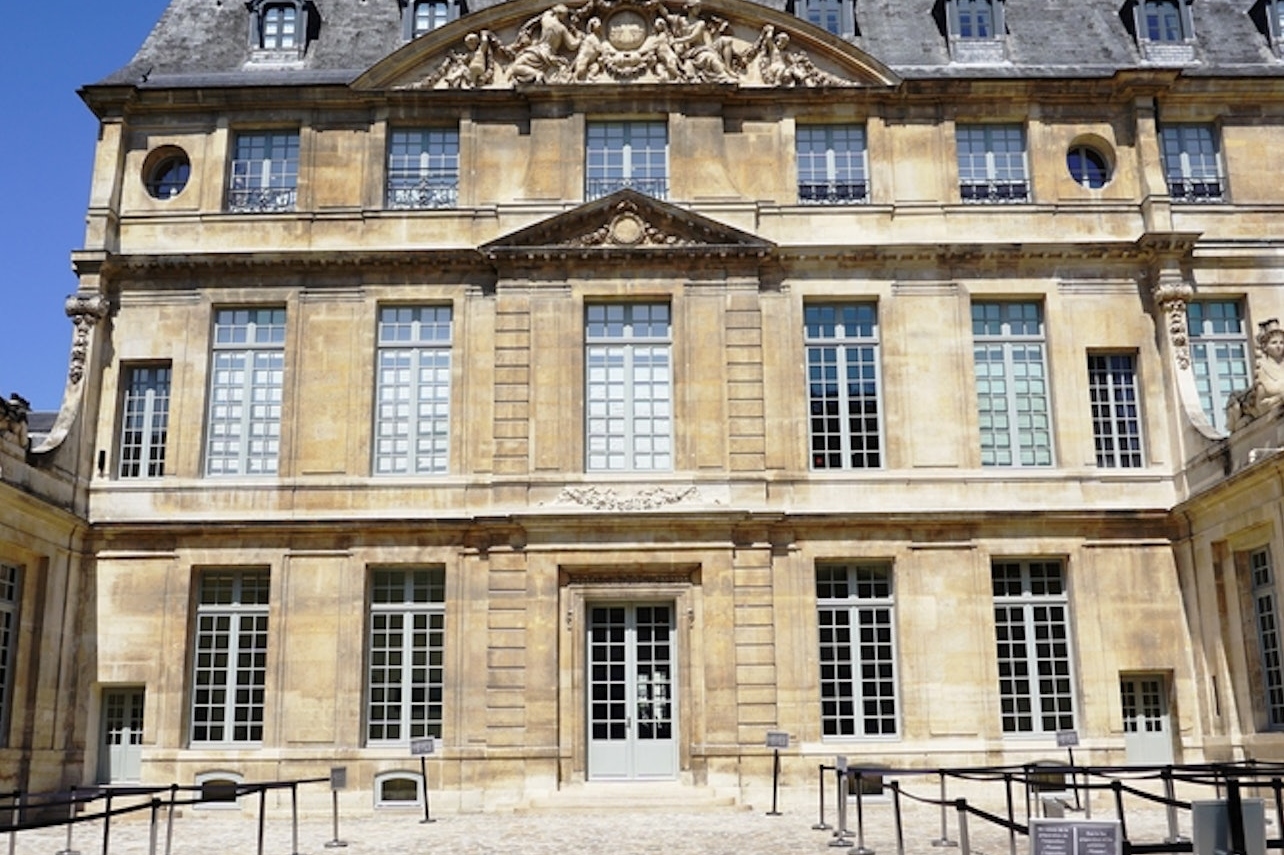
The beautiful building in front of you is the Museum of Fine Arts.
11
Facing the Museum of Fine Arts, Gambetta Square is a small, peaceful place where it is pleasant to take a break. It was built in 1861 as Place du Charbon, then Place Sainte-Cécile.
12
The Pont-Neuf, in opposition to the Pont-Vieux, which is directly opposite, was built in 1840 to allow a second access between the medieval city and the lower town.
13
Here you are in Trivalle Street, located in the oldest part of the city. At the foot of the city, it follows the path of the ancient Roman road that connected Narbonne to Toulouse
14
Behind this wall lies Notre-Dame de l’Abbaye, an ancient monastery that comes straight from the Middle Ages.
15
Here you are in front of a statue of great importance to Carcassonne.
16
You are in front of what is today the main entrance to the medieval city. The Narbonne Gate, which is actually on the Narbonne side, is an impressive fortification that provided protection for the city.
17
Stop 17
Pass by
The large gate in front of you corresponds to the entrance to the castle. It is a barbacane, installed here to protect it.
18
With more than 2 million visitors per year, the medieval city of Carcassonne is one of the most visited sites in France.
19
Come on, let's get down to a little historical break. If you have ever listened to the audio guide that tells the history of the city, you have understood that Carcassonne was, for several centuries, a feudalism.
20
The Basilica of Saint-Nazaire-et-Saint-Celse, of its full name, is the first building restored by Viollet-le-Duc during his great restoration of the city.
21
You leave here from the Medieval City through the Porte d’Aude, which is next to the castle. I'm sure this setting means something to you...
22
The church of Saint-Gimer is not as old as the fortifications of the medieval city. Indeed, it was not built until 1859, by Viollet-Le-Duc.
23
On your right, located at the entrance to the Pont-Vieux, stands the former royal linen factory.
24
We will now cross the Pont-Vieux de Carcassonne, which allows us to cross the Aude and connect the two parts of the city.
25
This small chapel on your left is well named after her: there used to be a large hospital right next to her.
26
You may have already understood this, but Carcassonne is divided into two parts: the Medieval City, perched on its rocky outcrop and surrounded by its suburbs, and the lower town, called the Bastide Saint-Louis, which is on the other side of the Aude.
27
Here you are in the place of General de Gaulle. Here, we come across what was once one of the most important buildings in the city: the Porte des Jacobins, on your right, marks the entrance to the lower town of Carcassonne.
What's not included
Entrance fees to paid establishments along the route...
Headphones or headphones (optional)
Available languages
Audio guide
EN
FR
ES
Important information
Service animals allowed
Public transportation options are available nearby
Suitable for all physical fitness levels
Meeting point
We build our circuits in the form of a loop so that you can easily start the tour at the point closest to you, the guidance will adapt automatically. If you are nearby, we recommend an ideal Check-out Point.
Important notes
Activating your audio-guided circuit:
1. Download the INWAY mobile app from your App Store or directly via this link: in-way.fr/app
2. Open the application and enter your code to unlock the circuit: CAR65146
We build our circuits in the form of a loop so that you can easily start the tour at the point closest to you, the guidance will adapt automatically. If you are nearby, we recommend an ideal Check-out Point: On Pont Neuf, towards the medieval city
About Carcassonne
Carcassonne is a historic fortified city in southern France, famous for its medieval architecture and UNESCO World Heritage-listed Cité de Carcassonne. It offers a unique blend of history, culture, and scenic beauty, making it a must-visit destination for history enthusiasts and travelers seeking a fairy-tale experience.
Top Attractions
Cité de Carcassonne
The Cité de Carcassonne is a medieval fortress and UNESCO World Heritage site. It is one of the most visited historic sites in France, featuring a double-walled fortress, 52 towers, and a drawbridge.
Historical/Architecture
2-3 hours
€9.50
Château Comtal
The Château Comtal is a medieval castle within the Cité de Carcassonne. It offers guided tours that take visitors through its rich history and stunning architecture.
Historical/Architecture
1-2 hours
Included in the Cité de Carcassonne ticket
Basilica of Saints Nazarius and Celsus
This beautiful Romanesque basilica is located within the Cité de Carcassonne. It is known for its stunning architecture and historical significance.
Religious/Architecture
30 minutes to 1 hour
Free
Musée de l'Ecole Française
This museum is dedicated to the history of education in France. It features a collection of school-related artifacts and provides a unique insight into the educational system of the past.
Museum
1-2 hours
€5
Lake Cavayère
Lake Cavayère is a popular spot for outdoor activities, including swimming, boating, and picnicking. It is a great place to relax and enjoy the natural beauty of the region.
Nature
Half day
Free (activities may have separate costs)
Must-Try Local Dishes
Cassoulet
A traditional dish made with white beans, meat (usually duck, goose, or sausage), and slow-cooked in a clay pot.
Main course
Contains meat and beans, not suitable for vegetarians or vegans.
Confit de Canard
Duck confit is a dish where duck legs are slow-cooked in their own fat, resulting in tender, flavorful meat.
Main course
Contains duck, not suitable for vegetarians or vegans.
Foie Gras
A delicacy made from the liver of a duck or goose, often served as a pâté or mousse.
Appetizer or Dessert
Contains animal products, not suitable for vegetarians or vegans.
Croustade de Carcassonne
A traditional pastry filled with apples, cinnamon, and sometimes almond cream.
Dessert
Contains dairy and sometimes nuts, suitable for vegetarians.
Popular Activities
Hiking in the nearby mountains
Boating at Lake Cavayère
Picnicking by the lake
Enjoying a leisurely meal at a local restaurant
Exploring the Cité de Carcassonne
Visiting local museums and galleries
Swimming at Lake Cavayère
Visiting local Christmas markets
Best Time to Visit
June to August
This is the peak tourist season with warm weather, festivals, and outdoor activities. The city is bustling with visitors, and the weather is ideal for exploring the medieval streets and enjoying outdoor dining.
20°C to 30°C
68°F to 86°F
Practical Information
Language
- Official: French
- Widely spoken: English, Spanish, Occitan
- English: Moderately spoken
Currency
Euro (EUR)
Time Zone
GMT+1 (CET), GMT+2 (CEST during daylight saving time)
Electricity
230VV, 50HzHz
Safety Information
Overall Safety Rating: Generally safe
Carcassonne is generally safe for tourists, with low crime rates. However, as with any tourist destination, it's important to be aware of your surroundings and take basic precautions.
Important Precautions:
- • Keep valuables secure and out of sight.
- • Be cautious of pickpockets in crowded areas.
- • Use licensed taxis or ride-sharing services.
Getting there
By air
- Carcassonne Airport • 3 km from city center
By train
Carcassonne Station
By bus
Carcassonne Bus Station
Getting around
Public transport
The bus network is efficient and affordable, with routes covering most parts of the city and surrounding areas. Buses are a convenient way to get around, especially for those staying outside the Cité.
Taxis
Available • Apps:
Rentals
Car, Bike, Scooter
Neighborhoods
La Cité
Bastide Saint-Louis
Montlegun
Day trips
Toulouse
90 km • Full day
Toulouse, known as 'La Ville Rose' (The Pink City), is a vibrant city with a rich history, beautiful architecture, and a lively cultural scene.
Narbonne
50 km • Half day
Narbonne is a charming town with a rich history, beautiful architecture, and a relaxed atmosphere. It is known for its Roman ruins and canals.
Minerve
60 km • Full day
Minerve is a picturesque medieval village nestled in the heart of the Haut-Languedoc Regional Natural Park. It is known for its stunning views and historic sites.
Festivals
Carcassonne Festival • July and August
Fête de la Saint-Jean • June 24
Pro tips
- Visit the Cité early in the morning or late in the afternoon to avoid the midday heat and crowds.
- Wear comfortable shoes for walking on cobblestone streets.
- Try the local specialties, such as cassoulet and foie gras.
- Book accommodations and tickets for major attractions in advance, especially during peak season.
- Explore the Bastide Saint-Louis for a more modern and vibrant atmosphere.
From $25
per person
Price varies by option
Secure booking
Free cancellation available
Instant confirmation