Hiroshima’s Peace Park & Hidden Witness Buildings Tour
Active
2h
For a full refund, cancel at least 24 hours before the scheduled departure time.
Instant confirmation
Mobile or paper ticket accepted
About this experience
Explore Hiroshima’s A-bomb legacy with a licensed English-speaking guide. Today, Hiroshima is a beautifully rebuilt city, and at first glance, the only visible scar from the atomic bombing is the iconic Atomic Bomb Dome. But did you know there are other officially recognized A-bombed buildings quietly standing nearby? These structures hold a raw authenticity that only true survivors can convey. On this tour, you’ll visit five of the six remaining survivor buildings, each located just a 5–10 minute walk from the hypocenter. In Hiroshima Peace Memorial Park, your guide will introduce key monuments that honor lives lost and hopes carried forward. This experience concludes at the entrance of the Hiroshima Peace Memorial Museum, where your guide will scan your ticket and gently see you off.
• The ticket to the Hiroshima Peace Memorial Museum is included
• Private walking tour for up to 8 guests
• Flexible start time from 9:00 AM – tailored to your schedule
Available options
Hiroshima’s Peace Park & Hidden Witness Buildings Tour
What's included
Hiroshima Peace Memorial Museum Admission Fees
Other facilities in the itinerary are free of charge
Licensed Local English Speaking Guide
Detailed itinerary
1
Fukuro-machi Elementary School Peace Museum is located just 460 meters (about 1,510 feet) from the hypocenter of the atomic bomb. On August 6, 1945, the blast destroyed most of the school buildings, killing around 160 students and staff. Only the reinforced concrete west wing survived.
In the days following the bombing, this surviving building became a temporary shelter and communication center. Survivors wrote messages in chalk on the soot-covered walls—searching for missing family members or sharing news of survival. These handwritten notes, called hibaku dengon, were later discovered beneath layers of plaster and are now preserved in the museum.
The museum opened in 2002 and occupies part of the original 1937 school building. Visitors can see the actual message wall, damaged doors and windows, and personal items from the time. A short video with English subtitles shares survivor testimonies, and exhibits include drawings, artifacts, and peace messages from children today.
2
Although this bank was located just about 380 meters (about 1,250 feet) from the hypocenter, its sturdy reinforced concrete structure prevented the building from collapsing, and the underground vault remained intact. This bank played a vital role in helping people restore a sense of everyday life amid the chaos.
3
In 1945, the building was exposed to the atomic bombing at a close distance of approximately 360 meters (about 1,180 feet) from the hypocenter. Despite the devastation, parts of the outer walls and the underground vault remained intact, allowing the bank to continue operating after the war.
In 1967, Takaki Bakery purchased and renovated the building, reopening it as Hiroshima Andersen.
4
Shima Hospital – The Hypocenter of the Atomic Bomb
It was a modern surgical hospital located in central Hiroshima, just across the street from the Hiroshima Prefectural Industrial Promotion Hall (now the Atomic Bomb Dome). On August 6, 1945, at 8:15 AM, the atomic bomb exploded approximately 600 meters (about 1,970 feet) above the hospital, making it the exact hypocenter of the blast.
5
Atomic Bomb Dome – A Silent Witness to History
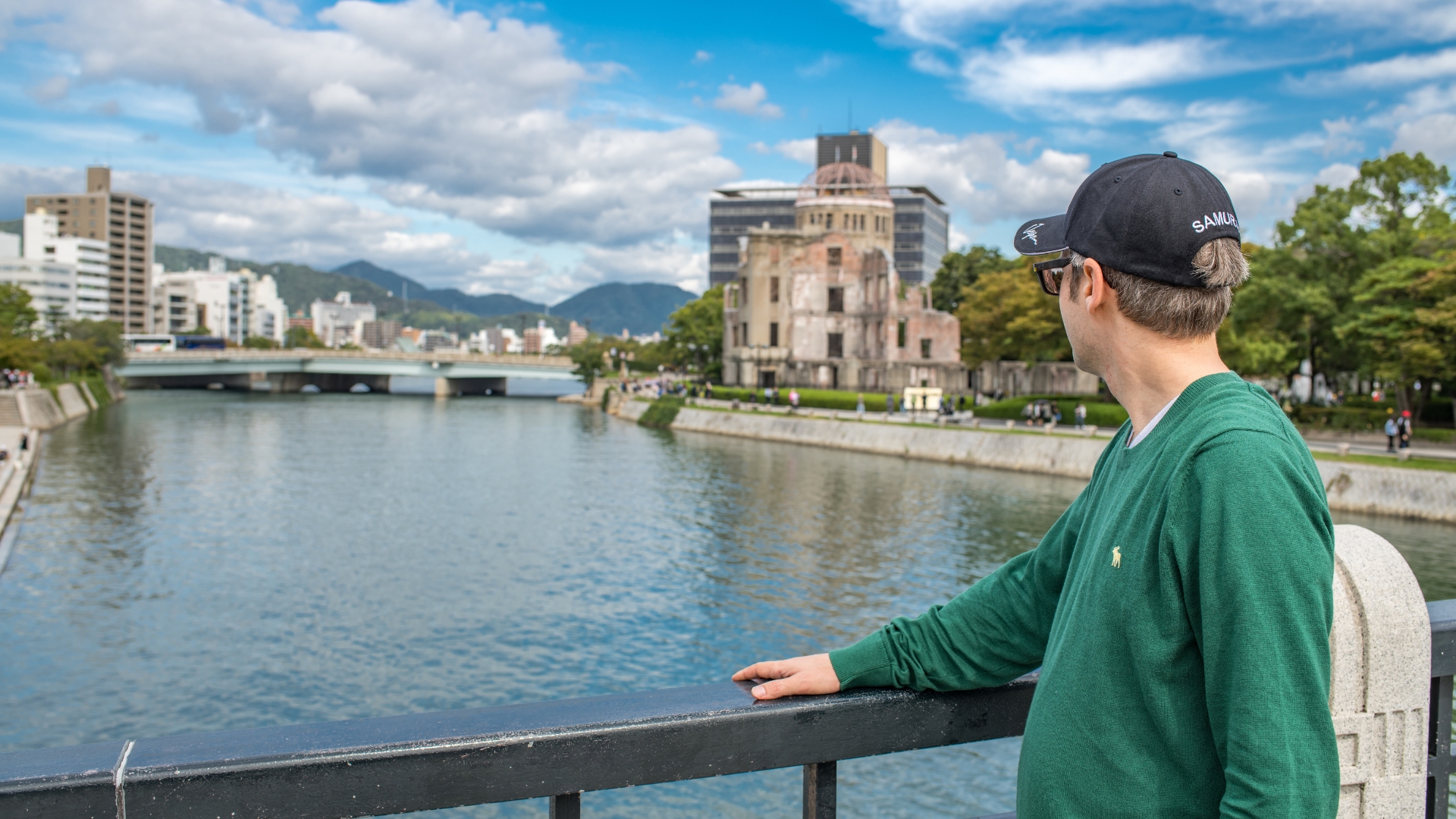
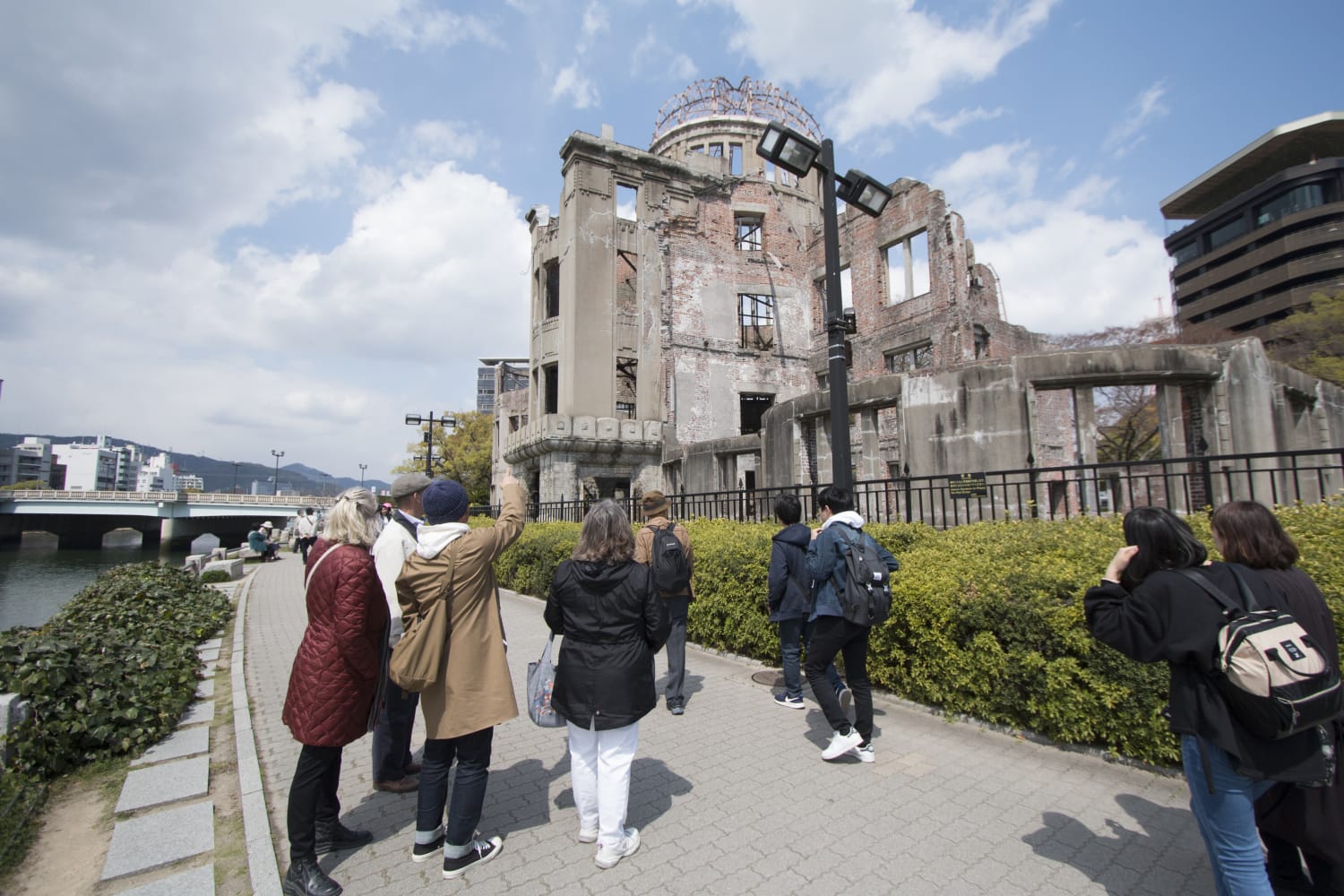
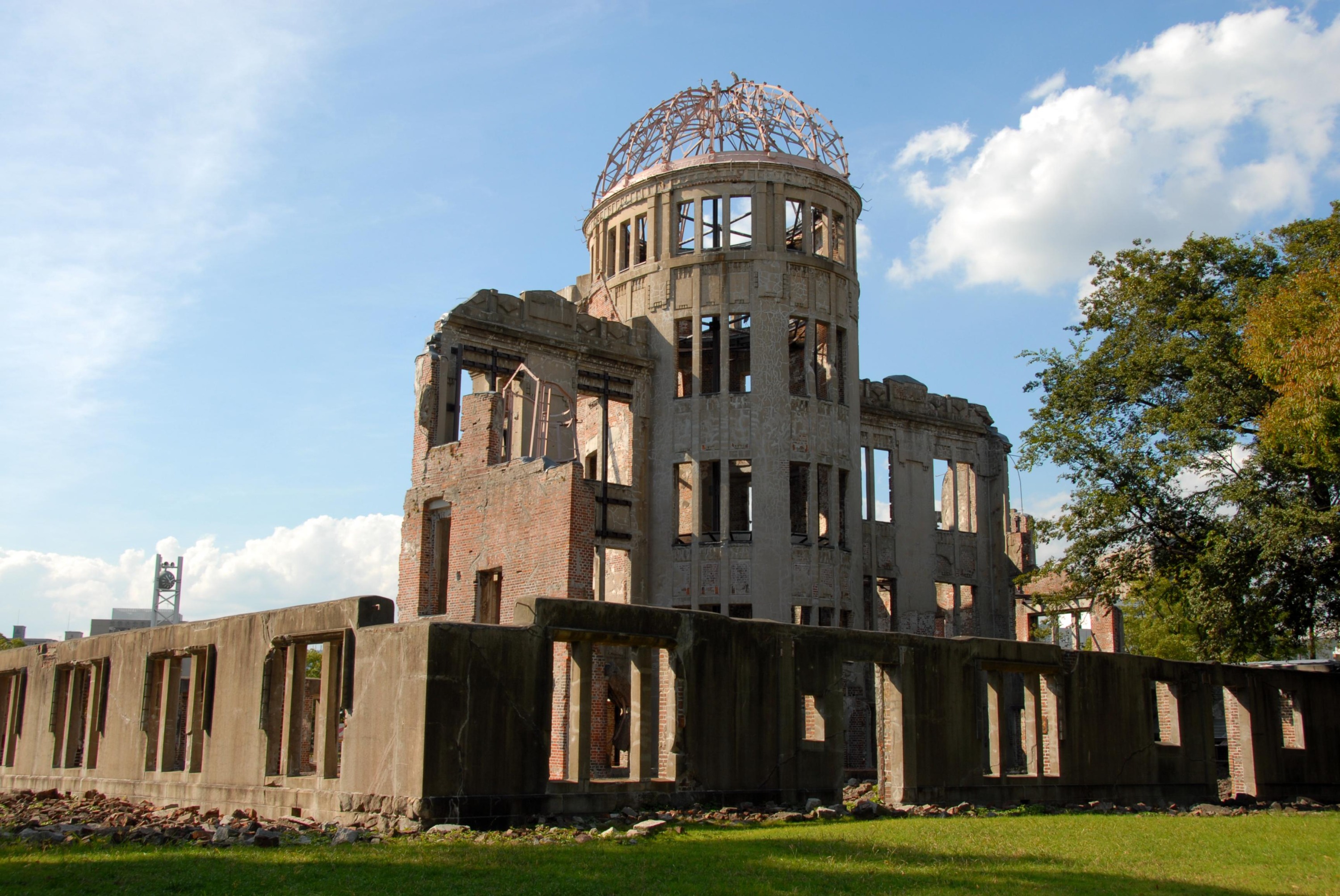
The Atomic Bomb Dome, officially known as the Hiroshima Peace Memorial, is one of the few structures that survived the atomic bombing of Hiroshima on August 6, 1945. Located just 160 meters (about 525 feet) from the hypocenter, the building was originally the Hiroshima Prefectural Industrial Promotion Hall, designed by Czech architect Jan Letzel in 1915.
In 1996, it was designated a UNESCO World Heritage Site, recognized as a lasting reminder of the human cost of war and the importance of peace. Today, visitors from around the world come to reflect on its haunting beauty and the stories it represents.
6
Rest House – A Quiet Survivor in the Heart of Peace Park
Originally built in 1929 as a kimono shop, it later became the Fuel Hall, housing the Hiroshima Fuel Distribution Union during World War II.
On August 6, 1945, the atomic bomb exploded just 170 meters (about 560 feet) away. The blast severely damaged the building, killing most of the 37 people inside. One man, who happened to be in the basement at the time, survived—his story is now part of the museum’s exhibit.
7
Located in Hiroshima Peace Memorial Park, the Children’s Peace Monument honors the thousands of children who died as a result of the atomic bombing. At the top of the monument stands a statue of Sadako Sasaki, a young girl who developed leukemia from radiation exposure and passed away at the age of 12. Let’s pause to admire the beautiful paper cranes sent from across Japan and around the world—and ring the peace bell as a quiet prayer for peace.
8
Atomic Bomb Memorial Mound – Honoring the Unknown Souls
Nestled quietly within Hiroshima Peace Memorial Park, the Atomic Bomb Memorial Mound is a solemn monument dedicated to the tens of thousands of unidentified victims of the atomic bombing on August 6, 1945. Visitors often leave flowers, water, and silent prayers. Though simple in appearance, this monument carries deep emotional weight. It reminds us that behind every number is a life, and behind every life, a story.
9
Cenotaph for the A-bomb Victims – A Promise Never to Repeat
Located at the heart of Hiroshima Peace Memorial Park, the Cenotaph for the A-bomb Victims is a solemn arch-shaped monument dedicated to all who lost their lives due to the atomic bombing on August 6, 1945—regardless of nationality, age, or background.
The Cenotaph is the focal point of the annual Peace Memorial Ceremony held every August 6th, where prayers, speeches, and offerings are made in remembrance.
10
Stop 10
With the insights and feelings gathered during the tour, guests are invited to enter the museum and take time to reflect quietly at their own pace.
The Hiroshima Peace Memorial Museum presents powerful exhibits about the atomic bombing and its aftermath, including personal belongings, photographs, and survivor stories. Inside the museum, all displays are explained in both English and Japanese, making it accessible to international guests. Audio guides are available in multiple languages—including English, Japanese, Chinese, Korean, French, Spanish, and more—with about 70 minutes of content. They can be rented on the 1st floor of the East Building
What's not included
Lunch
Personal expenses
Available languages
Guide guide
EN
Important information
Wheelchair accessible
Infants and small children can ride in a pram or stroller
Service animals allowed
Public transportation options are available nearby
Infants are required to sit on an adult’s lap
Transportation options are wheelchair accessible
Suitable for all physical fitness levels
Meeting point
Your guide will be waiting in the hotel lobby.
About Hiroshima
Hiroshima is a vibrant city known for its poignant history and remarkable resilience. It is the capital of Hiroshima Prefecture and serves as a powerful reminder of the atomic bombing during World War II, while also offering rich cultural experiences and natural beauty.
Top Attractions
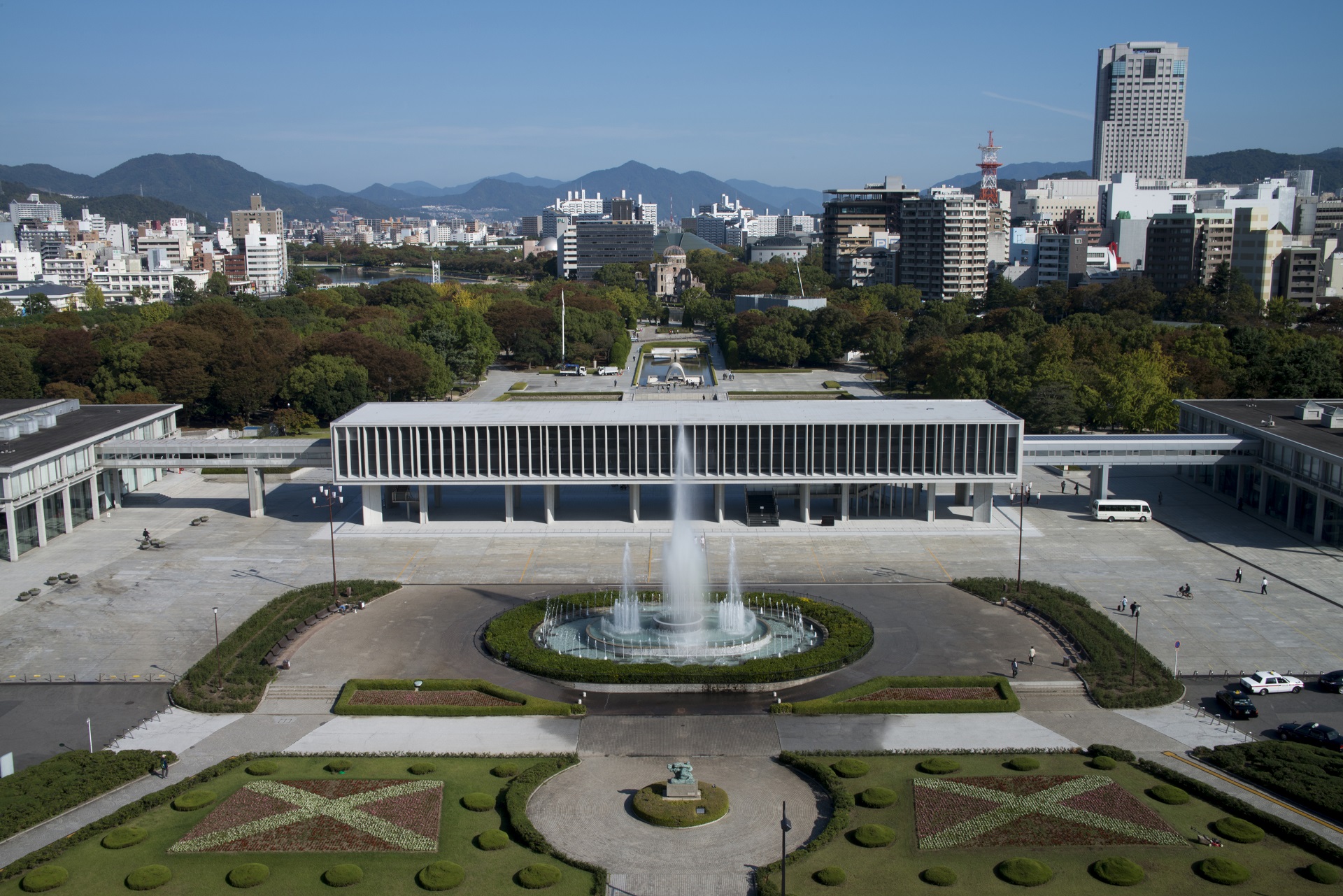
Peace Memorial Park and Museum
A poignant and powerful site dedicated to the memory of the atomic bombing in 1945. The park and museum serve as a symbol of peace and a reminder of the horrors of war.
Historical
2-3 hours
Free (Museum: ¥200)
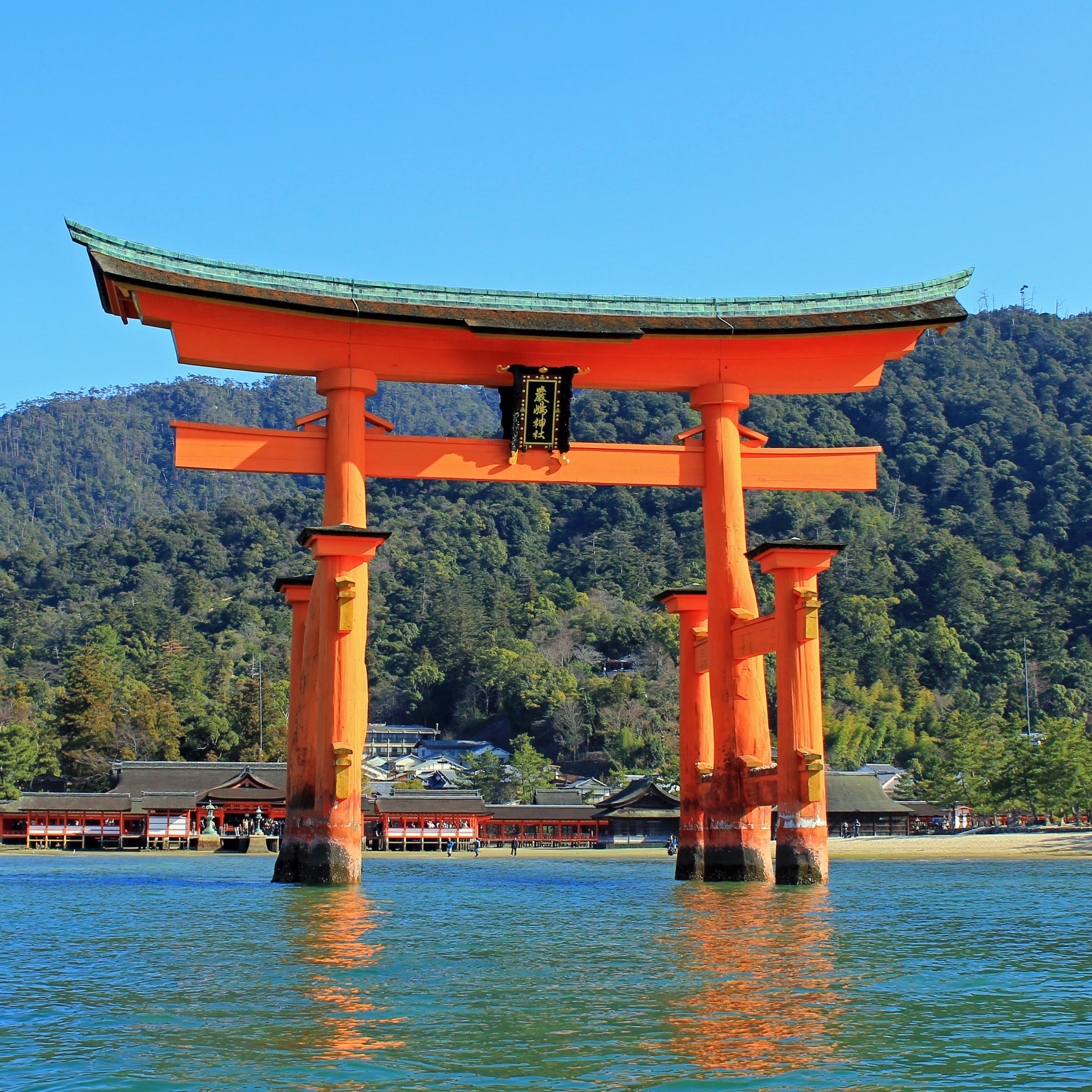
Miyajima Island
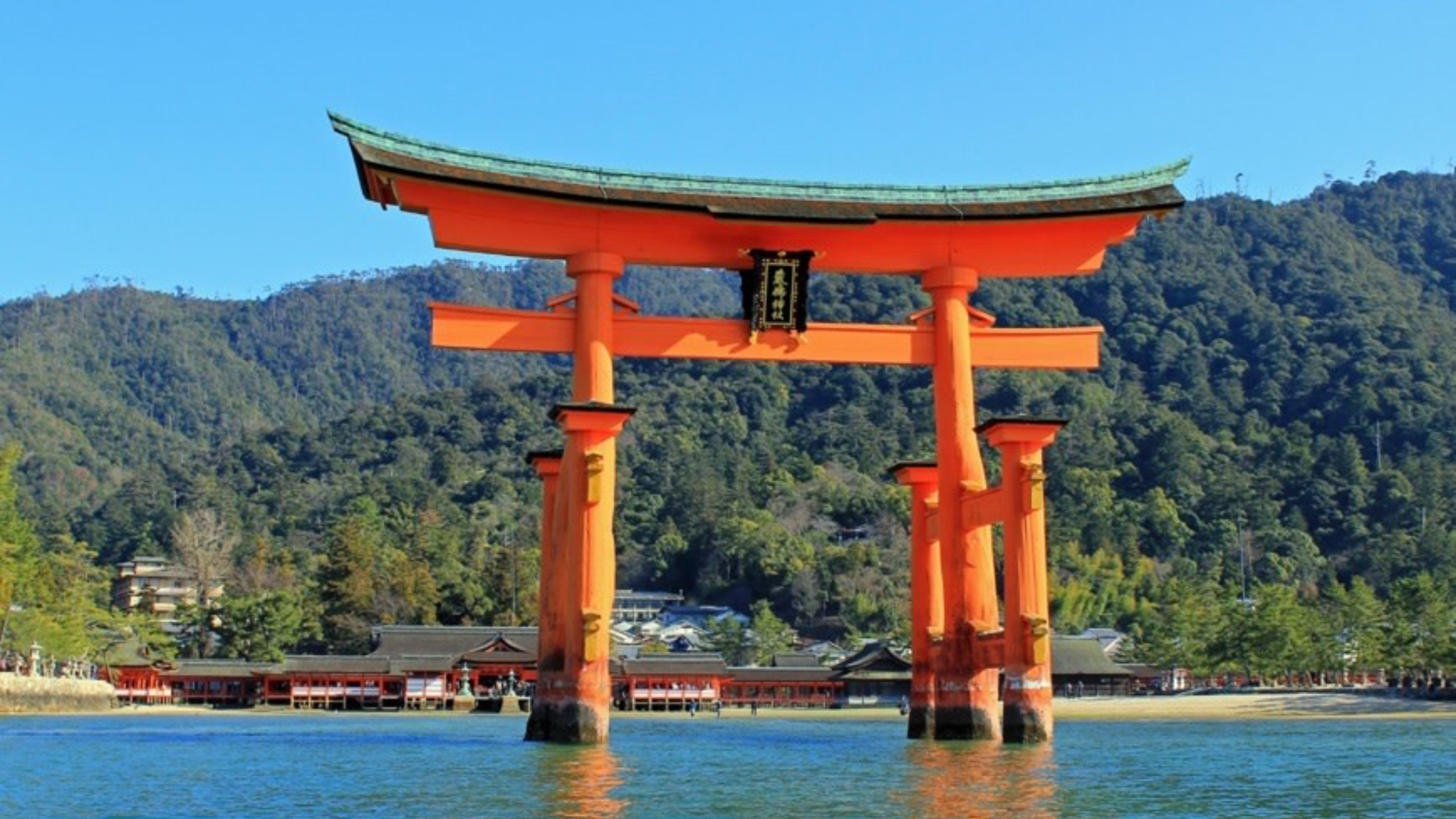
A beautiful island known for its floating torii gate, scenic views, and historic temples. It is a UNESCO World Heritage site and a must-visit destination near Hiroshima.
Nature/Historical
Full day
Ferry: ¥360 (round trip), Shrine: ¥300
Shukkeien Garden
A beautiful traditional Japanese garden with ponds, bridges, and meticulously landscaped areas. It offers a peaceful retreat from the city bustle.
Nature
1-2 hours
¥260
Hiroshima Castle
A reconstructed castle that offers a glimpse into Hiroshima's feudal past. The castle houses a museum and provides panoramic views of the city.
Historical/Architecture
1-2 hours
¥370
Hiroshima Okonomimura
A multi-story building dedicated to Hiroshima's famous okonomiyaki (savory pancake). It houses several restaurants and offers a fun, interactive dining experience.
Food/Cultural
1-2 hours
Budget to Moderate
Must-Try Local Dishes
Hiroshima-style Okonomiyaki
A layered savory pancake made with noodles, cabbage, and various toppings, typically cooked on a teppan (iron griddle).
Dinner
Contains wheat, meat, and seafood. Vegetarian and vegan options may be available.
Hiroshima-style Oysters
Hiroshima is famous for its oysters, which are often grilled, fried, or served raw. They are typically harvested from the Seto Inland Sea.
Snack/Dinner
Contains shellfish. Not suitable for those with seafood allergies.
Hiroshima-style Udon
Thick, chewy wheat noodles served in a hot broth, often with various toppings like tempura or beef.
Lunch/Dinner
Contains wheat. Vegetarian and vegan options may be available.
Hiroshima-style Anago Meshi
Grilled saltwater eel served over rice, a local delicacy with a rich, savory flavor.
Lunch/Dinner
Contains fish. Not suitable for those with seafood allergies.
Popular Activities
Hiking on Miyajima Island
Cycling around Hiroshima
Kayaking in the Seto Inland Sea
Visiting Shukkeien Garden
Taking a leisurely streetcar ride
Enjoying a traditional tea ceremony
Visiting the Peace Memorial Park and Museum
Exploring the Hiroshima Castle
Best Time to Visit
Spring (March to May) and Autumn (September to November)
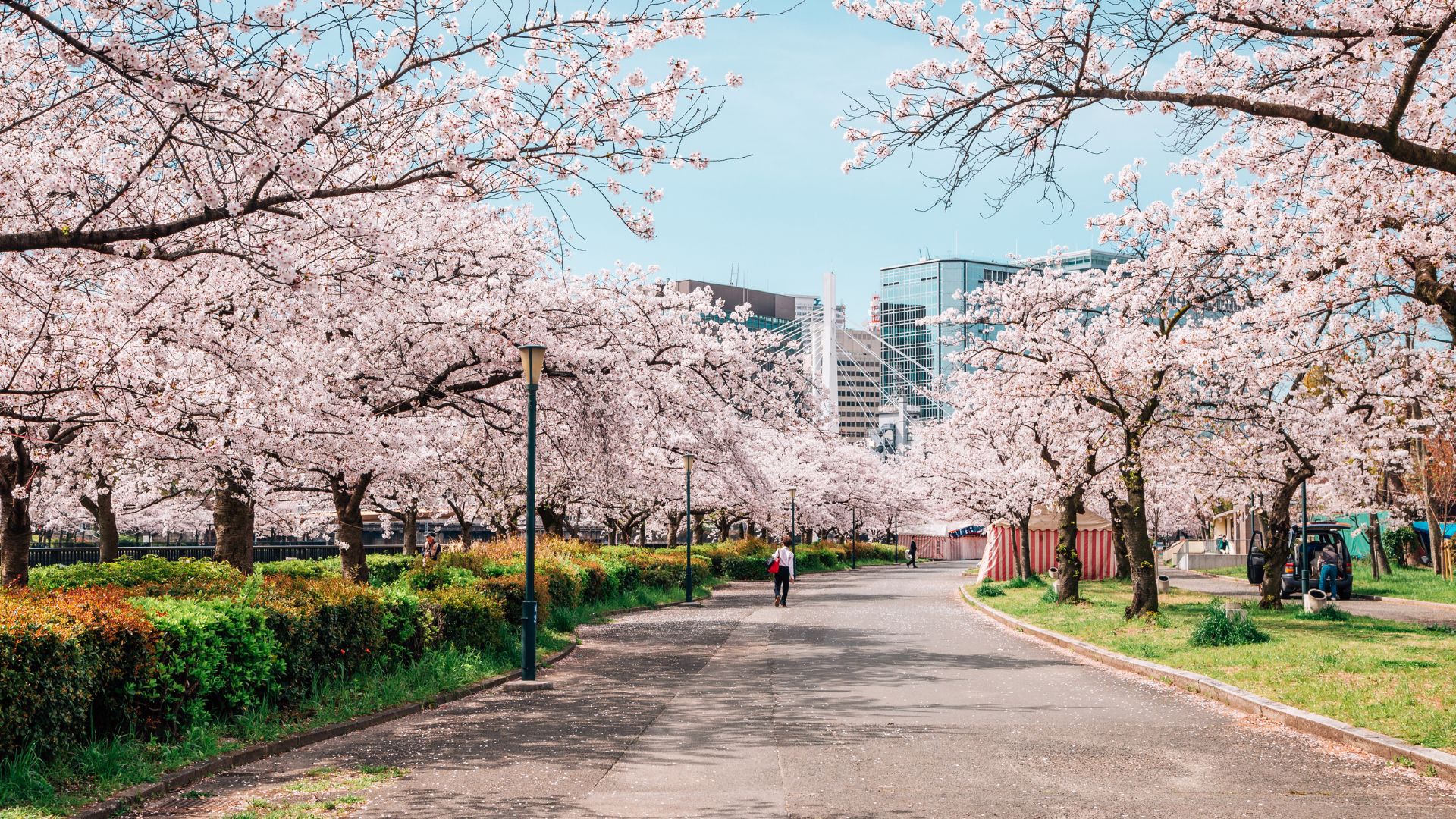
Spring offers cherry blossoms and mild weather, while autumn provides comfortable temperatures and vibrant foliage. These are the best times to visit for pleasant weather and outdoor activities.
15-25°C
59-77°F
Practical Information
Language
- Official: Japanese
- Widely spoken: English (limited)
- English: Limited
Currency
Japanese Yen (JPY)
Time Zone
GMT+9
Electricity
100VV, 50/60HzHz
Safety Information
Overall Safety Rating: Very safe
Hiroshima is a very safe city with a low crime rate. Violent crime is rare, and pickpocketing or petty theft is uncommon. However, travelers should still exercise caution and be aware of their surroundings.
Important Precautions:
- • Be cautious of unlicensed taxis and always check that the taxi has a meter.
- • Keep valuables secure and be aware of your surroundings in crowded areas.
- • Use reputable tour guides and services, and be wary of offers that seem too good to be true.
Getting there
By air
- Hiroshima Airport • 50 km from city center
By train
Hiroshima Station
By bus
Hiroshima Bus Center
Getting around
Public transport
The streetcar system is the main form of public transport in Hiroshima, offering an affordable and convenient way to get around.
Taxis
Available • Apps: JapanTaxi, DiDi
Rentals
Car, Bike, Scooter
Neighborhoods
Naka-ku
Higashi-ku
Nishi-ku
Minami-ku
Asaminami-ku
Day trips
Miyajima Island
10 km from Hiroshima • Full day
A beautiful island known for its floating torii gate, scenic views, and historic temples. It is a UNESCO World Heritage site and a must-visit destination near Hiroshima.
Onomichi
80 km from Hiroshima • Full day
A charming port city known for its historic temples, scenic views, and literary connections. Onomichi offers a mix of cultural attractions and natural beauty.
Iwakuni
50 km from Hiroshima • Full day
A historic city known for its stunning castle, beautiful gardens, and traditional samurai district. Iwakuni offers a mix of cultural attractions and scenic views.
Festivals
Hiroshima Flower Festival • May 3-5
Hiroshima International Animation Festival • August (varies by year)
Hiroshima Peace Memorial Ceremony • August 6
Pro tips
- Get a Hiroshima Amazing Pass for unlimited rides on the streetcar, bus, and ferry to Miyajima Island, as well as entry to major attractions.
- Visit the Peace Memorial Park and Museum early in the morning for a more serene and reflective experience.
- Try cooking your own Hiroshima-style okonomiyaki at Okonomimura for a fun and interactive dining experience.
- Hike Mount Misen on Miyajima Island for stunning views of the Seto Inland Sea and the surrounding area.
- Use IC cards like ICOCA for seamless payments on public transport and to save money on fares.
From $25
per person
Price varies by option
Secure booking
Free cancellation available
Instant confirmation