Secret of Food and Colonial Past | Hankou Guided Walk
Active
3h
For a full refund, cancel at least 24 hours before the scheduled departure time.
Instant confirmation
Mobile or paper ticket accepted
About this experience
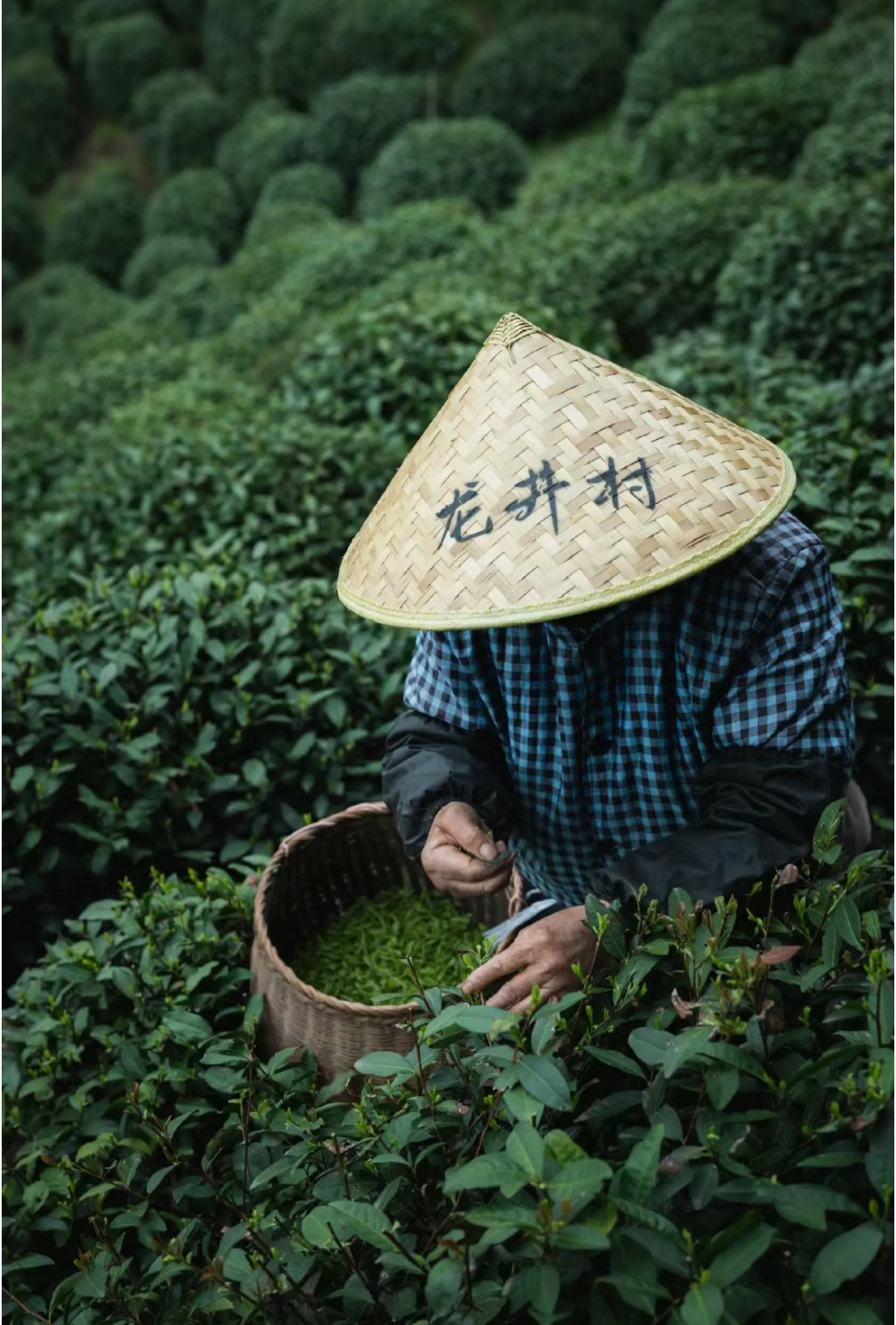
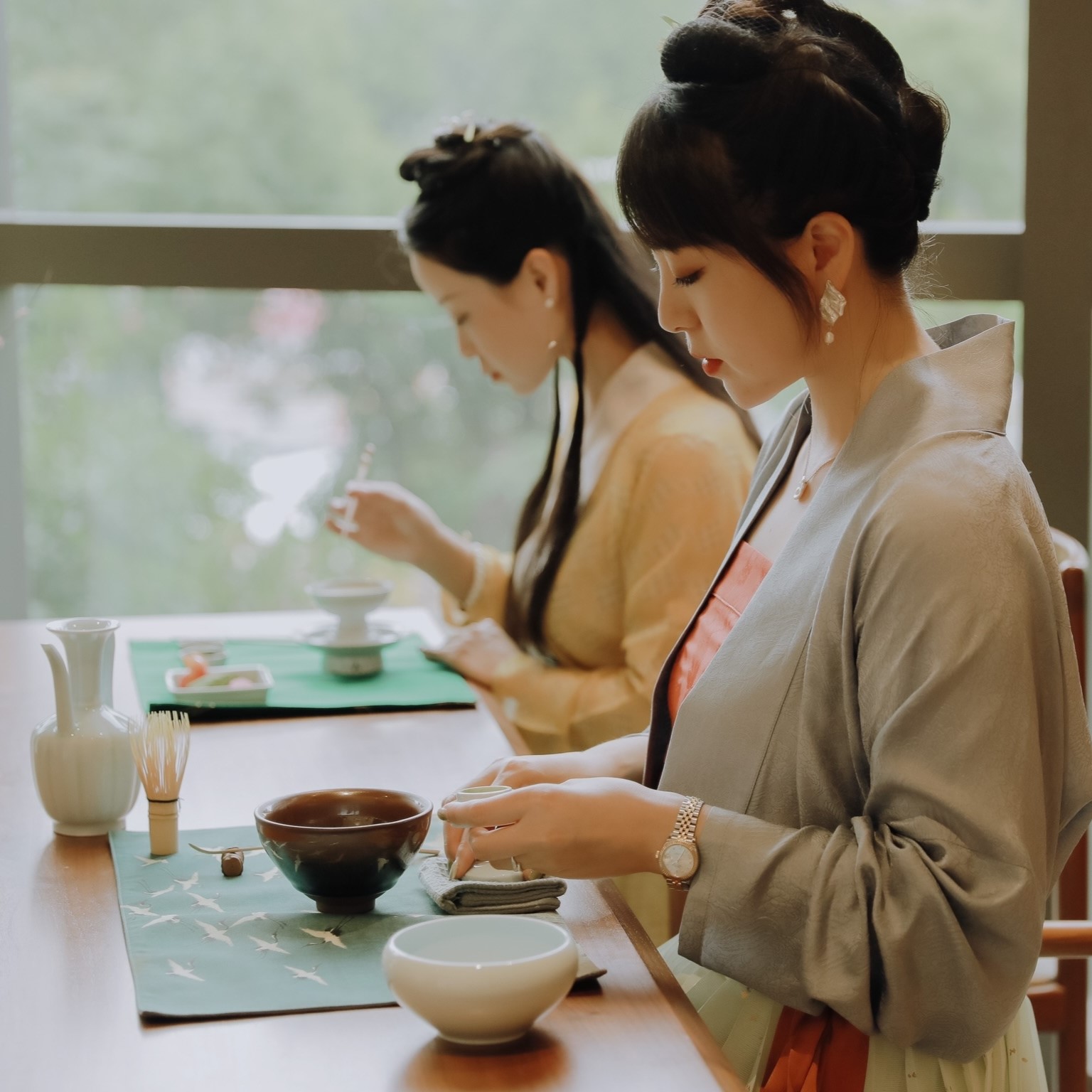
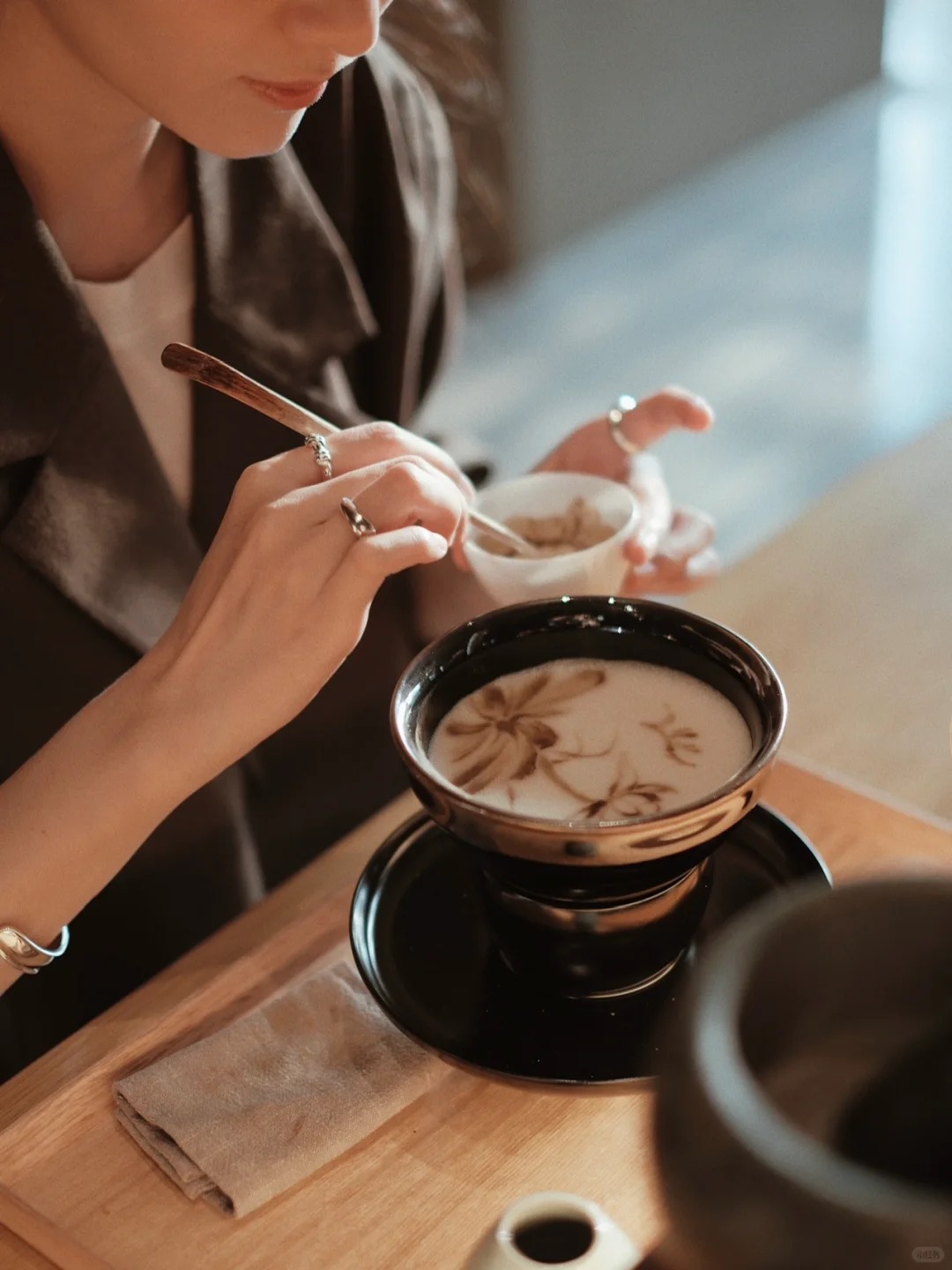
Walk Hankou historical Trail with a local guide for a 1.5-mile journey through history and food. Visit iconic sites like Bagong / Banov House (privileged inside visit guaranteed), Jianghan Custom House, Jianghan Road, Yunlee Banking Corporation(privileged inside visit guaranteed). Savor Wuhan local food, the Hot Dry noodles, and Doupi. Explore historic streets with your certificated tour guide. The tour is perfect for history buffs, architecture photographers and food hunters. The historical timeline is from 1861 to 1946. Within 1.5 miles of Yanjiang Avenue lies a condensed global architectural history: Neoclassical to Art Deco, Mansard roofs to Manchurian windows. These buildings are both colonial scars and witnesses to the technological revolution – Germans brought reinforced concrete, the British introduced urban planning, while Chinese artisans achieved cultural counter-conquest through craftsmanship. In tea, coffee, steel & revolution, Wuhan's globalized past is revealed.
Available options
Secret of Food and Colonial Past | Hankou Guided Walk
Pickup included
What's included
Bottled water
All Fees and Taxes
Certified Tour Guide
Coffee and/or Tea
Detailed itinerary
1
Bagong House, located at the intersection of Poyang Street and Dongting Street in Jiang'an District, Wuhan, Hubei Province, is a historic Russian-style apartment complex built in 1910. It stands as a significant cultural and architectural landmark, reflecting the fusion of Eastern and Western influences during the late Qing Dynasty and early Republican era.
Historical Background
Owners: The building was commissioned by the Banov brothers, Russian tea merchants and relatives of Tsar Nicholas I. Known as "Big Bagong" (J.K. Banov) and "Little Bagong" (Zino Banov), they were prominent figures in Hankou's tea trade and operated the influential Fuchang Brick Tea Factory.
Construction: Designed by the British architectural firm Jingming Yanghang and constructed by local builders, the project began in 1901 and took nearly a decade to complete. The Banov brothers invested 150,000 taels of silver to create this triangular-shaped marvel, which became a symbol of the Russian Concession.
2
Core area of the former Russian Concession (1900), with 17 preserved buildings known as "Hankou's Open-air Architecture Museum"
No.5 Luojia Street: Curved balconies & stained glass, once a Russian tea merchant's mansion
Former Gaoshi Hospital: Wuhan's first Western hospital with green dome & wrought-iron details
Red brick walls with Siberian pine beams
Orthodox crosses & Chinese bat motifs on doorways
Liu Futang's Residence: The "Tea King" traded Hankou tea for Russian steel here
Bullet Marks: On No.12 Luojia Street walls from 1938 Battle of Wuhan
Suggested Duration: 2-3 hrs (golden hour for lighting)
Every brick here whispers a century of dialogue between Yangtze & Volga
3
Pinghe Packaging Factory Former Site 平和打包厂 (Liddell Bros. Press Packing Works) , established in 1905 by British merchants Liddell Brothers in Hankou, Wuhan, was one of the earliest and most influential cotton-packing factories in the region. As part of the British trading firm Liddell Bros. & Co., Ltd. (平和洋行), it pioneered mechanical cotton compression and became a cornerstone of Wuhan’s early industrial development . The complex, renowned for its reinforced concrete structure and red-brick facade, expanded over time into six interconnected buildings spanning 32,808 square meters, making it the largest and best-preserved early industrial complex in Wuhan . After decades of historical shifts, including wartime occupation and post-1949 state management, it was revitalized in 2017 as a cultural and creative hub, earning UNESCO recognition in 2019.
4
Historical Significance: Originally built during the late Qing Dynasty, Jianghan Road flourished in the early 20th century as a concession area influenced by Western architecture. Many buildings along the street showcase a mix of European styles, including Baroque and Neoclassical designs.
Shopping Paradise: Today, it is a vibrant pedestrian zone lined with department stores, boutique shops, international brands, and local vendors. It attracts shoppers, tourists, and locals alike.
Food & Entertainment: The area offers diverse culinary experiences, from street food like hot dry noodles (热干面) to upscale restaurants. At night, the street comes alive with neon lights and entertainment options.
Jianghan Road is more than just a shopping street—it’s a cultural tapestry reflecting Wuhan’s past and present. Whether you’re exploring its architecture, indulging in local snacks, or experiencing the city’s energy, it’s a must-visit destination in central China.
5
Construction: 1924 (clock mechanism original 1923 British JB Joyce manufacture).
Historical Role: Controlled 90% of Yangtze River tariffs; its chimes set "Hankou Standard Time" for merchant ships.
The tour start at Customs House Museum. Within 1.5km of Yanjiang Avenue lies a condensed global architectural history: Neoclassical to Art Deco, Mansard roofs to Manchurian windows. These buildings are both colonial scars and witnesses to technological revolution – Germans brought reinforced concrete, British introduced urban planning, while Chinese artisans achieved cultural counter-conquest through craftsmanship.
What's not included
Lunch
Dinner
Alcoholic Beverages
Available languages
Audio guide
DE
IT
FR
ES
JA
Guide guide
KO
CMN
YUE
EN
MNP
AR
ZH-TW
ZH-CN
UR
Important information
Wheelchair accessible
Infants and small children can ride in a pram or stroller
Public transportation options are available nearby
Transportation options are wheelchair accessible
All areas and surfaces are wheelchair accessible
Not recommended for travelers with spinal injuries
Not recommended for pregnant travelers
Not recommended for travelers with poor cardiovascular health
Travelers should have at least a moderate level of physical fitness
Meeting point
Meeting Point: West 200m of Jianghan Road Metro Station Exit C. Meet under the clock tower of Customs House main entrance (Facing Jianghan Road Pedestrian Street, look for the bronze clock & Greek columns) Please arrive 15 mins before the scheduled time and wear comfortable shoes for 3.5km walking.
About Wuhan
Wuhan, the capital of Hubei province, is known as the 'River City' due to its location on the confluence of the Yangtze and Han rivers. It's a vibrant metropolis with a rich history, modern skyline, and numerous cultural and natural attractions.
Top Attractions
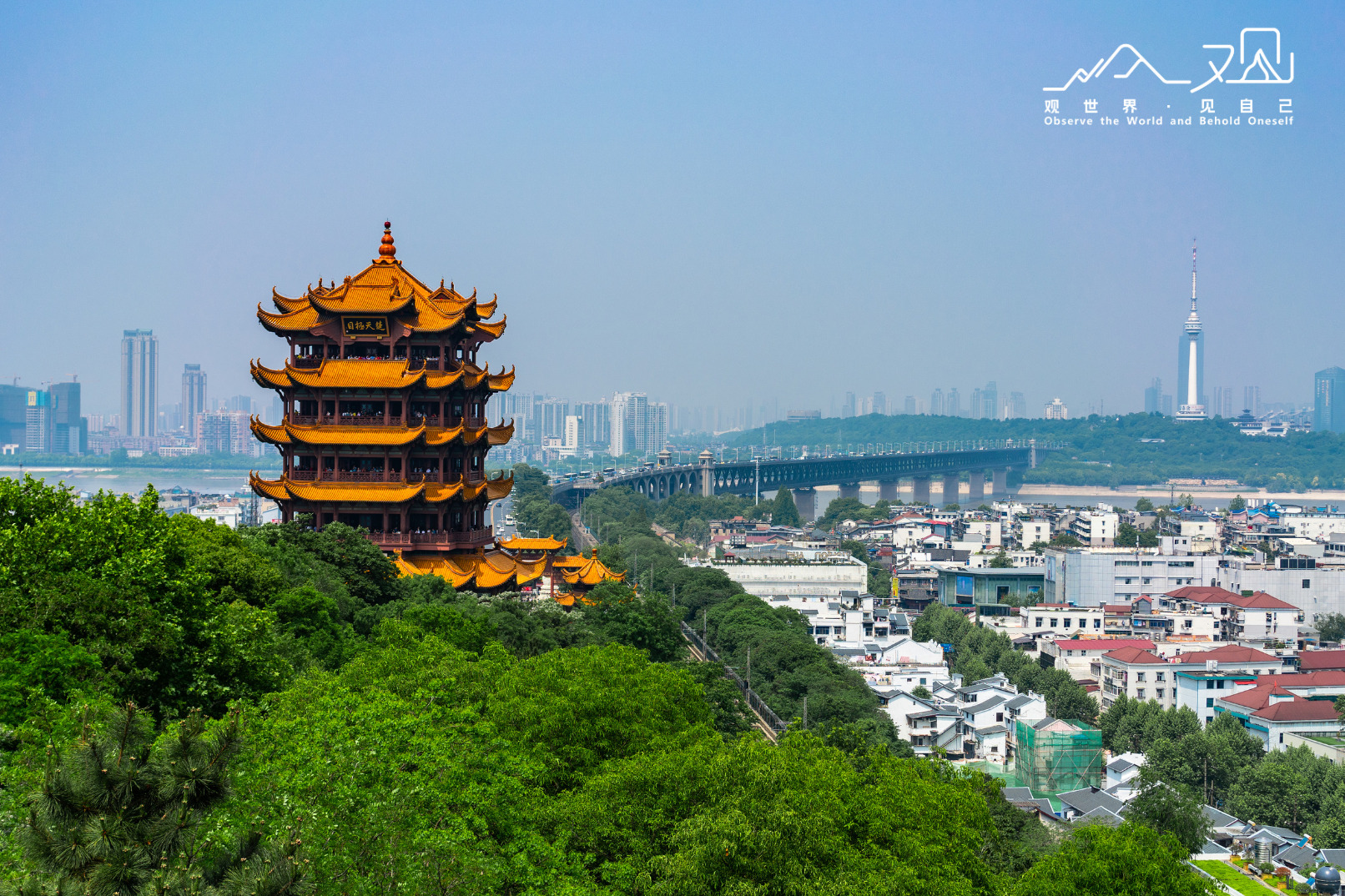
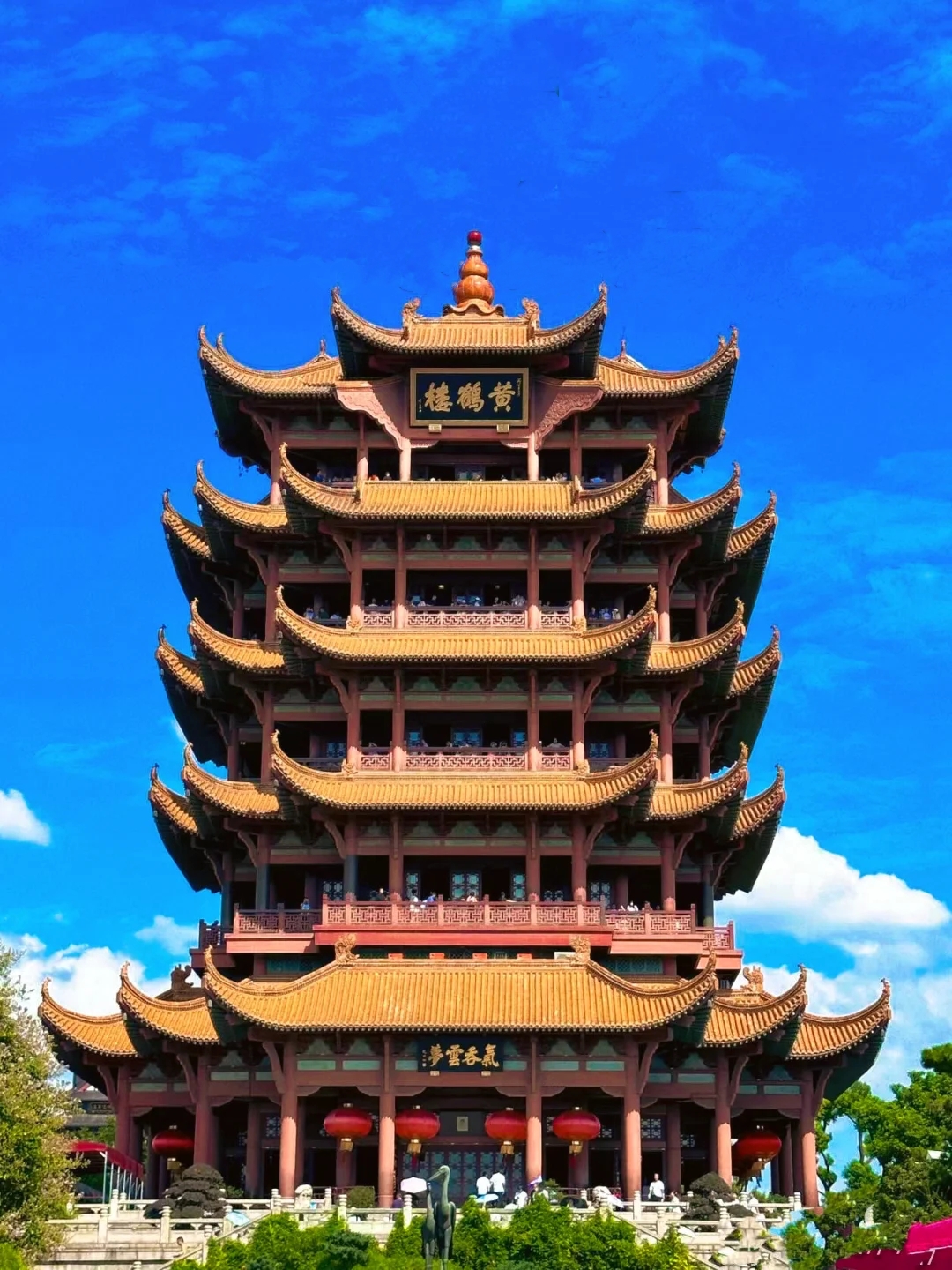
Yellow Crane Tower
One of the Four Great Towers of China, the Yellow Crane Tower offers panoramic views of the city and the Yangtze River. It's a symbol of Wuhan and a must-visit historical site.
Historical
1-2 hours
80 CNY
East Lake
One of the largest urban lakes in China, East Lake offers scenic beauty, walking trails, and various recreational activities.
Nature
Half day to full day
Free (some attractions within the park may have fees)
Hubei Provincial Museum
This museum showcases the rich history and culture of Hubei province, with exhibits ranging from ancient artifacts to modern art.
Museum
1-2 hours
Free (reservation required)
Must-Try Local Dishes
Hot Dry Noodles (Re Gan Mian)
A signature Wuhan dish made with thick wheat noodles topped with a spicy sauce made from chili oil, minced pork, and garlic.
Noodle dish
Contains pork, can be made vegetarian upon request.
Duo Jiao Tang (Duck Blood and Vermicelli Soup)
A traditional Wuhan soup made with duck blood, vermicelli, and various spices. It's known for its rich and savory flavor.
Soup
Contains duck blood, not suitable for vegetarians.
Liang Fen (Cold Rice Noodles)
A refreshing cold noodle dish made with rice noodles, sesame paste, and various toppings such as cucumber, peanuts, and pickles.
Noodle dish
Vegetarian-friendly, can be made vegan upon request.
Popular Activities
Biking around East Lake
Hiking in Moshan Mountain
Tea tasting at Lute Island Tea House
Boat ride on East Lake
Visiting the Hubei Provincial Museum
Exploring the Yellow Crane Tower Scenic Area
Boat ride on the Yangtze River
Swimming at a local pool or water park
Best Time to Visit
Spring (March to May) and Autumn (September to November)
These seasons offer pleasant weather with comfortable temperatures, making it ideal for sightseeing and outdoor activities.
15-28°C
59-82°F
Practical Information
Language
- Official: Chinese
- Widely spoken: English (limited)
- English: Limited
Currency
Renminbi (CNY)
Time Zone
GMT+8
Electricity
220VV, 50HzHz
Safety Information
Overall Safety Rating: Generally safe
Wuhan is generally safe for travelers, with low crime rates and a strong police presence. However, as with any major city, it's important to be aware of your surroundings and take precautions to protect your belongings.
Important Precautions:
- • Use licensed taxis or ride-hailing apps like Didi Chuxing.
- • Keep valuables secure and out of sight.
- • Be cautious of strangers offering unsolicited help or services.
Getting there
By air
- Wuhan Tianhe International Airport • 25 km from city center
By train
Wuhan Railway Station, Wuhan East Railway Station
By bus
Wuhan Bus Terminal, Optics Valley Bus Terminal
Getting around
Public transport
The metro is clean, efficient, and the easiest way to get around Wuhan. It operates from 6:30 AM to 10:30 PM.
Taxis
Available • Apps: Didi Chuxing
Rentals
Car, Bike, Scooter
Neighborhoods
Wuchang
Hankou
Hanyang
Day trips
Yellow Crane Tower Scenic Area
5 km from city center • Half day
This scenic area includes the famous Yellow Crane Tower, as well as other historical sites and scenic spots.
East Lake Scenic Area
8 km from city center • Full day
East Lake is one of the largest urban lakes in China, offering a variety of scenic spots, walking trails, and recreational activities.
Chu River and Han Street
10 km from city center • Half day
This scenic area offers a glimpse into Wuhan's past, with well-preserved architecture, museums, and cultural exhibits.
Festivals
Wuhan Lantern Festival • February (date varies based on the lunar calendar)
Wuhan International Travel Expo • March (date varies)
Pro tips
- Learn a few basic Chinese phrases to enhance your experience and interact with locals.
- Use the Wuhan Metro for convenient and affordable transport around the city.
- Try local street food like doupi and changshou noodles for an authentic Wuhan culinary experience.
- Visit major attractions like the Yellow Crane Tower and East Lake during the week to avoid crowds.
- Explore Wuhan's neighborhoods for a mix of history, culture, and local life.
From $25
per person
Price varies by option
Secure booking
Free cancellation available
Instant confirmation


![[Airport Transfer] Wuhan Tianhe International Airport ⇔ Wuhan City Transfer ☆ High reputation for service! <Charter charter>](https://media-cdn.tripadvisor.com/media/attractions-splice-spp-674x446/12/1d/bf/d2.jpg)