Sense-sational Wuhan (Guided Tour / Private Tour / City Tour)
Active
4h - 5h
For a full refund, cancel at least 24 hours before the scheduled departure time.
Instant confirmation
Mobile or paper ticket accepted
About this experience
Theme: History × Future Tech × Local Flavor
Services: Certified Guide× live storyteller × Human GPS
The itinerary blends Wuhan's heritage with cutting-edge tech, creating a journey from ancient legends to future innovations.
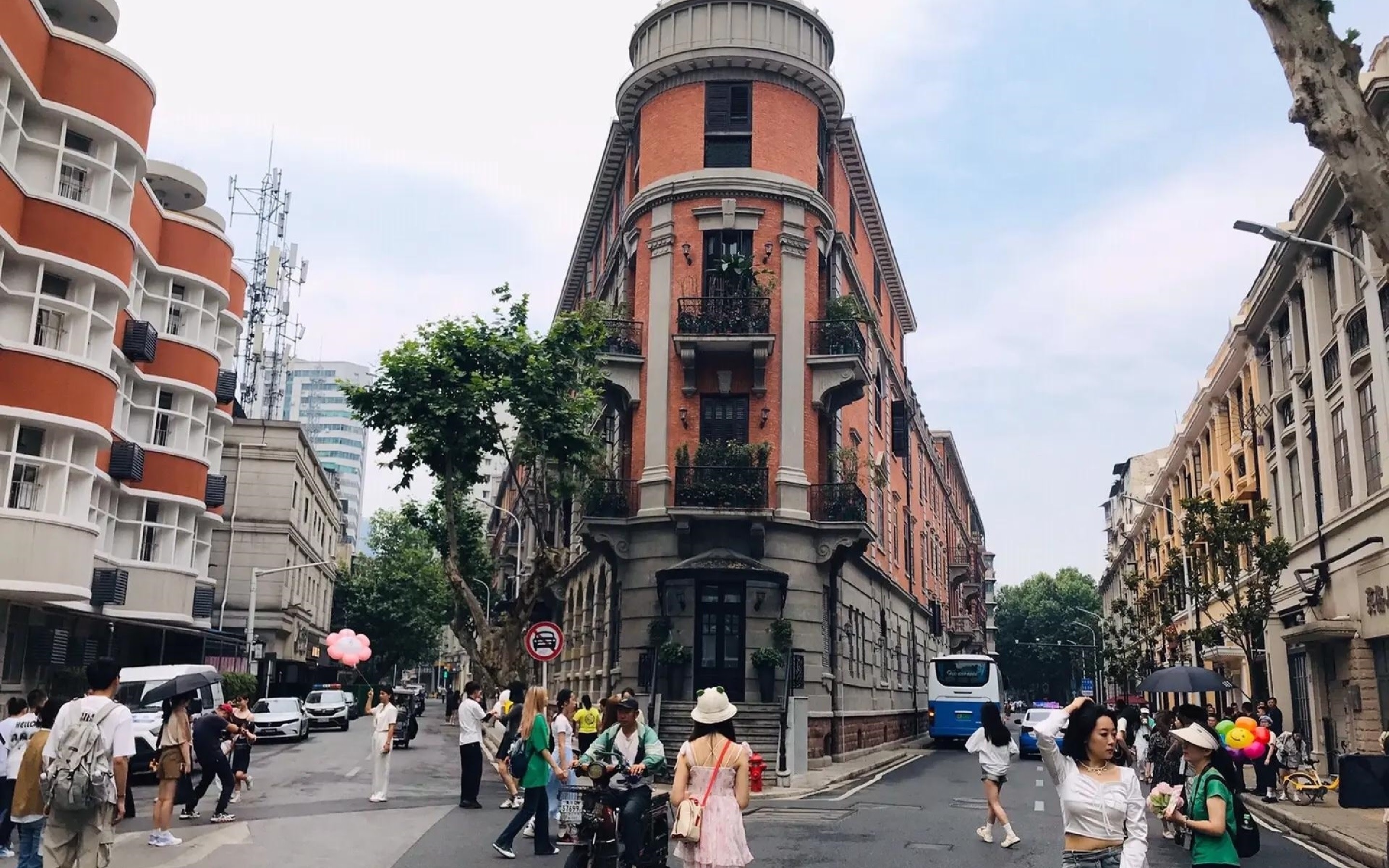
Visit the most popular attractions in Wuhan, including the Yellow Crane Tower, the Yangtze River Bridge, Hubu Alley, Hubei Provincial Museum, and East Lake. The tour will end at Chu River Han Street.
Ride the FUTURE: China’s 1st Driverless Taxi Experience: Glide from ancient pavilions to skyscrapers in Baidu’s Luobo Kuaipao Robotaxi - zero steering wheel, 100% tech magic!
Bite into Wuhan’s Soul: Hubu Alley Food Safari: Devour UNESCO-listed noodles, crunch lotus root patties(only in summer), and sip egg wine
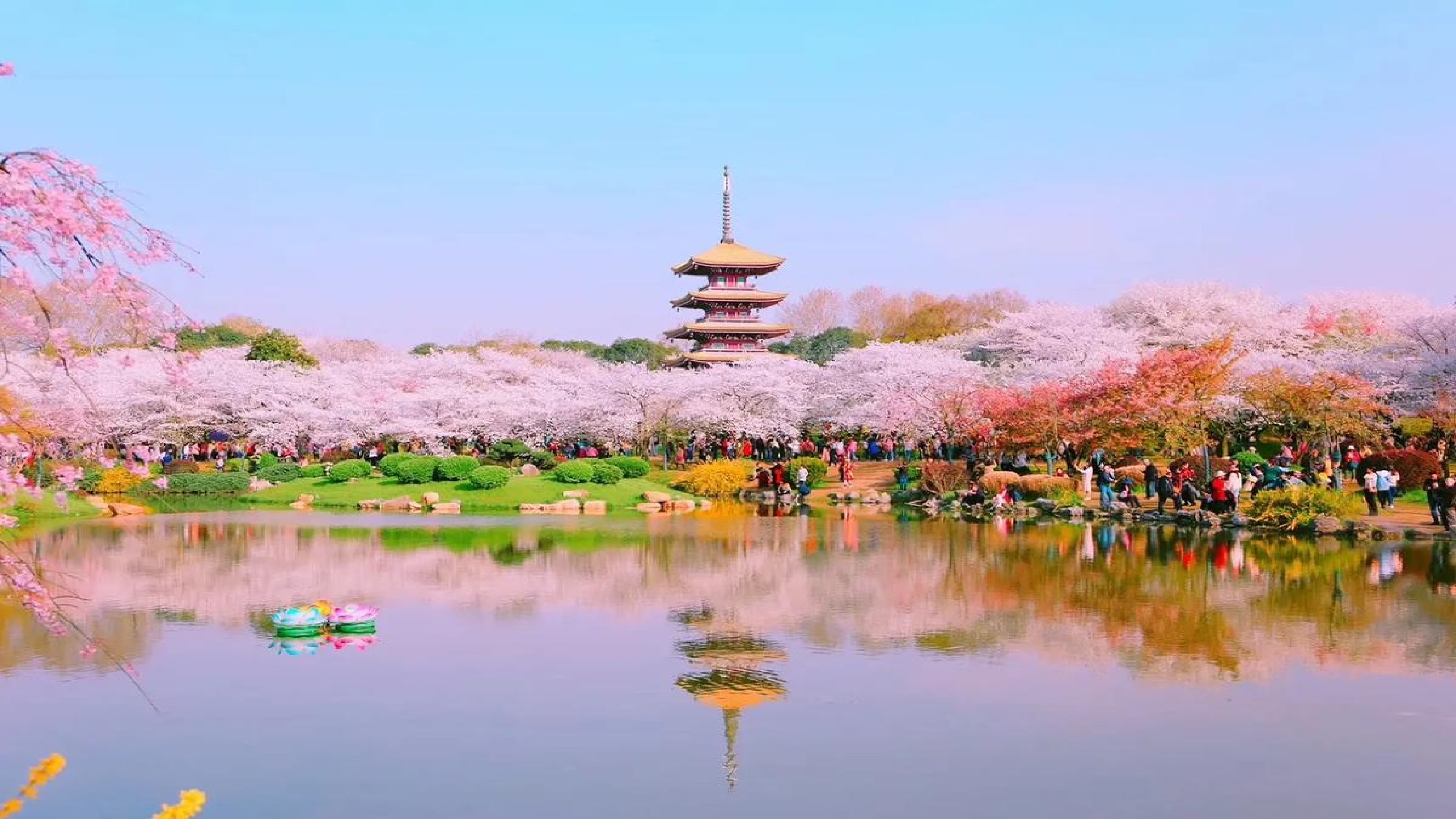
Seasonal options are also available for an additional fee: East Lake Cherry Blossom / Plum / Lotus Garden.
The tour will end at Dream Plaza. It's the largest commercial complex in the world.
Available options
Sense-sational Wuhan (airport)
car or minivan: Airport pickup and drop-off are included.
You will travel by car or minivan during the day.
Sense-sational Wuhan (walking)
Public Transportation: Sense-sational Wuhan (walking) is a walking tour. The guide will take you to each stop by public transportation and walking. <br/>Pickup included
Sense-sational Wuhan (RVs)
RVs: RVs, short for recreational vehicles, are vehicles that combine the functions of transportation and accommodation<br/>Pickup included
What's included
Bottled water
Coffee and/or Tea
Detailed itinerary
1
Stop 1
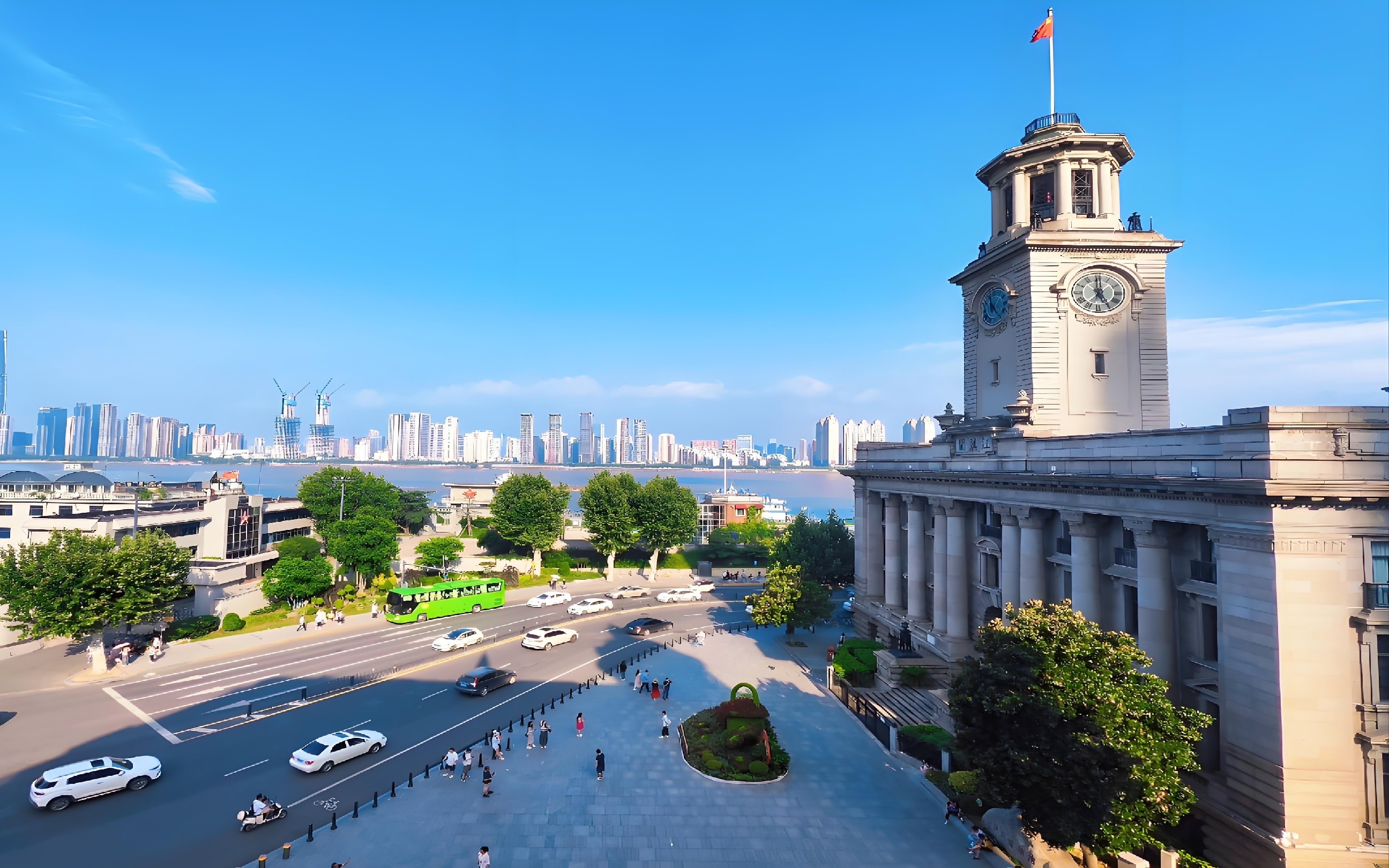
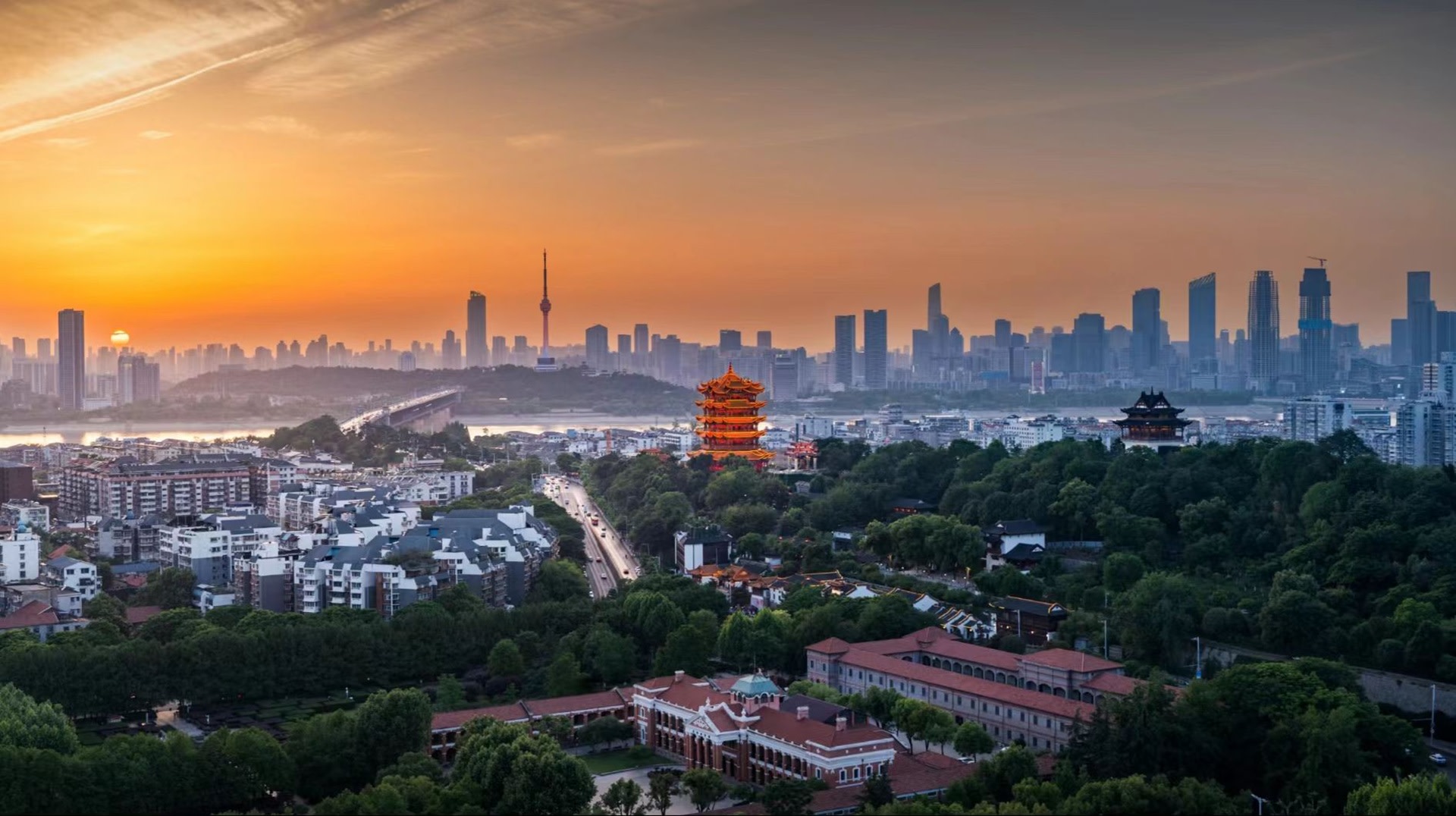
Yellow Crane Tower is located on the top of Snake Hill in Wuhan, Hubei Province. It was first built in 223 AD during the Three Kingdoms period, initially used as a military watchtower. After the war, it evolved into a famous tourist destination. Throughout history, it has been destroyed and rebuilt several times due to wars and fires. The tower's planar design is a combination of a square and an octagon, symbolizing "all directions". It is one of the "Three Great Pavilions in the South of the Yangtze River" in China, along with Yueyang Tower in Hunan and Prince Teng Pavilion in Jiangxi. Many literati from different dynasties visited here and left a large number of famous poems, making it a cultural landmark. It is now a national 5A tourist attraction, representing the unique charm of traditional Chinese culture.
2
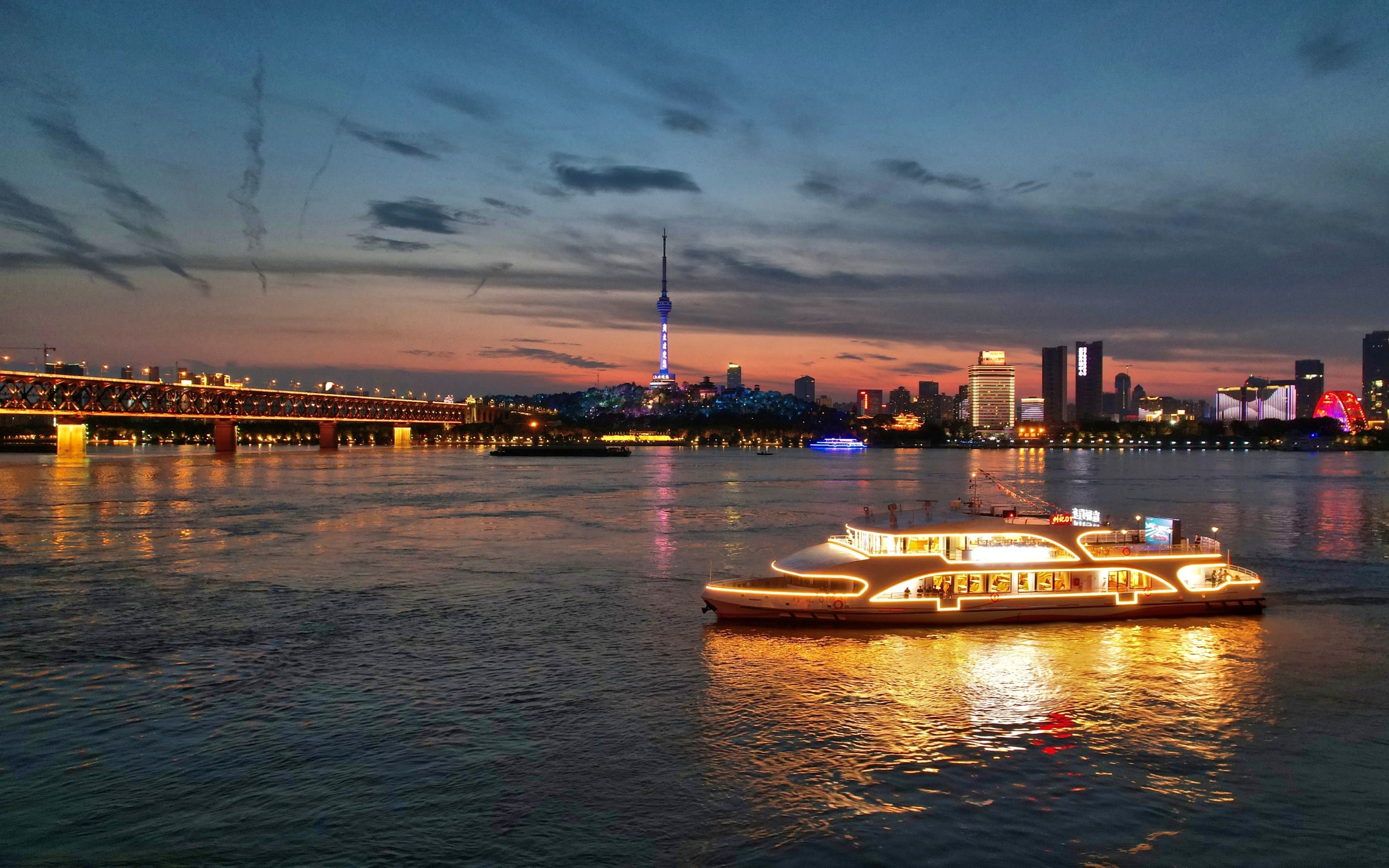
The Wuhan Yangtze River Bridge is a remarkable bridge in China. It is located in Wuhan, which is a city divided by the Yangtze River. Before the construction of this bridge, transportation between the two sides of the river was mainly by ferry, which was inconvenient and time - consuming. It is a double - deck road - railway bridge. The upper deck is for vehicles, allowing cars and buses to cross the river smoothly. The lower deck is used for railway transportation. The bridge's piers are solidly built to withstand the strong impact of the river's current and the heavy loads of traffic. The Wuhan Yangtze River Bridge was the first bridge over the Yangtze River in China after 1949. It had a far - reaching impact on promoting the economic development and transportation improvement of the central region of China. It has also become an important symbol of Wuhan city and a well - known landmark that attracts many tourists to visit and take pictures.
3
Hubu Alley is a renowned historical and cultural street located in Wuhan. It dates back to the early Ming Dynasty and got its name due to its proximity to the Hubei Yamen. The architecture here preserves many styles from the Ming and Qing dynasties, making it one of the best-preserved old blocks in Wuhan and a local cultural heritage site. This alley is famous for its rich cultural atmosphere. The residents, mostly local Wuhan people, maintain traditional lifestyles and cultural traditions. There are also many retail stores with local characteristics, like pastry and noodle shops, showing the unique style of Wuhan citizens. Moreover, Hubu Alley is hailed as the "First Alley of Wuhan Snacks". It offers a wide range of delicious local snacks, such as the famous Hot and Dry Noodles, Salty Doughnuts, Steamed Dumplings, and Soup Buns. These snacks are not only a treat for the taste buds but also a reflection of the local food culture.
4
The Hubei Provincial Museum, founded in 1953, is one of the country's eight museums supported by the national government and the only comprehensive provincial museum in Hubei.
It is located in the Wuchang district of Wuhan, near the west shore of East Lake. The museum is set in a lush garden environment, with district shade trees. The building design is based on traditional Chu culture's architectural style, featuring high platforms, wide and multi-layered eaves, a large sloped roof, and three buildings, reflecting the overall layout of Chu axial symmetry of a temple.
The museum houses a vast collection of over 200,000 cultural relics, including ancient jade, bronze vessels, musical instruments, ceramics, and extensive artifacts from the tomb of Marquis Yi of Zeng and the tombs at Baoshan.
5
Wuhan East Lake ( Donghu Lake)
A Scenic Route for Cyclists
East Lake, located in Wuhan, Hubei Province, is China’s largest urban lake, spanning 33 square kilometers. This iconic East Lake Wuhan destination features five scenic zones that perfectly blend natural beauty with rich cultural heritage. Historically, famous poets like Qu Yuan and Li Bai drew inspiration from the lake’s picturesque landscapes. The area sustains a vibrant ecosystem with over 120 aquatic plants and rare birds, making it a prime spot for nature lovers. The 101.98-kilometer East Lake Greenway—opened in 2019—connects parks and wetlands, offering excellent routes for cycling and leisure activities. Its Cherry Blossom Garden, ranked among the world’s top three, attracts millions of visitors each spring. Nearby landmarks such as the Hubei Provincial Museum and ongoing eco-restoration efforts highlight East Lake’s importance as a harmonious blend of urban life and natural wonder.
What's not included
Breakfast
Meals
Alcoholic Beverages
Use of bicycle
Entrance fee for yellow crane tower
Available languages
Audio guide
DE
RU
KO
JA
EL
IT
FR
ES
Guide guide
ZH-TW
CMN
YUE
EN
ZH-CN
Reviews breakdown
Viator
5.0
2 reviews
5★
2
4★
0
3★
0
2★
0
1★
0
Important information
Wheelchair accessible
Infants and small children can ride in a pram or stroller
Public transportation options are available nearby
Infants are required to sit on an adult’s lap
Specialized infant seats are available
Transportation options are wheelchair accessible
All areas and surfaces are wheelchair accessible
Travelers should have at least a moderate level of physical fitness
Meeting point
#2622, Heng Long Business Buildig, No. 688, Jinghan Rd., Qiaokou District, Wuhan, Hubei 武汉市, 中国, 430000
Important notes
The guide will buy tickets for you during the tour.
About Wuhan
Wuhan, the capital of Hubei province, is known as the 'River City' due to its location on the confluence of the Yangtze and Han rivers. It's a vibrant metropolis with a rich history, modern skyline, and numerous cultural and natural attractions.
Top Attractions
Yellow Crane Tower
One of the Four Great Towers of China, the Yellow Crane Tower offers panoramic views of the city and the Yangtze River. It's a symbol of Wuhan and a must-visit historical site.
Historical
1-2 hours
80 CNY
East Lake
One of the largest urban lakes in China, East Lake offers scenic beauty, walking trails, and various recreational activities.
Nature
Half day to full day
Free (some attractions within the park may have fees)
Hubei Provincial Museum
This museum showcases the rich history and culture of Hubei province, with exhibits ranging from ancient artifacts to modern art.
Museum
1-2 hours
Free (reservation required)
Must-Try Local Dishes
Hot Dry Noodles (Re Gan Mian)
A signature Wuhan dish made with thick wheat noodles topped with a spicy sauce made from chili oil, minced pork, and garlic.
Noodle dish
Contains pork, can be made vegetarian upon request.
Duo Jiao Tang (Duck Blood and Vermicelli Soup)
A traditional Wuhan soup made with duck blood, vermicelli, and various spices. It's known for its rich and savory flavor.
Soup
Contains duck blood, not suitable for vegetarians.
Liang Fen (Cold Rice Noodles)
A refreshing cold noodle dish made with rice noodles, sesame paste, and various toppings such as cucumber, peanuts, and pickles.
Noodle dish
Vegetarian-friendly, can be made vegan upon request.
Popular Activities
Biking around East Lake
Hiking in Moshan Mountain
Tea tasting at Lute Island Tea House
Boat ride on East Lake
Visiting the Hubei Provincial Museum
Exploring the Yellow Crane Tower Scenic Area
Boat ride on the Yangtze River
Swimming at a local pool or water park
Best Time to Visit
Spring (March to May) and Autumn (September to November)
These seasons offer pleasant weather with comfortable temperatures, making it ideal for sightseeing and outdoor activities.
15-28°C
59-82°F
Practical Information
Language
- Official: Chinese
- Widely spoken: English (limited)
- English: Limited
Currency
Renminbi (CNY)
Time Zone
GMT+8
Electricity
220VV, 50HzHz
Safety Information
Overall Safety Rating: Generally safe
Wuhan is generally safe for travelers, with low crime rates and a strong police presence. However, as with any major city, it's important to be aware of your surroundings and take precautions to protect your belongings.
Important Precautions:
- • Use licensed taxis or ride-hailing apps like Didi Chuxing.
- • Keep valuables secure and out of sight.
- • Be cautious of strangers offering unsolicited help or services.
Getting there
By air
- Wuhan Tianhe International Airport • 25 km from city center
By train
Wuhan Railway Station, Wuhan East Railway Station
By bus
Wuhan Bus Terminal, Optics Valley Bus Terminal
Getting around
Public transport
The metro is clean, efficient, and the easiest way to get around Wuhan. It operates from 6:30 AM to 10:30 PM.
Taxis
Available • Apps: Didi Chuxing
Rentals
Car, Bike, Scooter
Neighborhoods
Wuchang
Hankou
Hanyang
Day trips
Yellow Crane Tower Scenic Area
5 km from city center • Half day
This scenic area includes the famous Yellow Crane Tower, as well as other historical sites and scenic spots.
East Lake Scenic Area
8 km from city center • Full day
East Lake is one of the largest urban lakes in China, offering a variety of scenic spots, walking trails, and recreational activities.
Chu River and Han Street
10 km from city center • Half day
This scenic area offers a glimpse into Wuhan's past, with well-preserved architecture, museums, and cultural exhibits.
Festivals
Wuhan Lantern Festival • February (date varies based on the lunar calendar)
Wuhan International Travel Expo • March (date varies)
Pro tips
- Learn a few basic Chinese phrases to enhance your experience and interact with locals.
- Use the Wuhan Metro for convenient and affordable transport around the city.
- Try local street food like doupi and changshou noodles for an authentic Wuhan culinary experience.
- Visit major attractions like the Yellow Crane Tower and East Lake during the week to avoid crowds.
- Explore Wuhan's neighborhoods for a mix of history, culture, and local life.
From $25
per person
Price varies by option
Secure booking
Free cancellation available
Instant confirmation

![[Airport Transfer] Wuhan Tianhe International Airport ⇔ Wuhan City Transfer ☆ High reputation for service! <Charter charter>](https://media-cdn.tripadvisor.com/media/attractions-splice-spp-674x446/12/1d/bf/d2.jpg)


![[Private Group] Yunnan Xishuangbanna Pu'er Luxury 5-Day Tour](https://res.klook.com/image/upload/activities/hr7orixwaceye8bttmxj.jpg)