Kuala Lumpur Highlights Tour A Must See Adventure
Active
8h
For a full refund, cancel at least 24 hours before the scheduled departure time.
Instant confirmation
Mobile or paper ticket accepted
About this experience
"Experience the best of Kuala Lumpur in 8 hours! Explore iconic landmarks like the Petronas Twin Towers, Batu Caves, and Merdeka Square with a local expert. Enjoy personalized attention in a small group or private setting, and discover hidden gems of the city, including vibrant local markets and street food. Perfect for both first-time visitors and seasoned explorers!
Available options
Kuala Lumpur Highlights Tour A Must See Adventure
Pickup included
What's included
Private transportation
Bottled water
Air-conditioned vehicle
Detailed itinerary
1
Stop 1
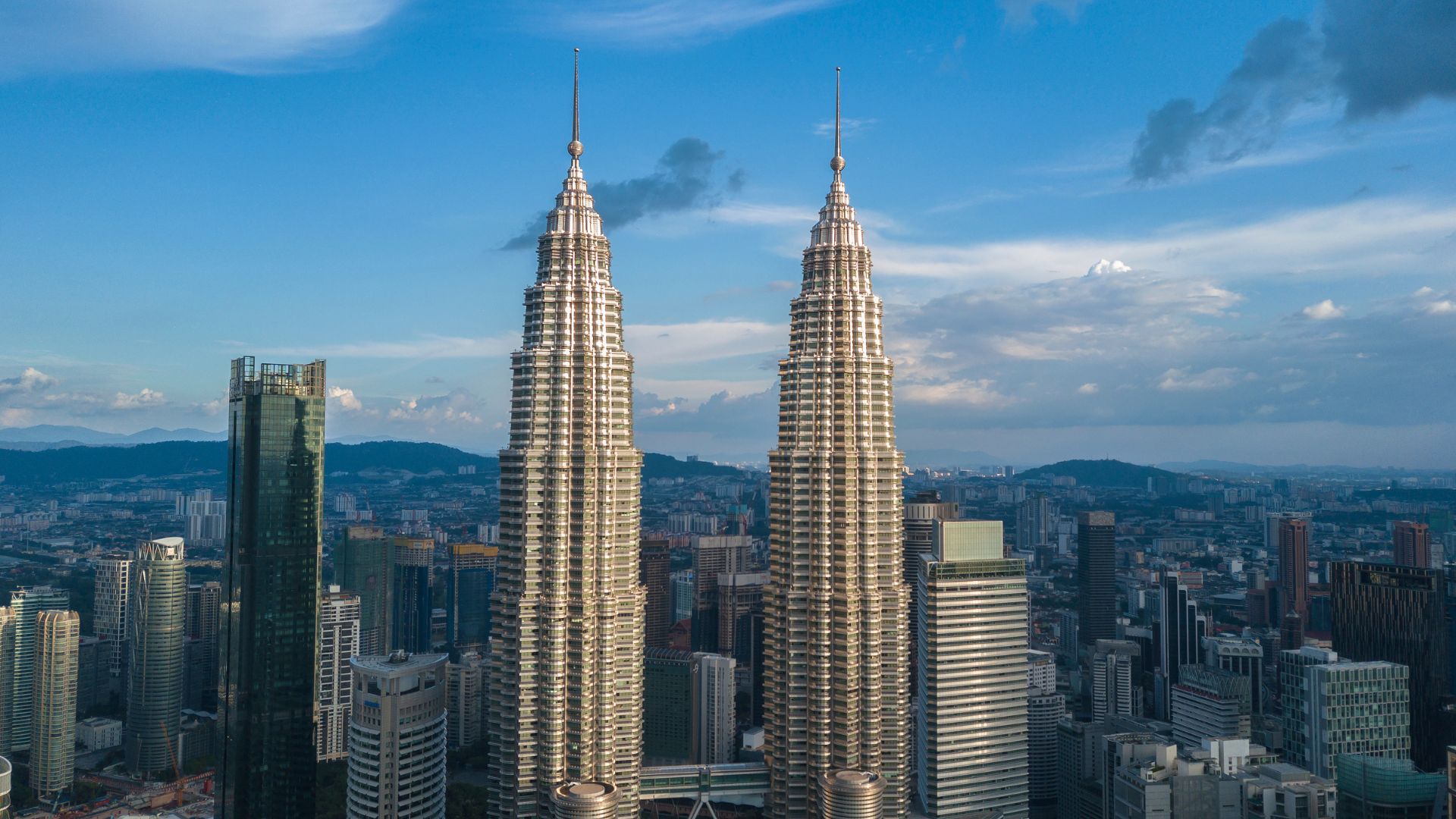
The Petronas Twin Towers (Malay: Menara Berkembar Petronas) are an iconic pair of skyscrapers located in the heart of Kuala Lumpur, Malaysia. Standing at 451.9 meters (1,483 feet), they held the title of the world's tallest buildings from 1996 to 2004 and remain the tallest twin towers globally
2
Stop 2
The Kuala Lumpur Tower, commonly known as KL Tower or Menara Kuala Lumpur, is a prominent telecommunications and observation tower situated in the heart of Kuala Lumpur, Malaysia. Standing at 421 meters (1,381 feet), it was the tallest structure in Malaysia until the completion of the Petronas Twin Towers in 1998. Despite this, KL Tower remains the tallest freestanding tower in Southeast Asia and ranks as the seventh tallest telecommunication tower globally.
3
Stop 3
The National Mosque of Malaysia, known as Masjid Negara, is a significant religious and cultural landmark located in the heart of Kuala Lumpur. Completed in 1965, it stands as a testament to Malaysia's independence and its commitment to Islamic values.
4
Stop 4
The National Monument of Malaysia, known locally as Tugu Negara, is a significant war memorial situated in the heart of Kuala Lumpur, Malaysia. It stands as a tribute to the 11,000 individuals who lost their lives during the Malayan Emergency (1948–1960) and World War II, fighting for the nation's freedom and sovereignty.
5
Stop 5
Istana Negara, or the National Palace of Malaysia, is the official residence of the Yang di-Pertuan Agong, the monarch of Malaysia. Located along Jalan Tuanku Abdul Halim in Segambut, northwestern Kuala Lumpur, the palace was inaugurated on 15 November 2011, replacing the old palace situated at Jalan Istana .
6
Stop 6
Founded in 1885 by Yong Koon, a Chinese immigrant from Shantou, Royal Selangor began as a modest pewtersmith workshop in Kuala Lumpur. Initially named "Ngeok Foh" (Jade Peace), the workshop produced ceremonial items like incense burners and candle holders for the local Chinese community. Over time, the company expanded its offerings to include European-style pieces, catering to British expatriates and local elites. In 1992, the company was granted a royal warrant by the Sultan of Selangor, leading to its rebranding as "Royal Selangor"
7
Chong Batik Handicraft Gallery, also known as East Coast Batik Sdn Bhd, is a renowned batik studio and gallery located in Batu Caves, Selangor, Malaysia. Established in 1974, it is one of the oldest batik centers in the Klang Valley, offering visitors an immersive experience into the traditional art of Malaysian batik.
8
Batu Caves is a renowned limestone hill complex located in Gombak, Selangor, approximately 13 kilometers north of Kuala Lumpur. This iconic site features a series of caves and temples, making it one of Malaysia's most visited tourist attractions and a significant place of Hindu worship.
9
Stop 9
Thean Hou Temple is a six-tiered Chinese temple perched atop Robson Hill in Kuala Lumpur, Malaysia. Dedicated to Mazu, the sea goddess revered by the Hainanese community, the temple also honors Guan Yin (Goddess of Mercy) and Shui Wei Sheng Niang (Goddess of the Waterfront). Completed in 1987 and officially opened in 1989, it stands as one of the largest and most iconic Chinese temples in Southeast Asia .
10
Stop 10
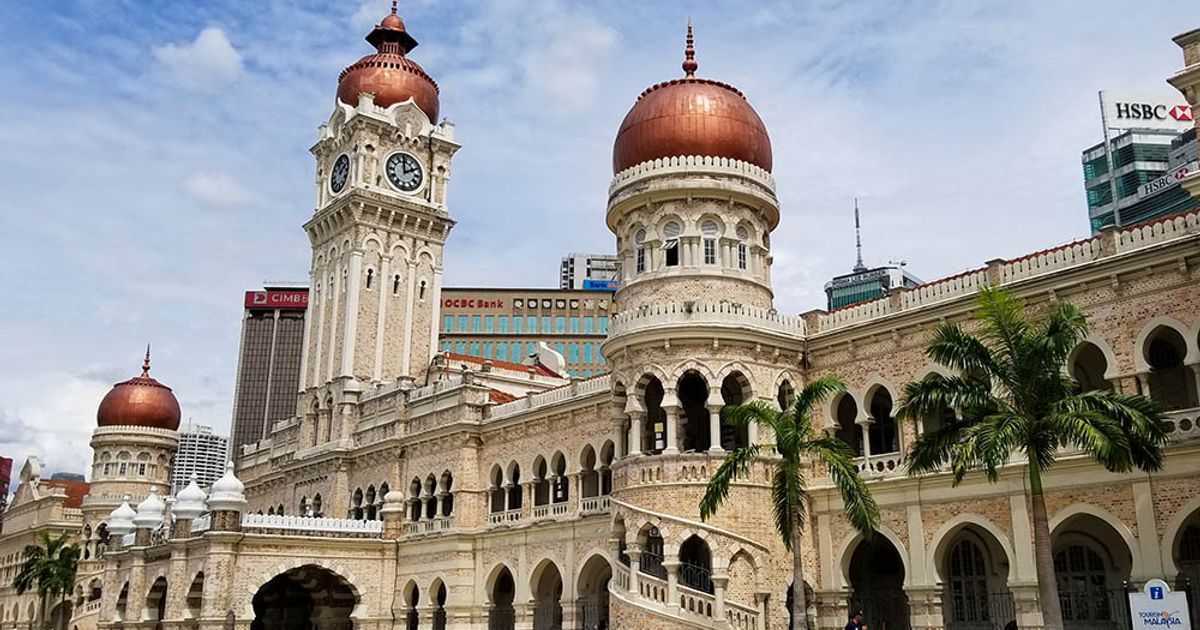
The Sultan Abdul Samad Building stands as a prominent symbol of Kuala Lumpur's colonial heritage and architectural grandeur. Situated along Jalan Raja, facing the historic Dataran Merdeka (Independence Square), this iconic structure has witnessed pivotal moments in Malaysia's journey, including the lowering of the British Union Jack and the raising of the Malayan flag on August 31, 1957 .
11
Stop 11
Merdeka Square, also known as Dataran Merdeka, is a significant landmark in Kuala Lumpur, Malaysia. It is renowned as the site where the nation declared its independence from British colonial rule on August 31, 1957. The square has since become a central venue for national celebrations, including the annual Merdeka Day Parade.
Attractions in Malaysia
+2
Munoha Tour
+2
Mindtrip
+2
Wikipedia
12
The River of Life (RoL) is a transformative urban regeneration project that has reimagined the Klang and Gombak Rivers in Kuala Lumpur, Malaysia. Initiated in 2011 and completed over several years, this RM4.4 billion (approximately USD 946 million) initiative has turned a once-polluted waterway into a vibrant, sustainable, and culturally rich waterfront destination
13
Stop 13
The Sri Mahamariamman Temple is the oldest functioning Hindu temple in Kuala Lumpur, Malaysia. Established in 1873 by Tamil businessman and community leader K. Thamboosamy Pillay, the temple serves as a significant place of worship and cultural heritage for the Indian community in Malaysia.
14
Stop 14
Central Market, locally known as Pasar Seni, is a historic and vibrant cultural hub located in the heart of Kuala Lumpur, Malaysia. Established in 1888 as a wet market, it has transformed into a premier destination for arts, crafts, and heritage, reflecting Malaysia's rich multicultural tapestry.
locco.com.my
+4
Wonderful Malaysia
+4
Sunway Hotels
+4
Mindtrip
+8
locco.com.my
+8
Central Market Kuala Lumpur
+8
15
Stop 15
Petaling Street, also known as Jalan Petaling, is the bustling heart of Kuala Lumpur's Chinatown. Established in the mid-19th century during the tin mining boom, it was originally a trading hub for miners and later evolved into a vibrant marketplace. The name "Chee Cheong Kai" (Starch Factory Street) reflects its historical role in tapioca milling, a key industry at the time. Today, Petaling Street is renowned for its lively atmosphere, rich cultural heritage, and diverse offerings
16
Stop 16
Little India, locally known as Brickfields, is a vibrant neighborhood in Kuala Lumpur that offers a rich tapestry of Indian culture, heritage, and cuisine. Situated just southwest of the city center, it stands as the oldest and largest Indian enclave in Kuala Lumpur, home to generations of Indians
17
Stop 17
Pass by
Masjid Jamek Sultan Abdul Samad, commonly known as Jamek Mosque, is one of Kuala Lumpur's oldest and most iconic mosques. Situated at the confluence of the Klang and Gombak rivers—historically the birthplace of the city—it stands as a testament to Malaysia's rich Islamic heritage and colonial architectural legacy.
18
The National Textile Museum (Muzium Tekstil Negara) in Kuala Lumpur is a cultural landmark dedicated to preserving and showcasing Malaysia's rich textile heritage. Housed in a historic building designed by British architect Arthur Benison Hubback, the museum offers visitors an immersive experience into the evolution of textile arts in the region
19
The Parliament of Malaysia (Parlimen Malaysia) is the supreme legislative body of the nation, operating under a constitutional monarchy and parliamentary democracy. Established on 11 September 1959, it comprises a bicameral system
20
Stop 20
Pass by
The Malayan Railway, now known as Keretapi Tanah Melayu Berhad (KTMB), is Malaysia's principal rail operator, with a rich history that traces back to the late 19th century.
21
Stop 21
Pass by
Situated in Malaysia's administrative capital, Putrajaya Botanical Garden is one of the country's largest botanical gardens. It features over 750 plant species across 13 themed gardens, including the Moroccan Pavilion Islamic Garden, which draws inspiration from Moroccan heritage and architecture. The garden is divided into three main areas: Decorative Garden, Ethnobotany Park, and Research and Rehabilitation. Popular activities include jogging, cycling, and picnicking. Visitors can also enjoy paddle boating on the lake. The garden is accessible by bus from the Putrajaya/Cyberjaya ERL station.
What's not included
Lunch
Available languages
Audio guide
EN
Guide guide
EN
Written guide
EN
Important information
Wheelchair accessible
Public transportation options are available nearby
Infants are required to sit on an adult’s lap
Specialized infant seats are available
Suitable for all physical fitness levels
About Kuala Lumpur
Kuala Lumpur is a vibrant metropolis where modern skyscrapers stand alongside historic mosques and colonial-era buildings. Known for its multicultural diversity, bustling street markets, and iconic landmarks like the Petronas Twin Towers, KL offers a unique blend of tradition and modernity.
Top Attractions
Petronas Twin Towers
The iconic Petronas Twin Towers were the tallest buildings in the world from 1998 to 2004. The towers feature a skybridge and a shopping mall at the base.
Architecture
1-2 hours
MYR 83 (adult), MYR 33 (child)
Batu Caves
Batu Caves is a Hindu shrine and temple complex located in a limestone hill. It is known for its colorful statues and the annual Thaipusam festival.
Religious
2-3 hours
Free (donations welcome)
Kuala Lumpur Tower
The Kuala Lumpur Tower is the second-tallest freestanding tower in the world. It offers panoramic views of the city from its observation deck.
Architecture
1-2 hours
MYR 50 (adult), MYR 30 (child)
Must-Try Local Dishes
Nasi Lemak
Coconut milk-infused rice served with spicy sambal, fried anchovies, peanuts, and boiled egg.
Breakfast/Lunch
Vegetarian options available
Roti Canai
Flaky, layered flatbread served with curry.
Lunch/Dinner
Vegetarian options available
Satay
Grilled skewered meat served with peanut sauce.
Snack
Vegetarian options available
Popular Activities
Hiking in the highlands
Water sports in Port Dickson
Spa treatments
Tea tasting in Cameron Highlands
Visiting temples and mosques
Exploring Chinatown
Swimming
Boat rides
Best Time to Visit
December to February
This period offers cooler temperatures and lower humidity, making it ideal for outdoor activities and sightseeing. The city is lively with various festivals and events.
26-31°C
79-88°F
Practical Information
Language
- Official: Malay
- Widely spoken: English, Chinese, Tamil
- English: Widely spoken
Currency
Malaysian Ringgit (MYR)
Time Zone
GMT+8
Electricity
240VV, 50HzHz
Safety Information
Overall Safety Rating: Generally safe
Kuala Lumpur is generally safe for travelers, with low crime rates and a strong police presence. However, petty crimes like pickpocketing and scams can occur in crowded areas.
Important Precautions:
- • Be cautious of your surroundings
- • Keep valuables secure
- • Use reputable tour operators and transport services
Getting there
By air
- Kuala Lumpur International Airport • 50 km south of the city
By train
Kuala Lumpur Sentral
By bus
Pudu Sentral, Titiwangsa Bus Station
Getting around
Public transport
RapidKL is the main public transport system, including LRT (Light Rail Transit), MRT (Mass Rapid Transit), Monorail, and BRT (Bus Rapid Transit).
Taxis
Available • Apps: Grab
Rentals
Car, Bike, Scooter
Neighborhoods
Bukit Bintang
Chinatown
KLCC
Day trips
Cameron Highlands
200 km north of KL • Full day
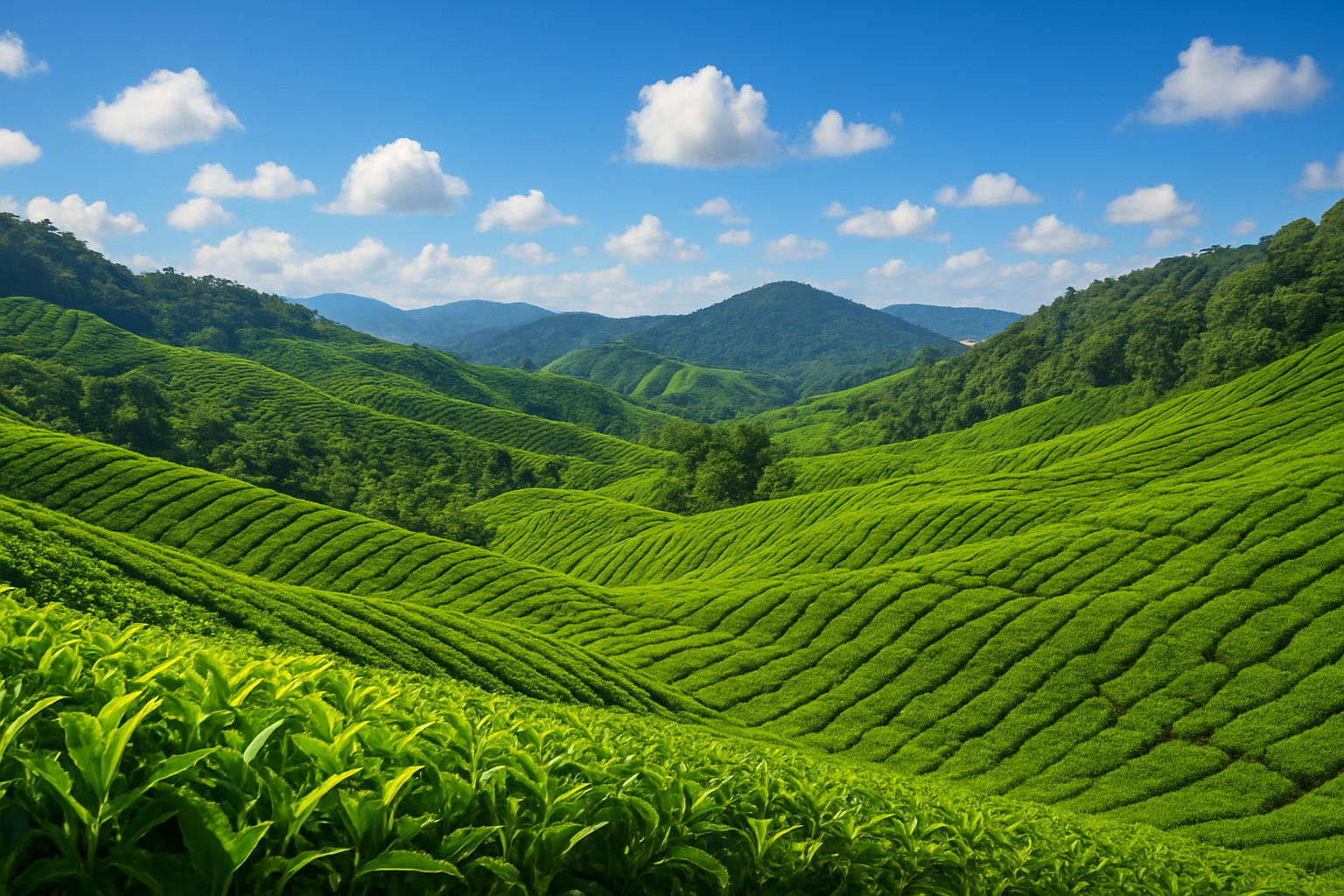
A scenic highland region known for its tea plantations, cool climate, and lush landscapes.
Port Dickson
100 km south of KL • Full day
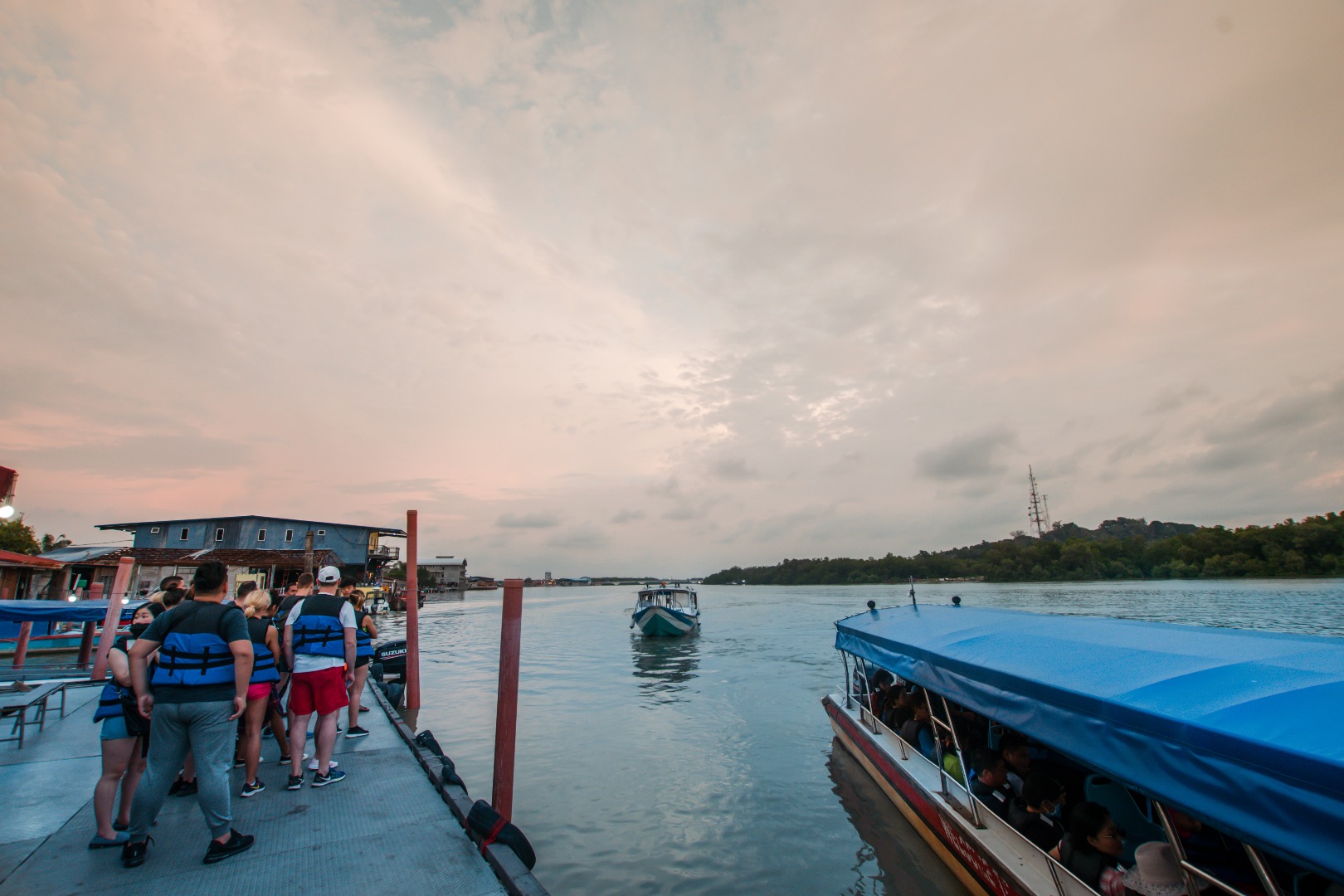
A popular beach destination with beautiful sandy beaches and water sports activities.
Putrajaya
30 km south of KL • Half day
A planned administrative and judicial center with beautiful architecture and landscaped gardens.
Festivals
Thaipusam • January/February (based on the Hindu calendar)
Chinese New Year • January/February (based on the lunar calendar)
Hari Raya Aidilfitri • Varies (based on the Islamic calendar)
Pro tips
- Visit Batu Caves during the Thaipusam festival for a unique cultural experience
- Explore the city's street food scene for authentic and affordable dining options
- Use the RapidKL public transport system to avoid traffic congestion
- Visit the KL Tower Sky Box for a unique and thrilling experience
- Experience the city's nightlife in areas like Changkat Bukit Bintang and Jalan Alor
From $25
per person
Price varies by option
Secure booking
Free cancellation available
Instant confirmation