Folkestone Private 2 Hour Walking Tour with a Blue Badge Guide
Active
1h - 2h
For a full refund, cancel at least 24 hours before the scheduled departure time.
Instant confirmation
Mobile or paper ticket accepted
About this experience
Folkestone grew from a sleepy harbour town into a major passenger port & railway link to the continent during the early part of the 19th Century. High-society had already discovered the town's charms and local landowner Lord Radnor employed Decimus Burton (of Regent's Park & Tunbridge Wells fame) to develop the seafront & the grand Leas cliff-top promenade was born.
The 2 World Wars completely changed the fortunes of the town and during WW1 most of the seafront buildings were requisitioned & the local population evacuated.
Over 10 million troops & personnel left for the front lines in France via Folkestone between 1914 & 1918!
Today, The Leas retains its grandeur & beauty, but now has added poignant memorials to these momentous events which we will explore in depth.
More recently, the Old Town & Harbour have had a huge regeneration & are a great destination for shopping and eating.
Come and discover this gem on the East Kent coast with your local Blue Badge tourist guide.
Available options
Folkestone Private 2 Hour Walking Tour with a Blue Badge Guide
What's included
Specialist Local Blue Badge Tourist Guide in English or French
Detailed itinerary
1
Laid-out by Decimus Burton, The Leas Promenade was THE place to be seen during Victorian & Edwardian times. During the First World War, Folkestone transformed in to the main embarkation point for over 10 million troops and personnel heading to the front lines. Today The Leas pays homage to these dramatic times with poignant memorial.
Every 3 years Folkestone hosts a major art festival (the Folkestone Triennial) and the Leas is home to an ever growing number of art installations thanks to the huge success of this event.
2
Folkestone's old village centre with its historic church St Eanswythe's.
3
Leading down to the Harbour the Old High St and Creative Quarter have become a centre of artisan shops and great food.
4
Embarkation point for millions during WW1 and latterly car ferries to France, Folkestone's Harbour Arm has been transformed into and arts, entertainment and food venue.
Available languages
Guide guide
EN
FR
Important information
Wheelchair accessible
Infants and small children can ride in a pram or stroller
Service animals allowed
Public transportation options are available nearby
Transportation options are wheelchair accessible
All areas and surfaces are wheelchair accessible
Suitable for all physical fitness levels
Meeting point
If you are arriving by train, we can meet you at Folkestone Central station upon your arrival.
About Dover
Dover is a historic coastal town in South East England, famous for its iconic white cliffs and strategic location as a gateway to Europe. It offers a rich blend of natural beauty, military history, and cultural heritage.
Top Attractions
Dover Castle
A medieval castle and major tourist attraction, known as the 'Key to England' due to its strategic position.
Historical
2-3 hours
£28.50 (adult), £17.50 (child), £76.50 (family ticket)
White Cliffs of Dover
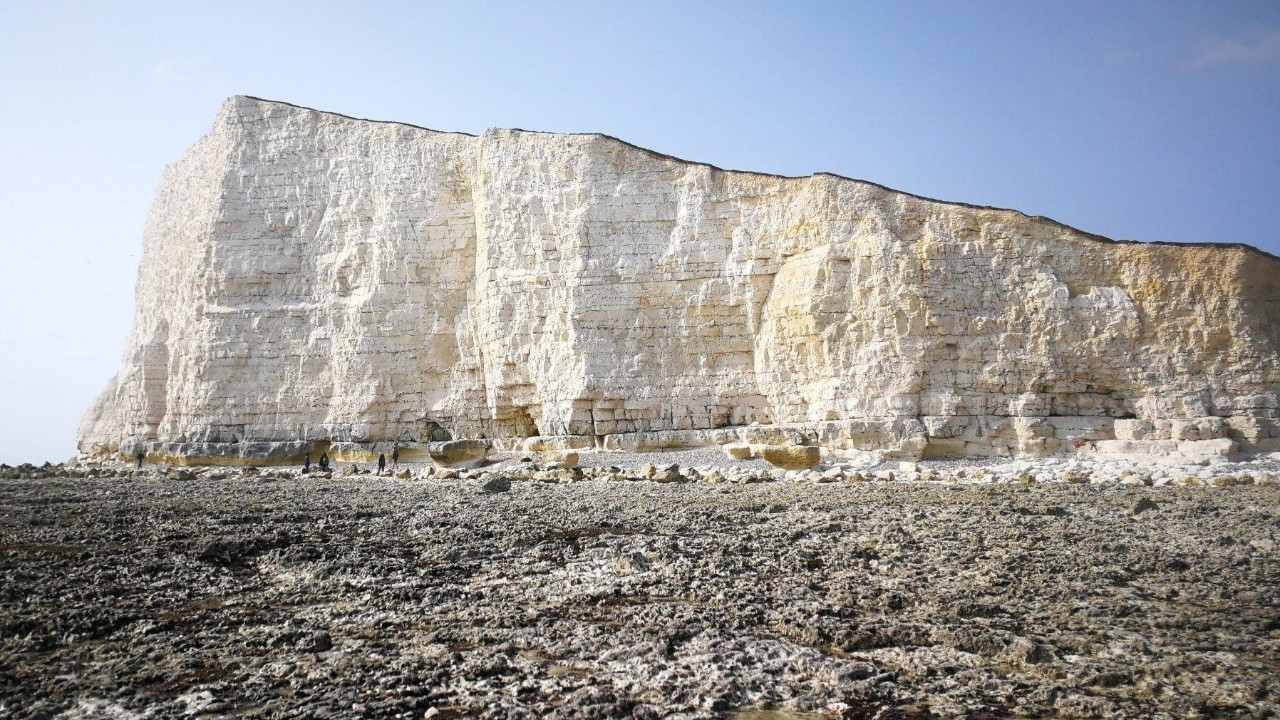
Iconic chalk cliffs offering stunning views of the English Channel and France on clear days.
Nature
1-2 hours
Free (parking fees apply)
Dover Museum and Bronze Age Boat
A museum showcasing Dover's rich history, including the ancient Bronze Age Boat.
Museum
1-2 hours
Free (donations welcome)
Dover Western Heights
A historic site with military fortifications offering panoramic views of the town and cliffs.
Historical
1-2 hours
Free (some areas may require tickets during events)
Roman Painted House
A well-preserved Roman house with intricate wall paintings, dating back to the 3rd century.
Historical
1 hour
£10.50 (adult), £6.30 (child), £27.00 (family ticket)
Must-Try Local Dishes
Fish and Chips
Crispy battered fish with thick-cut chips, often served with mushy peas and tartar sauce.
Main Course
Contains gluten and fish.
Dover Sole
A delicate flatfish, often grilled or fried, served with lemon and parsley butter.
Main Course
Contains fish and may contain gluten.
Kentish Pork Pie
A savory pie made with seasoned pork and a flaky pastry crust.
Snack
Contains pork and gluten.
Elderflower Cordial
A refreshing drink made from elderflowers, often mixed with sparkling water or used in cocktails.
Drink
Vegan and gluten-free.
Popular Activities
Hiking the White Cliffs
Kayaking in the English Channel
Exploring Dover Castle's Tunnels
Sunbathing at Camber Sands
Enjoying a coffee at the Marina
Strolling through Dover's Historic Streets
Visiting Dover Museum
Exploring Canterbury Cathedral
Best Time to Visit
June to August
Summer offers the best weather for outdoor activities and sightseeing. The town is bustling with tourists, and all attractions are open.
15-22°C
59-72°F
Practical Information
Language
- Official: English
- Widely spoken: English
- English: Widely spoken
Currency
British Pound (GBP)
Time Zone
GMT (UTC+0) or BST (UTC+1) during daylight saving time
Electricity
230VV, 50HzHz
Safety Information
Overall Safety Rating: Generally safe
Dover is generally safe for tourists, with low crime rates. However, standard precautions should be taken to ensure a safe visit.
Important Precautions:
- • Keep valuables secure
- • Use licensed taxis
- • Be cautious with strangers offering services
Getting there
By air
- London Gatwick Airport • 64 miles (103 km)
- London Heathrow Airport • 75 miles (121 km)
By train
Dover Priory Station
By bus
Dover Bus Station
Getting around
Public transport
Affordable and convenient for getting around Dover. Buses are frequent and reliable.
Taxis
Available • Apps: Uber
Rentals
Car, Bike, Scooter
Neighborhoods
Dover Town Center
Dover Marina
Dover Western Heights
Day trips
Canterbury
18 miles (29 km) • Half day to full day
A historic city known for its stunning cathedral, medieval streets, and rich history.
Leeds Castle
25 miles (40 km) • Full day
A stunning castle set in beautiful grounds, offering a variety of activities and attractions.
Camber Sands
20 miles (32 km) • Half day to full day
A beautiful sandy beach with dunes, perfect for a relaxing day by the sea.
Festivals
Dover Western Heights Festival • September
Dover Music Festival • May
Dover Christmas Festival • December
Pro tips
- Visit the White Cliffs at sunrise or sunset for the best views and fewer crowds.
- Book tickets for Dover Castle and the Roman Painted House in advance to avoid long queues.
- Explore the town's hidden gems, such as the Secret Wartime Tunnels and the Drop Redoubt.
- Try local specialties like Dover sole and Kentish pork pie at traditional pubs and restaurants.
- Use the local bus system to get around town affordably and conveniently.
From $25
per person
Price varies by option
Secure booking
Free cancellation available
Instant confirmation