Hiroshima and Miyajima Private Guided Tour
Active
4h - 8h
For a full refund, cancel at least 24 hours before the scheduled departure time.
Manual confirmation
Mobile or paper ticket accepted
About this experience
Embark on an unforgettable adventure through Hiroshima, where history, culture, and natural beauty come together. Our expertly crafted tour will take you to the iconic Peace Memorial Park, a poignant reminder of Hiroshima’s resilience, and the serene Miyajima Island, home to the famous floating torii gate. Explore hidden gems only locals know about, and hear captivating stories from your experienced guide that bring the city’s rich history to life. From tranquil temples to bustling streets, our flexible and personalized itinerary ensures you get the most out of your visit. Don’t miss the chance to experience Hiroshima like never before. Book your tour today and let us show you the best of this incredible city!
Available options
Only Miyajima
Duration: 4 hours: Join us for a 4-hour tour of Miyajima, where you'll explore the iconic Itsukushima Shrine, the "floating" torii gate.<br/>Miyajima<br/>Pickup included
Only Hiroshima City
Duration: 4 hours<br/>Only Hiroshima City<br/>Pickup included
Awesome Hiroshima and Miyajima
Pickup included
What's included
Public Transportation (Tram and Ferry)
English Speaking Guide
Pick Up With Public Transportation
Tickets (Peace Memorial Museum and Itsukushima Shrine)
Detailed itinerary
1
Stop 1
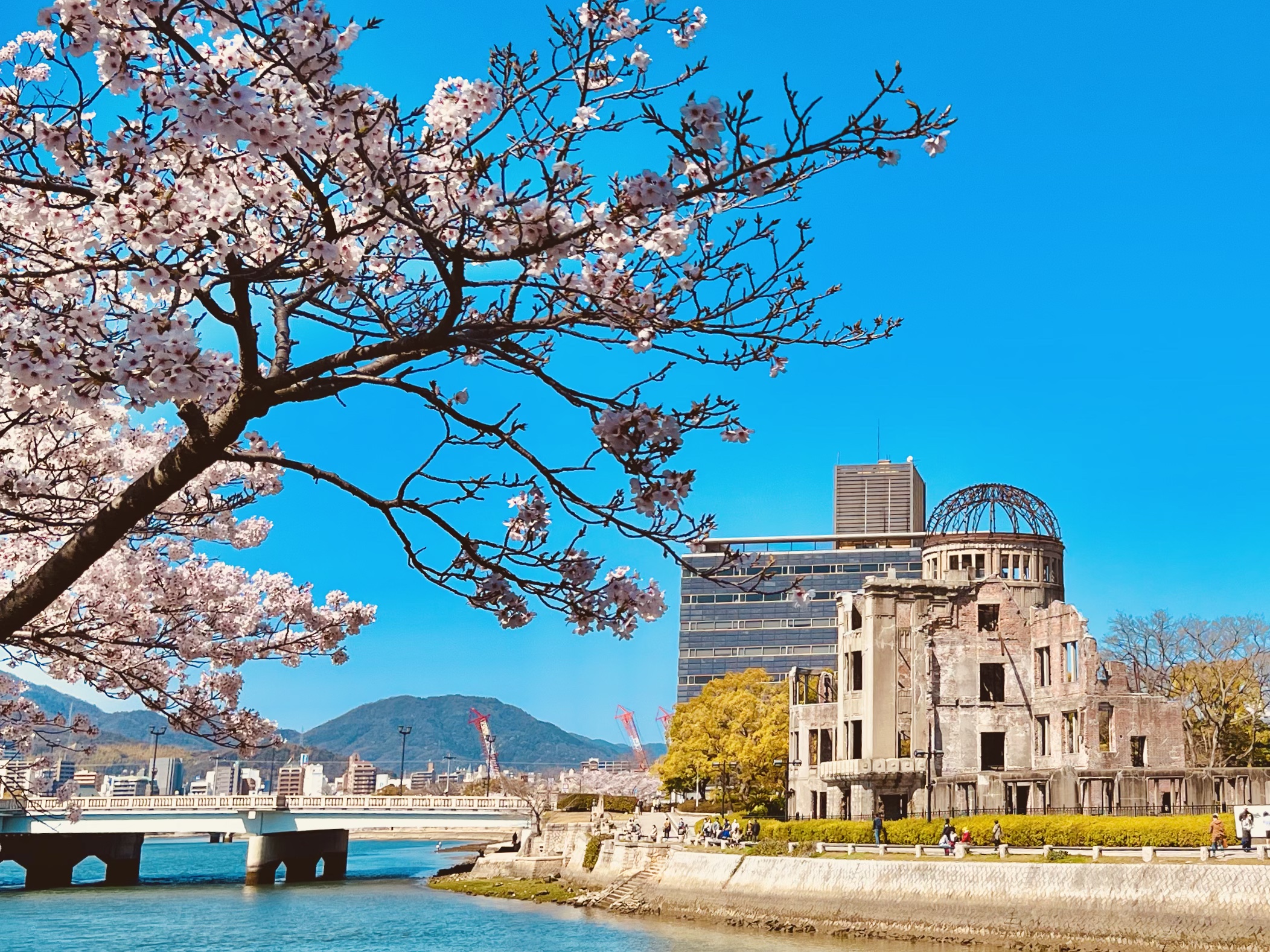
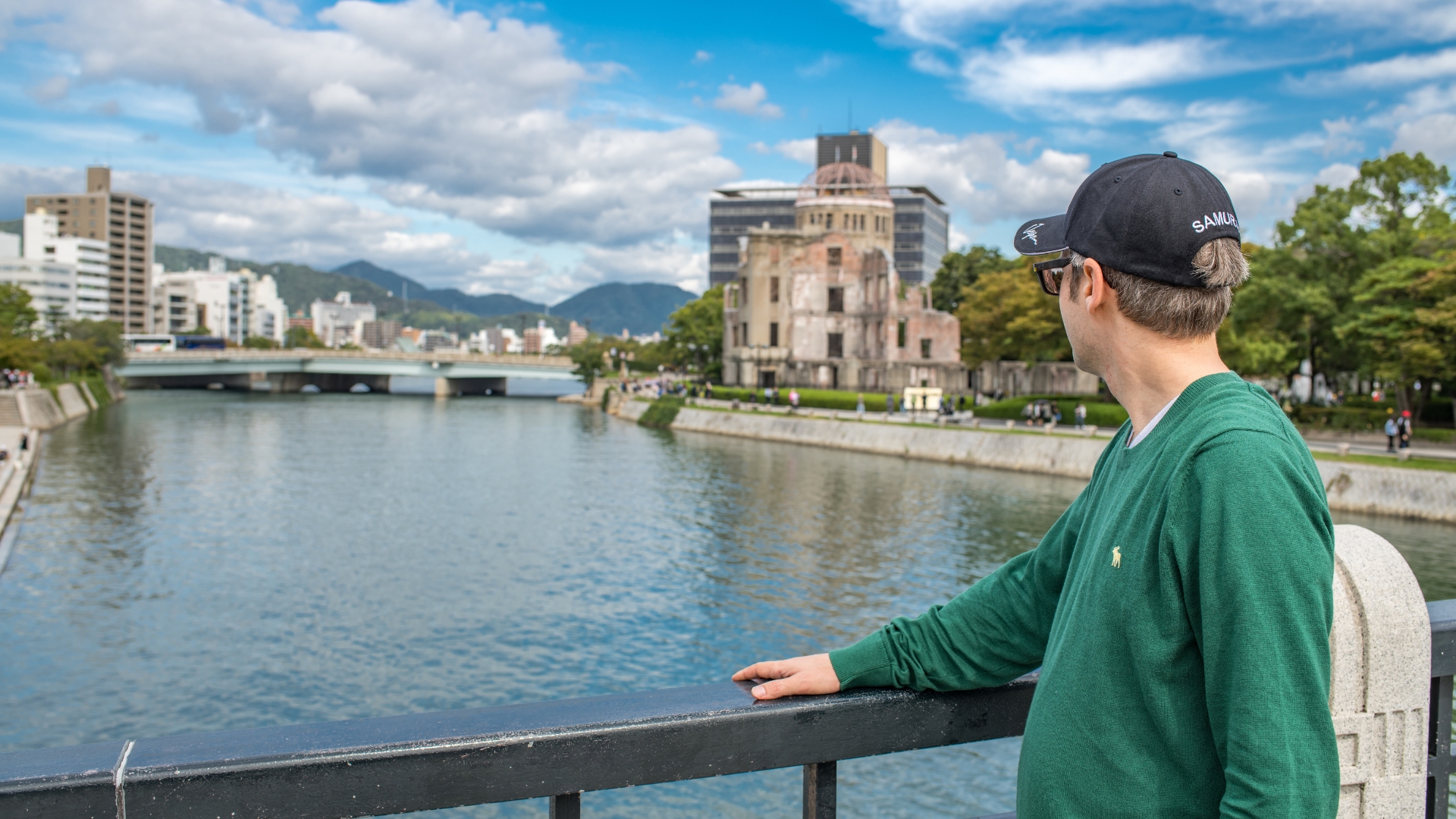
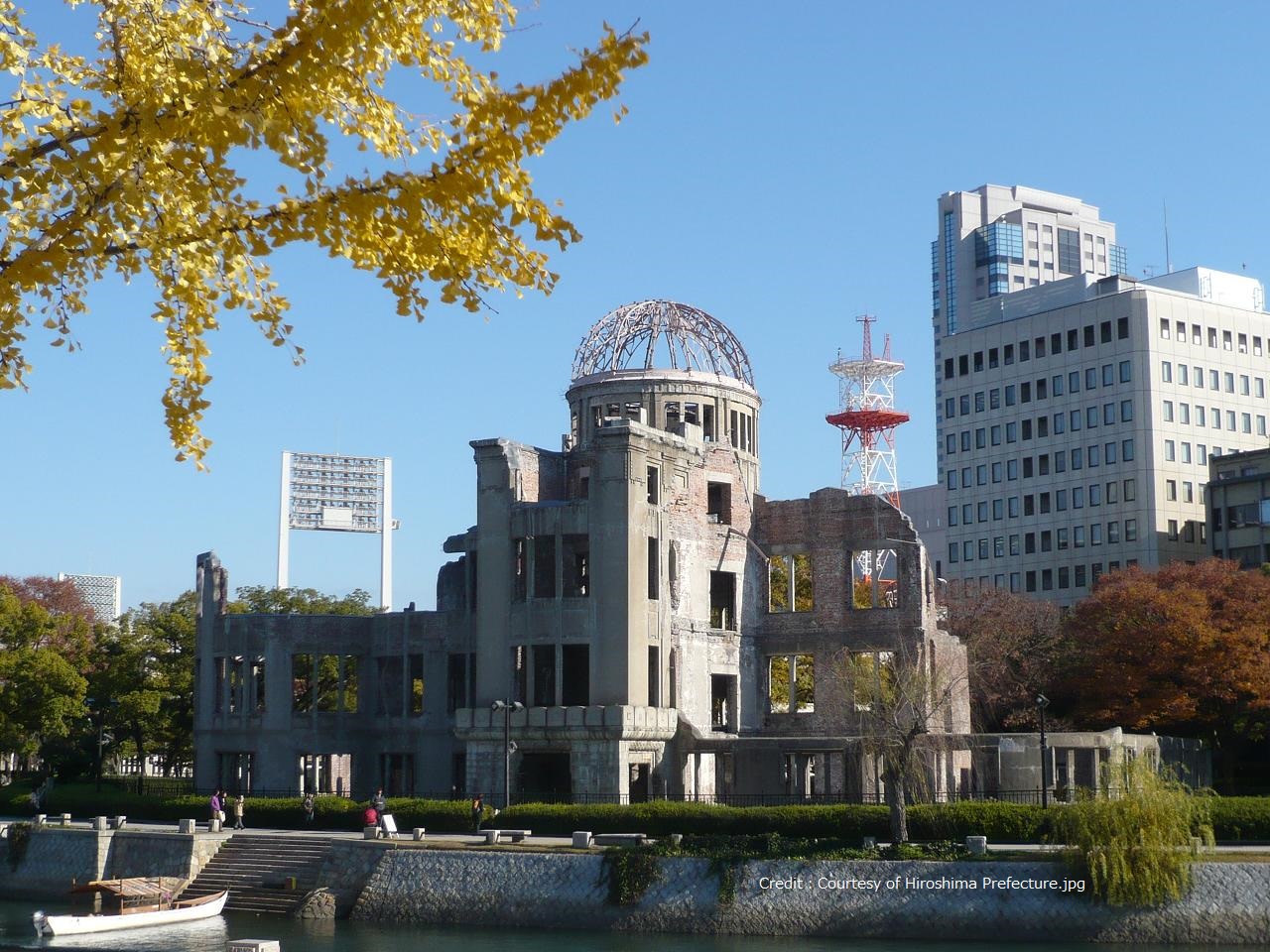
Our guests will embark on a deeply moving journey through Hiroshima Peace Memorial Park, immersing themselves in its profound message of peace and resilience. The tour will begin at the A-Bomb Dome, a UNESCO World Heritage Site that serves as a haunting reminder of the events of August 6, 1945. They will explore the Peace Memorial Museum, encountering vivid exhibits of artifacts, photographs, and survivor stories that reveal the human impact of the bombing. At the Children’s Peace Monument, they can reflect on Sasaki’s story and contribute their own folded cranes as a gesture of peace. Guests will honor lives lost at the Cenotaph for A-Bomb Victims and witness the Peace Flame, burning until nuclear weapons are abolished. They will also ring the Peace Bell, symbolizing hope and harmony. Guided insights will highlight Hiroshima’s journey of recovery and advocacy for peace. Time for reflection within the park’s serene atmosphere will make this an unforgettable and meaningful experience.
2
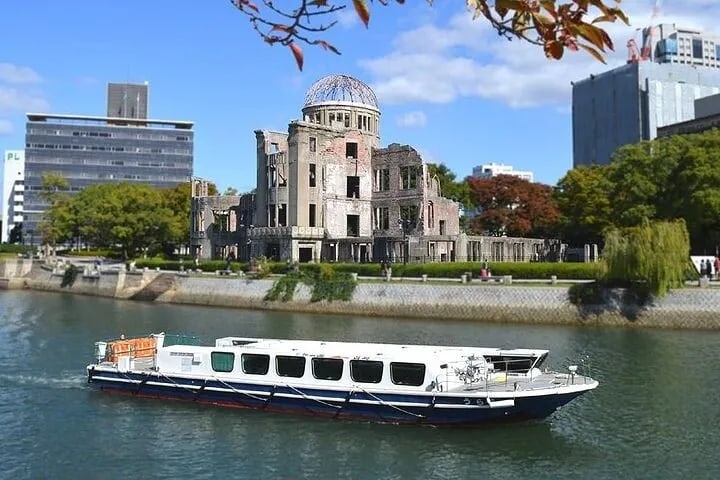
The A-Bomb Dome, or Genbaku Dome, is one of Hiroshima's most iconic and haunting landmarks, preserved as a stark reminder of the devastating atomic bombing on August 6, 1945. Originally the Hiroshima Prefectural Industrial Promotion Hall, this structure was one of the few buildings near the epicenter to survive the blast, though it was severely damaged. Its skeletal remains have since been carefully maintained as a UNESCO World Heritage Site, symbolizing the resilience of Hiroshima’s people and their commitment to peace. Visitors to the A-Bomb Dome can walk around the structure, observing its preserved state, and reflect on the immense destruction caused by nuclear weapons. It stands as a powerful testament to the horrors of war and a call to action for global nuclear disarmament, offering a profound and sobering experience for all who visit.
3
Stop 3
The Peace Memorial Museum is the heart of Hiroshima Peace Memorial Park, offering a deeply impactful exploration of the events of August 6, 1945, and the aftermath of the atomic bombing. Through a vast collection of photographs, artifacts, personal belongings, and survivor testimonies, the museum tells the human stories behind the tragedy, portraying the devastating effects of the bomb on the city and its people. The museum also provides historical context about the lead-up to the bombing and Hiroshima's efforts in advocating for nuclear disarmament. Guests are encouraged to reflect on the lessons of history and the importance of peace as they move through the museum’s thoughtfully curated exhibits. It is a profoundly moving experience, leaving visitors with a lasting impression of Hiroshima’s message of hope and harmony.
4
The Children’s Peace Monument is a heartfelt tribute to the memory of the children who lost their lives due to the atomic bombing of Hiroshima. Inspired by the story of Sadako Sasaki, a young girl who developed leukemia from radiation exposure, the monument symbolizes hope and a wish for a peaceful world. Sadako believed in the Japanese legend that folding 1,000 origami cranes could grant a wish, and her determination to fold cranes even in her final days has become a global symbol of peace.
At the monument, visitors can see the bronze statue of a girl holding a golden crane, surrounded by display cases filled with colorful paper cranes sent from around the world. Guests are invited to fold and contribute their own cranes, adding to the collective hope for peace. The site encourages reflection on the impact of war on innocent lives and the power of unity in advocating for a nuclear-free future. It is a place of solemn remembrance and enduring inspiration.
5
The Cenotaph for A-Bomb Victims, located in the heart of Hiroshima Peace Memorial Park, is a solemn and powerful tribute to those who lost their lives in the atomic bombing on August 6, 1945. Designed by renowned architect Kenzo Tange, the arch-shaped monument shelters a stone chest containing a registry of the names of all known victims, regardless of nationality, race, or belief. Inscribed on the monument is the heartfelt epitaph: “Let all the souls here rest in peace, for we shall not repeat the evil.”
Positioned in alignment with the A-Bomb Dome and the Peace Flame, the cenotaph offers a space for quiet reflection and remembrance. Visitors can pay their respects by bowing, offering flowers, or simply contemplating the profound loss and resilience the site represents. The Cenotaph serves not only as a memorial but as a reminder of Hiroshima's enduring call for peace and the elimination of nuclear weapons.
6
Stop 6
Pass by
The Peace Flame and the Peace Bell are two powerful symbols within Hiroshima Peace Memorial Park, each carrying a deep message of hope and a commitment to peace.
The Peace Flame has burned continuously since it was lit in 1964, symbolizing Hiroshima's vow to work towards a world without nuclear weapons. Positioned near the Cenotaph, it is intended to remain alight until nuclear weapons are completely abolished. The flame stands as a beacon of hope for global disarmament, urging visitors to reflect on the importance of peace and the catastrophic consequences of nuclear warfare.
7
The Peace Bell, located nearby, invites visitors to participate in its ringing, an act symbolizing the collective desire for peace and harmony. The bell is inscribed with the words "May all the souls of the atomic bomb victims rest in peace," offering a moment of reflection. Visitors are encouraged to ring the bell, sending their own wishes for peace out into the world, adding their voices to Hiroshima's ongoing message of reconciliation and global unity.
8
Hiroshima Hondori is a lively pedestrian street in the heart of Hiroshima, offering a vibrant mix of shopping, dining, and entertainment. Stretching for several blocks, this bustling arcade is a popular destination for both locals and visitors, lined with a variety of stores ranging from fashion boutiques to souvenir shops. Travelers can explore the many cafes, restaurants, and food stalls offering local specialties, such as okonomiyaki (a savory pancake) and Hiroshima-style oysters.
The area also boasts a lively atmosphere, with street performers often adding to the vibrant scene. Along with its modern appeal, Hiroshima Hondori preserves a connection to the city’s history, providing a contrast to the serene memorials nearby. It’s a great place to experience the energy of Hiroshima, enjoy local cuisine, and shop for unique items to remember the visit. Whether it’s for a casual stroll, shopping, or a taste of local culture, Hiroshima Hondori offers a lively and enjoyable experience
9
Hiroshima Castle, also known as Carp Castle, is a historic landmark located in central Hiroshima. Originally built in the late 16th century by Mori Terumoto, the castle served as the seat of the Mori clan until the early 17th century. Although the castle was destroyed during the atomic bombing of 1945, it was carefully rebuilt in the 1950s and now stands as a symbol of Hiroshima's resilience and recovery. Visitors can explore the five-story main keep, which houses a museum displaying artifacts related to the castle’s history, samurai culture, and Hiroshima’s development. From the top, guests are treated to panoramic views of the city and surrounding landscape. The peaceful grounds surrounding the castle feature lovely gardens, perfect for a relaxing stroll. Hiroshima Castle beautifully blends historical significance with the modern spirit of the city, making it a must-visit destination for those interested in both culture and history.
10
Shukkeien Garden, located in central Hiroshima, is a beautifully designed traditional Japanese garden that dates back to 1620. Originally created by the Asano family, the garden’s name, which means "shrunken-scenery garden," reflects its design philosophy—depicting scenic landscapes in miniature. This tranquil garden features a large central pond, lush greenery, winding paths, stone bridges, and small islands, all carefully arranged to evoke the beauty of nature in a compact space.
Throughout the year, Shukkeien offers stunning seasonal views, including cherry blossoms in spring, vibrant irises in summer, and colorful foliage in autumn. The garden also has a traditional tea house where visitors can experience a Japanese tea ceremony, adding to its cultural charm. Visitors can enjoy a peaceful stroll, relax by the pond, or reflect in the serene atmosphere of the garden, making it a perfect place to escape the city’s busy pace and immerse oneself in natural beauty and Japanese culture.
11
Stop 11
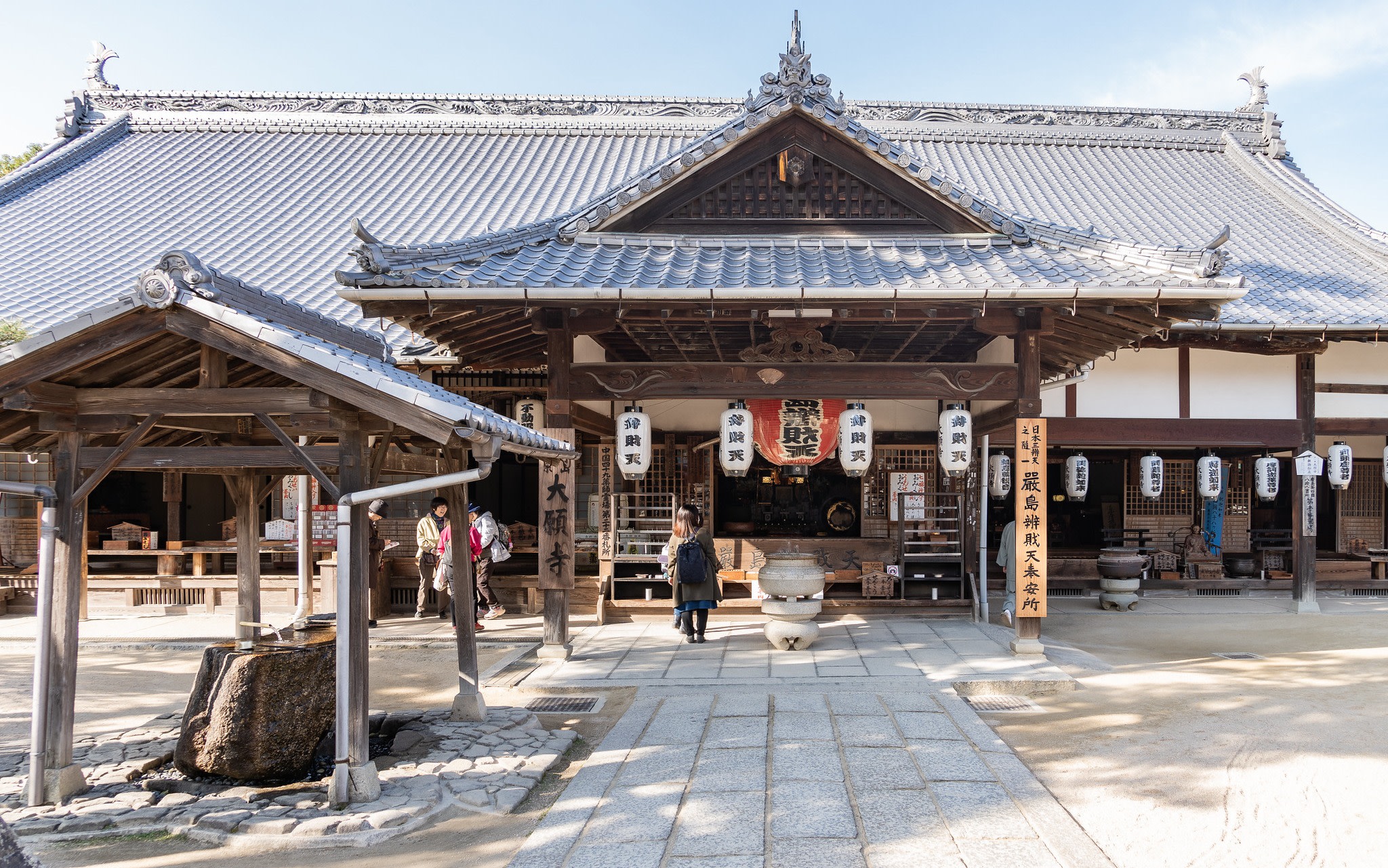
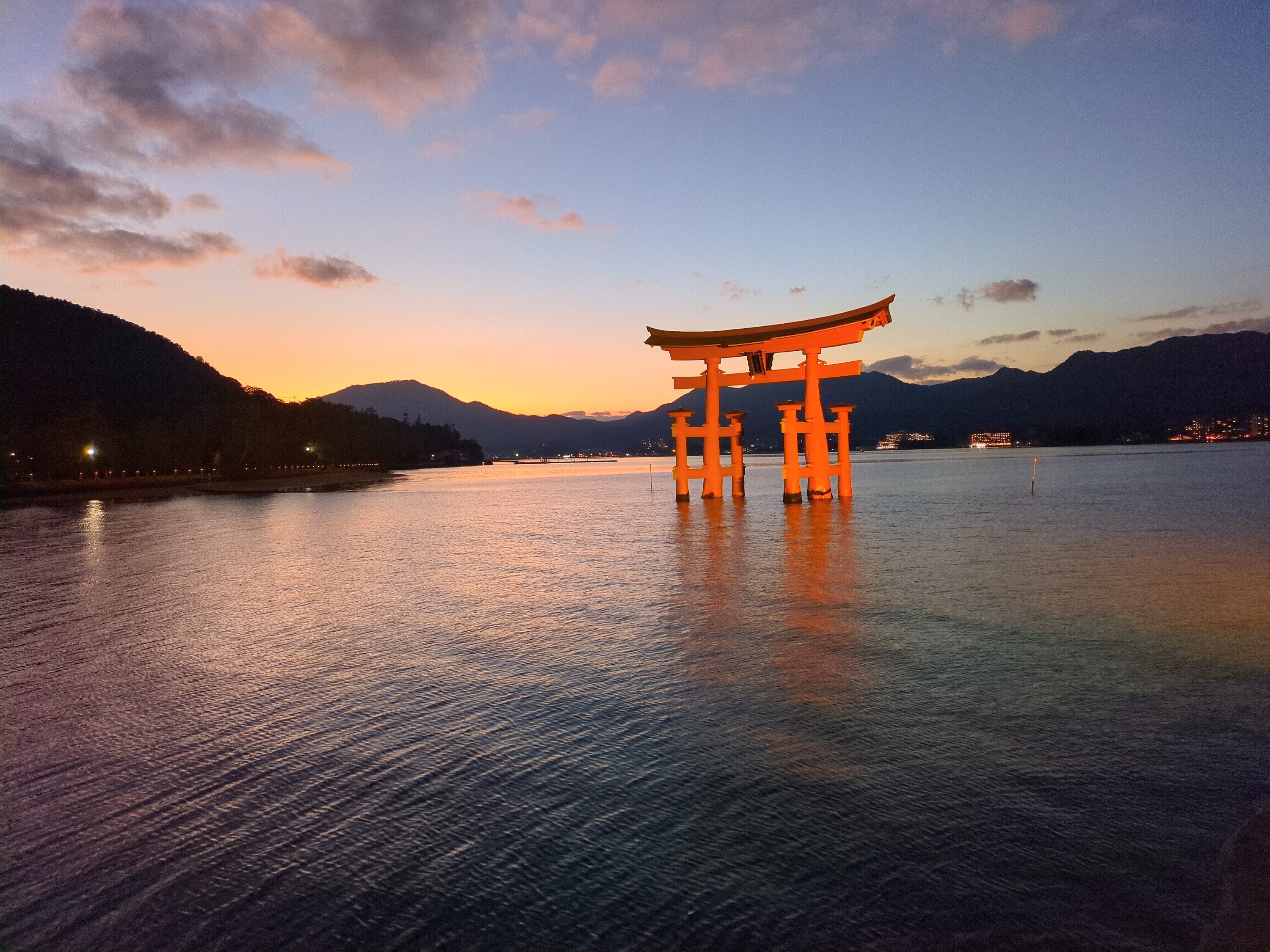
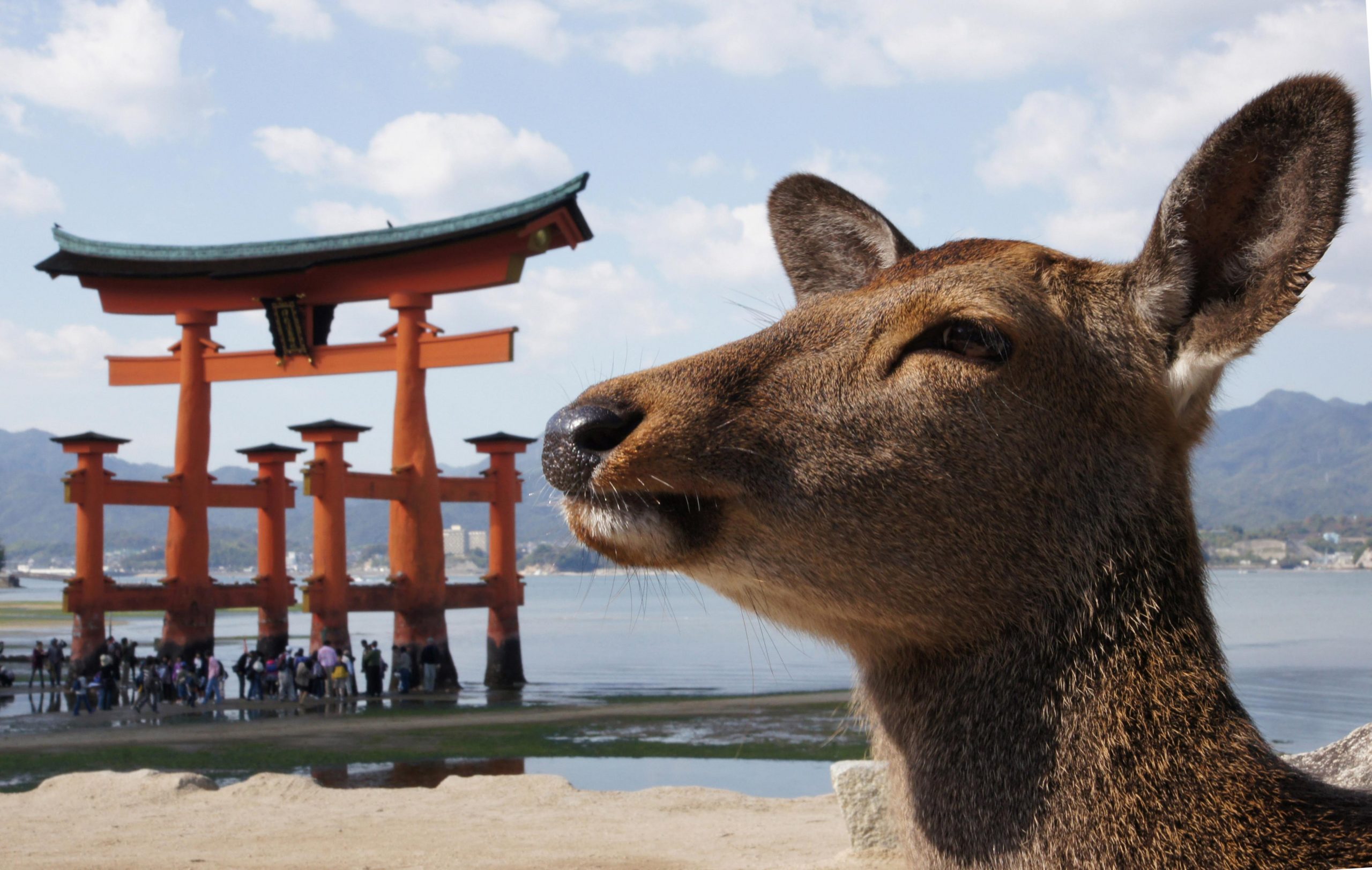
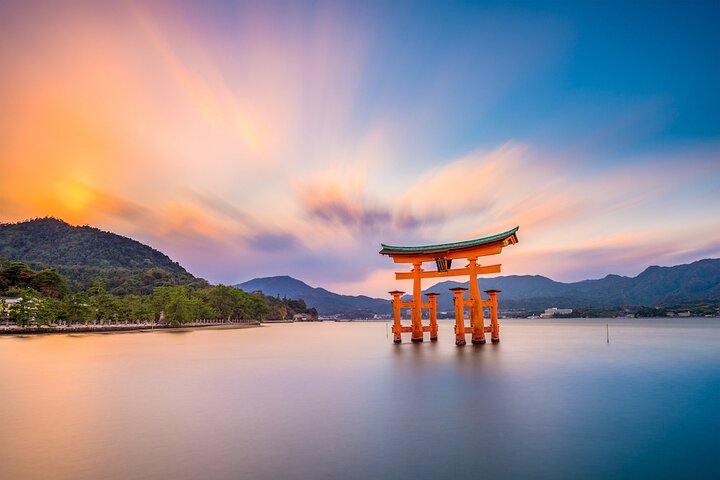
On a visit to Miyajima, travelers will experience the beauty of Itsukushima Shrine, famous for its "floating" torii gate. They can explore the shrine's serene grounds and enjoy views of the Seto Inland Sea. A cable car or hike up Mount Misen offers stunning vistas of the surrounding islands. Along the way, friendly deer roam freely, adding to the charm. Visitors will also discover traditional streets filled with shops offering local treats like momiji manju (maple-leaf-shaped sweets) and fresh oysters. Miyajima’s peaceful atmosphere and natural beauty make it a perfect escape for exploration and reflection.
12
Stop 12
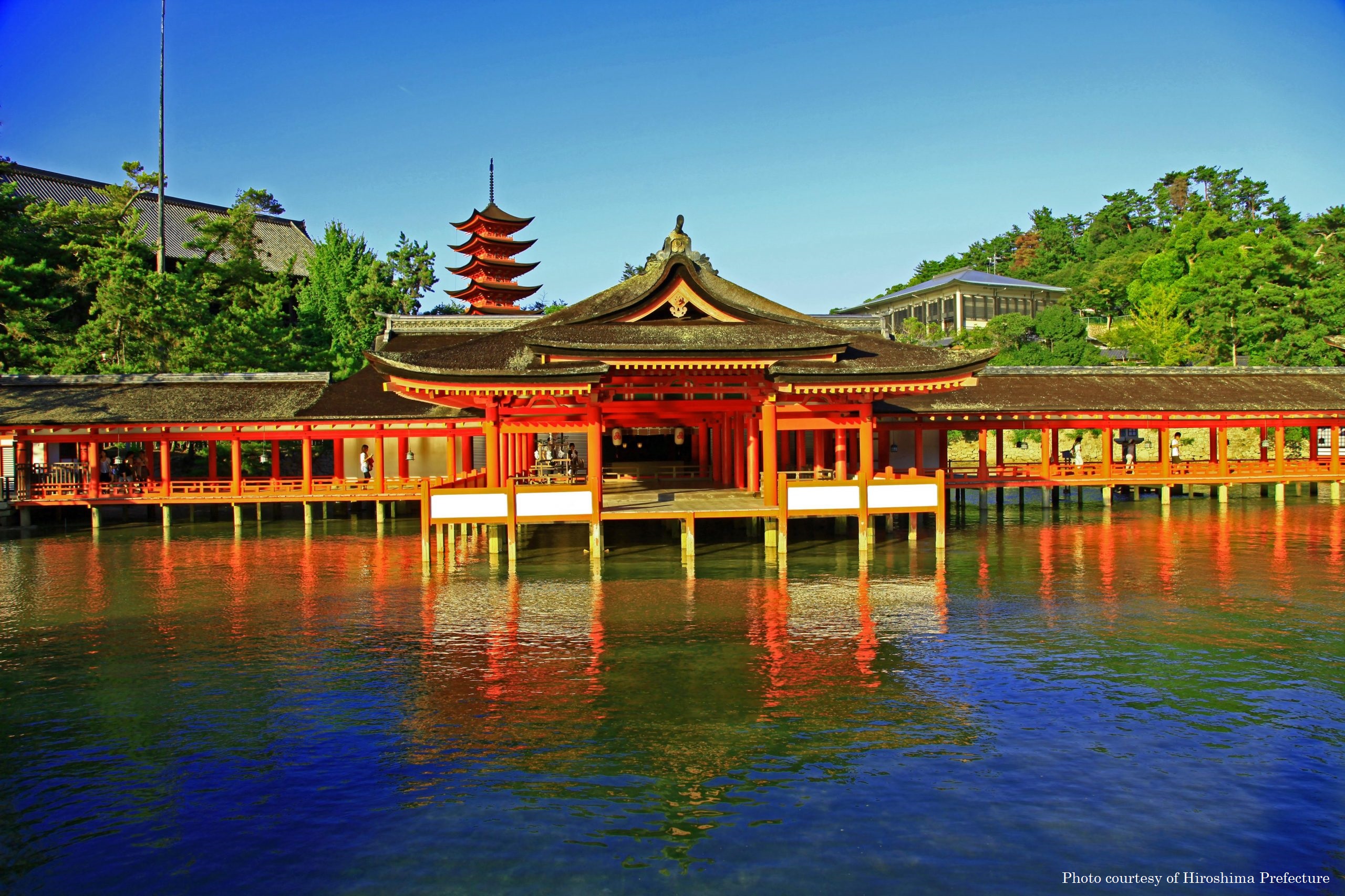
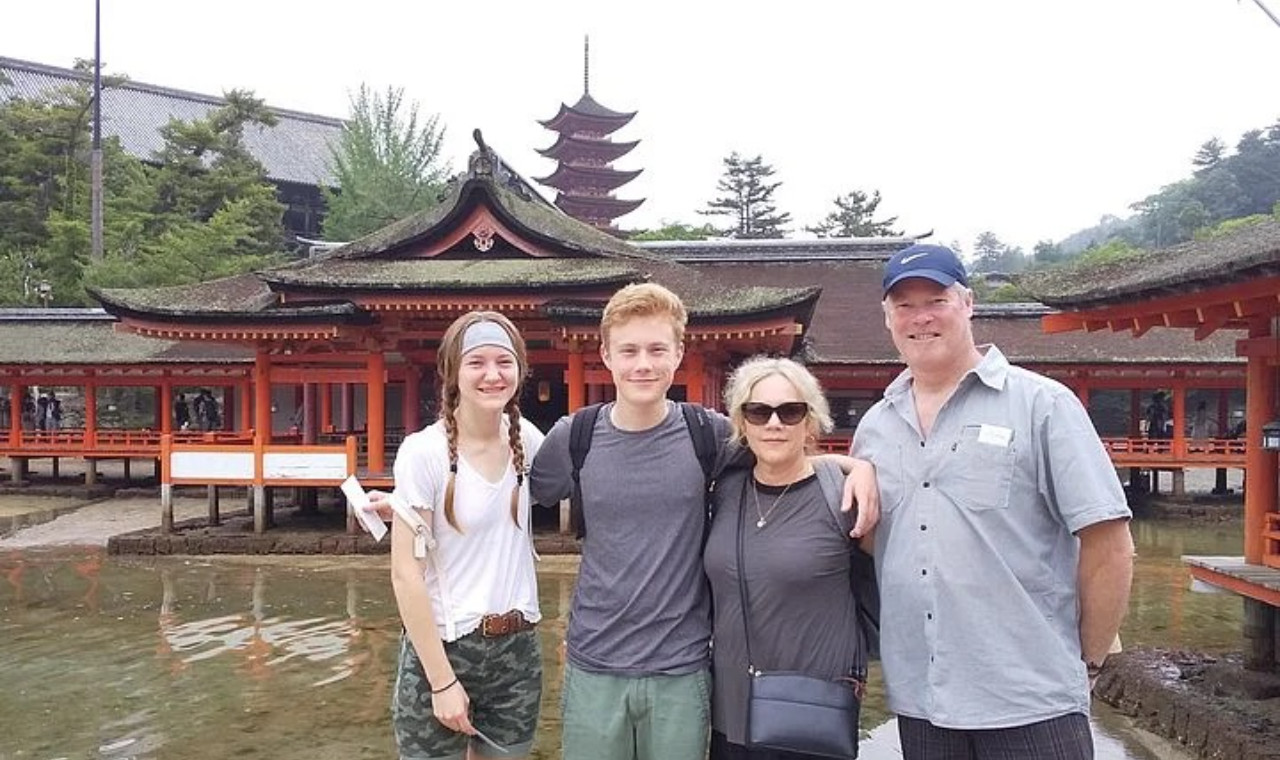
Itsukushima Shrine, located on the island of Miyajima, is one of Japan's most iconic and spiritually significant landmarks. Famous for its "floating" torii gate, which appears to rise from the sea at high tide, the shrine is a UNESCO World Heritage Site. Visitors will explore the striking red-painted shrine, which is built over the water, offering stunning views of the surrounding landscape. The shrine’s architecture blends harmoniously with its natural surroundings, creating a serene atmosphere. Inside, travelers will encounter various halls dedicated to the deities of the sea and mountains. The torii gate and the shrine are central to the island’s spiritual significance, symbolizing the connection between the divine and the natural world. Itsukushima Shrine offers a peaceful, awe-inspiring experience, providing visitors with a deep sense of Japan’s cultural and spiritual heritage.
What's not included
Tickets (Shukkeien Garden 300¥ and Hiroshima Castle 500¥)
Privet transportation
Boats connect Miyajima directly with Hiroshima Peace Park (2200 yen one way, 4000 yen round trip)
Lunch
Available languages
Guide guide
EN
Reviews breakdown
Viator
4.6
50 reviews
5★
43
4★
2
3★
2
2★
0
1★
3
Tripadvisor
5.0
23 reviews
5★
22
4★
1
3★
0
2★
0
1★
0
Important information
Infants and small children can ride in a pram or stroller
Public transportation options are available nearby
Suitable for all physical fitness levels
About Hiroshima
Hiroshima is a vibrant city known for its poignant history and remarkable resilience. It is the capital of Hiroshima Prefecture and serves as a powerful reminder of the atomic bombing during World War II, while also offering rich cultural experiences and natural beauty.
Top Attractions
Peace Memorial Park and Museum
A poignant and powerful site dedicated to the memory of the atomic bombing in 1945. The park and museum serve as a symbol of peace and a reminder of the horrors of war.
Historical
2-3 hours
Free (Museum: ¥200)
Miyajima Island
A beautiful island known for its floating torii gate, scenic views, and historic temples. It is a UNESCO World Heritage site and a must-visit destination near Hiroshima.
Nature/Historical
Full day
Ferry: ¥360 (round trip), Shrine: ¥300
Shukkeien Garden
A beautiful traditional Japanese garden with ponds, bridges, and meticulously landscaped areas. It offers a peaceful retreat from the city bustle.
Nature
1-2 hours
¥260
Hiroshima Castle
A reconstructed castle that offers a glimpse into Hiroshima's feudal past. The castle houses a museum and provides panoramic views of the city.
Historical/Architecture
1-2 hours
¥370
Hiroshima Okonomimura
A multi-story building dedicated to Hiroshima's famous okonomiyaki (savory pancake). It houses several restaurants and offers a fun, interactive dining experience.
Food/Cultural
1-2 hours
Budget to Moderate
Must-Try Local Dishes
Hiroshima-style Okonomiyaki
A layered savory pancake made with noodles, cabbage, and various toppings, typically cooked on a teppan (iron griddle).
Dinner
Contains wheat, meat, and seafood. Vegetarian and vegan options may be available.
Hiroshima-style Oysters
Hiroshima is famous for its oysters, which are often grilled, fried, or served raw. They are typically harvested from the Seto Inland Sea.
Snack/Dinner
Contains shellfish. Not suitable for those with seafood allergies.
Hiroshima-style Udon
Thick, chewy wheat noodles served in a hot broth, often with various toppings like tempura or beef.
Lunch/Dinner
Contains wheat. Vegetarian and vegan options may be available.
Hiroshima-style Anago Meshi
Grilled saltwater eel served over rice, a local delicacy with a rich, savory flavor.
Lunch/Dinner
Contains fish. Not suitable for those with seafood allergies.
Popular Activities
Hiking on Miyajima Island
Cycling around Hiroshima
Kayaking in the Seto Inland Sea
Visiting Shukkeien Garden
Taking a leisurely streetcar ride
Enjoying a traditional tea ceremony
Visiting the Peace Memorial Park and Museum
Exploring the Hiroshima Castle
Best Time to Visit
Spring (March to May) and Autumn (September to November)
Spring offers cherry blossoms and mild weather, while autumn provides comfortable temperatures and vibrant foliage. These are the best times to visit for pleasant weather and outdoor activities.
15-25°C
59-77°F
Practical Information
Language
- Official: Japanese
- Widely spoken: English (limited)
- English: Limited
Currency
Japanese Yen (JPY)
Time Zone
GMT+9
Electricity
100VV, 50/60HzHz
Safety Information
Overall Safety Rating: Very safe
Hiroshima is a very safe city with a low crime rate. Violent crime is rare, and pickpocketing or petty theft is uncommon. However, travelers should still exercise caution and be aware of their surroundings.
Important Precautions:
- • Be cautious of unlicensed taxis and always check that the taxi has a meter.
- • Keep valuables secure and be aware of your surroundings in crowded areas.
- • Use reputable tour guides and services, and be wary of offers that seem too good to be true.
Getting there
By air
- Hiroshima Airport • 50 km from city center
By train
Hiroshima Station
By bus
Hiroshima Bus Center
Getting around
Public transport
The streetcar system is the main form of public transport in Hiroshima, offering an affordable and convenient way to get around.
Taxis
Available • Apps: JapanTaxi, DiDi
Rentals
Car, Bike, Scooter
Neighborhoods
Naka-ku
Higashi-ku
Nishi-ku
Minami-ku
Asaminami-ku
Day trips
Miyajima Island
10 km from Hiroshima • Full day
A beautiful island known for its floating torii gate, scenic views, and historic temples. It is a UNESCO World Heritage site and a must-visit destination near Hiroshima.
Onomichi
80 km from Hiroshima • Full day
A charming port city known for its historic temples, scenic views, and literary connections. Onomichi offers a mix of cultural attractions and natural beauty.
Iwakuni
50 km from Hiroshima • Full day
A historic city known for its stunning castle, beautiful gardens, and traditional samurai district. Iwakuni offers a mix of cultural attractions and scenic views.
Festivals
Hiroshima Flower Festival • May 3-5
Hiroshima International Animation Festival • August (varies by year)
Hiroshima Peace Memorial Ceremony • August 6
Pro tips
- Get a Hiroshima Amazing Pass for unlimited rides on the streetcar, bus, and ferry to Miyajima Island, as well as entry to major attractions.
- Visit the Peace Memorial Park and Museum early in the morning for a more serene and reflective experience.
- Try cooking your own Hiroshima-style okonomiyaki at Okonomimura for a fun and interactive dining experience.
- Hike Mount Misen on Miyajima Island for stunning views of the Seto Inland Sea and the surrounding area.
- Use IC cards like ICOCA for seamless payments on public transport and to save money on fares.
From $25
per person
Price varies by option
Secure booking
Free cancellation available