Private Guided Tour of Nagasaki (1 ~ 6 Members)
Active
4h - 6h
All sales are final. No refund is available for cancellations.
Instant_then_manual confirmation
Mobile or paper ticket accepted
About this experience
This private tour is designed to leave a lasting impression. Depending on weather and time, sites may include Mt. Inasa, the Atomic Bomb Museum, the Epicenter, Peace Park, Dejima, Chinatown, Ōura Cathedral, and Glover Garden.
Activities marked with an asterisk (*) can be seen in the photo gallery and may be added or substituted. Please feel free to message us to discuss these options. The tour route has been planned to minimize steep slopes and stairs; however, some climbs are unavoidable. If you have any mobility concerns, please don’t hesitate to reach out.
All site entry fees, transportation, and gratuities are included. Food and beverages are not included. The times listed above are a recommended guide and are flexible. Just message through to discuss any concerns or questions that you may have.
*Need to cancel? No problem. Full refunds are available up to 2 weeks(JST) before the tour starts. Simply send a message through requesting a cancellation. .
Available options
Private Guided Tour of Nagasaki
What's included
Transportation by taxi will be arranged and is covered in the tour cost.
Gratuities are included in the price of this tour. Reviews on the site you made the booking with, are always welcome as a sign of tour satisfaction.
In-person Guide - English, French
Detailed itinerary
1
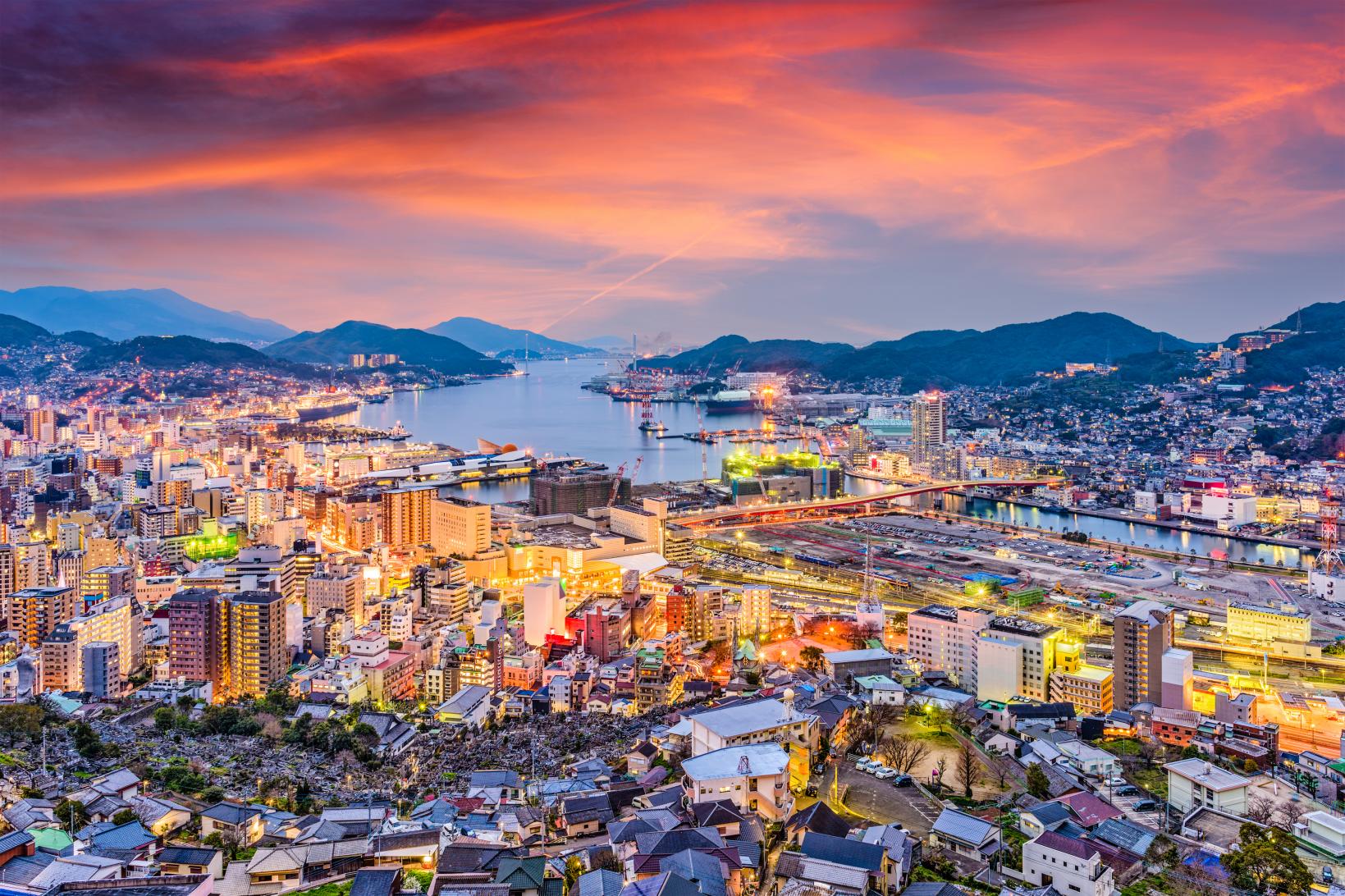
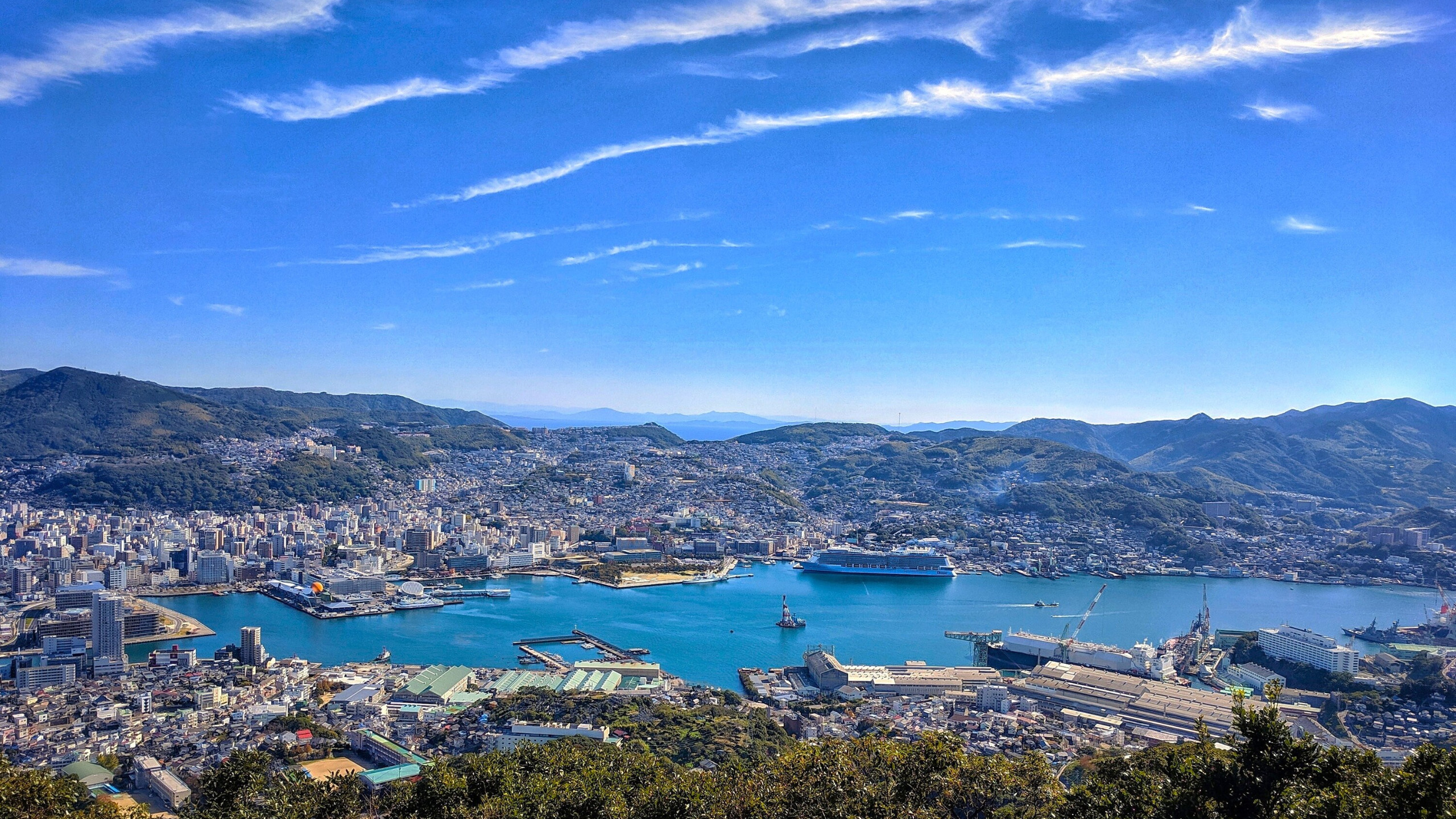
Mount Inasa is renowned for its stunning panoramic views of Nagasaki, especially at night when the city lights twinkle below, earning it a spot as one of Japan’s top three night views. Accessible by a scenic ropeway, the summit offers breathtaking vistas of the harbor, the surrounding mountains, and the iconic landmarks of Nagasaki. Visitors can enjoy walking trails, observation decks, and a café at the peak, perfect for taking in the beauty of the landscape. Whether you visit during the day for hiking or at night for the sparkling cityscape, Mount Inasa promises an unforgettable experience and a perfect backdrop for photography.
2
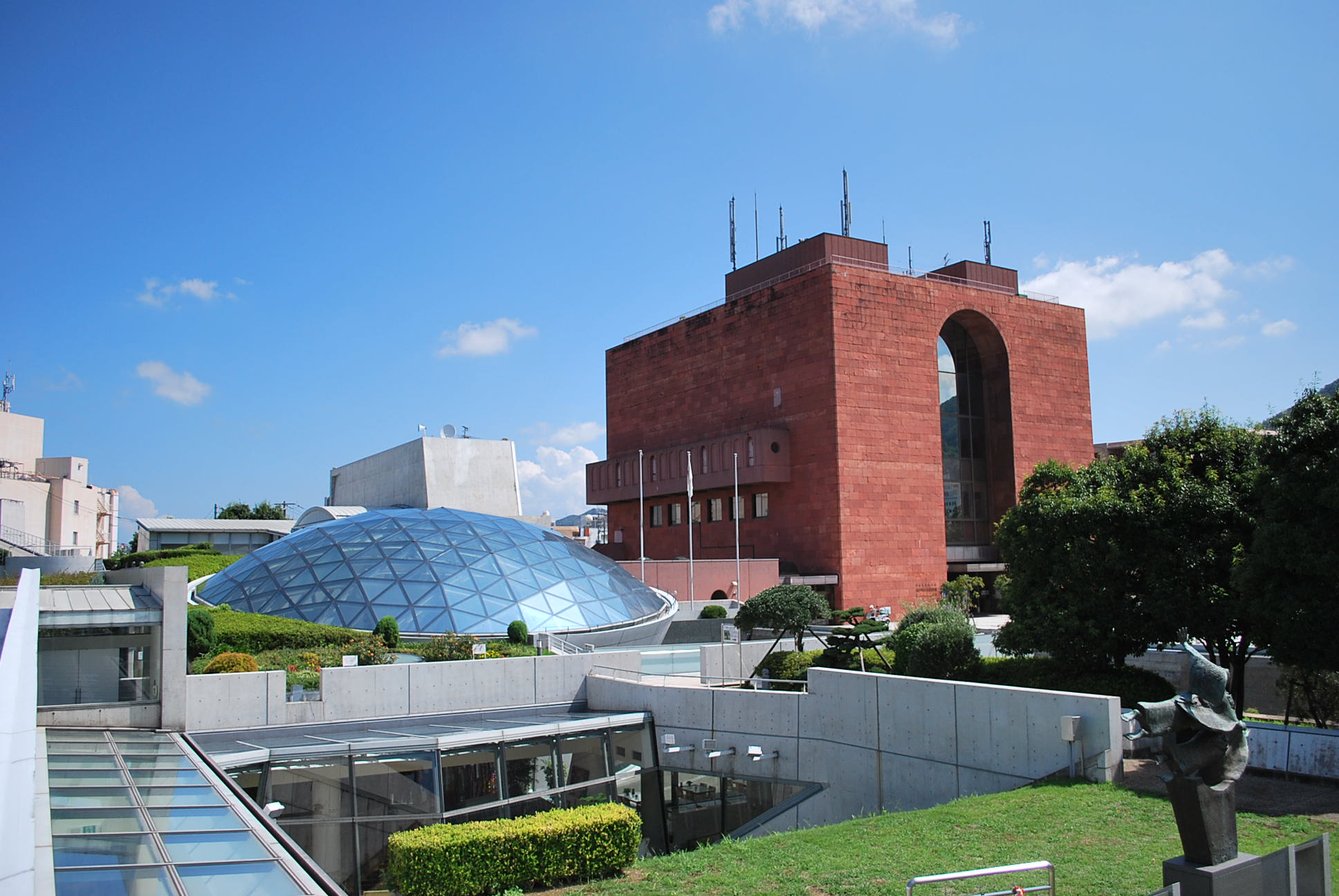
The Nagasaki Atomic Bomb Museum offers a powerful and sobering look into the events of August 9, 1945, when an atomic bomb devastated the city. Through artifacts, photographs, and personal accounts, the museum details the impact of the bombing and its aftermath, highlighting the resilience of the survivors and the city’s recovery. Visitors can learn about the historical context of the bombing, the devastation it caused, and Nagasaki’s ongoing dedication to promoting peace and nuclear disarmament. A visit to this museum is a profound experience and a reminder of the importance of peace.
3
Nagasaki Peace Park is a moving tribute to the victims of the atomic bombing on August 9, 1945, and a symbol of hope for global peace. The park features the towering Peace Statue, symbolizing a call for peace, along with sculptures from around the world. Nearby, the Fountain of Peace and the Nagasaki Atomic Bomb Museum share stories of resilience and remembrance. Located near the bomb’s epicenter, Nagasaki Peace Park invites visitors to reflect on history and renew their commitment to a peaceful future.
4
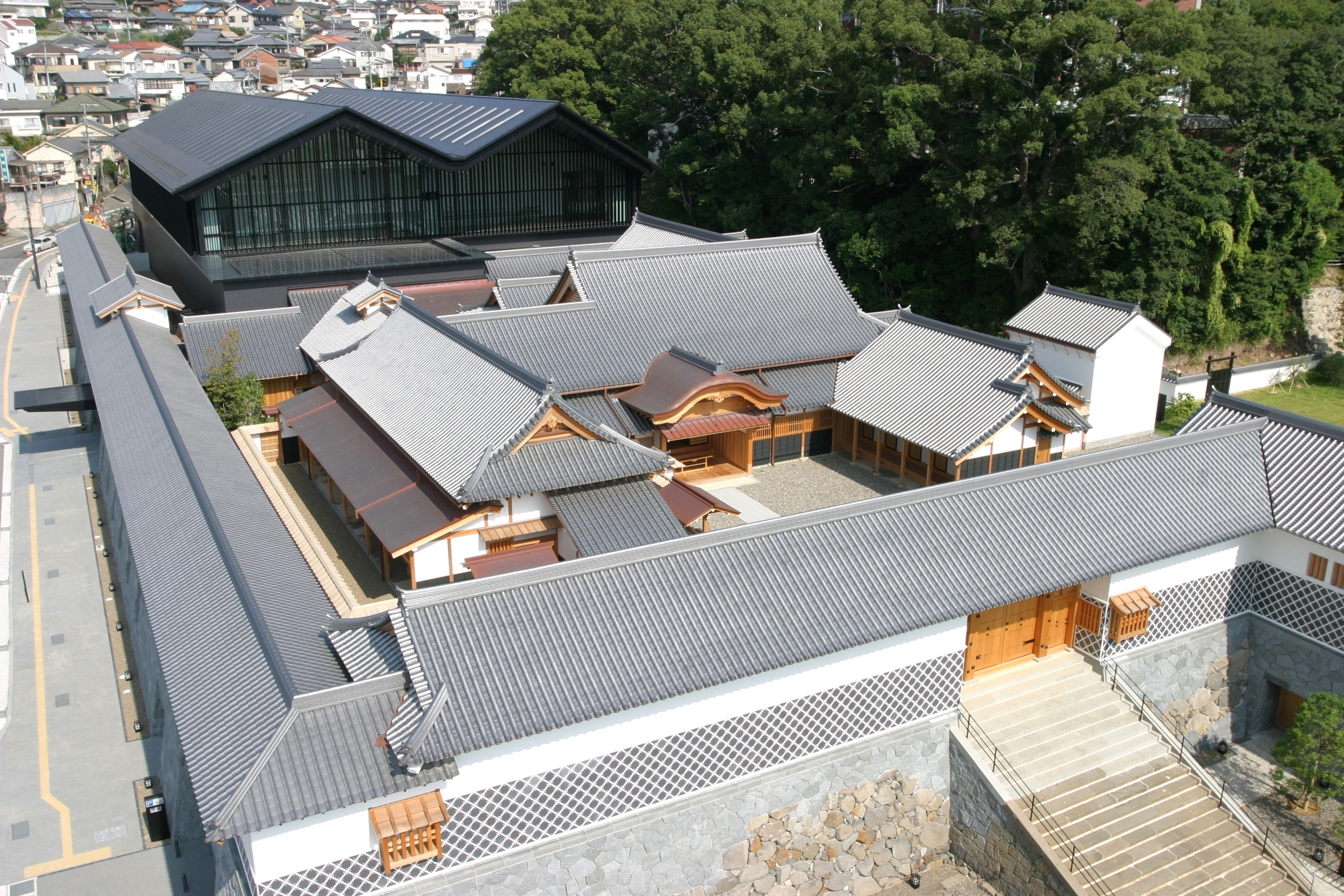
Dejima in Nagasaki is a historic, fan-shaped island that served as Japan’s only window to the outside world during its isolation era. Originally a Dutch trading post in the 17th century, it’s now a fascinating open-air museum where visitors can walk through restored buildings, warehouses, and merchant houses. Each structure offers insight into the cultural and economic exchange between Japan and the West. Dejima’s unique architecture, period artifacts, and interactive exhibits make it a captivating journey into Nagasaki’s rich international heritage.
5
Nagasaki Chinatown, also known as Shinchi Chinatown, is Japan’s oldest Chinatown and a vibrant hub of Chinese culture. Founded over 300 years ago, it features colorful gates, lively streets, and unique architecture, reflecting Nagasaki’s history as a port city open to foreign trade. Visitors can enjoy delicious Chinese cuisine, from street food to traditional dishes, especially during the popular Lantern Festival. With its mix of shops, restaurants, and cultural landmarks, Nagasaki Chinatown offers a lively, immersive experience that highlights the city’s deep connections with Chinese culture and history.
6
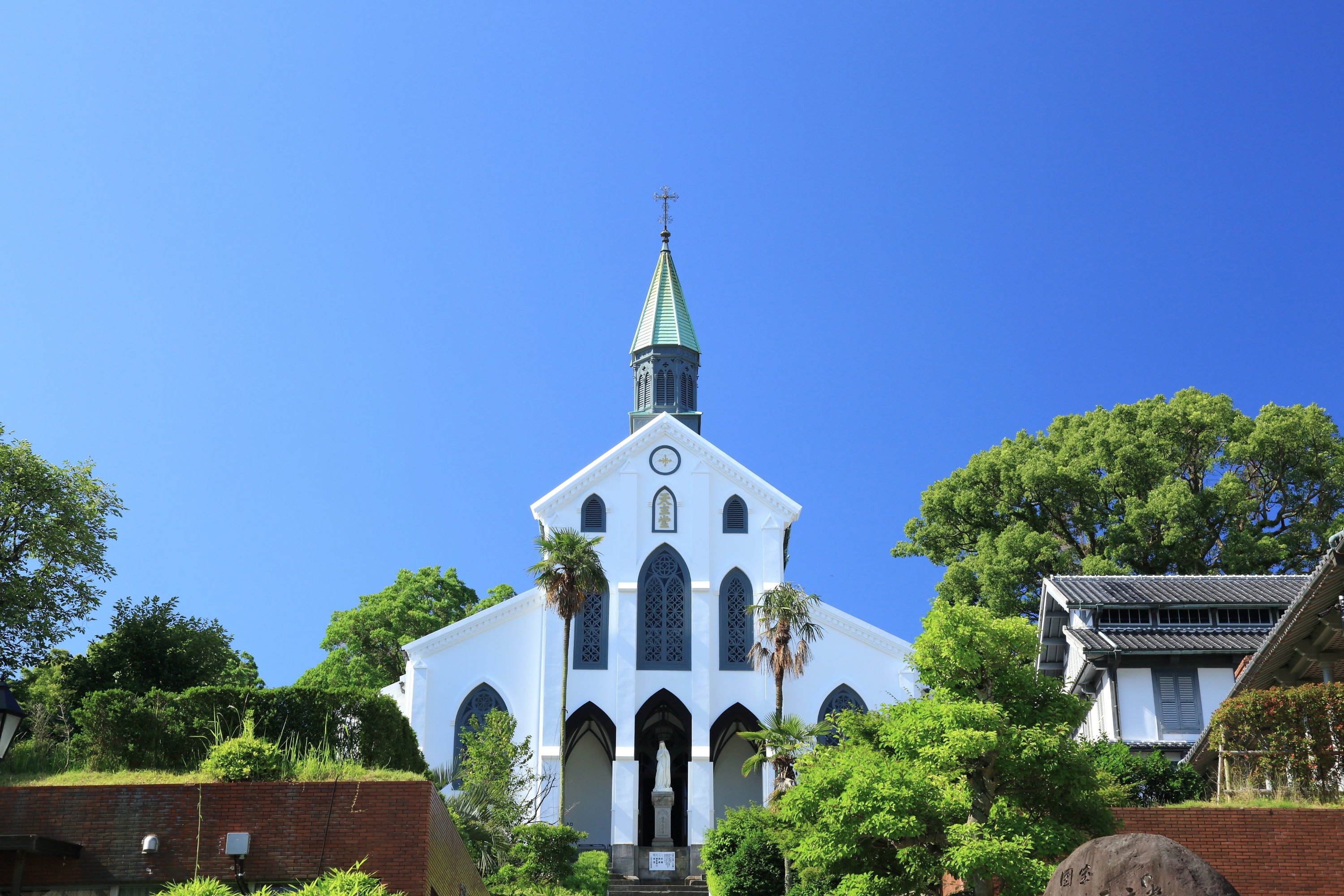
Oura Church, Japan’s oldest existing Christian church, is a beautiful symbol of Nagasaki’s history and the resilience of faith. Built in 1864 by French missionaries, this Gothic-style church was dedicated to the 26 Martyrs of Japan. Known as the “Basilica of the Twenty-Six Holy Martyrs of Japan,” it holds UNESCO World Heritage status and serves as a reminder of Japan’s hidden Christian communities. Inside, visitors can admire stained glass windows and a serene atmosphere, offering a unique look into Japan’s religious heritage and its connection to the West.
7
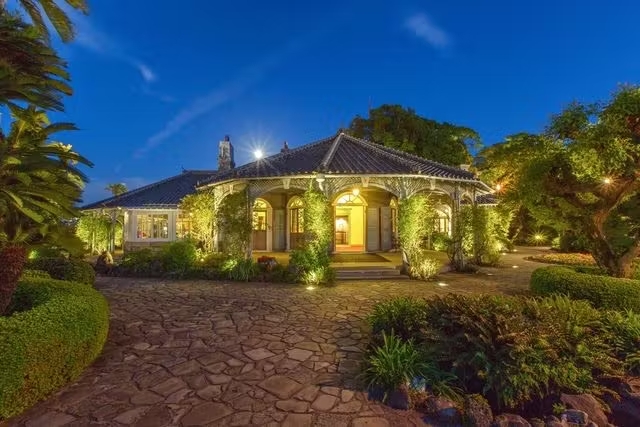
Glover Garden in Nagasaki is a scenic, historic park filled with Western-style buildings from the Meiji Era, including the Glover Residence—the oldest Western wooden house in Japan, built for Scottish merchant Thomas Glover. This hillside retreat offers beautiful gardens, breathtaking views of Nagasaki Harbor, and a glimpse into the cultural exchange between Japan and the West. Each building tells a story of Nagasaki’s role as a historic gateway to the world, making Glover Garden a must-visit for anyone interested in Japanese history and architecture.
What's not included
Bottled water
While lunch is not included, it can be arranged. Message to discuss this before or after booking your tour.
Available languages
Guide guide
EN
FR
Reviews breakdown
Tripadvisor
5.0
1 reviews
5★
1
4★
0
3★
0
2★
0
1★
0
Important information
Not recommended for travelers with spinal injuries
Not recommended for travelers with poor cardiovascular health
Not recommended for pregnant travelers
Service animals allowed
Public transportation options are available nearby
Infants and small children can ride in a pram or stroller
Travelers should have at least a moderate level of physical fitness
Meeting point
Known as Dejima Pier, used when Matsugae Pier is full. I will be holding a sign for easy recognition. Upon exiting the gangway, I'll be standing nearby.
About Nagasaki
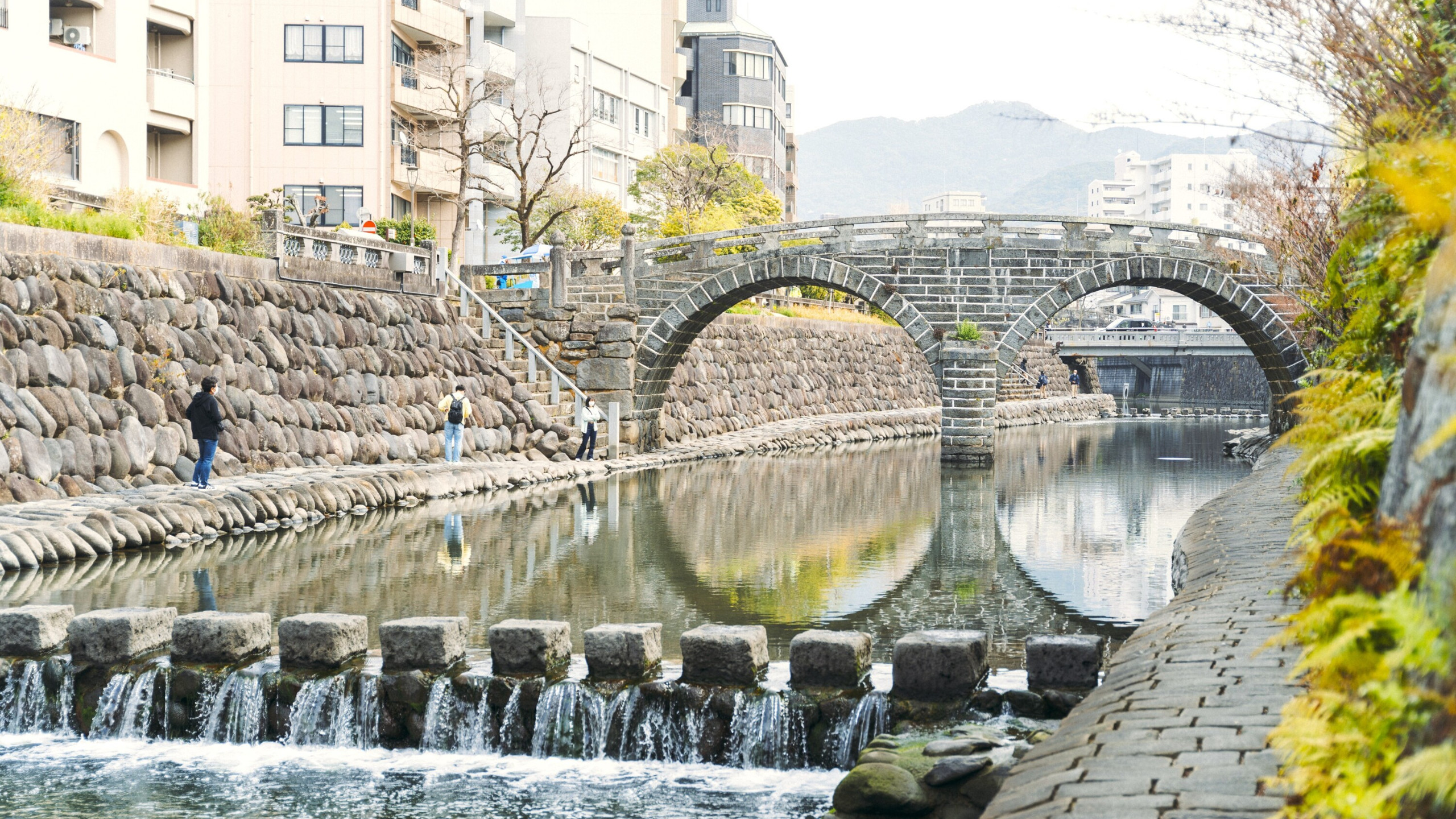
Nagasaki is a port city on the northwest coast of Kyushu, Japan's southernmost main island. Known for its rich history, vibrant international culture, and tragic past as the second city to suffer an atomic bombing, Nagasaki offers a unique blend of historical sites, scenic beauty, and cultural diversity. The city is also famous for its annual Nagasaki Kunchi festival and its role as a gateway to China and Korea during the Edo period.
Top Attractions
Atomic Bomb Museum
The Atomic Bomb Museum in Nagasaki is a poignant and educational experience, offering insights into the devastating impact of the atomic bombing in 1945. The museum houses artifacts, photographs, and personal stories that highlight the human cost of nuclear war.
Historical
1-2 hours
¥200
Nagasaki Peace Park
Nagasaki Peace Park is a serene and symbolic park dedicated to the victims of the atomic bombing. The park features a large peace statue, a fountain, and a variety of memorials that serve as a reminder of the importance of peace.
Historical
30 minutes to 1 hour
Free
Glover Garden
Glover Garden is a historic hillside park featuring a collection of Western-style buildings from the 19th century. The park is named after Thomas Blake Glover, a Scottish trader who played a significant role in the modernization of Japan.
Historical
1-2 hours
¥620
Dejima
Dejima is a man-made island in Nagasaki Harbor that served as a trading post for the Dutch during the Edo period. The island is now a historical site with well-preserved buildings and exhibits that offer insights into Japan's early interactions with the Western world.
Historical
1-2 hours
¥650
Nagasaki Chinatown
Nagasaki Chinatown is one of the largest Chinatowns in Japan, featuring a vibrant mix of Chinese culture, cuisine, and architecture. The area is known for its bustling streets, colorful buildings, and delicious Chinese food.
Cultural
1-2 hours
Free to explore, cost varies for food and shopping
Mount Inasa
Mount Inasa is a popular spot for its stunning panoramic views of Nagasaki. The mountain is easily accessible by ropeway and offers a breathtaking view of the city, especially at night when the city lights create a mesmerizing scene.
Nature
1-2 hours
¥1,100 round trip for the ropeway
Must-Try Local Dishes
Champon
A hearty noodle dish featuring a variety of seafood, vegetables, and pork in a rich, creamy broth. It's a popular comfort food in Nagasaki.
Dinner
Contains seafood and pork
Sara Udon
A cold udon noodle dish topped with a variety of raw seafood, vegetables, and a tangy sauce. It's a refreshing and flavorful dish.
Dinner
Contains seafood
Castella
A moist and fluffy sponge cake with a rich, honey-like flavor. It's a popular souvenir from Nagasaki.
Dessert
Contains eggs and wheat
Shumai
Steamed dumplings filled with a mixture of pork, shrimp, and vegetables. They are a popular street food in Nagasaki.
Snack
Contains pork and shrimp
Popular Activities
Hiking in Mount Inasa
Exploring Gunkanjima
Visiting Unzen Volcanic Area
Relaxing in hot springs
Strolling through Glover Garden
Enjoying the views at Nagasaki Peace Park
Exploring Nagasaki Chinatown
Visiting historic sites like Dejima
Best Time to Visit
March to May, September to November
Spring and autumn offer pleasant weather with mild temperatures and lower humidity, making it ideal for sightseeing and outdoor activities. The city is less crowded during these periods, and the cherry blossoms in spring and vibrant foliage in autumn add to the scenic beauty.
10°C to 25°C
50°F to 77°F
Practical Information
Language
- Official: Japanese
- Widely spoken: English, Chinese
- English: Moderately spoken
Currency
Japanese Yen (JPY)
Time Zone
JST (GMT+9)
Electricity
100VV, 50/60HzHz
Safety Information
Overall Safety Rating: Generally safe
Nagasaki is generally a safe city with low crime rates. However, travelers should take standard precautions to ensure their safety and well-being. Be aware of your surroundings, especially in crowded areas and at night.
Important Precautions:
- • Keep valuables secure and out of sight
- • Be cautious of pickpockets in crowded areas
- • Use reputable taxis and tour services
Getting there
By air
- Nagasaki Airport • 3.7 km from city center
- Sasebo Airport • 30 km from Nagasaki city center
By train
Nagasaki Station
By bus
Nagasaki Bus Terminal
Getting around
Public transport
The tram system is a convenient and scenic way to get around Nagasaki. It offers a nostalgic experience with vintage trams.
Taxis
Available • Apps: JapanTaxi, DiDi
Rentals
Car, Bike, Scooter
Neighborhoods
Nagasaki City Center
Minami-Yamate
Nagasaki Chinatown
Dejima
Urakami
Day trips
Gunkanjima (Battleship Island)
15 km from Nagasaki • Half day to full day
Gunkanjima, also known as Battleship Island, is a deserted island that was once a thriving coal mining community. The island is now a popular tourist attraction, offering a glimpse into Japan's industrial past and the harsh living conditions of its residents.
Huis Ten Bosch
30 km from Nagasaki • Full day
Huis Ten Bosch is a Dutch-themed park featuring a variety of European-style buildings, gardens, and attractions. The park is designed to resemble a traditional Dutch village and offers a unique and charming experience for visitors.
Unzen Volcanic Area
50 km from Nagasaki • Full day
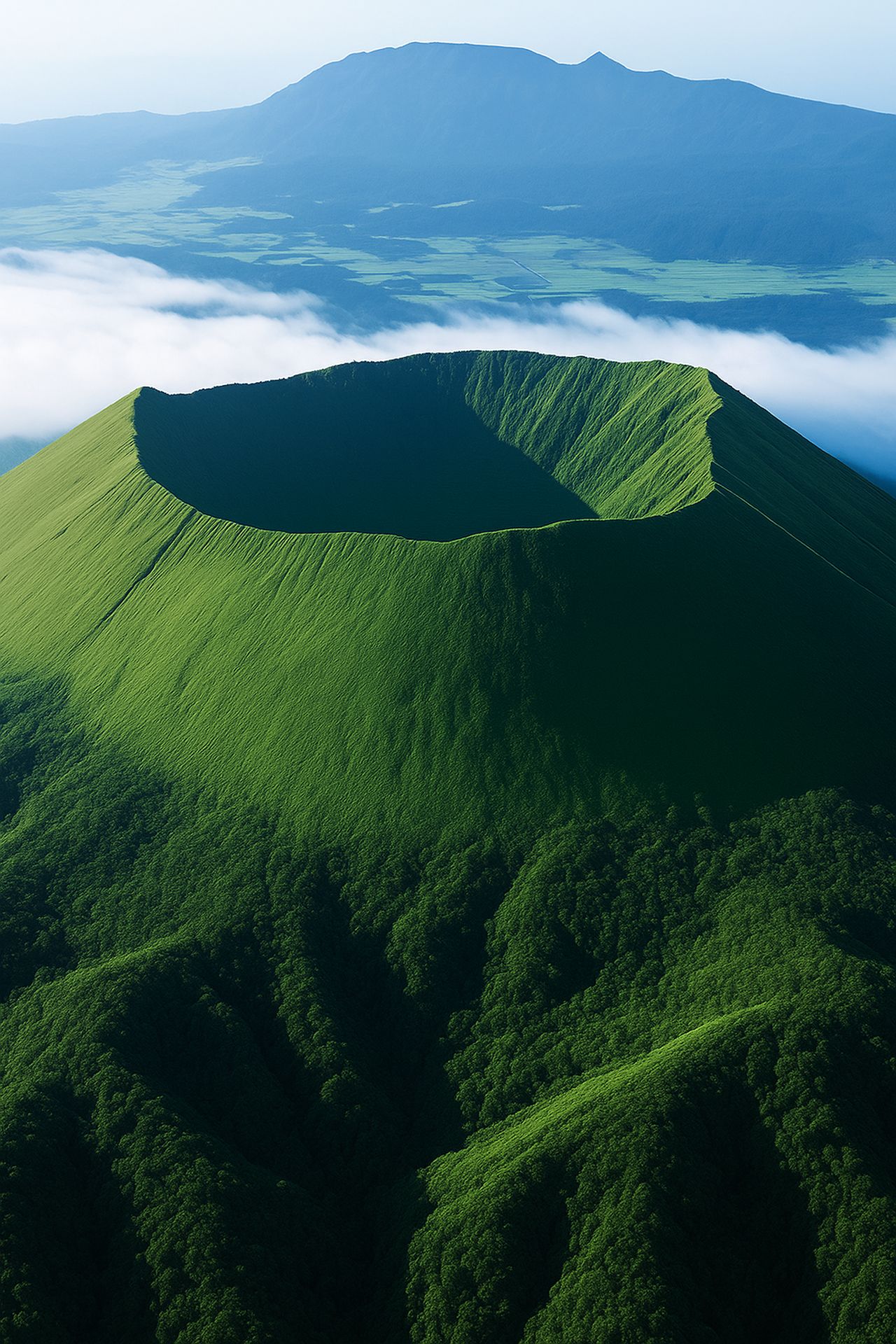
The Unzen Volcanic Area is a stunning natural landscape featuring active volcanoes, hot springs, and scenic hiking trails. The area is known for its dramatic volcanic activity and the tragic story of the Dutch traders who were killed by a volcanic eruption in the 18th century.
Festivals
Nagasaki Kunchi Festival • Early October
Nagasaki Lantern Festival • February
Nagasaki Hibiscus Festival • Late July to early August
Pro tips
- Visit the Atomic Bomb Museum and Peace Park for a poignant and educational experience
- Try local specialties like Champon, Sara Udon, and Castella
- Explore Nagasaki Chinatown for a vibrant and delicious cultural experience
- Take a day trip to Gunkanjima (Battleship Island) for a unique and historic adventure
- Visit Glover Garden for a scenic and historic experience
From $25
per person
Price varies by option
Secure booking
Free cancellation available