Nagasaki City and Shimabara Peninsular Sightseeing Tour
Active
7h - 9h
All sales are final. No refund is available for cancellations.
Instant confirmation
Mobile or paper ticket accepted
About this experience
Tours are our forte. My philosophy is to provide customized flexible tours around Nagasaki for smaller groups unlike the big tour operators, who are only concerned amount how many people they can get and not the quality or content of their tours.
Packaged tours offer no flexibility and a regimented get off get on time requirement and there is nothing more frustrating than waiting for a fellow passenger to come back to the bus on the time allocated.
We allow our clients to stay as short or a long as they like at a particular venue in order to maximize their enjoyment. It is this type of tour that will leave you feeling fully satisfied at days end.
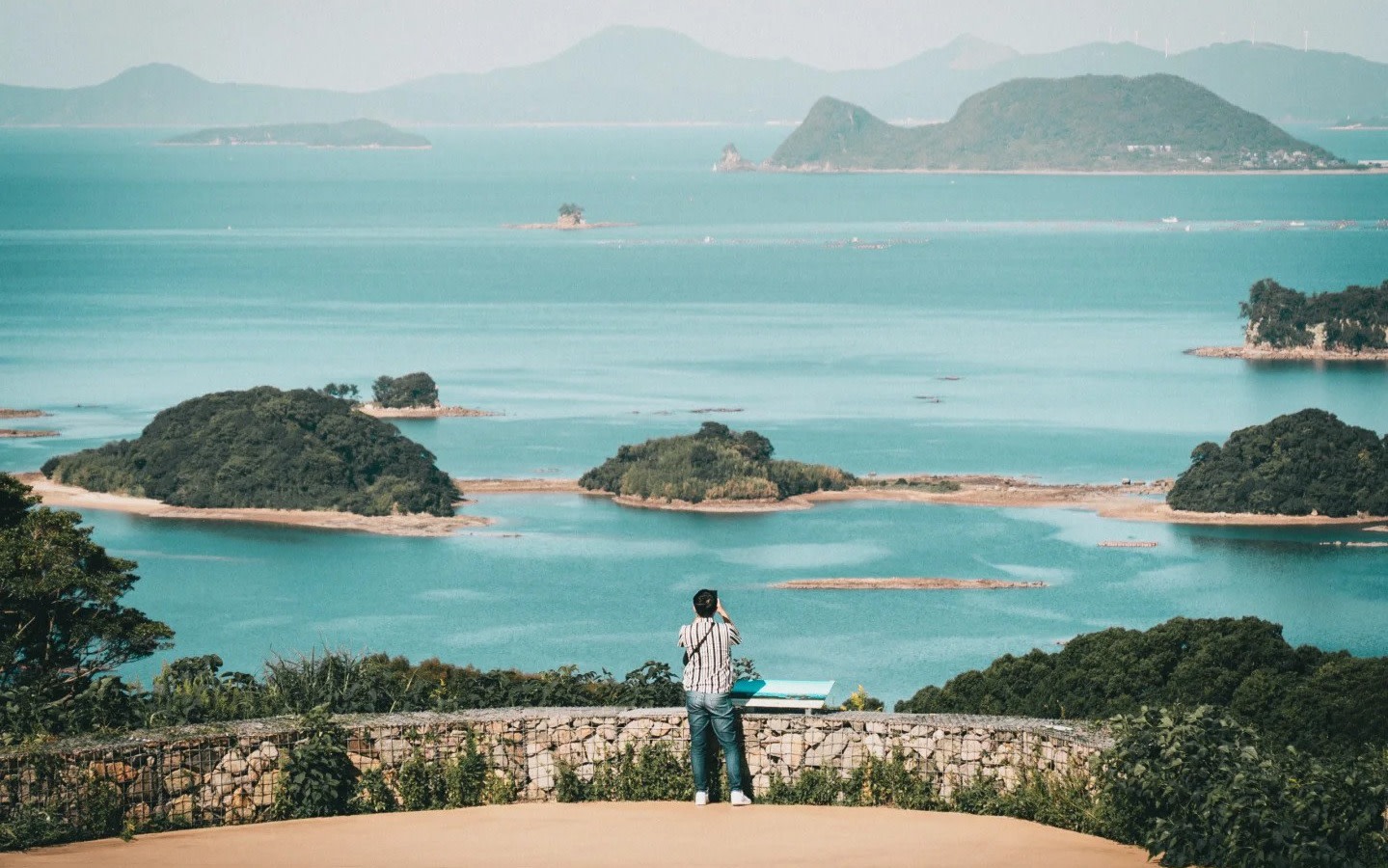
The Shimabara Peninsula has so much to offer is regards to nature, history and culture. It will be impossible to get to every attraction but you will absolutely see the best sites on offer.
Available options
Medium Group Day Tour
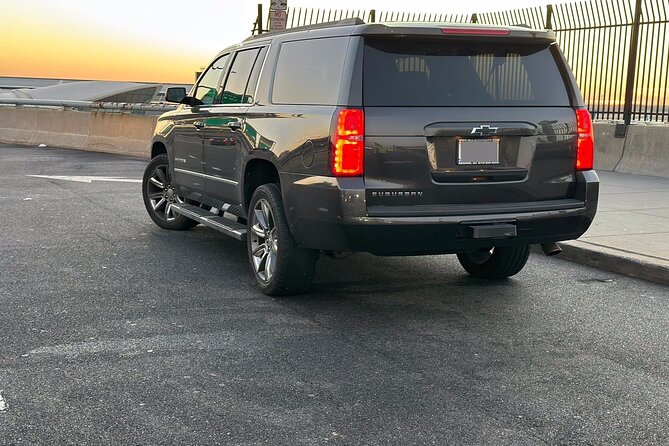
Duration: 9 hours: A fully customizable tour that can be lengthened or shortened if desired.<br/>Lunch and Refreshements: A Western or Japanese styled lunch is provided<br/>Toyota Estima: A luxury minivan that seats 6 adults or 5 adults and 2 children.<br/>Vehicle Specs: Oversized or passengers with mobility issues are recommended to upgrade to the Toyota Hiace Van.<br/>Pickup included
Large Group Day Tour
Duration: 9 hours: A fully customizable tour that can be lengthened or shortened as desired.<br/>Lunch and Refreshments: A Western or Japanese styled lunch is provided<br/>Toyota Hiace: A spacious people mover that seats 9 comfortably and designed for people larger than average size and or mobility issues.<br/>Vehicle Specs: The Toyota Hiace is wheelchair accessible.<br/>Pickup included
Super large tour group
Duration: 8 hours: A customizable tour that the client can choose the start and finishing times.<br/>Lunch and Beverages: A sit down or on the go lunch with various beverages is provided. Many Western and Japanese options available.<br/>Toyota Microbus: A spacious vehicle that seats up to 15 adults and 5 children.<br/>Special Features: A professional driver and native English speaking guide are standard.<br/>Pickup included
Extra Large Group Day Tour
Duration: 9 hours: A customizable tour that can be shortened on the day if necessary.<br/>Lunch: A sit down lunch or something on the go is provided. On days of nice weather a picnic is an option.<br/>Toyota Hiace Commuter Van: A professional driver and native English speaking guide is standard.<br/>Vehicle Specs: A spacious vehicle that seats 12 passengers.<br/>Pickup included
Small Group Day Tour
Duration: 9 hours: A customizable tour that can be lengthened or shortened in desired.<br/>Lunch and Refreshments: A Western or Japanese styled lunch is provided.<br/>Toyota Prius: A vehicle that seats 3 adults or 2 adults and 2 children.<br/>Pickup included
Executive Tour Option
Private Hot Spring Experience: Bathe like the Japanese in your own special and private Onsen. Experience the health benefits immediately upon entering.<br/>Executive Tour: Travel in Luxury and Comfort and be treated to the highest level of service on your special day in Nagasaki.<br/>Fully inclusive food and drink: A Japanese Omakase (gourmet) lunch as well as a variety of beverages are available all day as we travel to the attractions.<br/>Toyota Estima: Enjoy space and complete attention to detail as we travel all around Nagasaki Prefecture.<br/>Pickup included
What's included
WiFi on board
Still and sparkling water are available at all times.
All Fees and Taxes
Air-conditioned vehicle
Lunch is provided on the go to maximize our attractions on the day.
Please indicate what beverages you would like on the day before your tour date.
Detailed itinerary
1
I like to visit this location first on my Nagasaki and Shimabara Peninsular full day tours as it is a beautiful location and sets the tone for what a great day we have in store for us to come.
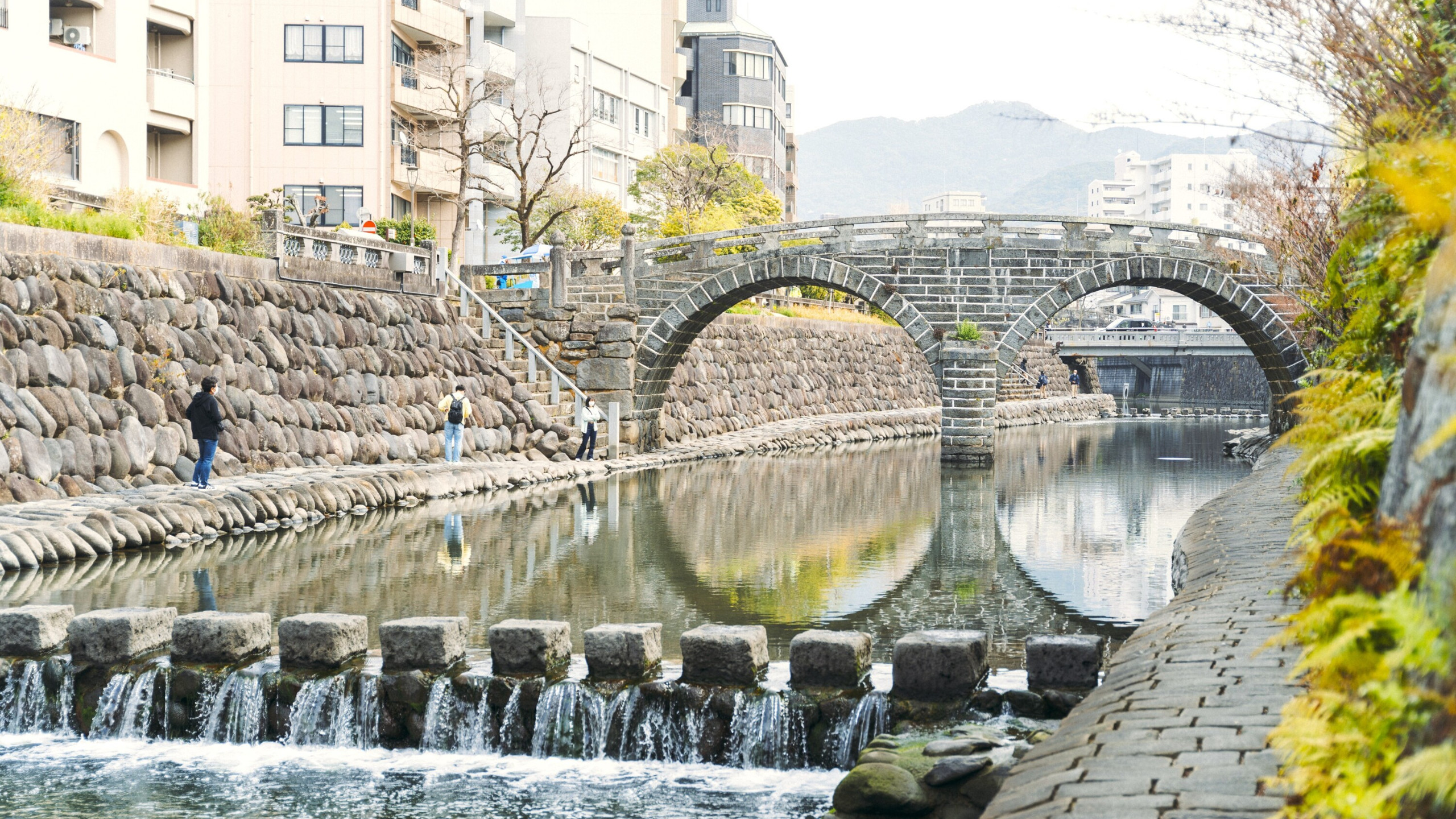
The Spectacle Bridge in Isahaya is a double arch stone bridge spanning a pond at Isahaya Park, which is one of the main sightseeing places of the area. The bridge is twice the size of the famous Spectacles Bridge in Nagasaki City and has many temples and shrines as well as walking trails that you could easily spend 1 or 2 hours here soaking up the ambiance, however most stops are around the 20 to 25 minutes.
2
The Unique Bus Stops in that you see here in the photos are part of the Nagasaki Prefecture`s character and adds to her personality unlike any other attraction. I nearly always include this site on my Private Nagasaki Tours because everyone comes away with a pic and a smile on their face.
3
I always drive across the Isahaya Bay Dike Road on my Private Nagasaki Tours as its a beautiful straight road, has amazing scenery and gives everyone a chance to stretch their legs and have the all important bathroom break.
4
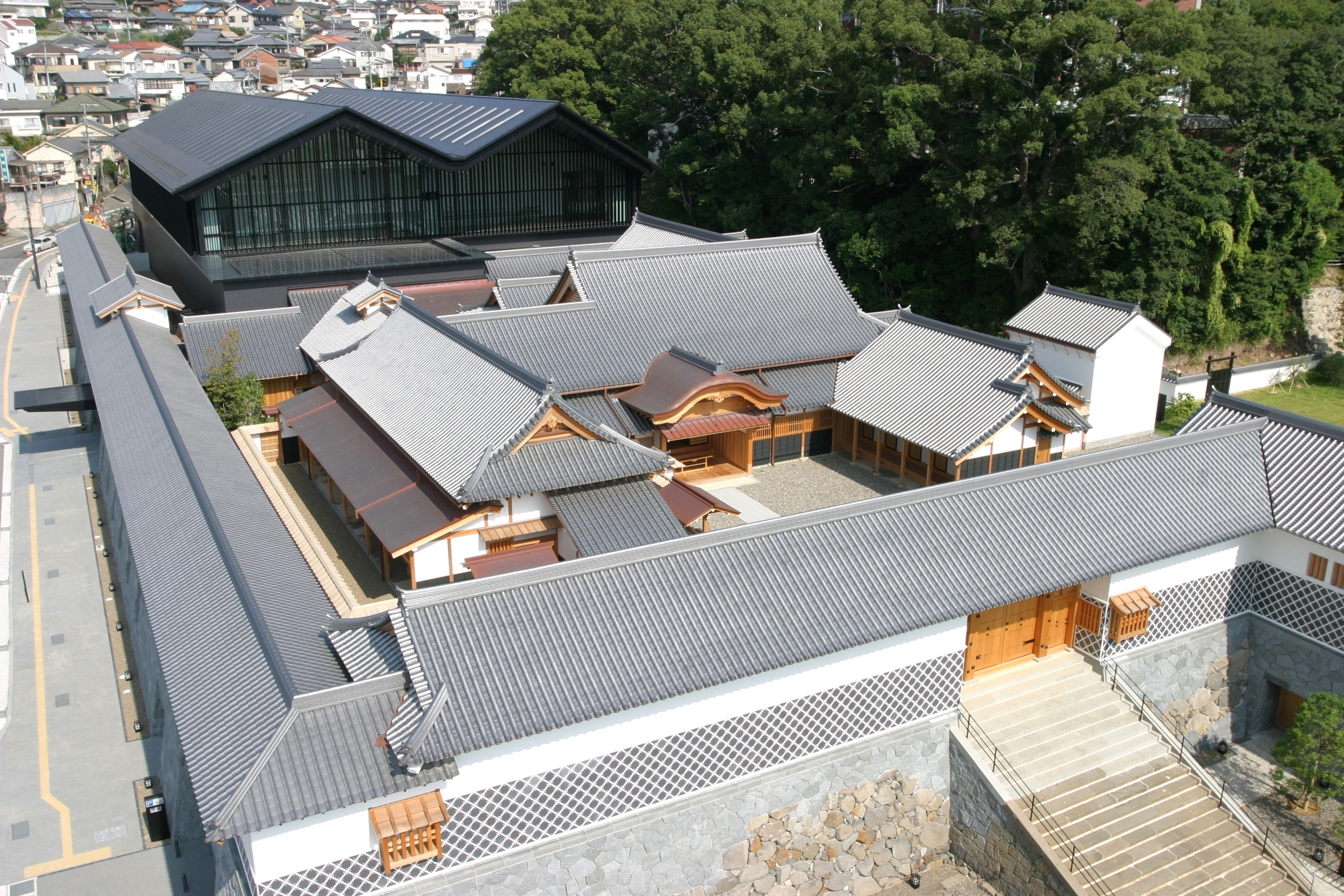
Sometimes I am in awe when i am driving down the hill from the mountain and the Shimabara Castle suddenly appears in the foreground. A real Castle that operated over 400 years ago and still remains today albeit a restored type but really portrays the history and the real life setting of what life was like in Japan in the 17th century.
Today only the moat and stone walls remain from the original structure. In 1980, a memorial museum was opened in honor of Seibo Kitamura, a noted sculptor and designer of the famous Peace Statue at the Peace Park in Nagasaki City. In 2006, the Shimabara Castle was listed one of the 100 finest Castles in Japan by the Japan Castle Foundation.
5
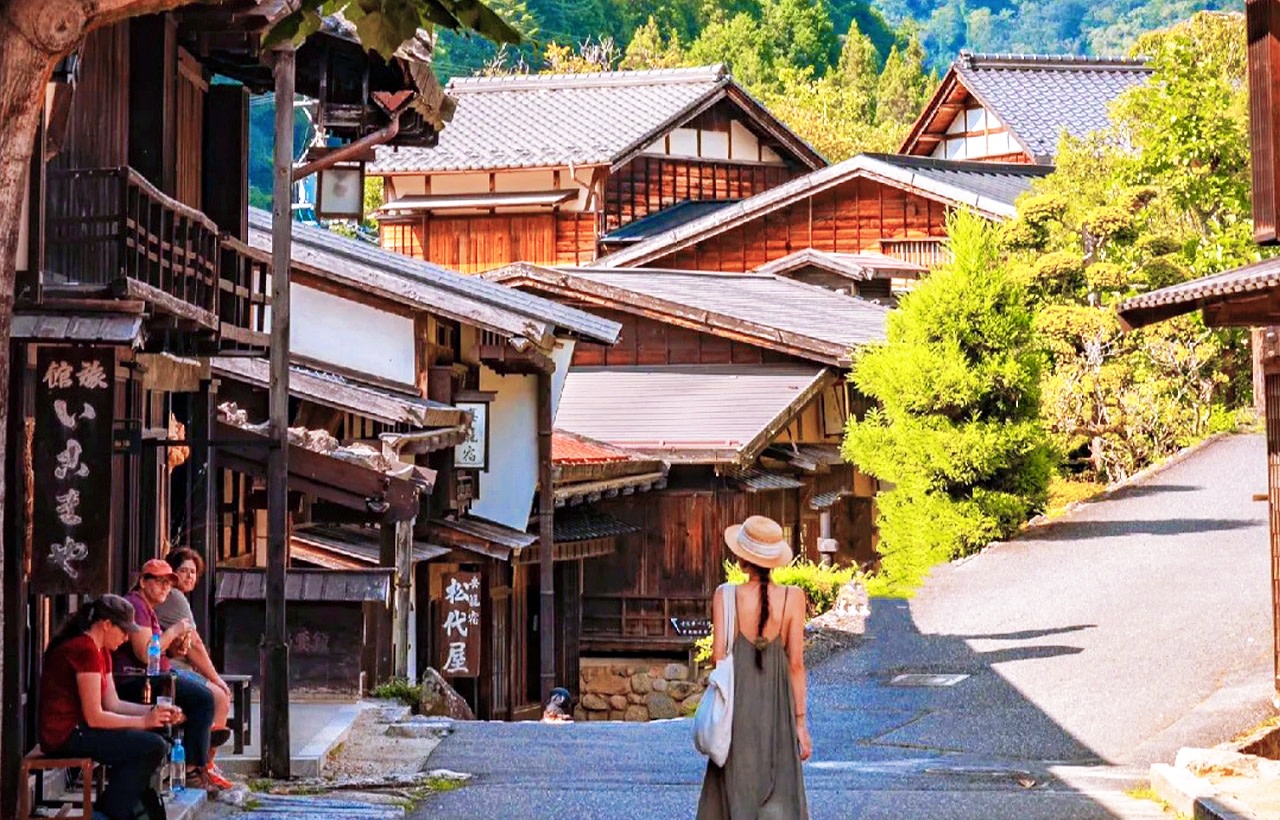
Samurai Street commemorates the old samurai section of Shimabara City on the Shimabara Peninsular. This famous street is lined with stone walls and a spring water canal running down its center. Three samurai houses have been restored and opened as exhibits to the public to restore the image and the traditions of this old Samurai town.
It is an extremely picturesque setting and perfect for a great photo shoot as images of feudal Japan came racing back into your consciousness from many of those movies and books you have read from your youth.
6
Today the carp streams are kept for sightseeing and aesthetic reasons as well as the fact that they look so cool! However in the past and particularly during times of war and famine they were kept as an alternative food source. Although it can be said that Carp are not a particularly good eating fish, I guess when one is hungry one should not be too picky about their food source. Luckily for the carp, nowadays the channels are used only for sightseeing purposes, so the fish should grow up big and strong and hopefully colorful to satisfy the hoards of tourists that come to see them.
7
The Volcano Damaged Houses were a direct result of the Unzen explosion and there has been several major eruptions in its history. The volcano erupted most recently from 1990 to 1995, sending pyroclastic flows (superheated clouds of volcanic gas and ash) down toward the towns below. While most people were safely evacuated, 43 journalists, scientists and their taxi drivers were killed. The eruptions also destroyed buildings on the outskirts of Shimabara City.
8
This is the place where high-temperature hot springs and steams spurt out of the ground and is called "Unzen Jigoku” (Unzen Hell) because of the sulfur content and the fact that sulfur steam is rising constantly into the air from the ground and the boiling spring water. Because of the sulfur, plants cannot grow here and the atmosphere is dense with steam which makes you think as if it is a scene right out of hell but don't worry within minutes of leaving the area the sulfur smell will have dissipated from your clothes and your pores.
9
The Obama Footbath is the highlight location on the Tour Nagasaki`s Full Day Shimabara Peninsular and Nagasaki City Highlights Itinerary. Just imagine, the location right on the waters edge. The picturesque seaside views combined with the healthy steamed vegetables, various snacks, alcoholic and non alcoholic beverages as well as the chance to soak these weary feet in the 40 degree celcius footbaths equals a magical and mind boggling experience that stimulates all the senses.
10
The original target for the bomb was the city of Kokura but obscuring clouds necessitated changing course to the alternative target, Nagasaki. However because of poor visibility due to cloud cover the bomb missed its intended detonation point which was the Mitsubishi Shipyards and exploded over the suburban area of Urakami, in effect killing mostly women and children and not the factory manufacturing area of War Machinery. In many ways it is this misfortune that will label Nagasaki forever in history!
11
It is a very sobering place and definitely not for the faint hearted as the stories, exhibits and pictures are extremely graphic. There hasn't been a time when i haven't seen someone crying out loud and or emotionally uncontrollable. This museum definitely isn't every one's cup of tea. However, it is important to remember history and not to forget about the past as this is the way we don't make the same mistakes of the past. So, in that sense the museum can be a great place to come together and never let this happen again for the benefit of mankind.
12
Mount Inasayama in Nagasaki City is a 333 meter high mountain in close proximity to the city center. Yama in Japanese means Mountain and Inasa Mountain is the King of all the peaks in Nagasaki. It is for this reason that you should make this location a priority destination.
What's not included
Gratuities
Available languages
Audio guide
EN
Guide guide
EN
Written guide
EN
Reviews breakdown
Viator
5.0
5 reviews
5★
5
4★
0
3★
0
2★
0
1★
0
Tripadvisor
5.0
11 reviews
5★
11
4★
0
3★
0
2★
0
1★
0
Important information
Wheelchair accessible
Infants and small children can ride in a pram or stroller
Specialized infant seats are available
Transportation options are wheelchair accessible
Not recommended for travelers with poor cardiovascular health
Suitable for all physical fitness levels
Important notes
Look for the Australian with the Akubra (Australian Cowboy Hat) as you exit the Immigration Buildiing.
About Nagasaki
Nagasaki is a port city on the northwest coast of Kyushu, Japan's southernmost main island. Known for its rich history, vibrant international culture, and tragic past as the second city to suffer an atomic bombing, Nagasaki offers a unique blend of historical sites, scenic beauty, and cultural diversity. The city is also famous for its annual Nagasaki Kunchi festival and its role as a gateway to China and Korea during the Edo period.
Top Attractions
Atomic Bomb Museum
The Atomic Bomb Museum in Nagasaki is a poignant and educational experience, offering insights into the devastating impact of the atomic bombing in 1945. The museum houses artifacts, photographs, and personal stories that highlight the human cost of nuclear war.
Historical
1-2 hours
¥200
Nagasaki Peace Park
Nagasaki Peace Park is a serene and symbolic park dedicated to the victims of the atomic bombing. The park features a large peace statue, a fountain, and a variety of memorials that serve as a reminder of the importance of peace.
Historical
30 minutes to 1 hour
Free
Glover Garden
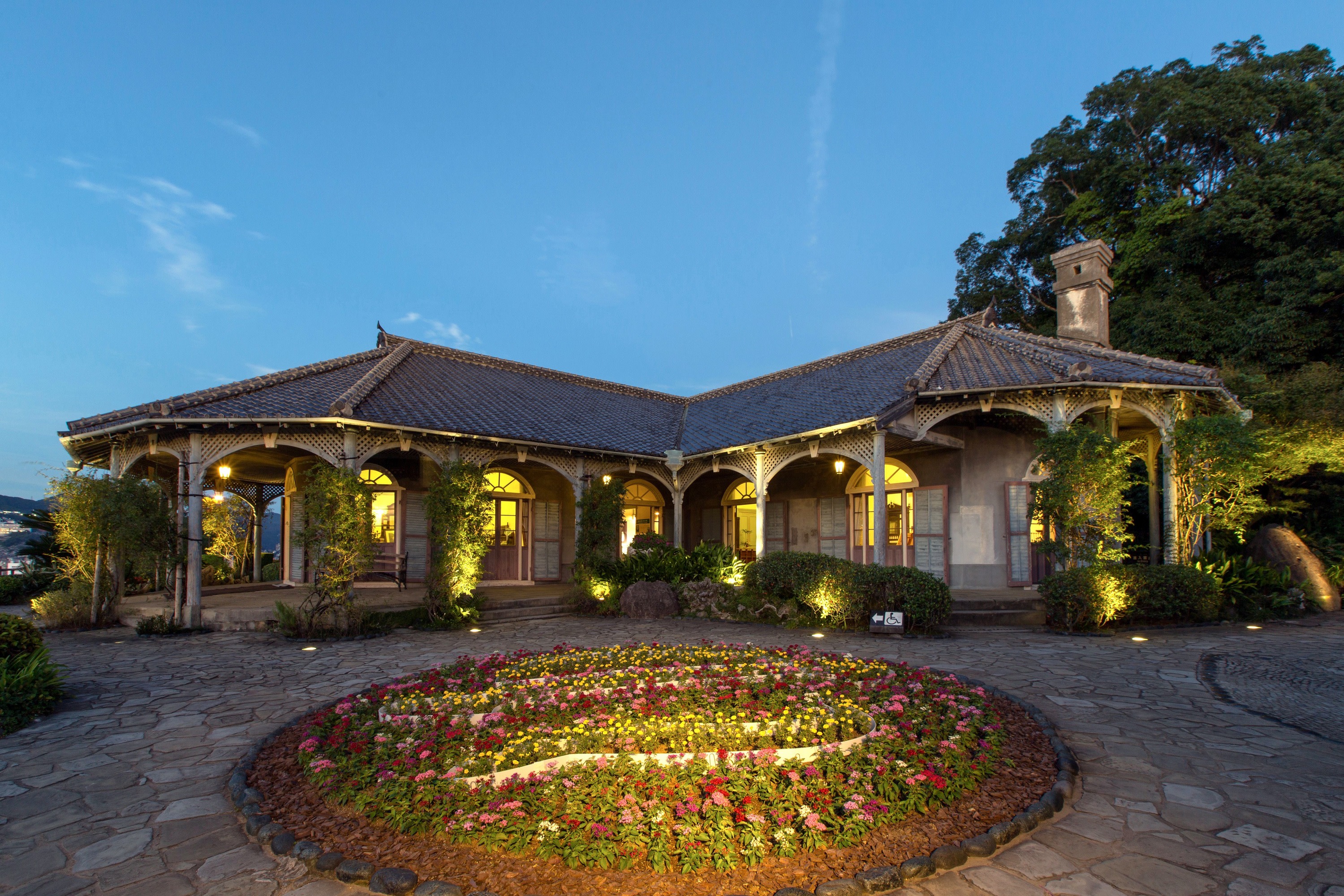
Glover Garden is a historic hillside park featuring a collection of Western-style buildings from the 19th century. The park is named after Thomas Blake Glover, a Scottish trader who played a significant role in the modernization of Japan.
Historical
1-2 hours
¥620
Dejima
Dejima is a man-made island in Nagasaki Harbor that served as a trading post for the Dutch during the Edo period. The island is now a historical site with well-preserved buildings and exhibits that offer insights into Japan's early interactions with the Western world.
Historical
1-2 hours
¥650
Nagasaki Chinatown
Nagasaki Chinatown is one of the largest Chinatowns in Japan, featuring a vibrant mix of Chinese culture, cuisine, and architecture. The area is known for its bustling streets, colorful buildings, and delicious Chinese food.
Cultural
1-2 hours
Free to explore, cost varies for food and shopping
Mount Inasa
Mount Inasa is a popular spot for its stunning panoramic views of Nagasaki. The mountain is easily accessible by ropeway and offers a breathtaking view of the city, especially at night when the city lights create a mesmerizing scene.
Nature
1-2 hours
¥1,100 round trip for the ropeway
Must-Try Local Dishes
Champon
A hearty noodle dish featuring a variety of seafood, vegetables, and pork in a rich, creamy broth. It's a popular comfort food in Nagasaki.
Dinner
Contains seafood and pork
Sara Udon
A cold udon noodle dish topped with a variety of raw seafood, vegetables, and a tangy sauce. It's a refreshing and flavorful dish.
Dinner
Contains seafood
Castella
A moist and fluffy sponge cake with a rich, honey-like flavor. It's a popular souvenir from Nagasaki.
Dessert
Contains eggs and wheat
Shumai
Steamed dumplings filled with a mixture of pork, shrimp, and vegetables. They are a popular street food in Nagasaki.
Snack
Contains pork and shrimp
Popular Activities
Hiking in Mount Inasa
Exploring Gunkanjima
Visiting Unzen Volcanic Area
Relaxing in hot springs
Strolling through Glover Garden
Enjoying the views at Nagasaki Peace Park
Exploring Nagasaki Chinatown
Visiting historic sites like Dejima
Best Time to Visit
March to May, September to November
Spring and autumn offer pleasant weather with mild temperatures and lower humidity, making it ideal for sightseeing and outdoor activities. The city is less crowded during these periods, and the cherry blossoms in spring and vibrant foliage in autumn add to the scenic beauty.
10°C to 25°C
50°F to 77°F
Practical Information
Language
- Official: Japanese
- Widely spoken: English, Chinese
- English: Moderately spoken
Currency
Japanese Yen (JPY)
Time Zone
JST (GMT+9)
Electricity
100VV, 50/60HzHz
Safety Information
Overall Safety Rating: Generally safe
Nagasaki is generally a safe city with low crime rates. However, travelers should take standard precautions to ensure their safety and well-being. Be aware of your surroundings, especially in crowded areas and at night.
Important Precautions:
- • Keep valuables secure and out of sight
- • Be cautious of pickpockets in crowded areas
- • Use reputable taxis and tour services
Getting there
By air
- Nagasaki Airport • 3.7 km from city center
- Sasebo Airport • 30 km from Nagasaki city center
By train
Nagasaki Station
By bus
Nagasaki Bus Terminal
Getting around
Public transport
The tram system is a convenient and scenic way to get around Nagasaki. It offers a nostalgic experience with vintage trams.
Taxis
Available • Apps: JapanTaxi, DiDi
Rentals
Car, Bike, Scooter
Neighborhoods
Nagasaki City Center
Minami-Yamate
Nagasaki Chinatown
Dejima
Urakami
Day trips
Gunkanjima (Battleship Island)
15 km from Nagasaki • Half day to full day
Gunkanjima, also known as Battleship Island, is a deserted island that was once a thriving coal mining community. The island is now a popular tourist attraction, offering a glimpse into Japan's industrial past and the harsh living conditions of its residents.
Huis Ten Bosch
30 km from Nagasaki • Full day
Huis Ten Bosch is a Dutch-themed park featuring a variety of European-style buildings, gardens, and attractions. The park is designed to resemble a traditional Dutch village and offers a unique and charming experience for visitors.
Unzen Volcanic Area
50 km from Nagasaki • Full day
The Unzen Volcanic Area is a stunning natural landscape featuring active volcanoes, hot springs, and scenic hiking trails. The area is known for its dramatic volcanic activity and the tragic story of the Dutch traders who were killed by a volcanic eruption in the 18th century.
Festivals
Nagasaki Kunchi Festival • Early October
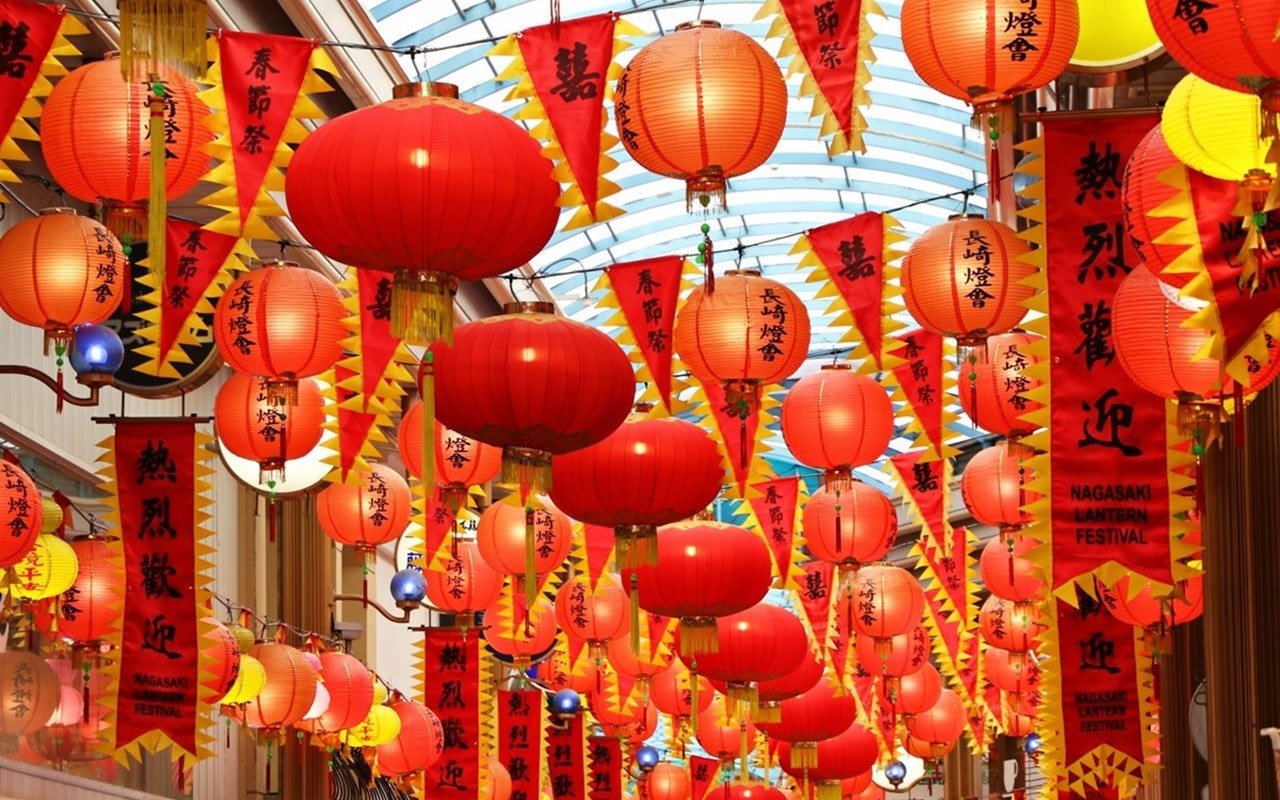
Nagasaki Lantern Festival • February
Nagasaki Hibiscus Festival • Late July to early August
Pro tips
- Visit the Atomic Bomb Museum and Peace Park for a poignant and educational experience
- Try local specialties like Champon, Sara Udon, and Castella
- Explore Nagasaki Chinatown for a vibrant and delicious cultural experience
- Take a day trip to Gunkanjima (Battleship Island) for a unique and historic adventure
- Visit Glover Garden for a scenic and historic experience
From $25
per person
Price varies by option
Secure booking
Free cancellation available
Instant confirmation