Brussels Hidden Delights A Self Guided Epicurean Adventure
Active
6h
For a full refund, cancel at least 24 hours before the scheduled departure time.
Instant confirmation
Mobile or paper ticket accepted
About this experience
Discover Brussels at your own pace with our self-guided tour app, immersing yourself in the city's rich history and vibrant culture. Begin at the Grand Place, a UNESCO World Heritage site, then venture to the iconic Manneken Pis statue for a glimpse of Brussels' playful spirit. Admire the stunning architecture of the Royal Saint-Hubert Galleries before exploring the majestic Brussels Cathedral. Experience local flavors at Place Sainte-Catherine, known for its seafood restaurants, then marvel at surrealist masterpieces in the Magritte Museum. Continue to the elegant Place Royale and the nearby Coudenberg Palace Archaeological Site for a journey through Brussels' medieval past. End your tour with a visit to the futuristic Atomium, climbing its spheres for panoramic views and interactive exhibits, taking in Brussels' unique blend of historical charm and modern innovation.
Available options
Brussels Hidden Delights A Self Guided Epicurean Adventure
What's included
Self-guided walking tour (app)
Detailed itinerary
1
Stop 1
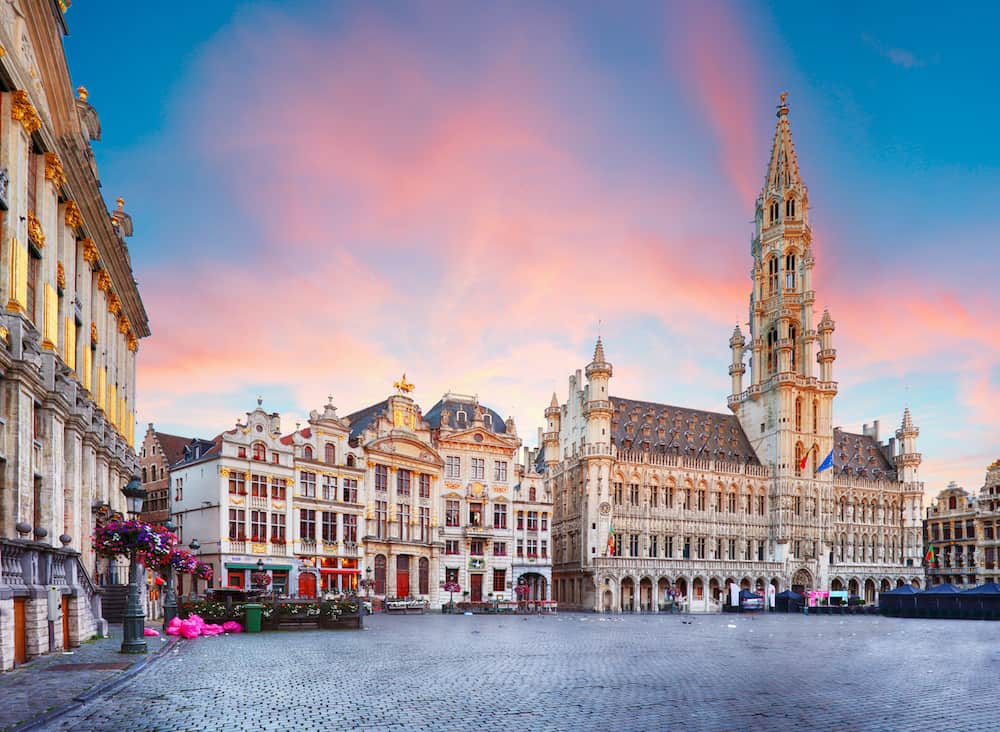
The Grand Place, Brussels' central square and a UNESCO World Heritage site, is surrounded by opulent guildhalls and the iconic Town Hall. Visitors can admire the intricate Gothic and Baroque architecture, learn about the square's rich history, and experience its vibrant atmosphere. The Grand Place hosts various events throughout the year, including the biennial Flower Carpet.
2
Stop 2
Manneken Pis, a small bronze fountain sculpture depicting a urinating boy, is one of Brussels' most famous landmarks. Visitors can discover the various legends surrounding this cheeky statue and see its extensive wardrobe of costumes. The statue embodies the city's sense of humor and rebellious spirit.
3
Stop 3
The Galeries Royales Saint-Hubert is an elegant 19th-century shopping arcade featuring a stunning glass roof and luxurious shops. Visitors can stroll through this architectural masterpiece, browse high-end boutiques, and enjoy Belgian chocolates at renowned chocolatiers. The galleries also house historic cafés and theaters, offering a glimpse into Brussels' refined culture.
4
Stop 4
Pass by
The Cathedral of St. Michael and St. Gudula, a magnificent example of Brabantine Gothic architecture, dominates Brussels' skyline. Visitors can explore its impressive interior, admire the stunning stained glass windows, and learn about the cathedral's role in Belgian royal ceremonies. The crypt offers insights into the church's medieval foundations.
5
Stop 5
Mont des Arts, or "Hill of the Arts," offers panoramic views of Brussels' lower town and houses several important cultural institutions. Visitors can enjoy the beautifully landscaped gardens, visit museums like the Royal Museums of Fine Arts, and appreciate the area's blend of architectural styles. The site is particularly stunning at sunset.
6
Stop 6
Pass by
The Royal Palace of Brussels, the official palace of the Belgian monarch, showcases neoclassical architecture and opulent interiors. Visitors can tour the state rooms during summer months, admiring lavish decorations and artworks. The palace's façade and the surrounding Royal Park offer year-round photo opportunities.
7
Stop 7
Pass by
The Coudenberg Palace Archaeological Site reveals the buried remains of Brussels' former ducal palace. Visitors can explore underground passages, see foundations of medieval structures, and learn about the city's rich history through interactive exhibits. This hidden gem offers a unique perspective on Brussels' past.
8
Stop 8
Place Royale, a neoclassical square, serves as a gateway to several important museums and institutions. Visitors can admire the uniform architecture, visit the Church of Saint Jacques-sur-Coudenberg, and access nearby attractions like the Magritte Museum. The square's elegant design reflects 18th-century urban planning ideals.
9
Stop 9
Pass by
The Magritte Museum, dedicated to surrealist artist René Magritte, houses the world's largest collection of his works. Visitors can explore over 200 paintings, drawings, and sculptures, gaining insights into Magritte's life and artistic evolution. The museum's innovative presentation enhances the surreal experience of Magritte's art.
10
Place du Petit Sablon, a charming square adjacent to Notre-Dame du Sablon, features a beautiful garden surrounded by statues of historical figures. Visitors can enjoy the tranquil atmosphere, admire the ornate fountain, and learn about Belgian crafts and trades represented by the statues. This hidden gem offers a peaceful retreat in the heart of Brussels.
11
Egmont Palace, a neoclassical mansion now used for government functions, boasts a rich history dating back to the 16th century. Visitors can admire the palace's impressive exterior and manicured gardens. While the interior is not typically open to the public, the palace's façade and surroundings offer insights into Brussels' aristocratic past.
12
Parc de Bruxelles, the city's largest urban public park, offers a green oasis in the heart of the capital. Visitors can stroll along tree-lined paths, admire sculptures and fountains, and enjoy open-air concerts in summer. The park's symmetrical design reflects 18th-century landscape architecture trends.
13
Jeanneke Pis, a modern counterpart to Manneken Pis, depicts a small girl squatting to urinate. Visitors can discover this lesser-known statue tucked away in a small alley, adding to their collection of Brussels' quirky peeing statues. The statue represents gender equality and continues Brussels' tradition of playful public art.
14
Place Sainte-Catherine, a lively square in Brussels' old fish market area, is now a hub for dining and nightlife. Visitors can enjoy a variety of restaurants, admire the neo-Renaissance Church of St. Catherine, and experience the square's bustling atmosphere. During winter, the square hosts a popular Christmas market.
15
Stop 15
Pass by
The Atomium, a colossal 102-meter-tall structure, is an iconic symbol of Brussels and a remnant of the 1958 World's Fair. Visitors can explore its nine interconnected spheres, each housing exhibitions on science, design, and the building's history. The top sphere offers panoramic views of Brussels, while the on-site restaurant provides a unique dining experience. This landmark represents an iron crystal magnified 165 billion times, blending art, science, and architecture.
What's not included
Private transportation
No in-person guides: Explore independently with our digital tour app.
Tickets or fees for museums and tourist attractions.
Available languages
Audio guide
EN
Written guide
EN
Reviews breakdown
Viator
5.0
1 reviews
5★
1
4★
0
3★
0
2★
0
1★
0
Important information
Not recommended for travelers with spinal injuries
Service animals allowed
Suitable for all physical fitness levels
Internet Connection, charged smartphone and headphones are needed. Connectivity: This activity requires an internet connection for the best experience. However, you can also pre-download the tour guide app to your smartphone or tablet for offline access.
Meeting point
Meet at the center of Grand Place Grote Markt in Brussels, Belgium. Visitors are encouraged to personalize their experience by choosing their own starting point and the order in which they wish to explore.
Important notes
INSTRUCTIONS
1 – Download the CloudGuide App
The first step is to install the CloudGuide app. The app can be found under the name CloudGuide in the app stores (iOS and Android). You can also get our app here: cloudguide.me/get.
Get started by exploring our comprehensive how to use guide: cloudguide.me/l/howtouse_en_web.
2 – Get the guide
Once downloaded, open the app. Click "I HAVE A CODE". Type using the keyboard or paste the code that can be found above your ticket on the left, just below the barcode (a 12-digit number starting with “A”, one code per visitor).
Click "START TOUR". You can pre-download or use your guide in streaming. Once activated on your phone, the guide grants access to content for the following 30 days.
3 - Go to the starting point
When you're ready to start the guide, head to the suggested starting point (or feel free to customize the order of your tour).
4 - Need help?
If you have any issues with access codes or in-app purchases, please contact us at help@cloudguide.me. We have also prepared a list of the most common issues and the ways to solve them: cloudguide.me/l/issues.
TIP: Having troubles? Apps and phones aren’t perfect. Sometimes they freeze or crash. If this happens, simply close the app (don’t just minimise it!) and reopen it. In most cases that should help.
We hope you enjoy the visit!
About Brussels
Brussels, the heart of Europe, is a vibrant city known for its rich history, stunning architecture, and world-renowned cuisine. As the de facto capital of the European Union, it's a melting pot of cultures and languages, offering a unique blend of medieval charm and modern sophistication.
Top Attractions
Grand Place
The Grand Place is the central square of Brussels and a UNESCO World Heritage site. It's famous for its ornate guildhalls and the impressive Town Hall.
Historical
1-2 hours
Free
Atomium
The Atomium is a unique structure built for the 1958 World's Fair. It's a symbol of Brussels and offers panoramic views of the city.
Architecture
2-3 hours
€16 (adults), €10 (children)
Manneken Pis
The Manneken Pis is a small bronze statue of a boy peeing, which has become one of Brussels' most famous landmarks. It's often dressed in costumes for special occasions.
Cultural
15-30 minutes
Free
Royal Palace of Brussels
The Royal Palace is the official palace of the King and Queen of the Belgians. While the royal family does not reside here, it's used for official events and ceremonies.
Historical
1-2 hours
€12.50 (for the Royal Greenhouses, open only in spring and autumn)
Parc du Cinquantenaire
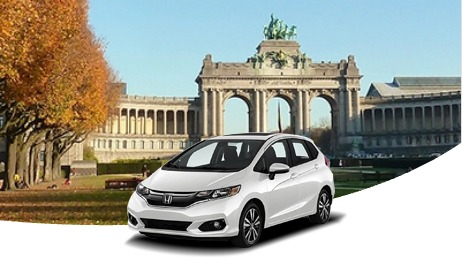
Parc du Cinquantenaire is a large urban park with a triumphal arch, museums, and green spaces. It's a great place for a leisurely walk or picnic.
Nature
1-2 hours
Free (museums have separate fees)
Must-Try Local Dishes
Moules-frites
Mussels cooked in white wine, cream, or other sauces, served with a side of fries.
Main course
Can be made vegetarian by omitting the mussels and using a vegetable-based sauce.
Waffles
Belgian waffles are a must-try, with various toppings like whipped cream, chocolate, and fruit.
Dessert/Snack
Can be made vegetarian or vegan by choosing appropriate toppings.
Fries
Belgian fries are crispy on the outside and soft on the inside, often served with various sauces.
Snack/Side
Can be made vegetarian by choosing vegetable-based sauces.
Carbonade flamande
A traditional Flemish beef and beer stew, often served with fries or bread.
Main course
Not suitable for vegetarians or vegans.
Popular Activities
Cycling tours
Kayaking on the Senne River
Escape rooms
Spa days
Picnics in parks
Café hopping
Museum visits
Art gallery tours
Best Time to Visit
June to August
Summer is the peak tourist season with warm weather and numerous festivals. The city is lively, but also more crowded and expensive.
15°C to 25°C
59°F to 77°F
Practical Information
Language
- Official: Dutch, French, German
- Widely spoken: English
- English: Widely spoken
Currency
Euro (EUR)
Time Zone
GMT+1 (Central European Time, CET)
Electricity
230VV, 50HzHz
Safety Information
Overall Safety Rating: Generally safe
Brussels is generally safe for travelers, but petty crime like pickpocketing can occur in tourist areas. Be cautious with your belongings and stay aware of your surroundings.
Important Precautions:
- • Keep your belongings secure and out of sight
- • Be cautious with ATMs and avoid using them at night
- • Use licensed taxis or ride-sharing apps
Getting there
By air
- Brussels Airport • 11 km (7 miles) from city center
By train
Brussels-South Station, Brussels-Central Station
By bus
Brussels-North Station, Brussels-South Station
Getting around
Public transport
The metro is efficient and covers most of the city. It's a great way to get around, especially during peak hours.
Taxis
Available • Apps: Uber, Heetch
Rentals
Car, Bike, Scooter
Neighborhoods
City Center
Sablon
Saint-Géry
European Quarter
Day trips
Bruges
100 km (62 miles) • Full day
Bruges is a medieval city with a well-preserved historic center, canals, and cobblestone streets. It's often referred to as the 'Venice of the North'.
Ghent
60 km (37 miles) • Full day
Ghent is a vibrant city with a rich history, beautiful architecture, and a lively student population. It's known for its medieval buildings, castles, and museums.
Antwerp
45 km (28 miles) • Full day
Antwerp is a dynamic city known for its fashion, diamond district, and vibrant cultural scene. It's home to numerous museums, galleries, and historic sites.
Festivals
Ommegang • Early July
Flower Carpet • Every two years in August
Christmas Market • Late November to early January
Pro tips
- Visit the Grand Place early in the morning or late in the afternoon to avoid crowds and enjoy the square's beauty in peace.
- Try a Belgian waffle from a street vendor, but be cautious with toppings that may not be suitable for dietary restrictions.
- Explore the city's neighborhoods on foot or by bike to discover hidden gems and local culture.
- Learn a few basic phrases in French or Dutch to connect with locals and show respect for the language and culture.
- Consider purchasing a Brussels Card for unlimited public transport and discounts on attractions.
From $25
per person
Price varies by option
Secure booking
Free cancellation available
Instant confirmation