Istanbul Roman Heritage Morning Tour
Active
2h - 3h
For a full refund, cancel at least 24 hours before the scheduled departure time.
Instant confirmation
Mobile or paper ticket accepted
About this experience
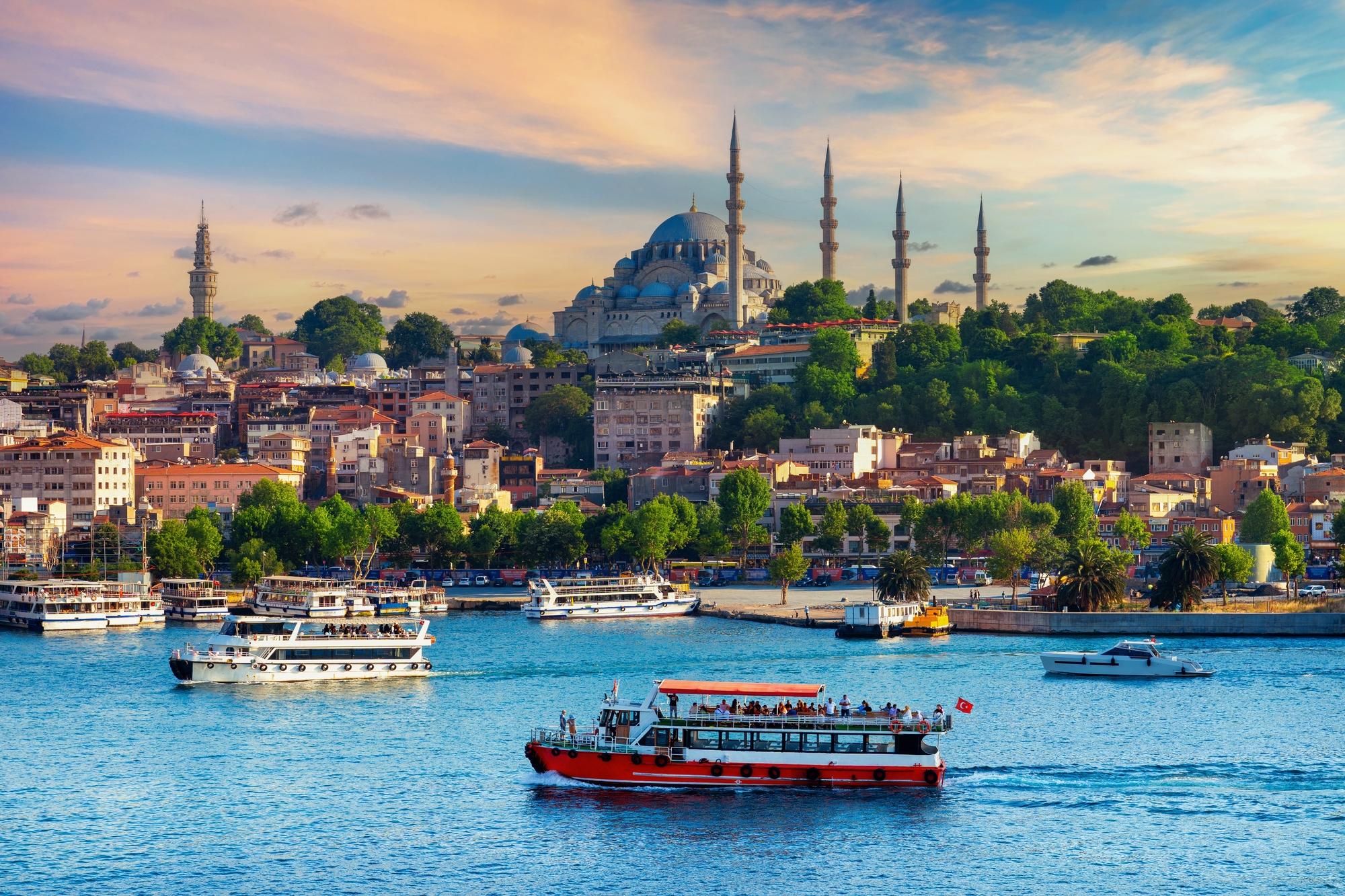
The Sultanahmet Mosque holds a special place in Ottoman history; what is the reason for this? Learn more about this mosque with its six minarets, which we recommend everyone visiting Istanbul to see, and listen to its story from the licensed professional guides.
One of the ancient Egyptian obelisks is also located in Sultanahmet Square. What makes these obelisks so special? Why are they found in important locations around the world? What do the symbols on them mean? What is the impact of ancient Egyptian culture on the present day?
At 1,487 years old, Hagia Sophia is a significant site for both Christians and Muslims. Why is Hagia Sophia so important? Why was it turned into a museum, and why was it converted back into a mosque?
The hotel pick-up tour is included. We will provide the guests with information about the pick-up time.
0-2 years old is free, 3-5 years old is 50% discounted, 6
years old is full fee.
The prices do not include VAT.
Available options
Istanbul Roman Heritage Morning Tour
Pickup included
With hagia sophia ticket
Pickup included
What's included
Hotel Pick Up
Detailed itinerary
1
Stop 1
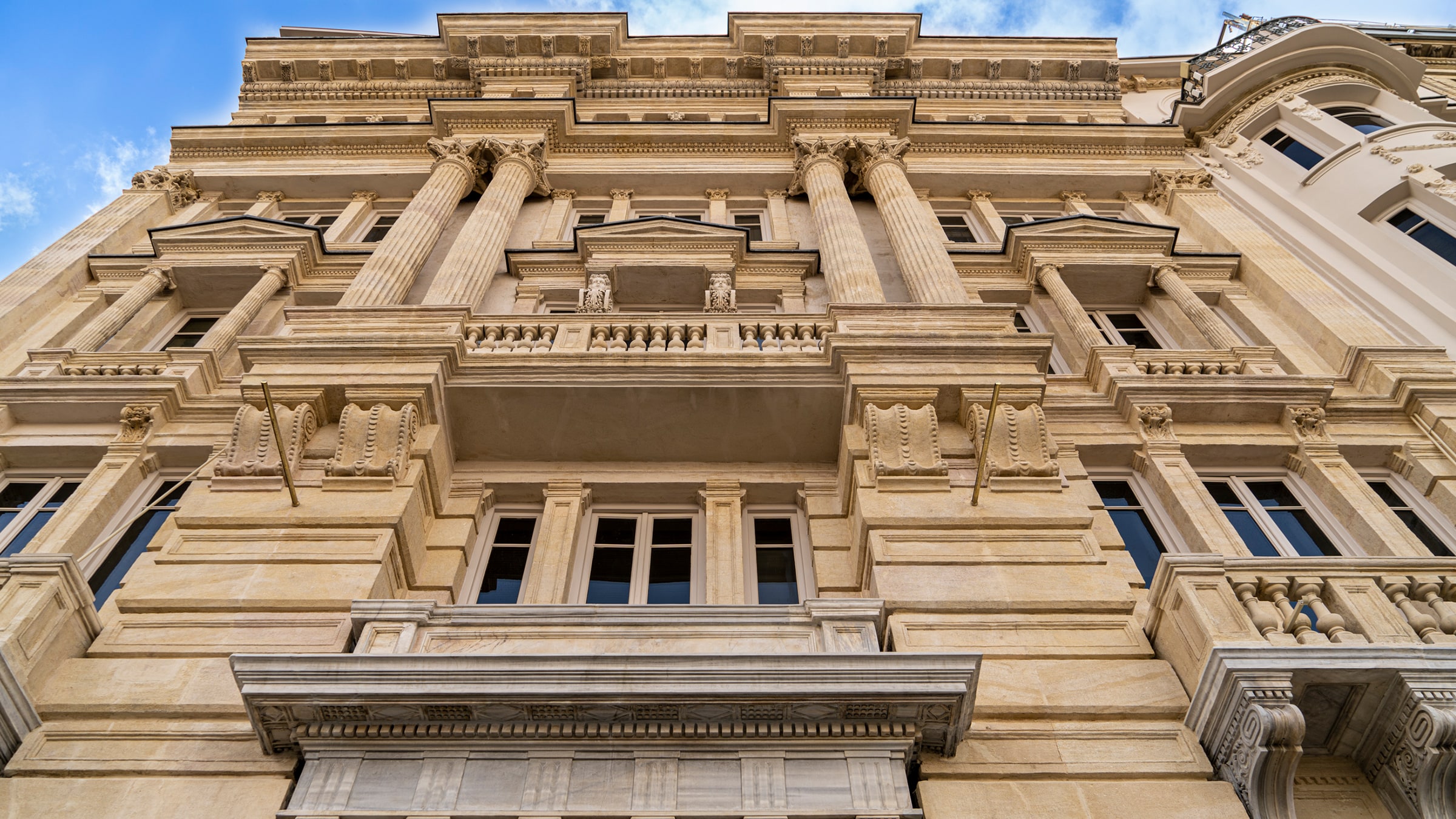
Sultanahmet Square is located in Istanbul’s historic peninsula and is surrounded by significant structures from the Byzantine and Ottoman eras. In ancient times, this area was known as the Hippodrome and served as a venue for chariot races and other events.
One of the square’s most remarkable monuments is the Obelisk of Theodosius, originally commissioned by Egyptian Pharaoh Thutmose III in the 15th century BCE. It was brought to Istanbul by Roman Emperor Theodosius I in 390 CE. Made of granite and decorated with Egyptian hieroglyphs, this obelisk is an ancient piece that has stood since the Byzantine period.
Sultanahmet Square is a popular attraction for both locals and tourists, offering a rich historical atmosphere.
2
Stop 2
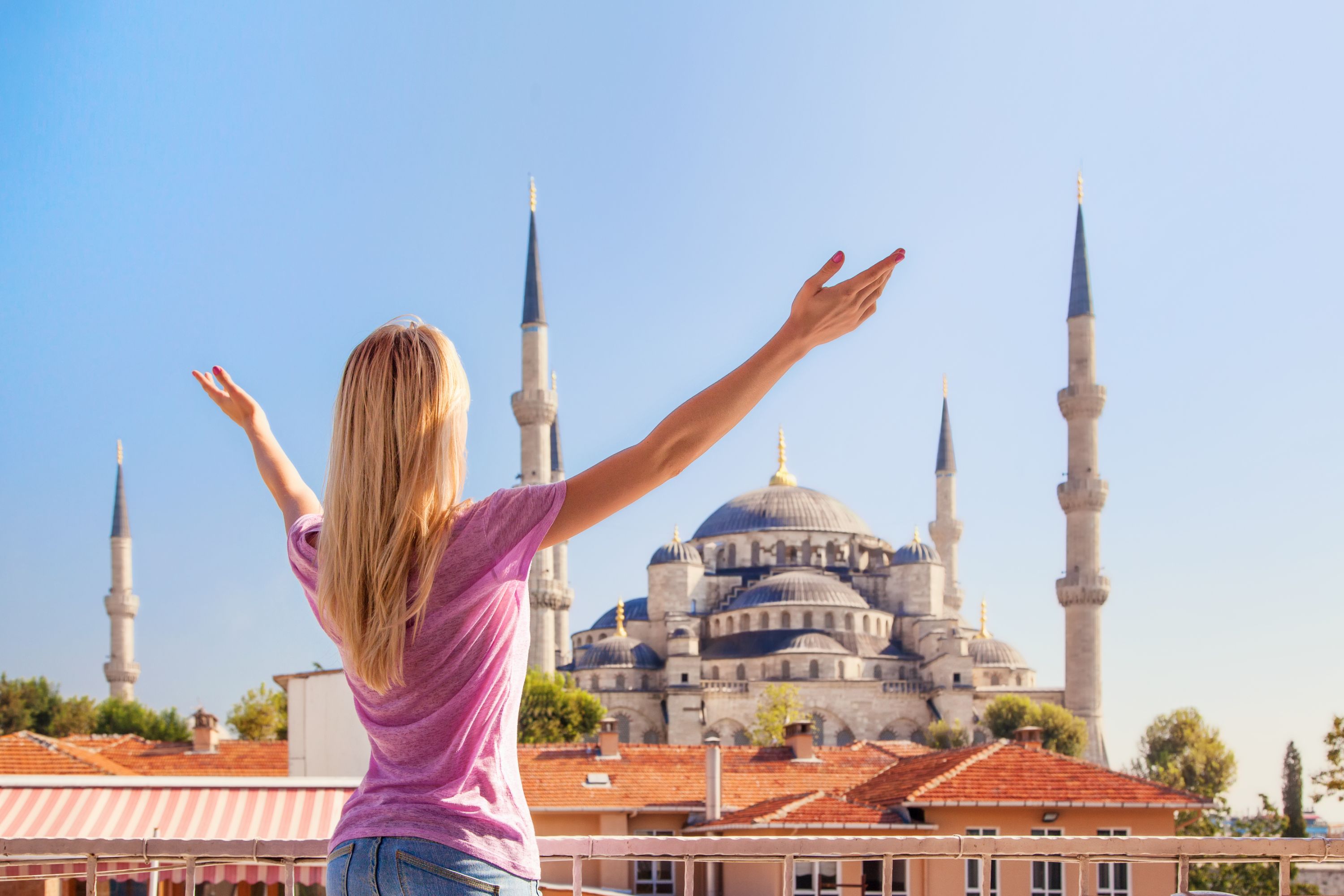
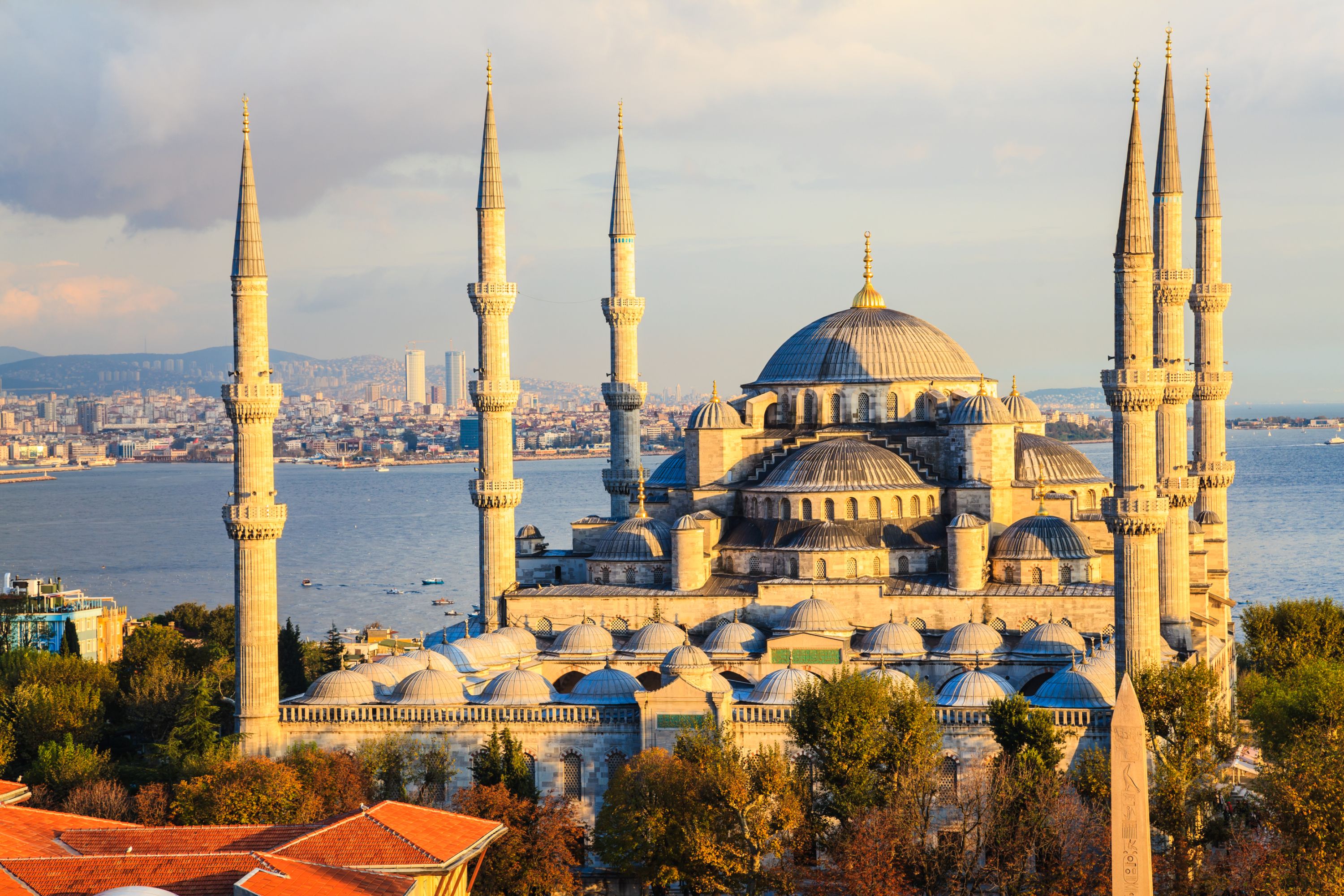
The Sultanahmet Mosque, also known as the Blue Mosque, is located in Istanbul’s Sultanahmet district. It was built between 1609 and 1616 by Ottoman Sultan Ahmed I and designed by architect Sedefkar Mehmed Agha. The mosque is commonly called the "Blue Mosque" due to the blue Iznik tiles that adorn its interior.
With six minarets and a striking dome structure, the Sultanahmet Mosque is one of the finest examples of classical Ottoman architecture. It serves both as a place of worship and as one of the city's most popular tourist attractions.
3
Stop 3
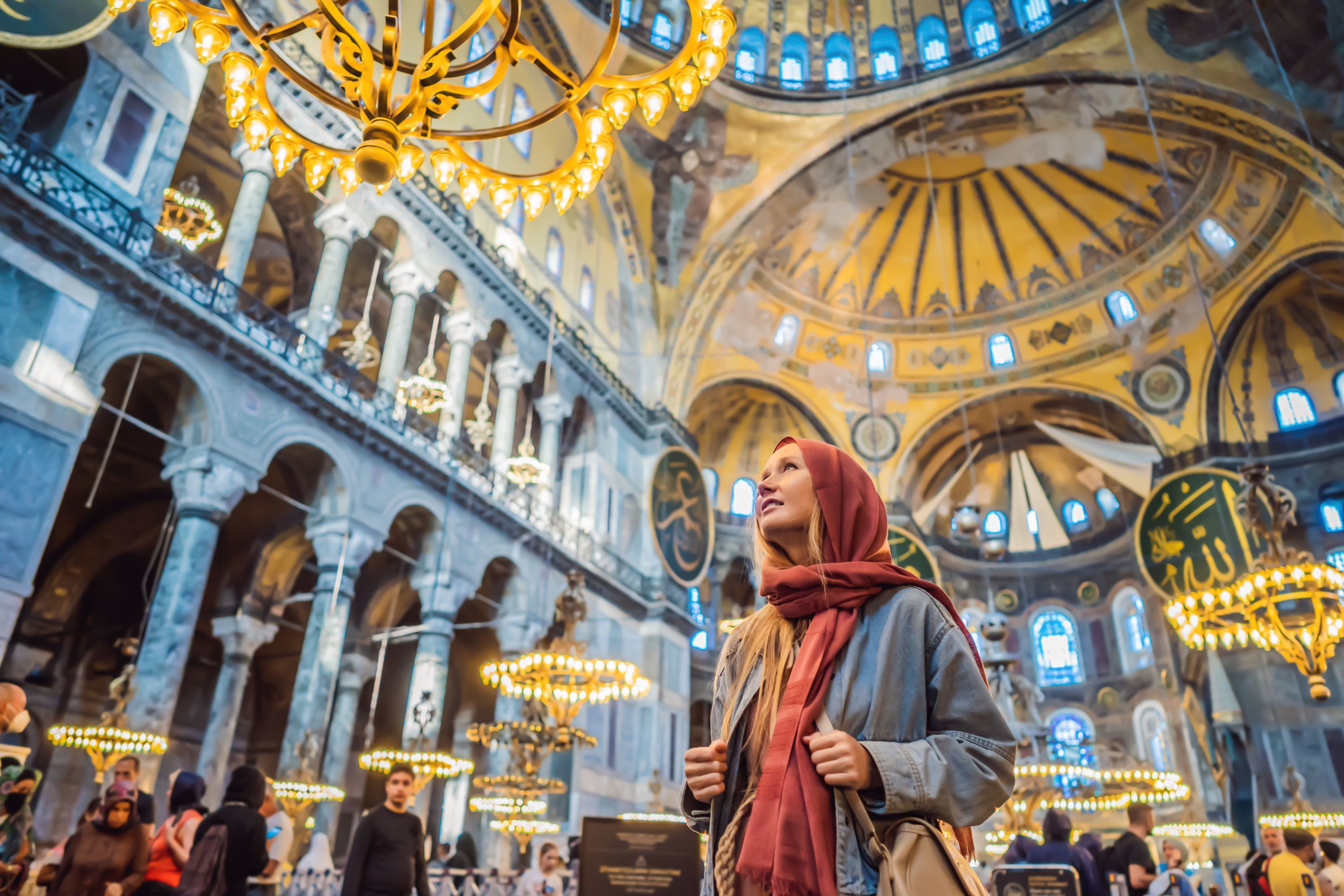
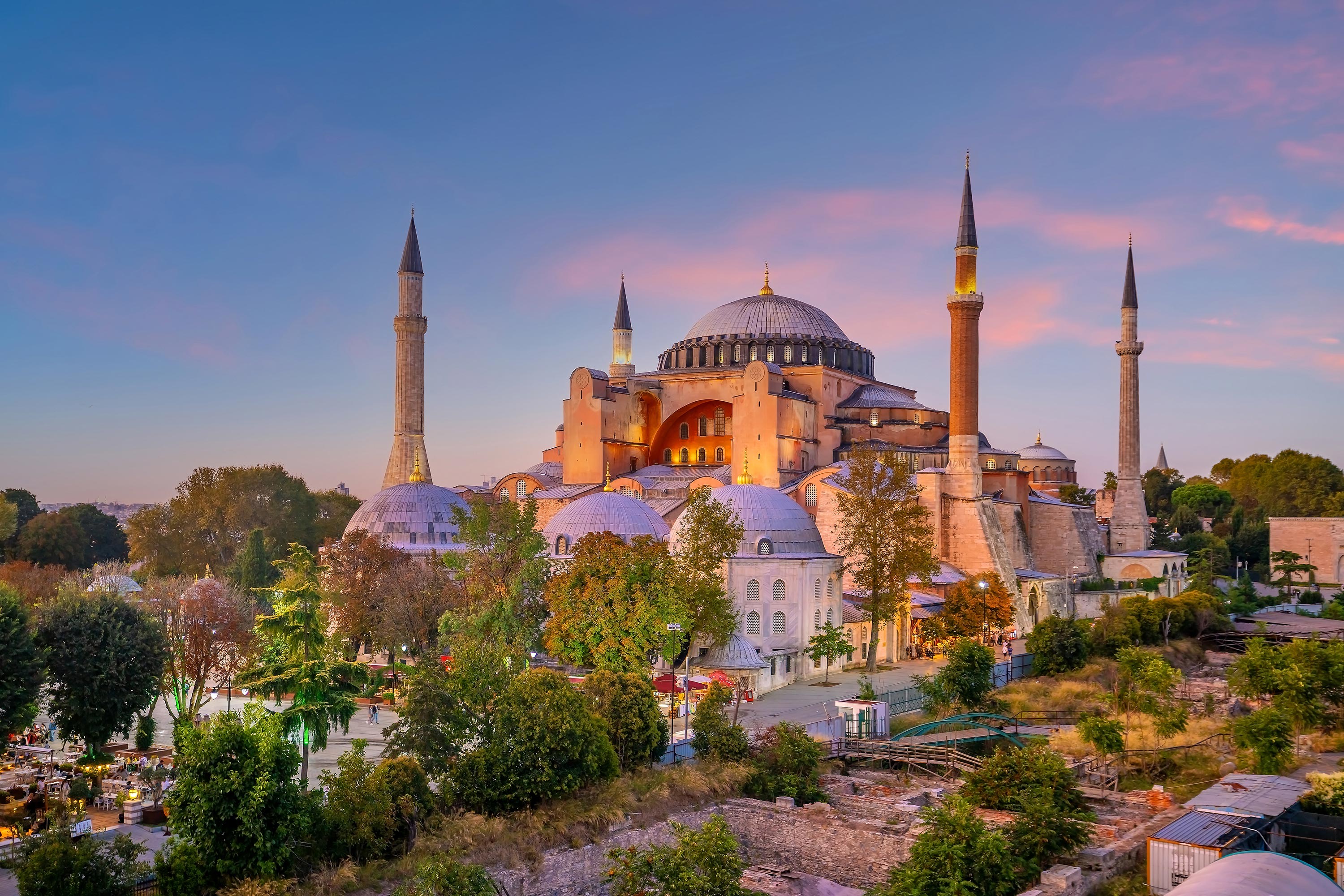
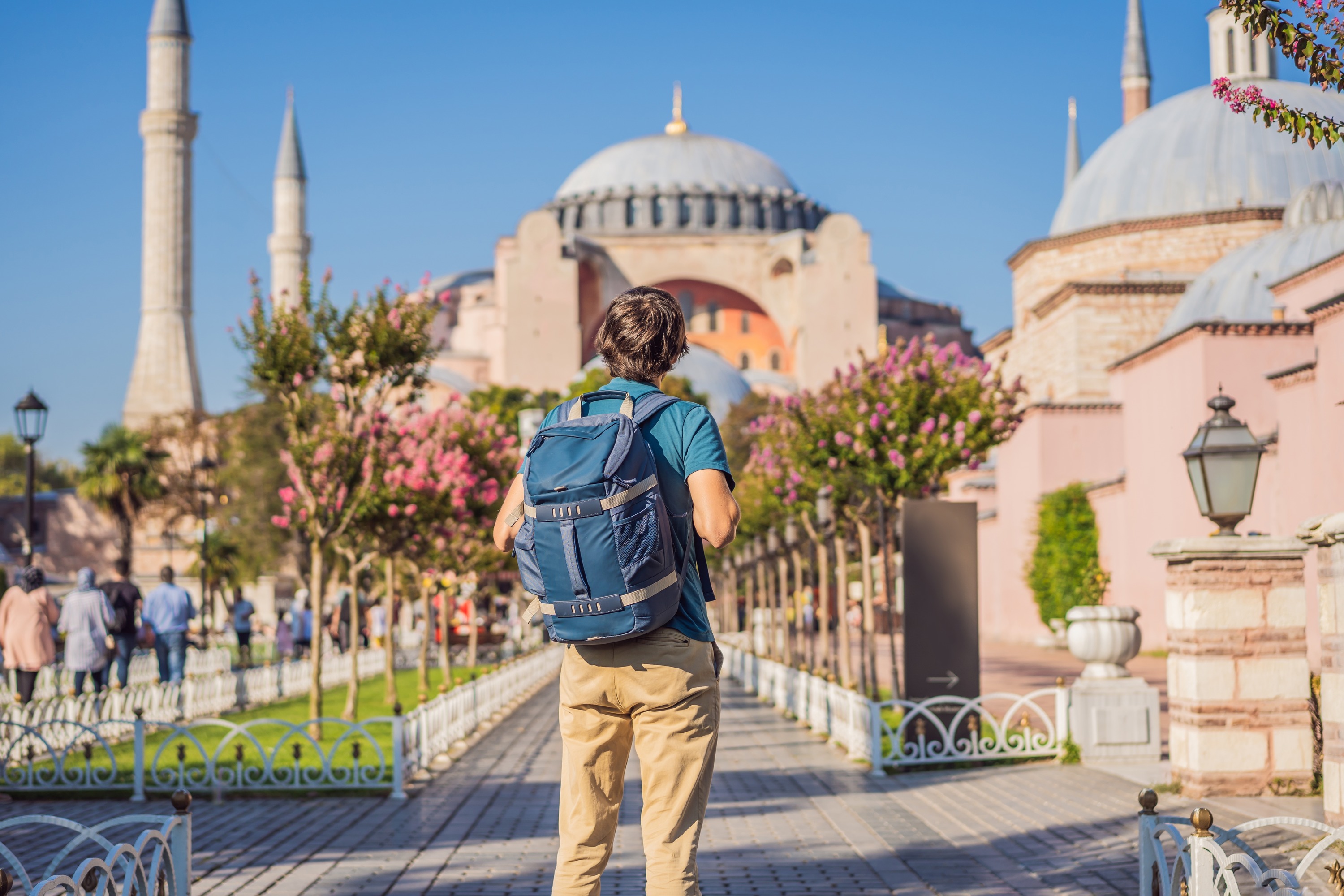
Hagia Sophia (Ayasofya) is one of Istanbul's most iconic structures and has served as a church, mosque, and museum throughout its history. It was originally built as a church by Byzantine Emperor Justinian I in 537 AD. After the conquest of Istanbul in 1453, it was transformed into a mosque by Ottoman Sultan Mehmed the Conqueror and continued to function as such during the Ottoman period.
In 1935, during the Republic of Turkey era, Ayasofia was converted into a museum, and it began serving again as a mosque in 2020. The structure is famous for its dome, massive mosaics, and rich decoration, showcasing elements of both Byzantine and Ottoman architecture. Ayasofia is a UNESCO World Heritage Site and is known worldwide for its architectural grandeur and historical significance.
As a historical and artistic treasure that bridges different religions and cultures, Hagia Sophia is one of the most visited structures in Istanbul.
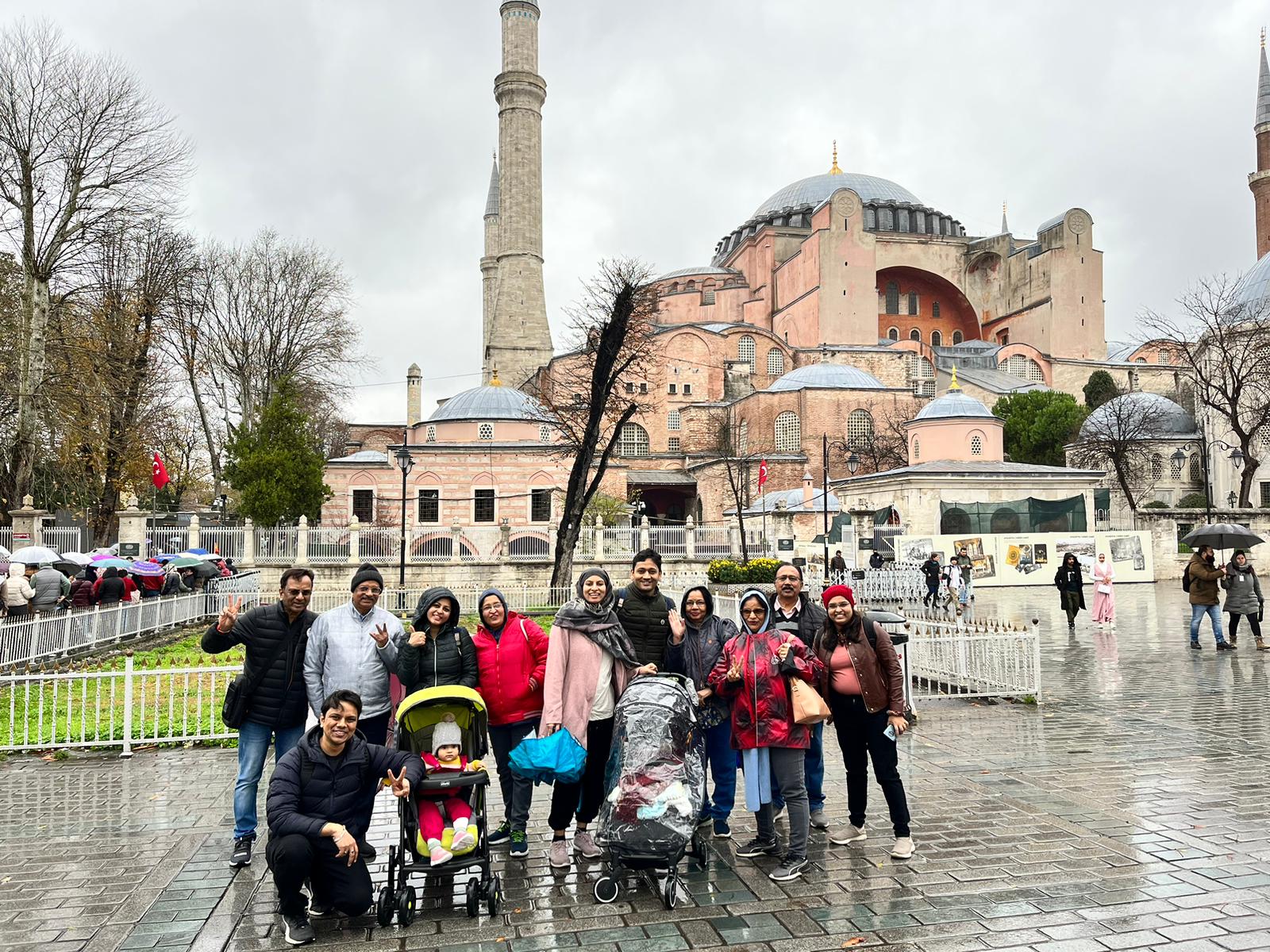
Guests who wish to visit Hagia Sophia will be accompanied.
What's not included
Hagia Sophia Ticket
Gratuities
Hotel Drop Off
Available languages
Guide guide
EN
Important information
Public transportation options are available nearby
Infants are required to sit on an adult’s lap
Suitable for all physical fitness levels
From $25
per person
Price varies by option
Secure booking
Free cancellation available
Instant confirmation