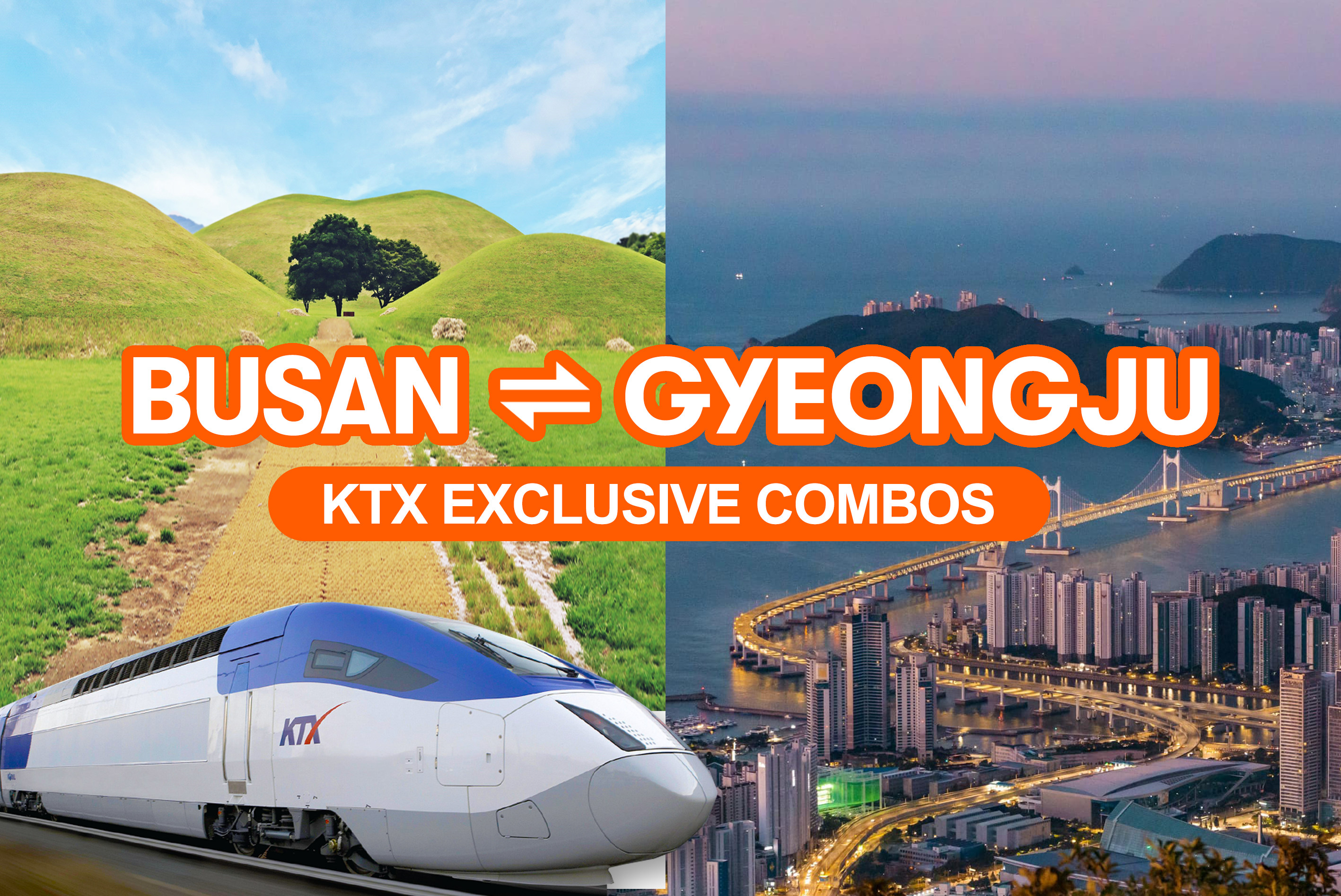
Busan and Gyeongju 2 days Tour from Seoul by KTX Bullet Train
Active
16h - 18h
For a full refund, cancel at least 24 hours before the scheduled departure time.
Instant confirmation
Mobile or paper ticket accepted
About this experience
Your journey begins in Seoul, where you’ll board the express train to Busan. Busan offers a blend of urban excitement and seaside charm. Enjoy exploring iconic sights like the stunning Haeundae Beach, the bustling Jagalchi Fish Market, and the colorful Gamcheon Village. ( Accommodation in Busan is not included in the tour cost, so we kindly ask customers to arrange it themselves) After a restful night in Busan, we’ll set out for Gyeongju, a historic gem and former capital of the ancient Silla Kingdom. Gyeongju invites you to wander through millennia-old palaces, temples, and tombs. Stand in awe at UNESCO World Heritage sites like Bulguksa Temple and the Seokguram Grotto, and feel the spirit of Korea's past come alive around you.
This 2 days tour is designed to offer a perfect mix of cultural discovery and scenic relaxation, all within two unforgettable days. Return to Seoul by KTX with memories of Korea’s vibrant culture, rich history, and stunning natural beauty.
Available options
Busan and Gyeongju 2 days Tour from Seoul by KTX Bullet Train
Pickup included
What's included
All admission fees to tourists sites
Qualified English-speaking guide
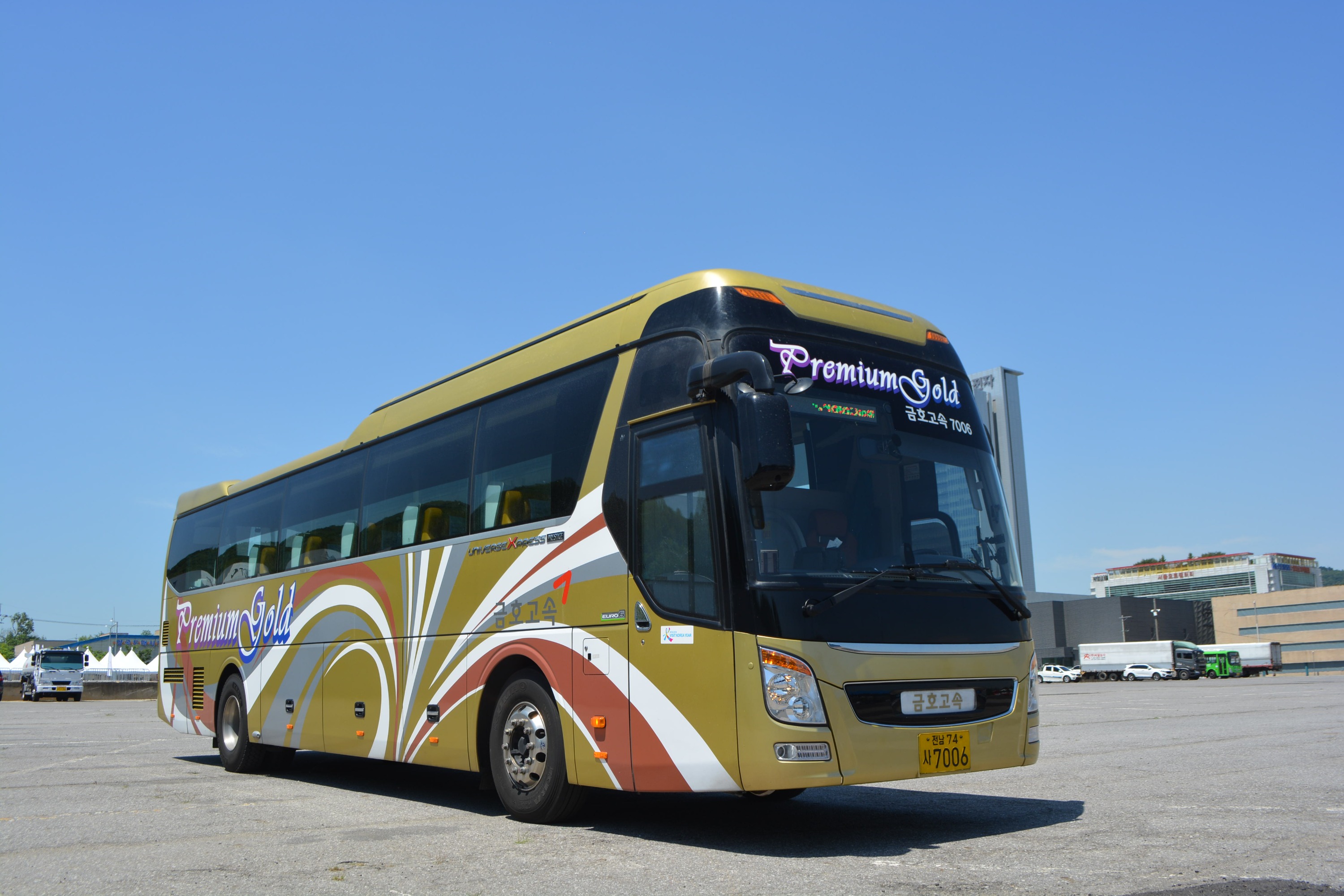
Private transportation with a private minivan in Busan
Hotel pick up & drop off (Busan)
KTX round-trip fare (Economy class)
Detailed itinerary
1
Stop 1
Day 1. Choi Min-Shik Gallery
Choi Min-Shik is the first-generation documentary photographer who photographed ordinary people with tough lives emanating from war and poverty. He aroused sympathy from the world by photographing ordinary people's tough lives and underprivileged people during the modernization of Busan with a theme 'Human'.
His black/white photos capture the moments of people in a very vivid way. Every single one of his photographs is portraits that are Koreans in Busan streets.
2
Day 1.
People began living here in tents since 1951 during the Korean War. When it became more settled, the tents became too small, so people began building on top of Japanese graves. This Village is right next to Gamchon culture village. From this village, the entire city of Busan can be seen.
3
Stop 3
Day 1.
Gamcheon was a refuge to many people fleeing to Busan during the Korean War. The creative urban regeneration project started in 2010 and the success of the project attracts 1,400,000 Korean and foreign tourists to the village annually. It's earning this village the nickname of "Machu Picchu of Busan."
4
Stop 4
Day 1.
It is Korea's largest seafood market, selling both live and dried fish. After the Korean War,
the market solidified itself as a fish market. Most of the people who sell fish are women, so the vendors here are called Jagalchi Ajumma, "ajumma" meaning middle-aged or married woman in Korean.
5
Stop 5
Day 1.
Gwangalli Beach is famous for its fine sand. In addition to the beachfront, the Gwangalli area is filled with romantic restaurants and cafes. The area has plenty to offer, strolling along the beach, enjoying a spectacular view of The Bridge during daytime and beautifully illuminated once darkness falls.
6
Stop 6
Day 1.
Haedong Yonggungsa- It is situated on the coast of the north-eastern portion of Busan. This superb attraction offers visitors the rare find of a temple along the shore line; most temples in Korea are located in mountains.
7
Stop 7
Day 1
The UN Memorial Cemetery in Busan, South Korea, honors soldiers who died during the Korean War while serving under the UN flag. Established to commemorate their sacrifices, the site features a central memorial with the flags of participating nations and the names of the fallen. It symbolizes international cooperation and peacekeeping and is open to the public for remembrance and reflection.
8
Day 2
Daereungwon is an ancient royal tomb complex in Gyeongju, South Korea, known for its burial mounds of Silla dynasty kings and queens. It is a significant historical site, reflecting Korea's rich cultural heritage.
9
Day 2
Banwolseong, or the Half-Moon Fortress, is a historic site in Gyeongju, South Korea. Built during the Silla dynasty, it features a unique half-moon shape and served as a defensive structure. The fortress is notable for its archaeological significance and beautiful surrounding landscape.
10
Day 2
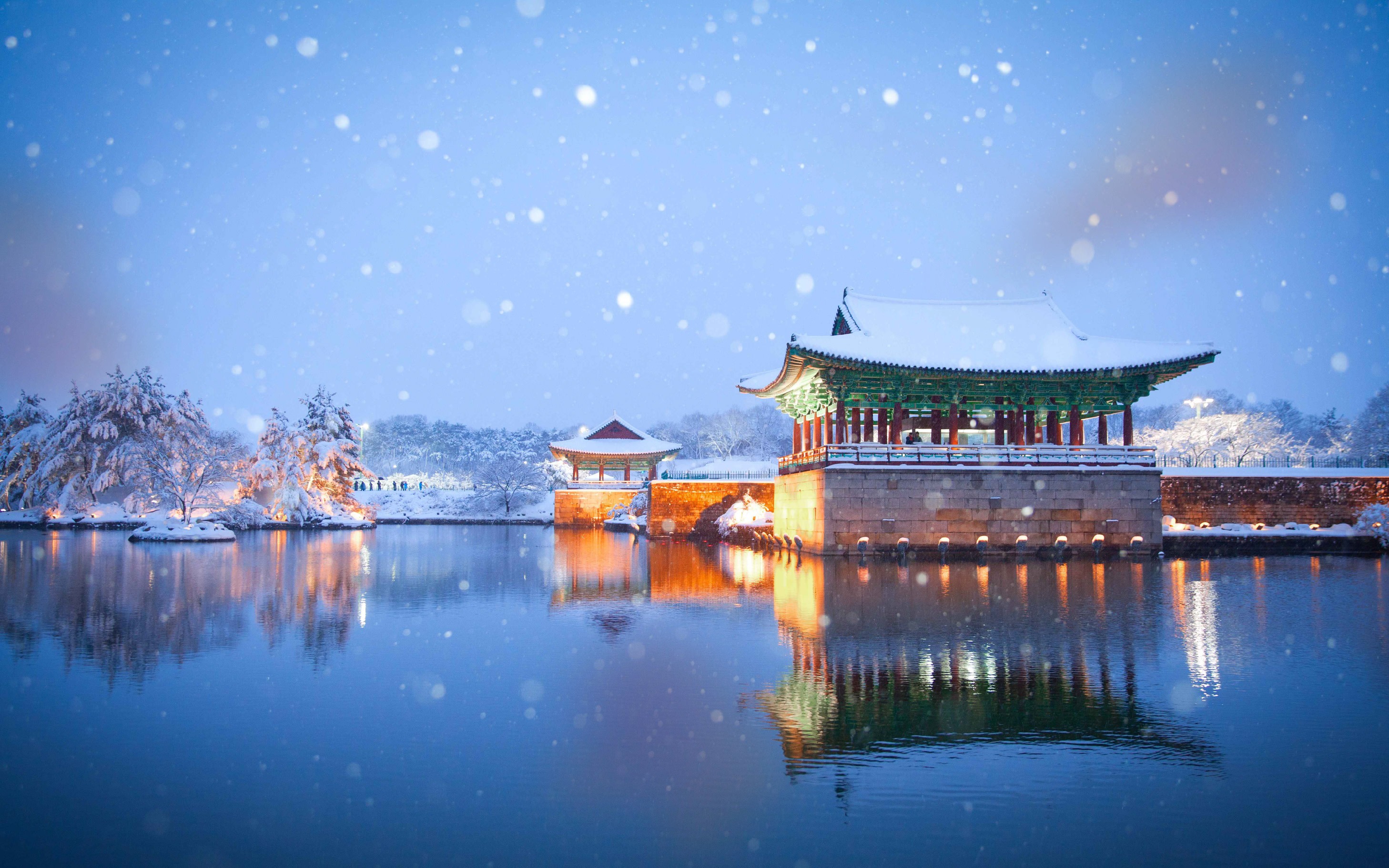
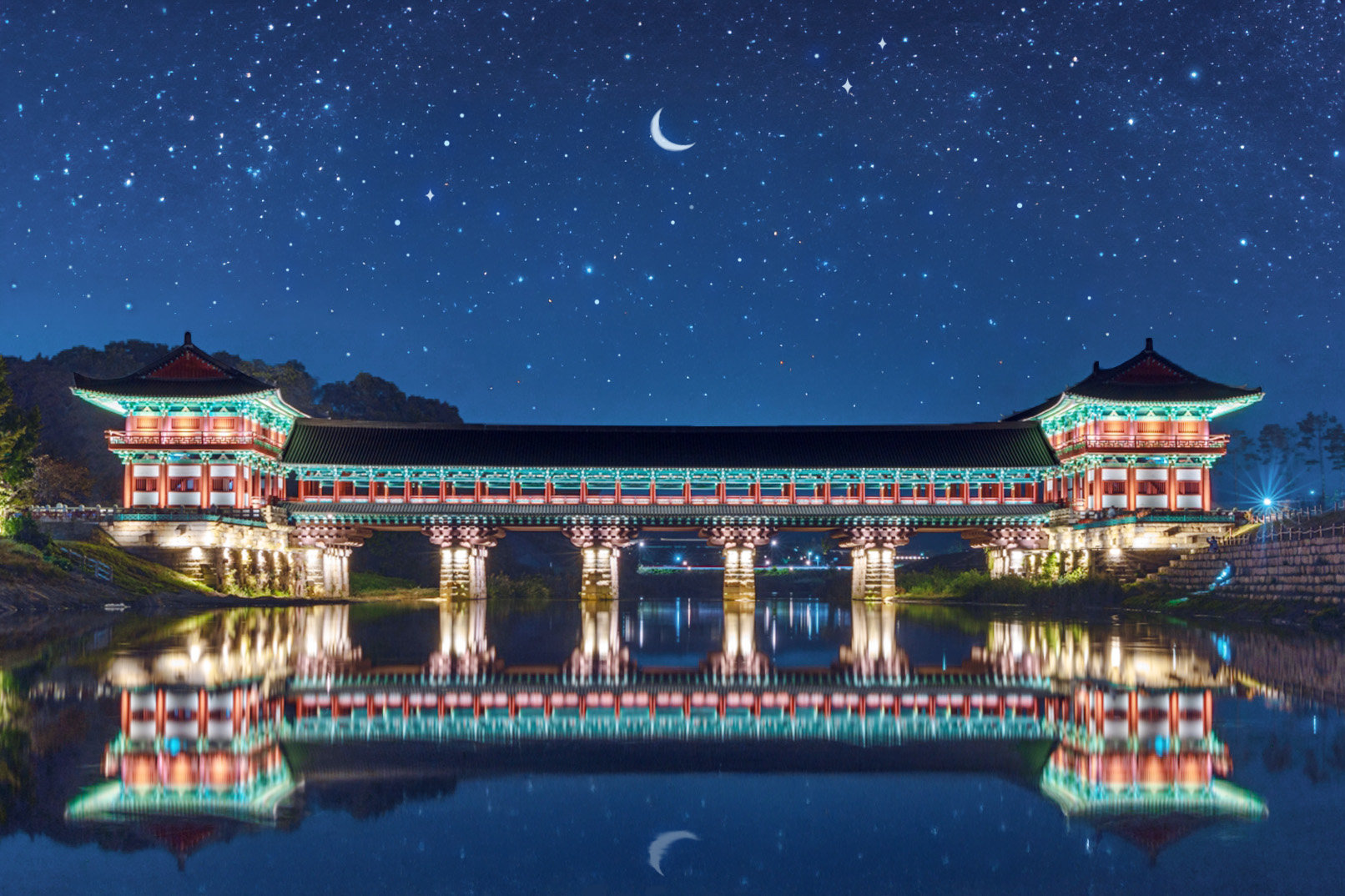
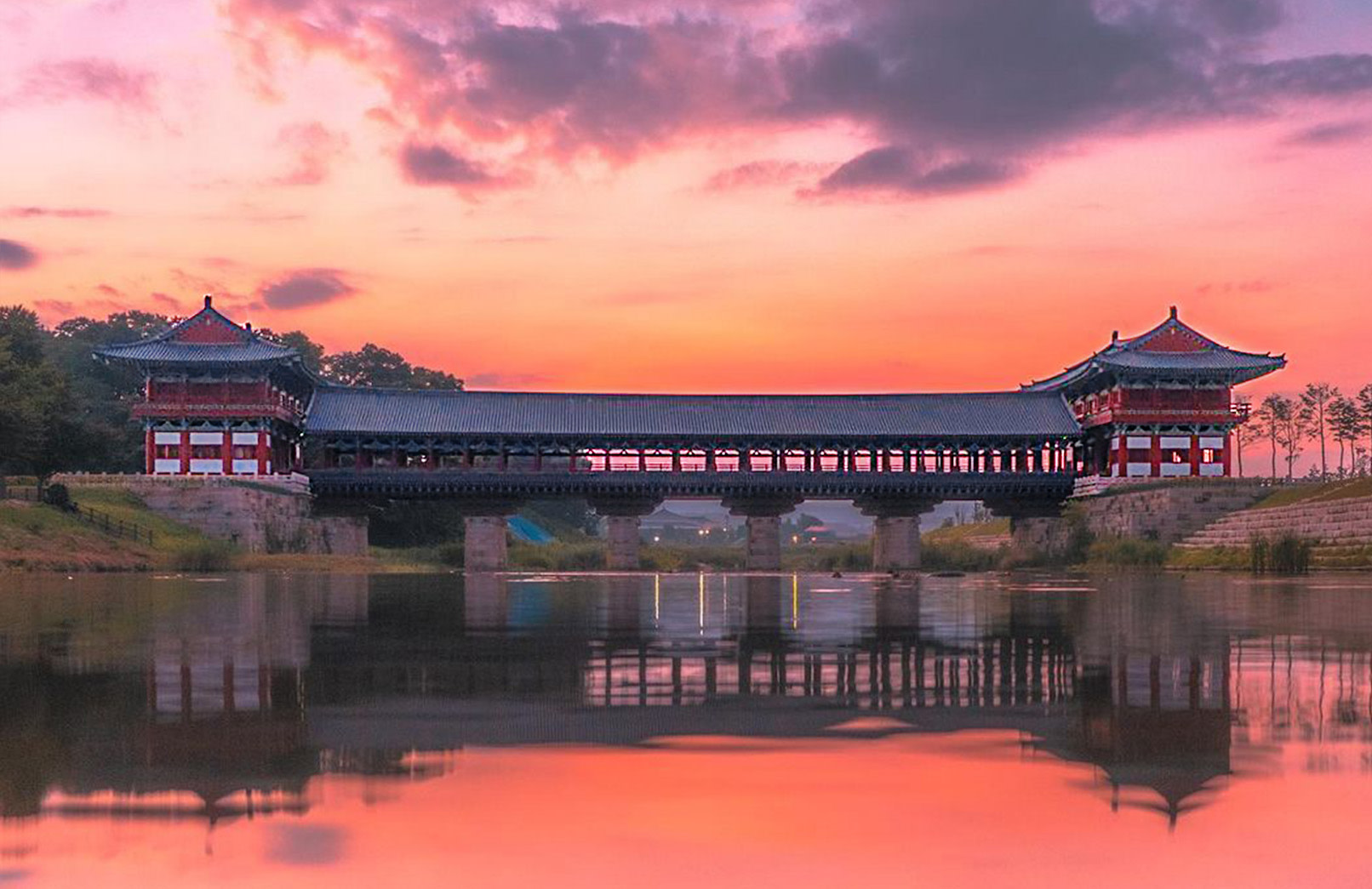
Donggung Palace and Wolji Pond are historical sites in Gyeongju, South Korea. Donggung Palace was the secondary palace for the Silla dynasty's crown prince, while Wolji Pond is a scenic pond that was part of the palace complex. Together, they showcase the architectural and artistic achievements of the Silla era and are popular for their picturesque landscapes, especially at night when illuminated.
11
Stop 11
Day 2
Gyeongju National Museum is a prominent museum in Gyeongju, South Korea, dedicated to preserving and showcasing the history and culture of the Silla dynasty. It features a vast collection of artifacts, including pottery, sculptures, and gold treasures, providing insight into ancient Korean civilization. The museum also offers exhibitions and educational programs, making it a key destination for visitors interested in Korea's rich heritage.
12
Stop 12
Day 2
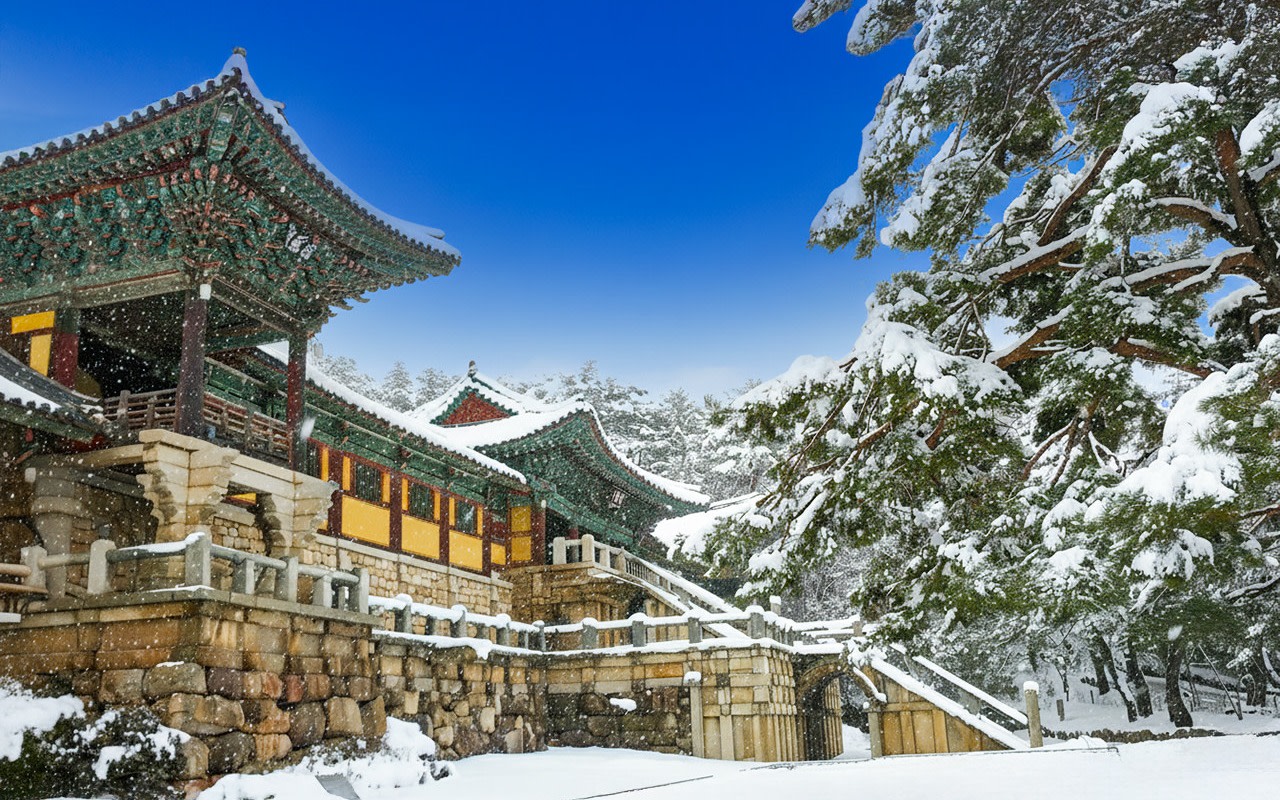
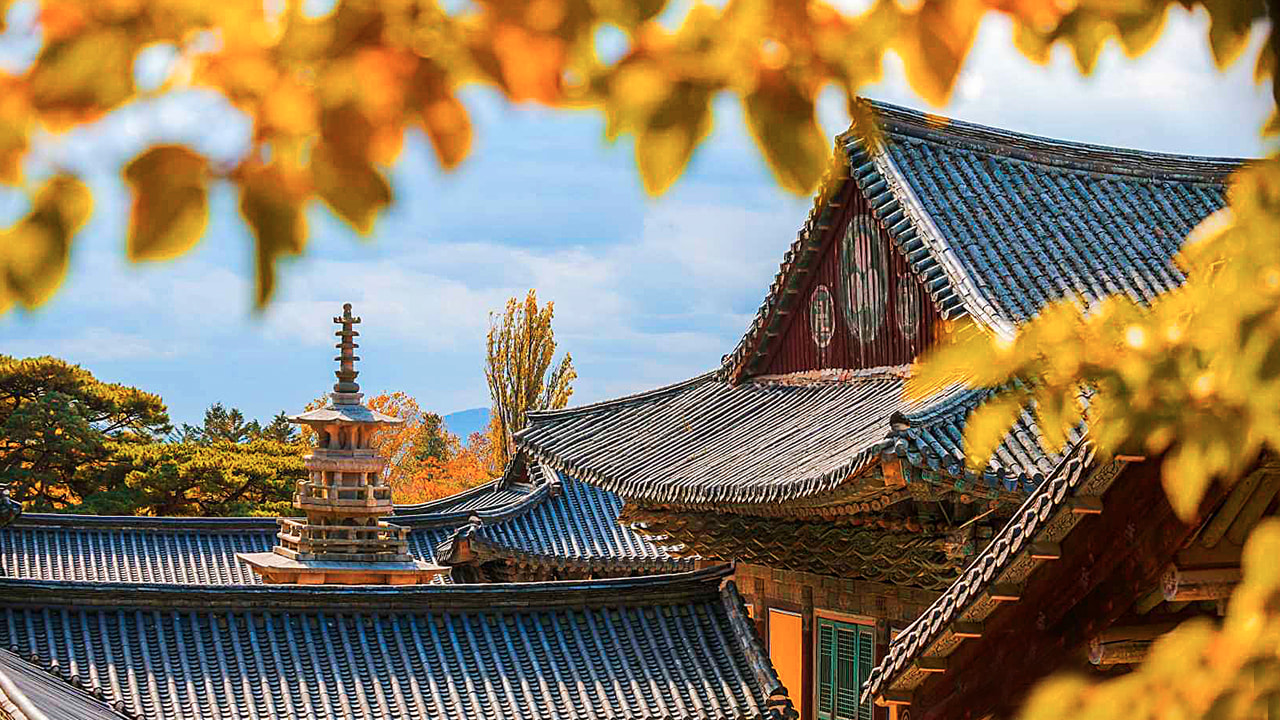
Bulguksa Temple is a UNESCO World Heritage Site located in Gyeongju, South Korea. Built during the Silla dynasty in the 8th century, it is renowned for its exquisite architecture and intricate stone carvings. The temple complex includes several important structures, such as the Daeungjeon (main hall) and the Seokguram Grotto, which houses a stunning statue of Buddha. Bulguksa is considered a masterpiece of Buddhist art and architecture, reflecting the spiritual and cultural achievements of the era.
13
Day 2
Seokguram Grotto is a UNESCO World Heritage Site located near Bulguksa Temple in Gyeongju, South Korea. Built in the 8th century during the Silla dynasty, it is renowned for its stunning stone-carved Buddha statue, which sits in a beautifully designed grotto. The structure is celebrated for its artistic excellence and intricate details, representing the pinnacle of Buddhist art in Korea. Seokguram serves as a significant cultural and spiritual site, attracting visitors from around the world.
What's not included
Food and drinks
Gratuities
Hotel drop-off service (Seoul)
Accommodation
Available languages
Guide guide
EN
Reviews breakdown
Viator
5.0
1 reviews
5★
1
4★
0
3★
0
2★
0
1★
0
Tripadvisor
5.0
1 reviews
5★
1
4★
0
3★
0
2★
0
1★
0
Important information
Public transportation options are available nearby
Infants are required to sit on an adult’s lap
Suitable for all physical fitness levels
About Busan
Busan, South Korea's second-largest city, is a vibrant coastal metropolis known for its stunning beaches, fresh seafood, and unique cultural heritage. Nestled between mountains and the sea, Busan offers a dynamic blend of modern urban life and traditional charm, making it a must-visit destination in South Korea.
Top Attractions
Haeundae Beach
One of the most famous beaches in South Korea, Haeundae Beach is known for its beautiful coastline, vibrant atmosphere, and water sports. It's a popular spot for swimming, sunbathing, and enjoying the beachside cafes and restaurants.
Beach
Half day to full day
Free (activities and rentals may cost extra)
Gamcheon Culture Village
Known as the 'Machu Picchu of Busan', Gamcheon Culture Village is a colorful and artistic neighborhood built on a hillside. The village is filled with vibrant murals, installations, and quirky shops, making it a unique and photogenic destination.
Cultural
2-3 hours
Free to explore (some shops and cafes may charge for services)
Busan Tower
Located on Yongdusan Park, Busan Tower offers panoramic views of the city and the sea. The tower is a symbol of Busan and a popular spot for visitors to enjoy the scenery and learn about the city's history.
Historical/Architecture
1-2 hours
KRW 10,000 (adults), discounts for children and seniors
Haedong Yonggungsa Temple
This stunning seaside temple is one of the most famous Buddhist temples in South Korea. Haedong Yonggungsa Temple is known for its beautiful architecture, serene atmosphere, and the unique experience of praying by the sea.
Religious/Cultural
1-2 hours
Free (donations welcome)
Gwangalli Beach
Gwangalli Beach is famous for its beautiful night views and the stunning Gwangan Bridge. The beach is a popular spot for swimming, picnicking, and enjoying the vibrant nightlife, including beach bars and clubs.
Beach/Entertainment
Half day to full day
Free (activities and rentals may cost extra)
Must-Try Local Dishes
Milmyeon
A cold wheat noodle dish served with a spicy seafood broth, topped with various seafood and vegetables. It's a refreshing and flavorful dish, perfect for hot summer days.
Noodle dish
Contains seafood, may not be suitable for those with seafood allergies.
Dwaeji Gukbap
A hearty pork soup made with pork bones, meat, and vegetables, served with rice. It's a comforting and flavorful dish that's popular in Busan.
Pork soup with rice
Contains pork, may not be suitable for vegetarians or those with pork allergies.
Busan-style Sundae
A type of blood sausage made with pork blood, noodles, and various ingredients, grilled and served with soup. It's a unique and flavorful street food that's a must-try in Busan.
Blood sausage
Contains pork and blood, may not be suitable for vegetarians or those with pork allergies.
Ganjang Gejang
A popular seafood dish made with raw crab marinated in soy sauce, garlic, and ginger. It's typically served with rice and vegetables, and is a delicacy in Busan.
Raw crab marinated in soy sauce
Contains raw seafood, may not be suitable for those with seafood allergies or pregnant women.
Popular Activities
Hiking in Geumjeongsan Mountain
Glass-bottom walkway at Oryukdo Skywalk
Water sports at Haeundae Beach
Beach lounging at Haeundae Beach
Spas and saunas in Busan
Picnicking in Yongdusan Park
Visiting Gamcheon Culture Village
Exploring Haedong Yonggungsa Temple
Best Time to Visit
April to June, September to October
The best time to visit Busan is during the spring and autumn months when the weather is mild and pleasant. These months offer ideal conditions for outdoor activities and sightseeing.
15-25°C (59-77°F)
59-77°F
Practical Information
Language
- Official: Korean
- Widely spoken: English (limited)
- English: Limited (especially outside tourist areas)
Currency
South Korean Won (KRW)
Time Zone
Korea Standard Time (KST, GMT+9)
Electricity
220VV, 60HzHz
Safety Information
Overall Safety Rating: Generally safe
Busan is generally a safe city for travelers, with low crime rates and a welcoming atmosphere. However, as with any destination, it's important to be aware of your surroundings and take precautions to ensure a safe and enjoyable trip.
Important Precautions:
- • Be cautious of your belongings in crowded areas, such as markets and public transportation.
- • Use reputable taxi services or ride-hailing apps, such as KakaoTaxi, to avoid scams.
- • Be aware of your surroundings, especially at night, and avoid walking alone in isolated areas.
Getting there
By air
- Busan Gimhae International Airport • 15 km from city center
By train
Busan Station
By bus
Nopodong Bus Terminal, Sasang Bus Terminal
Getting around
Public transport
The Busan Metro is efficient, clean, and easy to use. It consists of four lines that connect major attractions, shopping districts, and residential areas.
Taxis
Available • Apps: KakaoTaxi
Rentals
Car, Bike, Scooter
Neighborhoods
Haeundae
Seomyeon
Gwangalli
Jagalchi
Day trips
Taejongdae
15 km from Busan city center • Half day to full day
Taejongdae is a scenic coastal park located at the southern tip of Yeongdo Island, offering stunning views of the sea, cliffs, and lighthouse. The park is also home to historical sites and walking trails.
Oryukdo Skywalk
10 km from Busan city center • Half day
The Oryukdo Skywalk is a thrilling glass-bottom walkway that extends over the sea, offering breathtaking views of the coastline and the city. The skywalk is a popular attraction for adventure seekers and photography enthusiasts.
Geumjeongsan Mountain
15 km from Busan city center • Full day
Geumjeongsan Mountain is the highest peak in Busan, offering stunning views of the city and the sea. The mountain is home to numerous hiking trails, temples, and historical sites, making it a popular destination for nature lovers and hikers.
Festivals
Busan International Film Festival (BIFF) • October (annually)
Busan Sea Festival • July (annually)
Busan Fireworks Festival • October (annually, during BIFF)
Pro tips
- Visit the Jagalchi Fish Market early in the morning to see the bustling fish auction and enjoy the freshest seafood.
- Try the local street food at the Haeundae Night Market, such as Busan-style Sundae and grilled seafood skewers.
- Explore the colorful and artistic Gamcheon Culture Village, also known as the 'Machu Picchu of Busan', for a unique and photogenic experience.
- Take a stroll along the beautiful Haeundae Beach and enjoy the vibrant atmosphere, especially during the summer months.
- Visit the Busan Tower and Yongdusan Park for stunning views of the city and the sea, especially during sunset or at night.
From $25
per person
Price varies by option
Secure booking
Free cancellation available
Instant confirmation


![[BUSAN,GamcheonVillage] Private Korean Art Painting Class](https://media-cdn.tripadvisor.com/media/attractions-splice-spp-674x446/0f/e6/3f/ac.jpg)