Hiroshima and Miyajima 6 and half Hour Guided Tour
Active
6h
For a full refund, cancel at least 24 hours before the scheduled departure time.
Instant confirmation
Mobile or paper ticket accepted
About this experience
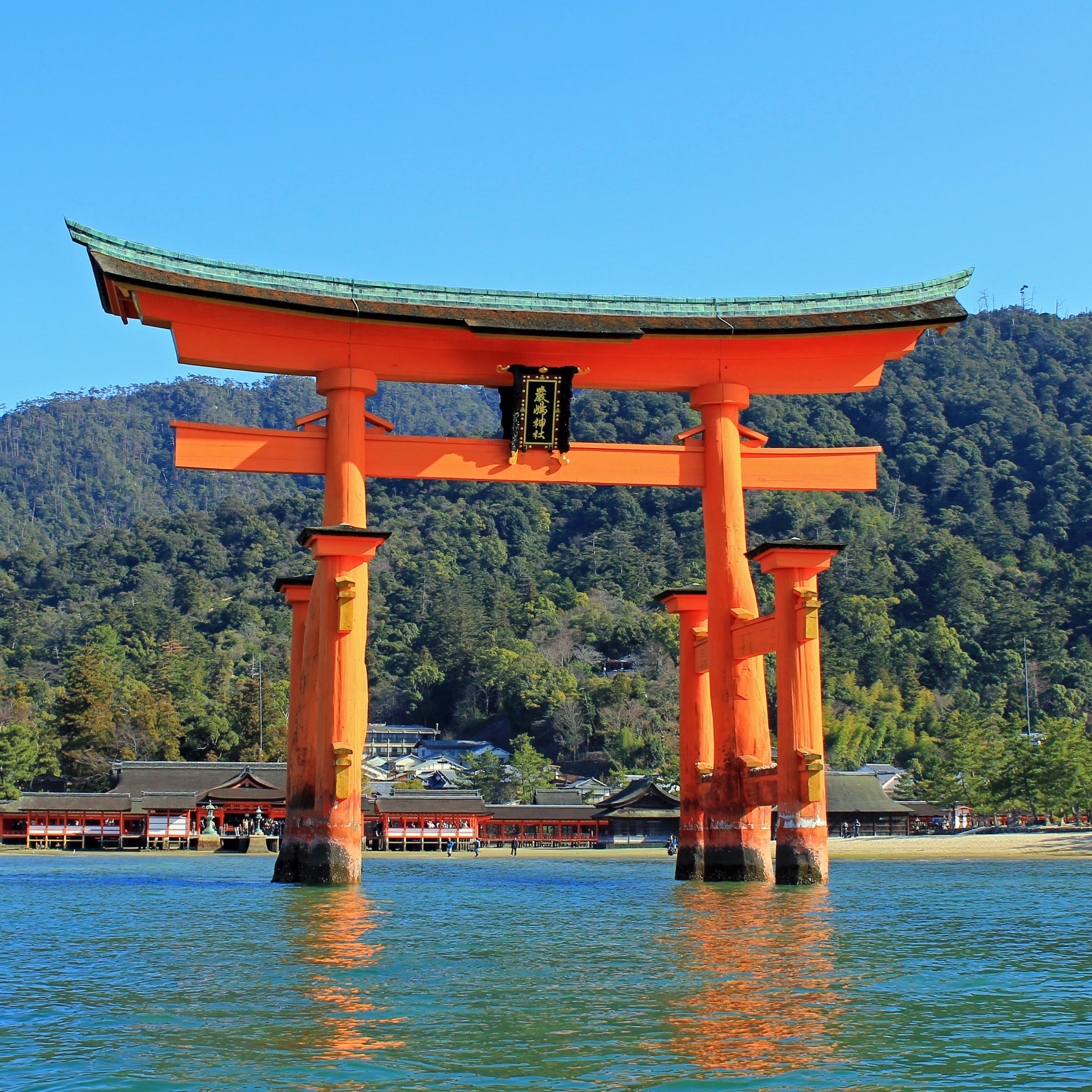
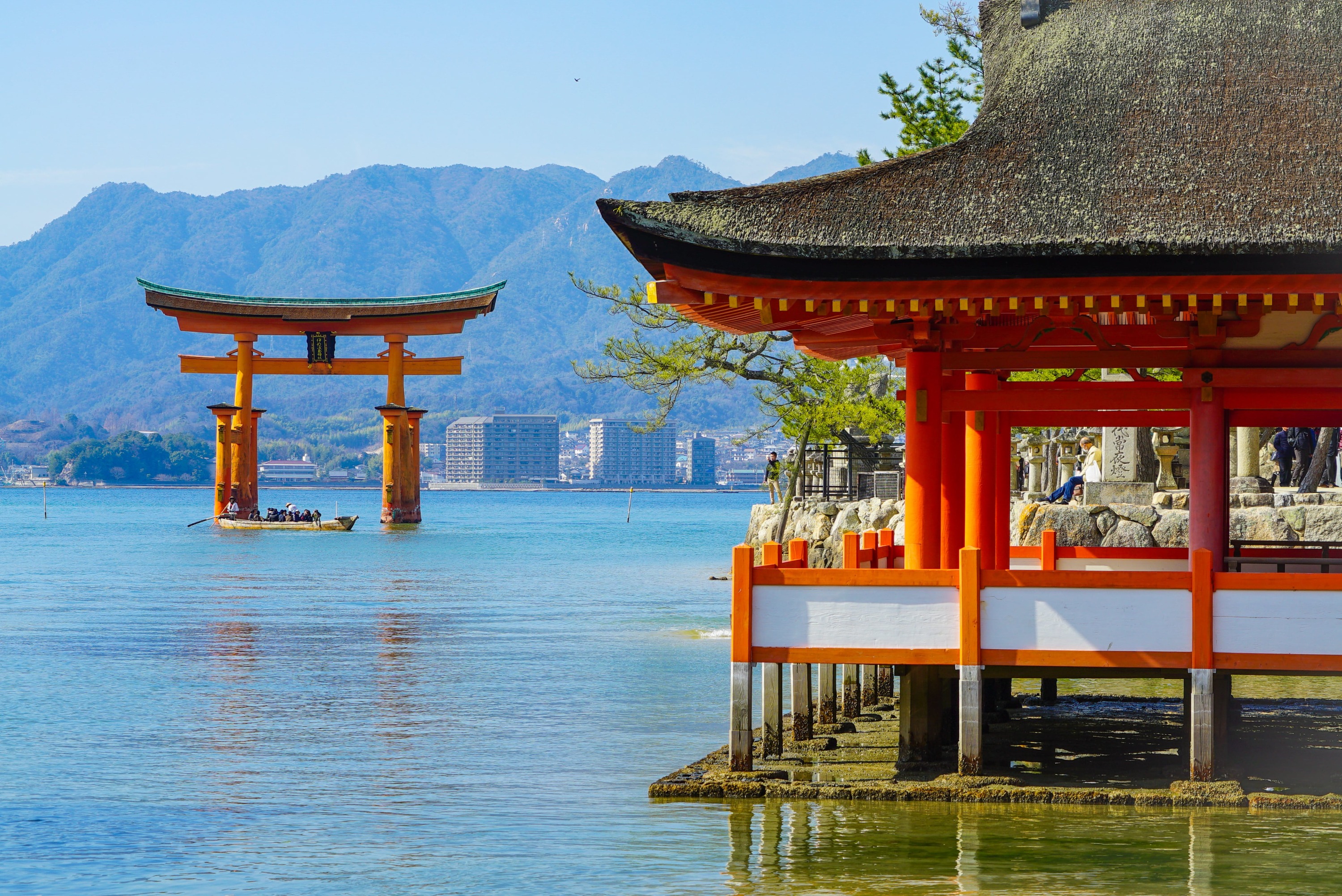
Meet your guide at Hiroshima Station and start your journey to Miyajima, one of Japan’s most scenic and spiritual destinations. Travel by train and ferry to the island and visit the iconic Itsukushima Shrine, where the famous red torii gate rises from the sea. Stroll along Omotesando Shopping Street.
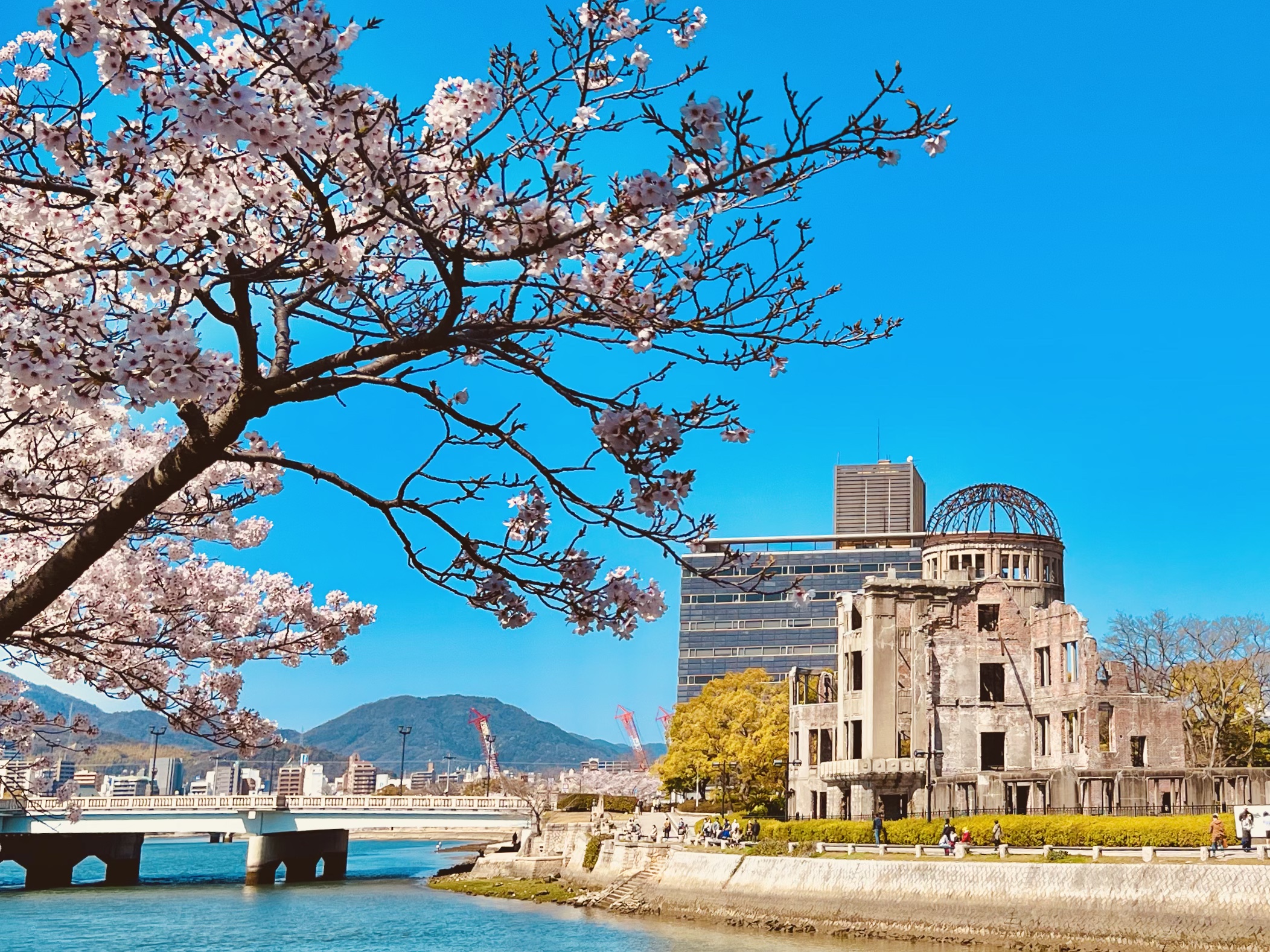
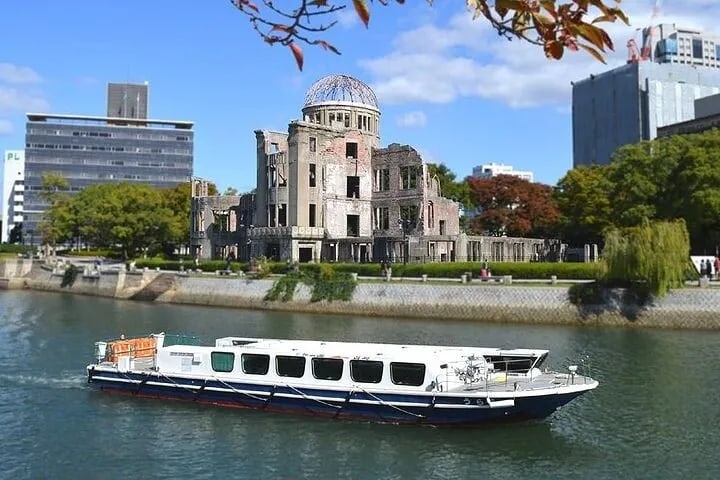
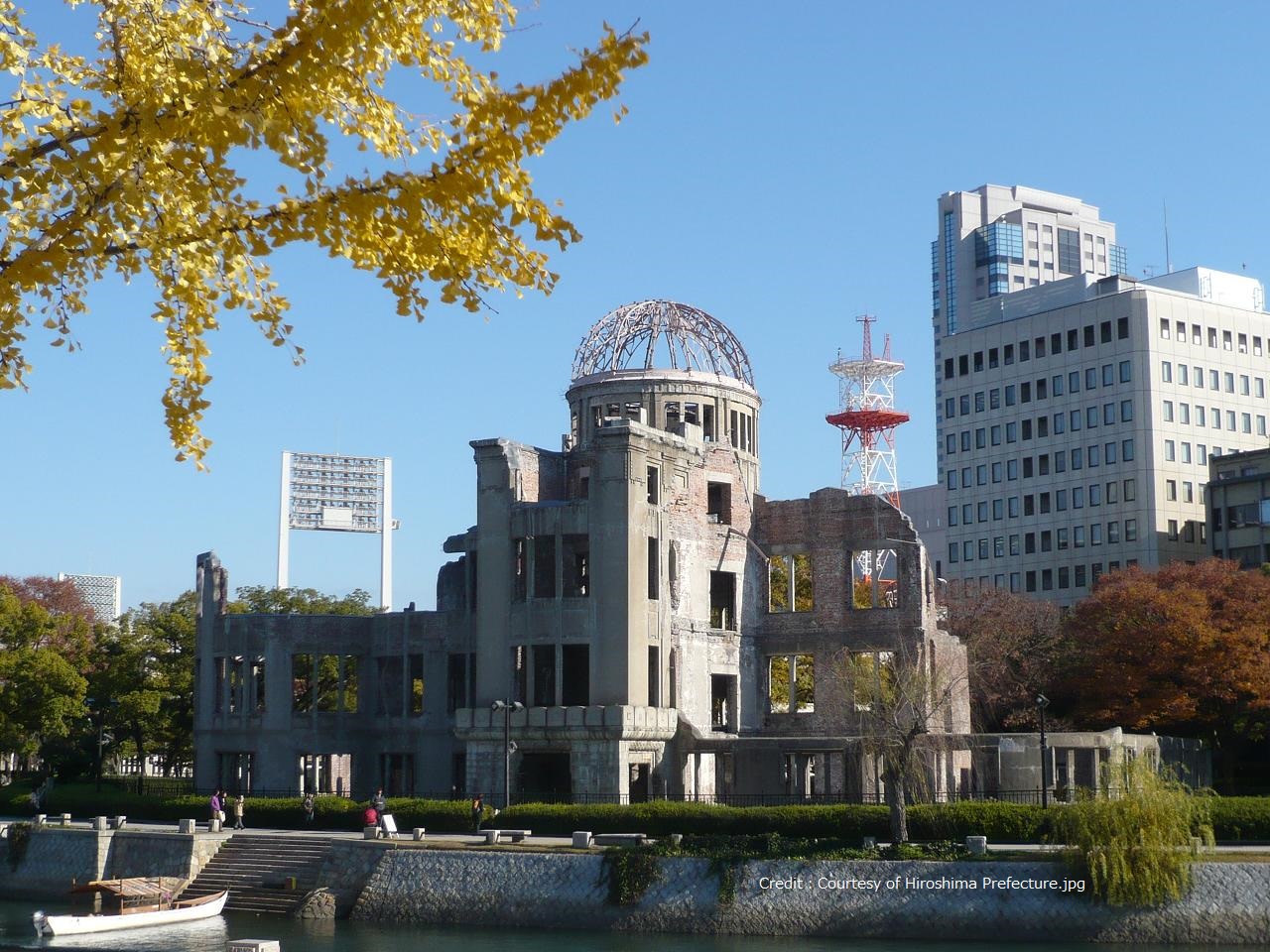
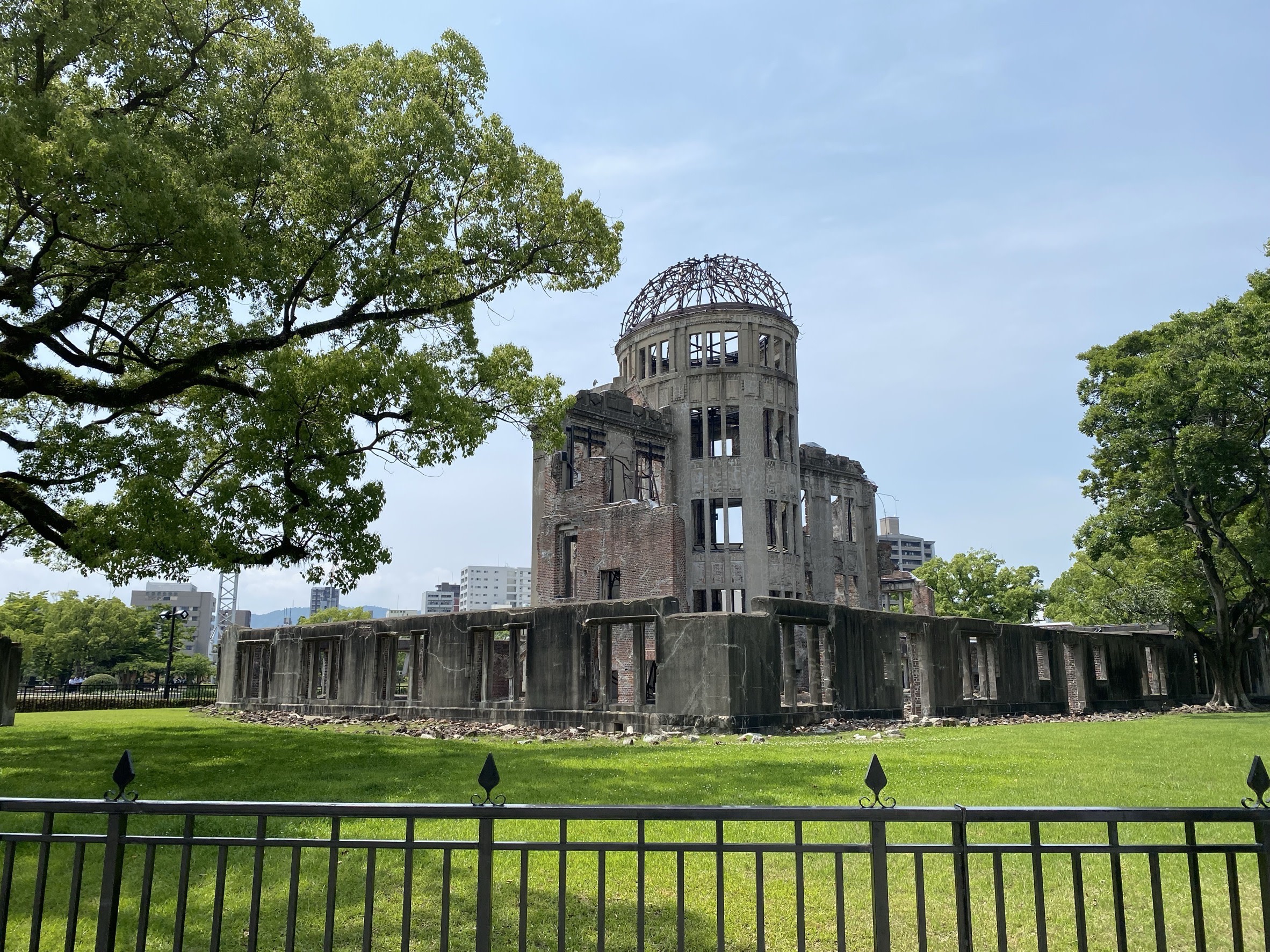
In the afternoon, return to Hiroshima city to explore its powerful history. Visit the Atomic Bomb Dome, a UNESCO World Heritage Site symbolizing peace, and walk through the Peace Memorial Park, stopping at monuments dedicated to the victims. At the Peace Memorial Museum, learn deeply about Hiroshima’s past through moving exhibits.
End the day with a relaxing walk in Shukkeien Garden, a 17th-century Japanese landscape garden filled with ponds, tea houses, and seasonal flowers. Surrounded by nature, you will find a moment of calm reflection before returning to Hiroshima Station. Your guide will share stories, cultural insights, and recommendations, making this a memorable day.
Available options
Hiroshima and Miyajima 6 and half Hour Guided Tour
What's included
Local English Guide
Admission fee
Detailed itinerary
1
Stop 1
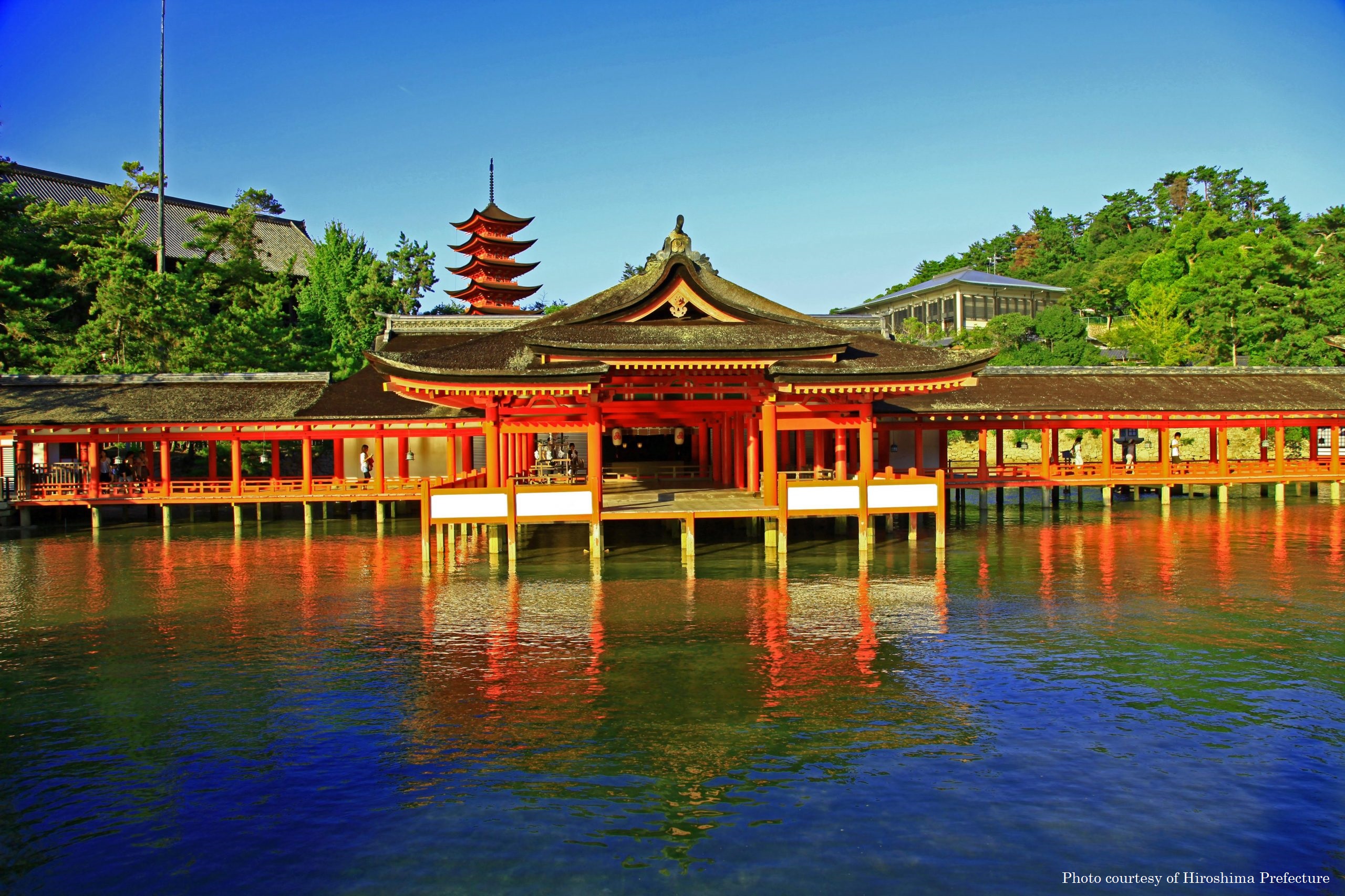
Visitors will explore Itsukushima Shrine, one of Japan’s most iconic Shinto shrines and a UNESCO World Heritage Site.
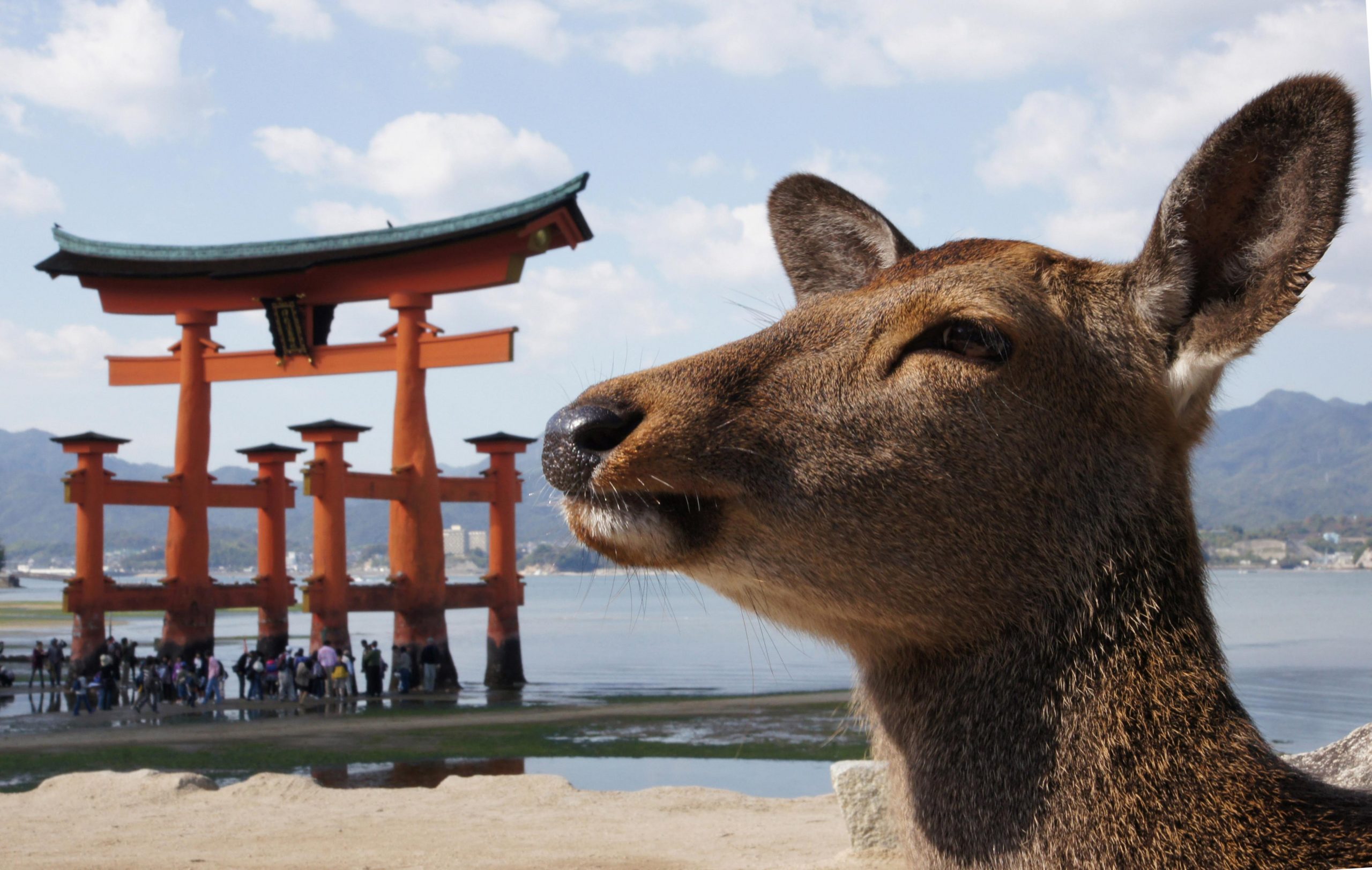
Built over the sea, the shrine is famous for its “floating” architecture and the great torii gate standing offshore.
Guests will walk through the shrine’s wooden corridors and pavilions while learning about Shinto beliefs, the history of Miyajima, and why the shrine was constructed on the water. Depending on the tide, visitors may see the torii gate appearing to float at high tide or walk close to it at low tide.
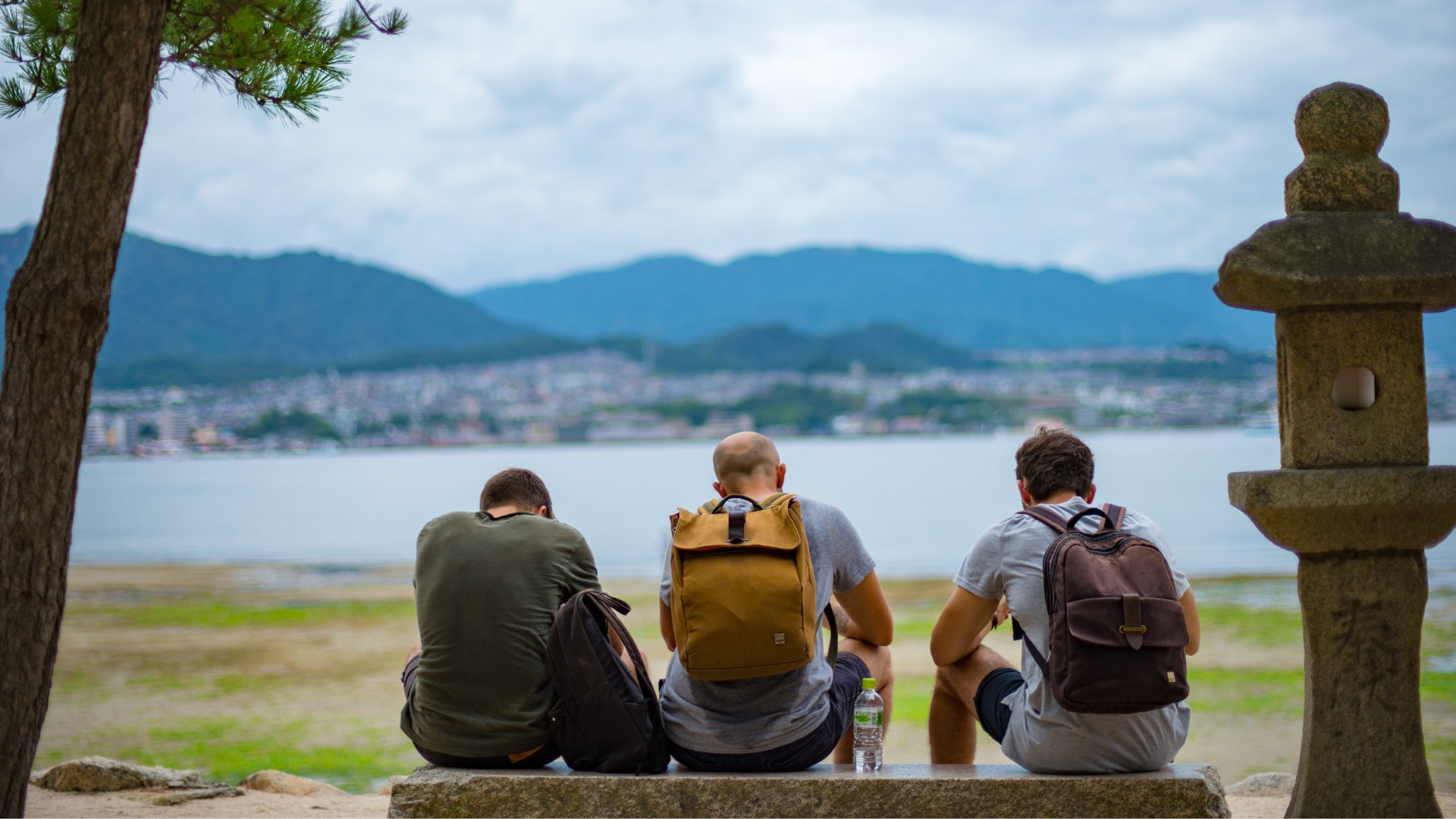
The visit also offers beautiful views of the Seto Inland Sea and surrounding mountains, making it both a cultural and scenic highlight of the tour.
2
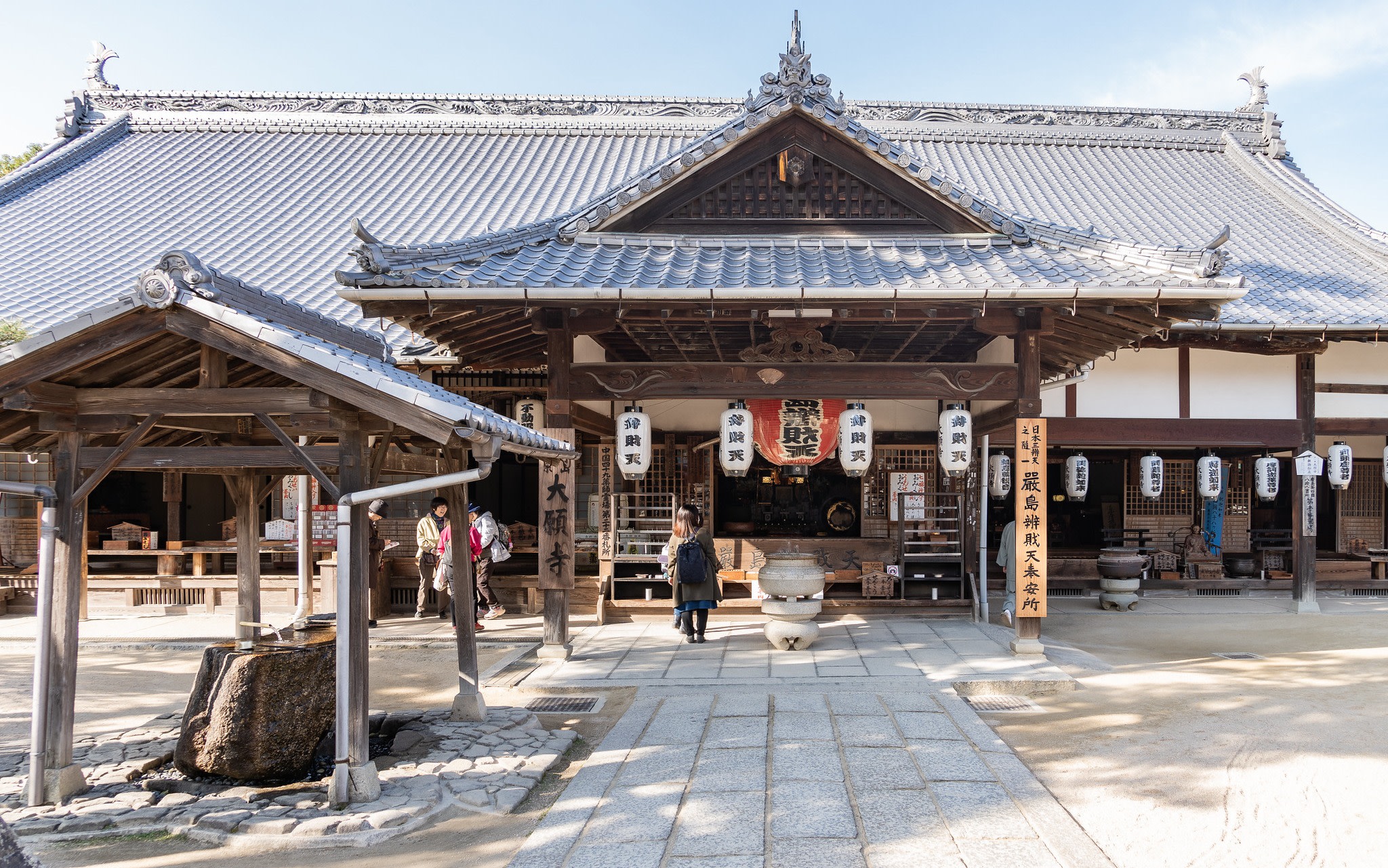
Visitors will stroll along Miyajima Omotesando Shopping Street, the island’s main approach street leading to Itsukushima Shrine. This lively street is lined with traditional shops, local food stalls, and souvenir stores that reflect Miyajima’s culture and everyday life.
Guests can see and sample local specialties such as freshly grilled oysters, momiji manju (maple leaf–shaped sweets), and other regional snacks while learning about their history and significance from the guide. The street also offers time to browse handmade crafts, local products, and unique souvenirs.
This visit provides a relaxed opportunity to experience Miyajima’s local atmosphere, food culture, and traditional shopping scene alongside its famous historic sites.
3
Visitors will see the Atomic Bomb Dome, one of Hiroshima’s most important historical landmarks and a UNESCO World Heritage Site. The building was one of the few structures left standing near the hypocenter of the atomic bombing on August 6, 1945, and remains preserved as a symbol of peace.
Your guide will explain the history of the building, what happened in Hiroshima on that day, and how the city rebuilt itself after the war. Guests will learn about the human impact of the bombing and the global message of peace and nuclear disarmament associated with the site.
The visit offers time to reflect while viewing the dome from nearby walkways along the river, providing a meaningful and educational experience within Hiroshima Peace Memorial Park.
4
Stop 4
Visitors will walk through Hiroshima Peace Memorial Park, a spacious riverside park dedicated to the victims of the atomic bombing and the message of lasting peace. The park connects key memorials, monuments, and reflection spaces in a calm, open setting.
Your guide will explain the meaning behind major sites such as the Cenotaph for the A-bomb Victims and the Children’s Peace Monument, sharing the historical background and stories associated with each location. Guests will also learn how the park was designed as part of Hiroshima’s postwar reconstruction and peace efforts.
This visit offers time for quiet reflection while gaining a deeper understanding of Hiroshima’s history, recovery, and its ongoing role as a global symbol of peace.
5
Stop 5
Visitors will explore the Hiroshima Peace Memorial Museum, which documents the events of August 6, 1945, and the impact of the atomic bombing on the city and its people. Through photographs, personal belongings, models, and multimedia exhibits, the museum presents the human stories behind the tragedy.
Your guide will provide historical context before or during the visit, helping guests understand the exhibits, the scale of destruction, and Hiroshima’s recovery after the war. The museum also conveys Hiroshima’s message of peace and the importance of nuclear disarmament.
This visit is a powerful and educational experience that deepens understanding of Hiroshima’s history and its continuing commitment to peace.
What's not included
JR train and ferry paid directly by the guest on the day of the tour at the JR ticket gates and ferry terminal
Available languages
Guide guide
EN
Important information
Public transportation options are available nearby
Suitable for all physical fitness levels
Meeting point
Please meet your guide at Hiroshima Station, South Exit (JR lines).
The meeting spot is the benches in front of the “Midori no Madoguchi” (JR Green Ticket Office), directly opposite Starbucks.
Your guide will have a bright fluorescent green band attached to their bag for easy identification.
About Hiroshima
Hiroshima is a vibrant city known for its poignant history and remarkable resilience. It is the capital of Hiroshima Prefecture and serves as a powerful reminder of the atomic bombing during World War II, while also offering rich cultural experiences and natural beauty.
Top Attractions
Peace Memorial Park and Museum
A poignant and powerful site dedicated to the memory of the atomic bombing in 1945. The park and museum serve as a symbol of peace and a reminder of the horrors of war.
Historical
2-3 hours
Free (Museum: ¥200)
Miyajima Island
A beautiful island known for its floating torii gate, scenic views, and historic temples. It is a UNESCO World Heritage site and a must-visit destination near Hiroshima.
Nature/Historical
Full day
Ferry: ¥360 (round trip), Shrine: ¥300
Shukkeien Garden
A beautiful traditional Japanese garden with ponds, bridges, and meticulously landscaped areas. It offers a peaceful retreat from the city bustle.
Nature
1-2 hours
¥260
Hiroshima Castle
A reconstructed castle that offers a glimpse into Hiroshima's feudal past. The castle houses a museum and provides panoramic views of the city.
Historical/Architecture
1-2 hours
¥370
Hiroshima Okonomimura
A multi-story building dedicated to Hiroshima's famous okonomiyaki (savory pancake). It houses several restaurants and offers a fun, interactive dining experience.
Food/Cultural
1-2 hours
Budget to Moderate
Must-Try Local Dishes
Hiroshima-style Okonomiyaki
A layered savory pancake made with noodles, cabbage, and various toppings, typically cooked on a teppan (iron griddle).
Dinner
Contains wheat, meat, and seafood. Vegetarian and vegan options may be available.
Hiroshima-style Oysters
Hiroshima is famous for its oysters, which are often grilled, fried, or served raw. They are typically harvested from the Seto Inland Sea.
Snack/Dinner
Contains shellfish. Not suitable for those with seafood allergies.
Hiroshima-style Udon
Thick, chewy wheat noodles served in a hot broth, often with various toppings like tempura or beef.
Lunch/Dinner
Contains wheat. Vegetarian and vegan options may be available.
Hiroshima-style Anago Meshi
Grilled saltwater eel served over rice, a local delicacy with a rich, savory flavor.
Lunch/Dinner
Contains fish. Not suitable for those with seafood allergies.
Popular Activities
Hiking on Miyajima Island
Cycling around Hiroshima
Kayaking in the Seto Inland Sea
Visiting Shukkeien Garden
Taking a leisurely streetcar ride
Enjoying a traditional tea ceremony
Visiting the Peace Memorial Park and Museum
Exploring the Hiroshima Castle
Best Time to Visit
Spring (March to May) and Autumn (September to November)
Spring offers cherry blossoms and mild weather, while autumn provides comfortable temperatures and vibrant foliage. These are the best times to visit for pleasant weather and outdoor activities.
15-25°C
59-77°F
Practical Information
Language
- Official: Japanese
- Widely spoken: English (limited)
- English: Limited
Currency
Japanese Yen (JPY)
Time Zone
GMT+9
Electricity
100VV, 50/60HzHz
Safety Information
Overall Safety Rating: Very safe
Hiroshima is a very safe city with a low crime rate. Violent crime is rare, and pickpocketing or petty theft is uncommon. However, travelers should still exercise caution and be aware of their surroundings.
Important Precautions:
- • Be cautious of unlicensed taxis and always check that the taxi has a meter.
- • Keep valuables secure and be aware of your surroundings in crowded areas.
- • Use reputable tour guides and services, and be wary of offers that seem too good to be true.
Getting there
By air
- Hiroshima Airport • 50 km from city center
By train
Hiroshima Station
By bus
Hiroshima Bus Center
Getting around
Public transport
The streetcar system is the main form of public transport in Hiroshima, offering an affordable and convenient way to get around.
Taxis
Available • Apps: JapanTaxi, DiDi
Rentals
Car, Bike, Scooter
Neighborhoods
Naka-ku
Higashi-ku
Nishi-ku
Minami-ku
Asaminami-ku
Day trips
Miyajima Island
10 km from Hiroshima • Full day
A beautiful island known for its floating torii gate, scenic views, and historic temples. It is a UNESCO World Heritage site and a must-visit destination near Hiroshima.
Onomichi
80 km from Hiroshima • Full day
A charming port city known for its historic temples, scenic views, and literary connections. Onomichi offers a mix of cultural attractions and natural beauty.
Iwakuni
50 km from Hiroshima • Full day
A historic city known for its stunning castle, beautiful gardens, and traditional samurai district. Iwakuni offers a mix of cultural attractions and scenic views.
Festivals
Hiroshima Flower Festival • May 3-5
Hiroshima International Animation Festival • August (varies by year)
Hiroshima Peace Memorial Ceremony • August 6
Pro tips
- Get a Hiroshima Amazing Pass for unlimited rides on the streetcar, bus, and ferry to Miyajima Island, as well as entry to major attractions.
- Visit the Peace Memorial Park and Museum early in the morning for a more serene and reflective experience.
- Try cooking your own Hiroshima-style okonomiyaki at Okonomimura for a fun and interactive dining experience.
- Hike Mount Misen on Miyajima Island for stunning views of the Seto Inland Sea and the surrounding area.
- Use IC cards like ICOCA for seamless payments on public transport and to save money on fares.
From $25
per person
Price varies by option
Secure booking
Free cancellation available
Instant confirmation